Hospital Bag Outfits for Mom: What to Wear Before, During, and After Delivery
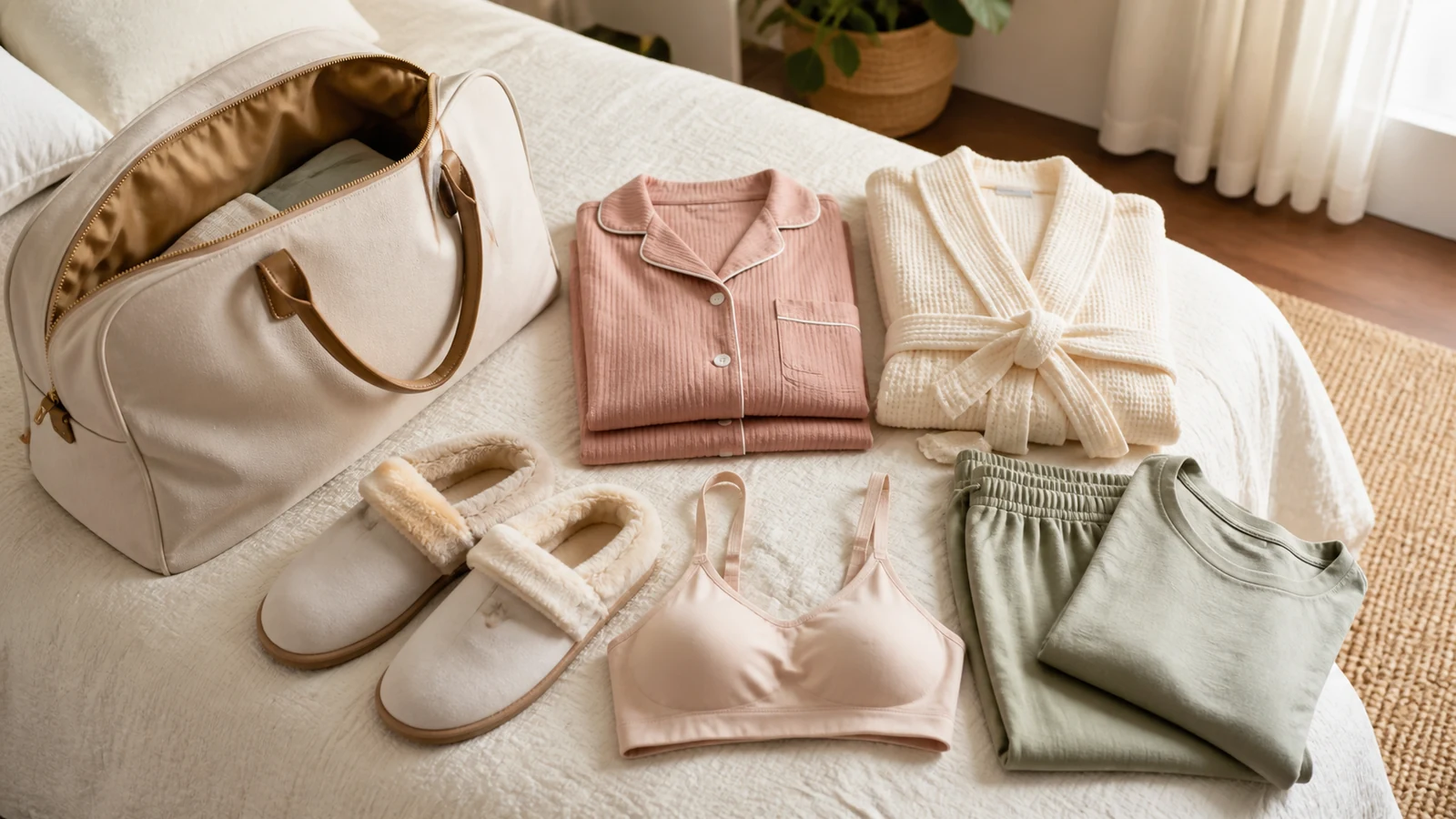
Hospital bag outfit for mom planning gets much easier when you stop trying to pack one perfect look. After three births, I would pack a tiny clothing system instead: something soft for recovery, a robe for easy coverage, supportive slip-on footwear, and one loose outfit for the ride home. Choose pieces that are easy to change, forgiving around a tender belly, and practical for feeding if that matters to you.
Your hospital will provide a gown for labor, so personal clothing is optional, not an admission requirement. Use the full Hospital Bag Checklist to keep clothing in proportion with the rest of your essentials. A smart Hospital bag outfit for mom should make movement and recovery easier, not turn the room into a suitcase explosion.
Disclosure: BabyEthos is reader-supported. As an Amazon Associate, we earn from qualifying purchases. This does not change what you pay.
QUICK SHOP
Quick Outfit Picks for Mom
These five pieces cover sleep, feeding access, hallway walks, easy layering, and the trip home without overpacking.
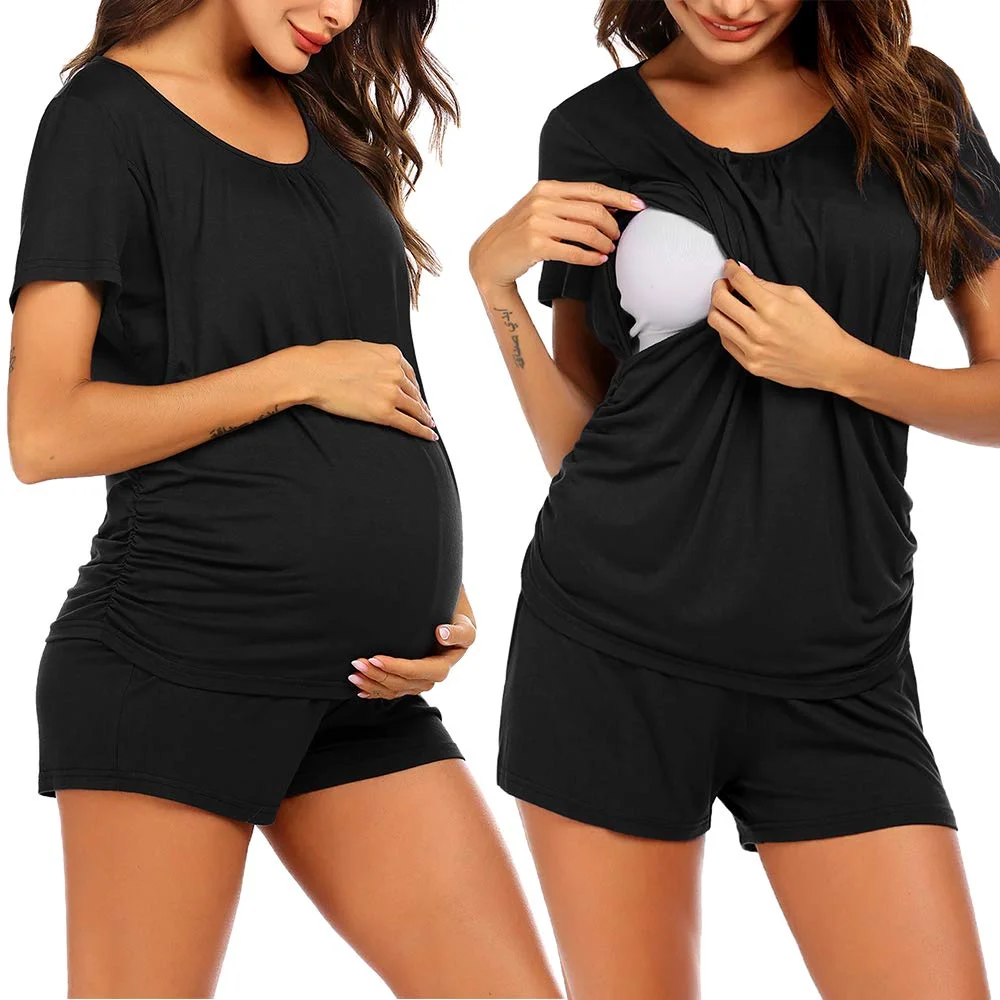
A soft nursing pajama set gives new moms comfortable sleepwear with practical feeding access during recovery and the first night home.
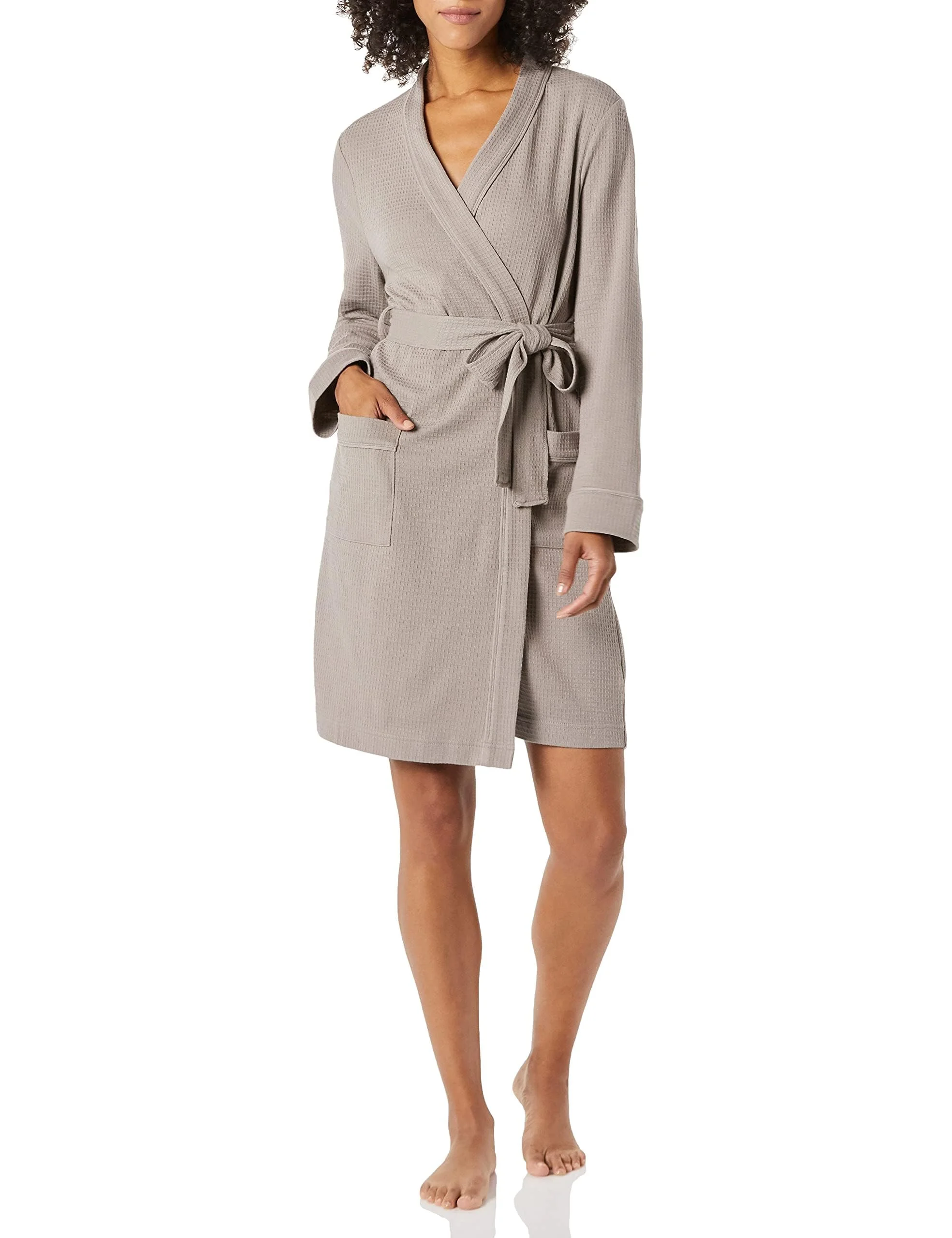
A lightweight postpartum robe adds coverage for hallway walks, visitors, feeding sessions, and trips between the bed and bathroom.
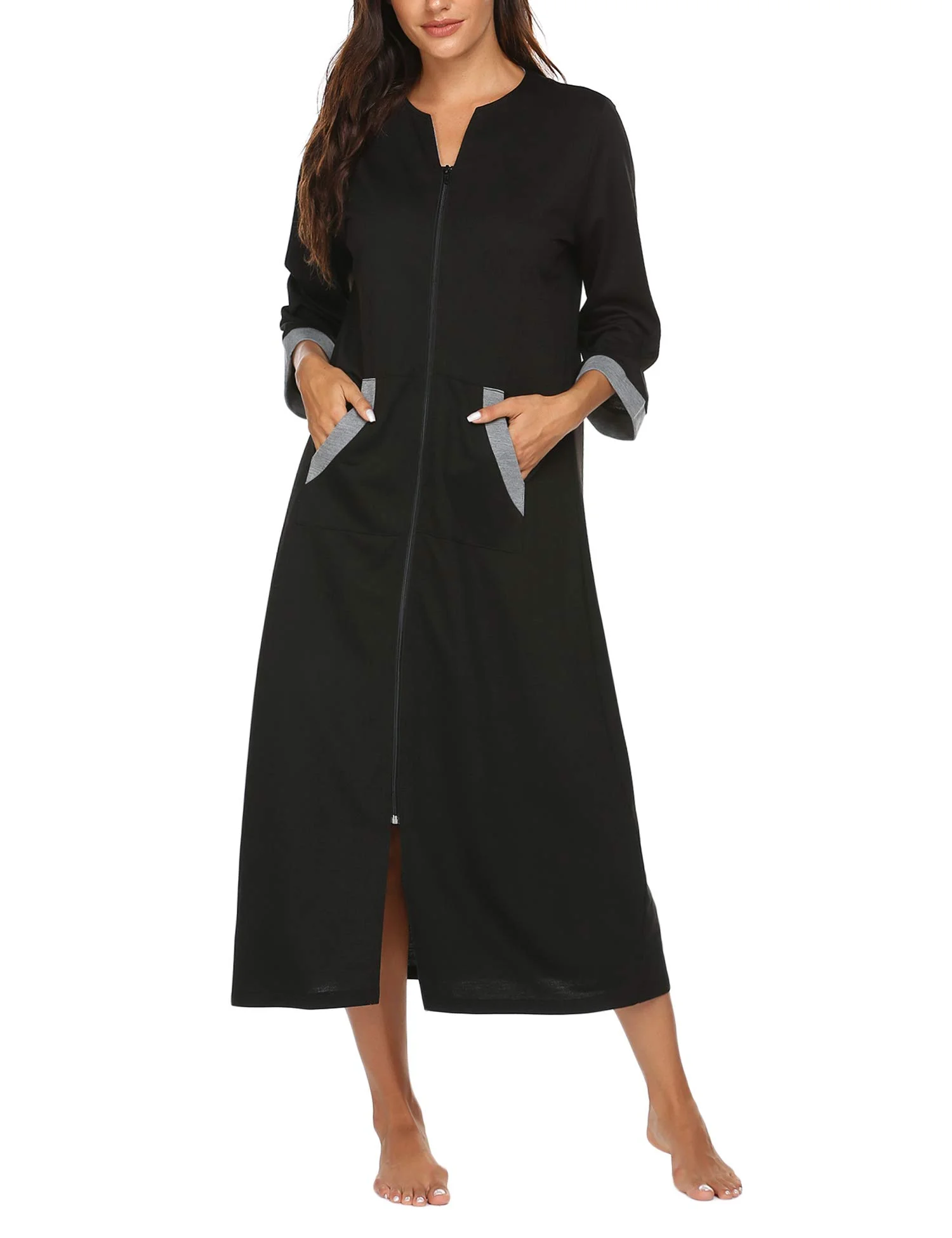
A loose going-home outfit avoids pressure around a tender postpartum belly while remaining simple to step into before discharge.
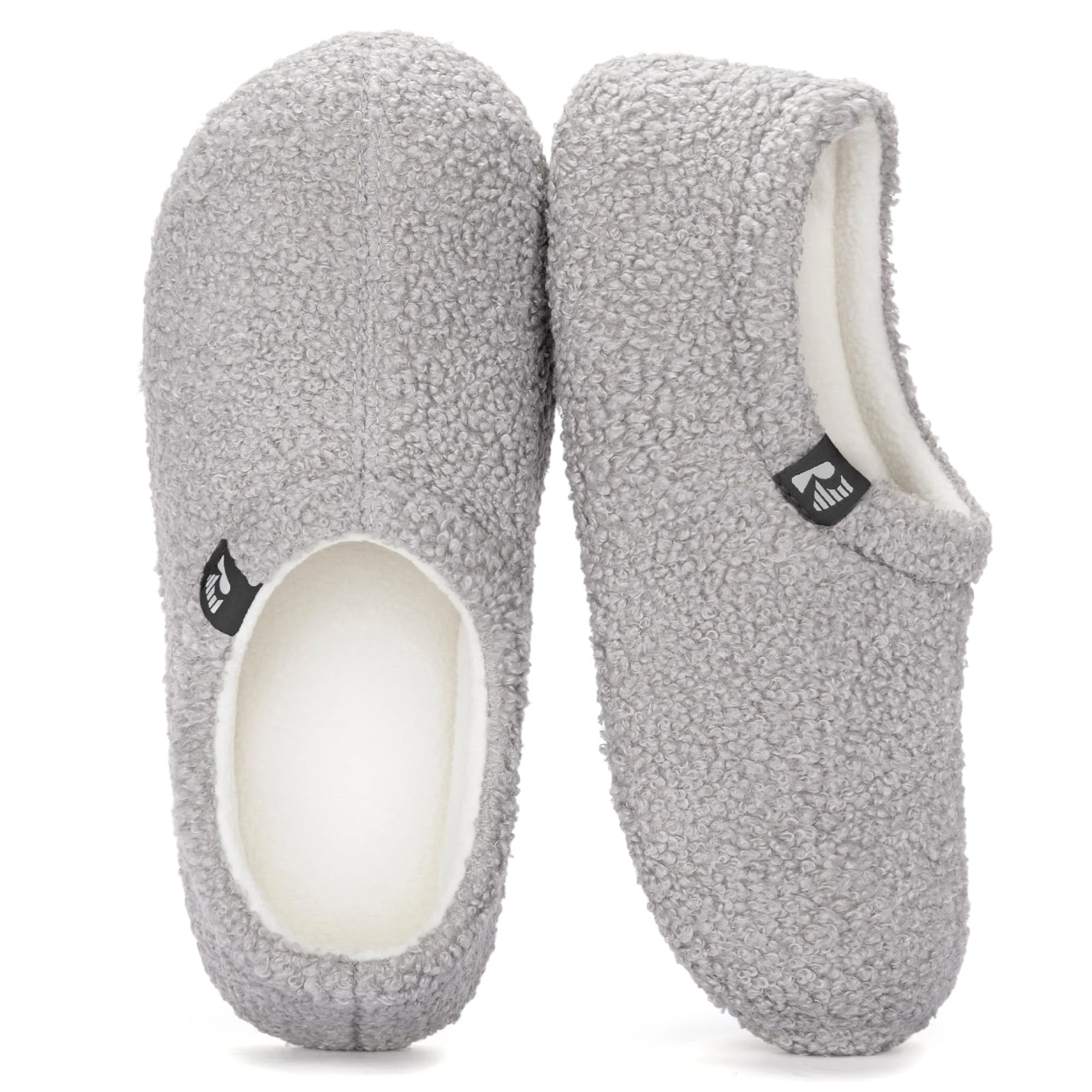
Closed-back non-slip slippers provide warmth and steadier footing for short walks around the recovery room and hospital hallway.
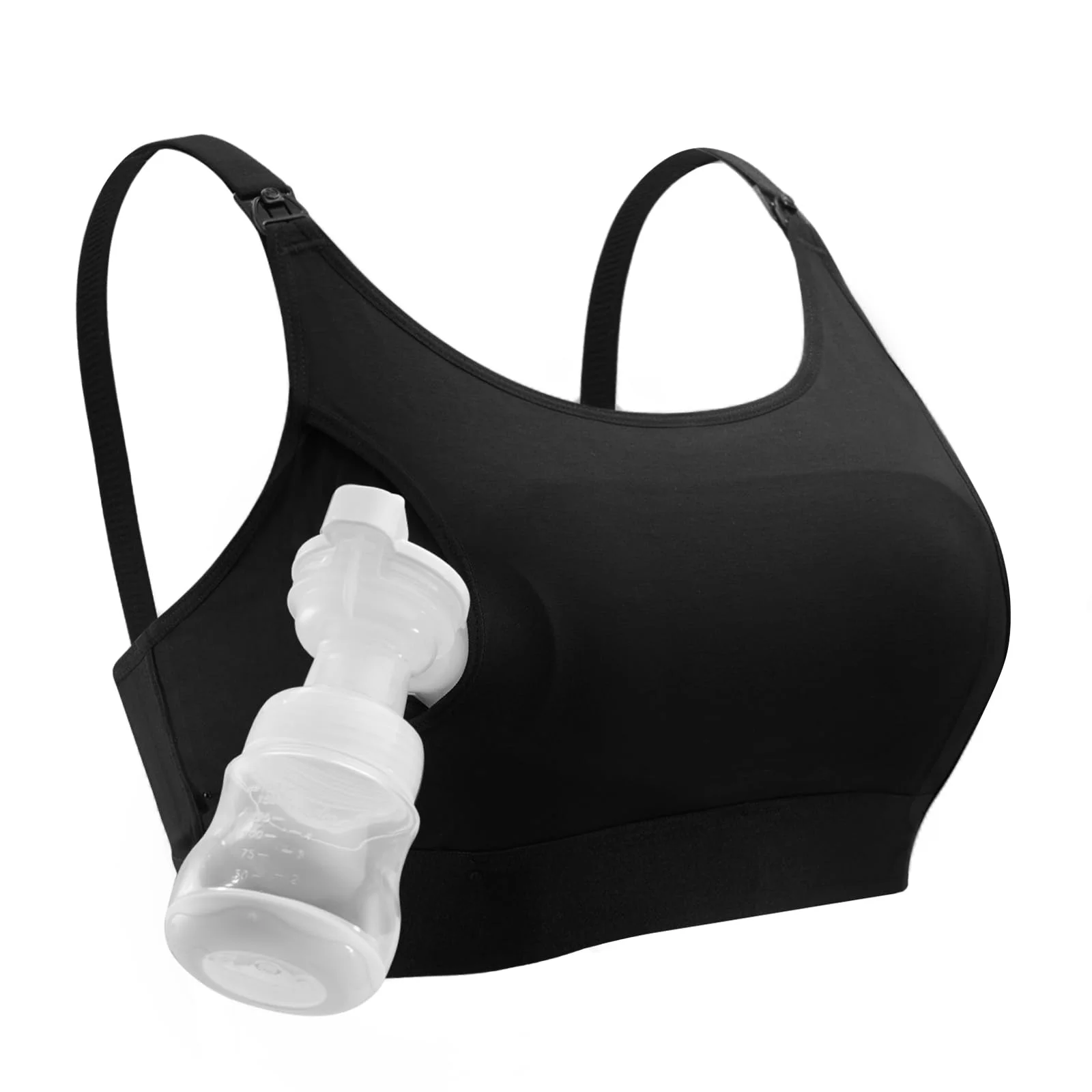
A nursing bra with pumping access can reduce clothing changes when feeding, pumping, and resting all happen in the same room.
Quick Answer: What Should Mom Wear?
For a Hospital bag outfit for mom, pack one soft pajama set or nightgown, one lightweight robe, a comfortable bra if you want one, non-slip slippers, and one loose going-home outfit. Dark or patterned fabrics are forgiving, pockets are genuinely useful, and front openings simplify nursing, pumping, skin-to-skin contact, and checks by your care team.
The best Hospital bag outfit for mom is roomy enough for postpartum swelling and easy enough to manage when you are sore and tired. Avoid tight waistbands, complicated jumpsuits, stiff denim, and anything precious. Birth and early recovery involve fluids, pads, ice packs, IV lines, and frequent checks. Washable comfort wins.
What to Wear Before and During Delivery
Wear something simple to the hospital: a loose dress, oversized shirt with soft pants, or another outfit you can remove quickly. Shoes should slip on without bending or wrestling with laces. If your water may have broken, protect the car seat with a disposable waterproof layer intended for the adult passenger, then remove it after the trip.
During labor, the hospital gown is the easiest default. It gives staff access for monitoring and procedures, and you will not care if it gets stained. A personal labor gown can feel softer, but ask your hospital whether it works with their equipment and policies. Our Labor gown vs hospital gown guide walks through that choice without pretending either option changes the birth itself.
I would keep the main Hospital bag outfit for mom clean until after delivery. Do not wear your nicest pajamas through labor just because they photograph well. You may change rooms, shower, sweat, or need unexpected care. Let the hospital gown do the messy work, then change when your nurse says it is practical and safe.
What to Wear After Delivery
After birth, prioritize access and ease when choosing a Hospital bag outfit for mom. Nurses may check bleeding, your abdomen, an incision, swelling, and vital signs. A two-piece pajama set can work well after an uncomplicated vaginal birth, while a nightgown or very high, loose waistband may feel better after a C-section. Your comfort can change hour by hour, so flexibility matters more than a perfectly coordinated set.
A practical Hospital bag outfit for mom also works with bulky postpartum underwear and pads. Pack your late-pregnancy size or larger rather than expecting pre-pregnancy clothing to fit immediately. Bodies do not snap back after delivery; your uterus, fluid levels, breasts, abdomen, and incision area all need time and room.
For general recovery planning, ACOG’s postpartum care guidance explains why recovery and follow-up are ongoing rather than a single hospital event. Clothing is a comfort decision, not medical treatment. Follow your nurse’s instructions about walking, showering, compression garments, incision care, and anything that touches a healing area.
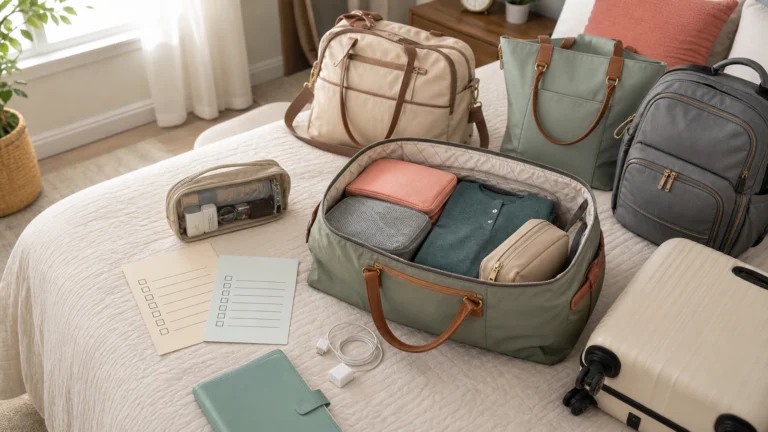
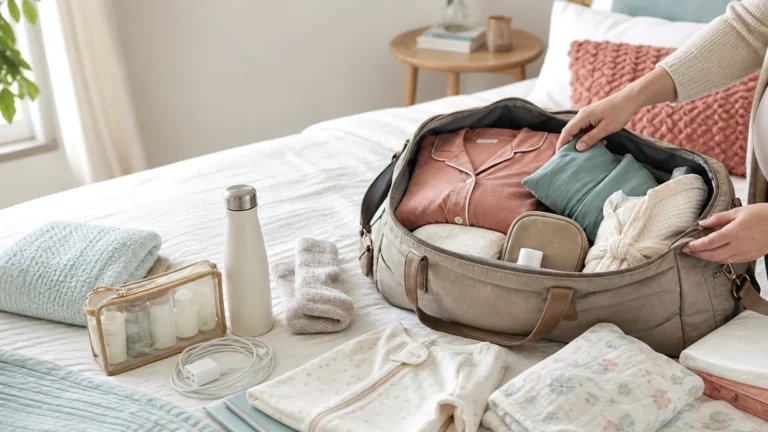
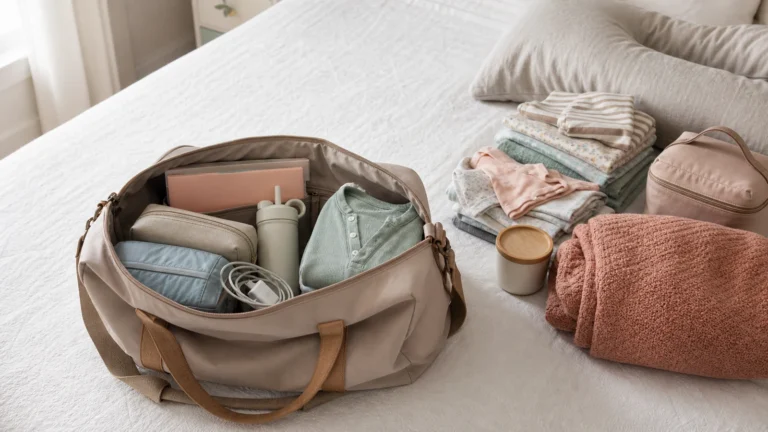
Keep this clothing capsule together inside the larger Hospital Bag Checklist. I like one cube labeled “Mom Clothes” so a partner can find clean pajamas without lifting every baby blanket and charging cable out of the bag.
Five Useful Pieces to Pack
1. Nursing Pajamas Set
A soft nursing pajama set gives new moms comfortable sleepwear with practical feeding access during recovery and the first night home.
A soft button-front pajama set is a useful recovery layer because it looks presentable enough for visitors but still feels like sleepwear. Front access helps with feeding and skin-to-skin contact, and separate pieces make bathroom trips straightforward. Choose a loose waistband and fabric you can machine wash without special care.
If pajamas are your priority, the Nursing pajamas hospital bag guide covers fit and access in more detail. For this Hospital bag outfit for mom, I would pack only one set unless your stay is expected to be longer. A backup oversized T-shirt can handle spills without adding another full outfit.
2. Postpartum Robe
A lightweight postpartum robe adds coverage for hallway walks, visitors, feeding sessions, and trips between the bed and bathroom.
A lightweight robe provides quick coverage when staff enters, visitors arrive, or you walk the hallway. It also layers over the hospital gown while keeping IV access simpler than a pullover sweatshirt. Look for a robe that is not so long or loose that it drags, catches, or becomes a trip hazard.
I prefer medium or dark colors and sleeves that stay out of the sink. Tie the belt securely and keep it off the floor. A robe is convenient, but it is not worth packing a plush, bulky version that occupies half the bag and makes a warm hospital room even warmer.
3. Loose Going-Home Outfit
A loose going-home outfit avoids pressure around a tender postpartum belly while remaining simple to step into before discharge.
The going-home portion of your Hospital bag outfit for mom should fit like late-pregnancy clothing. A loose two-piece set, soft dress, or roomy top with high-waisted pants can all work. Consider the weather, the distance to the car, and whether a waistband might press on a C-section incision.
Bring a jacket or cardigan separately if it is cold instead of relying on a heavy outfit indoors. For the car ride, position the seat belt normally across the hips and shoulder. If you have an incision, ask your care team how to stay comfortable without changing proper belt placement.
4. Non-Slip Slippers
Closed-back non-slip slippers provide warmth and steadier footing for short walks around the recovery room and hospital hallway.
Hospital floors are not where I want bare feet or slippery socks. Choose slippers with a real non-slip sole, enough room for swelling, and a back or shape that stays on while walking. They should be easy to put on without bending deeply. Washable or inexpensive pairs are sensible because you may not want them in your bedroom afterward.
Our Hospital bag slippers guide compares slippers and grippy socks. Whichever you choose, ask for assistance the first time you stand after delivery, anesthesia, or medication. Footwear supports traction; it does not replace staff help when you are dizzy or weak.
5. Nursing Bra
A nursing bra with pumping access can reduce clothing changes when feeding, pumping, and resting all happen in the same room.
A stretchy, wire-free nursing bra can provide light support and hold nursing pads, but you do not have to wear one. Breasts may change quickly as milk comes in, so avoid a tight band or rigid cups. If you are not nursing, the same rule applies: choose gentle support that does not pinch or create pressure.
For a compact Hospital bag outfit for mom, one comfortable bra is plenty. Try it late in pregnancy, but leave room for changes. If any garment causes pain, redness, numbness, or deep marks, take it off and ask your care team for guidance.
What I Would Leave at Home
When editing your Hospital bag outfit for mom, skip tight leggings, underwire bras, shapewear, stiff jeans, complicated rompers, and delicate fabrics. I would also leave expensive slippers and sentimental robes at home. You can absolutely pack something that makes you feel like yourself, but every piece should survive stains, frequent washing, and an exhausted partner stuffing it into the wrong pocket.
Do not pack a postpartum binder or compression garment as an automatic part of your Hospital bag outfit for mom. Some people find support helpful, especially after abdominal surgery, but fit and timing matter. Ask your clinician or hospital team before using one, and stop if it increases pain, pressure, breathing difficulty, or irritation.
Before zipping the bag, compare your clothing cube with the complete Hospital Bag Checklist. If clothes take more space than recovery supplies, documents, toiletries, and baby basics combined, edit the pile. You are packing for a short medical stay, not a wardrobe change between every feeding.
FAQ
How many outfits should mom pack for the hospital?
For a typical stay, one recovery outfit or pajama set, one robe, and one going-home outfit are usually enough. Add a backup top or nightgown if you expect a longer stay or simply want protection against spills.
Should I wear my own clothes during labor?
You can ask whether a personal labor gown is allowed, but the hospital gown is often easiest for monitoring, procedures, stains, and unexpected changes in care. Personal clothing is optional.
What should I wear home after a C-section?
Choose a loose dress or very soft, high-waisted pants that do not press on the incision. Ask your care team about incision comfort and keep the vehicle seat belt positioned correctly across your hips and shoulder.
Do I need a nursing bra in the hospital?
No. Some parents like a stretchy wire-free bra for support or nursing pads, while others are more comfortable without one. Avoid anything tight because breast size and sensitivity can change quickly.
My final Hospital bag outfit for mom formula is simple: soft pajamas, a light robe, secure slip-on footwear, an optional comfortable bra, and a roomy ride-home outfit. Pack for the body you will have immediately after birth, give yourself space to recover, and let comfort outrank photos.
Use the Hospital Bag Checklist for one final review, then close the clothing cube. A few thoughtfully chosen pieces will serve you better than a stack of outfits you are too tired to wear.
Shop outfit picks