Newborn Essentials 2026: What You Actually Need Before Baby Arrives
Preparing for a newborn can get overwhelming fast. One minute you are adding diapers and sleepers to your registry, and the next you are staring at bottle warmers, wipe warmers, loungers, swings, monitors, organizers, and tiny shoes your baby may never wear.
The truth is simpler: most families do not need every baby product before the due date. You need a safe place for your baby to sleep, a practical way to feed them, enough diapers and wipes for the first days, a few easy outfits, basic bath and care items, and a simple plan for where everything will live in your home.
This guide focuses only on newborn essentials — the items that help with sleep, feeding, diaper changes, clothing, bath time, cleanup, and basic care during the first weeks at home. For the bigger registry picture, you can also use our Pregnancy Registry Checklist as the parent planning hub.
If you are still building your full registry, this page works best together with our Baby Registry Must Haves guide. If you are packing for delivery too, keep your Hospital Bag Checklist separate from this newborn home setup so you do not mix hospital items with baby-at-home essentials.
What Newborn Essentials Do You Actually Need?
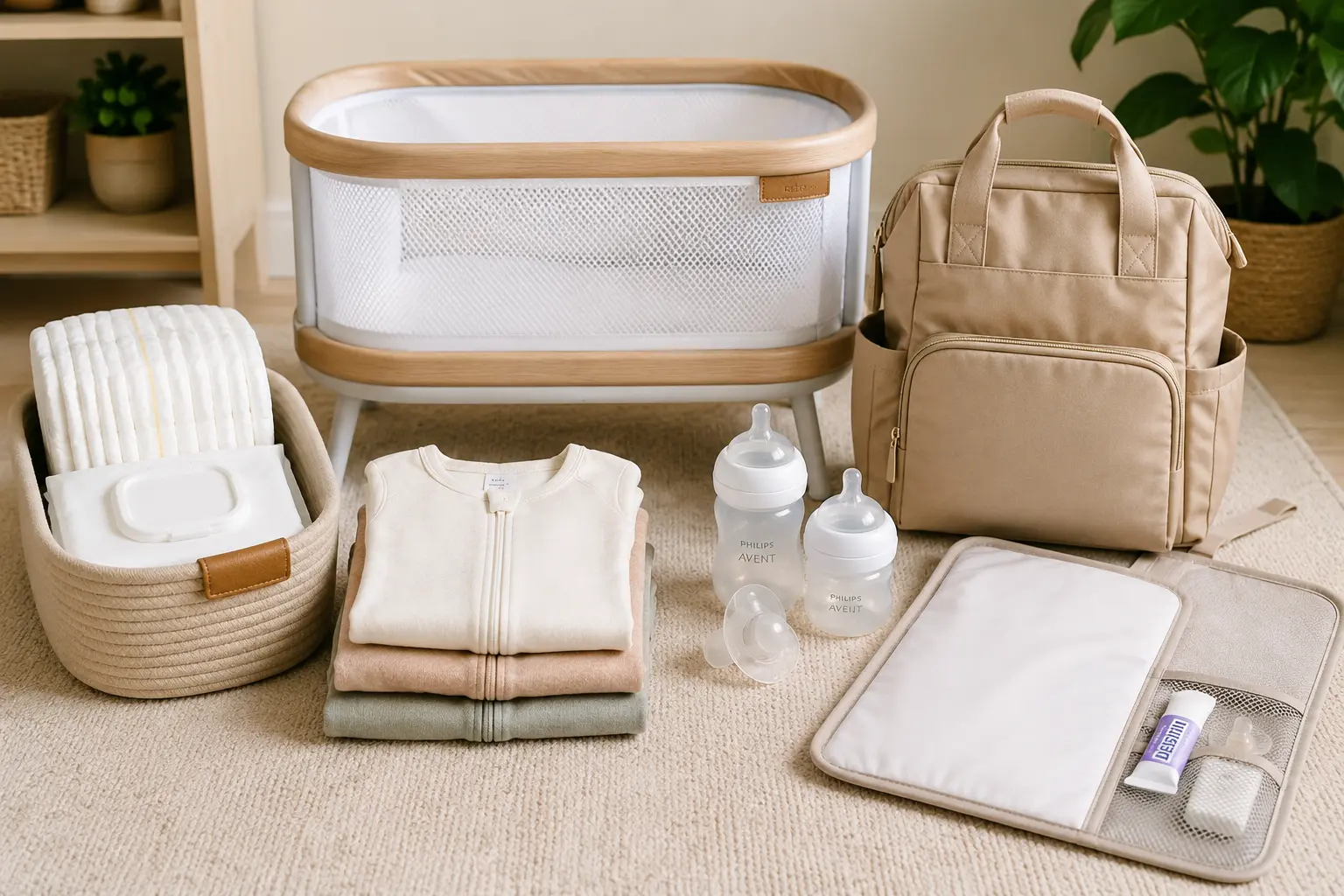
The most useful newborn essentials are a bassinet, swaddle sack, baby sleep sack, white noise machine, newborn diapers, fragrance-free wipes, diaper rash cream, portable changing pad, diaper caddy, newborn baby bottles, bottle brush set, burp cloths, nursing pillow, baby bath tub, hooded towels, baby washcloths, zipper sleepers, bodysuits, baby healthcare kit, and baby laundry detergent.
For most families, the best starting point is a focused setup for the first few weeks at home, then adjusting after you know your baby’s size, feeding style, sleep habits, laundry rhythm, and space limits.
Quick Shopping List: 20 Newborn Essentials to Prepare First
Some parents want the full explanation. Others want to know what to buy first and come back to the details later. This quick shopping section is for that second group.
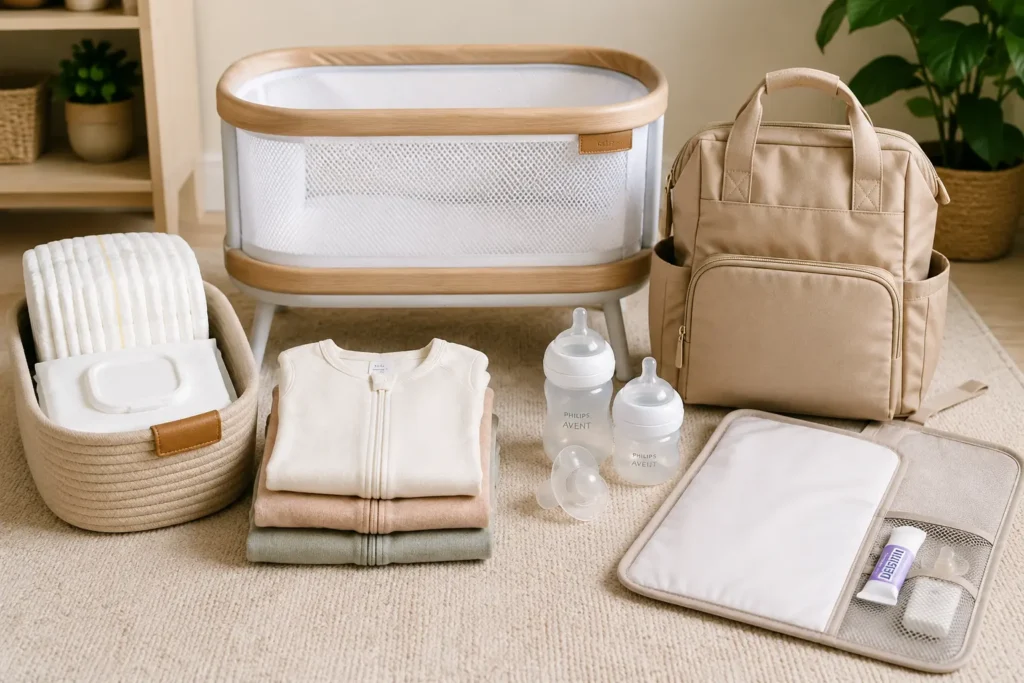
These 20 items are the core newborn essentials used throughout this guide. Each one supports a real routine: sleep, feeding, diapering, bath time, clothing, cleaning, or basic care.
Quick Shop
Newborn Essentials at a Glance
Short on time? Browse the newborn essentials by category and tap any product to view it on Amazon.
Sleep
Diapering
Feeding
Clothing
Bath, Care & Laundry
What Counts as a Newborn Essential?
A newborn essential is something that supports a real, repeated need in the first weeks at home. It should help with one of these jobs:
- giving your baby a safe sleep space
- feeding your baby
- changing diapers
- keeping baby dressed and comfortable
- bathing and basic care
- cleaning up milk, spit-up, leaks, and laundry
- keeping daily supplies within reach
That definition matters because many baby products look useful before the baby arrives. Some are genuinely helpful later. Some are only useful for certain homes. Some are nice to have, but not urgent. And some products are better skipped completely, especially if they add clutter without solving a real daily problem.
| Category | Buy Before Baby Arrives | You Can Wait | Skip for Most Newborns |
|---|---|---|---|
| Sleep | Bassinet, Swaddle Sack, Baby Sleep Sack, White Noise Machine | Extra nursery decor, extra sheets, decorative bedding | Sleep positioners, crib bumpers, loose blankets in sleep space |
| Feeding | Newborn Baby Bottles, Burp Cloths, Bottle Brush Set, Nursing Pillow | Bottle warmer, sterilizer, large bottle stash | Too many bottle styles before knowing baby’s preference |
| Diapering | Newborn Diapers Size N, Fragrance-Free Baby Wipes, Diaper Rash Cream, Portable Changing Pad, Diaper Caddy Organizer | Large diaper stockpile in one size | Oversized diaper furniture if space is tight |
| Clothing | Newborn Zipper Sleepers, Baby Onesies Bodysuits | Fancy outfits, too many newborn sizes | Baby shoes, stiff outfits, impractical clothes |
| Bath | Baby Bath Tub, Hooded Baby Towels, Baby Washcloths | Large bath toy sets | Too many scented bath products |
| Health & Care | Baby Healthcare Kit | Extra gadgets | Products that promise medical results |
| Cleaning | Baby Laundry Detergent, Baby Washcloths | Specialized stain gadgets | Duplicate cleaners you may not use |
The Newborn Essentials You Will Use Most Often
Before you build a full registry, it helps to think in daily routines instead of product categories. Newborn care repeats itself all day: sleep, feed, change, clean up, change clothes, repeat.
This is also where many parents overbuy. A product can look useful on a registry, but if it does not support a daily newborn routine, it may not deserve space in your home yet.
For sleep
The first sleep priority is a safe, simple place for baby to rest. For many families, that means a bassinet near the bed, plus wearable sleep layers such as a swaddle sack or baby sleep sack.
A white noise machine can also be useful if your baby sleeps in your room, near siblings, or in a smaller home where normal household sounds carry.
Sleep Essentials
Shop Newborn Sleep Basics
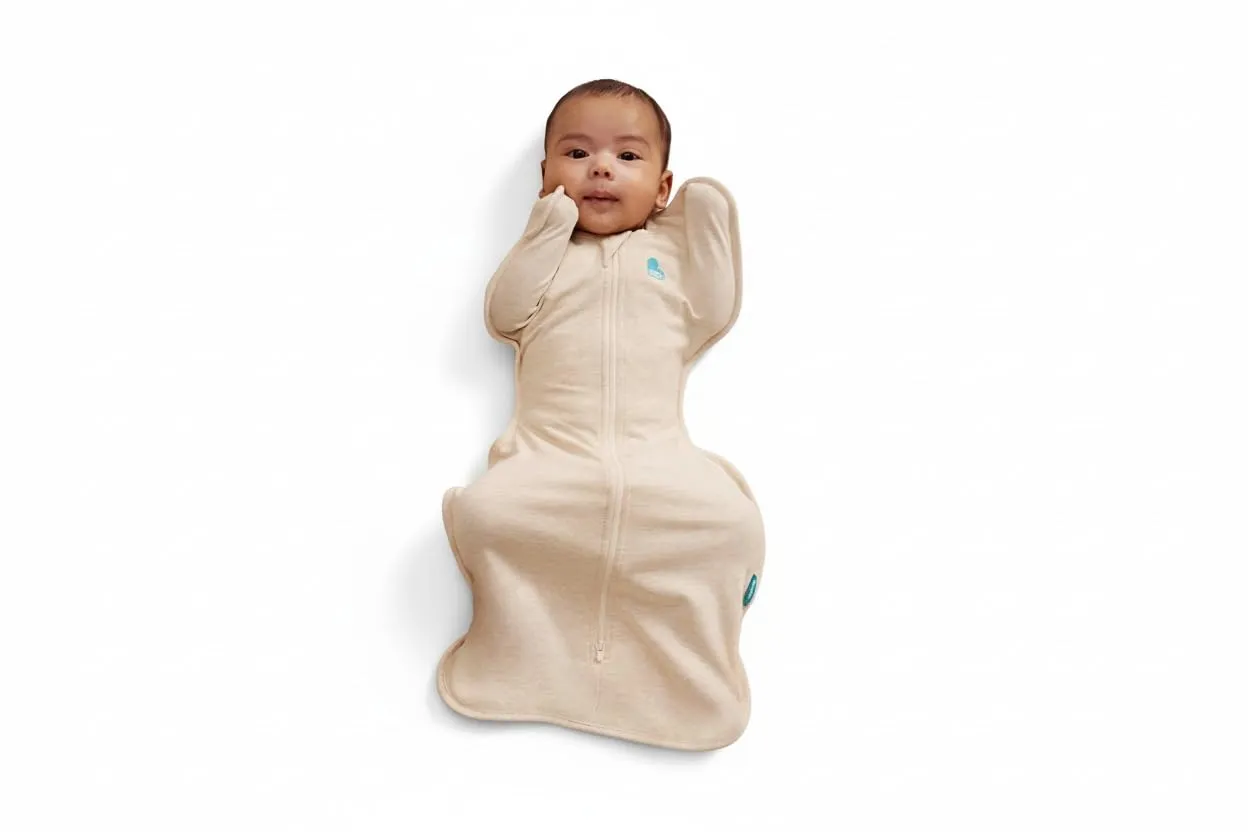
Baby Sleep Sack
A wearable sleep layer for babies in the right size and stage.
Check Price on Amazon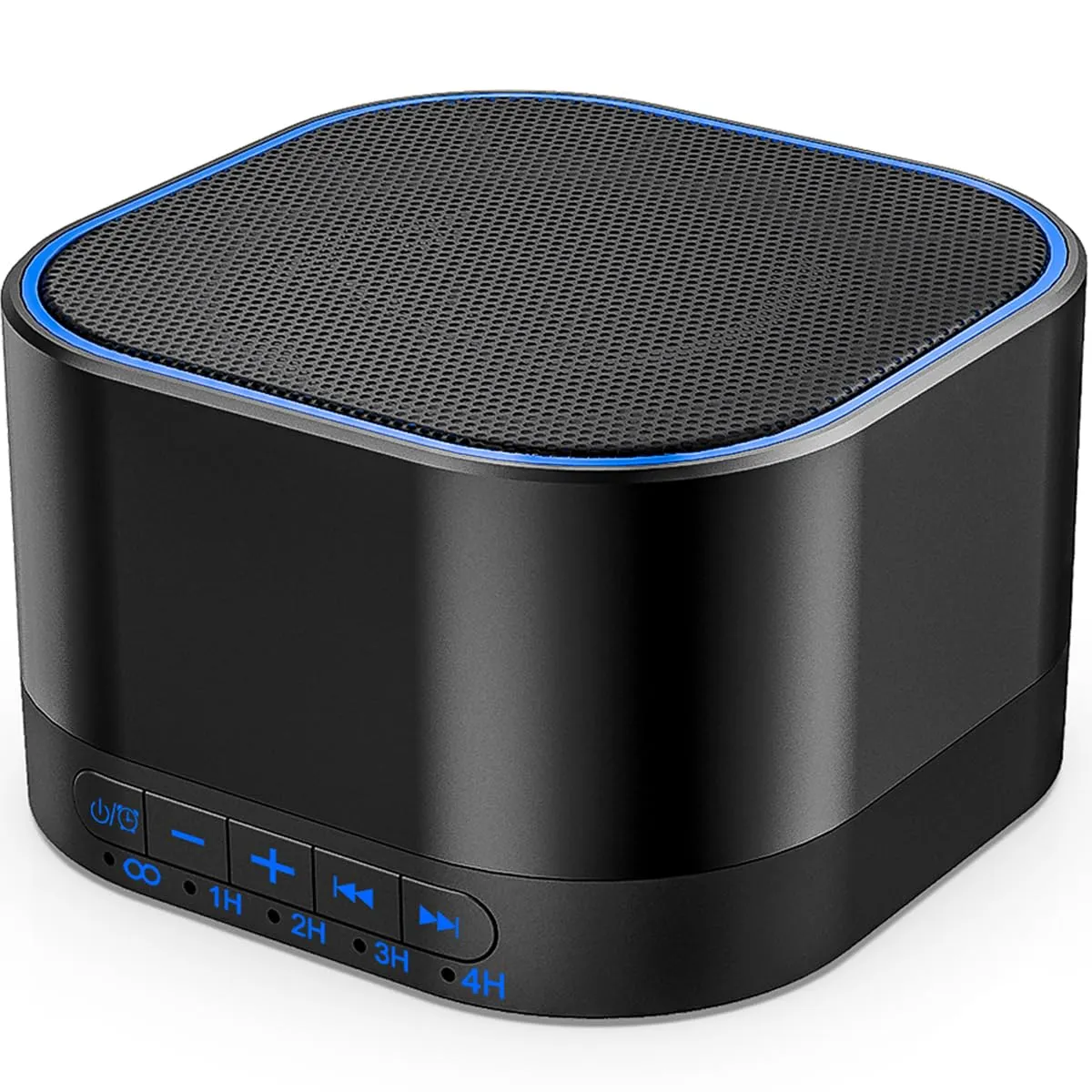
White Noise Machine
A small sound machine for naps, night feeds, and shared rooms.
Check Price on AmazonSleep safety note: Always follow the product instructions and keep the sleep space simple, firm, flat, and free of loose bedding.
For feeding
Feeding plans can change after baby arrives, so start with a small, flexible setup. Newborn bottles are useful for formula, pumped milk, combo feeding, or backup feeding. Burp cloths are useful no matter how you feed. A bottle brush helps keep cleanup manageable if bottles are part of your routine.
A nursing pillow can also be helpful for breastfeeding, bottle feeding, or recovery-friendly positioning, especially during long or frequent feeds. If pumping becomes part of your plan later, our Wearable Breast Pump and Breast Milk Storage Bags guides can help with the pumping side without overloading this newborn starter list.
Feeding Essentials
Shop Newborn Feeding Basics
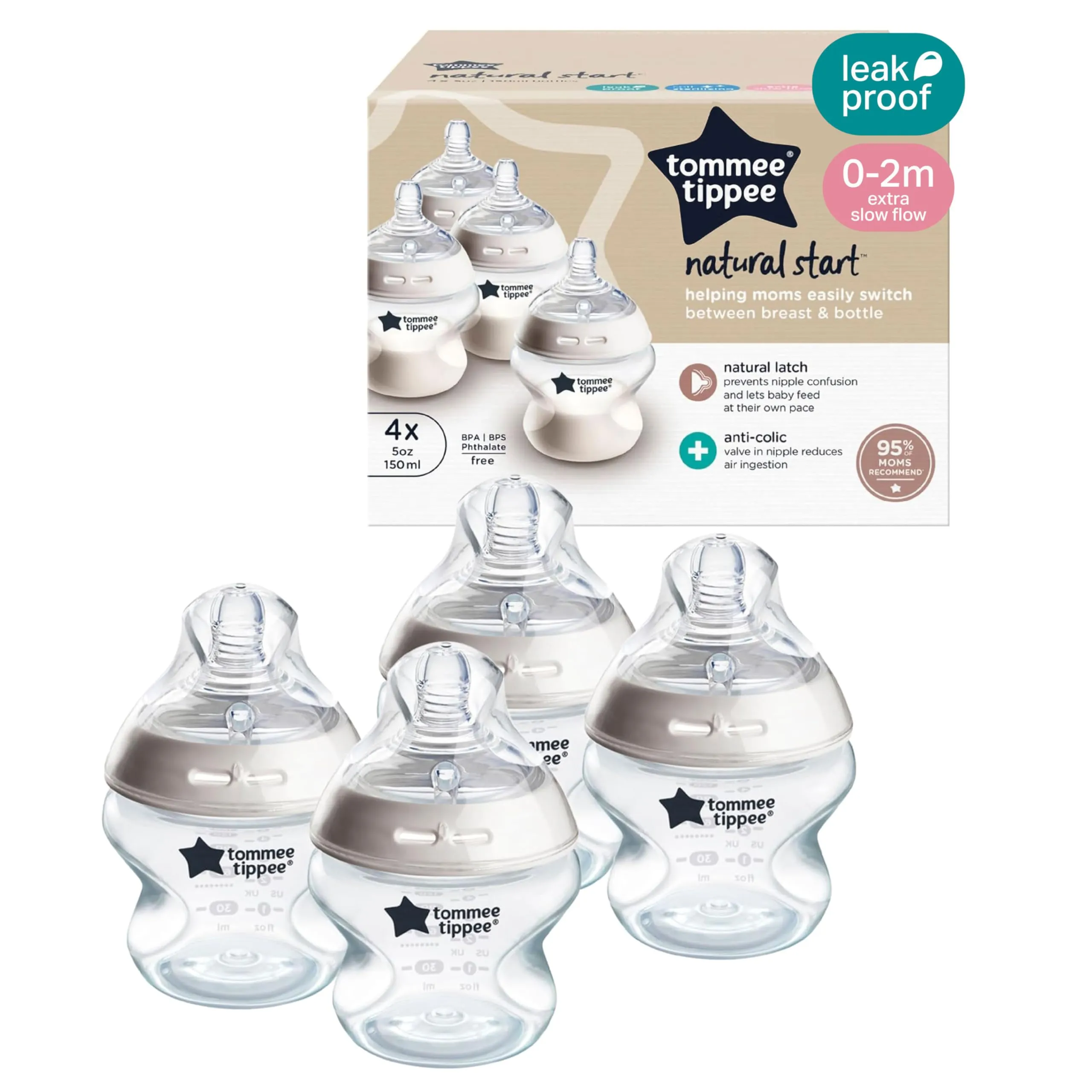
Newborn Baby Bottles
A starter bottle set for formula, pumped milk, or backup feeds.
Check Price on Amazon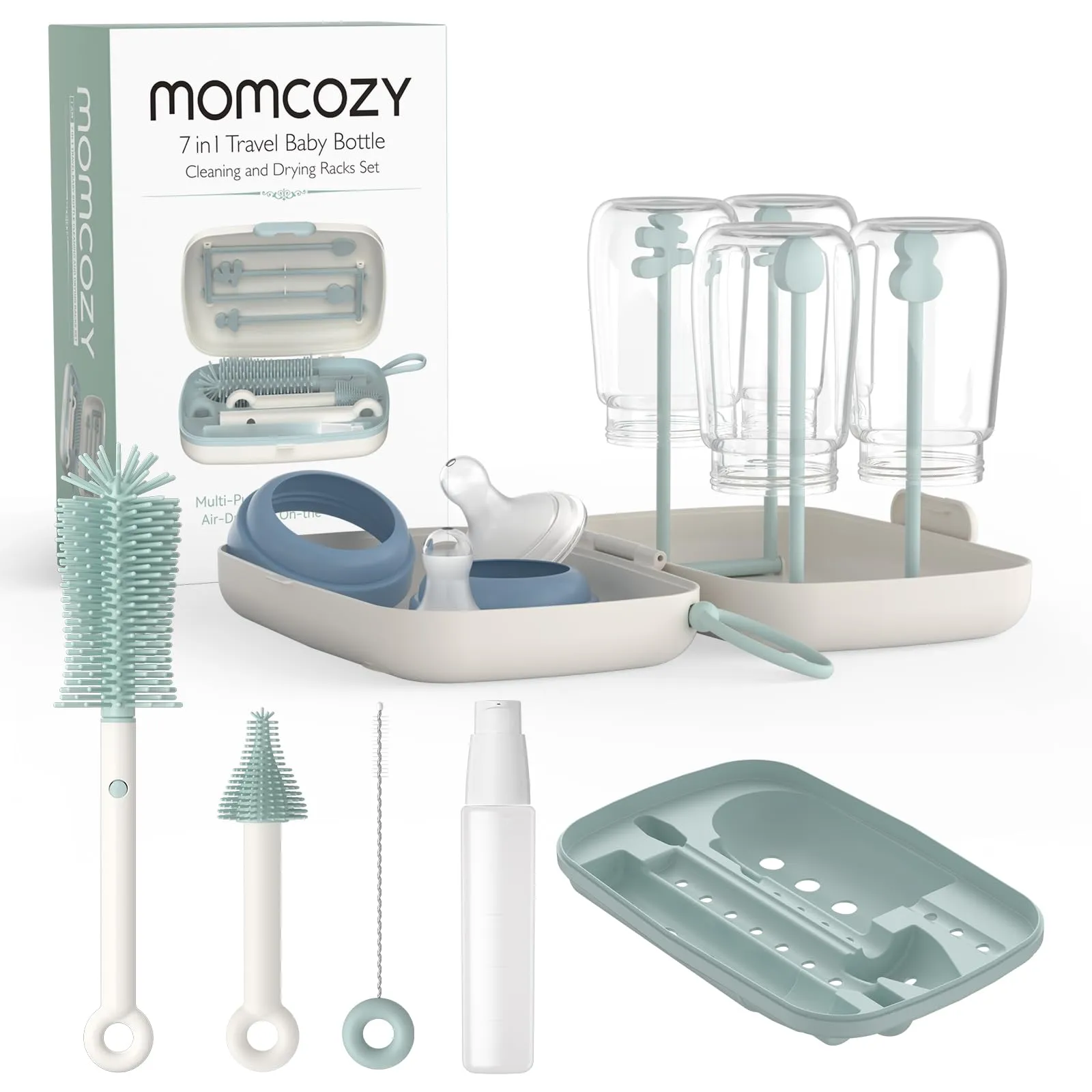
Bottle Brush Set
A practical cleaning tool for bottles, nipples, and small feeding parts.
Check Price on Amazon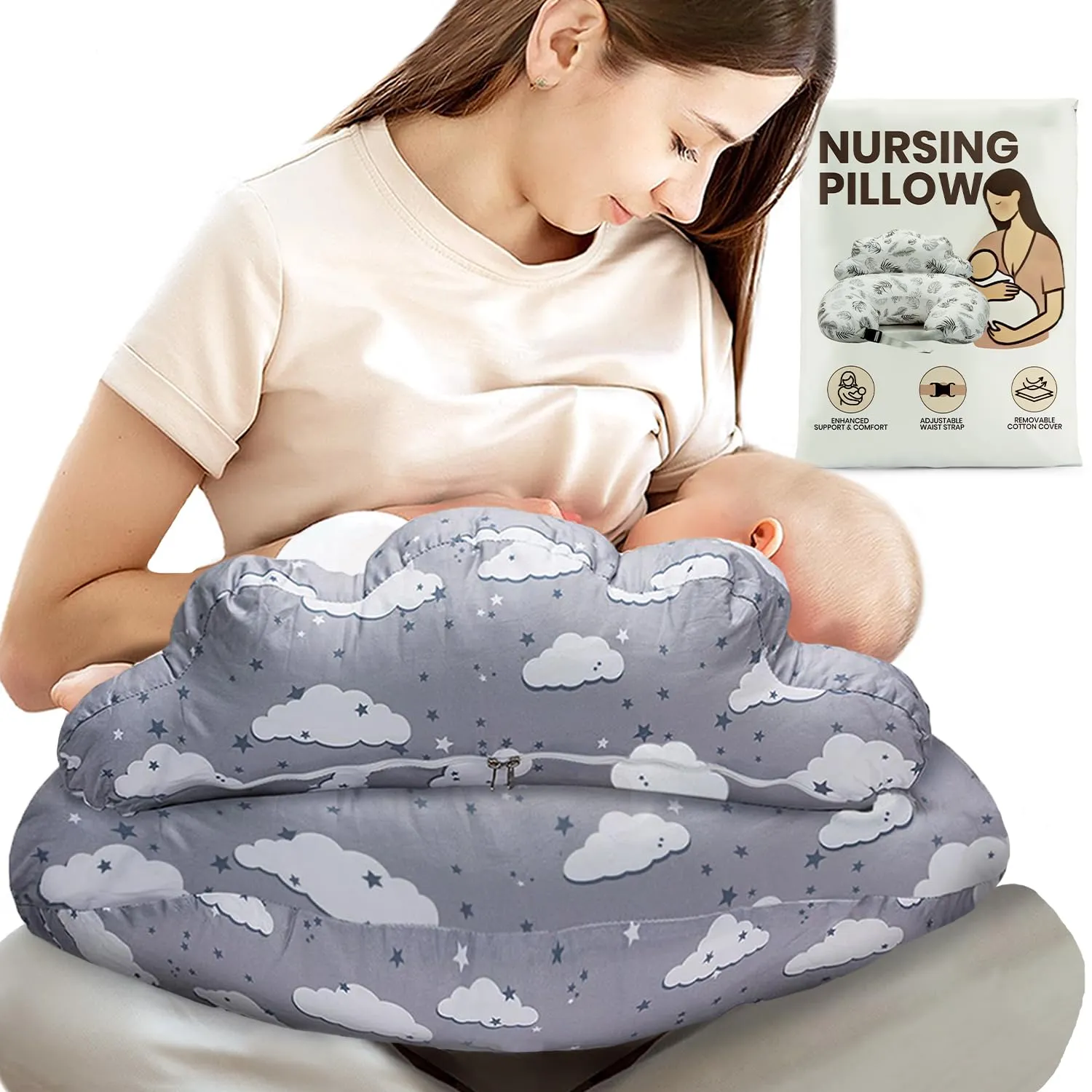
Nursing Pillow
A supportive pillow for nursing, bottle feeds, and recovery-friendly setups.
Check Price on AmazonFor diaper changes
Diapering is where you will feel missing supplies immediately. Newborn diapers, fragrance-free wipes, diaper rash cream, a portable changing pad, and a diaper caddy cover the basics.
You do not need a large changing table if your space is tight. A portable changing pad and stocked caddy can work well in bedrooms, living rooms, small apartments, grandparents’ homes, or upstairs/downstairs setups.
Diapering Essentials
Shop Newborn Diaper Change Basics
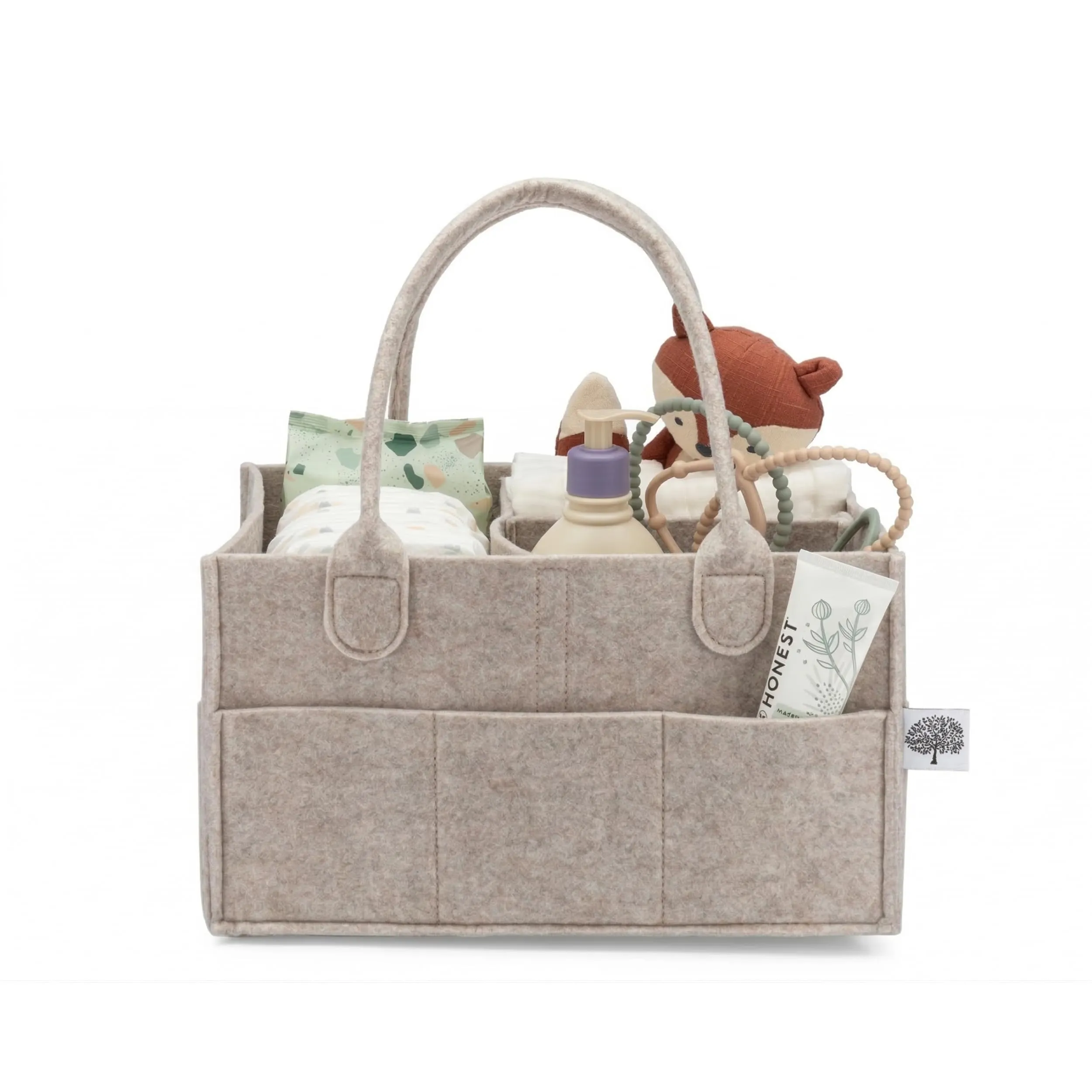
Diaper Caddy Organizer
A portable organizer for diapers, wipes, cream, and small backups.
Check Price on AmazonFor clothing
For the first weeks, easy clothing matters more than cute outfits. Zipper sleepers are often the most practical because diaper changes happen constantly. Bodysuits work well as base layers under sleepers or simple daytime outfits.
Do not overbuy one newborn size before you know your baby’s length, weight, and growth pattern.
Clothing Essentials
Shop Newborn Clothing Basics
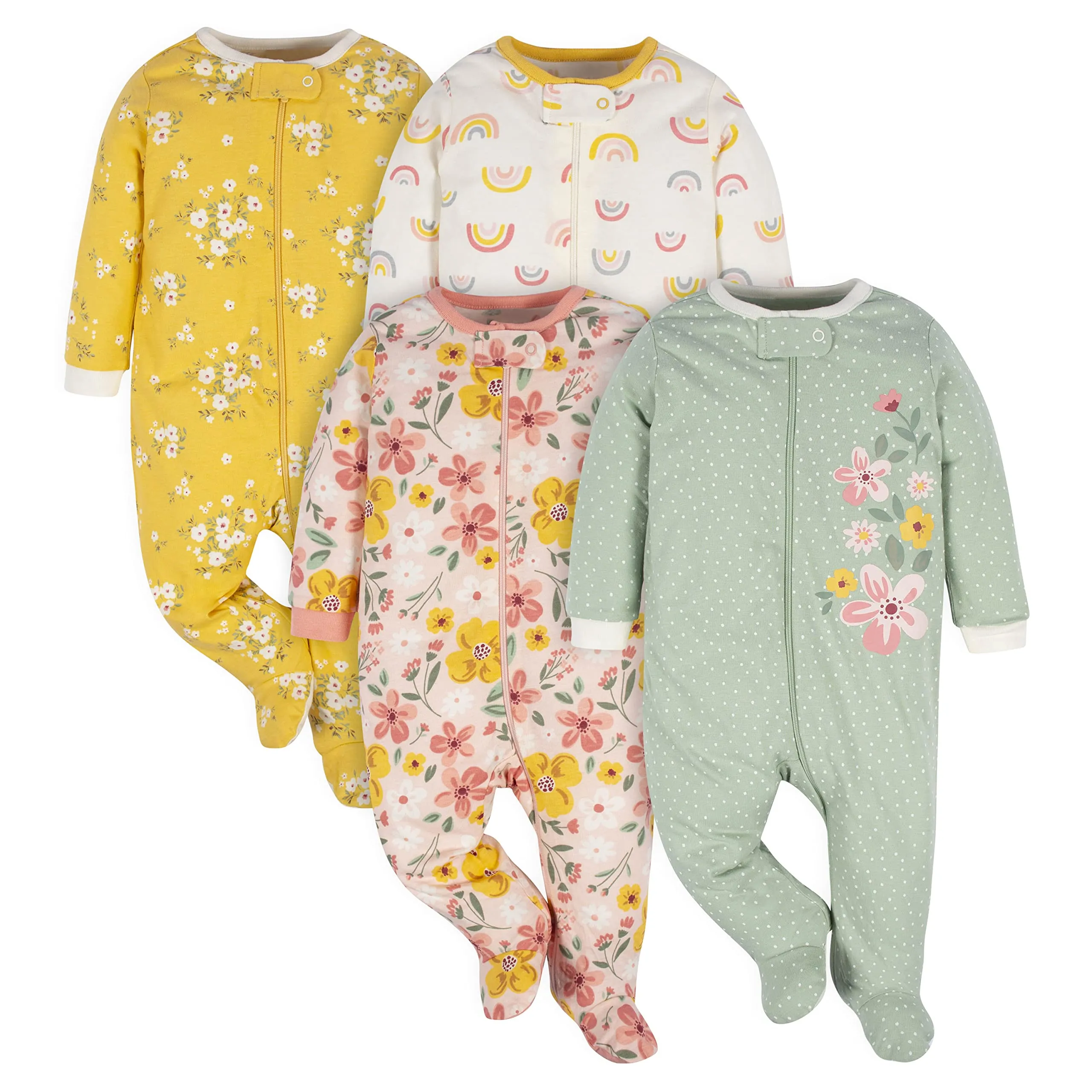
Newborn Zipper Sleepers
Easy sleepers for day, night, and frequent diaper changes.
Check Price on AmazonFor bath and basic care
Newborn bath time is easier with a simple baby bath tub, a few soft washcloths, and hooded towels. You do not need a full shelf of scented products or bath toys.
For basic care, a baby healthcare kit keeps small tools together, such as nail care and nasal care items. Keep the language simple here: these are basic care tools, not medical treatment tools.
Bath & Basic Care Essentials
Shop Newborn Bath & Care Basics
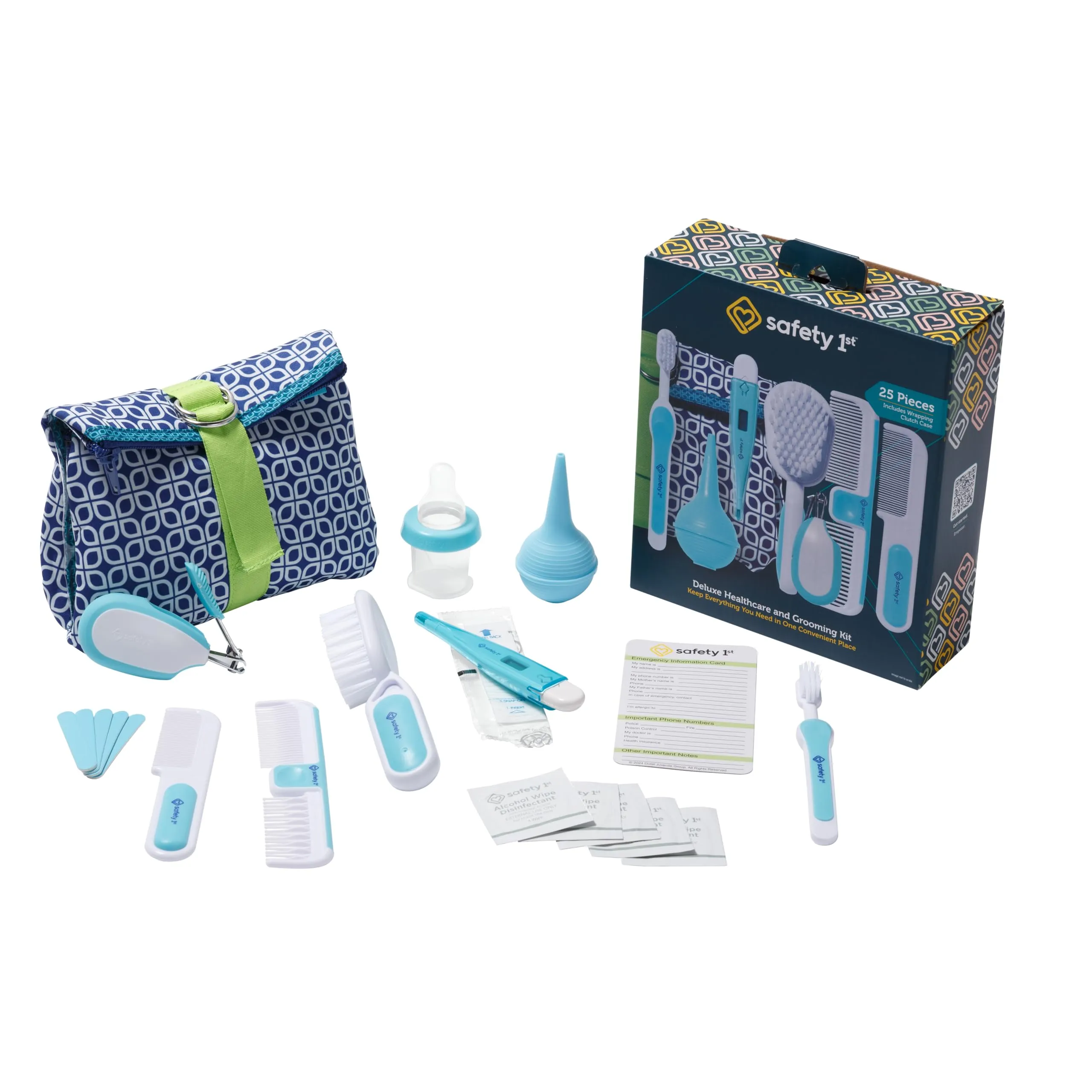
Baby Healthcare Kit
A basic kit for keeping small newborn care tools together.
Check Price on AmazonCare note: Call your pediatrician for medical concerns.
For cleanup and laundry
Newborn messes are not occasional. They are daily. Spit-up, diaper leaks, milk drips, wet clothes, and burp cloth piles show up quickly.
A gentle baby laundry detergent and extra soft cloths make the cleanup routine easier to manage without adding a lot of complicated gear.
Cleaning & Laundry Essentials
Shop Newborn Cleanup Basics
The Right Newborn Essentials List Depends on Your Home
A family in a small apartment does not need the same setup as a family with two floors. A parent planning to formula feed may need a different feeding station than a breastfeeding parent. Twins change the math. A second baby changes what you can reuse. Winter and summer babies need different clothing plans.
That is why this guide does not treat newborn essentials as one rigid shopping list. Instead, it starts with the core products most families use, then shows where to adjust based on space, budget, feeding, season, and family setup.
Category Map
Newborn Essentials by Category
Sleep
Feeding
Diapering
Clothing
Bath
Health & Care
Cleaning
A good newborn setup should feel boring in the best way. You know where the diapers are. You know where the burp cloths are. You have a safe sleep space ready. You have enough clothes for a few messy days. You have a simple place to feed, change, bathe, and clean up.
That is the real goal: not a perfect nursery, not a giant registry, and not a house full of baby gear. Just enough of the right things to make the first weeks less chaotic.
Safe Sleep Essentials
Sleep is the first category to plan carefully. Newborn sleep products are not only about convenience. They affect where your baby rests, how close they are to you at night, and how easy it is to keep the sleep space simple.
For the newborn stage, most families should start with three things: a dedicated sleep space, wearable sleep layers, and a calm sleep environment. You do not need a decorated crib full of extras. For sleep, simpler is usually better.
Safe sleep note
Use a firm, flat sleep surface. Keep pillows, loose blankets, crib bumpers, and sleep positioners out of the sleep space.
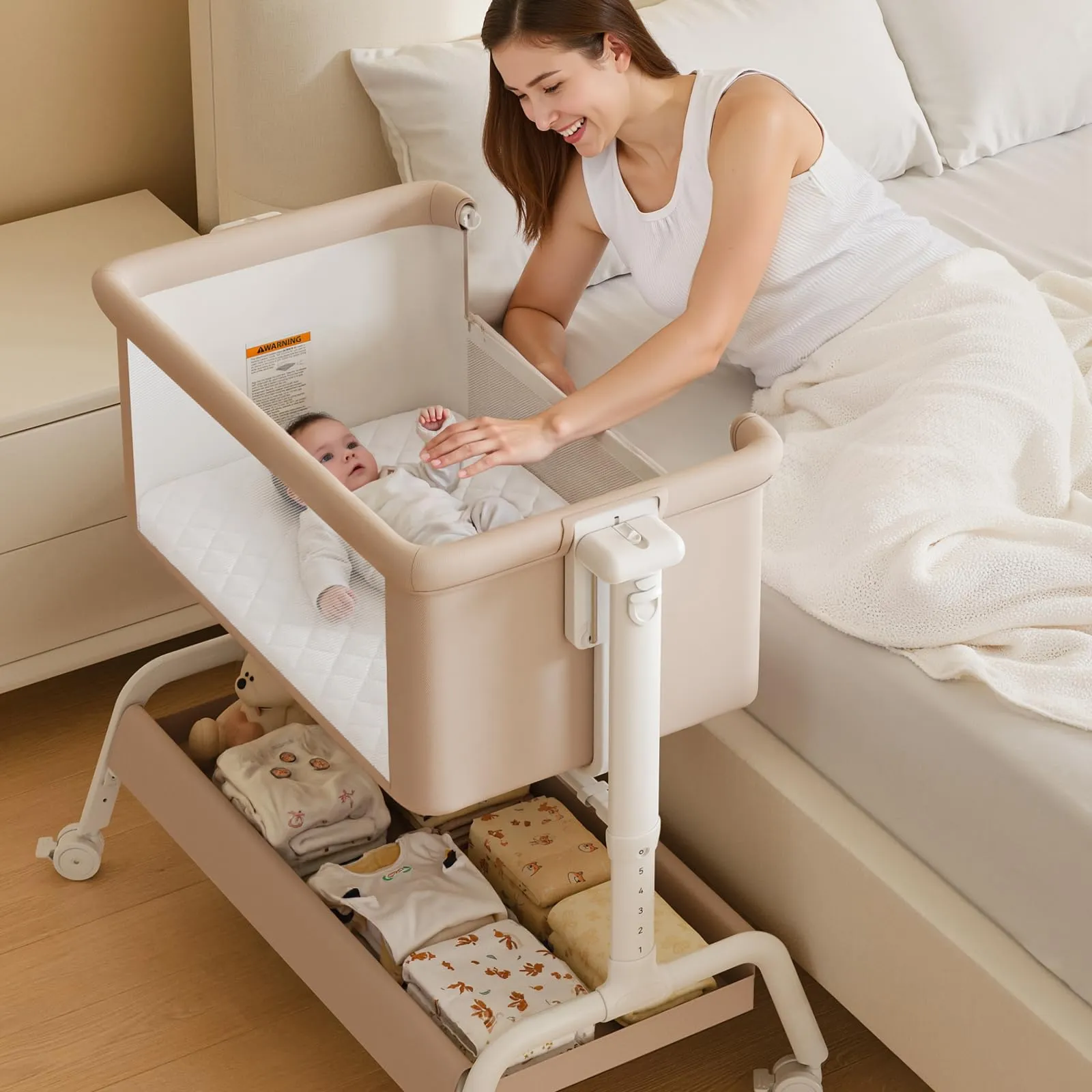
Bassinet
A bassinet is often one of the most useful newborn essentials because it gives your baby a sleep space close to your bed without requiring a full nursery setup from day one.
For many families, this matters most during night feeds and early wake-ups. You can hear your baby, reach them more easily, and keep nighttime care more contained.
Use the bassinet only within the product’s age, weight, and milestone limits. Once your baby starts rolling, pushing up, or reaching the limit, it is time to move to the next safe sleep setup.
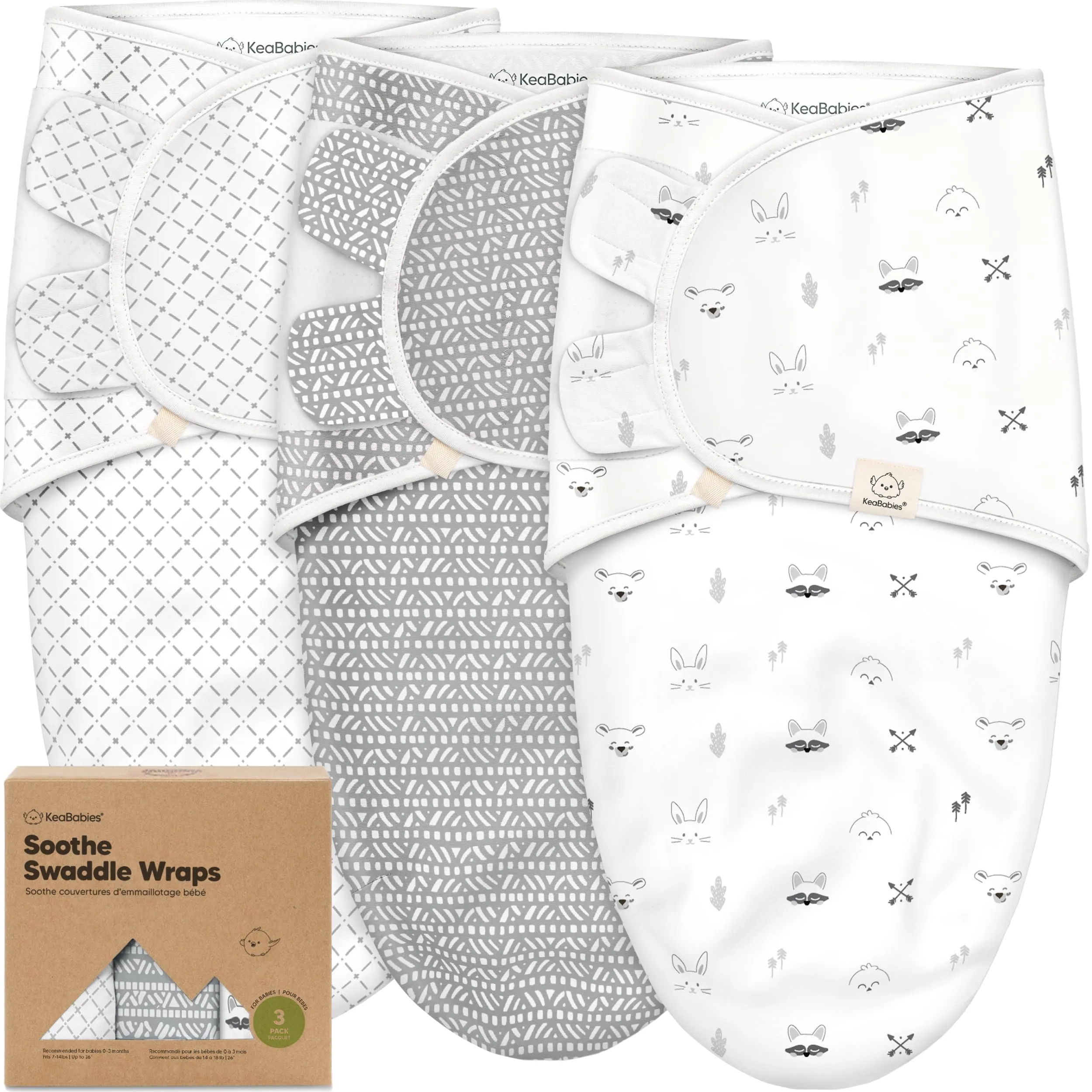
Swaddle Sack
A swaddle sack can be helpful in the early newborn stage because it gives a snug sleep layer without loose blankets in the sleep space. For parents who feel nervous about traditional blanket swaddling, a zip or hook-and-loop swaddle sack is usually easier to use consistently.
Fit matters. The swaddle should be sized correctly, secured as directed, and stopped when your baby shows signs of rolling or when the product instructions say to transition.
Baby Sleep Sack
A baby sleep sack is a wearable blanket option. It can be useful when your baby is ready for the right size and stage, especially because loose blankets should not be placed in a newborn sleep space.
For this guide, a sleep sack belongs in the newborn essentials list because many families use it as part of the early sleepwear rotation or as the next step after swaddling.
Baby Sleep Sack
A wearable sleep layer for babies in the right size and stage.
Check Price on AmazonWhite Noise Machine
A white noise machine is not required, but many families find it useful. It can create a steady background sound during naps, nighttime feeds, and shared-room sleep.
Keep the volume moderate and place the machine away from your baby’s head. Think of it as background sound, not something that needs to be loud.
White Noise Machine
A small sound machine for naps, night feeds, and shared rooms.
Check Price on Amazon| Sleep Item | Main Use | Buy Before Baby Arrives? | Safety Note |
|---|---|---|---|
| Bassinet | Dedicated newborn sleep space | Yes | Follow weight, age, and milestone limits. |
| Swaddle Sack | Early newborn sleep layer | Yes | Stop when rolling signs begin or product says to transition. |
| Baby Sleep Sack | Wearable blanket option | Yes, if size-appropriate | Use the correct size and room-temperature guidance. |
| White Noise Machine | Background sound | Optional but useful | Keep volume moderate and place away from baby’s head. |
Feeding Essentials
Feeding looks different from family to family. Some parents breastfeed, some formula feed, some pump, and many do a mix. You do not need to predict every detail before baby arrives, but you do need a few basics that make feeding and cleanup easier.
The safest buying plan is to start small. Get enough to handle the first days, then adjust when you know what your baby actually uses.
Newborn Baby Bottles
Even if you plan to breastfeed, a small bottle set can be useful for pumped milk, formula backup, combo feeding, or another caregiver helping with a feed.
Do not buy a huge bottle stash before baby arrives. Newborns can be particular about nipple shape, flow, and bottle feel. A smaller starter set gives you room to adjust.
Newborn Baby Bottles
A small starter bottle set for formula, pumped milk, or backup feeds.
Check Price on AmazonBottle Brush Set
A bottle brush set is not exciting, but it earns its place quickly if bottles are part of your routine. Bottles, nipples, collars, and small parts need regular cleaning, and a standard kitchen sponge is not always enough.
Look for a brush set that can reach narrow bottle areas and small nipple parts. Easy drying also matters because newborn feeding dishes can pile up fast.
Bottle Brush Set
A practical cleaning tool for bottles, nipples, and small feeding parts.
Check Price on AmazonBurp Cloths
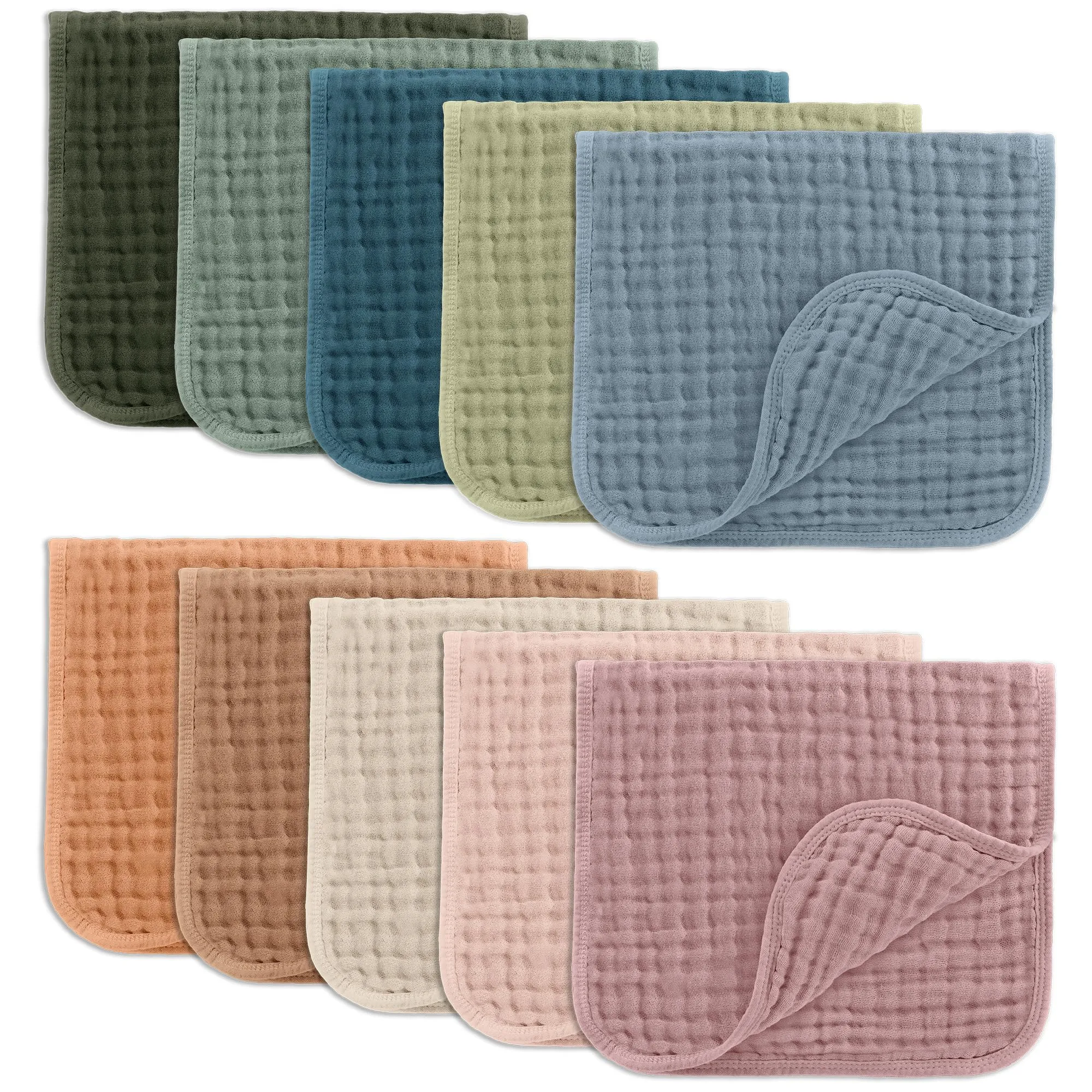
Burp cloths are one of the most-used newborn items in real homes. They help with spit-up, milk drips, shoulder protection, small messes, and quick cleanup after feeds.
This is one category where having a few extras usually helps. Newborn laundry builds up quickly, and burp cloths often move from the feeding chair to the diaper bag to the bedroom.
Nursing Pillow
A nursing pillow is not only for breastfeeding. Many parents use it for bottle feeding support, recovery-friendly positioning, or keeping their arms more comfortable during long feeds.
It can be especially helpful near your main feeding chair, bedside setup, or daytime feeding station. If you want a deeper guide focused only on pillow types and feeding setup, use our Nursing Pillow guide later; for this newborn essentials list, one practical support pillow is enough.
Nursing Pillow
A supportive pillow for nursing, bottle feeds, and recovery-friendly feeding setups.
Check Price on Amazon| Feeding Item | Best For | Buy Tip |
|---|---|---|
| Newborn Baby Bottles | Formula, pumped milk, backup feeds | Start with a small set first. |
| Bottle Brush Set | Daily bottle cleanup | Useful if bottles are part of your routine. |
| Burp Cloths | Milk drips and spit-up | Buy enough to rotate through laundry. |
| Nursing Pillow | Feeding support | Useful for nursing, bottles, and recovery-friendly setups. |
Diapering Essentials
Diapering is where newborn essentials become very practical. You do not need a beautiful changing station, but you do need supplies that are easy to reach when your baby is crying, wiggly, or halfway through an outfit change.
A good diaper setup has five jobs: diapers, wipes, skin care, a clean changing surface, and a place to keep everything together.
Newborn Diapers Size N
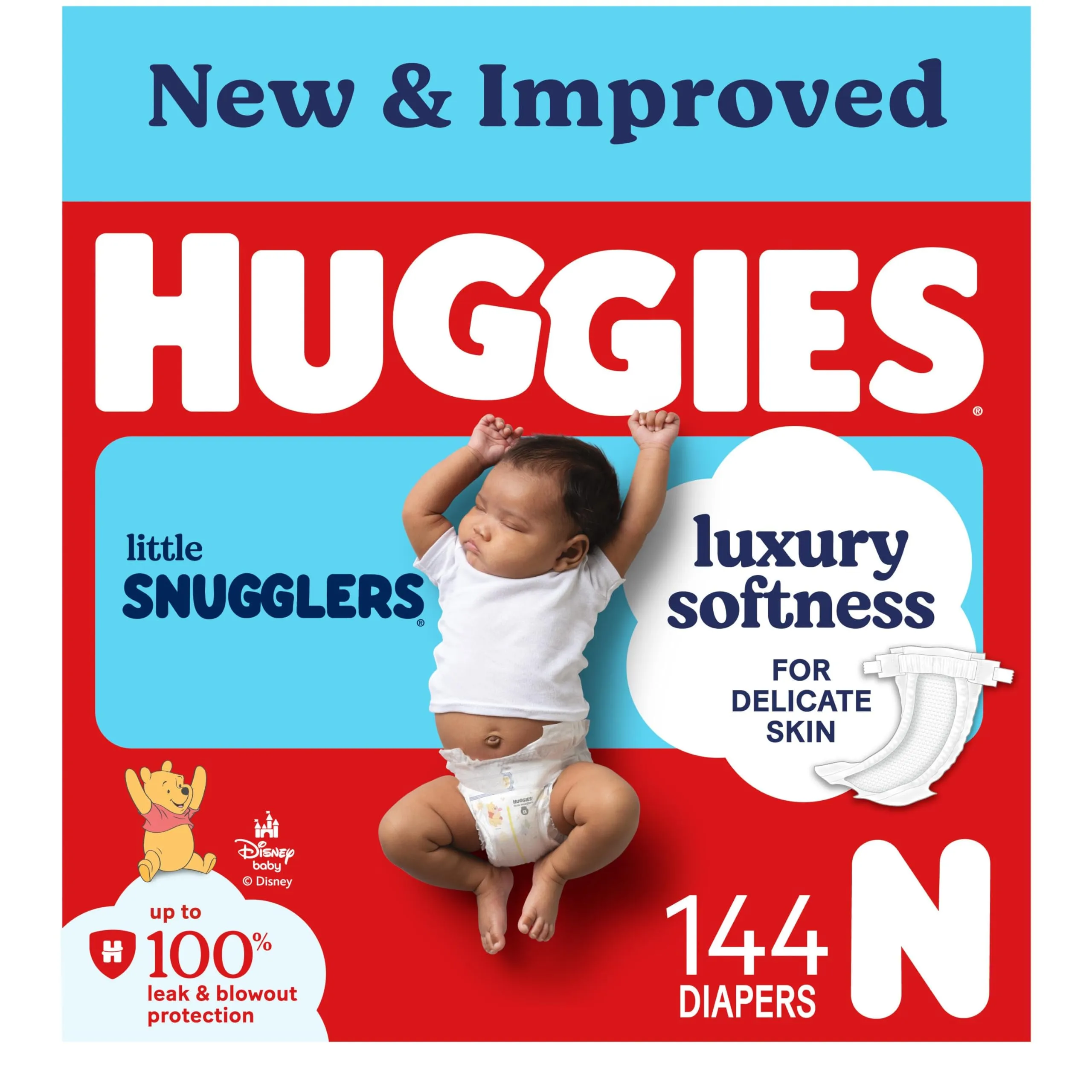
Newborn diapers are a true essential, but do not overbuy one size. Some babies stay in newborn size for a while. Others move up quickly.
A small starter supply is enough before baby arrives. After you know your baby’s size, fit, and how often you are changing diapers, you can restock more confidently.
Fragrance-Free Baby Wipes
Fragrance-free baby wipes are useful for diaper changes and small cleanups around the house. They belong in the diaper station, diaper bag, nursery, and sometimes a second station if your home has more than one floor.
Start with a practical amount, not a massive stockpile. Some babies do better with certain wipe textures or formulas.
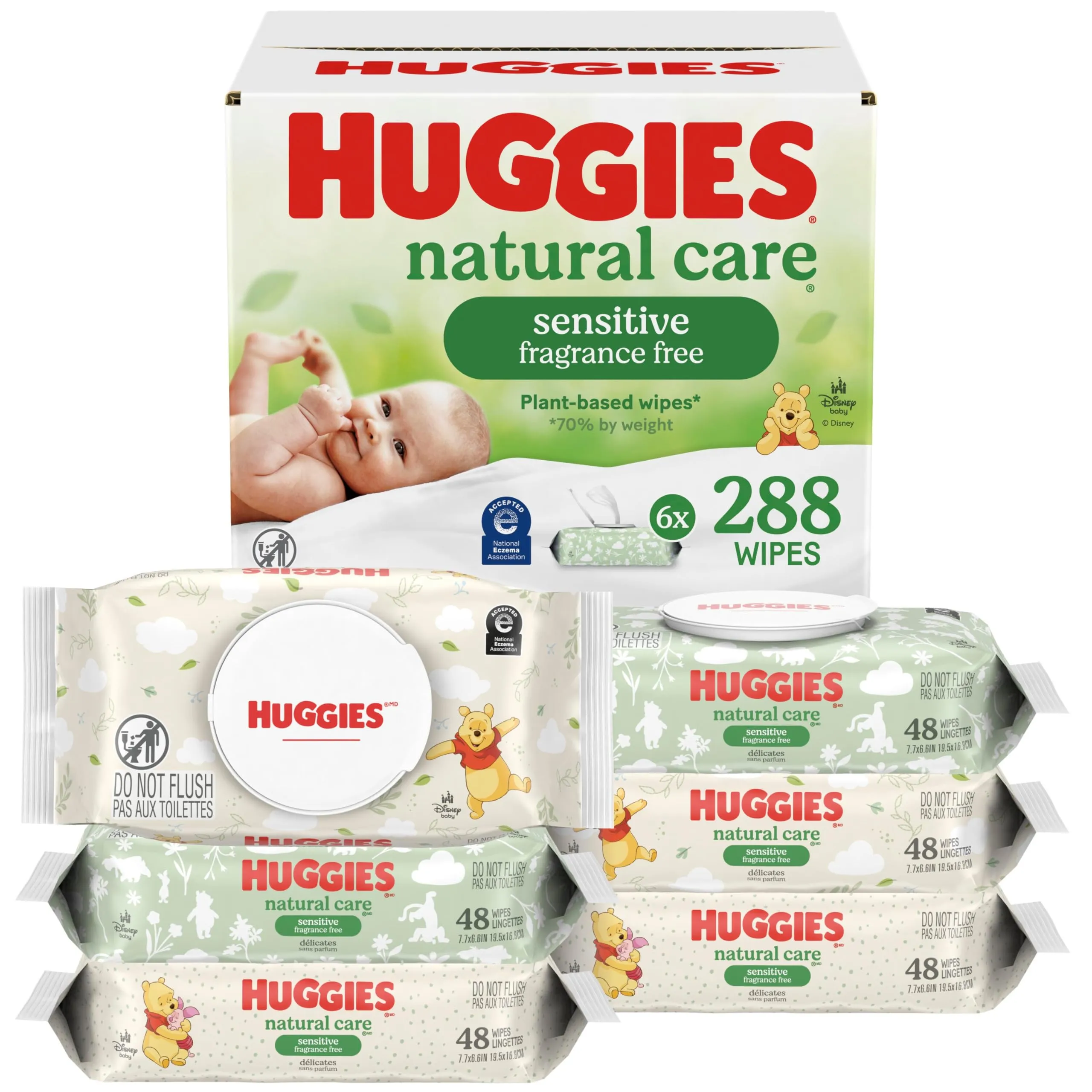
Fragrance-Free Baby Wipes
Fragrance-free wipes for diaper changes and quick cleanups.
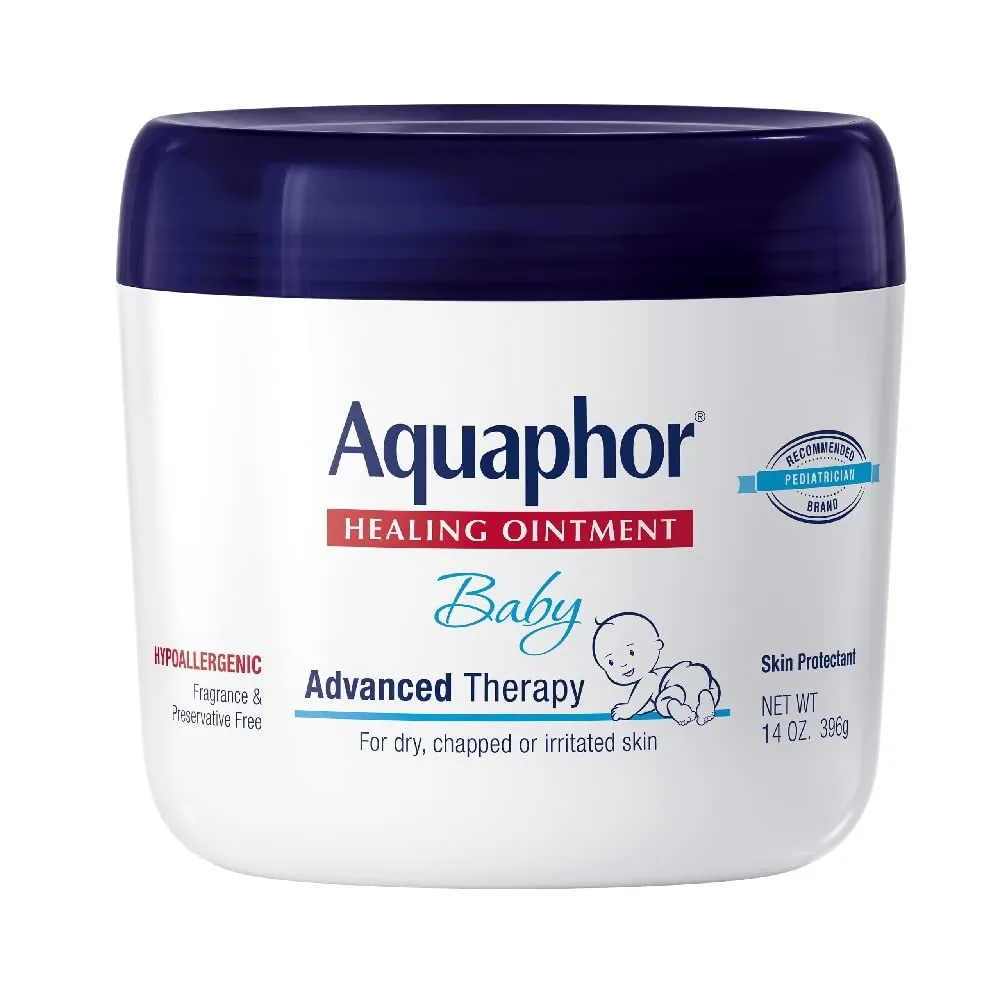
Check Price on AmazonDiaper Rash Cream
Diaper rash cream is useful to have before baby arrives, but it should be treated as a basic diaper care item, not a cure-all.
Keep it near the changing area so you are not searching for it during a messy change. Follow the product directions. Call your pediatrician if a rash looks severe, spreads, bleeds, or does not improve.
Portable Changing Pad
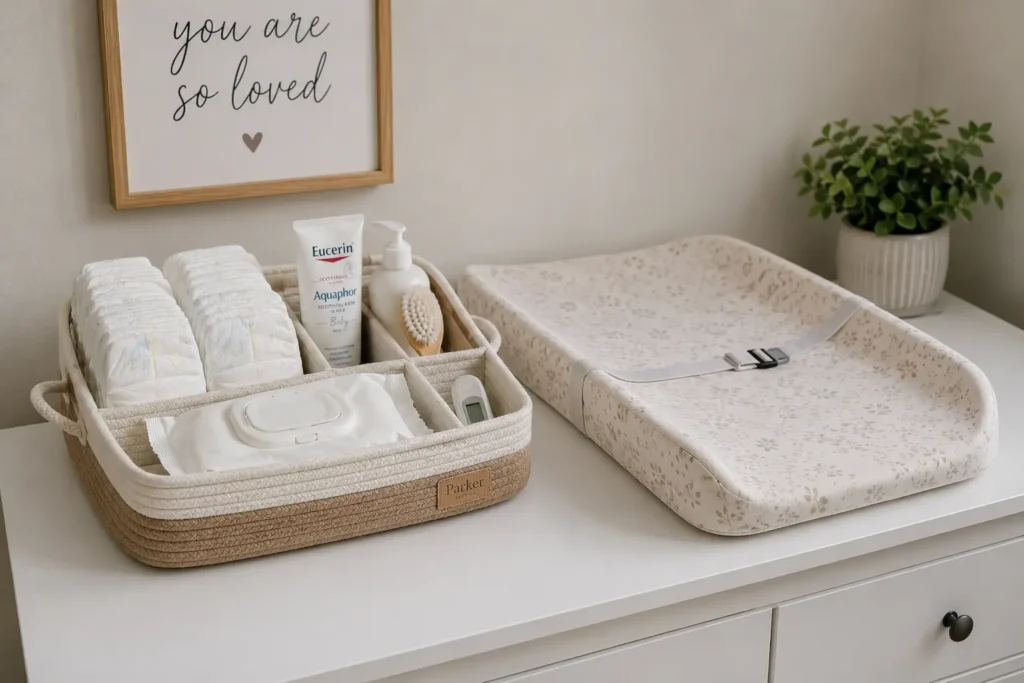
A portable changing pad gives you flexibility. You can use it on a dresser, bed, floor, changing table, or at a grandparent’s house, depending on the situation.
For small homes, it can be more practical than a large dedicated changing table. For multi-level homes, it can make a second diaper station easier to set up.
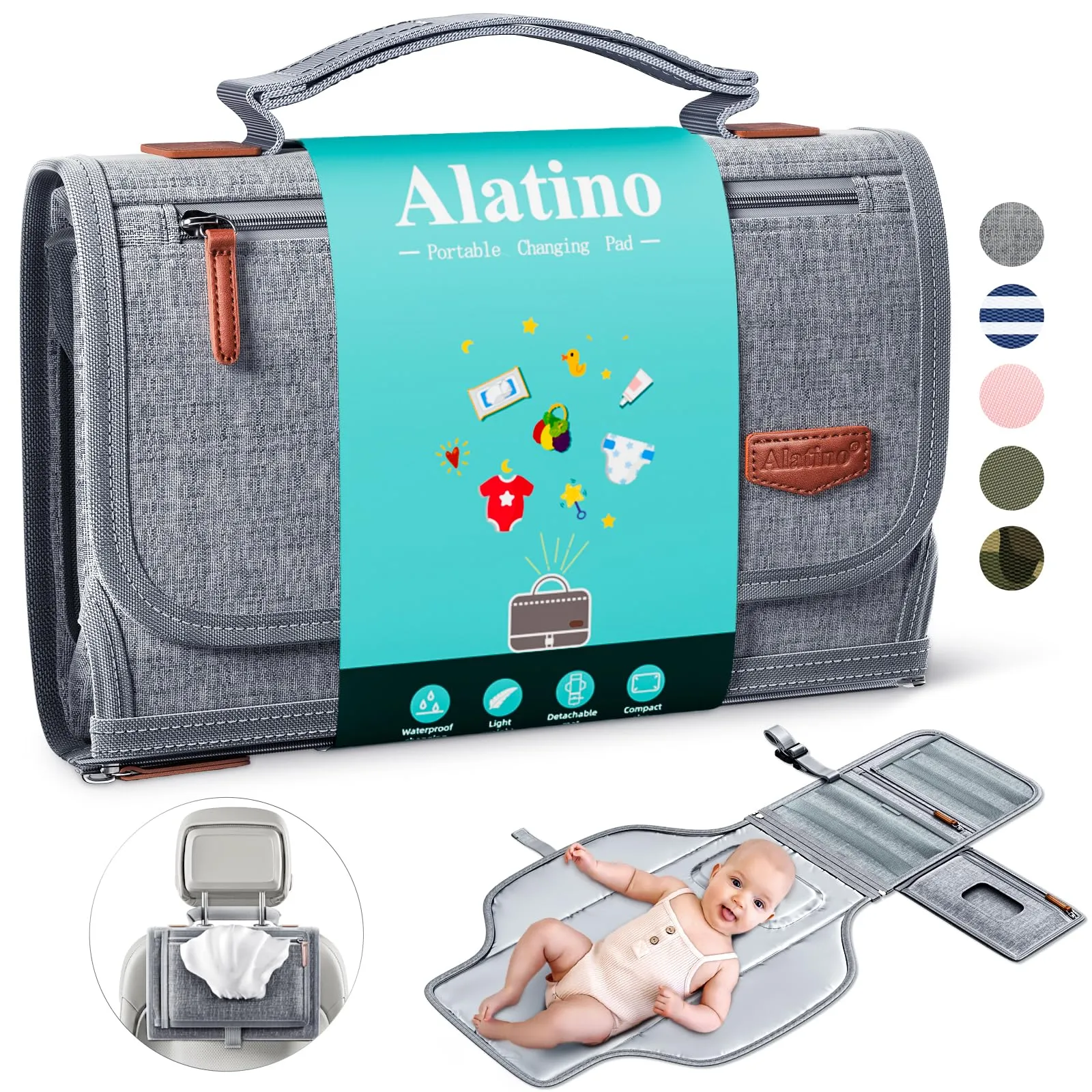
Portable Changing Pad
A flexible changing surface for bedrooms, living rooms, or travel days.
Check Price on AmazonDiaper Caddy Organizer
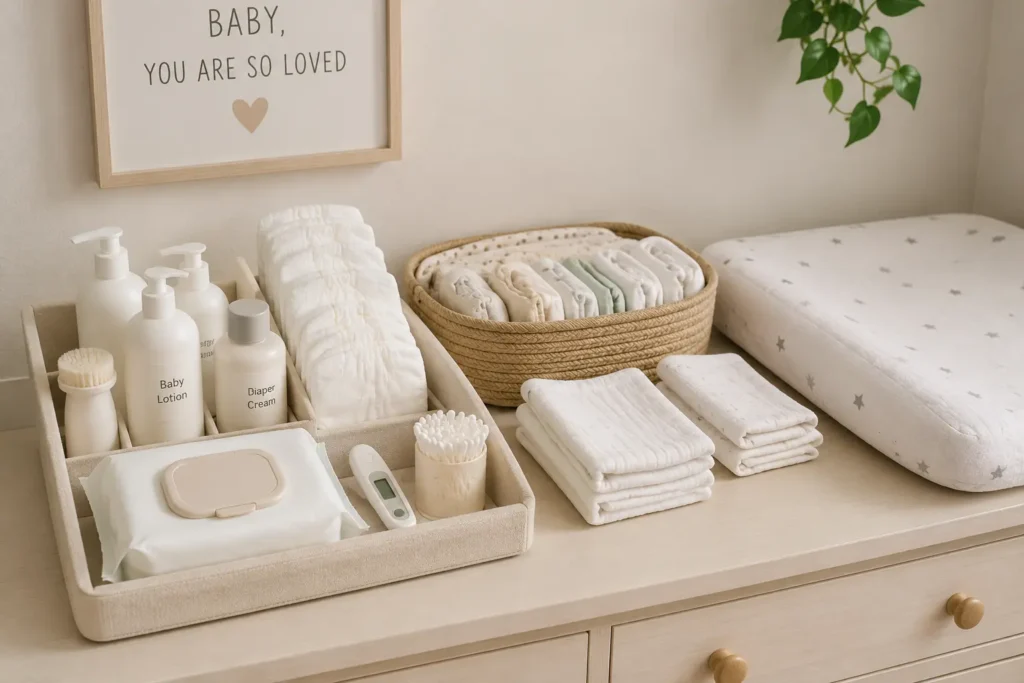
A diaper caddy is one of the simplest ways to keep newborn supplies from taking over the house. It gives diapers, wipes, cream, extra clothes, burp cloths, and small care items one place to live.
It is especially useful if you plan to change diapers in more than one room or want a portable station for daytime care.
Diaper Caddy Organizer
A portable organizer for diapers, wipes, cream, and small baby backups.
Check Price on Amazon| Diapering Item | Main Use | Buy Tip |
|---|---|---|
| Newborn Diapers Size N | First diaper changes | Do not overstock one size before baby arrives. |
| Fragrance-Free Baby Wipes | Changes and quick cleanup | Start simple and gentle. |
| Diaper Rash Cream | Routine diaper care | Keep it beside your changing supplies. |
| Portable Changing Pad | Flexible changing surface | Helpful for small homes and travel. |
| Diaper Caddy Organizer | Portable diaper station | Useful for upstairs/downstairs or room-to-room care. |
Diapering is one of the easiest areas to adjust after baby arrives. If newborn diapers start leaking or tabs feel tight, size up. If you bought too many newborn diapers, unopened boxes may be exchangeable, saved, or donated locally.
Clothing Essentials
Newborn clothing should be easy to put on, easy to wash, and easy to change at 2 a.m. This is not the stage where fancy outfits matter most. In the first weeks, comfort and access win.
The two most useful clothing basics are zipper sleepers and simple bodysuits. They cover most everyday needs without creating a drawer full of outfits your baby may only wear once.
Newborn Zipper Sleepers
Zipper sleepers are usually the most practical newborn clothes because they work for daytime, naps, and nighttime. They also make diaper changes easier than outfits with lots of snaps, buttons, or separate pieces.
Look for soft fabric, easy zipper access, and sizing that matches your baby’s current stage. If your baby is between sizes, avoid buying too many newborn-size pieces before you know how fast they are growing.
Newborn Zipper Sleepers
Easy zipper sleepers for daily wear, naps, and nighttime diaper changes.
Check Price on AmazonBaby Onesies Bodysuits
Bodysuits are simple base layers. They work under sleepers, with pants, or as lightweight daytime clothing when the room is warm enough.
Choose newborn or 0-3 month sizing if available. Since babies grow quickly, start with a modest pack rather than filling the drawer with one size.
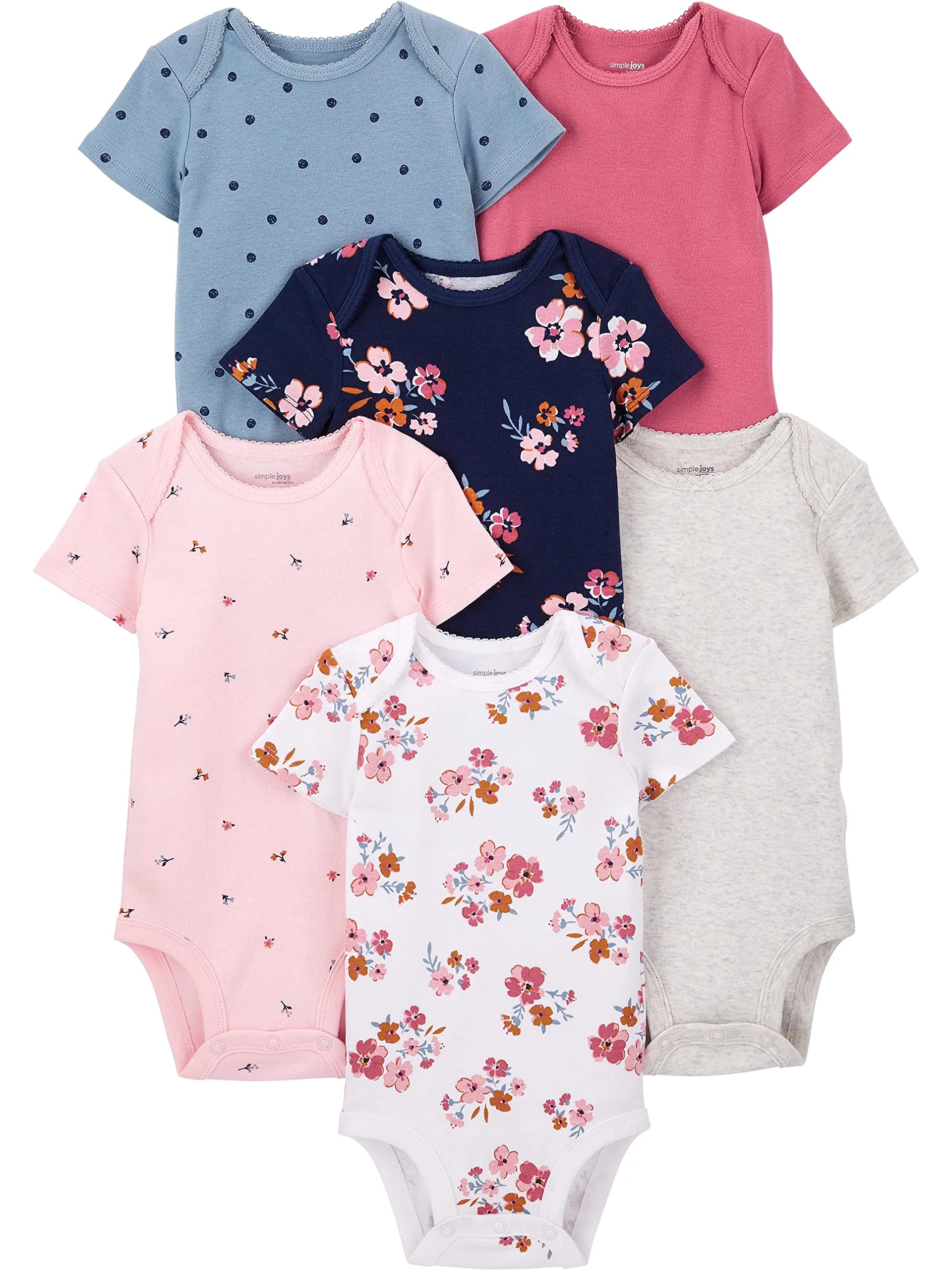
Baby Onesies Bodysuits
Simple bodysuits for everyday base layers; choose newborn or 0-3M size if available.
Check Price on Amazon| Clothing Item | Practical Starter Amount | Why |
|---|---|---|
| Zipper sleepers | 5-7 | Easy for day, night, and frequent diaper changes. |
| Bodysuits | 5-7 | Useful as base layers or simple daytime outfits. |
| Socks or booties | 2-4 pairs | Optional if sleepers do not have footies. |
| Seasonal layer | 1-2 | Needed more for winter or cooler homes. |
| Fancy outfits | 0-2 | Nice for photos, not daily newborn care. |
Bath Essentials
Newborn bath time does not need much. A supported bath space, soft towels, and gentle cloths are enough for most families to start.
The goal is to keep bath time calm, warm, and simple. You do not need bath toys, heavily scented products, or a complicated setup before baby arrives.
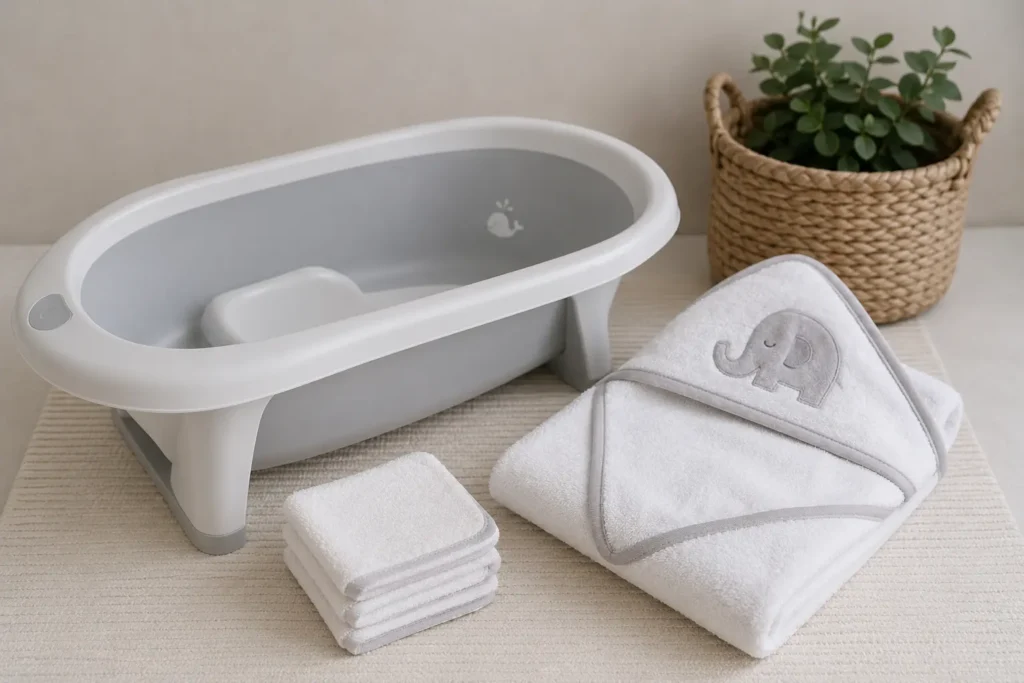
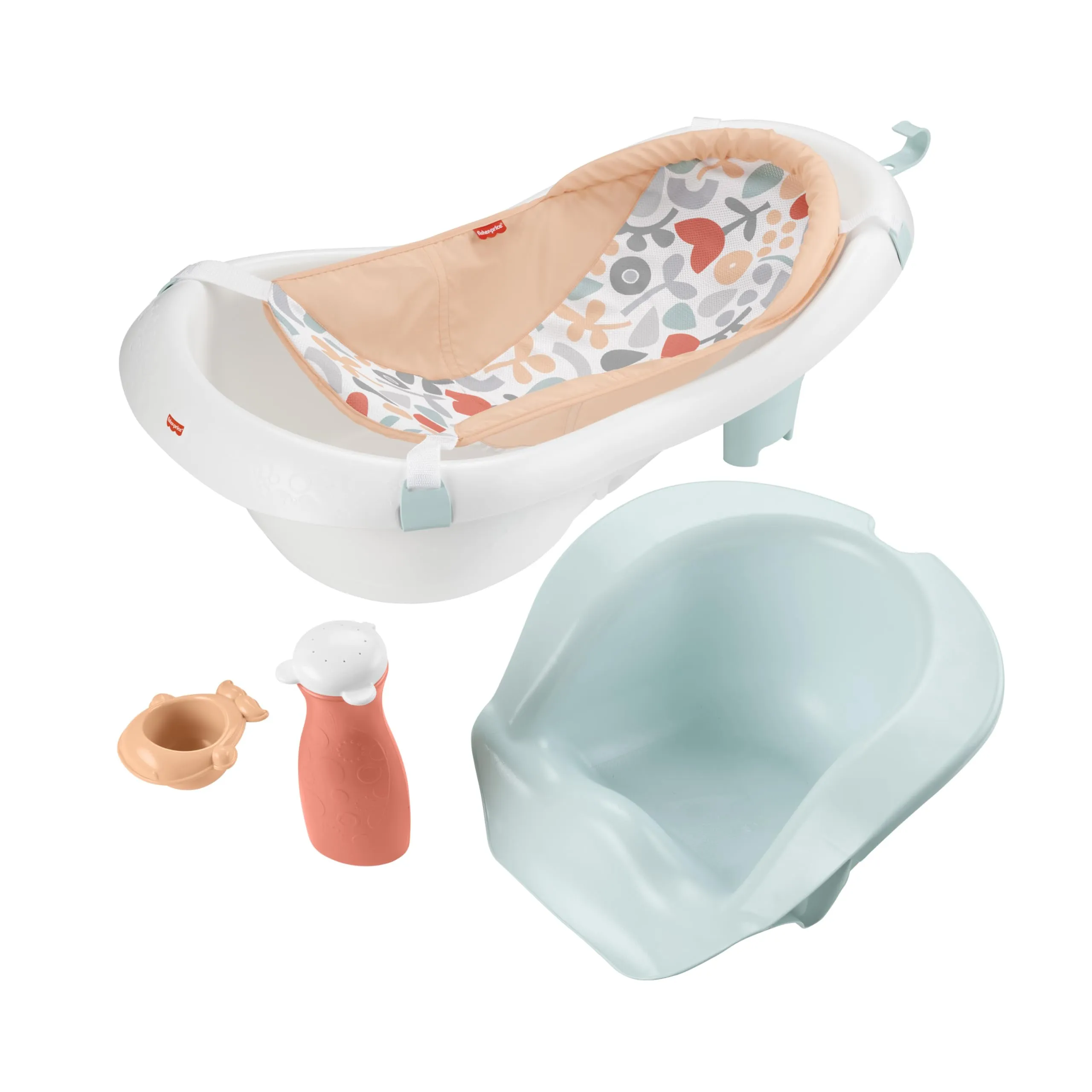
Baby Bath Tub
A baby bath tub gives newborns more support during early baths. It can be especially helpful when babies are tiny, slippery, and not yet able to sit.
Choose a tub that fits your sink, bathtub, or storage space. For smaller homes, easy draining and easy storage matter more than extra features.
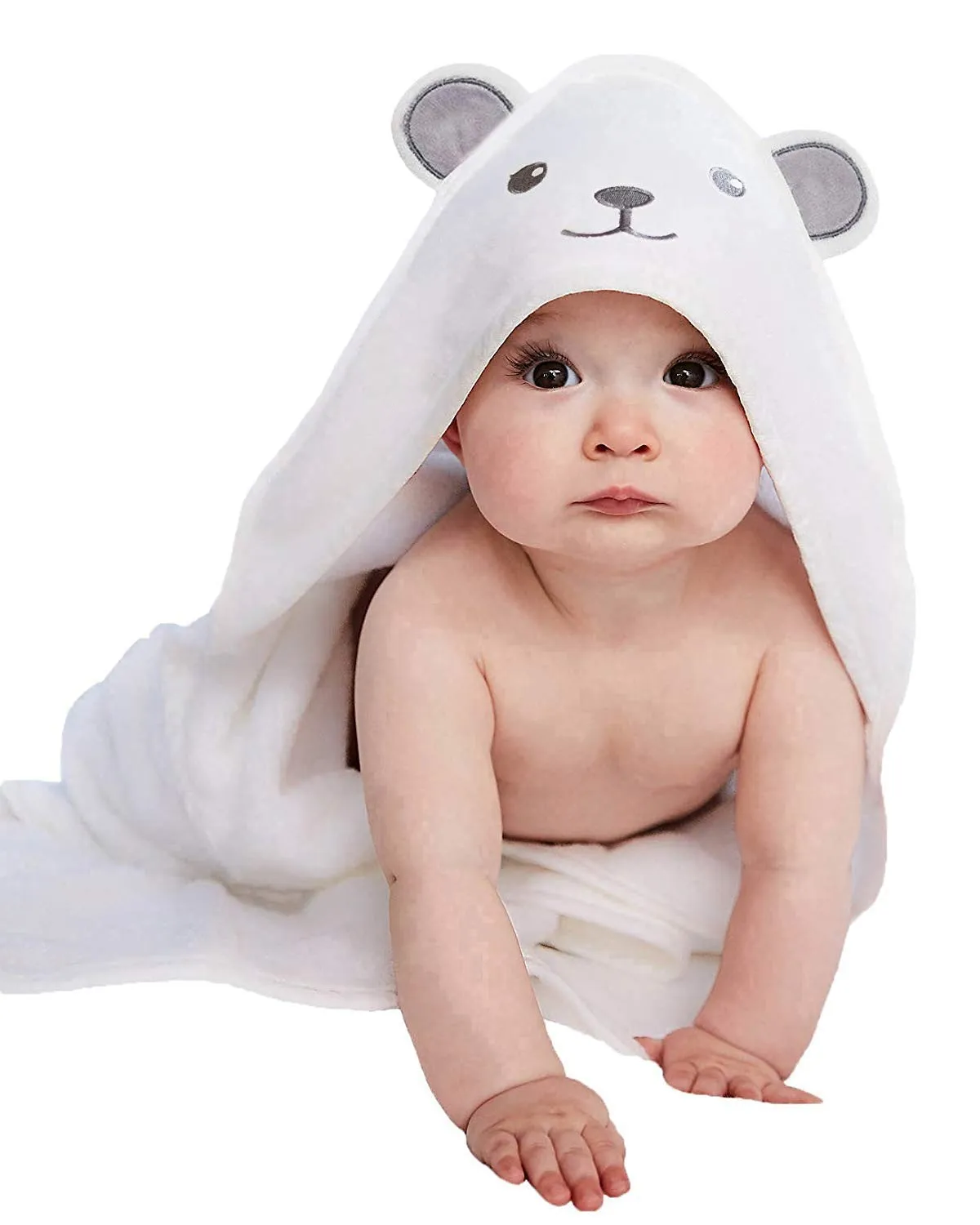
Hooded Baby Towels
Hooded towels help keep babies warm after bath time and make it easier to wrap them quickly. They are not complicated, but they get used often.
A few soft towels are enough to start. You can always add more if bath laundry piles up faster than expected.
Baby Washcloths
Baby washcloths are small, inexpensive, and useful in more places than the bath. They work for wiping milk drips, cleaning hands and neck folds, and handling small messes during the day.
Because they are easy to toss into laundry, they are one of the more useful low-cost newborn essentials.
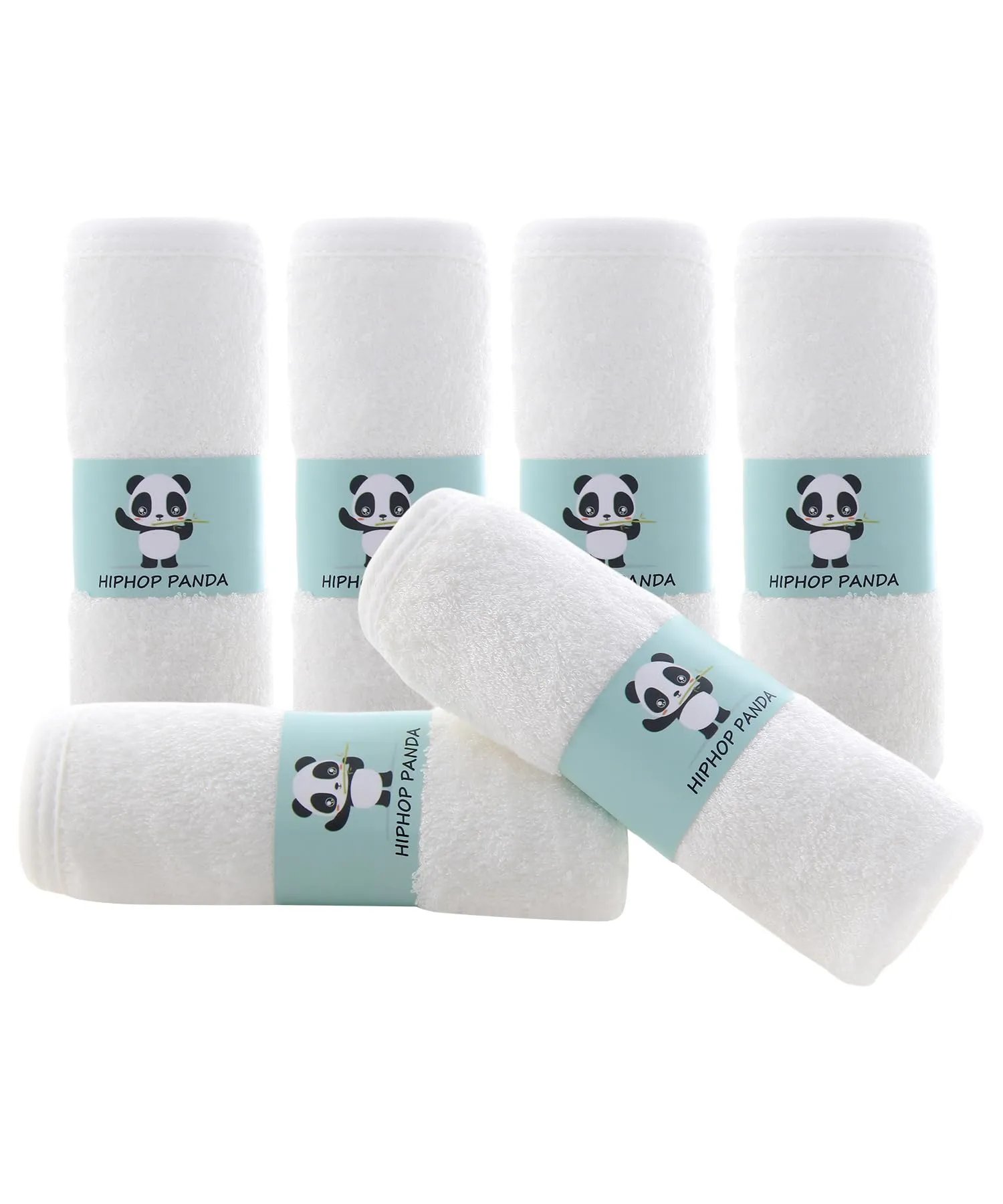
Baby Washcloths
Soft cloths for bath time, face wipes, and small newborn messes.
Check Price on Amazon| Bath Item | Main Use | Buy Tip |
|---|---|---|
| Baby Bath Tub | Supported early baths | Check storage, drainage, and fit. |
| Hooded Baby Towels | Keeping baby warm after bath | Start with a few, not a huge stack. |
| Baby Washcloths | Bath and daily cleanup | Useful beyond bath time. |
Health & Basic Care Essentials
Basic care items belong in your newborn essentials list, but this section needs a careful tone. A baby healthcare kit is for everyday care tasks, not for diagnosing or treating medical concerns.
It can be helpful to keep nail care, nasal care, and temperature-checking tools in one place so you are not searching through drawers when your baby is uncomfortable.
Basic care note
Baby care tools are for everyday care only. Call your pediatrician for fever, breathing concerns, feeding concerns, severe rash, or anything that feels urgent.
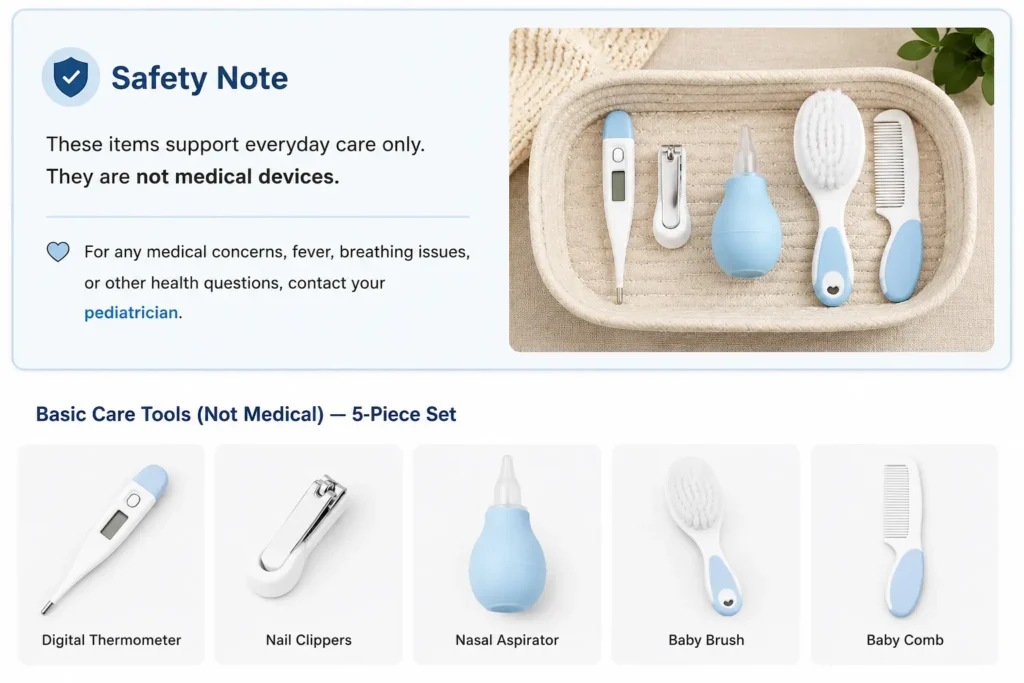
Baby Healthcare Kit
A baby healthcare kit can help keep small care tools together. Depending on the kit, it may include items for nail care, nasal care, grooming, or temperature checks.
Before using any tool, read the instructions. For newborn health questions, especially fever or breathing concerns, contact your pediatrician instead of relying on a product.
Baby Healthcare Kit
A basic kit for keeping small newborn care tools in one place.
Check Price on AmazonCleaning & Laundry Essentials
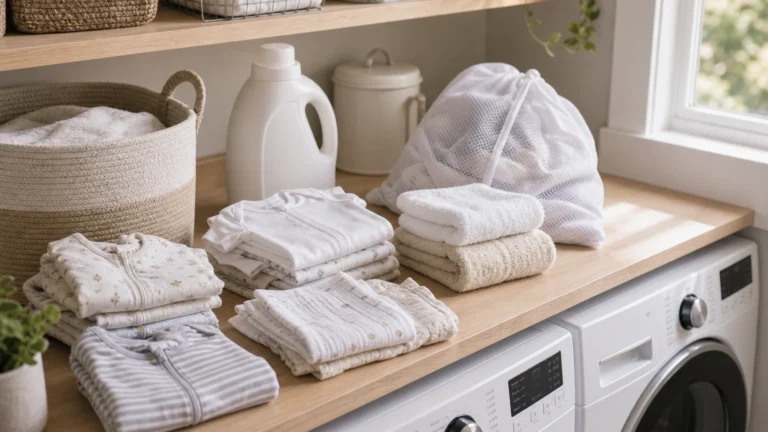
Newborn messes are not occasional. They are daily. Milk drips, spit-up, diaper leaks, wet sleepers, burp cloths, towels, and washcloths can pile up quickly.
You do not need a complicated cleaning system. A gentle laundry routine and enough washable cloths are usually more helpful than a cabinet full of specialty products.
Baby Laundry Detergent
Baby laundry detergent is useful because newborn clothing, sleepers, burp cloths, towels, and washcloths go through the wash constantly.
Choose a detergent that fits your family’s needs and your baby’s skin sensitivity. If your baby has a rash or skin concern, ask your pediatrician before assuming laundry detergent is the cause.
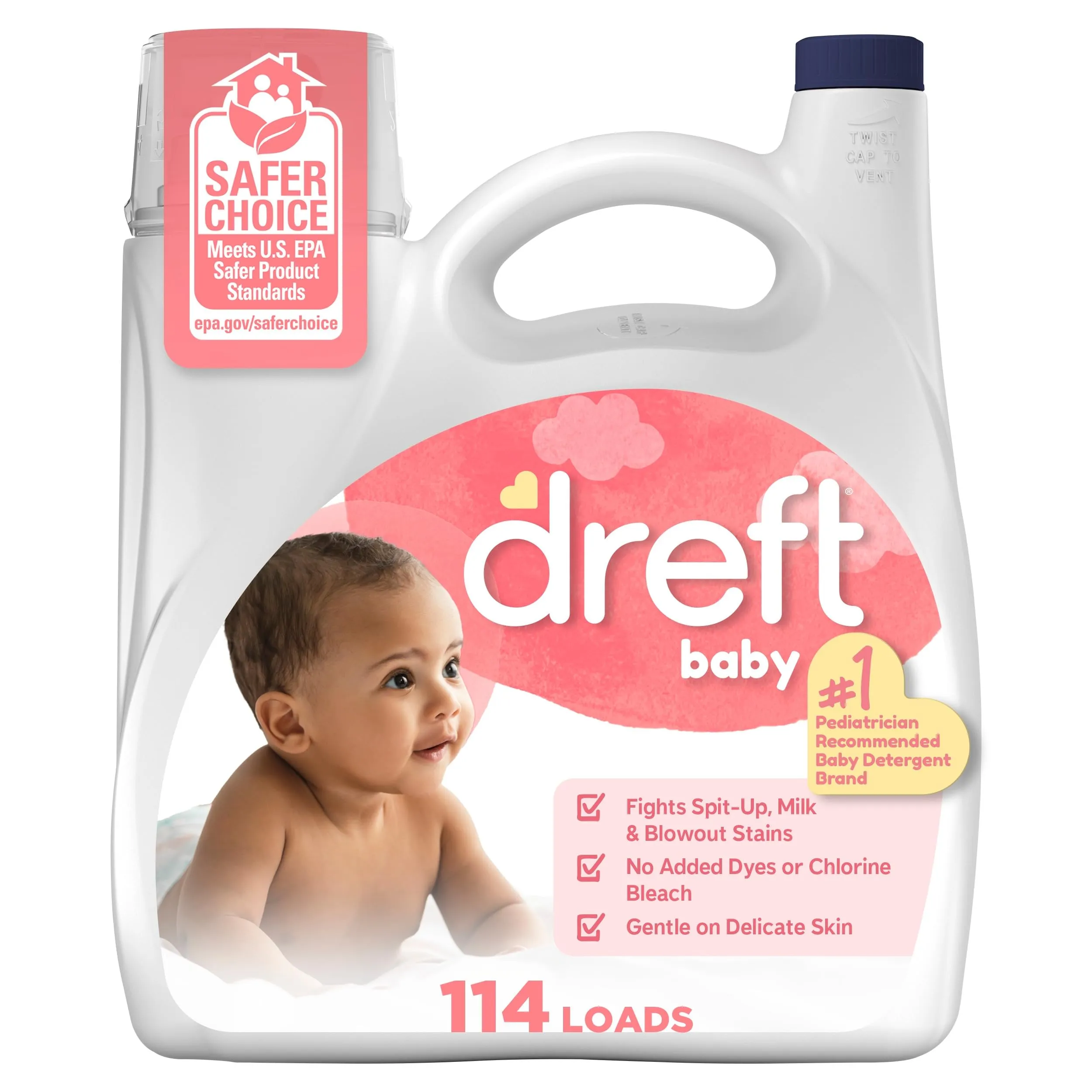
Baby Laundry Detergent
A gentle laundry basic for sleepers, burp cloths, towels, and baby clothes.
Check Price on Amazon| Cleaning Item | Main Use | Why It Helps |
|---|---|---|
| Baby Laundry Detergent | Baby clothes and cloth laundry | Helps keep up with frequent newborn laundry. |
| Baby Washcloths | Small messes and bath cleanup | Easy to wash and reuse throughout the day. |
If you are also preparing your own recovery space, keep baby cleanup separate from parent recovery supplies. Your newborn area needs diapers, wipes, burp cloths, and laundry basics; your own setup may need different items from a Postpartum Recovery Kit or Postpartum recovery essentials checklist.
At this point, the core newborn setup is covered: sleep, feeding, diapering, clothing, bath, care, and laundry. The next step is deciding what you can wait to buy, because skipping the wrong extras is just as useful as buying the right basics.
What You Can Wait to Buy
A good newborn essentials list should leave space for later decisions. Some baby products are useful, but not urgent before your baby arrives. Others depend on your feeding plan, home layout, baby’s size, or personal routine.
Buying everything early can create two problems: you may spend money on products you never use, and your home can feel crowded before you even know what your baby actually prefers.
| Category | Buy Before Baby Arrives | Wait Until You Know More |
|---|---|---|
| Sleep | Bassinet, swaddle sack, baby sleep sack, white noise machine | Extra sheets, nursery decor, bigger sleep gear |
| Feeding | Bottles, burp cloths, bottle brush, nursing pillow | Bottle warmer, sterilizer, large bottle stash |
| Diapering | Diapers, wipes, cream, changing pad, diaper caddy | Huge diaper stockpile, large changing furniture |
| Clothing | Zipper sleepers, bodysuits | Fancy outfits, too many newborn sizes |
| Bath | Baby bath tub, hooded towels, washcloths | Bath toys, extra scented bath products |
| Care | Baby healthcare kit | Extra grooming gadgets |
| Cleaning | Baby laundry detergent | Specialty stain tools |
Bottle warmer
A bottle warmer can be useful for some families, especially if bottles become a major part of the feeding routine. But it is not a required newborn essential before baby arrives.
Many families start with simple bottle preparation and decide later if warming becomes a daily need.
Bottle sterilizer
A bottle sterilizer may be useful in certain homes, especially for families who use many bottles or have specific medical guidance. But it is not something every newborn household needs on day one.
If your baby has special health needs, ask your pediatrician what cleaning and sterilizing routine is appropriate.
Baby monitor
A baby monitor can be helpful once your baby naps in a separate room. In the earliest newborn weeks, many babies sleep close to caregivers, so it may not be the first item to buy.
This product is better handled in a separate nursery or baby monitor guide, not as a core newborn essential.
Wipe warmer
A wipe warmer is usually a comfort extra, not a newborn essential. Some parents like it. Many never use it. If your budget is tight, this is an easy item to skip at first.
Large diaper stockpile
Diapers are essential. A huge stockpile in one size is not.
Babies grow at different speeds, and diaper fit can change quickly. Start with enough newborn diapers for the first days, then restock once you know fit, leaks, and sizing.
Editor’s note
Buy a small starter amount first. Restock after your baby’s size, diaper fit, feeding routine, and laundry rhythm are clearer.
What Not to Buy for a Newborn
Some baby products are better skipped, especially when they add clutter, create unsafe habits, or solve a problem most newborn families do not actually have.
This does not mean every optional product is bad. It means your newborn essentials list should protect your budget, your space, and your baby’s safety before it tries to cover every possible scenario.
| Item to Skip | Why Most Families Can Skip It |
|---|---|
| Sleep positioners | Not appropriate for routine newborn sleep setups. |
| Crib bumpers | Do not belong in a safe newborn sleep space. |
| Loose blankets for sleep | Use wearable sleep layers instead. |
| Infant loungers for sleep | Not for unsupervised sleep. |
| Baby shoes | Newborns do not need shoes for daily home life. |
| Too many fancy outfits | Most go unused compared with sleepers and bodysuits. |
| Huge bottle collection | Baby may prefer a different nipple shape or flow. |
| Large one-size diaper stash | Baby may size up faster than expected. |
| Too many scented bath products | Simple bath basics are enough to start. |
Skip products that make sleep less simple
For newborn sleep, more gear is not better. Avoid products that add pillows, bumpers, positioning, incline, or loose bedding to the sleep space.
A simple bassinet, correct sleepwear, and a clear sleep surface are much easier to manage safely than a decorated sleep area full of extras.
Safe sleep reminder
Skip clothing that is hard to change
Newborn clothing should make diaper changes easier, not harder. Stiff outfits, complicated buttons, tiny shoes, and photo-only pieces are fine in very small amounts, but they do not belong at the center of your newborn essentials list.
For daily use, zipper sleepers and bodysuits will usually get worn far more often.
Skip duplicates before you know your routine
It is tempting to buy backup versions of everything. But duplicate products can take over your home quickly.
Start with one feeding station, one diaper caddy, a modest clothing rotation, and a small diaper supply. Add duplicates only where your real routine proves they are needed.
Newborn Essentials Budget Planning
Newborn essentials can get expensive, but not everything deserves the same part of your budget. Spend first on the items that support safety, feeding, diapering, and daily care. Save on products that are decorative, short-lived, or easy to add later.
A practical newborn budget is not about buying the cheapest version of everything. It is about knowing which products matter most before baby arrives.
| Priority | Spend First On | Why |
|---|---|---|
| Highest | Bassinet, diapers, wipes, feeding basics | These support sleep, feeding, and daily care from day one. |
| High | Zipper sleepers, bodysuits, burp cloths, changing pad | These are used repeatedly in the first weeks. |
| Medium | Baby bath tub, hooded towels, washcloths, diaper caddy | Helpful for routine, cleanup, and organization. |
| Medium-Low | White noise machine, nursing pillow, sleep sack | Useful for many families, but depends on routine and stage. |
| Wait | Bottle warmer, sterilizer, monitor, extra decor | Often better after you know your home setup. |
| Skip | Sleep positioners, crib bumpers, baby shoes | Not needed for a practical newborn setup. |
If your budget is tight
Start with the items that directly support daily care:
- a safe sleep space
- diapers and wipes
- a few easy outfits
- feeding basics
- burp cloths
- simple bath and care items
- laundry detergent
Then add convenience products only if they solve a problem you actually have.
Budget Starter Kit
Shop the Most Basic Newborn Essentials First
Where to save
You can usually save on newborn clothing, decorative nursery items, extra towels, duplicate organizers, and products that are easy to buy later.
For clothing, buy a smaller starter set and wash more often. For storage, start with one diaper caddy before buying multiple carts or bins. For feeding, start with a small bottle set before committing to a large system.
Where not to cut too far
Do not cut corners on products that affect sleep setup, feeding hygiene, diaper changes, or basic care. That does not mean buying the most expensive option. It means choosing products that are appropriate, practical, and easy to use correctly.
For example, a simple bassinet that fits your room is more useful than a beautiful nursery item your baby cannot safely sleep in. A small pack of diapers that fits well is better than a giant box that leaks.
| Save On | Spend More Carefully On |
|---|---|
| Fancy outfits | Safe sleep setup |
| Extra nursery decor | Feeding and cleaning basics |
| Duplicate organizers | Diapers and wipes that fit well |
| Bath toys | Bath support and towels |
| Large bottle stash | A small starter bottle set |
| Baby shoes | Practical sleepers and bodysuits |
If you are still preparing for the hospital too, keep that list separate from your newborn home setup. Your Hospital Bag Checklist and Hospital bag toiletries are for delivery and recovery days; this page is for what baby needs once you are home.
How Many Newborn Essentials Should You Buy Before Baby Arrives?
The safest answer is: enough to get through the first couple of weeks, not enough to predict the next six months.
Newborns change quickly. A baby may outgrow newborn diapers faster than expected. A certain bottle nipple may not work well. A clothing size may be too small within days. Your feeding plan may shift. Your laundry routine may be easier or harder than you expected.
Use this starter quantity as a practical baseline.
| Item | Starter Quantity |
|---|---|
| Bassinet | 1 |
| Swaddle sacks | 2-3 |
| Baby sleep sacks | 1-2, size and stage appropriate |
| Newborn diapers | 1-2 small packs or boxes |
| Baby wipes | 1 starter pack or case |
| Diaper rash cream | 1 tube or jar |
| Portable changing pad | 1 |
| Diaper caddy | 1 |
| Newborn bottles | 1 small starter set |
| Bottle brush set | 1 |
| Burp cloths | 8-12 |
| Nursing pillow | 1, if useful for your feeding setup |
| Baby bath tub | 1 |
| Hooded towels | 2-3 |
| Baby washcloths | 8-12 |
| Zipper sleepers | 5-7 |
| Bodysuits | 5-7 |
| Baby healthcare kit | 1 |
| Baby laundry detergent | 1 bottle |
This list is intentionally modest. You can always add more sleepers, diapers, wipes, burp cloths, or bottles later. It is much harder to undo a crowded nursery full of products that never become part of your routine.
How to Adjust This Newborn Essentials List for Your Home
A newborn essentials list should not look exactly the same for every family. The core needs are similar, but your home layout, budget, feeding plan, season, and family setup change how many items you need and where they should go.
Use the core list as your base. Then adjust only where your real life needs it.
| Situation | What to Adjust First |
|---|---|
| Small apartment | Choose compact sleep, folding bath, portable changing, and vertical storage. |
| Upstairs/downstairs home | Duplicate only the daily-use items: diapers, wipes, burp cloths, and changing supplies. |
| Formula feeding | Prioritize bottles, bottle brush, burp cloths, and a clean feeding station. |
| Breastfeeding at home | Prioritize nursing support, burp cloths, hydration, snacks, and an easy night setup. |
| Twins | Double true consumables first: diapers, wipes, bottles, burp cloths, and sleepers. |
| Second baby | Reuse what is still safe, replace worn items, and restock consumables. |
| Winter baby | Focus on safe layers, sleepers, sleep sacks, and bath warmth. |
| Summer baby | Choose lighter clothing, breathable layers, shade, and heat-aware routines. |
If you live in a small apartment
For a small home, the best newborn essentials are compact, portable, or multi-use. A bassinet, portable changing pad, diaper caddy, baby bath tub, and modest clothing supply can work better than large furniture.
Avoid buying duplicate gear before you know where baby care will actually happen.
Small Space Picks
Shop Compact Newborn Setup Basics
If your home has more than one floor
In an upstairs/downstairs home, the mistake is buying two of everything. You usually only need a second mini station for diaper changes and feeding cleanup.
Keep diapers, wipes, diaper cream, burp cloths, and a changing pad where you spend the most daytime hours.
Upstairs / Downstairs Station
Shop Portable Diaper Station Basics
If you are formula feeding
Formula feeding usually means more bottle cleanup, more feeding station planning, and a stronger need for organized supplies.
Start with a small bottle set, bottle brush, burp cloths, and a clear place to dry or store feeding items. Do not buy too many bottle styles before you know what works for your baby.
Formula Feeding Basics
Shop Newborn Bottle Feeding Basics
If you are breastfeeding
Breastfeeding still needs setup. Burp cloths, a nursing pillow, water, snacks, and a comfortable feeding spot can make long feeds easier.
You may still want a small bottle set if you plan to pump, combo feed, or have another caregiver help.
Breastfeeding Basics
Shop Newborn Feeding Support Basics
If you are preparing for twins
For twins, double the high-use consumables before you double large gear. Diapers, wipes, bottles, burp cloths, sleepers, and bodysuits are usually where the extra demand shows up first.
For larger items, decide what can be shared, what needs two, and what can wait until the babies are home.
| Double First | Share First | Wait and Decide |
|---|---|---|
| Diapers | Baby bath tub | Extra large furniture |
| Wipes | Diaper caddy | Extra organizers |
| Burp cloths | Baby healthcare kit | Extra bottle styles |
| Sleepers | Laundry detergent | Extra nursery decor |
| Bottles if bottle feeding | Washcloths | Duplicate bath gear |
If this is your second baby
For a second baby, the best list starts with what you already own. Check expiration dates, safety updates, missing parts, stains, worn elastic, and product condition.
Restock consumables first: diapers, wipes, diaper cream, laundry detergent, bottle parts if needed, and fresh clothing basics if your old ones are worn out.
| Reuse If Still Safe | Replace or Restock |
|---|---|
| Bath tub | Diapers |
| Diaper caddy | Wipes |
| Some clothes | Diaper cream |
| Washcloths and towels | Bottle nipples |
| Nursing pillow if clean and supportive | Worn sleepers |
If you have older kids at home, keep their school and household supplies separate from the newborn setup. A school list like Back to School Supplies belongs in a different zone so diapers, feeding supplies, and baby care tools stay easy to find.
Related Newborn Essentials Guides
This guide gives you the full starter plan. The guides below go deeper into specific questions, budgets, home setups, feeding plans, seasons, and troubleshooting.
Related Guides
Explore More Newborn Essentials Guides
Checklist and buying priorities
Sleep, feeding, diapering, and care
Quantities and setup
Budget and shopping
Home and family situations
- Newborn essentials for small apartment
- Newborn essentials for upstairs downstairs
- Newborn essentials for c section moms at home
- Newborn essentials for grandparents house
- Newborn essentials for twins
- Newborn essentials for second baby
- Newborn essentials for apartment living
- Newborn essentials for pets at home
Seasonal newborn essentials
Organization and storage
Special situations and troubleshooting
- Newborn essentials for preemie
- Newborn essentials for reflux baby
- Newborn essentials for colic baby
- Newborn clothes too small
- Newborn diapers too small
- Too many newborn diapers
- Newborn bottles not working
- Newborn sleep setup not working
- How to wash newborn clothes
- How to rotate newborn essentials by month
FAQ
Newborn Essentials FAQ
What newborn essentials do I actually need before baby arrives?
Start with safe sleep, feeding, diapering, clothing, bath, basic care, and laundry. A bassinet, diapers, wipes, burp cloths, sleepers, bodysuits, bath basics, and simple care tools cover most first-week needs.
How many newborn diapers should I buy?
Start with a small supply, not a huge stockpile. Some babies stay in newborn size for a while, while others size up quickly.
How many newborn clothes do I need?
A practical starter amount is about 5-7 zipper sleepers and 5-7 bodysuits. Add layers based on weather, laundry frequency, and how quickly your baby outgrows newborn sizing.
Do I need bottles if I plan to breastfeed?
Many breastfeeding families still keep a small bottle set for pumped milk, combo feeding, backup feeding, or another caregiver helping. Start small before buying a large bottle system.
What newborn items can I wait to buy?
You can usually wait on a bottle warmer, sterilizer, baby monitor, extra nursery decor, large diaper stockpiles, extra bottle styles, and many duplicate organizers.
What should I not buy for a newborn?
Skip sleep positioners, crib bumpers, loose blankets for sleep, baby shoes, too many fancy outfits, and products that make strong sleep or medical promises.
Are swaddles and sleep sacks both necessary?
Not always. Some families use swaddles early and sleep sacks later. The right choice depends on your baby’s stage, size, rolling signs, room temperature, and product instructions.
What if I live in a small apartment?
Choose compact and portable items first: bassinet, portable changing pad, diaper caddy, small clothing rotation, simple bath setup, and vertical storage.
How do I avoid overbuying newborn essentials?
Buy a starter amount, keep receipts when possible, avoid one-size stockpiles, and wait on products that depend on your baby’s preferences or your home routine.
Final Takeaway
The best newborn essentials list is not the longest one. It is the one that helps you feed your baby, change diapers, dress them comfortably, keep the sleep space simple, handle bath time, and clean up the daily mess without filling your home with products you do not use.
Start with the 20 core items in this guide. Keep the setup simple. Add more only when your baby’s size, feeding routine, sleep stage, laundry rhythm, and home layout show you what is actually missing.
More from BabyEthos
Watch BabyEthos on YouTube
Follow BabyEthos for practical baby gear tips, nursery ideas, and parent-friendly newborn essentials guides.
▶ Visit BabyEthos YouTube