Newborn Essentials vs Nice to Haves: What Deserves Space in Your Home
Newborn essentials vs nice to haves is one of the most useful decisions to make before your baby arrives. It keeps your registry realistic, protects your budget, and helps your home stay usable when diapers, feeding supplies, laundry, and tiny clothes start showing up everywhere.
The short version: newborn essentials solve day-one care problems. Nice to haves may be helpful later, but they usually depend on your baby’s size, feeding style, sleep habits, your home layout, or how much storage you actually have.
Use this guide as a filter before you buy. For the full parent list, start with our Newborn Essentials guide. For a broader registry view beyond the newborn stage, see Baby Registry Must Haves.
Newborn Essentials vs Nice to Haves: The Simple Rule
Newborn essentials are items you will use repeatedly for safe sleep, feeding, diaper changes, simple clothing, bath time, basic care, and cleanup. Nice to haves are products that may make life easier, but can usually wait until your real routine is clearer.
Buy what solves a first-week problem first. Wait on products that depend on preference, extra space, future habits, or a problem you have not actually had yet.
What Counts as a Newborn Essential?
A newborn essential earns space because it supports a repeated care task. In the broader Newborn Essentials plan, that means it helps your baby sleep, feed, stay dry, stay dressed, get cleaned up, or move through the day with less chaos.
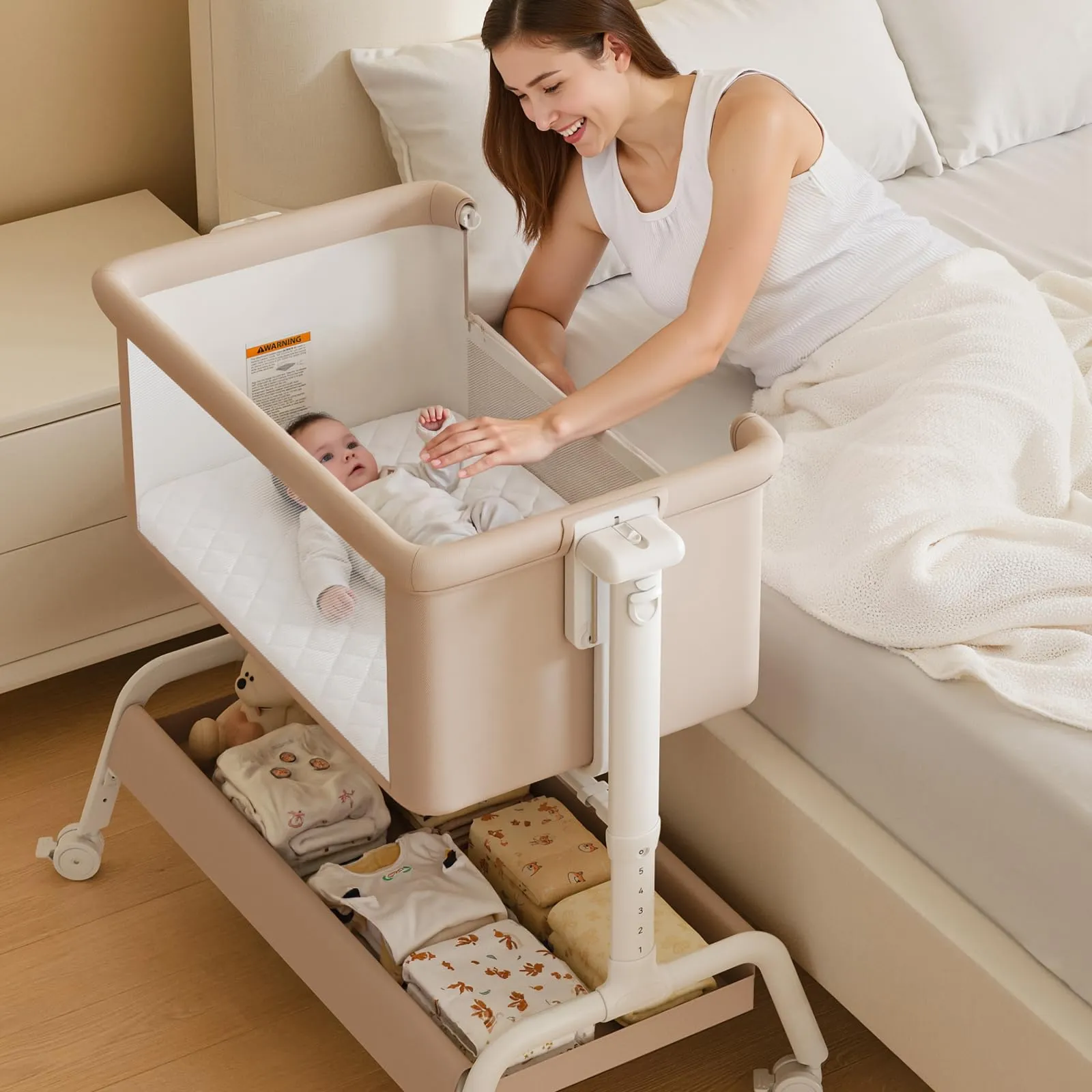
That is why a bassinet belongs in the essential conversation, while extra nursery decor usually does not. One gives your baby a dedicated sleep space. The other may make the room look finished, but it does not help with a 2 a.m. feed, a diaper leak, or a pile of wet sleepers.
When comparing newborn essentials vs nice to haves, ask whether the product solves a real care job in the first two weeks at home. If it does, it probably belongs near the top of your list. If it only seems useful in a possible future routine, it can wait.
Editor’s rule
If you would miss it during the first week home, it is probably an essential. If it depends on your baby’s preferences or your future routine, it is probably a nice to have.
The Buy-First Test
This decision test keeps your registry from becoming a wish list of every baby product that looks helpful. It also helps gift-givers understand what your family will actually use when they are choosing from your Newborn Essentials list.
| Question | If Yes | If No |
|---|---|---|
| Will you use it in the first week? | Move it higher on the list. | Consider waiting. |
| Does it support sleep, feeding, diapering, clothing, bath, care, or cleanup? | It may be an essential. | It is likely optional. |
| Would missing it make tonight harder? | Buy before baby arrives. | Add later if needed. |
| Does it depend on baby’s size, feeding style, or sleep habits? | Start small or wait. | Lower preference risk. |
| Does it take up a lot of space? | Be strict before buying. | Easier to add if useful. |
Buy First: Essentials That Usually Earn Their Space
This is not meant to replace a complete Newborn essentials checklist. Think of it as a practical starter filter: if you are deciding what deserves space first, start with daily-use categories before convenience extras.
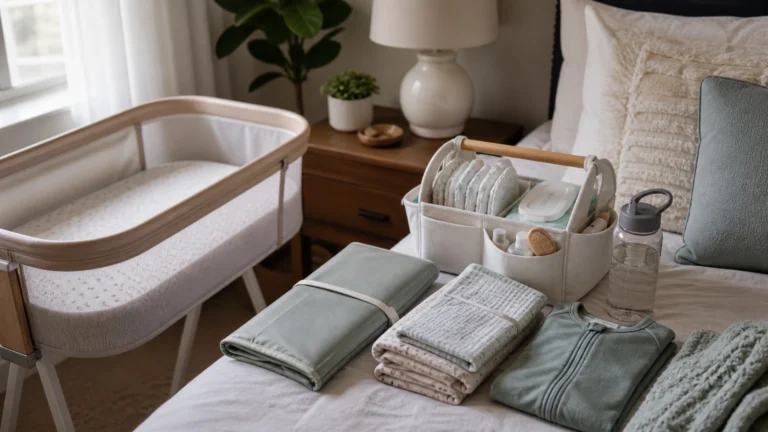
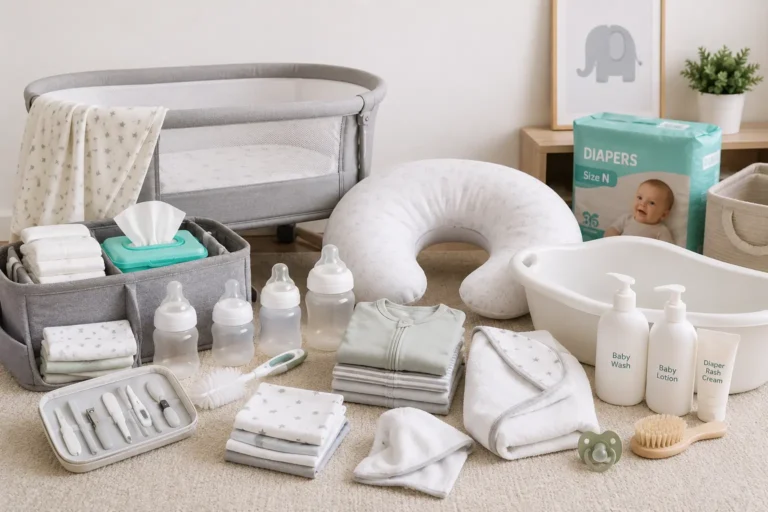
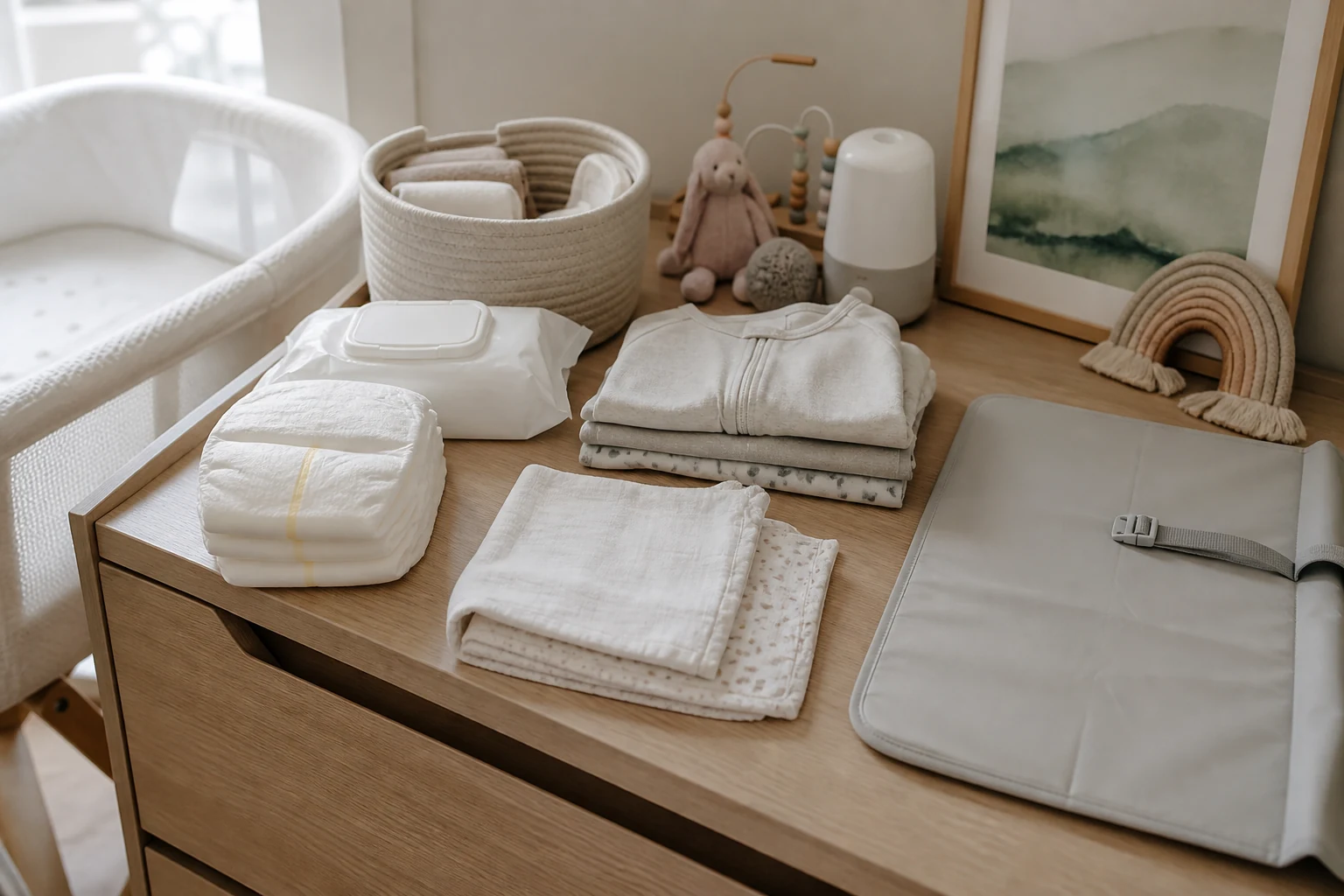
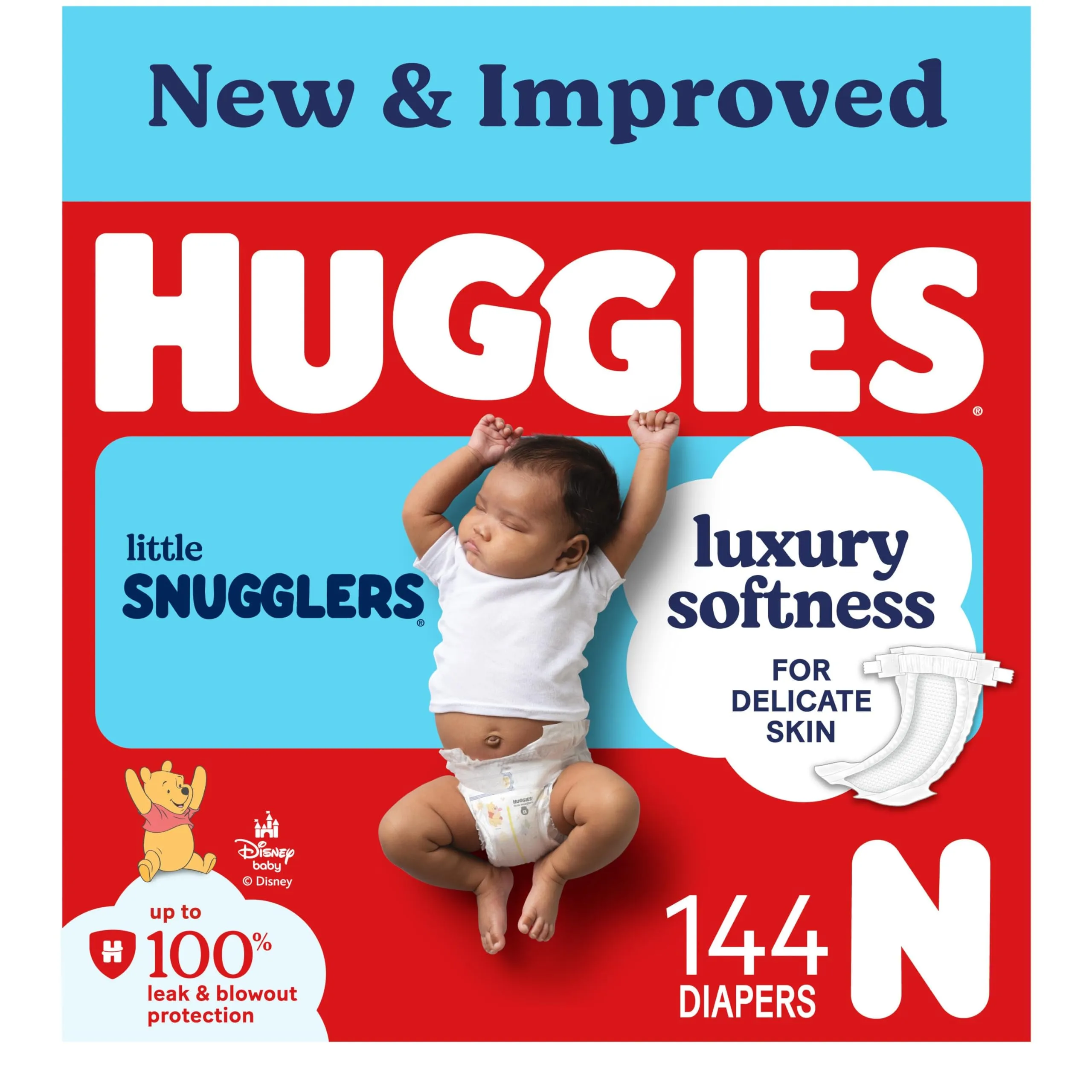
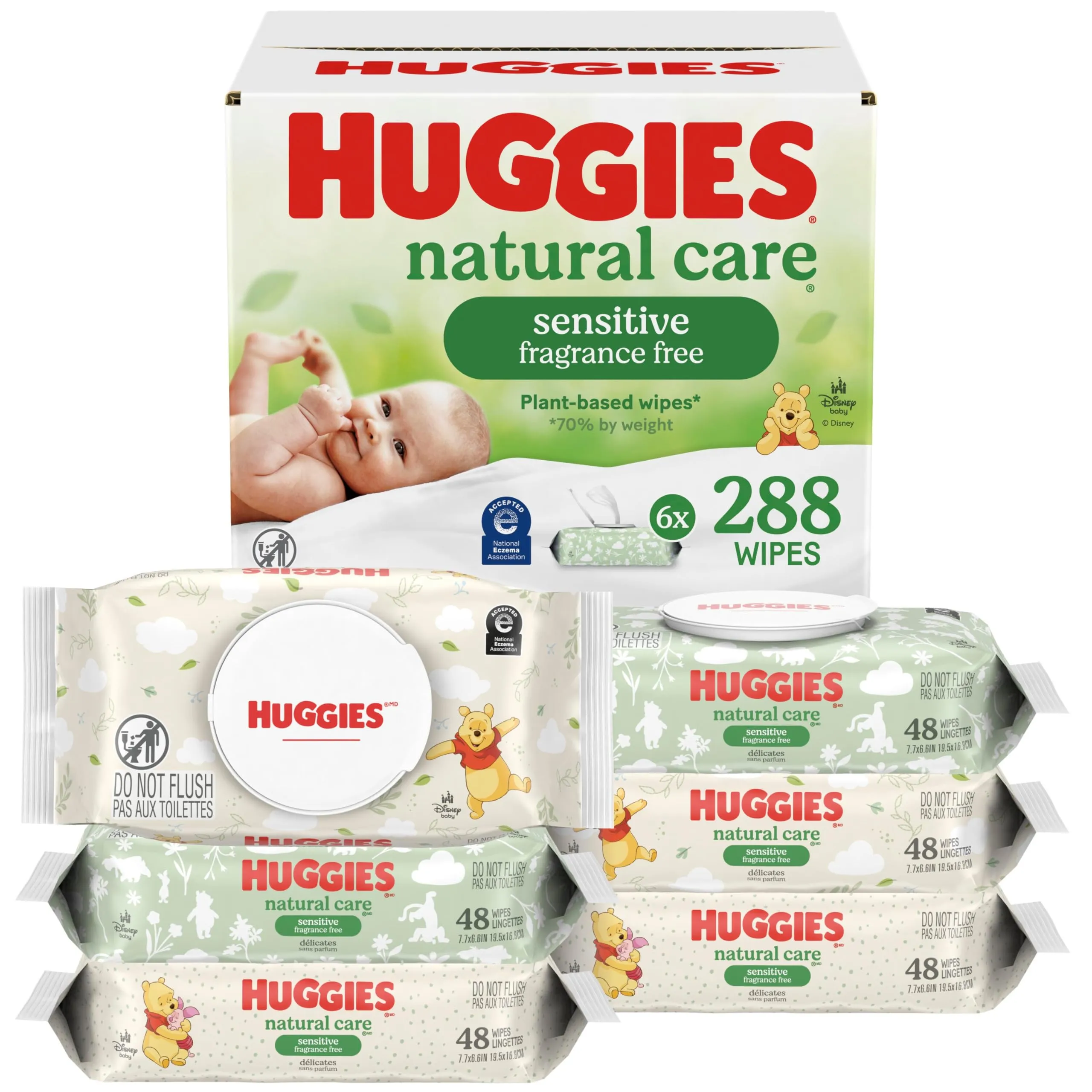
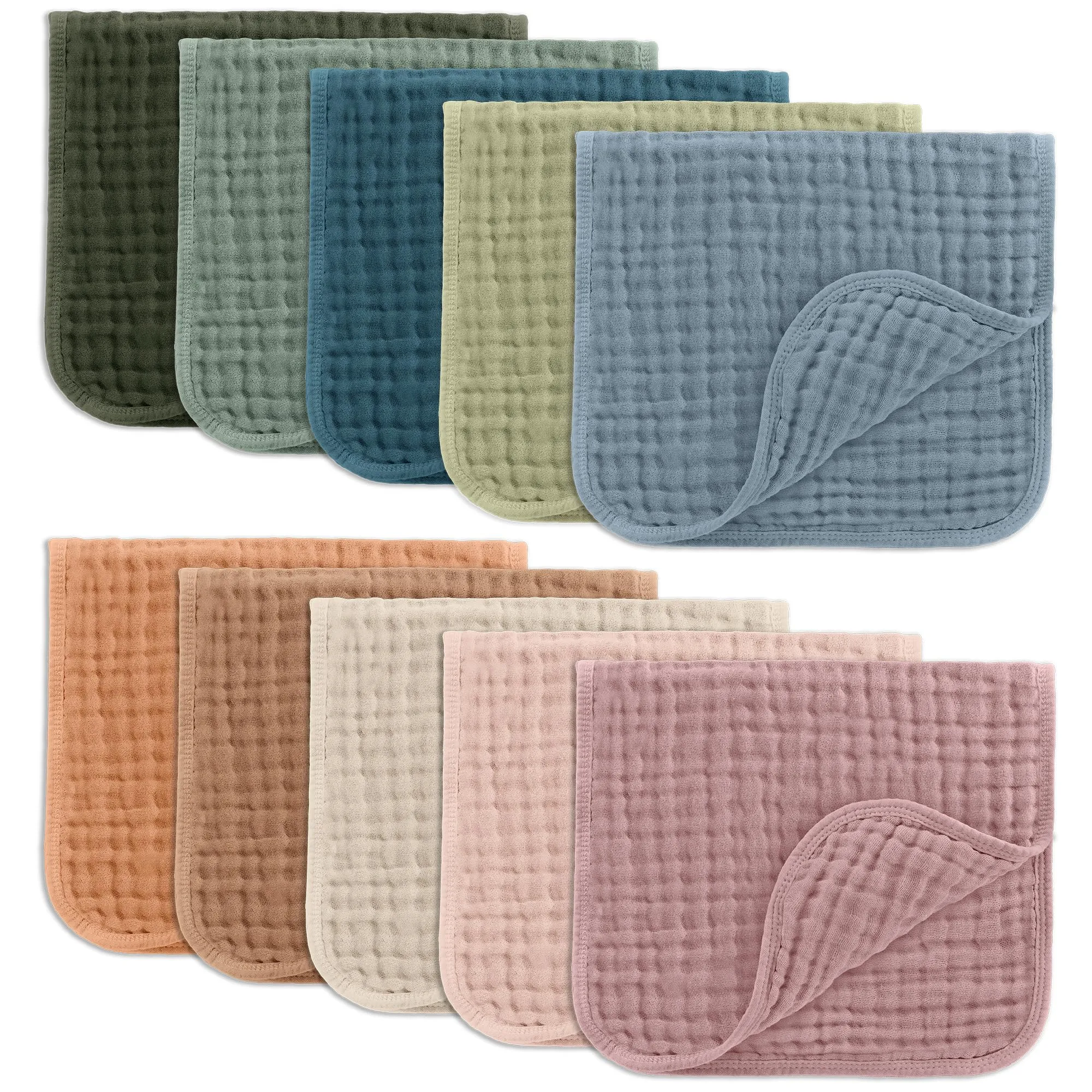
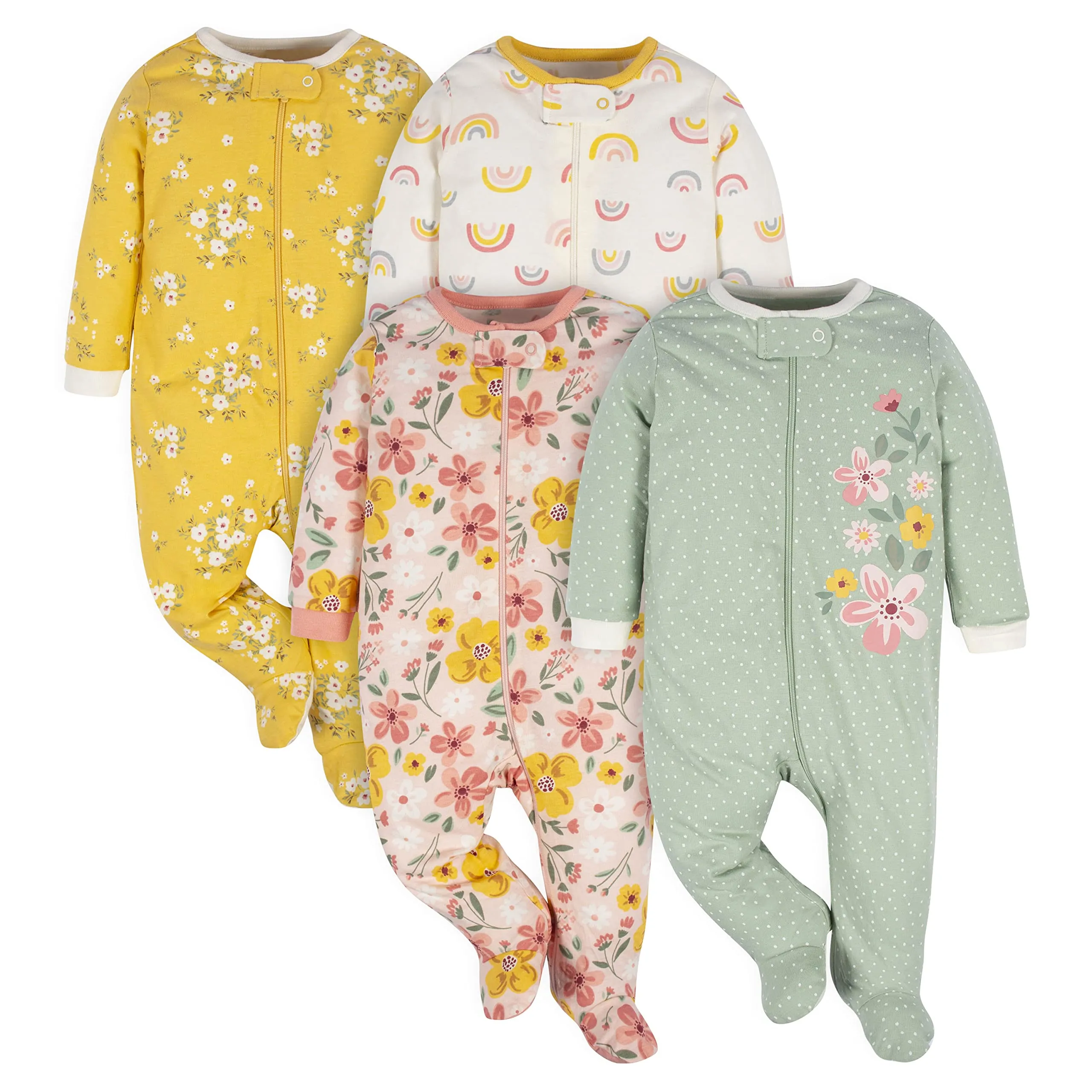
The products below represent the essential side of the newborn essentials vs nice to haves decision. They support high-frequency routines: sleep, diapering, feeding cleanup, clothing changes, and flexible diaper changes around the home.
Buy First
Practical Essentials Before Nice to Haves
What Can Usually Wait?
Nice to haves are not bad. They are simply lower-priority products that should wait until your real routine proves they are worth the money and storage space.
A bottle warmer might be useful if bottles become a major part of your day. A wipe warmer might feel nice on cold nights. A baby monitor may matter more once your baby naps in a separate room. But those products should not crowd out diapers, wipes, a safe sleep space, and washable basics.
If you are comparing registry-wide priorities too, the broader Baby registry must haves vs nice to haves guide can help you sort non-newborn items.
| Nice to Have | Why It Can Wait |
|---|---|
| Bottle warmer | Useful for some feeding routines, but not required before you know how bottles fit into your day. |
| Wipe warmer | A comfort extra, not a required diapering item. |
| Extra nursery decor | Nice visually, but it does not solve first-week care tasks. |
| Large clothing stash | Babies outgrow sizes quickly, and laundry rhythm varies. |
| Duplicate gear for every room | Start with one practical setup before buying multiples. |
| Specialized cleaning gadgets | Often less useful than simple laundry supplies and washable cloths. |
Where Parents Usually Overbuy
Overbuying usually happens in categories that feel emotional before the baby arrives: clothes, nursery decor, duplicates, and gadgets. These are also the categories where parents often receive gifts, which means your own money may be better spent on consumables and core setup items.
Too many newborn clothes
Newborn outfits are tempting, but everyday clothes should be easy to wash and easy to change. Zipper sleepers usually earn more drawer space than stiff outfits, tiny shoes, and photo-only clothes.
Too many diapers in one size
Diapers are essential. A huge stockpile in one size is not. Some babies stay in newborn size longer, while others move up quickly. Start with a modest supply, then restock once fit and leaks are clearer.
Too many stations
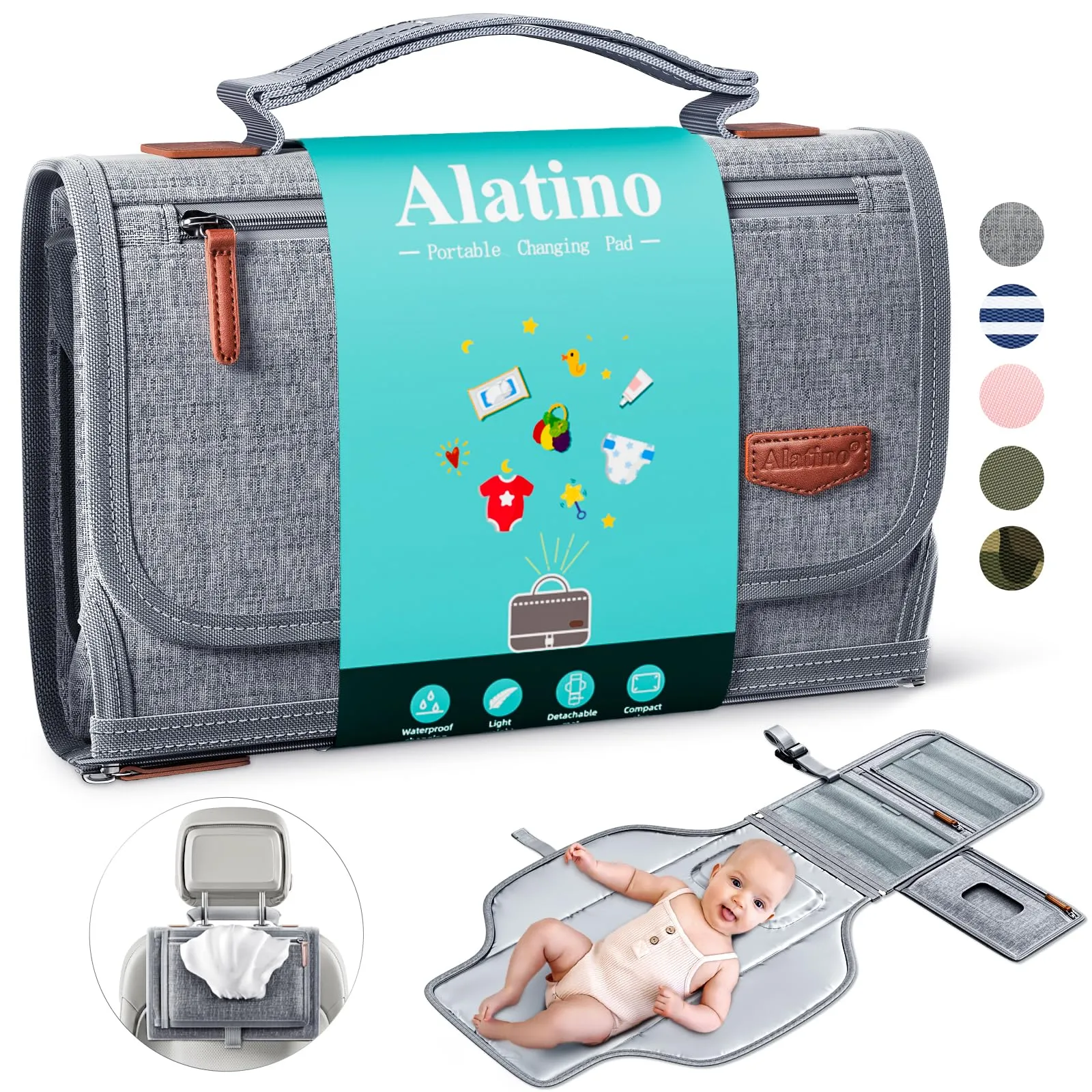
A portable changing pad or diaper caddy can make daily care easier. Buying a full duplicate setup for every room before your baby arrives can create clutter before you know where diaper changes, feeds, and naps actually happen.
Safety note
Do not let decorative sleep products, pillows, bumpers, loose blankets, or positioners take over the sleep space. Keep newborn sleep simple, firm, flat, and free of loose bedding. Follow product instructions, weight limits, and milestone limits for any bassinet or sleep product you use.
How Your Home Changes the Decision
The right split between newborn essentials vs nice to haves depends on your home. A small apartment, a two-floor house, a breastfeeding setup, a formula-feeding setup, and a second-baby home all need slightly different priorities.
If you need a room-by-room plan, use How to prepare home for newborn. If this is your first baby and every item feels important, the Newborn must haves for first time parents guide can help you focus on what makes the first weeks easier.
| Situation | Prioritize | Wait On |
|---|---|---|
| Small home | Compact sleep, portable changing, small clothing rotation | Large furniture and duplicate organizers |
| Two-floor home | One main setup plus a small daytime diaper station | Two of every large item |
| Formula feeding | Bottles, burp cloths, bottle cleaning, organized counter space | Large bottle collection before baby shows a preference |
| Breastfeeding | Burp cloths, feeding support, water, snacks, night setup | Every pumping accessory before you know your routine |
| Second baby | Restock consumables and replace worn or unsafe items | Rebuying gear you can safely reuse |
How to Use This on a Registry
On a registry, essentials should be easy for gift-givers to understand. Diapers, wipes, burp cloths, sleepers, and changing supplies are not glamorous, but they get used. Nice to haves can still go on the registry, but they should not push daily care basics off the list.
A helpful approach is to mark essentials first, then add nice to haves as lower-priority items. If you like checking things off on paper, the Newborn essentials checklist printable can help you sort what is ready, what can wait, and what you do not need at all.
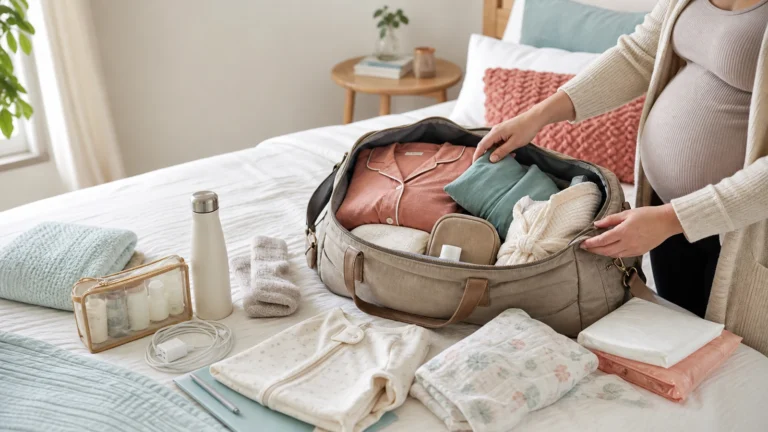
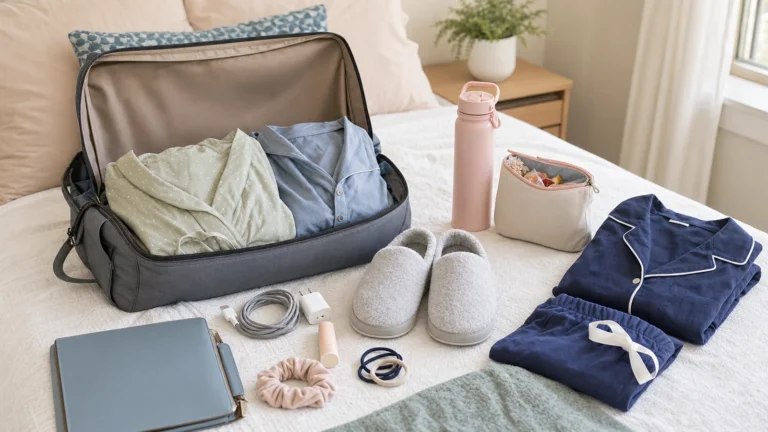
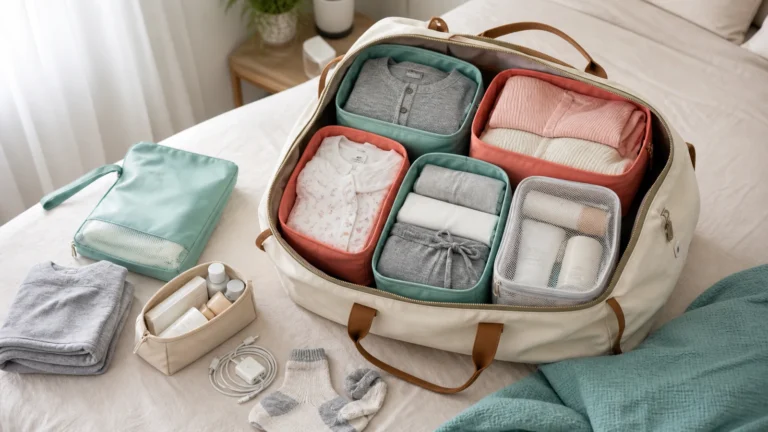
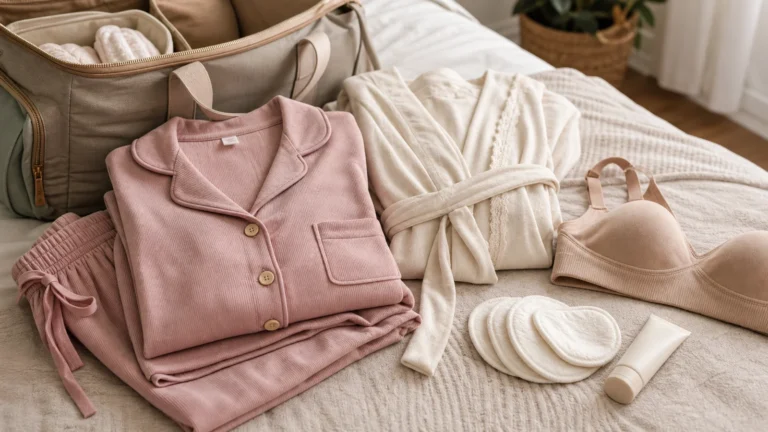
Keep hospital items separate from at-home newborn items. A Hospital bag must haves list is for delivery and recovery days. This article is about what deserves space in your home once your baby is actually living there.
FAQ
Newborn Essentials vs Nice to Haves FAQ
What are the most important newborn essentials?
The most important newborn essentials support sleep, feeding, diapering, clothing, bath, basic care, and cleanup. Start with a safe sleep space, diapers, wipes, easy clothes, burp cloths, and simple changing supplies.
Are nice to haves a waste of money?
Not always. Some nice to haves become useful after you know your baby’s feeding style, sleep setup, and home routine. The safer plan is to buy essentials first and add convenience items later.
Should I buy everything before baby arrives?
No. Buy enough to handle the first couple of weeks. Wait on products that depend on your baby’s size, bottle preference, sleep stage, laundry rhythm, and space limits.
What newborn items are easiest to overbuy?
Clothes, blankets, decorative nursery items, duplicate organizers, one-size diaper stockpiles, and bottle styles are easy to overbuy before your routine is clear.
How do I know if a product deserves space?
Ask whether it solves a daily first-week problem, whether it supports a core care routine, and whether you would miss it tonight. If not, it can probably wait.
Final Takeaway
The best newborn setup is not the biggest one. It is the one that gives your baby a safe place to sleep, keeps diapers and feeding cleanup within reach, makes clothing changes simple, and leaves your home usable.
Use Newborn Essentials as the main parent list, then use newborn essentials vs nice to haves as the filter. Buy the items that solve daily newborn care first. Let the lower-priority extras wait until your baby, your home, and your real routine tell you they are worth the space.
More from BabyEthos
Watch BabyEthos on YouTube
Follow BabyEthos for practical baby gear tips, registry planning, and parent-friendly newborn essentials guides.
Visit BabyEthos YouTube