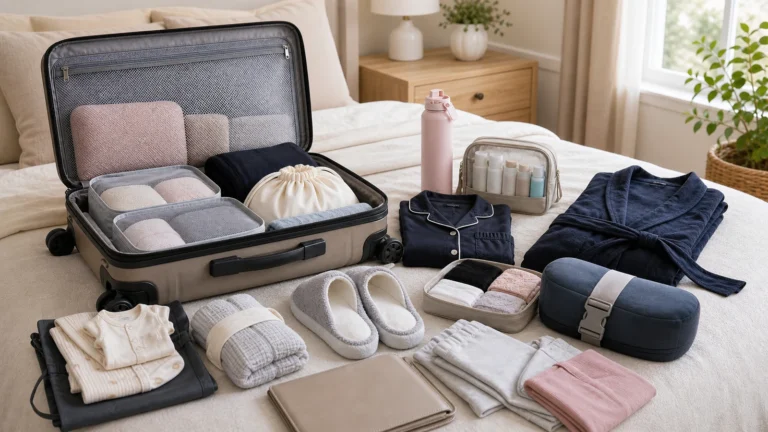
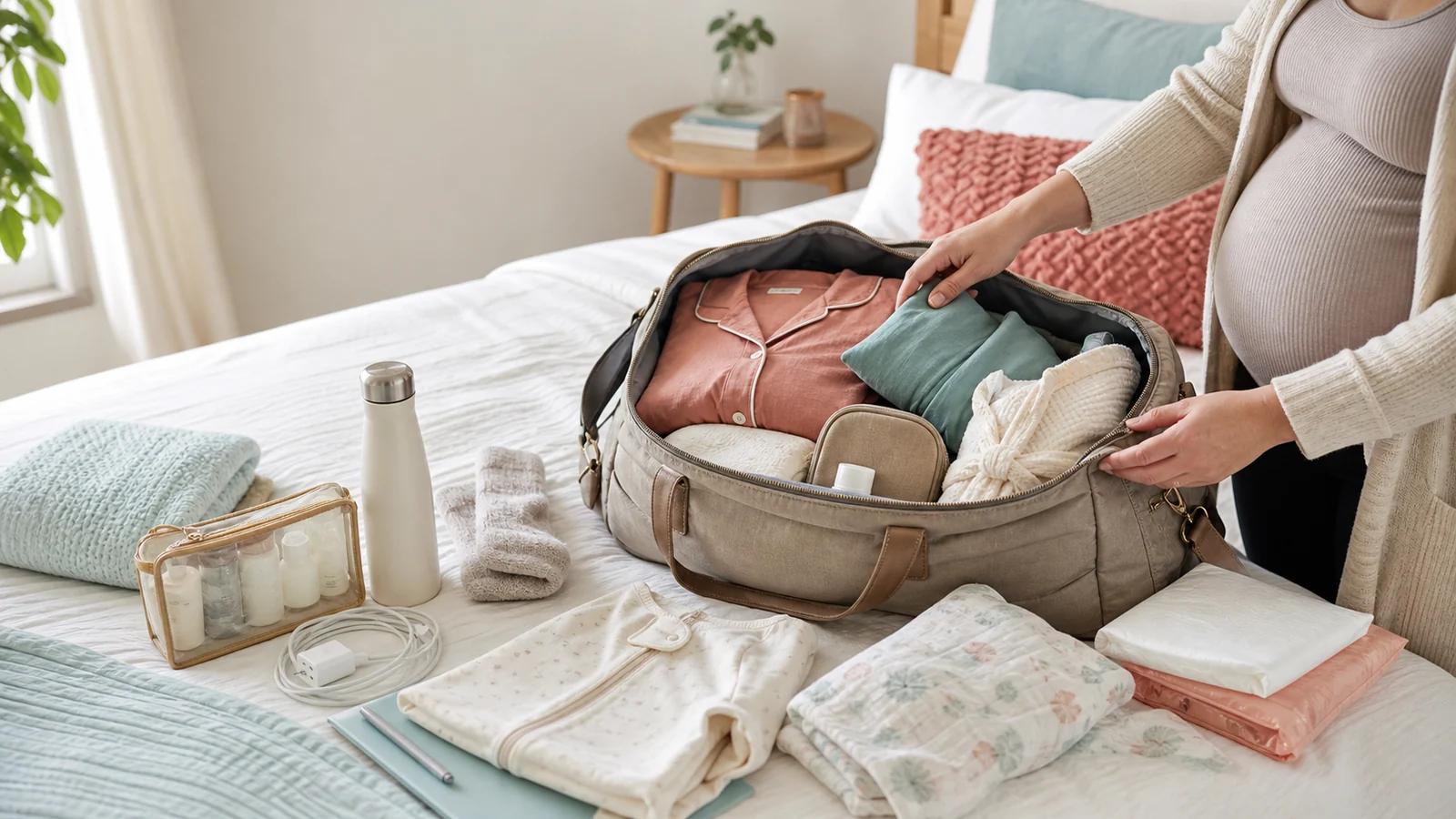
Hospital Bag Checklist: What to Pack for Mom, Baby, and Delivery Day
Disclosure: BabyEthos is reader-supported. As an Amazon Associate, we earn from qualifying purchases. This does not change what you pay.
The first time I packed for labor, my Hospital Bag Checklist looked more like a weekend vacation list. I brought too many clothes, three kinds of lip balm, and a paperback I never opened. What I actually reached for was much simpler: a long charger, a water bottle I could use one-handed, grippy socks, a soft robe, and a small folder that kept our paperwork from disappearing under a pile of blankets.
By our third baby, the bag was smaller and much smarter. This Hospital Bag Checklist is the version I wish I had the first time: practical enough for a real labor room, flexible enough for different hospitals, and honest about what is useful, optional, or better left at home.
You do not need to buy all 40 products shown here. Some are alternatives to one another, some fit a specific delivery or season, and some are comfort upgrades. Think of this as a well-stocked menu, not a command to fill a cart. Your own hospital’s instructions always come first because supplies, food rules, length of stay, and visitor policies vary.
Medical and safety note: This guide is for practical planning, not medical advice. Ask your hospital or maternity care team what they provide and what they want you to bring. Follow your clinician’s instructions for labor, recovery, feeding, medications, and discharge.
The Short Hospital Bag Checklist: What You Actually Need
If you only have ten minutes, start here. The best Hospital Bag Checklist covers four jobs: getting admitted, keeping the laboring parent reasonably comfortable, bringing baby home safely, and helping the support person stay useful.
| Pack for | Start with | Usually optional | Check before packing |
|---|---|---|---|
| Admission | Photo ID, insurance information, hospital paperwork, medication list, birth preferences | Printed copies of information already in your portal | Where to enter after hours and which documents your hospital requests |
| Mom | Loose clothes, grippy footwear, toiletries, charger, water bottle, going-home outfit | Personal labor gown, robe, nursing bra, fan | Food and drink rules, recovery supplies, medication policy |
| Baby | Rear-facing infant car seat, weather-appropriate outfit, one backup outfit | Small blanket, a few diapers and wipes | What the hospital provides and safe car-seat fit |
| Partner | Phone, charger, layers, toiletries, water, snacks, any daily medication | Compact pillow or blanket | Overnight accommodations and visitor rules |
My parent-of-three rule: pack the things that solve a predictable problem. If an item has no clear job, it probably does not belong in the bag.
QUICK SHOP
Hospital Bag Checklist Quick Shop: All 40 Picks
This is the fast lane for parents who already know what they need. The bags, clothing sizes, and seasonal outfits include alternatives, so you are not expected to buy all 40 products. Use the full Hospital Bag Checklist below when you want the reasoning, safety notes, and what I would personally skip.
Bags & Organization
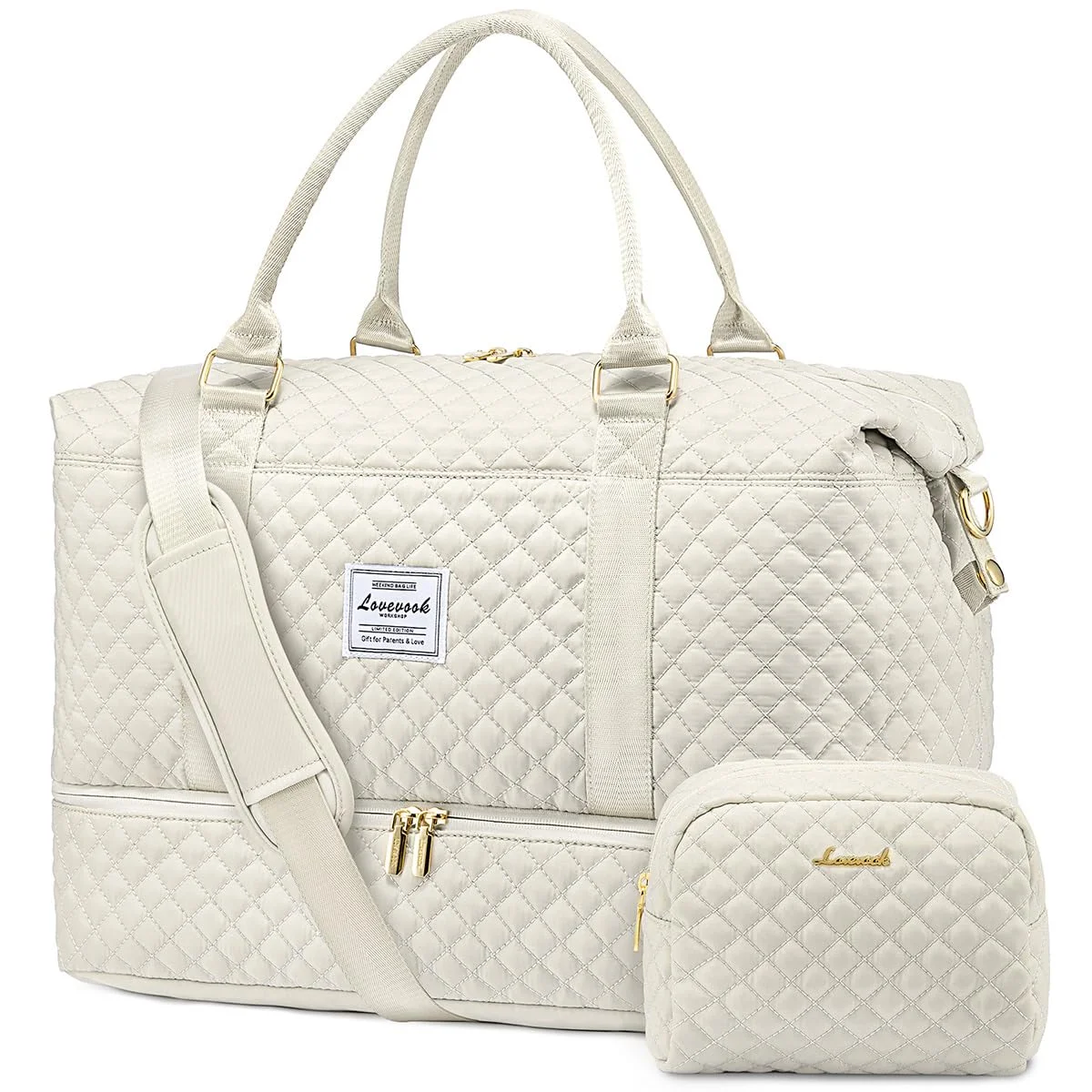
A roomy weekender duffel bag that keeps clothing, toiletries, and small labor essentials together without requiring a full-size suitcase.
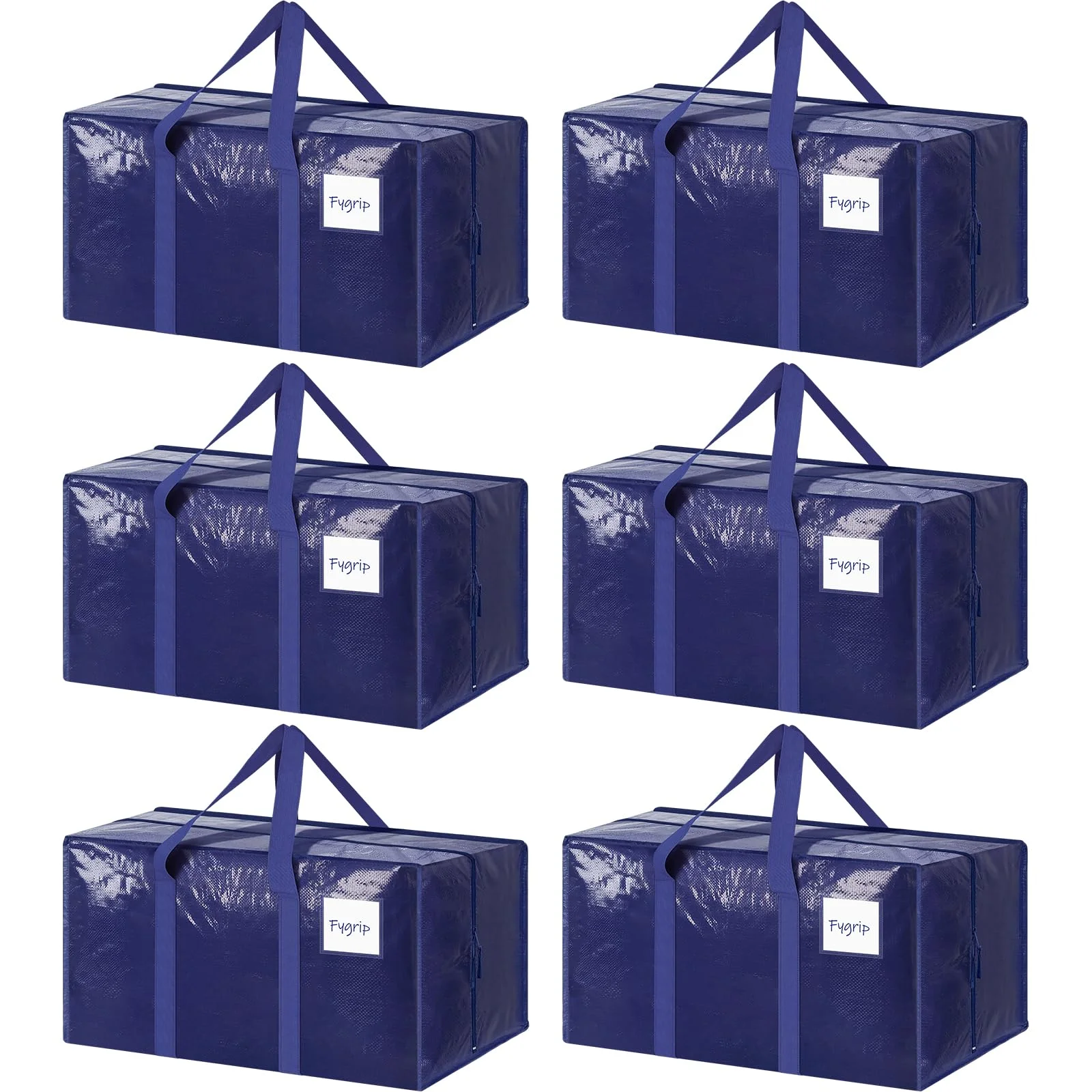
These large tote bags offer flexible storage when parents prefer separate bags for clothing, recovery supplies, and partner items.
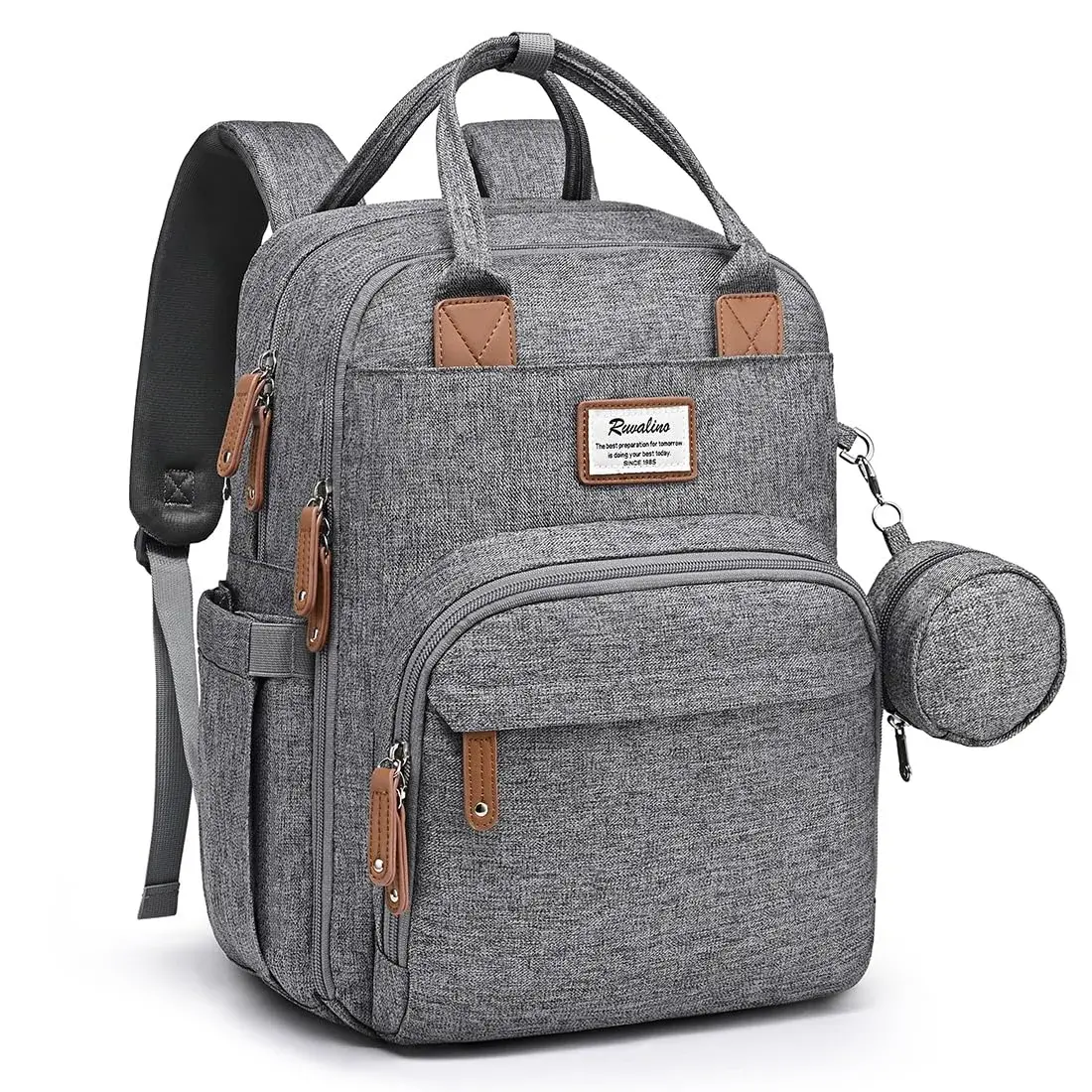
A hands-free diaper bag backpack with organized pockets for baby basics, chargers, paperwork, and the trip home.
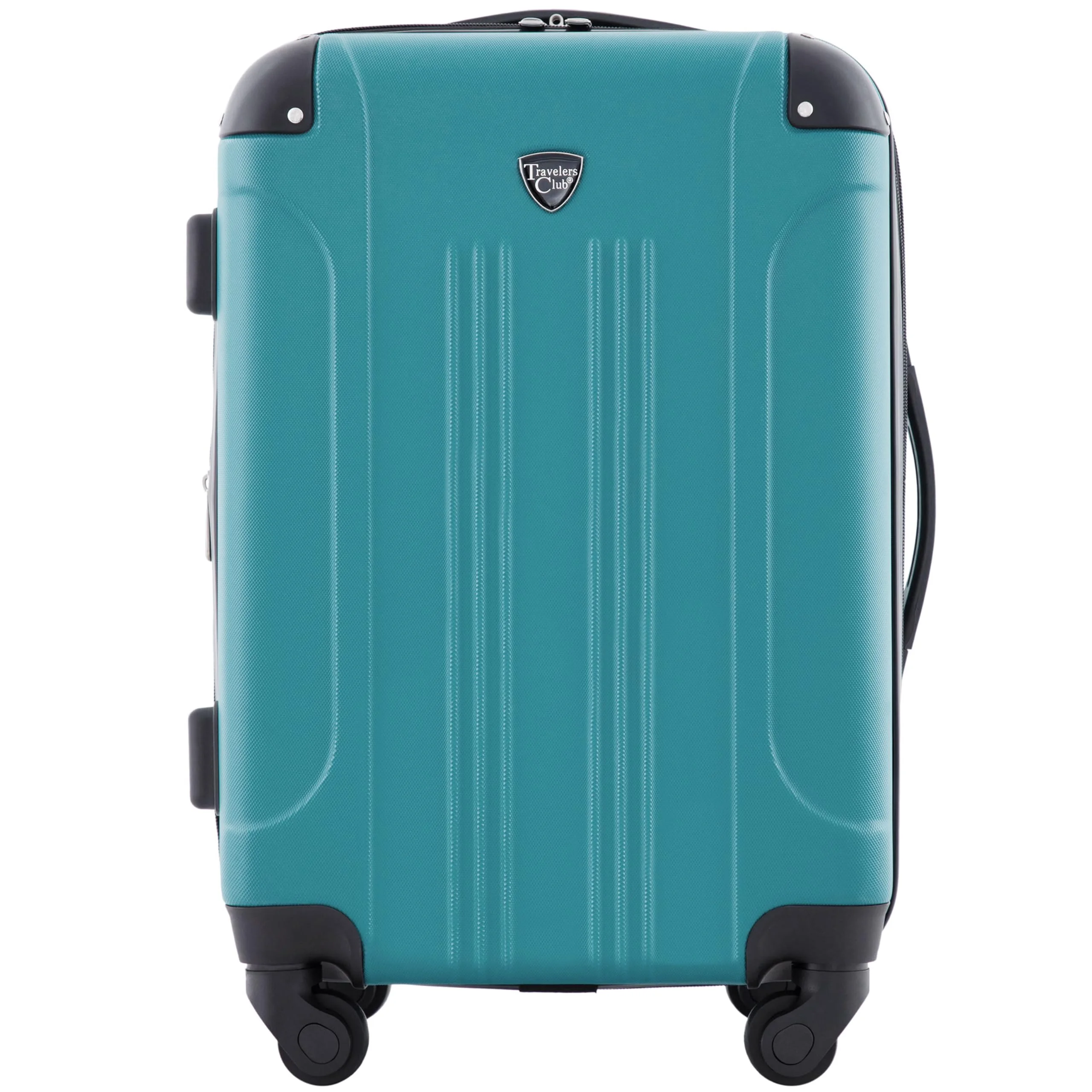
A carry-on rolling suitcase makes heavier hospital supplies easier to move, especially for a planned or potentially longer stay.
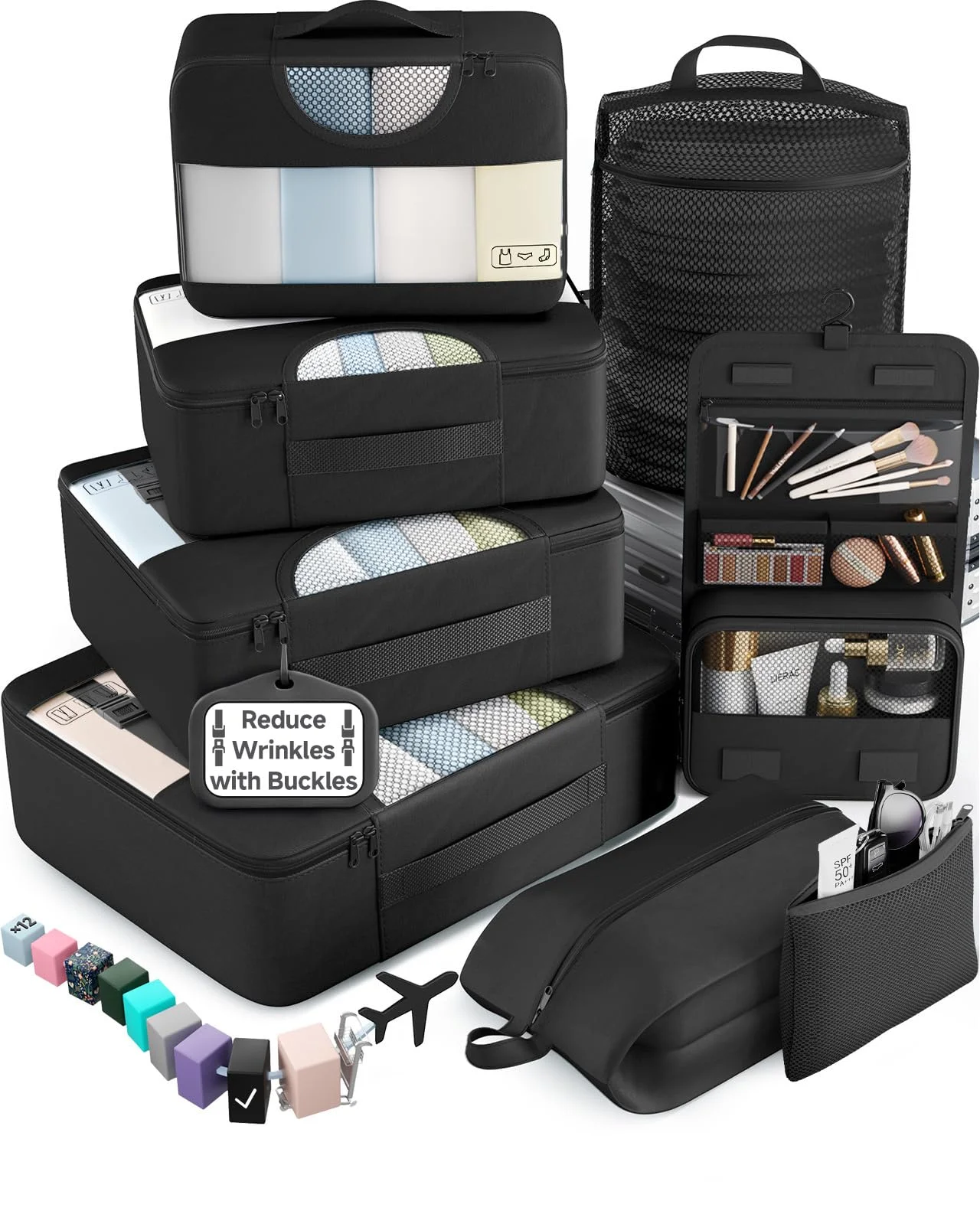
Packing cubes separate mom, baby, and partner essentials so the right pouch is easy to find in a crowded hospital room.
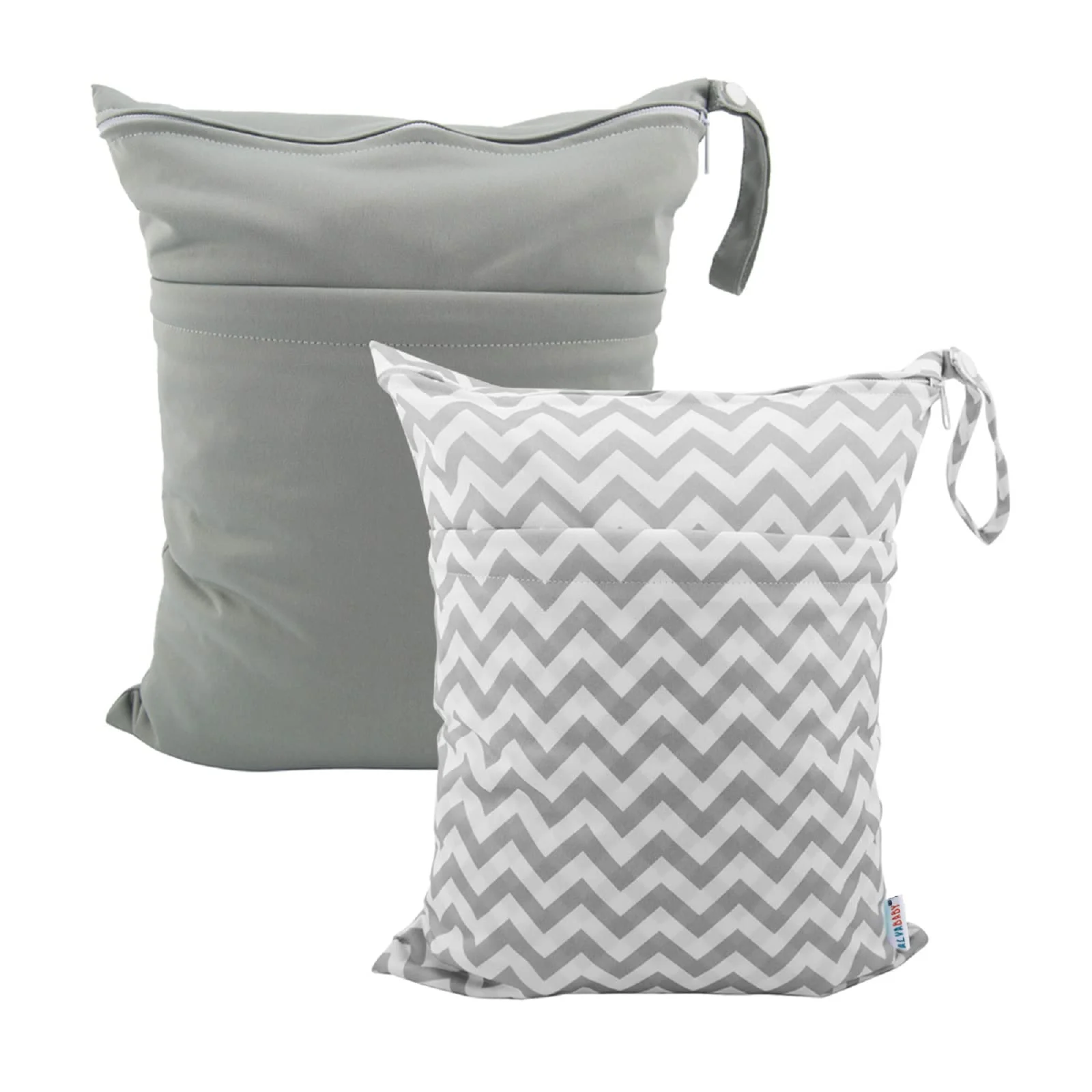
A wet dry bag gives damp clothing, used washcloths, or leak-prone toiletries a separate place for the ride home.
Mom’s Clothing & Comfort
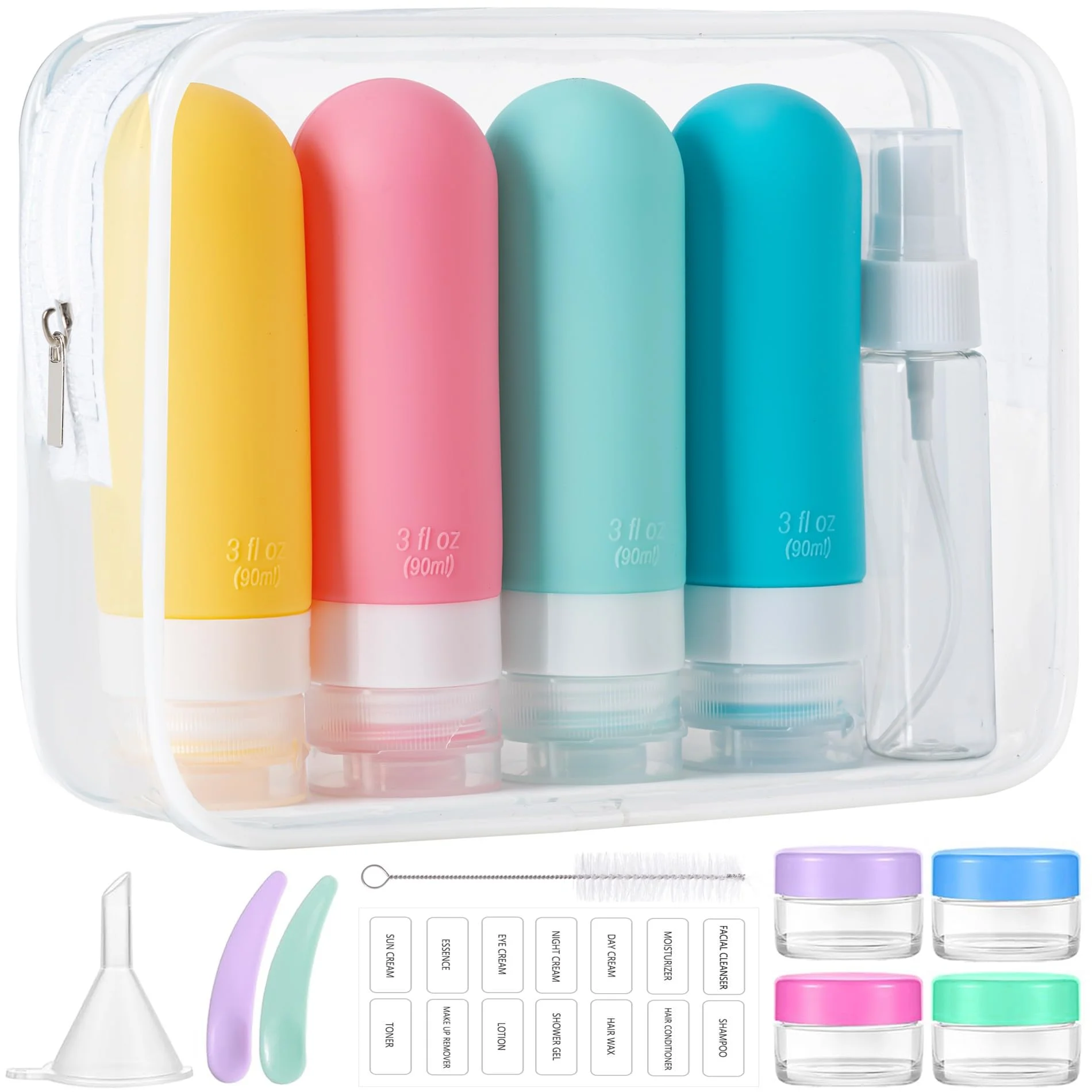
This travel toiletry kit holds shampoo, conditioner, lotion, and other familiar bathroom basics without packing full-size bottles.
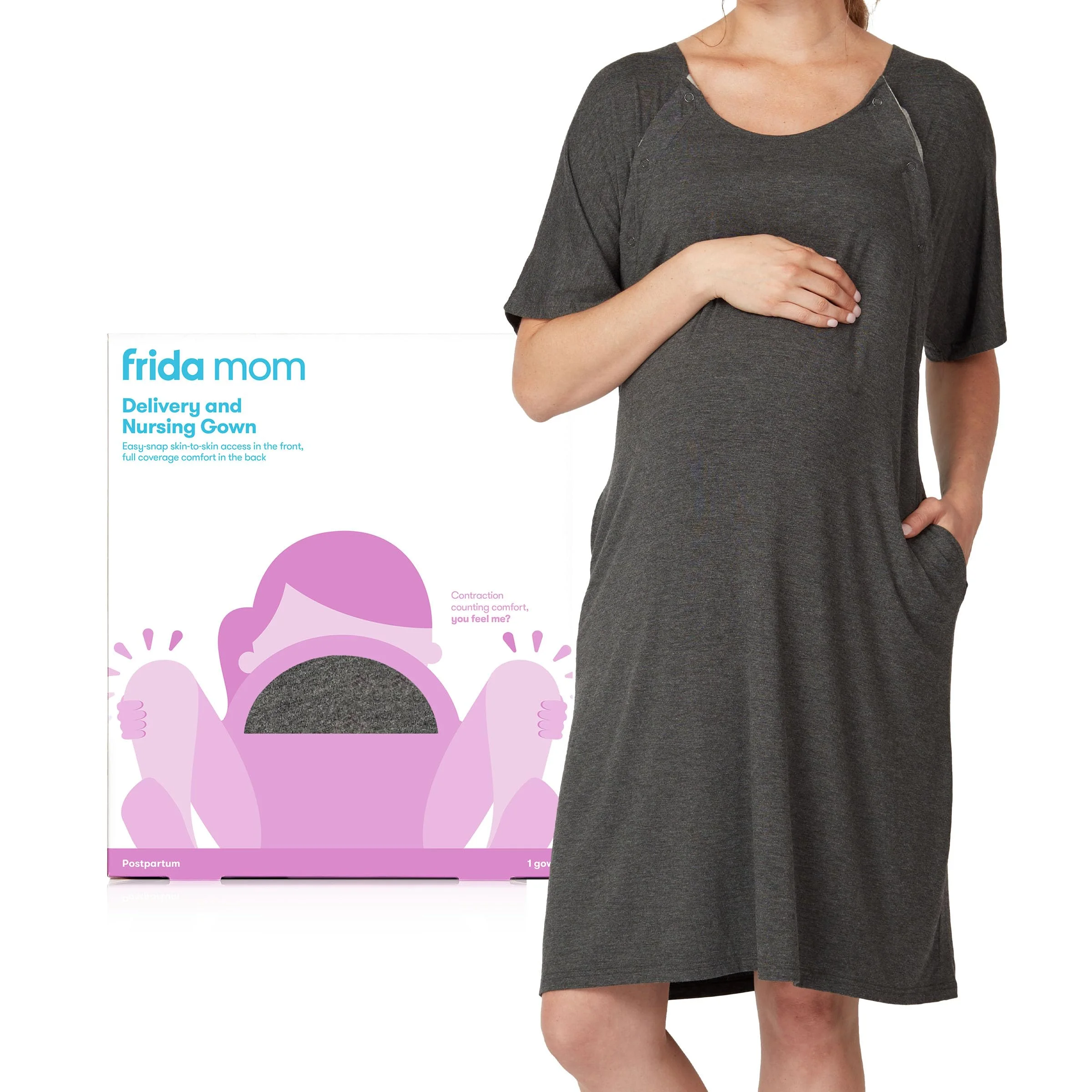
A labor and delivery gown offers personal coverage and easier nursing or skin-to-skin access when hospital-issued gowns feel too exposed.
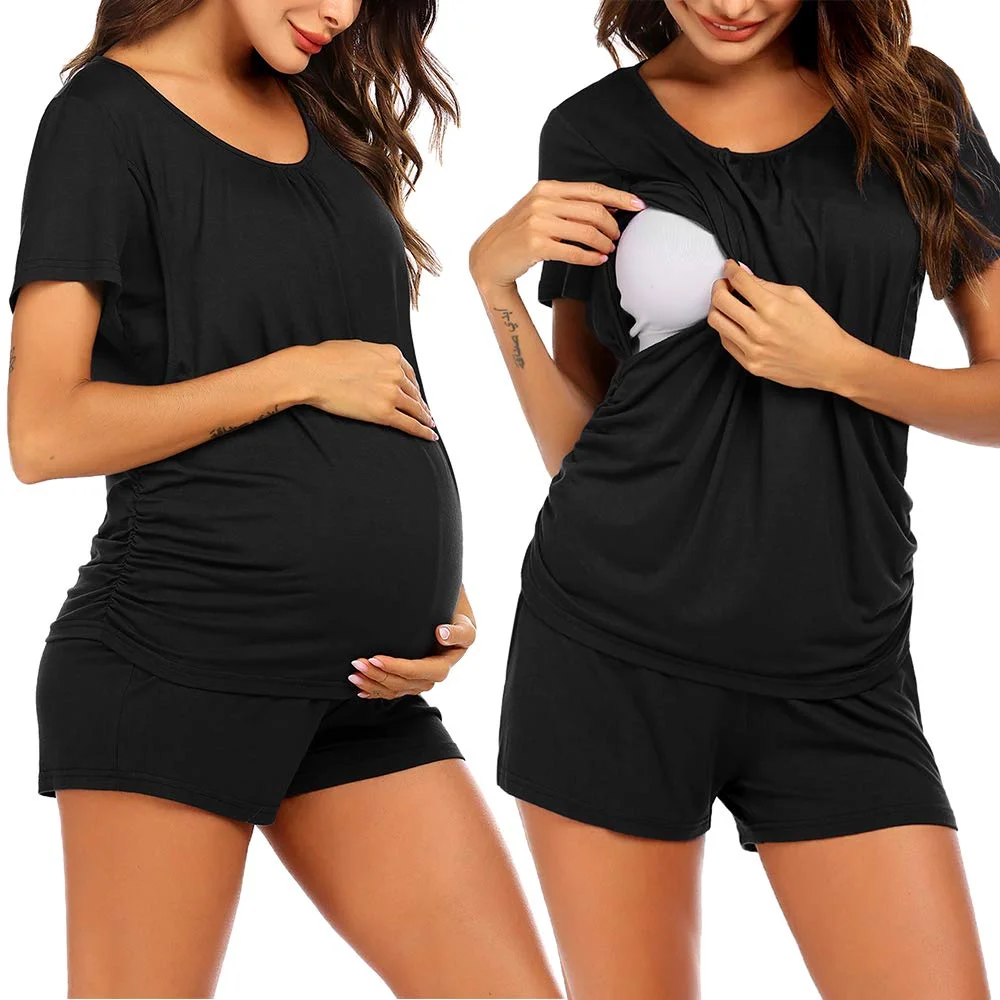
A soft nursing pajama set gives new moms comfortable sleepwear with practical feeding access during recovery and the first night home.
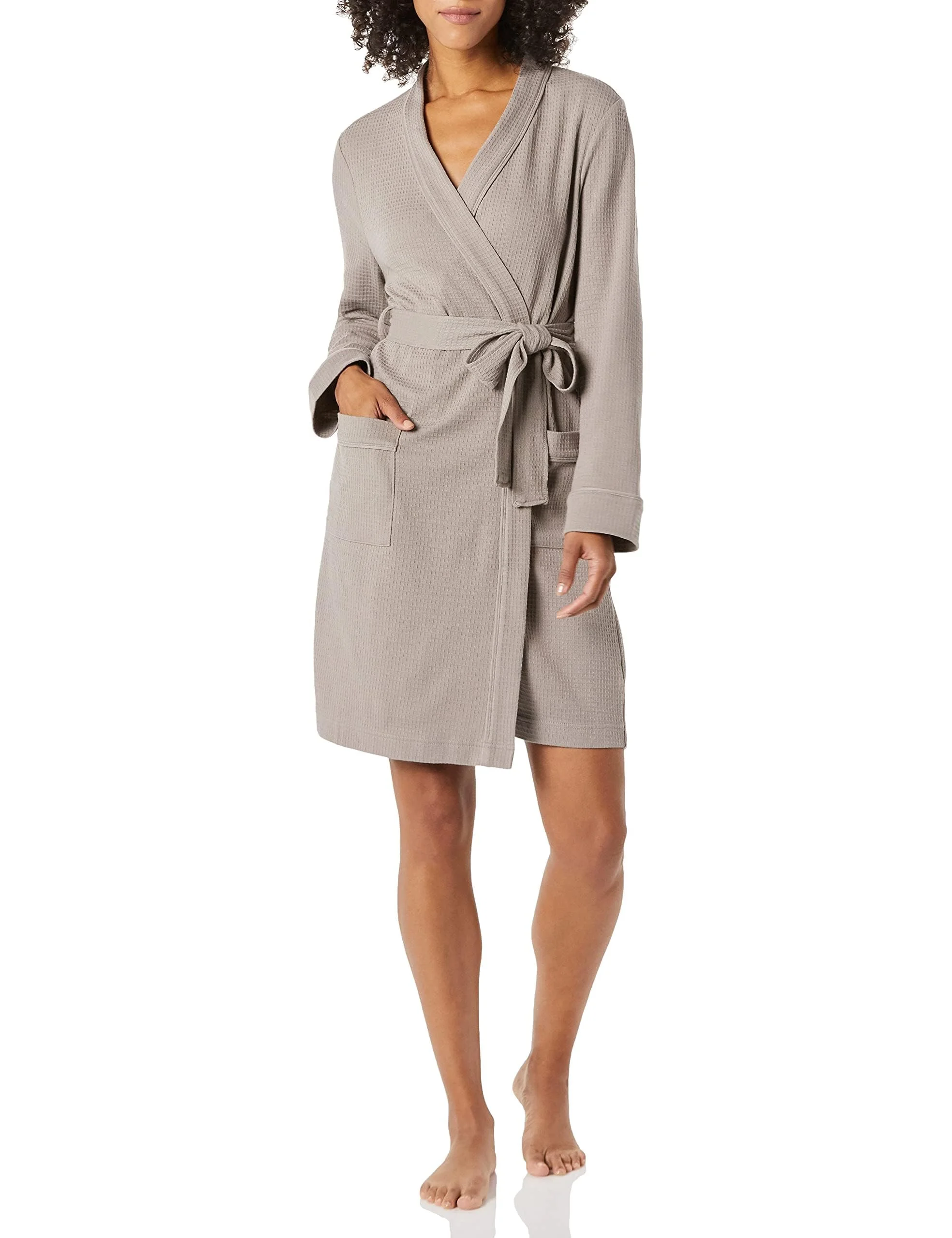
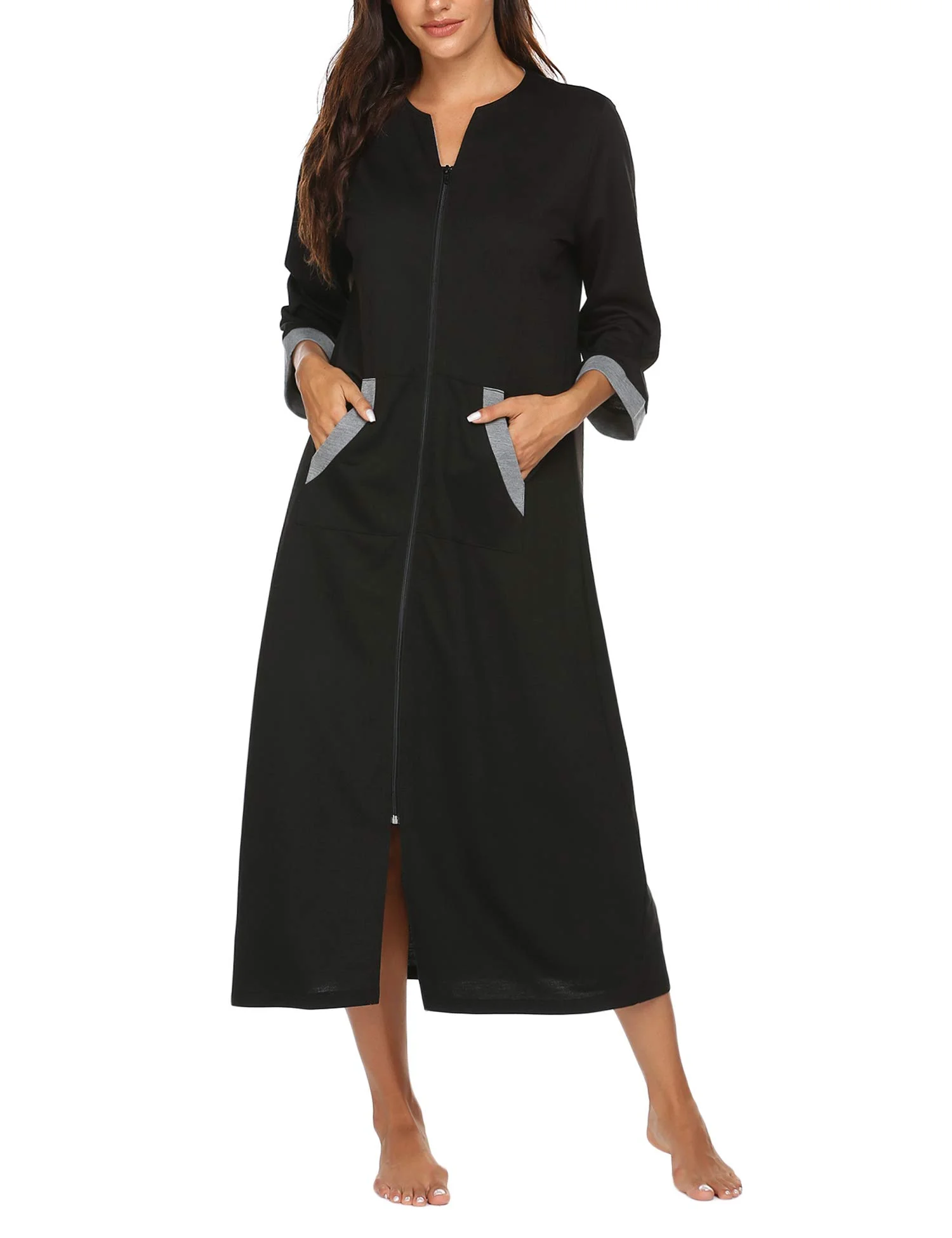
A lightweight postpartum robe adds coverage for hallway walks, visitors, feeding sessions, and trips between the bed and bathroom.
A loose going-home outfit avoids pressure around a tender postpartum belly while remaining simple to step into before discharge.
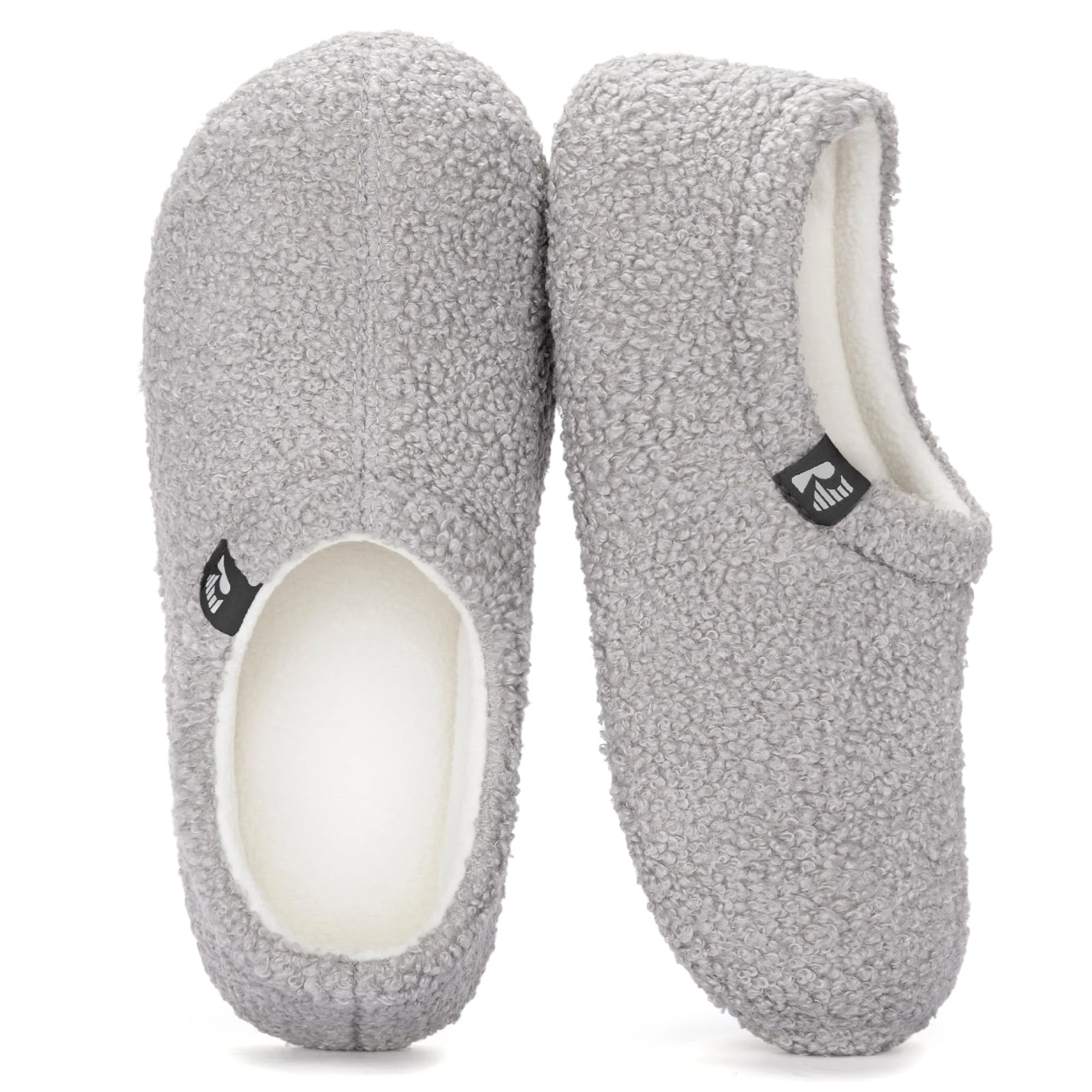
Closed-back non-slip slippers provide warmth and steadier footing for short walks around the recovery room and hospital hallway.
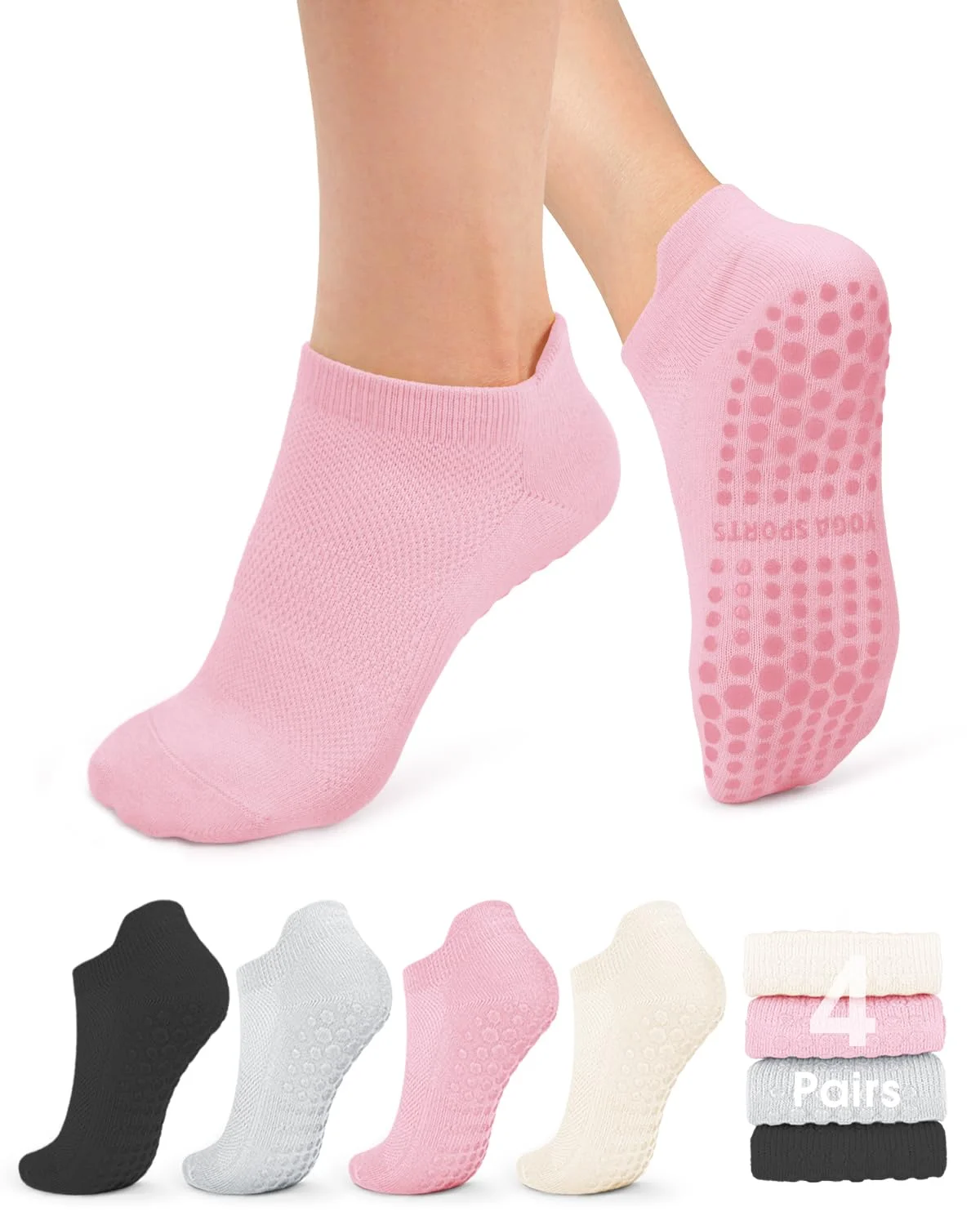
Grippy socks are an easy, washable option for keeping feet warm while adding traction on smooth hospital floors.
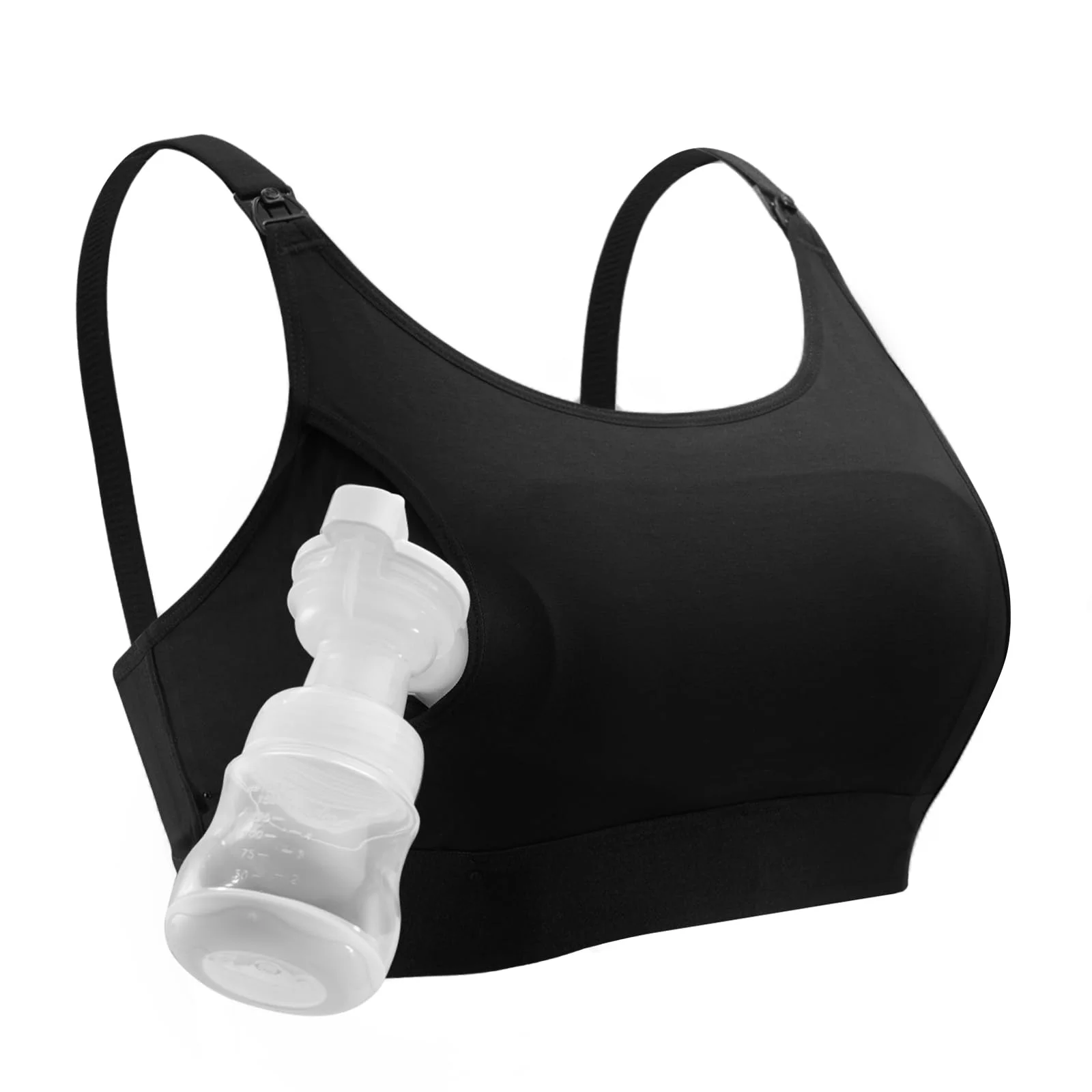
A nursing bra with pumping access can reduce clothing changes when feeding, pumping, and resting all happen in the same room.
Postpartum Recovery
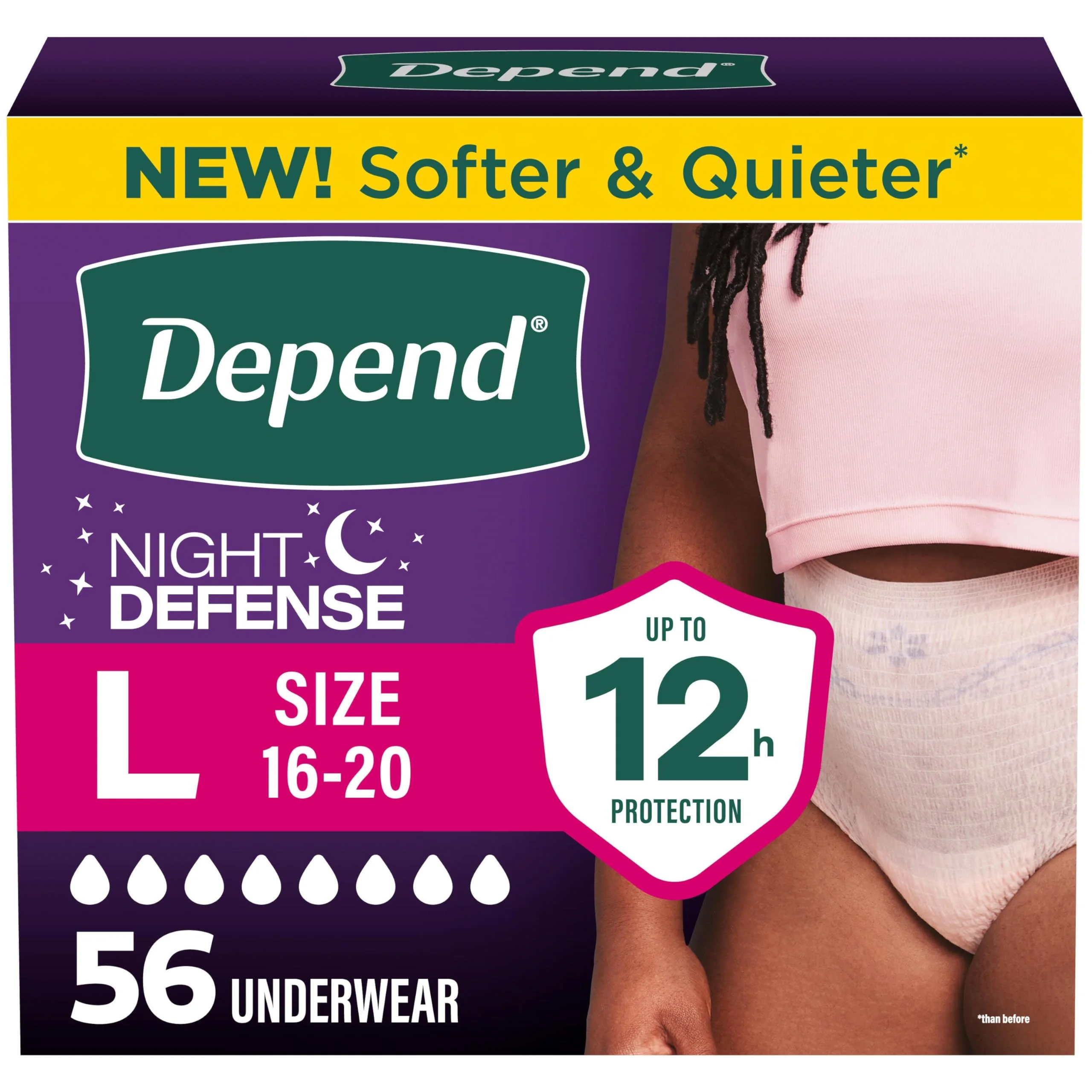
Disposable postpartum underwear provides fuller coverage for heavy early bleeding and can feel more secure than layering pads in regular underwear.
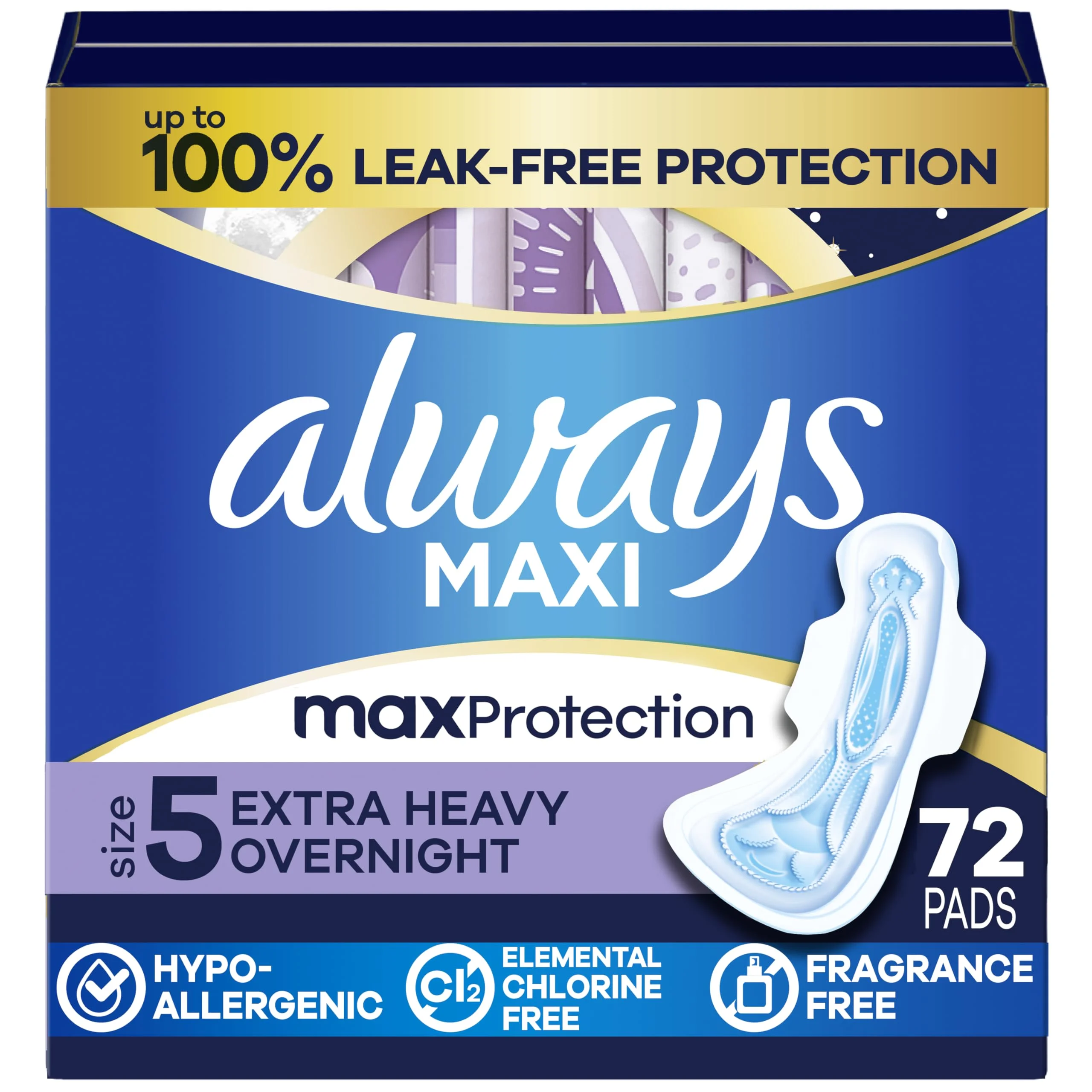
Heavy-flow postpartum pads add an absorbent backup for discharge day and the first days home when hospital supplies run out.
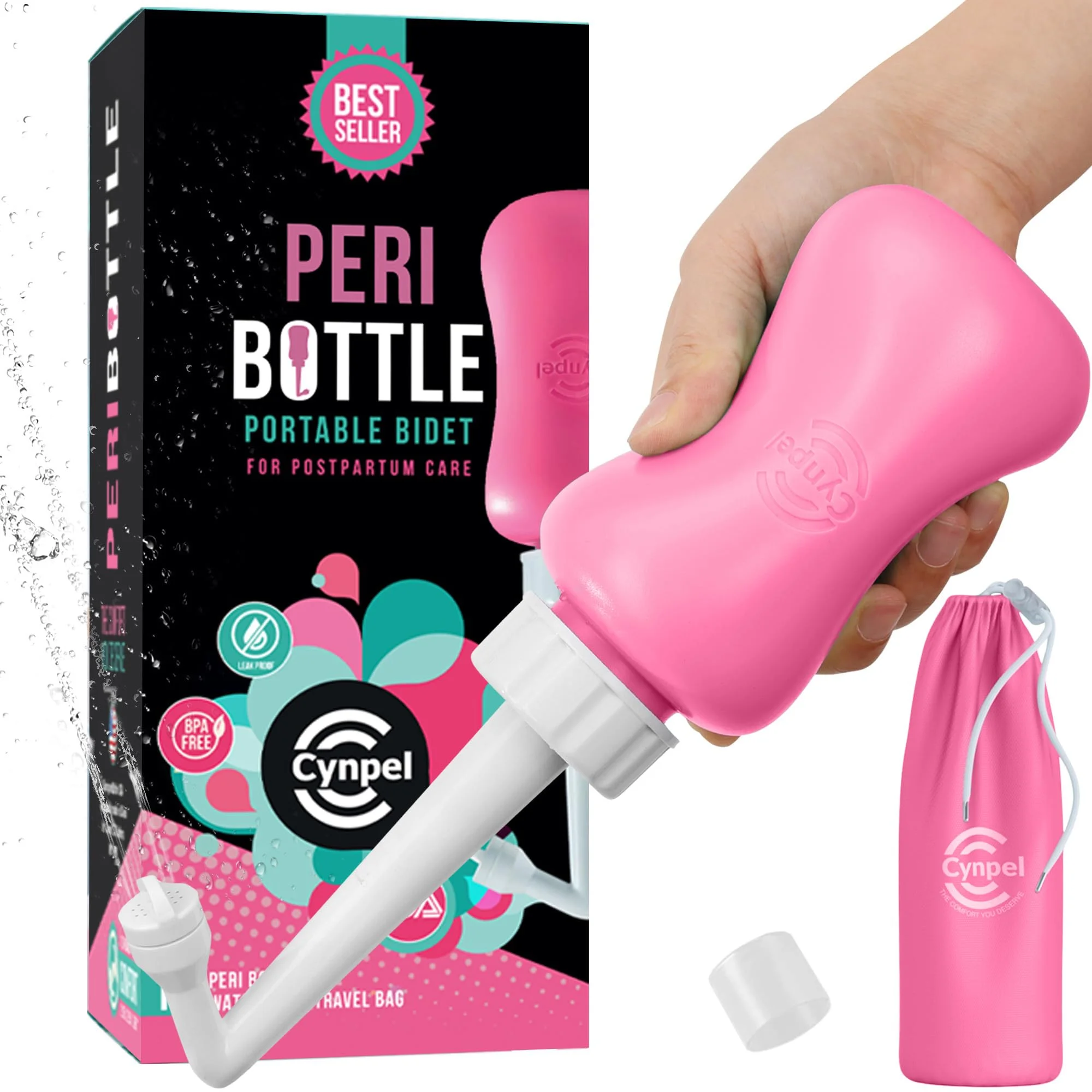
An upside-down peri bottle makes gentle rinsing easier after vaginal delivery, particularly when reaching and bending feel uncomfortable.
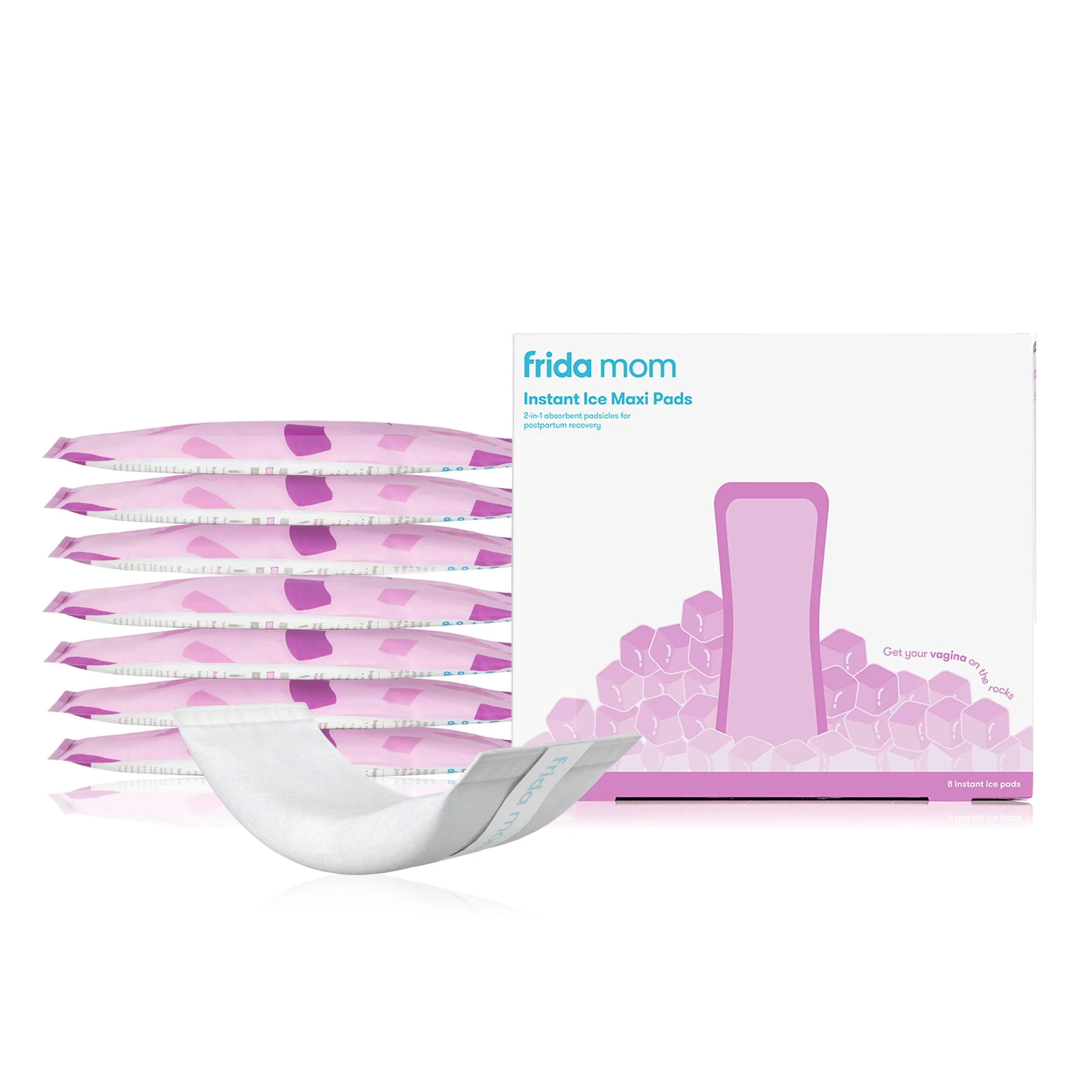
Perineal cold packs combine cooling comfort with absorbency for early postpartum recovery; follow hospital guidance for timing and use.
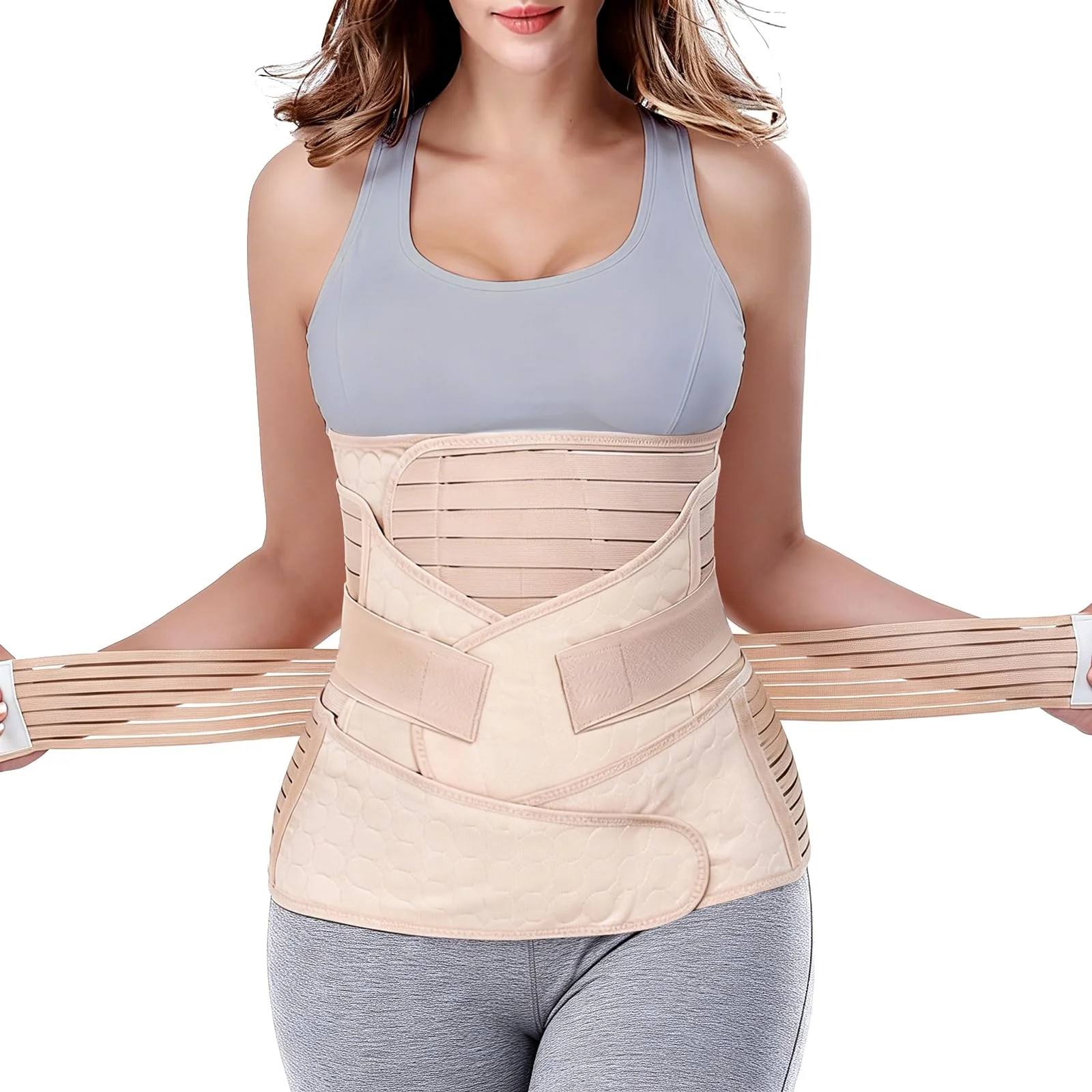
A postpartum belly binder may offer adjustable abdominal support, but fit and timing should follow clinician guidance after vaginal or cesarean birth.
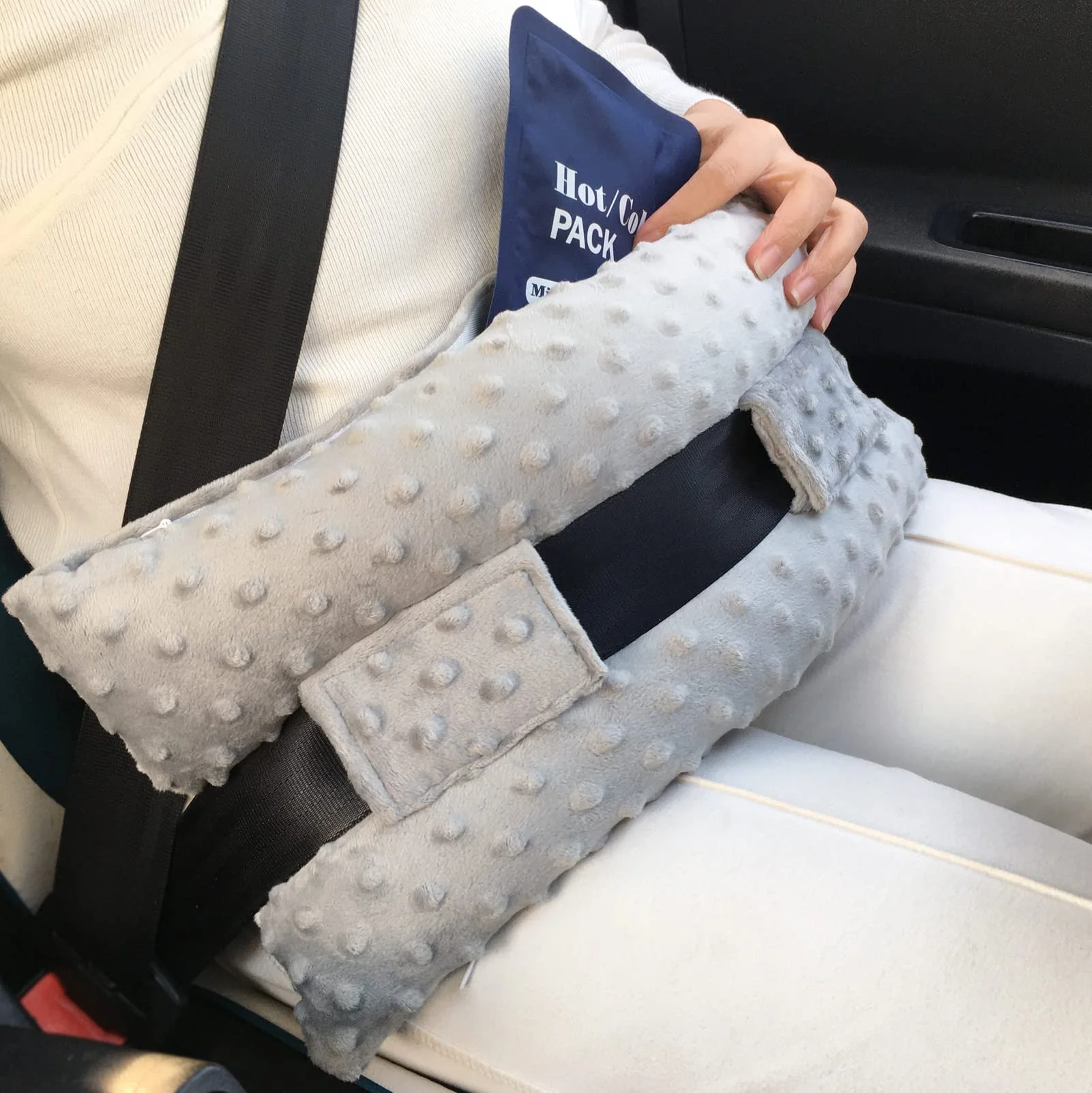
A C-section seat belt pillow cushions the lap-belt area on the ride home without changing how the vehicle restraint is routed.
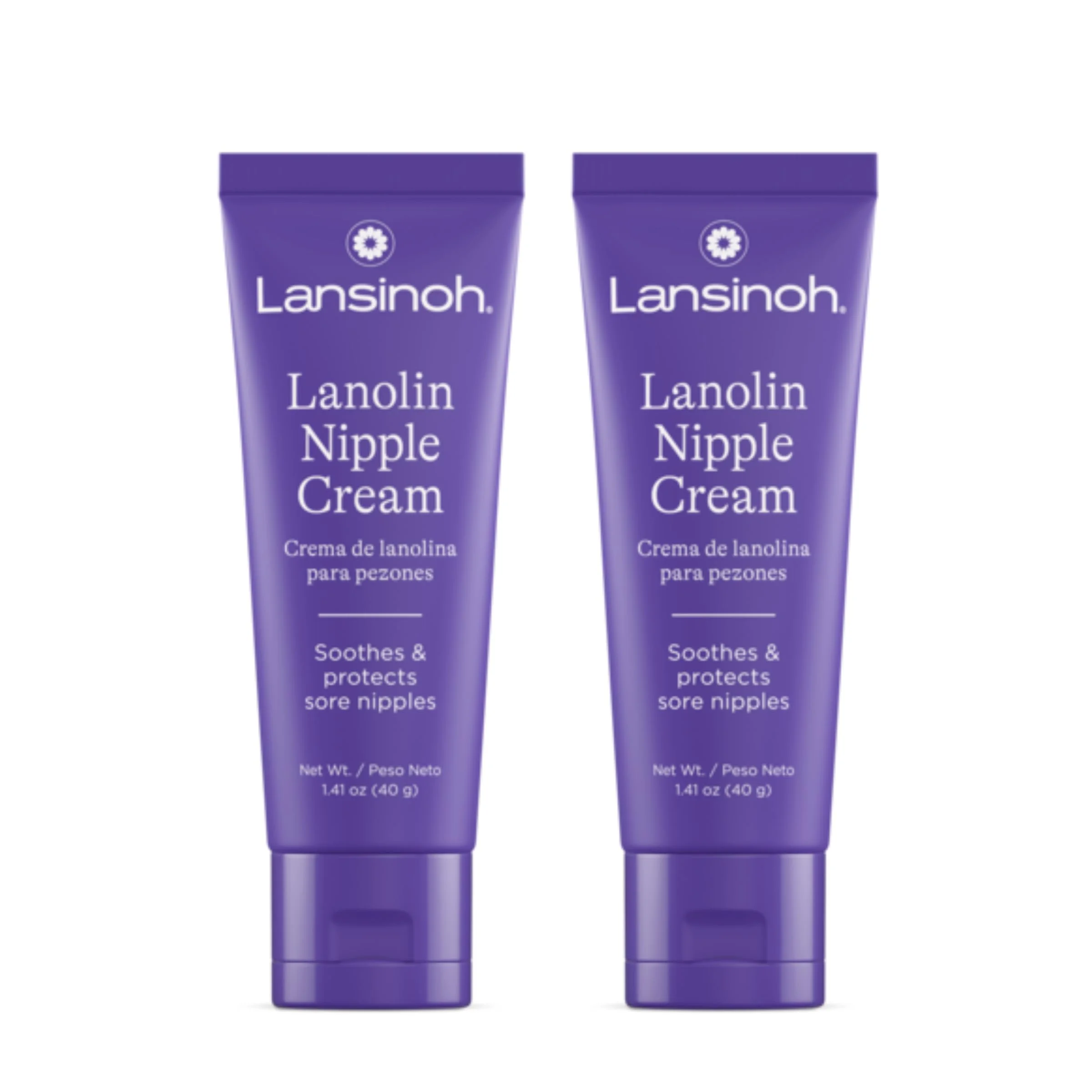
Nipple cream is a compact nursing-bag addition for soothing dry or tender skin between feeds; use it as directed on the label.
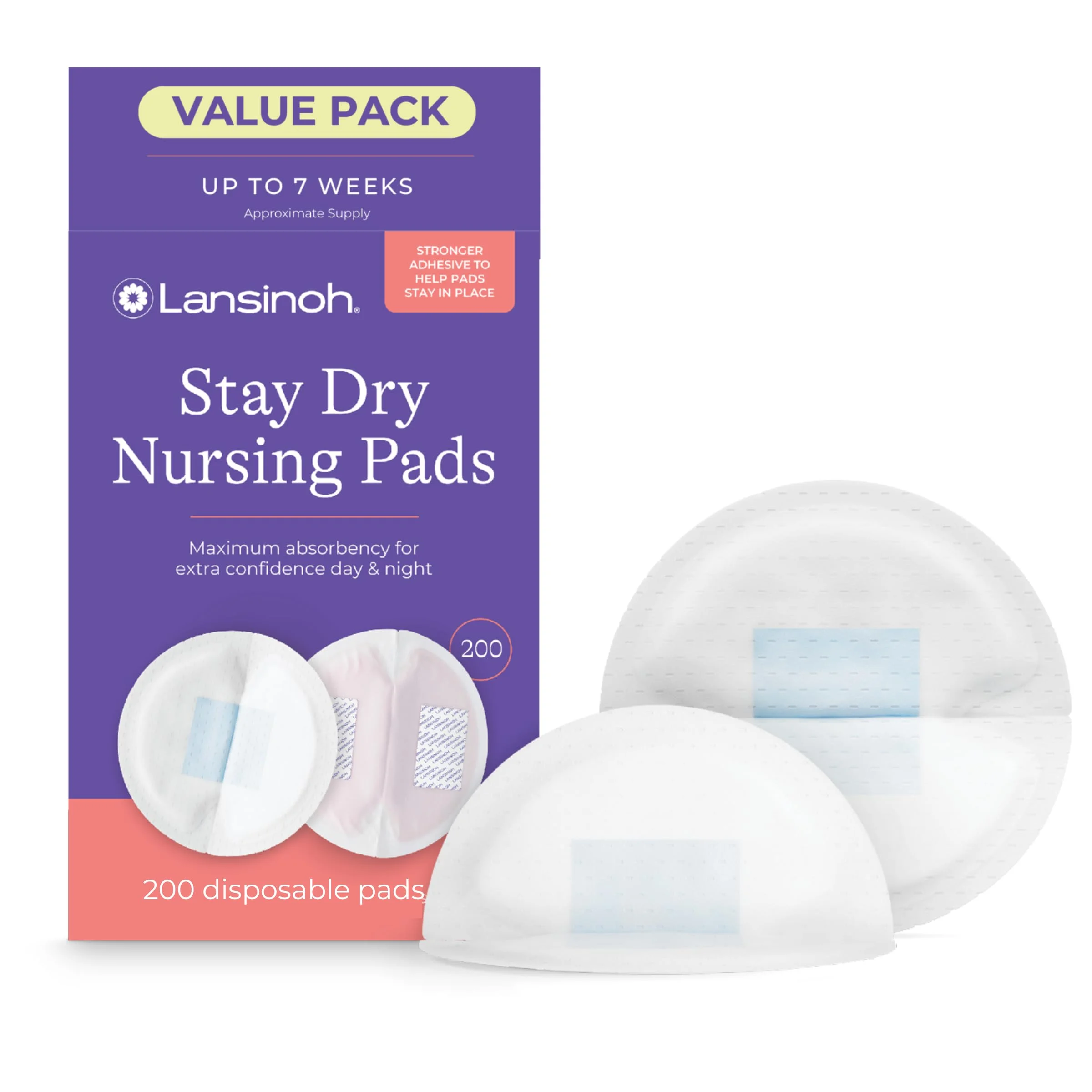
Disposable nursing pads help manage milk leaks inside a nursing bra and give parents an easy option to change away from home.
Baby’s Going-Home Gear
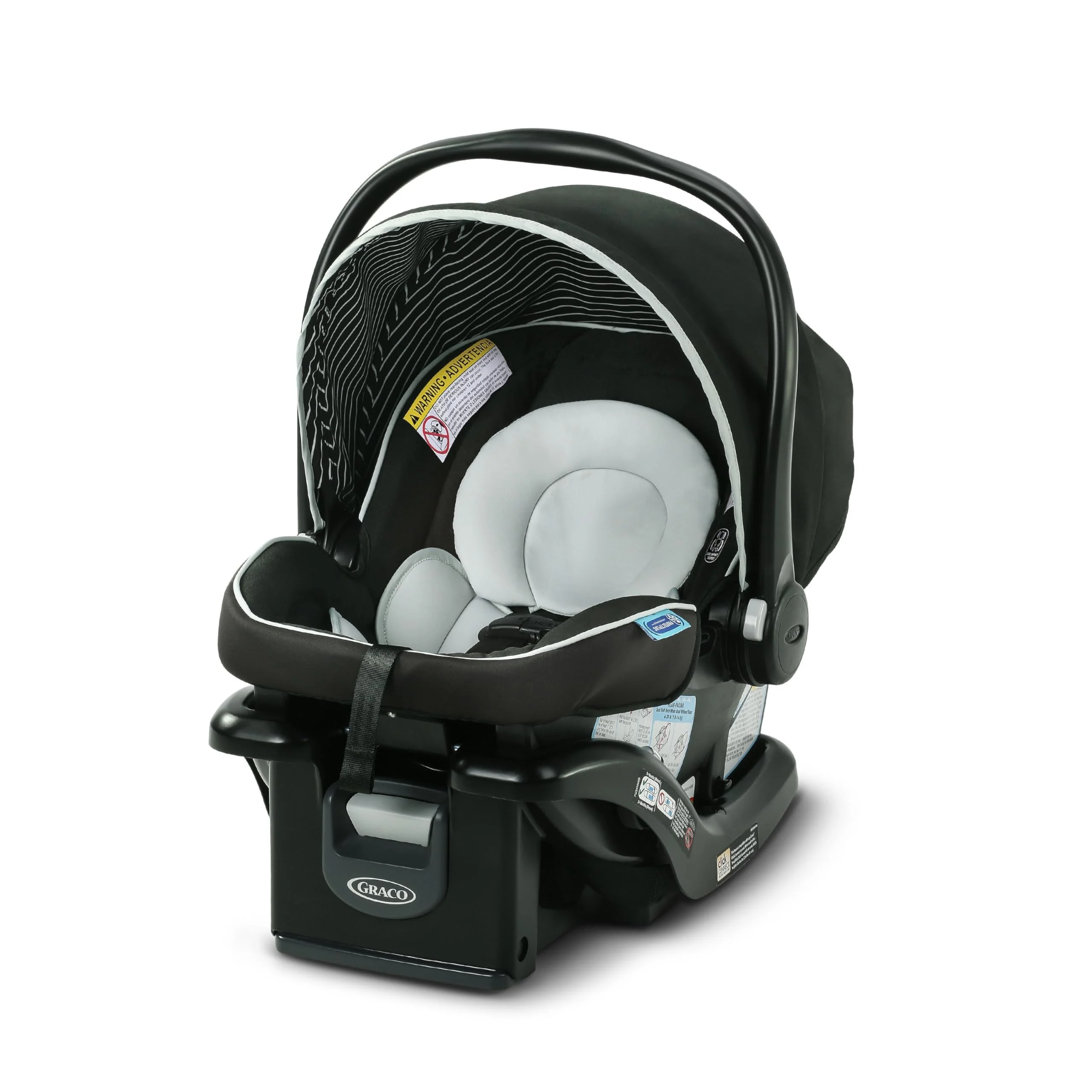
An installed rear-facing infant car seat is required for the trip home; confirm the fit and installation before labor begins.
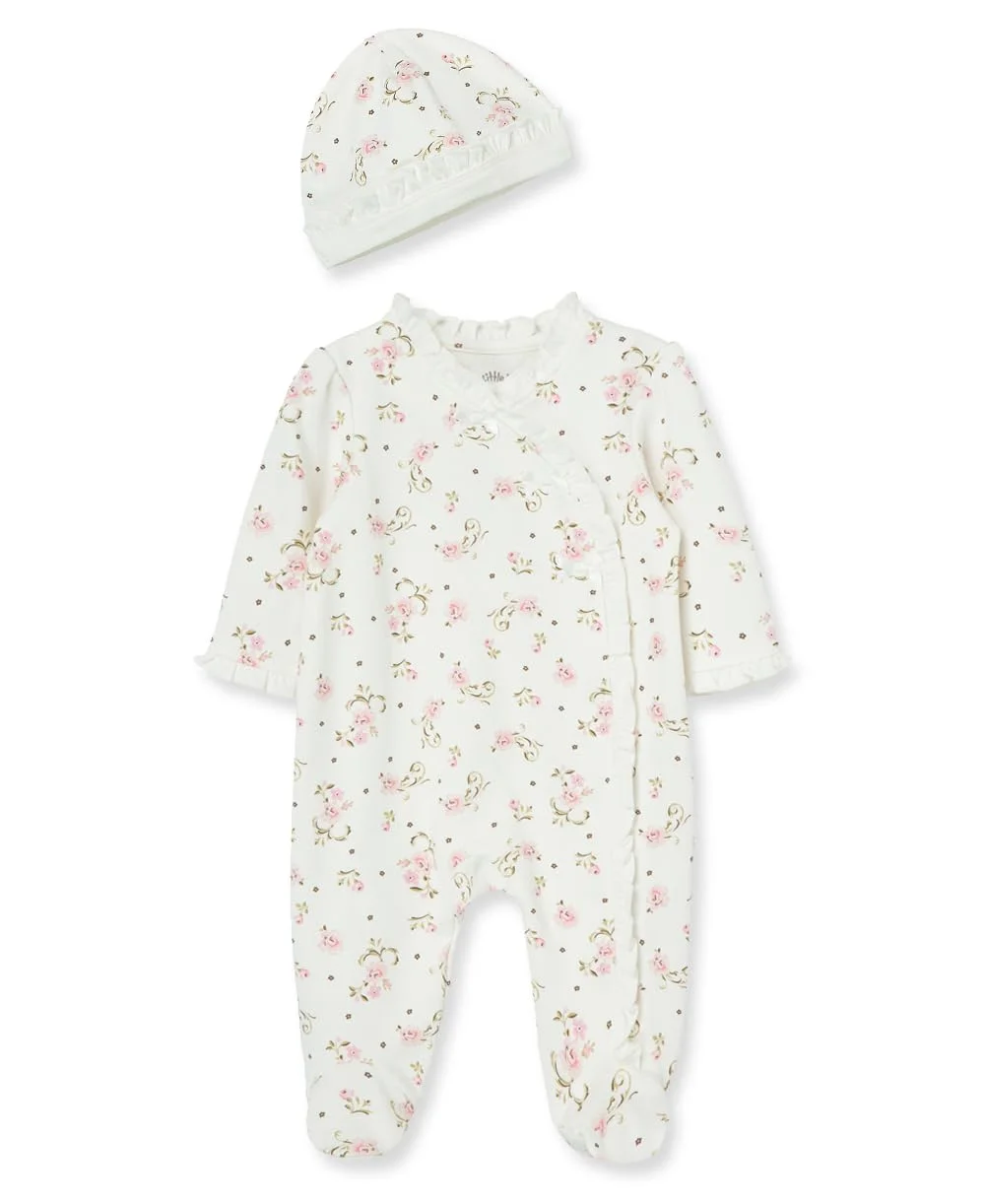
A soft newborn going-home outfit with a footed one-piece and hat keeps discharge dressing simple while fitting beneath the car-seat harness.
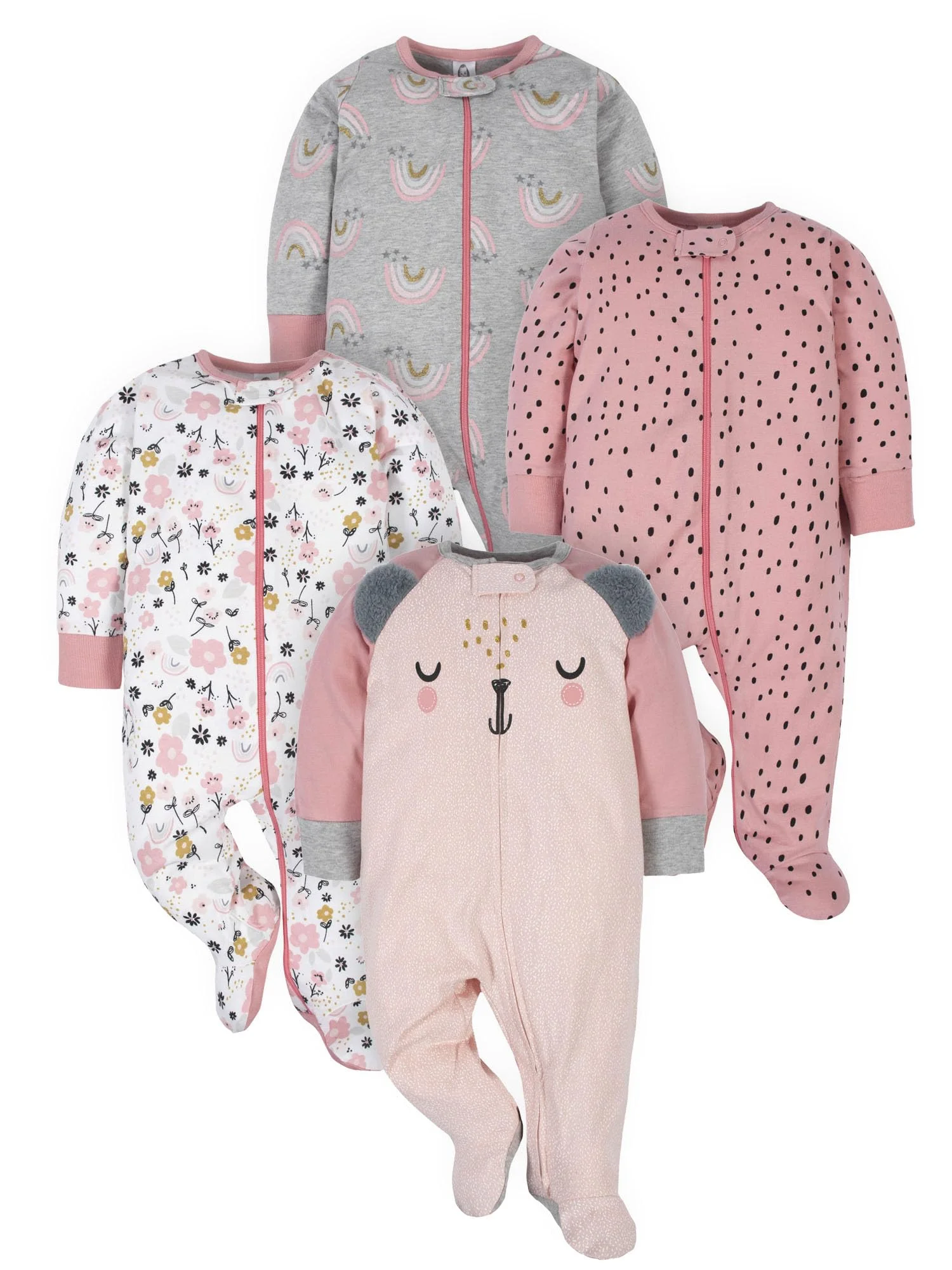
These winter newborn going-home outfits provide easy one-piece layers; add warmth over the secured car-seat harness rather than underneath it.
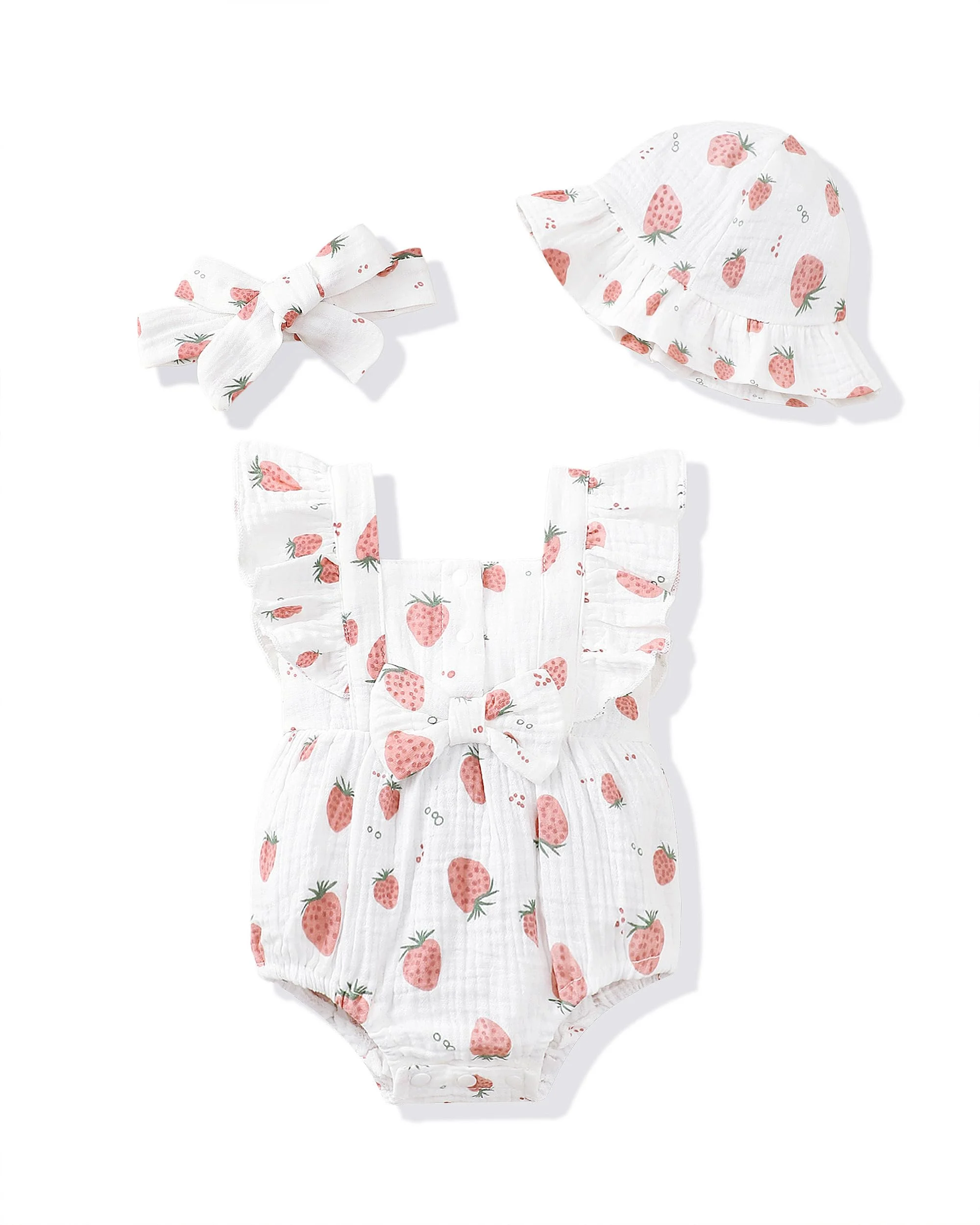
A lightweight summer newborn going-home outfit helps keep baby comfortably dressed without bulky fabric beneath the car-seat straps.
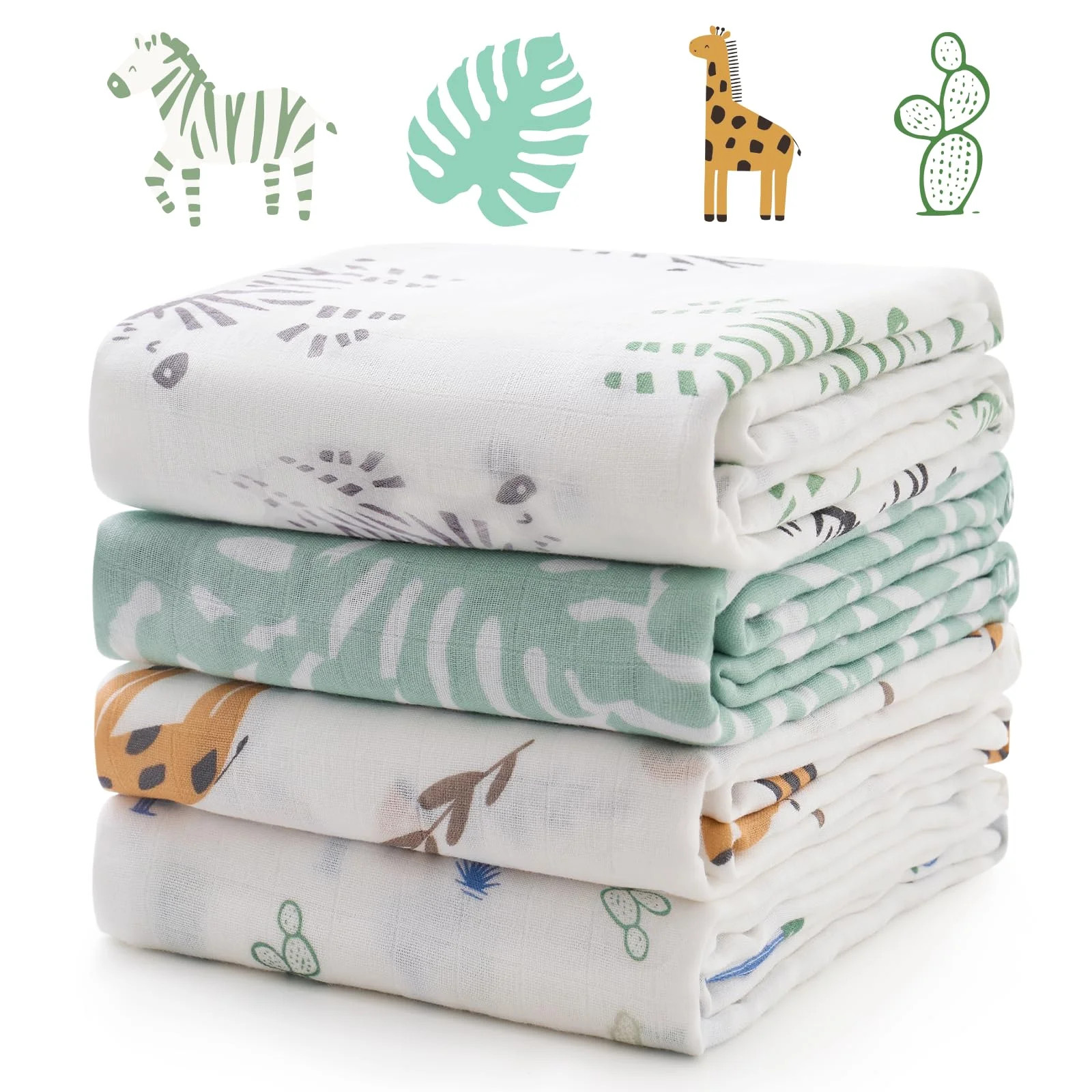
Muslin swaddle blankets work as light receiving blankets, nursing covers, or cleanup cloths, though hospitals often provide basic baby blankets.
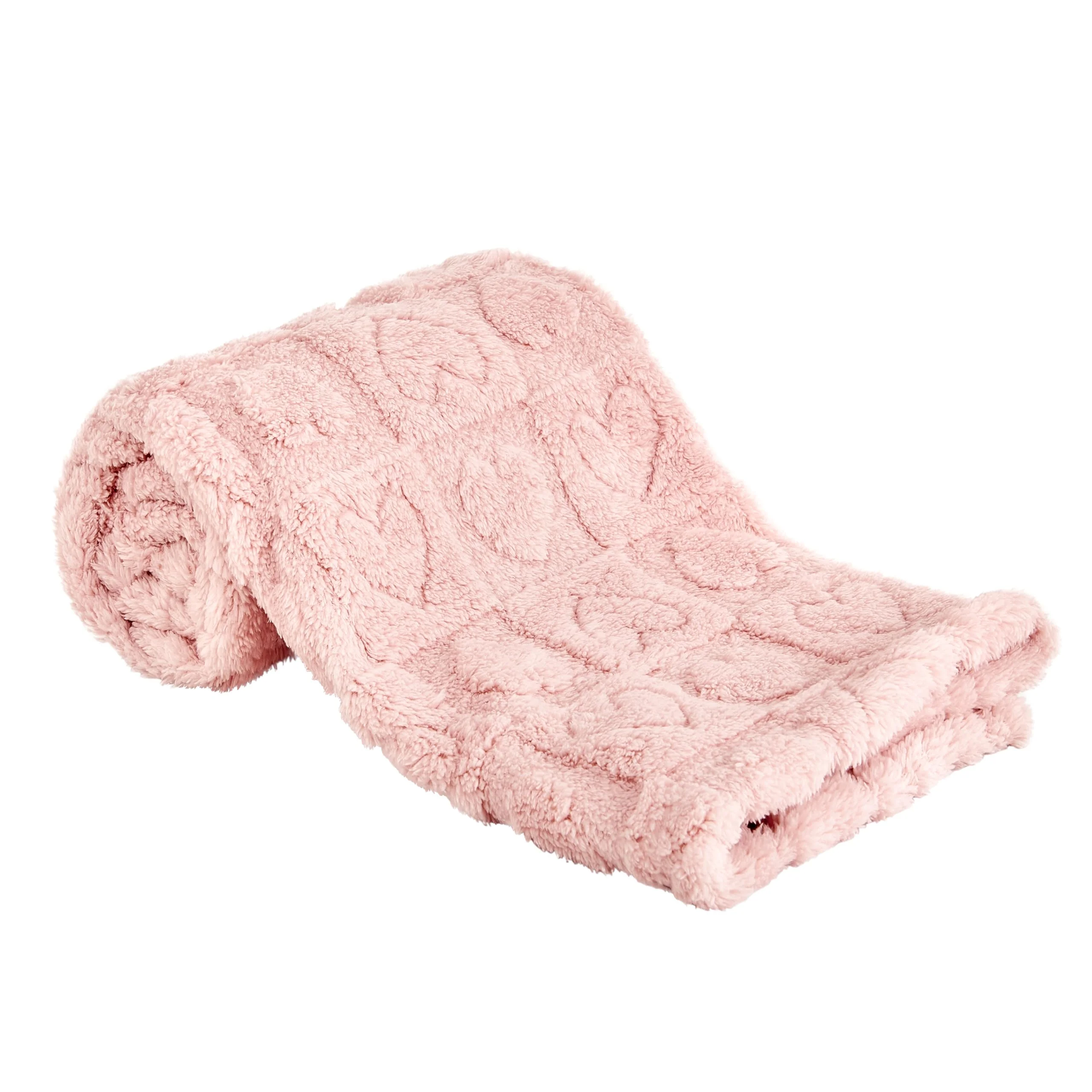
A warm baby blanket can go over a properly secured car-seat harness for the ride home, never underneath the straps.
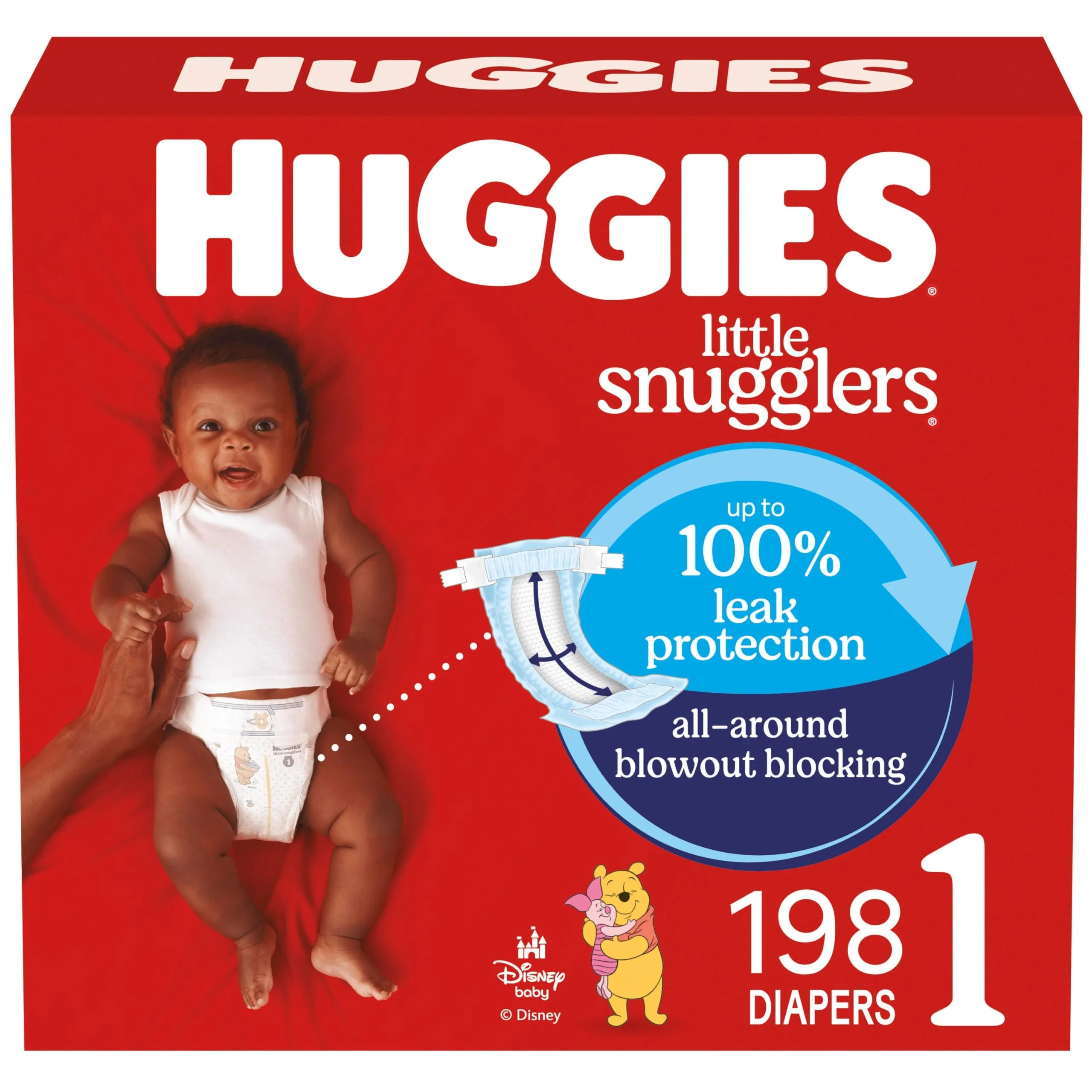
A small newborn diaper backup is useful for the drive home, even though most U.S. hospitals provide diapers during the stay.
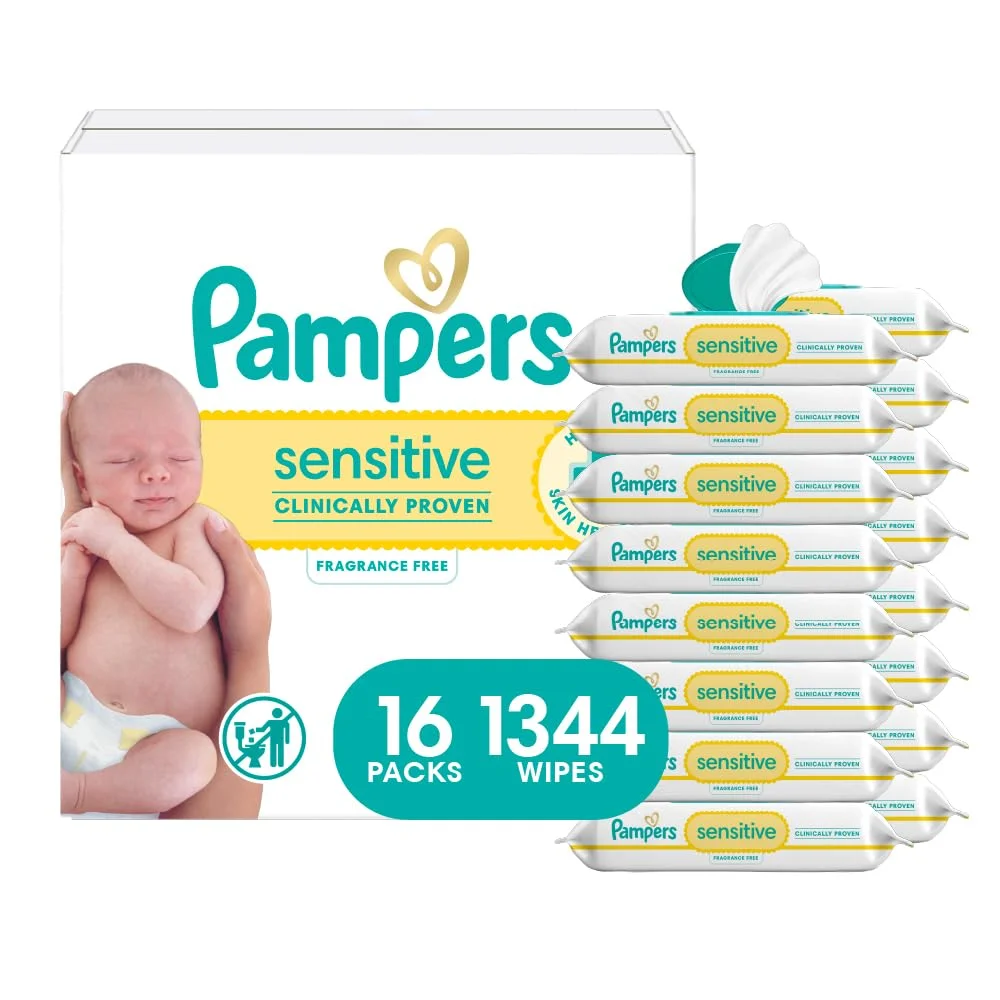
A wipes travel pack is handy for the car, partner cleanup, and unexpected messes after discharge when hospital supplies are no longer available.
Tech, Snacks & Documents
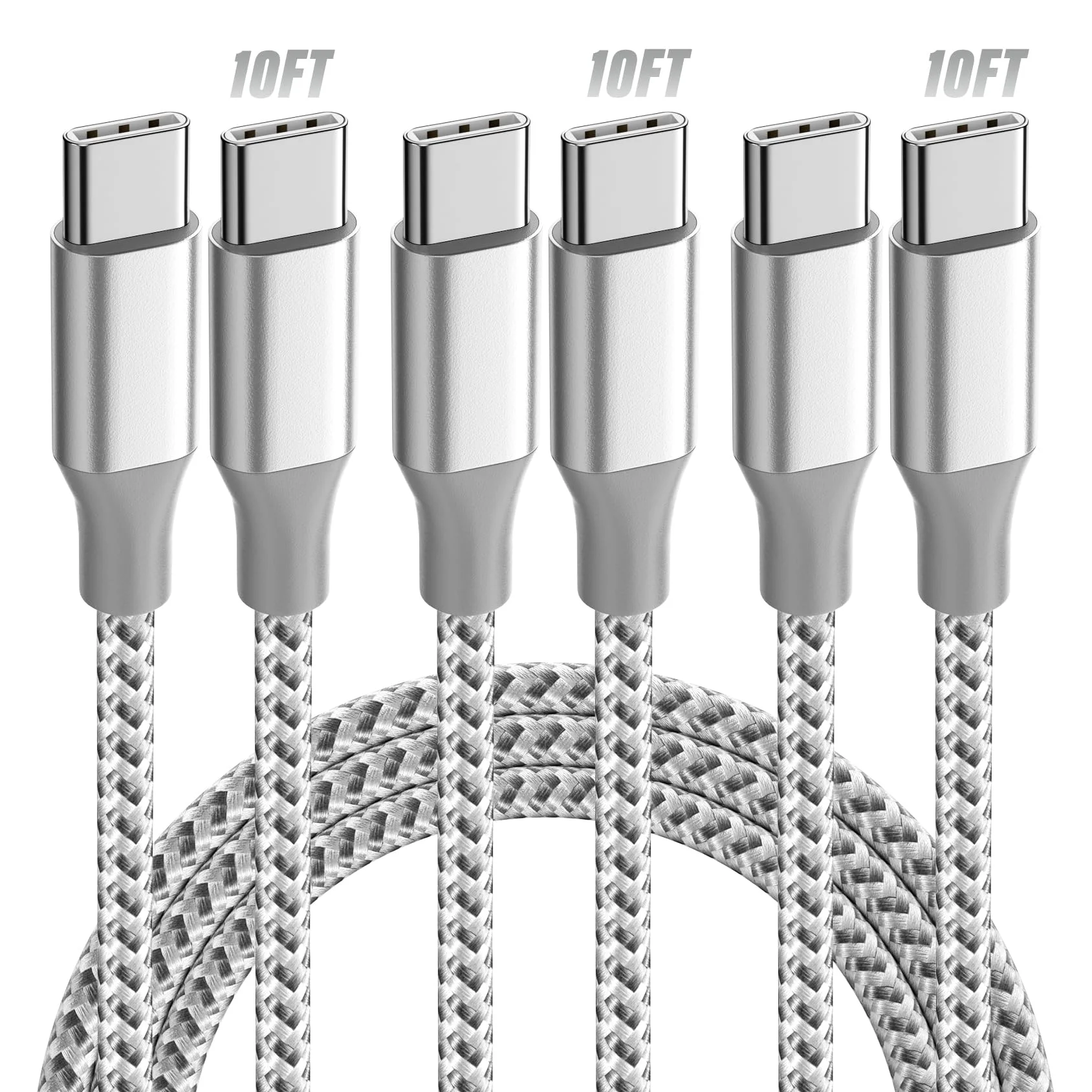
A 10-foot phone charger cable reaches outlets behind hospital beds and keeps phones available for calls, photos, and family updates.
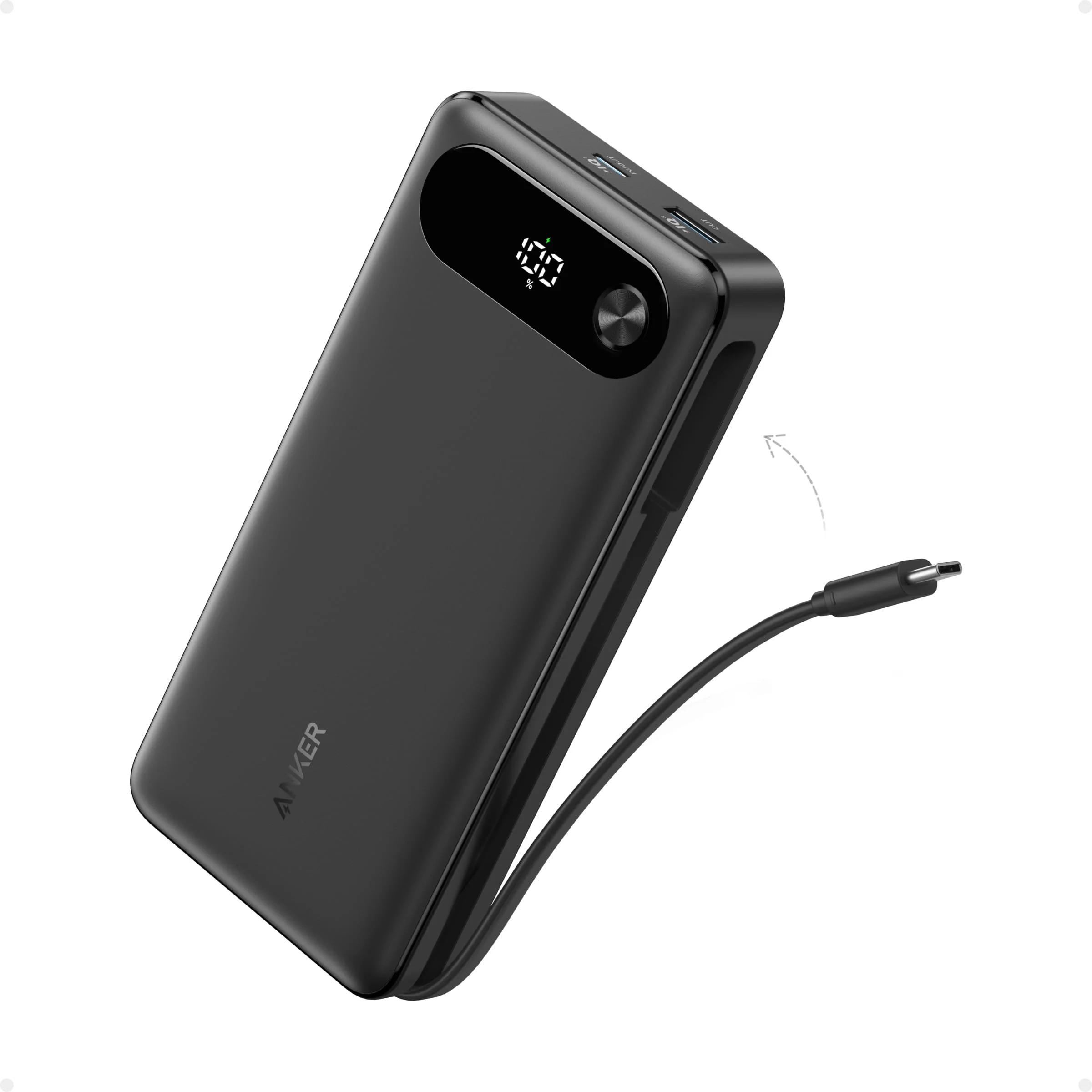
A portable power bank keeps phones charged during triage, room changes, or long stretches when a wall outlet is inconvenient.
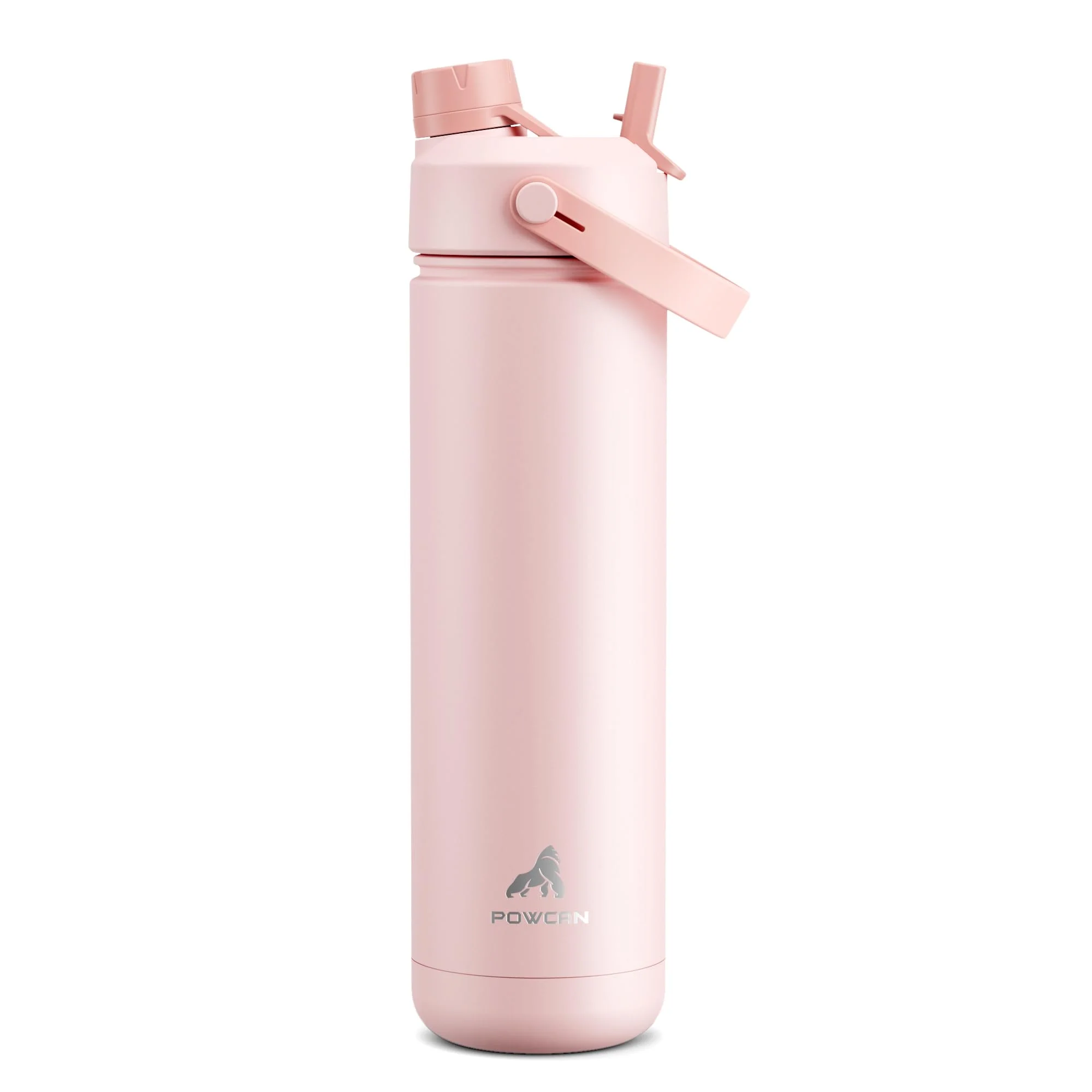
An insulated water bottle with a straw is easier to use one-handed while resting, feeding, or recovering in bed.
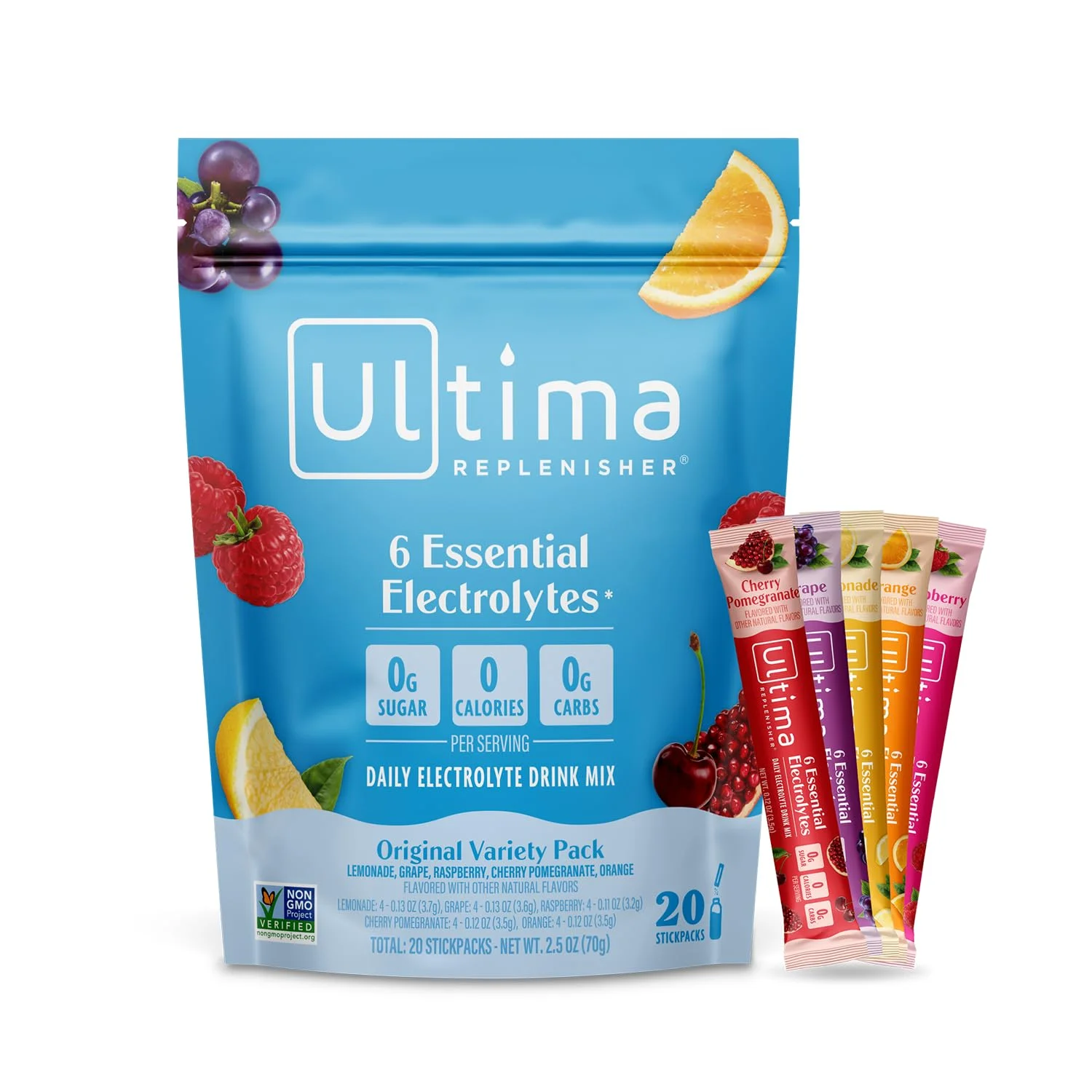
Electrolyte drink mix offers a portable hydration option, but ingredients and use should fit personal needs and hospital or clinician guidance.

Protein or granola snack bars give partners a shelf-stable option during long waits; follow hospital rules about eating during labor.
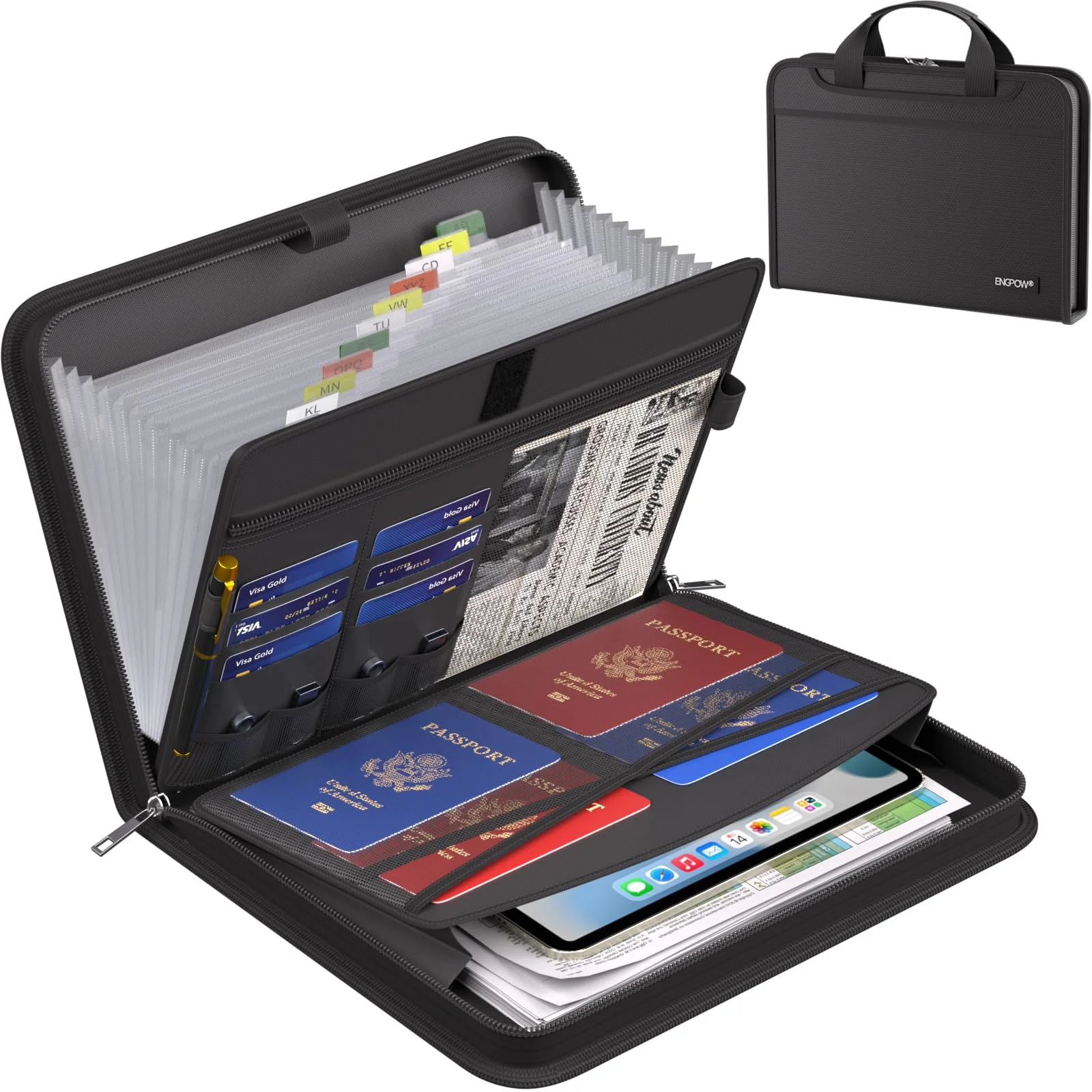
A document organizer folder keeps identification, insurance details, birth preferences, and discharge paperwork together and easy for a partner to find.
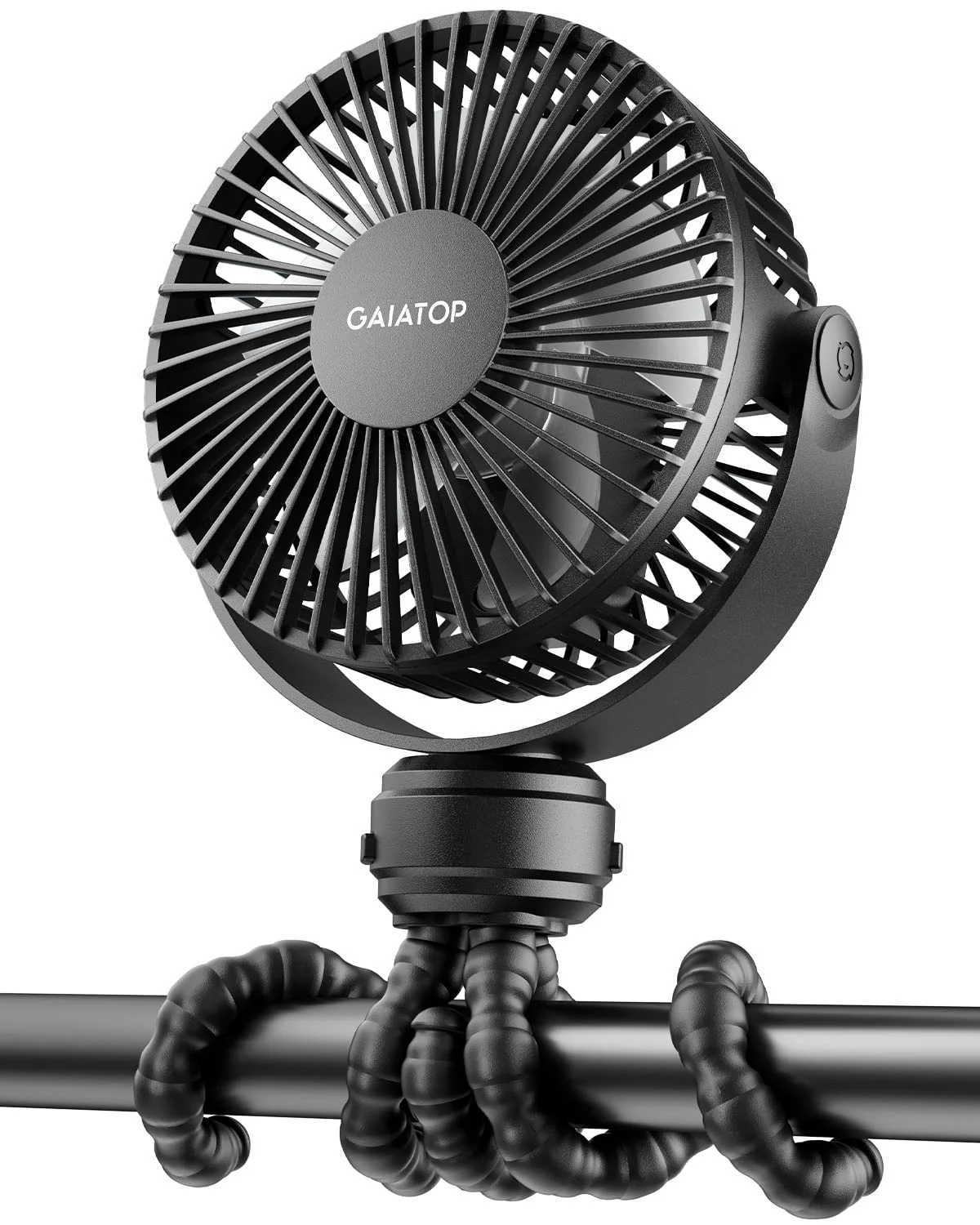
A portable clip-on fan can add gentle airflow in a warm labor room without taking up space on the bedside table.
Partner, Car & Cleanup
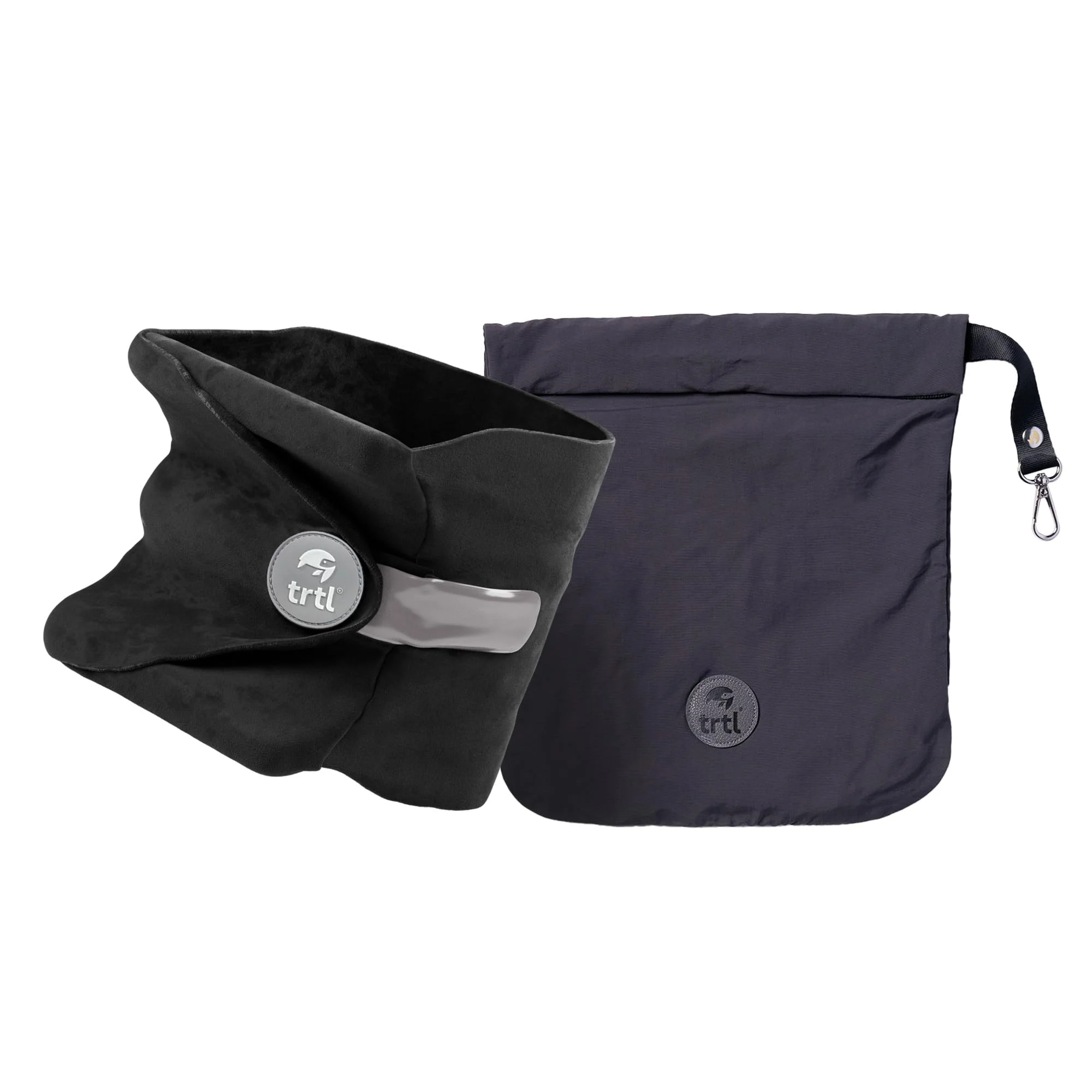
A compact partner travel pillow offers neck support during overnight chair naps and packs smaller than a standard bed pillow.
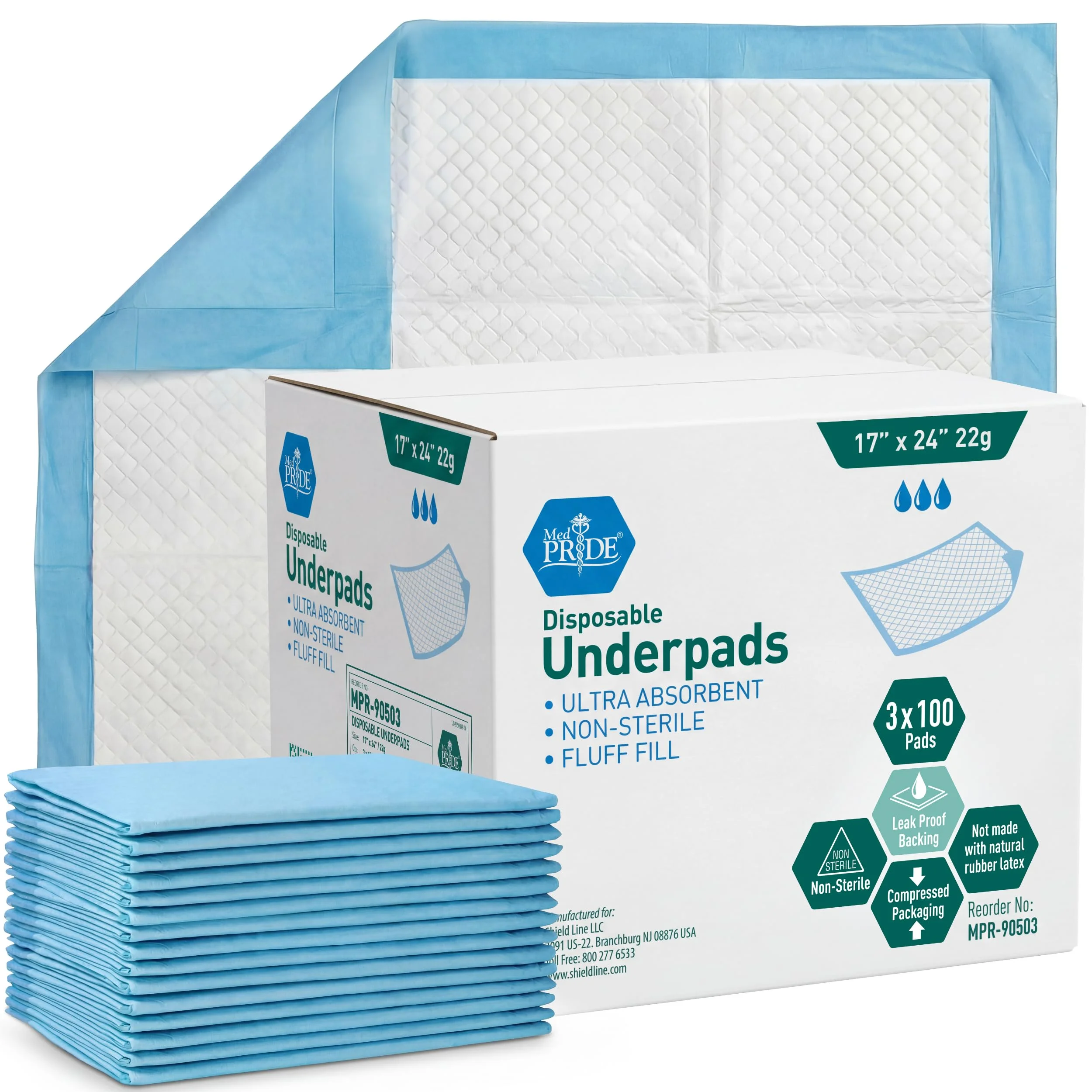
Disposable waterproof underpads protect a vehicle seat or mattress from leaks and provide a clean surface for last-minute clothing changes.
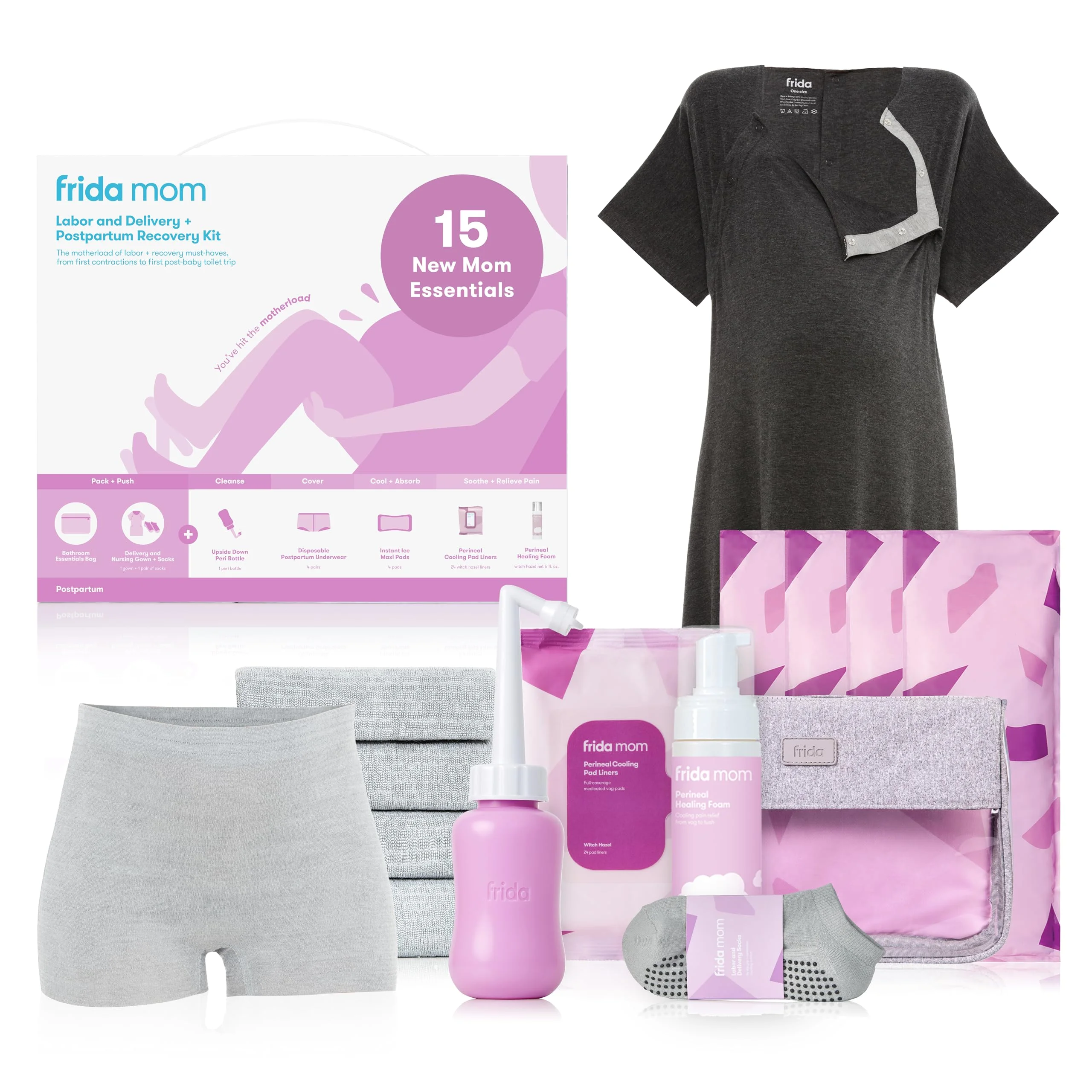
This multi-piece labor and postpartum kit groups a gown, disposable underwear, peri care, and cold-pad supplies in one ready-to-pack set.
Hospital Bag Checklist: Choose One Main Bag and Organize It
A good bag opens wide, sits upright, and lets your partner find a charger without asking you where it is during a contraction. Choose one main bag, then add a small baby or toiletry bag only if it genuinely makes the system easier.
Weekender Duffel Bag: The Best All-Around Choice
A roomy weekender duffel bag that keeps clothing, toiletries, and small labor essentials together without requiring a full-size suitcase.
A structured weekender is my default recommendation for most families. It has enough room for a two-night stay without encouraging you to pack your entire dresser. Look for a wide opening, comfortable handles, and at least one exterior pocket for admission papers or the phone charger.
For a simple Hospital Bag Checklist, use the main compartment for clothing and recovery items, one side pocket for toiletries, and the easiest-to-reach pocket for documents.
Parent note: Do a fully packed carry test. A bag that feels fine empty can become miserable when you are also managing a car seat.
Large Tote Bag: Best for Easy, Open Access
These large tote bags offer flexible storage when parents prefer separate bags for clothing, recovery supplies, and partner items.
A large tote works well if you hate zippers and want everything visible. It is especially handy when a partner will be reaching in and out of the bag, but loose items can turn into a jumble fast. Add two or three pouches so clean clothes, recovery supplies, and cables stay separate.
Parent note: A tote is easiest when it has a flat bottom and handles long enough to fit over a shoulder.
Diaper Bag Backpack: Best for Hands-Free Carrying
A hands-free diaper bag backpack with organized pockets for baby basics, chargers, paperwork, and the trip home.
A diaper backpack leaves both hands free for doors, paperwork, and eventually the infant car seat. It is a smart choice for a shorter stay or for parents who already know they will use the bag after birth. Pack bulky adult clothing elsewhere if the backpack starts feeling overstuffed.
Parent note: Keep the heaviest items close to your back and avoid hanging the packed bag from the infant car-seat handle.
Carry-On Rolling Suitcase: Best for a Longer or Planned Stay
A carry-on rolling suitcase makes heavier hospital supplies easier to move, especially for a planned or potentially longer stay.
A small rolling suitcase can be easier on your shoulders after a planned C-section, induction, or longer stay. The tradeoff is floor space: hospital rooms get crowded quickly, and wheels need to stay out of staff walkways. Pick a compact carry-on rather than a large checked suitcase.
Parent note: Have your support person manage the suitcase so you are not lifting or pulling it after delivery.
Packing Cubes: The Item That Saves the Most Searching
Packing cubes separate mom, baby, and partner essentials so the right pouch is easy to find in a crowded hospital room.
Packing cubes turned our third-baby bag from “Where is it?” into “Grab the teal pouch.” Use one for labor clothes, one for postpartum clothes, one for baby, and one for the partner. Labels or different colors help when everyone is tired.
They also make the Hospital Bag Checklist easier to audit at home because you can see which category is still empty.
Parent note: Do not compress newborn outfits so tightly that you forget how many you packed; one main outfit and one backup are usually enough.
Wet Dry Bag: Small Item, Very Real Job
A wet dry bag gives damp clothing, used washcloths, or leak-prone toiletries a separate place for the ride home.
A wet dry bag gives damp towels, soiled baby clothes, or the labor gown a place to go without touching clean clothing. It is one of those quiet items that earns its space on the trip home. A zip-top bag can do the same job if you already have one.
Parent note: Empty and wash it promptly after returning home; do not leave damp fabric sealed for days.
Hospital Bag Checklist for Labor, Clothing, and Mom’s Comfort
Hospital gowns are functional, and you never need to bring your own. Personal clothing is about comfort and easier nursing or skin-to-skin, not looking polished. Pack soft, washable pieces you will not mind getting stained.
Travel Toiletry Kit
This travel toiletry kit holds shampoo, conditioner, lotion, and other familiar bathroom basics without packing full-size bottles.
Pack a toothbrush, toothpaste, face wash, deodorant, hair ties, lip balm, glasses or contact supplies, and travel-size shower basics. The first shower after birth can feel surprisingly restorative, but you do not need a full beauty routine. Keep daily medications in their original containers and ask the hospital how they should be handled.
Labor and Delivery Gown
A labor and delivery gown offers personal coverage and easier nursing or skin-to-skin access when hospital-issued gowns feel too exposed.
A personal labor gown may feel softer and offer easier access than a standard hospital gown. Choose one designed for clinical access, and understand that staff may ask you to change for monitoring, surgery, or emergencies. I would only bring one if being in your own clothing genuinely helps you relax.
Parent note: Expect it to get messy. Wash it before packing and follow your care team’s instructions about what can be worn.
Nursing Pajamas Set
A soft nursing pajama set gives new moms comfortable sleepwear with practical feeding access during recovery and the first night home.
Button-front or nursing-access pajamas are useful after delivery when you want coverage without wrestling with a tight shirt. A dark color and loose waistband are forgiving. If you run warm, pack a light set and layer the robe rather than bringing heavy sleepwear.
Postpartum Robe
A lightweight postpartum robe adds coverage for hallway walks, visitors, feeding sessions, and trips between the bed and bathroom.
A robe is the piece I used most during recovery-room walks, feeding sessions, and visitor moments. Knee length is easier than a long hem around hospital floors. Pockets are genuinely useful for a phone, hair tie, or the tiny notes nurses hand you.
Loose Going-Home Outfit for Mom
A loose going-home outfit avoids pressure around a tender postpartum belly while remaining simple to step into before discharge.
Plan to leave the hospital in clothing that fits like late-pregnancy clothing. Your abdomen will still be tender and enlarged, and swelling is common. A loose dress or a soft top with high-rise, nonbinding pants is far kinder than pre-pregnancy jeans.
Put this outfit at the bottom of your Hospital Bag Checklist cube so it stays clean until discharge.
Non-Slip Slippers
Closed-back non-slip slippers provide warmth and steadier footing for short walks around the recovery room and hospital hallway.
Slip-on shoes make bathroom trips and short hallway walks easier. Choose washable slippers with a grippy sole and enough room for possible swelling. If you prefer something you can rinse, simple shower slides are another good option.
Parent note: Follow staff guidance before walking, especially after an epidural, anesthesia, dizziness, or significant blood loss.
Grippy Socks
Grippy socks are an easy, washable option for keeping feet warm while adding traction on smooth hospital floors.
Grippy socks are warm, compact, and useful when you would rather stay in bed than manage slippers. Hospitals often provide them, so ask before buying. I still liked having a fresh personal pair for the recovery room and the ride home.
Nursing Bra
A nursing bra with pumping access can reduce clothing changes when feeding, pumping, and resting all happen in the same room.
A soft, wireless nursing bra gives light support without pressing on tender breasts. Skip rigid cups and underwire for the hospital. If you are unsure about sizing, a stretchy sleep style is more forgiving as milk production and swelling change.
Parent note: A bra is optional. Skin-to-skin and feeding access matter more than wearing one.
Hospital Bag Checklist for Postpartum Recovery
Many U.S. hospitals provide basic recovery supplies while you are admitted, but brands and take-home quantities vary. Call before packing a pharmacy aisle. I like bringing one or two preferred items, then keeping the larger home recovery basket ready for discharge.
Disposable Postpartum Underwear
Disposable postpartum underwear provides fuller coverage for heavy early bleeding and can feel more secure than layering pads in regular underwear.
Disposable underwear can feel more secure than mesh underwear on the ride home, especially with postpartum bleeding. Choose a soft, high-rise fit that does not dig into the abdomen. Bring two or three, not the whole package.
Parent note: Postpartum bleeding changes over time. Follow discharge instructions and contact your care team about bleeding that feels concerning.
Heavy-Flow Postpartum Pads
Heavy-flow postpartum pads add an absorbent backup for discharge day and the first days home when hospital supplies run out.
A few unscented heavy-flow pads are a useful backup if you dislike the hospital’s option. Avoid tampons or menstrual cups until your clinician says they are appropriate. At home, keep lighter absorbencies ready as bleeding changes.
Upside-Down Peri Bottle
An upside-down peri bottle makes gentle rinsing easier after vaginal delivery, particularly when reaching and bending feel uncomfortable.
An angled peri bottle can make bathroom care easier after a vaginal birth because it works without much bending or wrist twisting. Hospitals often provide a basic bottle, but the upside-down style is a comfort upgrade many parents prefer.
Parent note: Use the water temperature and care instructions recommended by your maternity team.
Perineal Cold Packs
Perineal cold packs combine cooling comfort with absorbency for early postpartum recovery; follow hospital guidance for timing and use.
Cold packs may help with short-term comfort after a vaginal birth. Ask your nurse how long and how often to use cold therapy, and keep a fabric layer between very cold material and skin. If the hospital supplies them, save your own pack for home.
Postpartum Belly Binder
A postpartum belly binder may offer adjustable abdominal support, but fit and timing should follow clinician guidance after vaginal or cesarean birth.
A belly binder is optional support, not a treatment and not a shortcut to healing. Some parents like gentle support when standing or coughing; others find it uncomfortable. Ask your clinician whether it makes sense after your type of delivery, especially after surgery.
Parent note: It should not restrict breathing, cause pain, or replace medical evaluation. Stop using it and ask for help if it feels wrong.
C-Section Seat Belt Pillow
A C-section seat belt pillow cushions the lap-belt area on the ride home without changing how the vehicle restraint is routed.
A small pillow between a healing incision and the vehicle seat belt may make the ride home more comfortable. It must never change the belt path or prevent the seat belt from fitting correctly. The lap belt still belongs low across the hips, with the shoulder belt across the chest.
Parent note: Use it only as a soft comfort buffer and follow your clinician’s discharge guidance.
Nipple Cream
Nipple cream is a compact nursing-bag addition for soothing dry or tender skin between feeds; use it as directed on the label.
If you plan to breastfeed or pump, a small tube of nipple cream can be useful. Ask a nurse or lactation consultant to look at painful feeding rather than simply covering the pain with cream; positioning and latch support can matter much more.
Parent note: Check ingredients and follow the product directions, especially regarding whether it should be removed before feeding.
Nursing Pads
Disposable nursing pads help manage milk leaks inside a nursing bra and give parents an easy option to change away from home.
Two or three pairs of disposable nursing pads take almost no room and protect a going-home top if leaking begins. Many parents do not need them during the first hospital day, so this belongs in the “small backup” part of the Hospital Bag Checklist.
Hospital Bag Cleaning Kit
This multi-piece labor and postpartum kit groups a gown, disposable underwear, peri care, and cold-pad supplies in one ready-to-pack set.
A compact hospital bag cleaning kit gives small cleanup supplies one predictable home instead of scattering them through every pocket. It is most useful for quick spills, stains, damp clothing, or tidying the bag before the ride home.
I see this as a convenience option, not a required item on every Hospital Bag Checklist. Check the included supplies against your hospital’s rules and keep strongly scented products away from newborn skin.
Hospital Bag Checklist for Baby’s First Trip Home
Babies need very little in the room. The nonnegotiable discharge item is a correctly installed, rear-facing car seat that fits your newborn. Clothing should be simple, soft, and compatible with the harness.
Infant Car Seat
An installed rear-facing infant car seat is required for the trip home; confirm the fit and installation before labor begins.
Install the infant car seat before labor and learn how to tighten the harness. The chest clip belongs at armpit level, and the harness should lie flat and snug. The Centers for Disease Control and Prevention explains rear-facing car-seat guidance by age and size for families who want to review the basics.
Parent note: Do not add head supports, strap covers, pads, or inserts that did not come with the seat or are not approved by its manufacturer.
Newborn Going-Home Outfit
A soft newborn going-home outfit with a footed one-piece and hat keeps discharge dressing simple while fitting beneath the car-seat harness.
A footed sleeper or soft bodysuit-and-pants set is enough for most weather. Bring newborn size and, if you have room, one 0-3 month backup because birth weight is hard to predict. Choose clothing that lets the car-seat buckle sit directly against the baby’s body.
Winter Newborn Going-Home Outfit
These winter newborn going-home outfits provide easy one-piece layers; add warmth over the secured car-seat harness rather than underneath it.
For cold weather, use thin, warm layers rather than a puffy snowsuit under the harness. Buckle baby first, then place a blanket over the secured harness. A hat can be used outdoors, but remove it in a warm car if baby starts overheating.
Parent note: Nothing bulky should sit between baby and the car-seat straps.
Summer Newborn Going-Home Outfit
A lightweight summer newborn going-home outfit helps keep baby comfortably dressed without bulky fabric beneath the car-seat straps.
In hot weather, a lightweight cotton sleeper or bodysuit is usually enough for the short trip from hospital to car. Keep direct sun off the baby and cool the parked vehicle before buckling in. Do not drape a heavy blanket over the entire car seat because heat can build quickly.
Muslin Swaddle Blanket
Muslin swaddle blankets work as light receiving blankets, nursing covers, or cleanup cloths, though hospitals often provide basic baby blankets.
A muslin blanket is versatile for a supervised cuddle, feeding cover, burp cleanup, or light layer after baby is removed from the car seat. The hospital will often have blankets, so one personal blanket is plenty.
Parent note: Follow safe-sleep guidance. Loose blankets do not belong in an infant sleep space.
Warm Baby Blanket for Use Over the Harness
A warm baby blanket can go over a properly secured car-seat harness for the ride home, never underneath the straps.
A warm blanket is helpful for a winter discharge when it is placed over the already buckled harness. Tuck it around the baby’s sides without covering the face or interfering with straps. It should never be routed behind the baby or beneath the harness.
Newborn Diapers
A small newborn diaper backup is useful for the drive home, even though most U.S. hospitals provide diapers during the stay.
Most hospitals provide diapers during the stay, but two or three newborn diapers make a sensible backup for the drive or an unexpected stop. Do not pack a full jumbo box. If your baby needs a different size or product, the care team will help you adjust.
Wipes Travel Pack
A wipes travel pack is handy for the car, partner cleanup, and unexpected messes after discharge when hospital supplies are no longer available.
A travel pack of wipes belongs in the baby pouch for the ride home. Your hospital may use dry cloths and water for newborn skin, so follow its routine while admitted. Choose fragrance-free wipes if you want a gentle backup.
Hospital Bag Checklist for Tech, Food, Documents, and Your Partner
These are the items people forget because they are not “baby things.” They are also the things that keep the room functioning at 2 a.m. Pack them in an outside pocket so your support person can find them without unpacking the clothes.
10-Foot Phone Charger Cable
A 10-foot phone charger cable reaches outlets behind hospital beds and keeps phones available for calls, photos, and family updates.
Hospital outlets are rarely where you want them. A long charging cable lets the phone reach the bed without stretching across a walkway. Add a wall plug, label the cable, and keep it out of staff paths.
This is the item I would put near the top of almost every Hospital Bag Checklist.
Portable Power Bank
A portable power bank keeps phones charged during triage, room changes, or long stretches when a wall outlet is inconvenient.
A power bank covers triage, waiting rooms, or an older room with inconvenient outlets. Charge it before your due-date window and pack its short cable. It is especially useful if your partner is coordinating family messages, photos, parking, and food delivery.
Insulated Water Bottle with Straw
An insulated water bottle with a straw is easier to use one-handed while resting, feeding, or recovering in bed.
A straw bottle is easier to use while reclining, feeding, or holding a baby. Choose one that opens one-handed and does not leak when knocked over. Your hospital will have water, but a familiar bottle makes it easier to remember to drink.
Electrolyte Drink Mix
Electrolyte drink mix offers a portable hydration option, but ingredients and use should fit personal needs and hospital or clinician guidance.
Electrolyte packets are compact and may be useful after delivery or for the partner. Labor units have different rules about eating and drinking, and your medical situation matters, so ask before using anything other than what staff approve.
Parent note: This is a convenience item, not a treatment for dehydration or a substitute for medical care.
Protein or Granola Snack Bars
Protein or granola snack bars give partners a shelf-stable option during long waits; follow hospital rules about eating during labor.
Pack shelf-stable snacks mainly for the support person and for after staff says the recovering parent may eat. Choose familiar foods without strong odors. A few bars are enough; you do not need to turn the bag into a pantry.
Document Organizer Folder
A document organizer folder keeps identification, insurance details, birth preferences, and discharge paperwork together and easy for a partner to find.
Use one slim folder for photo ID copies if desired, insurance information, hospital forms, a medication list, pediatrician information, and printed birth preferences. Add an empty pocket for discharge papers and baby documents. This one habit kept our paperwork from getting folded into a blanket.
MedlinePlus has a concise labor and delivery packing overview that can help you confirm the basics with your own hospital.
Portable Clip-On Fan
A portable clip-on fan can add gentle airflow in a warm labor room without taking up space on the bedside table.
Labor can feel hot even in a cool room. A small rechargeable fan gives adjustable airflow without taking much space. Clip it only to your own stable surface, never to medical equipment, and keep cords and blades away from the baby.
Partner Travel Pillow or Compact Blanket
A compact partner travel pillow offers neck support during overnight chair naps and packs smaller than a standard bed pillow.
The support person’s chair may become a bed, and the room may be cold. A compact pillow or blanket helps the partner rest enough to remain patient and useful. Keep it small because room storage is limited, and confirm whether the hospital supplies bedding.
Disposable Waterproof Underpads
Disposable waterproof underpads protect a vehicle seat or mattress from leaks and provide a clean surface for last-minute clothing changes.
One disposable waterproof pad can protect the vehicle seat if your water breaks on the way to the hospital. Place it under the laboring parent on the adult vehicle seat, then discard it after use. It can also separate damp items in the trunk on the ride home.
Parent note: Never place an aftermarket pad under a baby inside the infant car seat.
How I Organize the Hospital Bag Checklist
The most useful packing system is not the prettiest one. It is the one another tired adult can understand without a tour. I use three zones and label them in plain English.
| Zone | What goes there | Why it works |
|---|---|---|
| Reach first | ID, paperwork, phone, charger, lip balm, glasses, water bottle | No digging during admission or triage |
| Use during stay | Labor clothes, pajamas, toiletries, footwear, nursing items, recovery backup | Everything is grouped by job rather than by owner |
| Discharge only | Mom’s going-home outfit, baby’s outfit, weather layer, car-seat essentials | Clean items stay untouched until the final hour |
Take a photo of the open bag after packing. If your partner needs to repack it after false labor, the photo is faster than a detailed explanation. Put a one-page Hospital Bag Checklist on top and cross off the last-minute items: phone, wallet, daily medication, refrigerated snacks, and glasses.
When to Finish Your Hospital Bag Checklist
Around 34 to 36 weeks works for many uncomplicated pregnancies, but your clinician may suggest packing earlier based on your health, pregnancy history, travel distance, multiples, or planned delivery. The right date is the date that lowers stress without leaving daily necessities trapped in a bag for months.
| Timing | What to do |
|---|---|
| Early third trimester | Ask the hospital what it provides, confirm arrival instructions, choose the main bag, and install the car seat. |
| About 34-36 weeks | Pack clothing, toiletries, baby outfit, partner gear, recovery preferences, and documents. |
| Final weeks | Charge the power bank, wash clothing, add current paperwork, and keep the bag near the exit. |
| Leaving for the hospital | Add phones, wallets, glasses, daily medication, and any hospital-approved food or drinks. |
What I Leave Off the Hospital Bag Checklist
- Valuables and sentimental jewelry: one less thing to track.
- Too many newborn outfits: one main outfit and one backup usually cover discharge.
- A full package of diapers or recovery supplies: ask what the hospital provides first.
- Strong fragrance: it can bother you, the baby, staff, or a roommate.
- Bulky pillows and bedding: only bring them if your hospital recommends it and you have room.
- Unapproved car-seat accessories: use the seat and inserts exactly as the manufacturer directs.
- Entertainment for an imaginary amount of free time: one downloaded show or book is enough.
The goal is not to win at packing. A good Hospital Bag Checklist helps you arrive prepared and still leaves room in the car for the people who matter.
Explore the Complete Hospital Bag Checklist Library
Every family has a different delivery plan, season, body, hospital, and support setup. Use the guides below when you need a more specific Hospital Bag Checklist. Each link opens a focused answer rather than repeating this entire pillar article.
FAQ
Hospital Bag Checklist FAQ
Do I really need all 40 products in this Hospital Bag Checklist?
No. Several products are alternatives, including the six bag and organization options and the seasonal baby outfits. Choose the products that solve a real need for your hospital, delivery plan, climate, and budget.
How many bags should be on my Hospital Bag Checklist?
For most families, one medium main bag plus the installed infant car seat is enough. A small partner backpack or baby pouch can help, but multiple large bags usually create more work in a crowded room.
What is the most forgotten Hospital Bag Checklist item?
A long phone charger is the classic answer. Photo ID, glasses, daily medication, and the car seat are more important, so keep a last-minute note on top of the packed bag.
Should my Hospital Bag Checklist include diapers and wipes?
Ask your hospital first. Many provide diapers and basic newborn supplies during the stay. A few diapers and a travel pack of wipes make a reasonable backup for the ride home without filling the bag.
What should a partner add to the Hospital Bag Checklist?
The partner needs layers, toiletries, medication, a charger, water, and snacks. Their job is also to know where the paperwork, baby outfit, and recovery items are, so pack together rather than handing them a mystery bag.
Should I bring my own postpartum supplies?
Bring a small amount of anything you strongly prefer, then use what the hospital supplies while admitted. Keep the larger recovery setup at home. Your nurse or clinician should guide product use after birth.
Can I finish the Hospital Bag Checklist after labor starts?
You can, but it is calmer to pack the non-daily items in advance. If labor starts before the bag is ready, take identification, medication information, a phone and charger, basic clothes, and the infant car seat. Hospitals can handle the essentials.
The Hospital Bag Checklist I Would Pack Again
If I were packing tonight, I would choose one easy-to-carry bag, four labeled pouches, soft clothing, grippy footwear, basic toiletries, a long charger, water bottle, document folder, one baby outfit, one backup outfit, and the correctly installed car seat. I would call the hospital before buying recovery supplies, and I would leave half the “just in case” items at home.
That is the real purpose of a Hospital Bag Checklist: not to predict every possible moment, but to make the first few hours feel less chaotic. Pack for the jobs you know will happen, leave space for your care team to do theirs, and let “prepared enough” be enough.
Shop Hospital Bag Picks