Partner Hospital Bag Packing List: What to Pack So You’re Actually Helpful
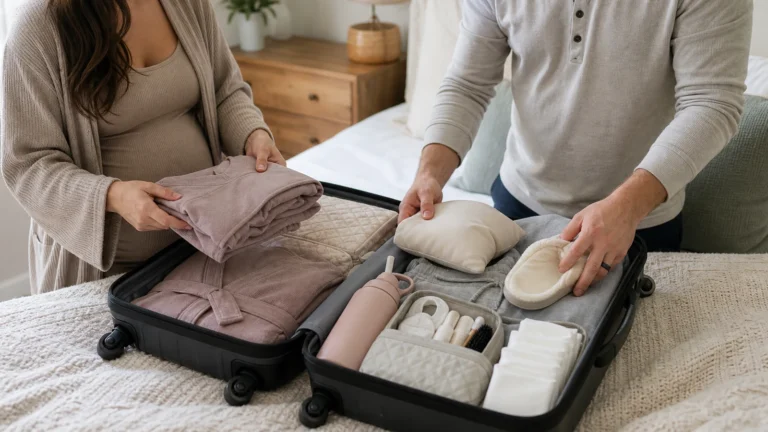
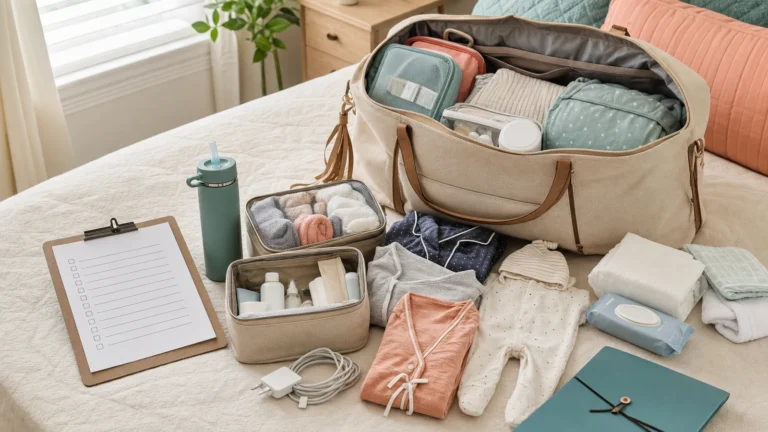
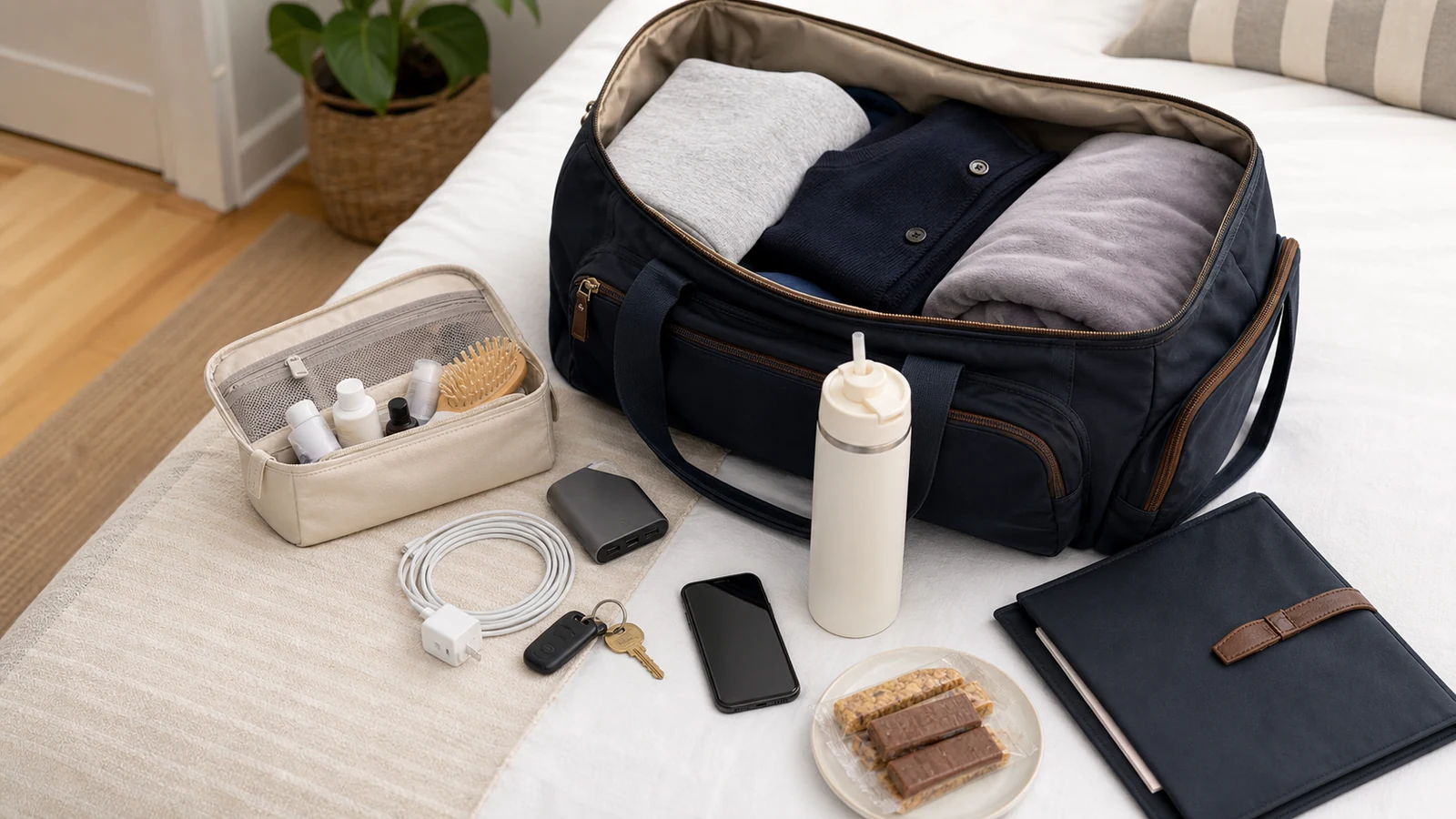
Hospital bag packing list for partner checklist should be practical, quiet, and built around one job: helping the birthing parent without making the room more chaotic. Pack your ID, wallet, phone, charger, snacks, water bottle, toiletries, a fresh shirt, simple comfort items, and one organized place for documents. Then keep the bag small enough that you can actually move it, find things, and stay present.
Use the main Hospital Bag Checklist as the family map, then make this partner bag the support kit. The birthing parent should not be the one hunting for the phone cord, parking receipt, insurance card, or protein bar while contractions, nurses, monitors, and visitors are all happening at once.
Disclosure: BabyEthos is reader-supported. As an Amazon Associate, we earn from qualifying purchases. This does not change what you pay, and product choices should never replace hospital visitor policies, clinician guidance, or your partner’s birth preferences.
QUICK SHOP
Partner Bag Picks
These assigned picks cover the partner jobs that matter most in the hospital: carrying the bag, staying charged, keeping papers together, handling snacks, and getting a little rest when the room allows it.
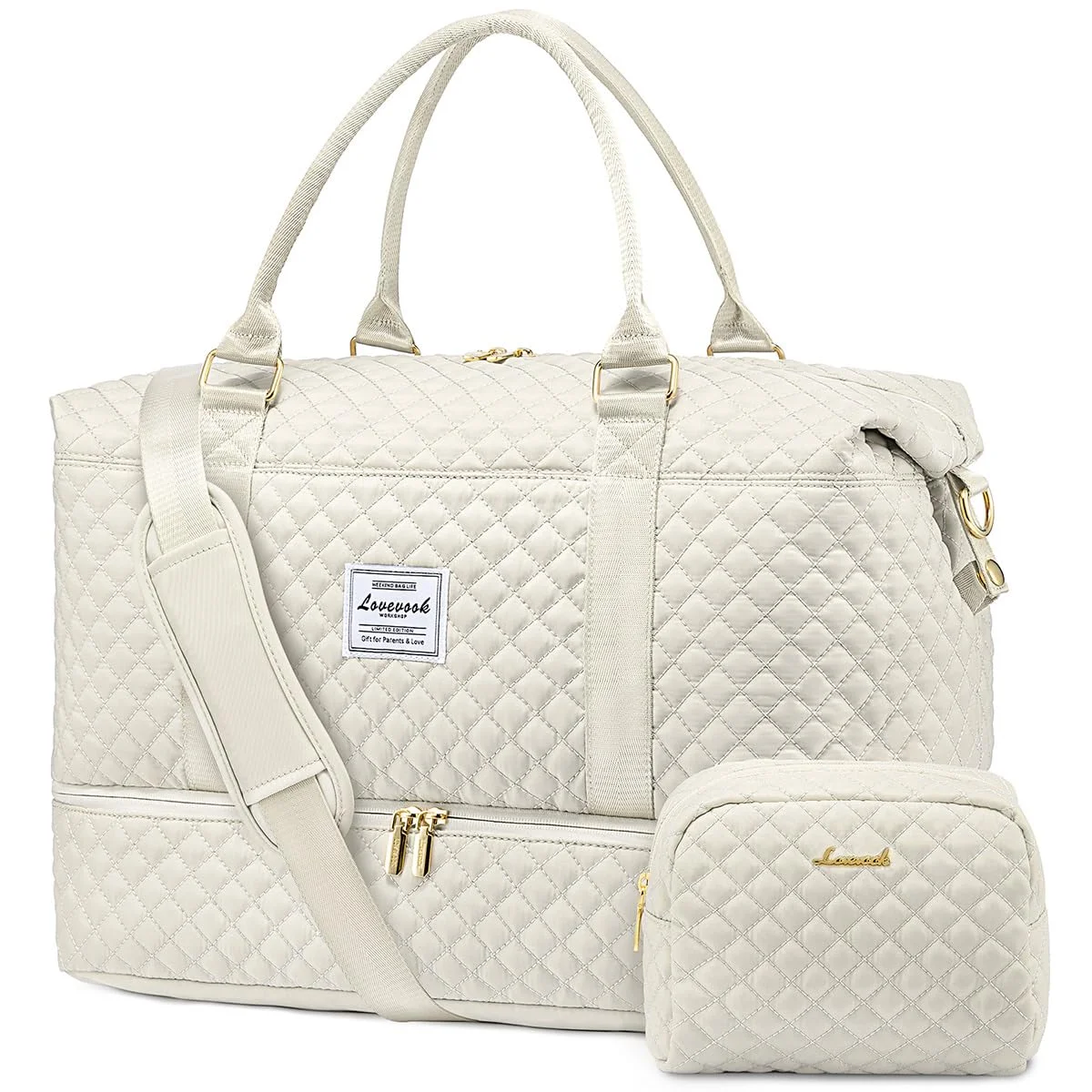
A roomy weekender duffel bag that keeps clothing, toiletries, and small labor essentials together without requiring a full-size suitcase.
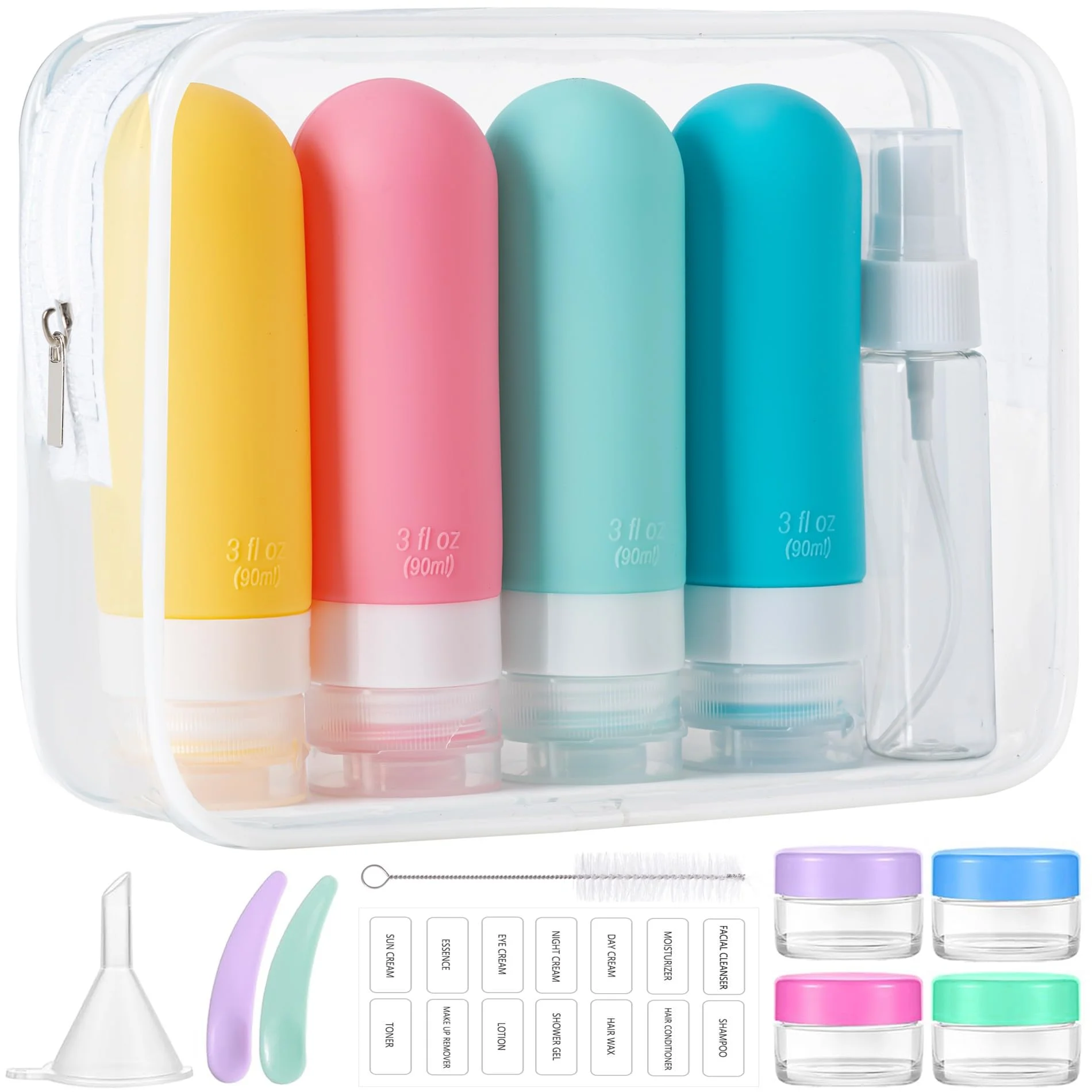
This travel toiletry kit holds shampoo, conditioner, lotion, and other familiar bathroom basics without packing full-size bottles.
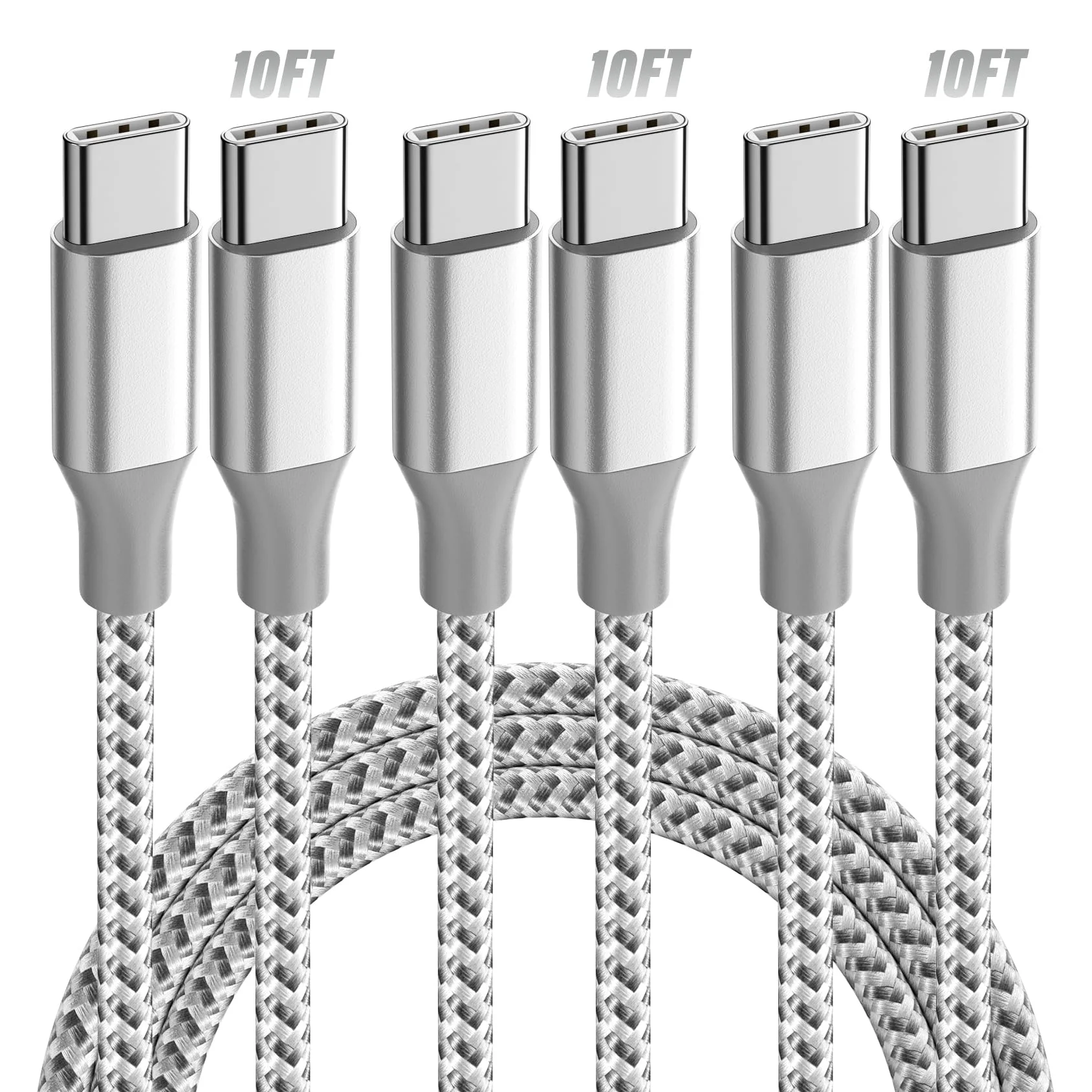
A 10-foot phone charger cable reaches outlets behind hospital beds and keeps phones available for calls, photos, and family updates.
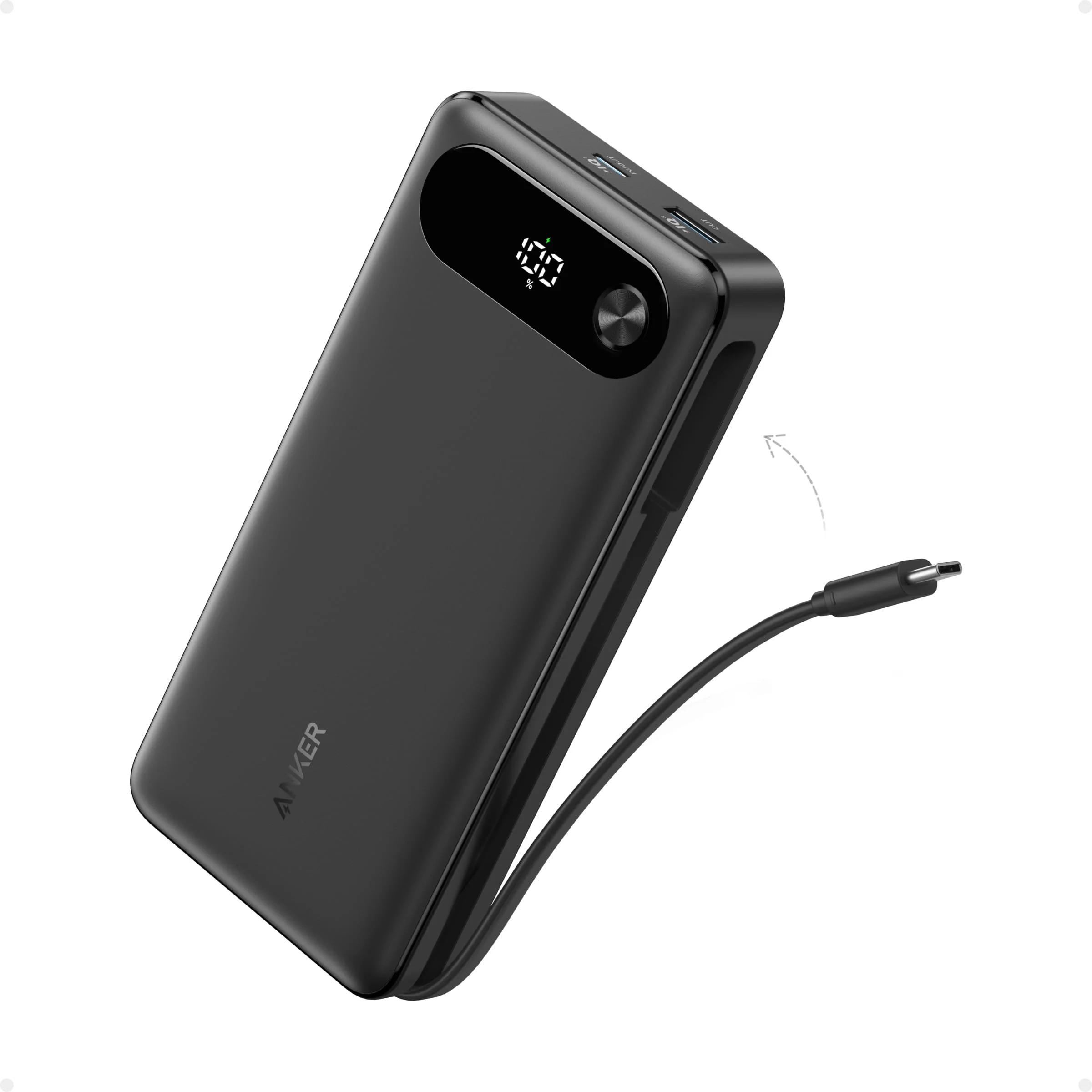
A portable power bank keeps phones charged during triage, room changes, or long stretches when a wall outlet is inconvenient.
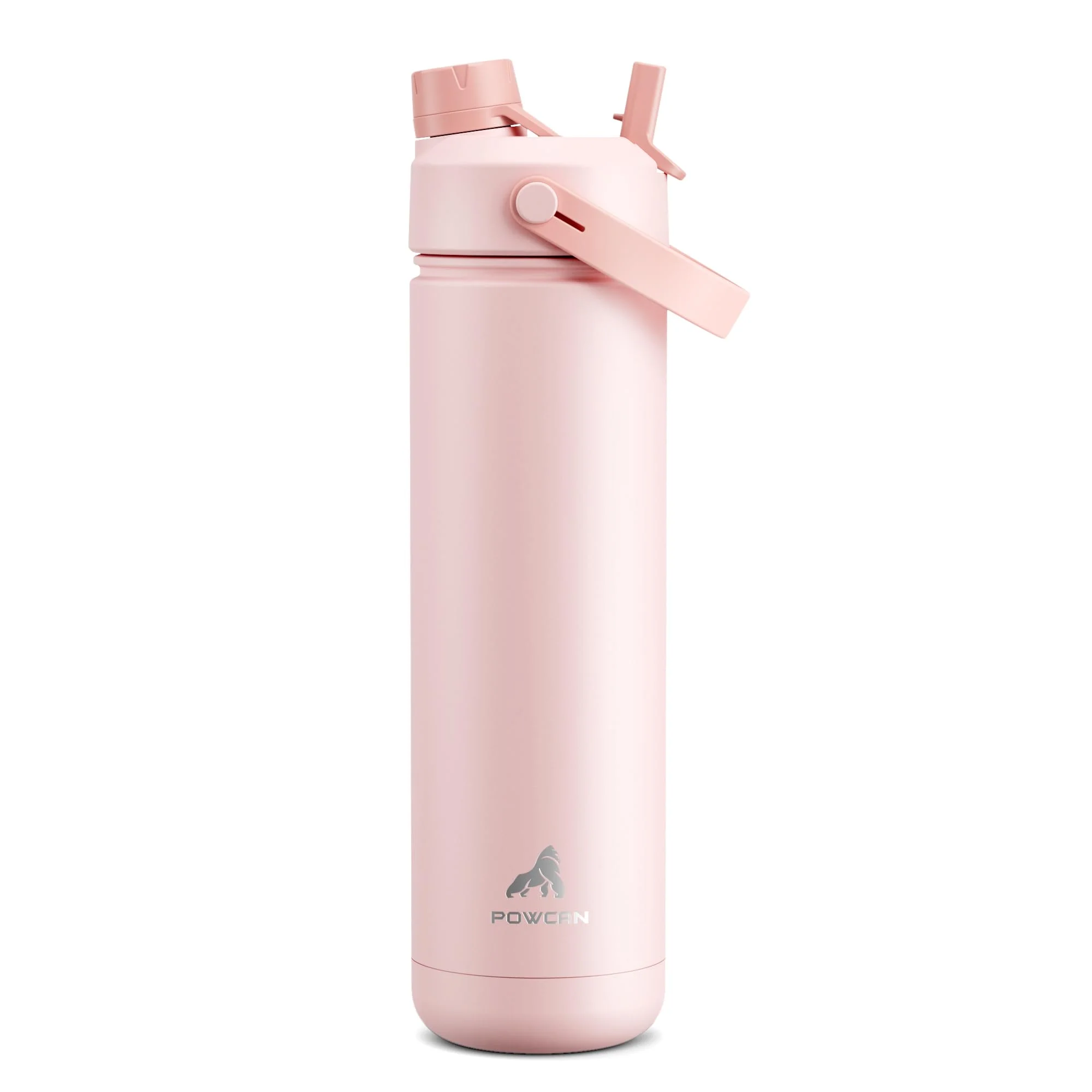
An insulated water bottle with a straw is easier to use one-handed while resting, feeding, or recovering in bed.

Protein or granola snack bars give partners a shelf-stable option during long waits; follow hospital rules about eating during labor.
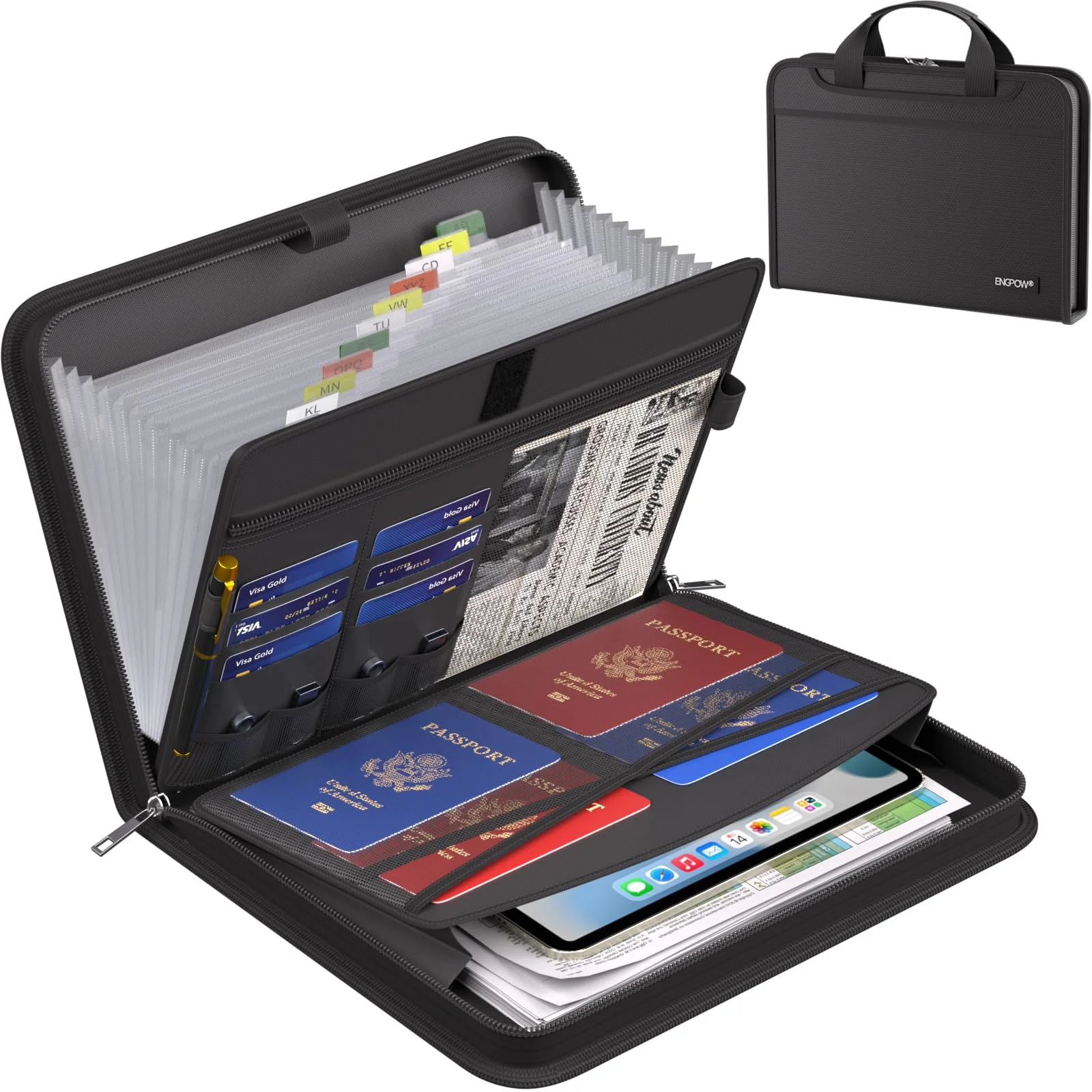
A document organizer folder keeps identification, insurance details, birth preferences, and discharge paperwork together and easy for a partner to find.
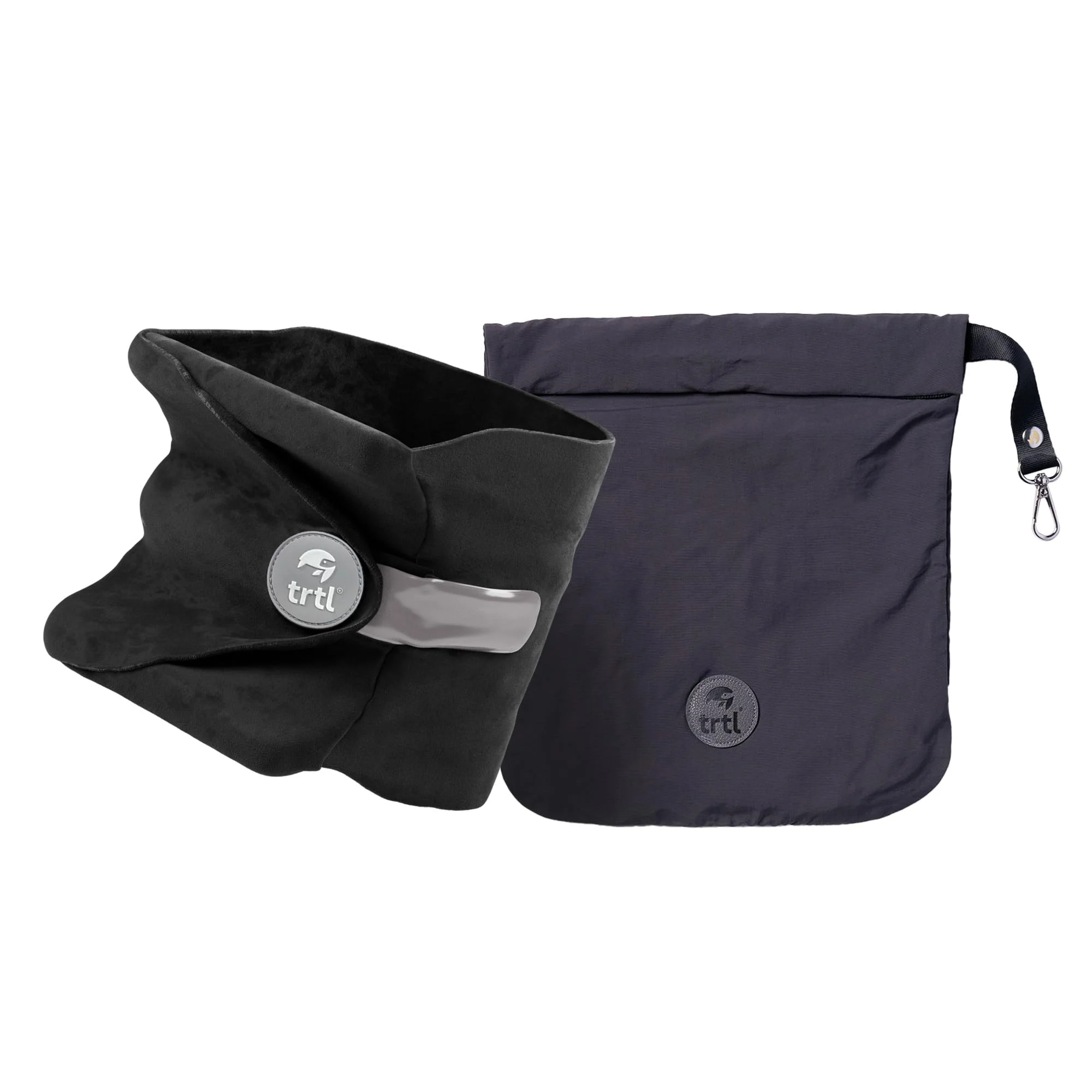
A compact partner travel pillow offers neck support during overnight chair naps and packs smaller than a standard bed pillow.
Quick Answer: What the Partner Should Pack
Pack one small bag with a phone, wallet, ID, insurance or hospital paperwork if your family keeps it together, a long charger, portable power bank, refillable water bottle, easy snacks, basic toiletries, clean socks, a layer, lip balm, any prescription medication you personally need, and a small pillow or blanket if the hospital allows overnight support people.
Before adding extras, compare the partner bag with the full hospital bag checklist. You want support supplies that do not duplicate everything the birthing parent already packed. A partner bag should make you faster, steadier, and easier to ask for help, not turn you into the person unloading three mystery totes in triage.
For the role itself, I like MedlinePlus’s plain-language reminder that a labor coach helps with comfort, encouragement, and communication. In real life, that means your bag is not just about your comfort. It is about keeping your hands free, your phone charged, your stomach settled, and your attention on your partner.
Pack One Bag by Job, Not by Vibe
Start with a weekender duffel bag that opens wide enough to see the contents. Backpacks are fine if that is what you own, but a soft duffel is easy to tuck under a chair, slide into the car, or move quickly when the room changes. Put your own items in this bag, not in the birthing parent’s bag, so nobody has to ask which zipper holds the charger at 2 a.m.
A roomy weekender duffel bag that keeps clothing, toiletries, and small labor essentials together without requiring a full-size suitcase.
Use a travel toiletry kit for toothbrush, deodorant, contact supplies, glasses, a tiny hairbrush or comb, any personal medication, and a few comfort basics. Keep it clean and boring. The hospital bathroom is not the place to discover that your toothpaste cap opened in the same pocket as the insurance cards.
This travel toiletry kit holds shampoo, conditioner, lotion, and other familiar bathroom basics without packing full-size bottles.
The document organizer folder is for IDs, printed birth preference notes if you use them, pediatrician details, registration papers, FMLA or employer forms, parking slips, and any discharge papers that come later. Do not make the birthing parent manage loose paper while sitting in a hospital bed and answering the same question for the fourth time.
A document organizer folder keeps identification, insurance details, birth preferences, and discharge paperwork together and easy for a partner to find.
If you are still building the shared family system, the guide on how to pack a hospital bag without stress is a good companion. It helps you divide labor, baby, postpartum, and support items before the partner bag becomes the overflow drawer.
Power, Food, and Water Are Real Labor Support
A 10-foot phone charger cable is one of the least glamorous things in the bag and one of the first things people ask for. Outlets are rarely where you wish they were. Bring your own cable, label it if needed, and do not count on borrowing the birthing parent’s charger when they may want music, photos, texting, or a contraction timer.
A 10-foot phone charger cable reaches outlets behind hospital beds and keeps phones available for calls, photos, and family updates.
A portable power bank gives you backup if you leave the room, wait in the car, move between triage and delivery, or end up in a corner without a useful outlet. Charge it before the due-date window, toss it in the bag, and check it every couple of weeks. Dead backup power has a sense of humor that nobody needs during labor.
A portable power bank keeps phones charged during triage, room changes, or long stretches when a wall outlet is inconvenient.
An insulated water bottle with a straw keeps you from disappearing down the hallway every time you get thirsty. Pack one that seals well and is easy to sip from while standing. If the birthing parent wants ice chips, water, or help reaching their own bottle, you are already in that rhythm instead of hunting for a vending machine.
An insulated water bottle with a straw is easier to use one-handed while resting, feeding, or recovering in bed.
Protein or granola snack bars belong in the partner bag because labor can stretch across meals, cafeteria hours, and nerves. Choose snacks that are not messy, loud, strongly scented, or likely to crumble everywhere. Follow hospital rules about food in the room, and step out if eating would bother your partner. The point is to stay steady, not host a snack tasting.
Protein or granola snack bars give partners a shelf-stable option during long waits; follow hospital rules about eating during labor.
Plan for Waiting Without Checking Out
There may be long stretches where your best job is simply to be awake, kind, and ready. Bring a partner travel pillow or compact blanket if your hospital allows support people to stay overnight. Keep it small. A pillow should help you rest in a chair, not take over the room or create one more bulky thing nurses have to work around.
A compact partner travel pillow offers neck support during overnight chair naps and packs smaller than a standard bed pillow.
Add clean socks, a hoodie or zip layer, and one simple change of shirt. Hospital rooms can feel chilly, warm, dry, bright, and dim in the same day. Dressing in layers lets you stay comfortable without asking the birthing parent to manage your temperature, your headache, or your missing sweatshirt.
This is also where I would check the main Hospital Bag Checklist again for overlap. If the birthing parent already packed a Bluetooth speaker, lip balm, hair ties, and nursing pillow, you do not need backup versions of everything. Your better contribution may be a charged phone, a calm voice, and the ability to find things without being asked twice.
What Partners Can Skip
Skip bulky entertainment setups, scented candles, huge blankets, complicated food, anything with glitter, loud packaging, and gear you have not tested. Skip medical gadgets unless the care team specifically asked you to bring them. Skip the giant camera kit if it will make your partner feel watched instead of supported. Photos are wonderful when everyone consents; they are not the main job.
Also skip taking over. Your bag can help you handle logistics, but it does not make you the decision-maker for someone else’s body. Ask what your partner wants before labor, keep notes if they ask you to, and use the bag to support those preferences. If a situation changes, follow the care team’s guidance and keep your partner centered.
One small partner bag should be enough for most hospital births. If you know you may stay longer because of distance, weather, induction timing, or a planned C-section, pack a second car bag with extra clothes and snacks, but leave it in the vehicle until you need it. The room should stay easy to move through.
Hospital bag packing list for partner checklist works best when it is simple: bag, toiletries, charger, power bank, water, snacks, documents, and a compact rest item. Add your wallet, ID, keys, phone, glasses, medication, and hospital-specific instructions, then stop before the bag turns into a camping trip.
FAQ
Does the partner need a separate hospital bag?
Yes, usually. A separate partner bag keeps chargers, snacks, documents, toiletries, and clothes easy to find without digging through the birthing parent’s recovery and baby items.
Should the partner bring food?
Bring simple snacks for yourself, then follow the hospital’s rules and your partner’s comfort level. Choose quiet, low-odor snacks and step out if eating in the room would be distracting.
What documents should the partner carry?
Carry your ID, wallet, hospital registration details if assigned to you, insurance information if your family keeps it together, pediatrician notes, parking slips, and any forms your partner asked you to manage.
Can the partner sleep at the hospital?
Policies vary by hospital, room type, and situation. Ask ahead about support-person rules, overnight stays, and what bedding or personal items are allowed.
When your partner bag is packed, put it beside the full Hospital Bag Checklist and do one final walk-through together. The best bag is not the biggest one. It is the one that lets you answer, “I’ve got it,” and actually mean it.
Shop Partner Picks