
Hospital Bag Birth Plan: What to Print, Pack, and Share With Your Nurses
A useful Hospital bag birth plan is one page, easy to scan, and flexible enough for labor to change. After three births, I would focus on the few preferences that help nurses care for you: communication needs, comfort measures, pain-relief preferences, mobility, immediate newborn care, feeding plans, and who should speak for you when you are concentrating. Print a few copies, discuss it before labor, and treat it as a conversation tool rather than a script.
Place the plan near the top of your Hospital Bag Checklist with identification and insurance information. Your support person should know where it is and what matters most. A beautifully formatted plan buried beneath pajamas cannot help anyone, while a plain page handed over with a friendly introduction can start a useful conversation.
Disclosure: BabyEthos is reader-supported. As an Amazon Associate, we earn from qualifying purchases. This does not change what you pay.
QUICK SHOP
Keep Your Birth Plan Easy to Find
A document organizer keeps clean copies and hospital paperwork together. A wet dry bag can serve as an optional outer barrier from toiletries and damp clothing.
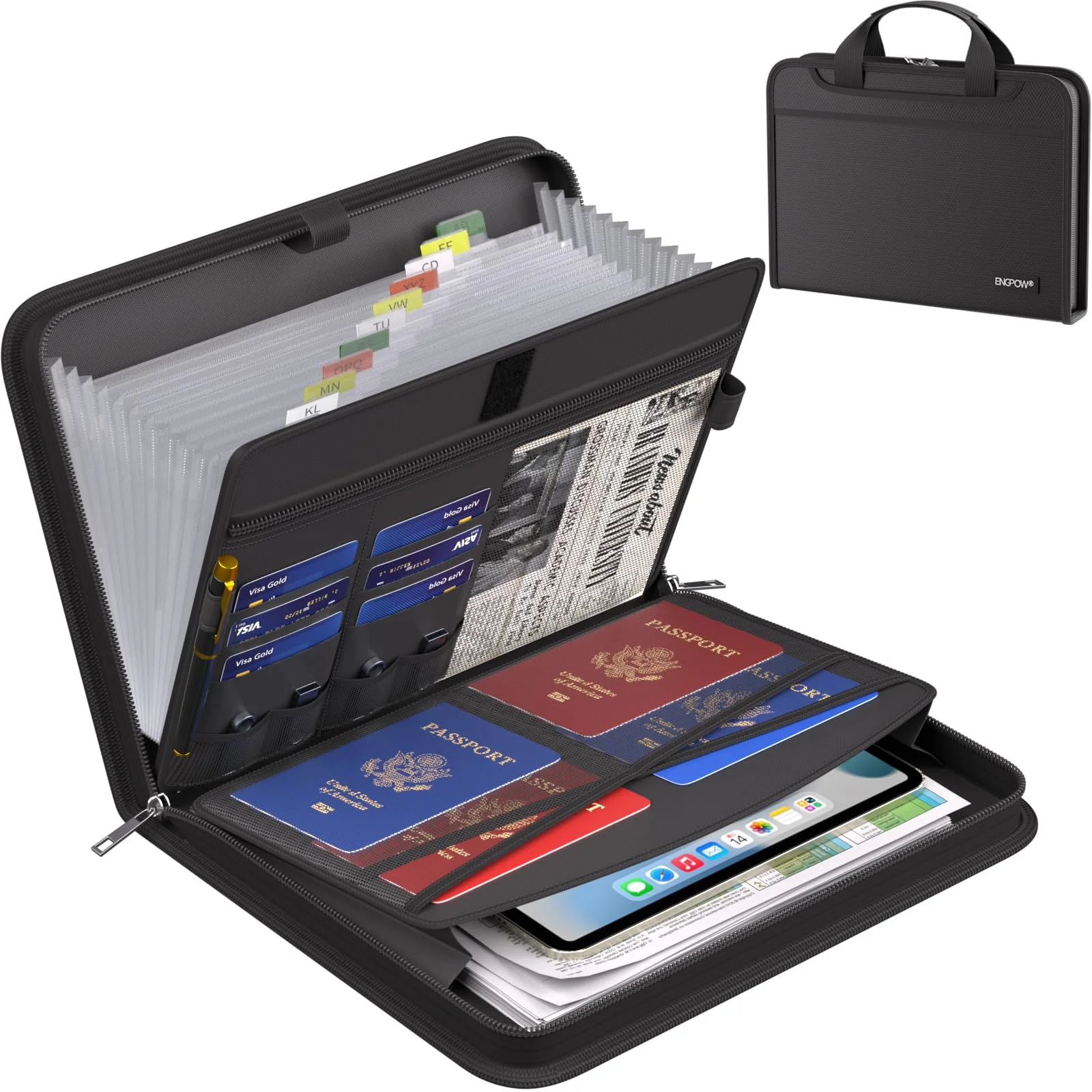
A document organizer folder keeps identification, insurance details, birth preferences, and discharge paperwork together and easy for a partner to find.
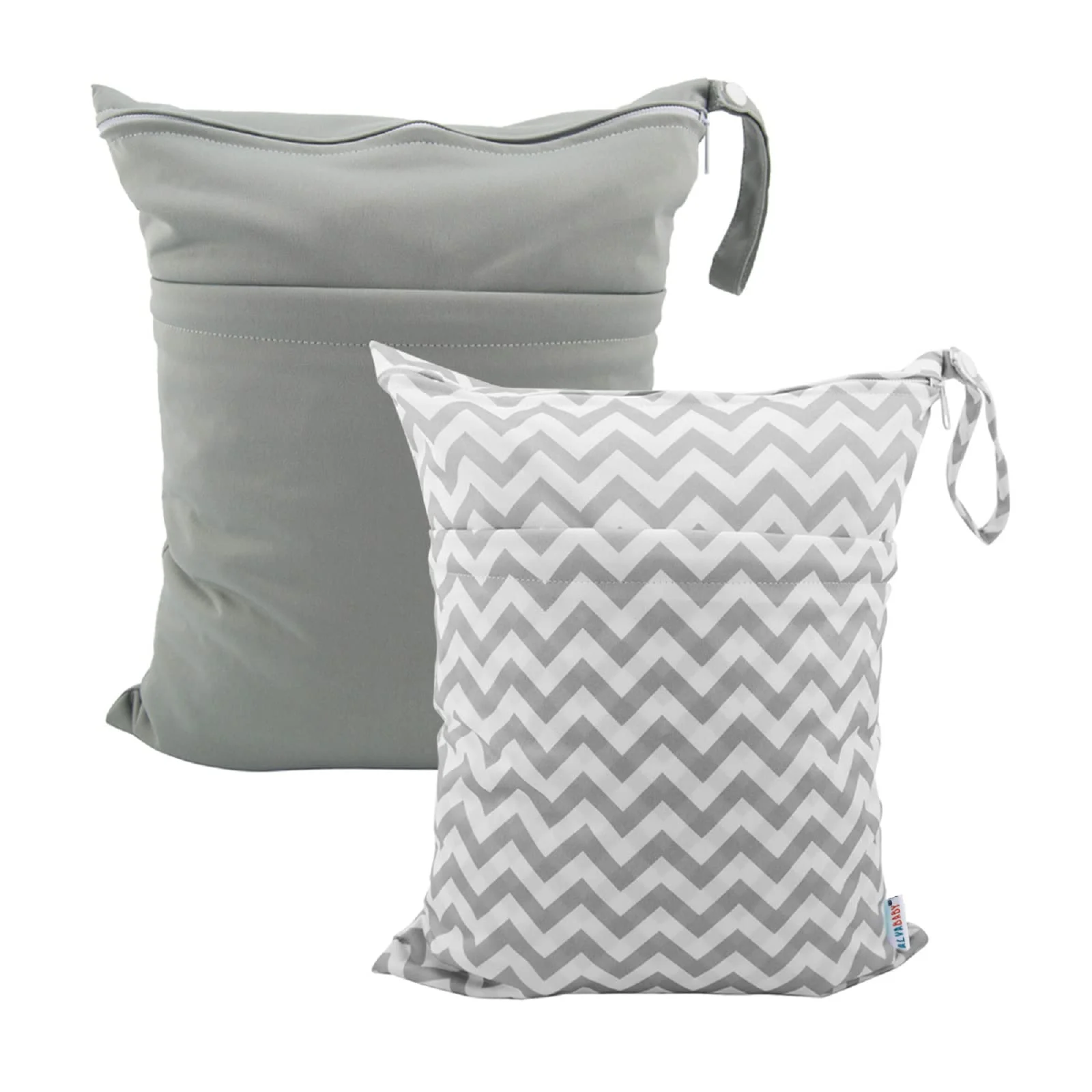
A wet dry bag gives damp clothing, used washcloths, or leak-prone toiletries a separate place for the ride home.
Quick Answer: What Should the Plan Include?
Include your name, support people, communication or accessibility needs, key medical context already discussed with your clinician, labor comfort preferences, thoughts about pain relief, and priorities for the first hour after birth. Add feeding preferences and anything culturally or personally important. Keep every point short enough for a nurse to understand at a glance.
Your Hospital bag birth plan should distinguish preferences from decisions that depend on clinical circumstances. Instead of “I will not have a C-section,” write that you would like clear explanations, time for questions when possible, and your support person included in discussions. That remains useful whether labor follows the expected path or changes quickly.
How to Build a One-Page Birth Plan
When drafting a Hospital bag birth plan, start with the question: what would staff need to know if they had only thirty seconds? Put those priorities first. Use headings, bullets, and ordinary language. Avoid long background stories, tiny type, decorative fonts, or several pages of instructions. Nurses already document clinical information; your page should add personal context and communication preferences.
A clear Hospital bag birth plan might use five headings: “About Me,” “During Labor,” “Pain Relief,” “If Plans Change,” and “After Birth.” Under each heading, choose two or three meaningful points. If everything is labeled essential, staff cannot see what matters most.
| Section | Useful details |
|---|---|
| About Me | Name, pronouns, support people, language, sensory or accessibility needs |
| During Labor | Movement, positioning, lighting, music, touch, and communication preferences |
| Pain Relief | How you want options discussed and what you have already considered |
| If Plans Change | Who should be included, how explanations help, and key emotional needs |
| After Birth | Skin-to-skin, feeding, newborn procedures, visitors, and photography preferences |
Review the draft with your OB or midwife before the due date. Ask which preferences match hospital policy, which choices require consent later, and which situations may limit an option. This conversation is more valuable than silently arriving with a finished document that your care team has never seen.
How to Phrase Preferences So They Help
Use collaborative language: “I prefer,” “Please offer,” “If medically appropriate,” and “Please explain.” This does not mean giving up your voice. It means making the Hospital bag birth plan usable across changing circumstances while preserving your request for information and participation.
Be specific about communication. You might ask staff to explain before touching you, speak directly to you rather than only to your partner, allow a moment for questions when time permits, or minimize unnecessary conversation during contractions. These preferences often remain possible even when the medical plan changes.
Avoid copying every option from a printable template. If you have no strong preference about room lighting or who announces the baby’s sex, leave those lines out. A shorter plan gives your real priorities more visibility and feels like a human conversation rather than a contract.
If you are preparing for a planned surgical birth, use the Hospital bag checklist c section to coordinate practical packing with hospital instructions. Ask which preferences may apply in the operating room, recovery area, and first feeding period rather than assuming every routine is negotiable.
Organize Copies Without Overpacking
A document organizer folder keeps identification, insurance details, birth preferences, and discharge paperwork together and easy for a partner to find.
The document organizer folder is the primary product assigned to this article. Give the Hospital bag birth plan its own front section, followed by identification copies, medication information, contacts, and an empty section for discharge papers. A partner should be able to open the folder and find the plan immediately.
Print a few copies if your hospital recommends them: one for admission, one for your nurse or chart if accepted, and one clean backup. Do not bring twenty copies. The plan is only effective when paired with conversation, and hospital teams change shifts in ways paper alone cannot fully manage.
Our Hospital bag documents guide covers IDs, insurance, medication lists, and take-home paperwork in detail. Keep sensitive originals secured in a wallet rather than loose inside the plan folder.
Optional Wet Dry Bag for Separation
A wet dry bag gives damp clothing, used washcloths, or leak-prone toiletries a separate place for the ride home.
A clean wet dry bag can act as an outer layer around the closed organizer, especially if toiletries or damp clothing share the main bag. It is an optional supporting product, not a guarantee against water damage. Keep liquids elsewhere and never place wet items in the same compartment as paper.
Share the Plan Before Labor Gets Intense
Discuss the Hospital bag birth plan with your support person line by line. They should understand your top priorities, know which points are flexible, and recognize when you want them to ask a question. Their job is not to argue with staff; it is to help you communicate, listen, and stay included when you are focused on labor.
At admission, introduce the Hospital bag birth plan simply: “We brought a one-page preferences sheet. When you have a moment, could we review the most important points?” That approach respects the pace of clinical care and opens a real conversation. If the unit is busy, identify the top two priorities verbally.
When nurses change shifts, your partner can briefly mention the plan without demanding a full rereading during an urgent moment. Ask whether the document can be added to the chart or placed somewhere staff normally looks. Follow the hospital’s process rather than taping papers to medical equipment.
Plan for Vaginal Birth and Unexpected Changes
If you hope for a vaginal delivery, you can include preferences about movement, monitoring discussions, pushing positions, pain-relief conversations, skin-to-skin contact, and feeding. Our Hospital bag vaginal delivery guide covers the practical supplies that may support recovery afterward.
Still, a Hospital bag birth plan needs an “If Plans Change” section. Consider what would help if induction, assisted delivery, anesthesia, separation, or surgery becomes part of the birth. Preferences might include plain-language explanations, your support person remaining involved when allowed, updates about the baby, and skin-to-skin when medically appropriate.
ACOG’s guidance on recognizing labor is useful general preparation, while your own care team should explain the benefits, risks, and alternatives relevant to your situation. Emergencies can compress time, but your questions, consent, and values still matter within the realities of care.
A Hospital bag birth plan cannot promise a specific outcome. It can help the team understand how you want information delivered and which experiences matter to you. That is not failure-proofing birth; it is preparing communication for more than one possible path.
What to Leave Off the Page
For a useful Hospital bag birth plan, leave off medical claims copied from social media, instructions that conflict with established safety practices, and absolute statements about unpredictable events. Ask your clinician about concerns rather than turning the plan into a debate document. The page should clarify your values, not attempt to replace individualized medical advice.
Do not include unnecessary private information such as account numbers, Social Security numbers, or complete medical records. The Hospital bag birth plan may pass through several hands. Use the minimum identifying and health information needed, following hospital guidance.
Skip elaborate design if it reduces readability. Black text, clear headings, generous spacing, and ordinary paper work well. A tasteful icon is fine; a page full of tiny pastel boxes is harder to scan under fluorescent light during a busy shift.
Include the final copies in your complete Hospital Bag Checklist several weeks before the due date. Save a secure digital copy too, but do not rely on a phone being charged, unlocked, and nearby during admission.
A Final Review With Your Partner
Read every line aloud together. Ask whether the wording sounds like you and whether your partner can summarize the three most important points without looking. If not, simplify. A strong Hospital bag birth plan should be memorable enough to guide conversation even when the paper stays in the folder.
Check the Hospital bag birth plan against hospital policy, clinician feedback, names, phone numbers, and the date it was updated. Remove outdated assumptions. Place copies in the front folder pocket, put the folder in the same bag compartment every time, and tell your partner exactly where it lives.
Before leaving home, use the Hospital Bag Checklist to confirm the folder is physically in the bag. I have packed thoughtful items and then left them by the printer; a door-side check protects against that very ordinary mistake.
FAQ
How long should a hospital birth plan be?
One page is ideal for most families. Use clear headings and short bullets so nurses can identify your priorities quickly.
How many copies should I bring?
Bring a few copies based on your hospital’s recommendation, plus a secure digital backup. More paper is not a substitute for discussing the plan with your care team.
Will the hospital follow every item?
Not necessarily. Options depend on your medical situation, hospital policy, staffing, safety, and how labor unfolds. The plan supports discussion rather than guaranteeing an outcome.
When should I share my birth plan?
Review it with your clinician before labor, discuss it with your support person, and offer a concise copy to the hospital team during admission when circumstances allow.
My final Hospital bag birth plan advice is to write less and discuss more. Put your strongest preferences on one readable page, include an “If Plans Change” section, review it with your clinician and partner, and pack a few copies where they are easy to find.
Use the Hospital Bag Checklist for the final check, then let the plan do its real job: helping people understand you when the day becomes busy.
Shop birth plan organization