Hospital Bag for Labor and Delivery: What You Need for the Big Day
Disclosure: BabyEthos is reader-supported. As an Amazon Associate, we earn from qualifying purchases. This does not change what you pay.
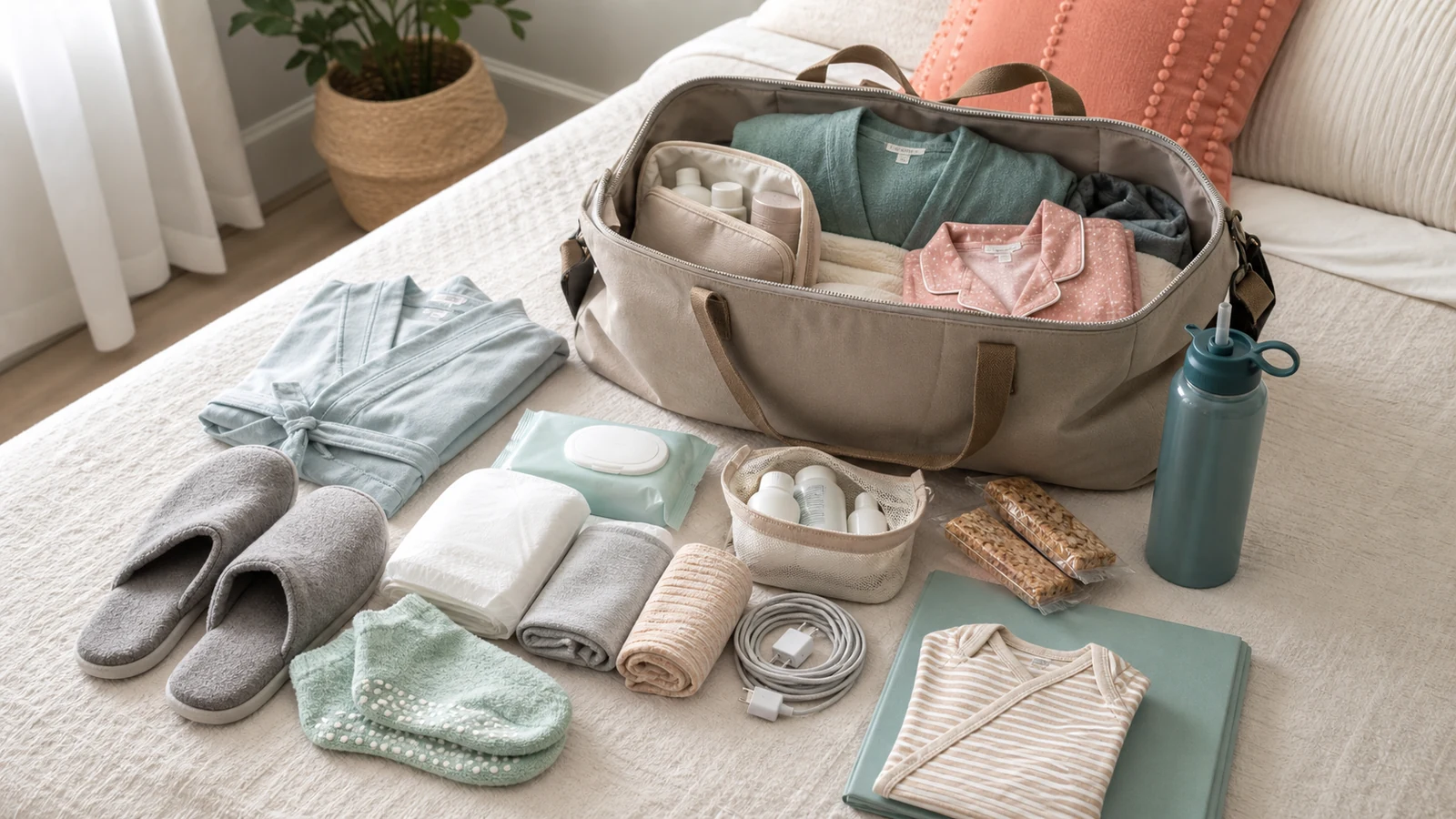
A practical Hospital bag for labor and delivery should cover the moments before admission, the hours of labor, the first recovery stretch, and the first night when everyone is tired. Pack paperwork, a manageable bag, basic toiletries, soft clothing, safe footwear, a long charger, water, simple snacks if allowed, and a few preferred postpartum supplies.
After three births, my labor bag philosophy got much less dramatic. The things we actually reached for were not fancy. They were easy to find, easy to wash, and useful while I was distracted by contractions or recovery. This Hospital bag for labor and delivery guide is built around those real jobs, not a picture-perfect suitcase.
Medical and safety note: Follow your clinician’s instructions for labor, medication, food, drinks, induction, C-section preparation, high-risk pregnancy, or signs that labor may be starting. If symptoms concern you, contact your care team instead of delaying care to finish packing. The American College of Obstetricians and Gynecologists explains general labor signs, but your hospital and clinician should guide your next step.
Labor and Delivery Hospital Bag: The Short List
The best Hospital bag for labor and delivery is organized by task: admission, labor comfort, walking and bathroom trips, recovery, phone power, hydration, food for your support person, and paperwork. Baby discharge items are important too, but the car seat belongs installed in the vehicle rather than packed in the bag.
| Job | Pack | Why it matters |
|---|---|---|
| Admission | Photo ID, insurance card, hospital forms, medication list, and birth preferences. | Paperwork is usually needed before comfort items. |
| Labor comfort | Lip balm, hair ties, glasses, gown or soft clothes, socks, slippers, charger, water. | Small comfort items get used repeatedly. |
| Recovery | Basic toiletries, nursing-friendly pajamas, disposable underwear, pads, peri bottle, cold packs if preferred. | Hospitals provide some supplies, but personal preferences can help. |
| Support person | Snack bars, water, phone power, wallet, medication, layers. | A supported partner can stay nearby instead of running errands. |
The complete Hospital Bag Checklist covers broader mom, baby, and partner categories. This page stays focused on the labor and delivery stay itself.
QUICK SHOP
Labor and Delivery Bag Picks
These 14 products match the assigned labor-and-delivery categories: bag, toiletries, labor clothing, recovery, phone power, hydration, snacks, and paperwork. Confirm what your hospital provides before buying duplicates.
Bag, Toiletries, and Clothing
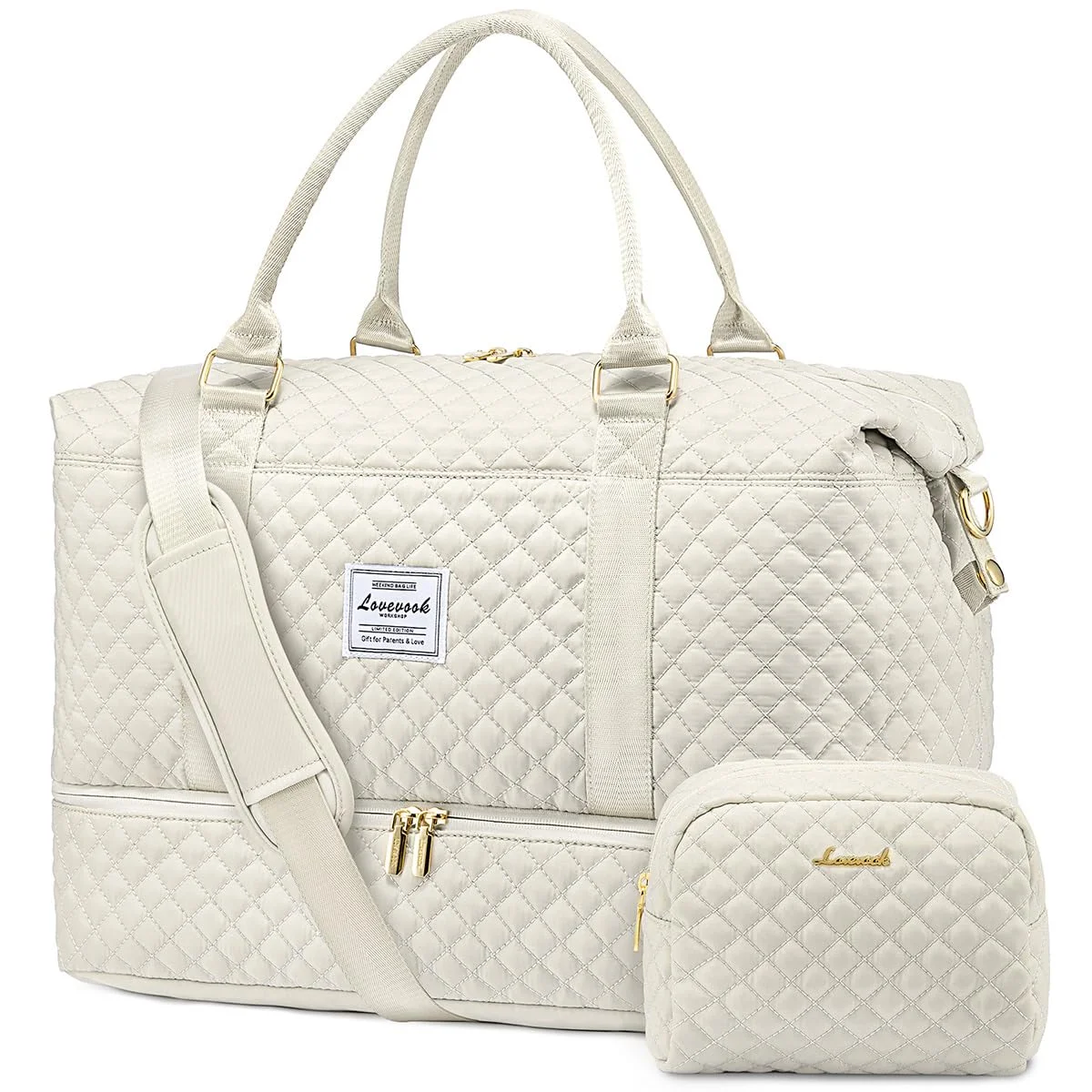
A roomy weekender duffel bag that keeps clothing, toiletries, and small labor essentials together without requiring a full-size suitcase.
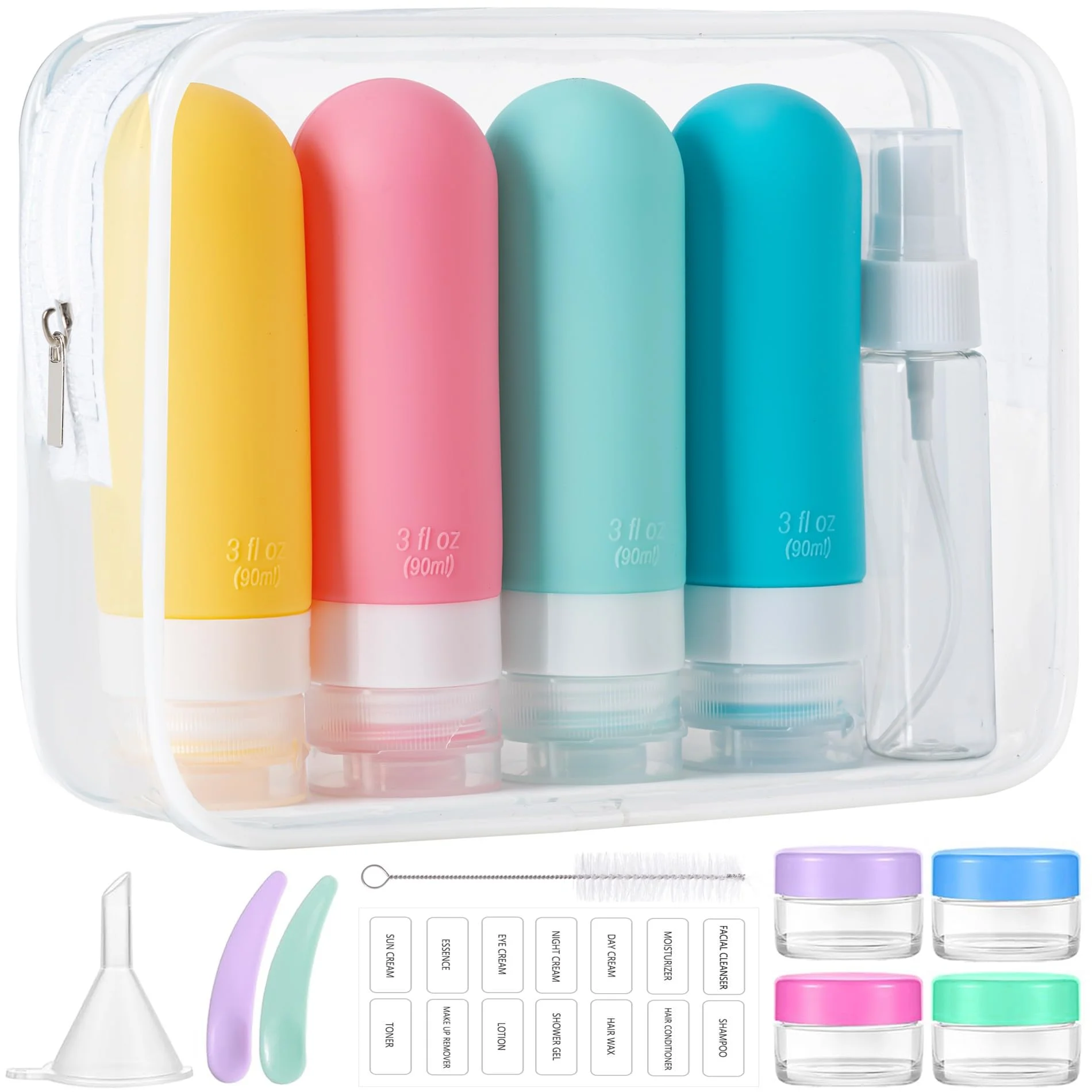
This travel toiletry kit holds shampoo, conditioner, lotion, and other familiar bathroom basics without packing full-size bottles.
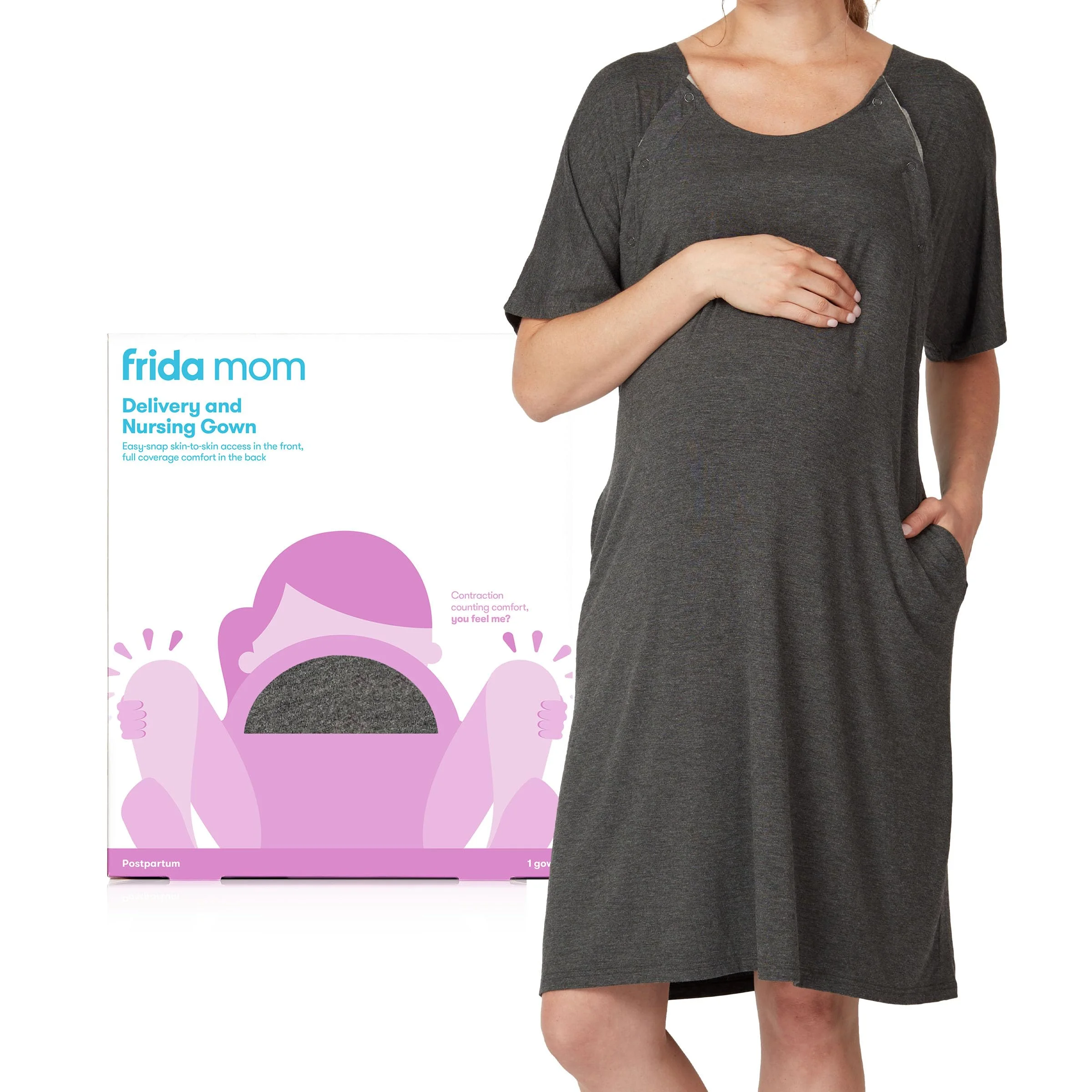
A labor and delivery gown offers personal coverage and easier nursing or skin-to-skin access when hospital-issued gowns feel too exposed.

A soft nursing pajama set gives new moms comfortable sleepwear with practical feeding access during recovery and the first night home.
Footwear and Recovery
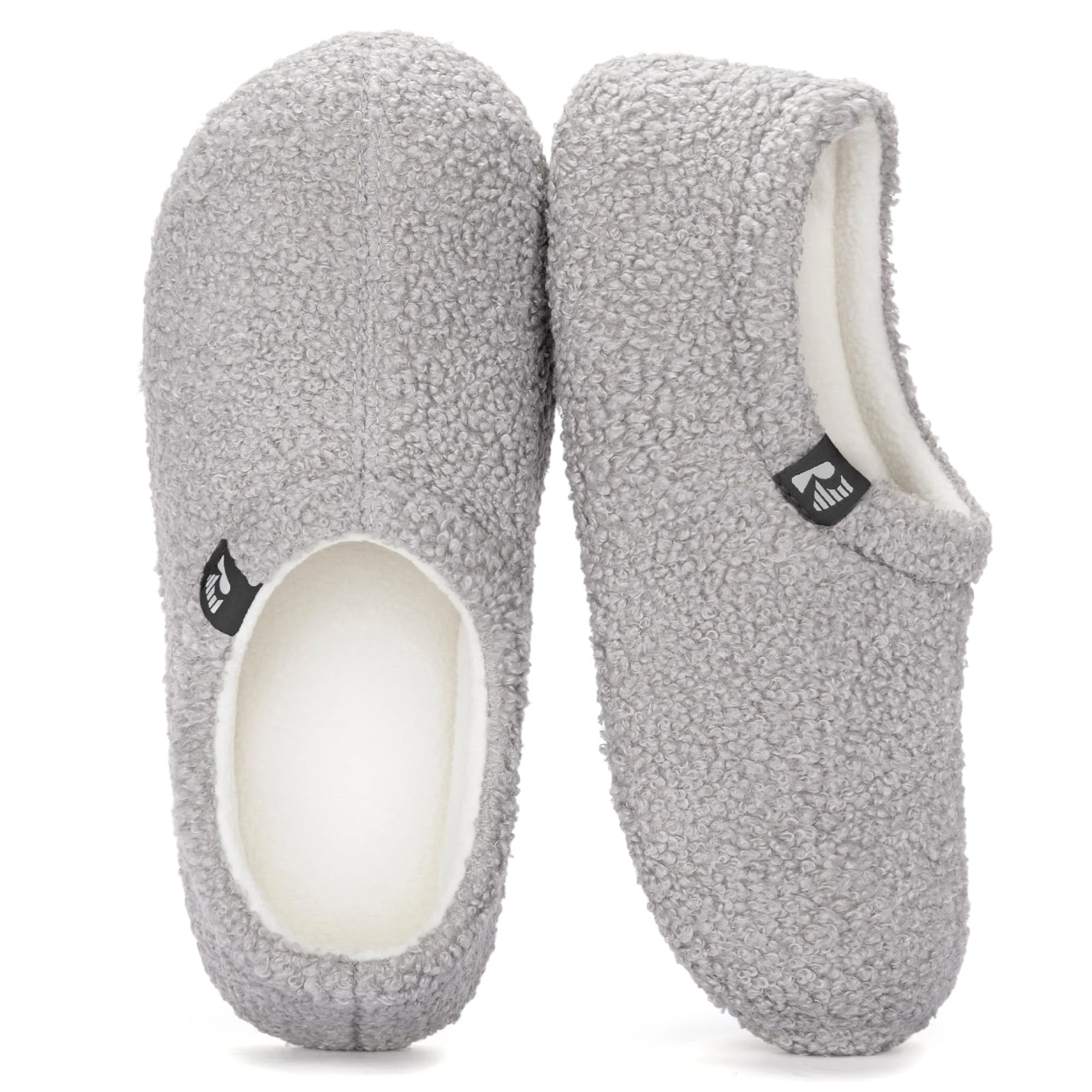
Closed-back non-slip slippers provide warmth and steadier footing for short walks around the recovery room and hospital hallway.
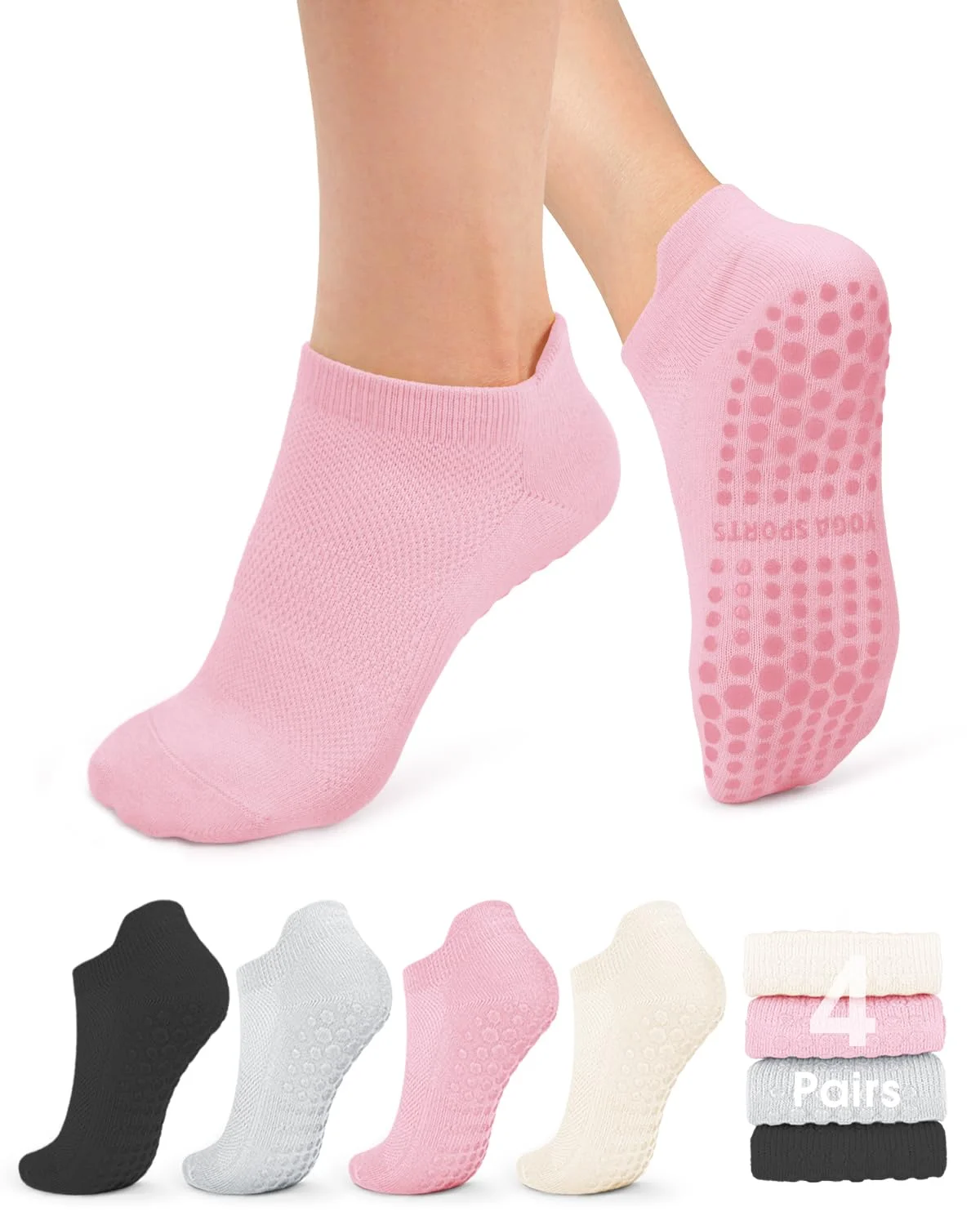
Grippy socks are an easy, washable option for keeping feet warm while adding traction on smooth hospital floors.
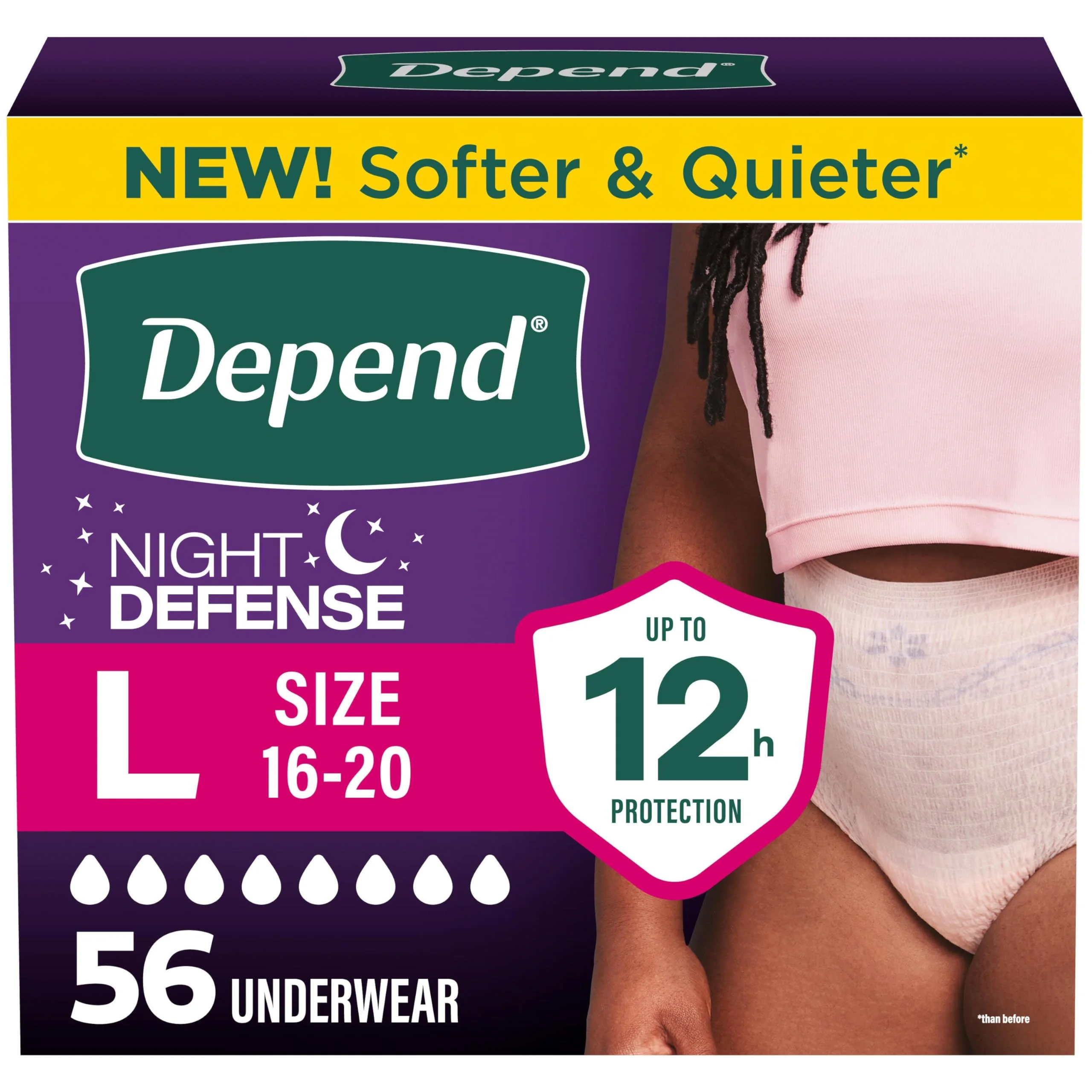
Disposable postpartum underwear provides fuller coverage for heavy early bleeding and can feel more secure than layering pads in regular underwear.
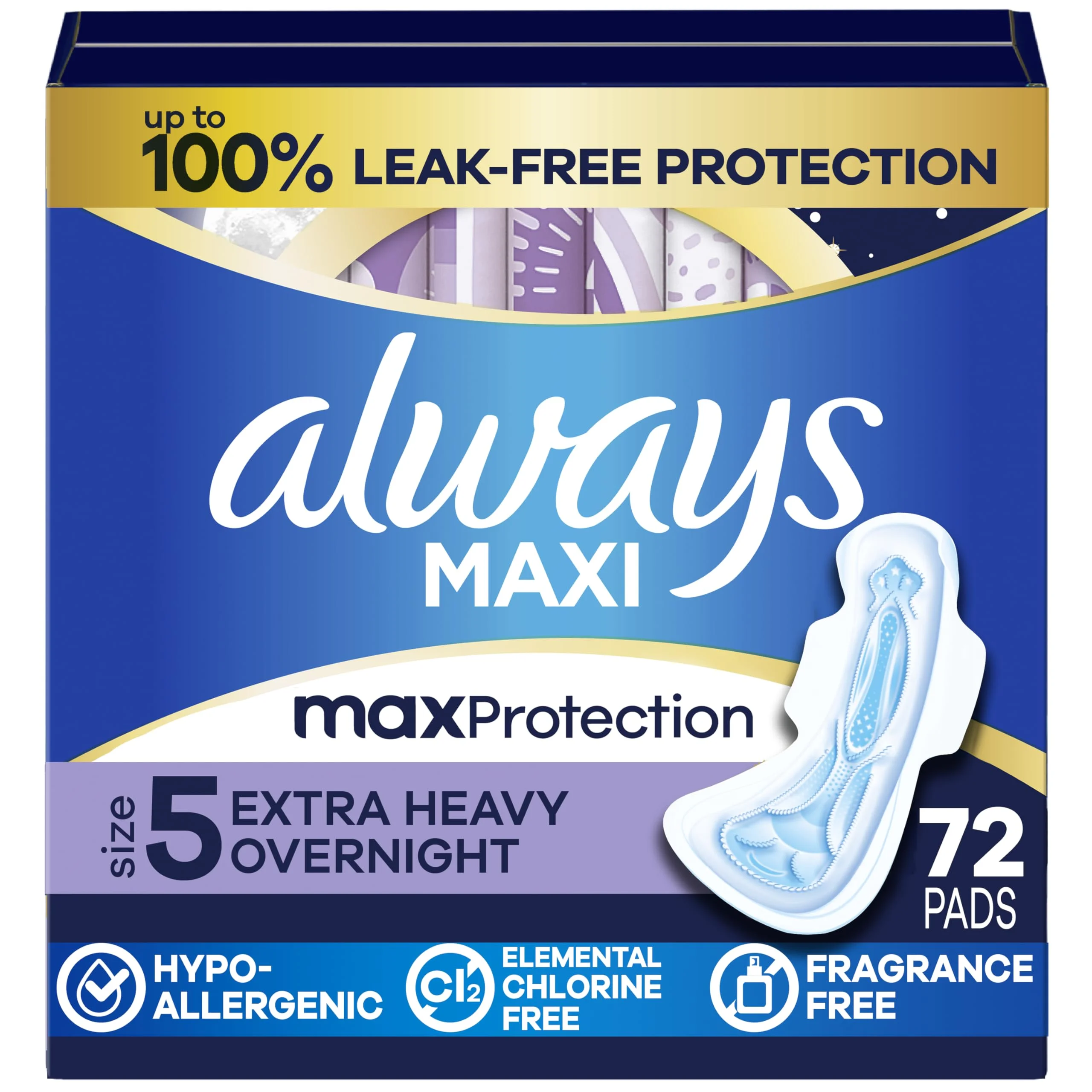
Heavy-flow postpartum pads add an absorbent backup for discharge day and the first days home when hospital supplies run out.
Recovery, Power, Hydration, and Paperwork
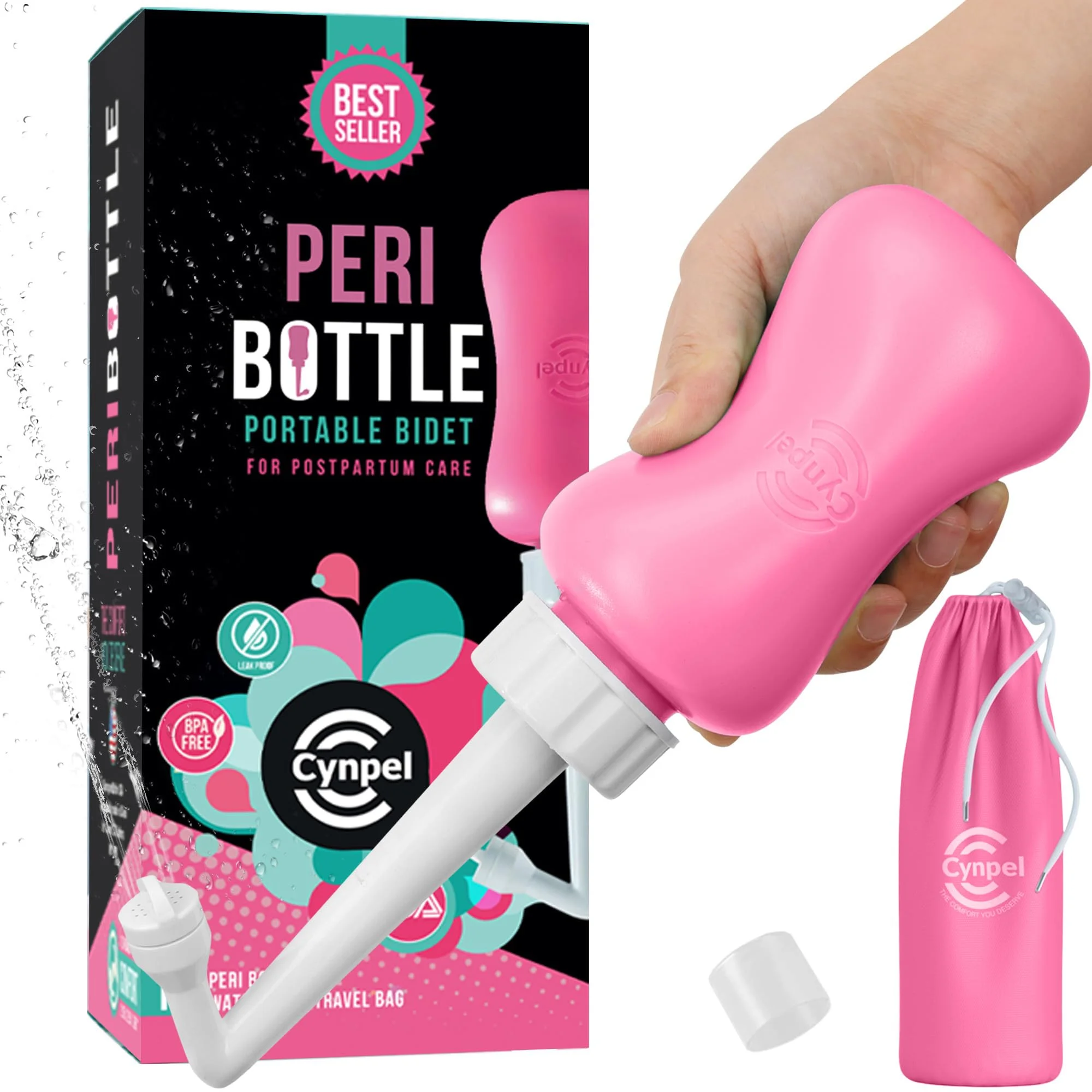
An upside-down peri bottle makes gentle rinsing easier after vaginal delivery, particularly when reaching and bending feel uncomfortable.
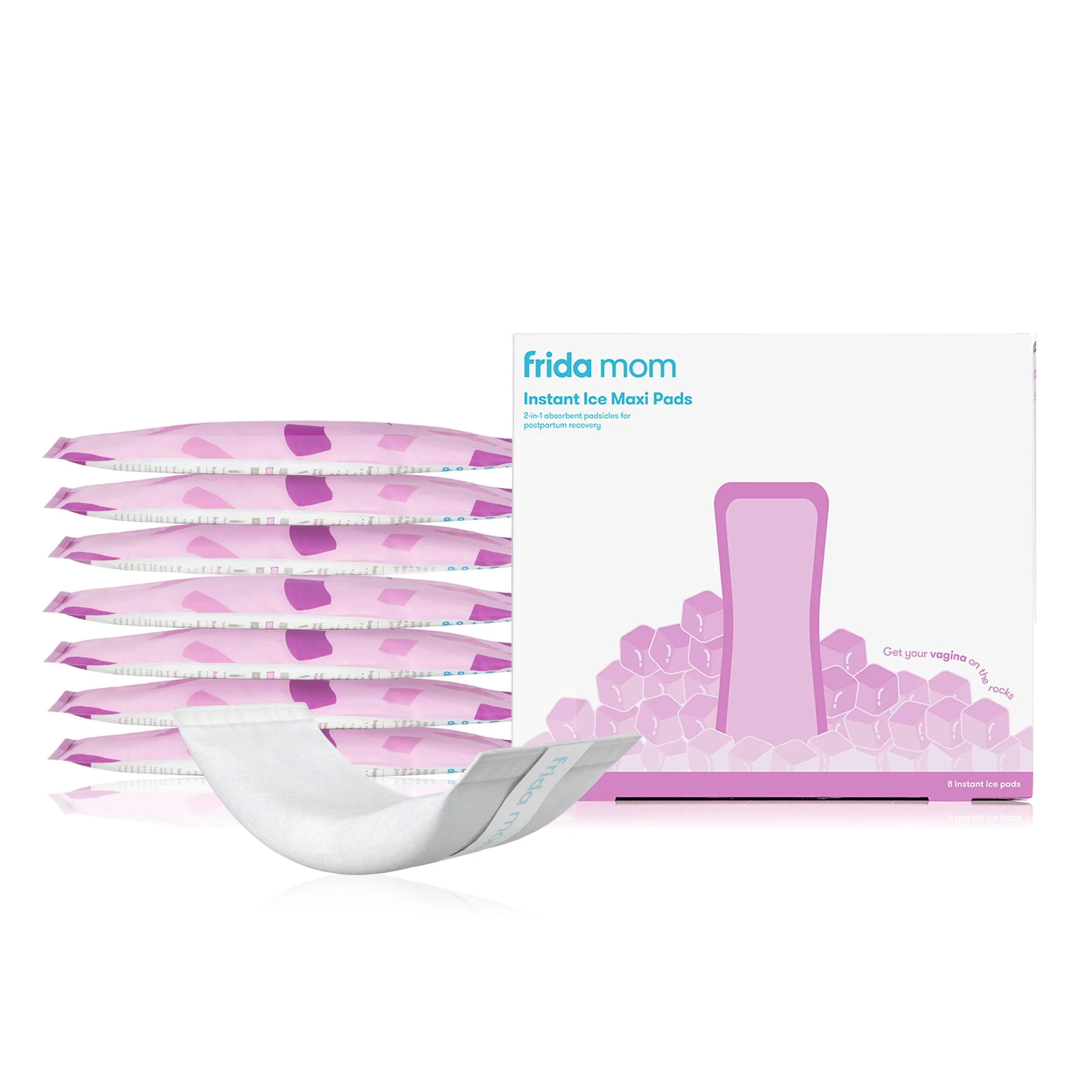
Perineal cold packs combine cooling comfort with absorbency for early postpartum recovery; follow hospital guidance for timing and use.
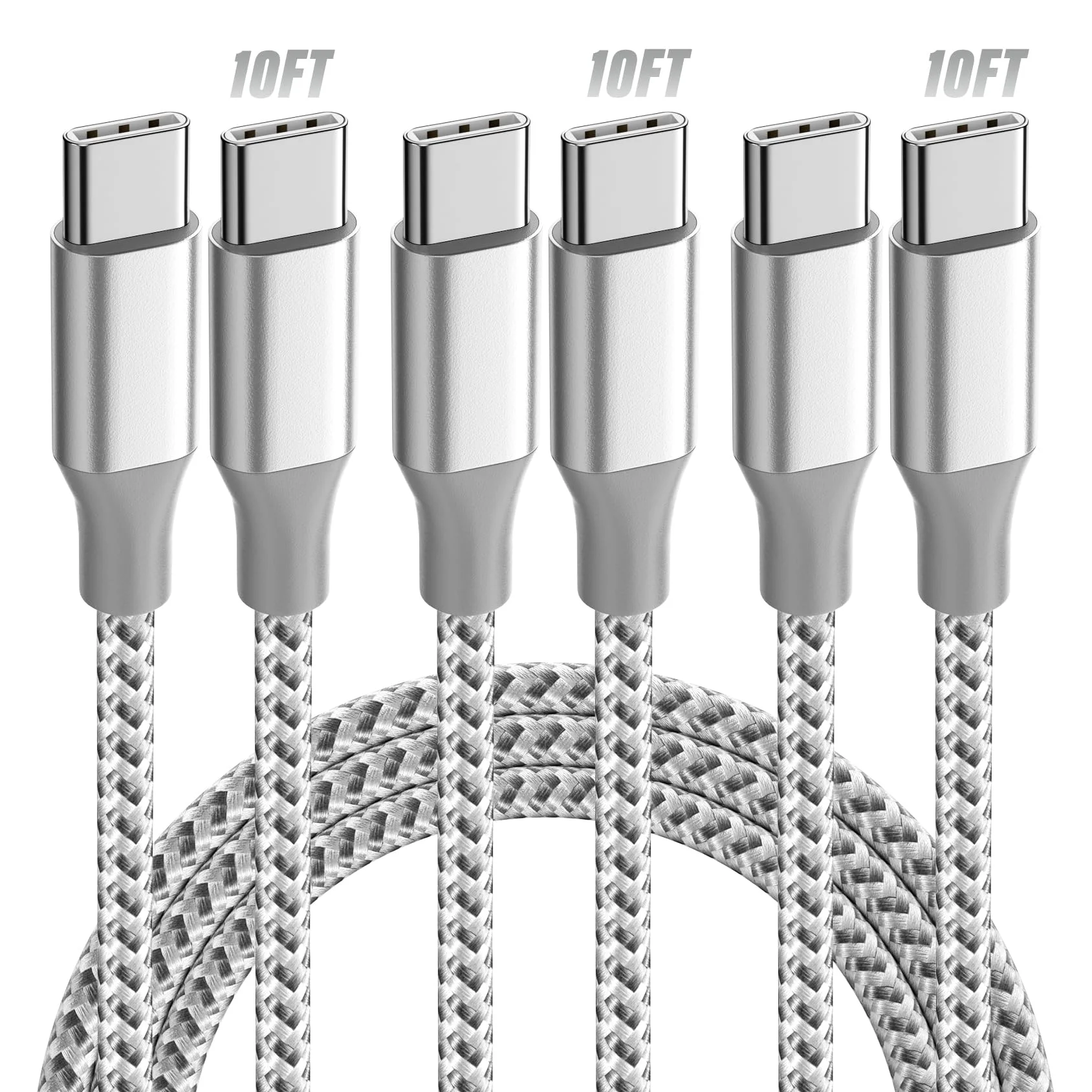
A 10-foot phone charger cable reaches outlets behind hospital beds and keeps phones available for calls, photos, and family updates.
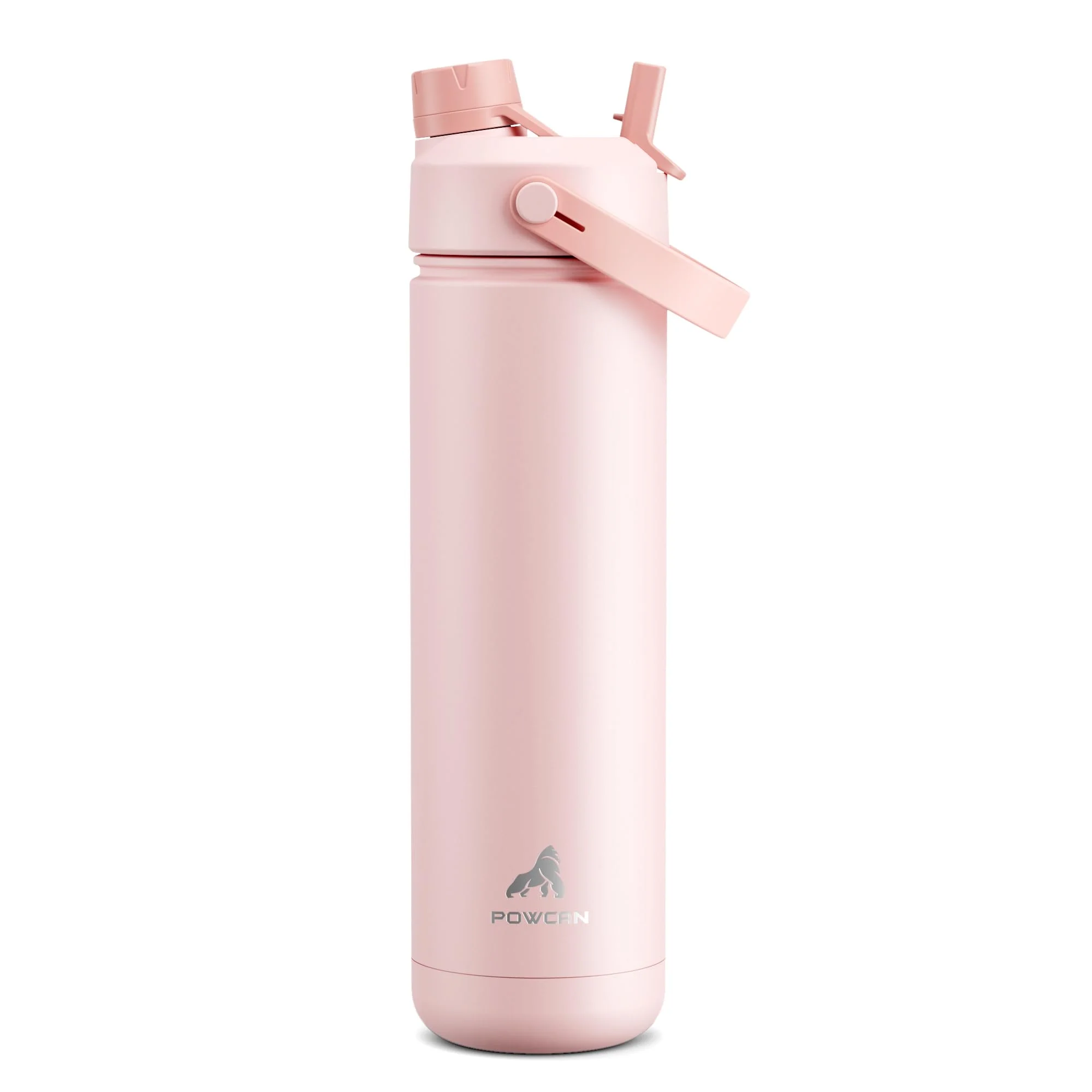
An insulated water bottle with a straw is easier to use one-handed while resting, feeding, or recovering in bed.

Protein or granola snack bars give partners a shelf-stable option during long waits; follow hospital rules about eating during labor.
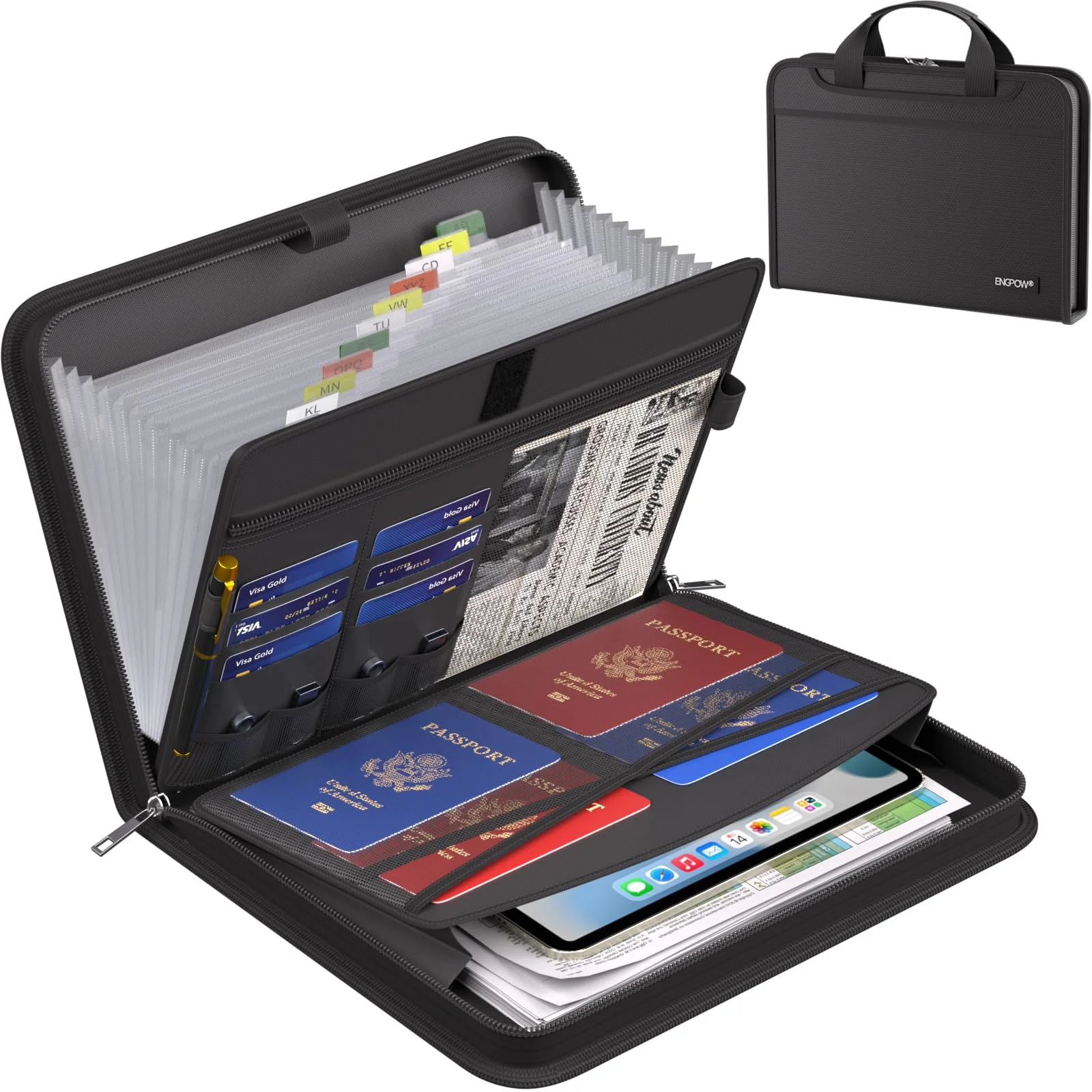
A document organizer folder keeps identification, insurance details, birth preferences, and discharge paperwork together and easy for a partner to find.
Start with Admission and One Organized Bag
The first job of a Hospital bag for labor and delivery is not comfort; it is getting admitted without digging through clothes. Put your photo ID, insurance card, hospital forms, medication list, allergy information, pediatrician details, and birth preferences in one folder. Place it on top or in an outside pocket.
A document organizer folder keeps identification, insurance details, birth preferences, and discharge paperwork together and easy for a partner to find.
A medium weekender bag gives the whole plan a boundary. If the essentials do not fit, edit before choosing a bigger suitcase. The guide on When to pack hospital bag can help you decide what to prepare early and what belongs on the last-minute list.
A roomy weekender duffel bag that keeps clothing, toiletries, and small labor essentials together without requiring a full-size suitcase.
Labor Comfort: Clothing, Toiletries, and Safe Footwear
Hospital gowns work for many people, but some parents prefer a personal labor gown or soft clothing that allows access for monitoring, IVs, epidural placement, nursing, or skin-to-skin care. Check your hospital’s rules first. If you pack your own clothing, choose washable, dark, loose, and not precious. A Hospital bag for labor and delivery should make care easier, not harder.
A labor and delivery gown offers personal coverage and easier nursing or skin-to-skin access when hospital-issued gowns feel too exposed.
A soft nursing pajama set gives new moms comfortable sleepwear with practical feeding access during recovery and the first night home.
Basic toiletries do more than make you feel clean. Toothbrush, toothpaste, deodorant, lip balm, hair ties, glasses supplies, and simple shower products help you feel like a person again after a long day or night. A compact travel kit keeps the bathroom items together.
This travel toiletry kit holds shampoo, conditioner, lotion, and other familiar bathroom basics without packing full-size bottles.
Footwear matters because labor and recovery include bathroom trips, hallway walks, and slippery floors. Non-slip slippers or grippy socks are easier than bare feet. If your hospital provides socks you like, use them; if not, pack your own.
Closed-back non-slip slippers provide warmth and steadier footing for short walks around the recovery room and hospital hallway.
Grippy socks are an easy, washable option for keeping feet warm while adding traction on smooth hospital floors.
First Recovery Hours: Bring Preferences, Not a Whole Bathroom
Postpartum recovery products can take over the bag fast. Many U.S. hospitals provide pads, mesh underwear, a peri bottle, and basic cold therapy. Call or check your patient portal first, then bring only the personal alternatives you strongly prefer. This is where a Hospital bag for labor and delivery benefits from restraint.
Disposable underwear can simplify changes, heavy-flow pads can feel familiar, an upside-down peri bottle may be easier to aim, and cold packs may support comfort. Treat these as comfort tools, not medical treatment. Ask your nurse or clinician about concerning bleeding, pain, swelling, fever, or anything that feels wrong.
Disposable postpartum underwear provides fuller coverage for heavy early bleeding and can feel more secure than layering pads in regular underwear.
Heavy-flow postpartum pads add an absorbent backup for discharge day and the first days home when hospital supplies run out.
An upside-down peri bottle makes gentle rinsing easier after vaginal delivery, particularly when reaching and bending feel uncomfortable.
Perineal cold packs combine cooling comfort with absorbency for early postpartum recovery; follow hospital guidance for timing and use.
If you are comparing the full category list, use What to pack in hospital bag. This Hospital bag for labor and delivery page is narrower: it keeps the focus on the actual stay and the first recovery hours.
Phone Power, Water, and Snacks Are Practical Labor Support
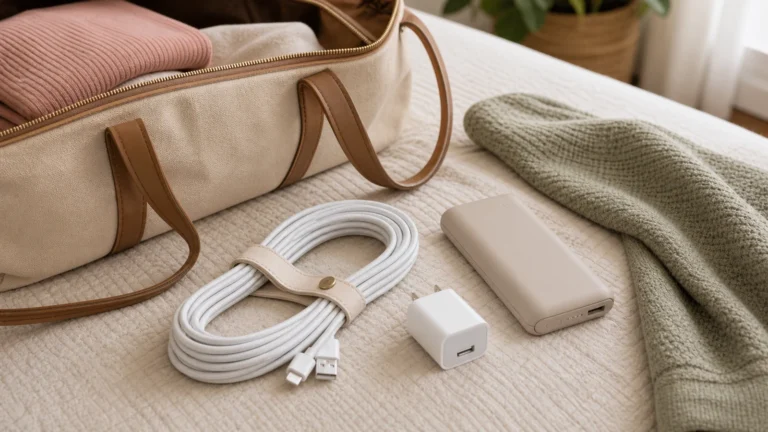
A long phone charger is one of the least glamorous items in a Hospital bag for labor and delivery, and also one of the most useful. Your phone handles calls, photos, patient portal messages, timing, playlists, and food logistics. Keep cords out of walking paths and pack the correct wall plug.
A 10-foot phone charger cable reaches outlets behind hospital beds and keeps phones available for calls, photos, and family updates.
A straw water bottle is easier to use while reclining, holding a baby, or recovering. Bring it empty if your hospital requires that, then refill it after admission. Follow your care team’s instructions about drinking during labor, induction, surgery preparation, or recovery.
An insulated water bottle with a straw is easier to use one-handed while resting, feeding, or recovering in bed.
Snacks are often more for the support person than for the person in labor, especially if the cafeteria closes or your care plan limits food. Choose simple, low-mess snacks and ask about hospital rules. A partner who has eaten and hydrated is more useful than one who is disappearing to find food.
Protein or granola snack bars give partners a shelf-stable option during long waits; follow hospital rules about eating during labor.
What About Baby and Your Partner?
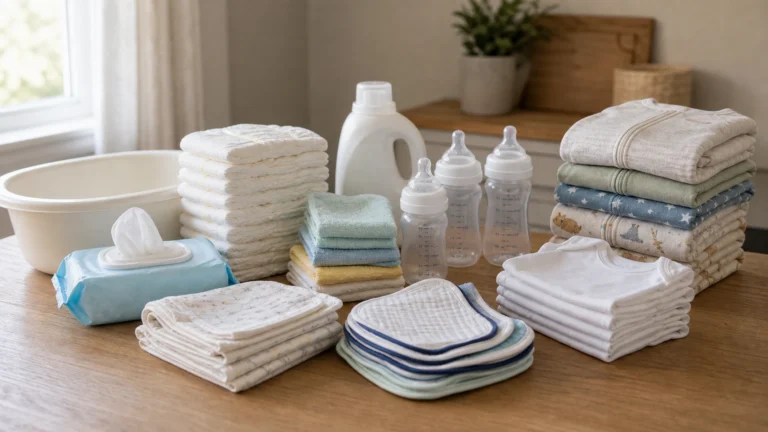
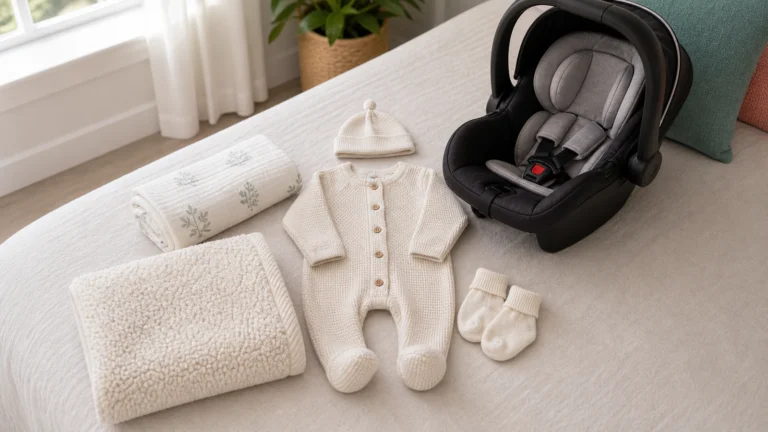
Baby’s discharge items matter, but they are a slightly different list. The infant car seat should be installed in the vehicle, not packed in the bag. Baby usually needs a simple going-home outfit and one backup, but hospitals often provide diapers, wipes, swaddles, and basic supplies during the stay. Confirm locally. If you need to expand beyond the Hospital bag for labor and delivery, use the main Hospital Bag Checklist to keep baby items separate from labor items.
If you want a baby-specific list, see Hospital bag checklist for baby. If your support person needs their own checklist, Hospital bag for dad works for dads, partners, or another overnight helper.
For the parent giving birth, the bag should remain findable. Show your support person where paperwork, toiletries, recovery supplies, and phone power live before labor intensifies. The best Hospital bag for labor and delivery is one someone else can use without asking you a dozen questions.
Final Pass Before You Close the Bag
Before closing the bag, remove duplicates. Do you really need two pajama sets, five baby outfits, full-size shampoo, a laptop, and every postpartum product you own? Maybe not. The What not to pack in hospital bag guide is a useful final edit.
Keep a last-minute note on top with phone, wallet, keys, glasses, medication, charger brick, daily toiletries, and any approved refrigerated snacks. That note matters because some essentials are still in use until you leave.
When your list feels close, compare it once with the main Hospital Bag Checklist, then stop. The goal is not a perfect bag. The goal is a usable Hospital bag for labor and delivery that supports the next real task.
FAQ
What is most important in a hospital bag for labor and delivery?
Start with paperwork, phone power, basic toiletries, comfortable clothing, safe footwear, water, and a few preferred recovery supplies after confirming what your hospital provides.
Should I bring my own labor gown?
You can if your hospital allows it and you choose something washable with access for monitoring and medical care. Hospital gowns are also perfectly acceptable.
Can I eat snacks during labor?
Ask your care team. Rules vary by hospital, birth plan, medication, and possible surgery preparation. Snacks are often most useful for the support person.
My final advice is calm and boring: pack the Hospital bag for labor and delivery so the important items are visible, washable, and easy for someone else to find. That is what you will appreciate when the room gets busy.
For one last broad review, return to the Hospital Bag Checklist and make sure your labor bag, baby discharge plan, and partner basics all fit your actual hospital stay.
Shop Labor Bag Picks