Hospital Bag Checklist by Trimester: What to Buy Now vs Later
Disclosure: BabyEthos is reader-supported. As an Amazon Associate, we earn from qualifying purchases. This does not change what you pay.
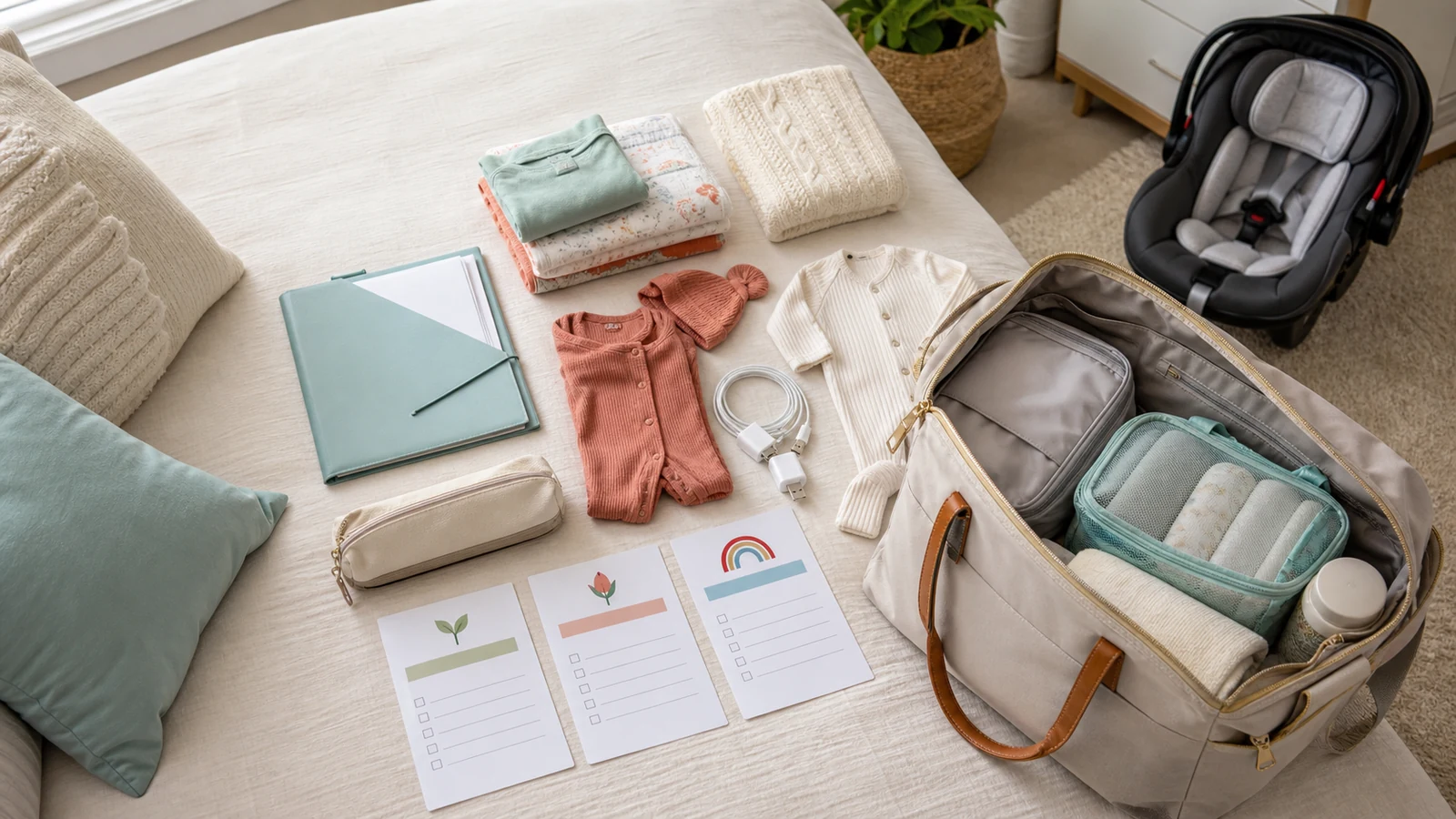
A practical Hospital bag checklist by trimester helps you buy and pack in stages instead of turning the last month into one giant errand. Early on, choose the bag, paperwork system, and organization. Later, wash clothes, confirm hospital supplies, install the car seat, and leave daily items on a last-minute list.
By my third baby, I finally stopped treating the hospital bag like a one-night panic project. Some jobs are perfect for the second trimester because they do not expire. Some should wait until the third trimester because sizes, weather, hospital rules, and birth plans can change. This Hospital bag checklist by trimester gives each task a better home.
Safety note: Follow your clinician’s instructions if you have preterm labor risk, twins, a scheduled induction, a planned C-section, or any pregnancy complication. Install and use the infant car seat according to the car-seat manual and your vehicle manual. The National Highway Traffic Safety Administration offers general car-seat guidance, but your exact seat instructions come first.
The Short Version: What to Buy Now vs Later
The best Hospital bag checklist by trimester is not about buying everything early. It is about doing the calm, non-perishable jobs early and saving size-sensitive, weather-sensitive, daily-use, or hospital-dependent items for later.
| Stage | Good to do now | Better to wait |
|---|---|---|
| Second trimester | Choose the bag, create a document folder, start a basic checklist, compare car-seat options. | Final baby outfit sizes and daily toiletries. |
| Early third trimester | Buy organization items, wash one mom outfit, gather paperwork, ask what the hospital provides. | Snacks, medication, wallet, phone, and charger brick. |
| Final weeks | Install the car seat, pack baby outfit, add recovery preferences, close the bag. | Anything you still use every day. |
Use the full Hospital Bag Checklist as your master category list. This trimester guide simply tells you when each decision usually makes sense.
QUICK SHOP
Trimester-by-Trimester Packing Picks
These picks match the staged approach: bag and organization early, paperwork before the final weeks, car seat and baby outfits before discharge, and phone power near the end.
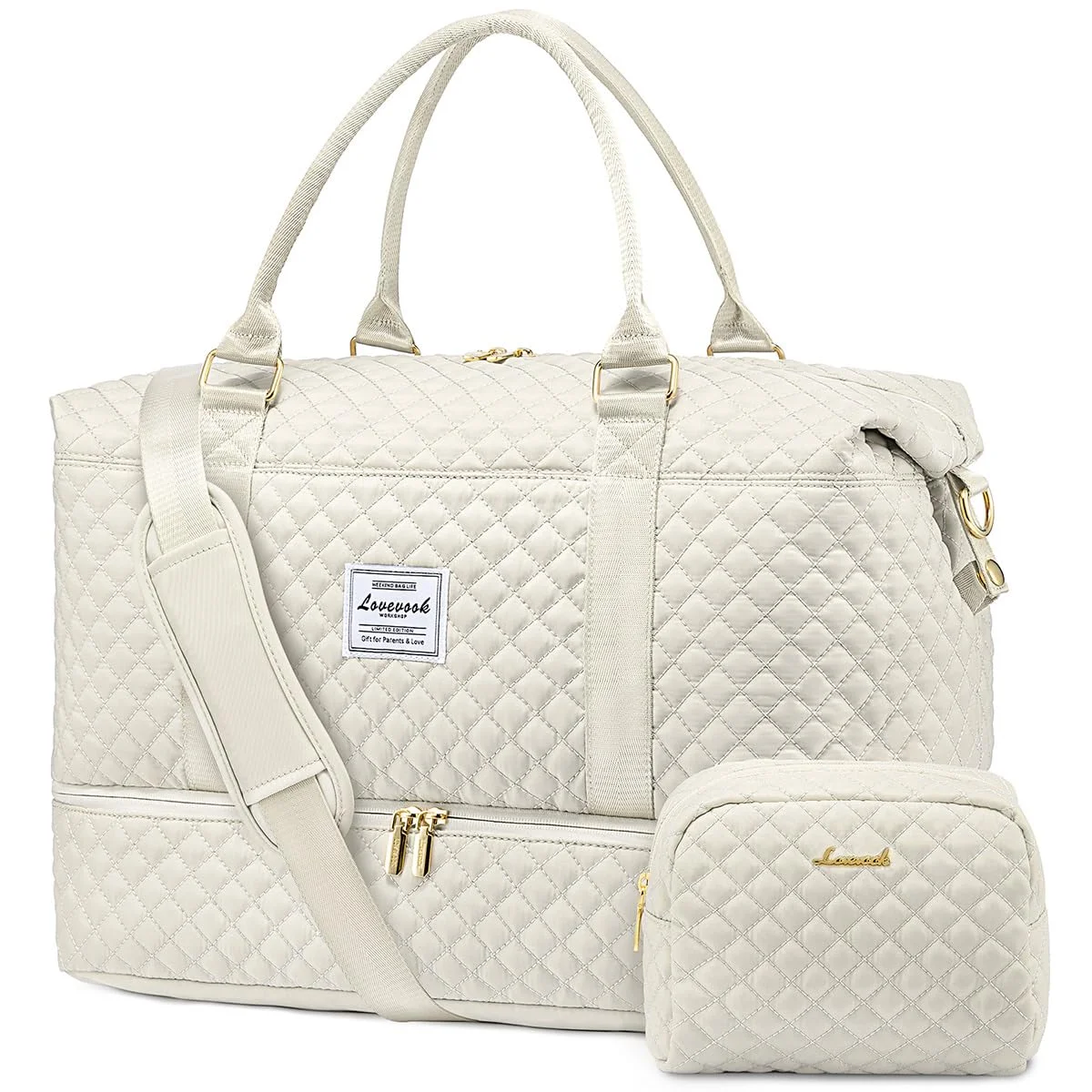
A roomy weekender duffel bag that keeps clothing, toiletries, and small labor essentials together without requiring a full-size suitcase.
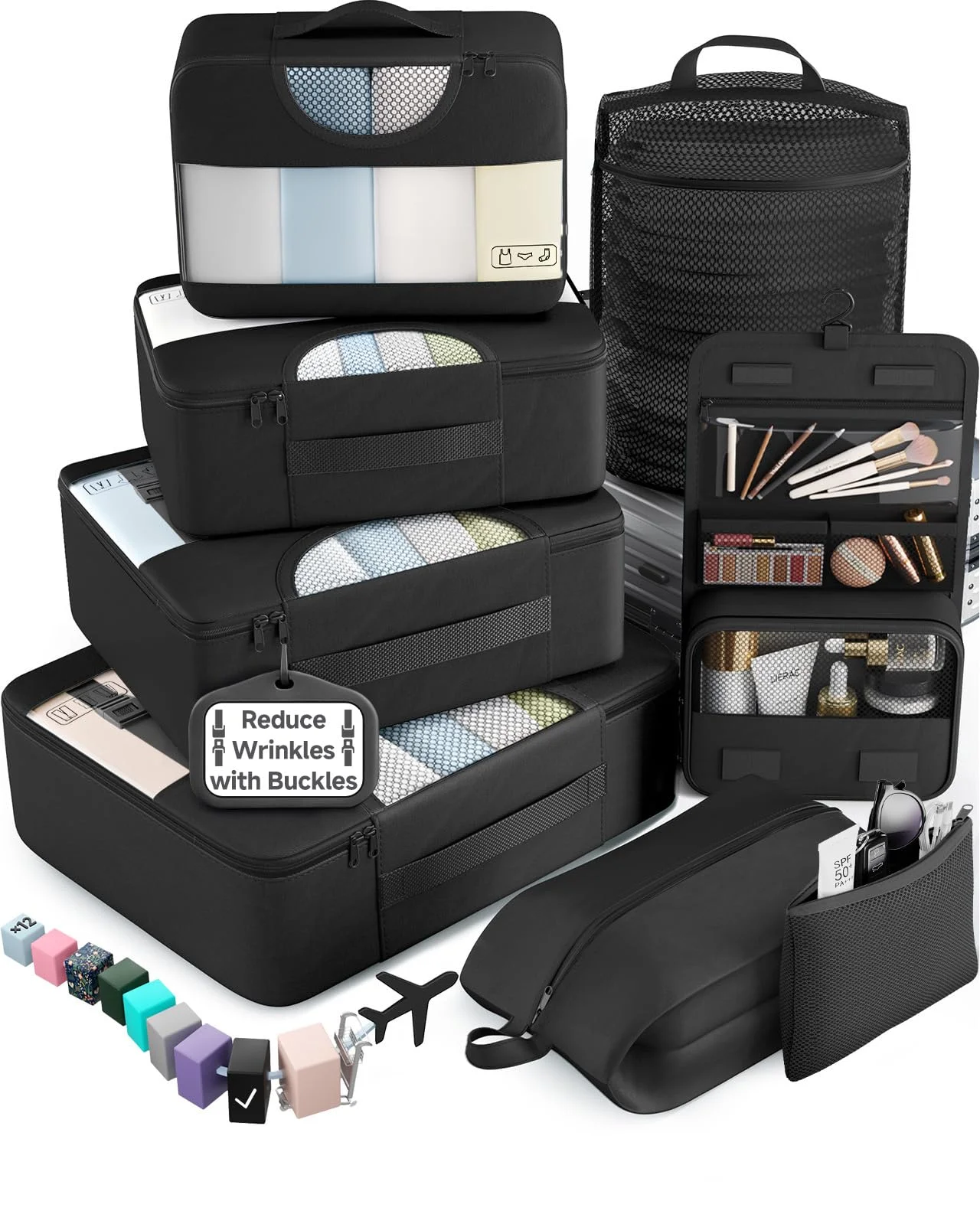
Packing cubes separate mom, baby, and partner essentials so the right pouch is easy to find in a crowded hospital room.
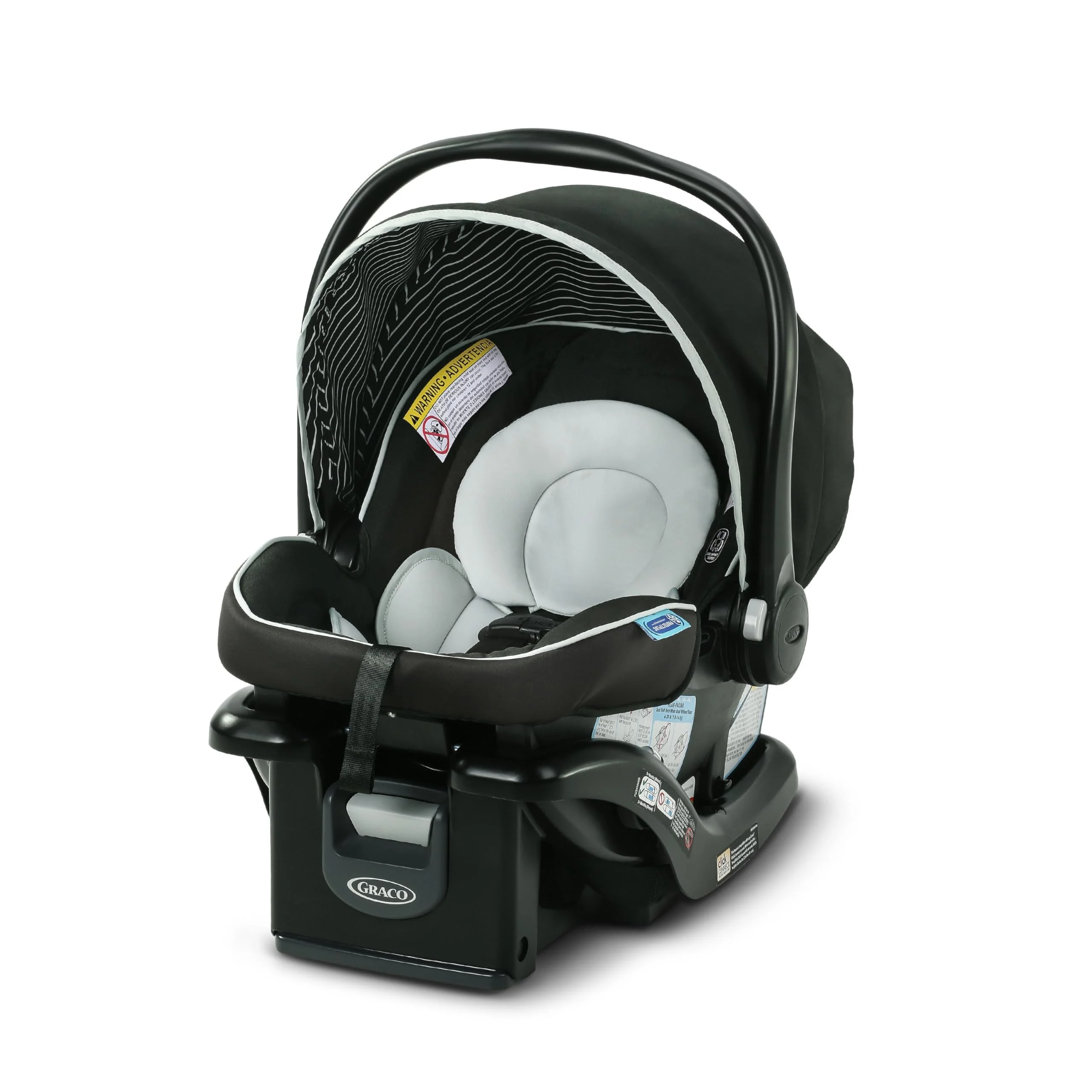
An installed rear-facing infant car seat is required for the trip home; confirm the fit and installation before labor begins.
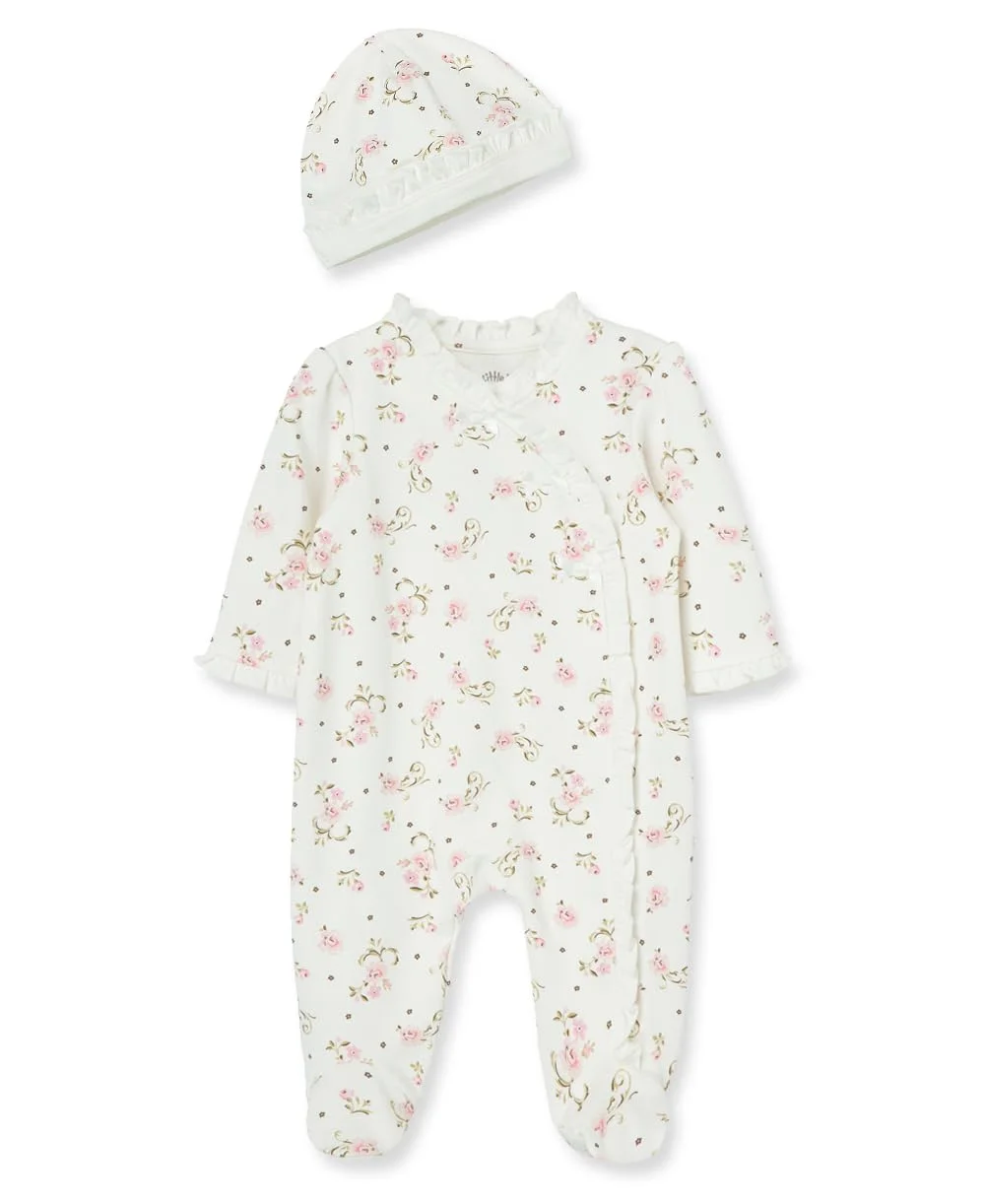
A soft newborn going-home outfit with a footed one-piece and hat keeps discharge dressing simple while fitting beneath the car-seat harness.
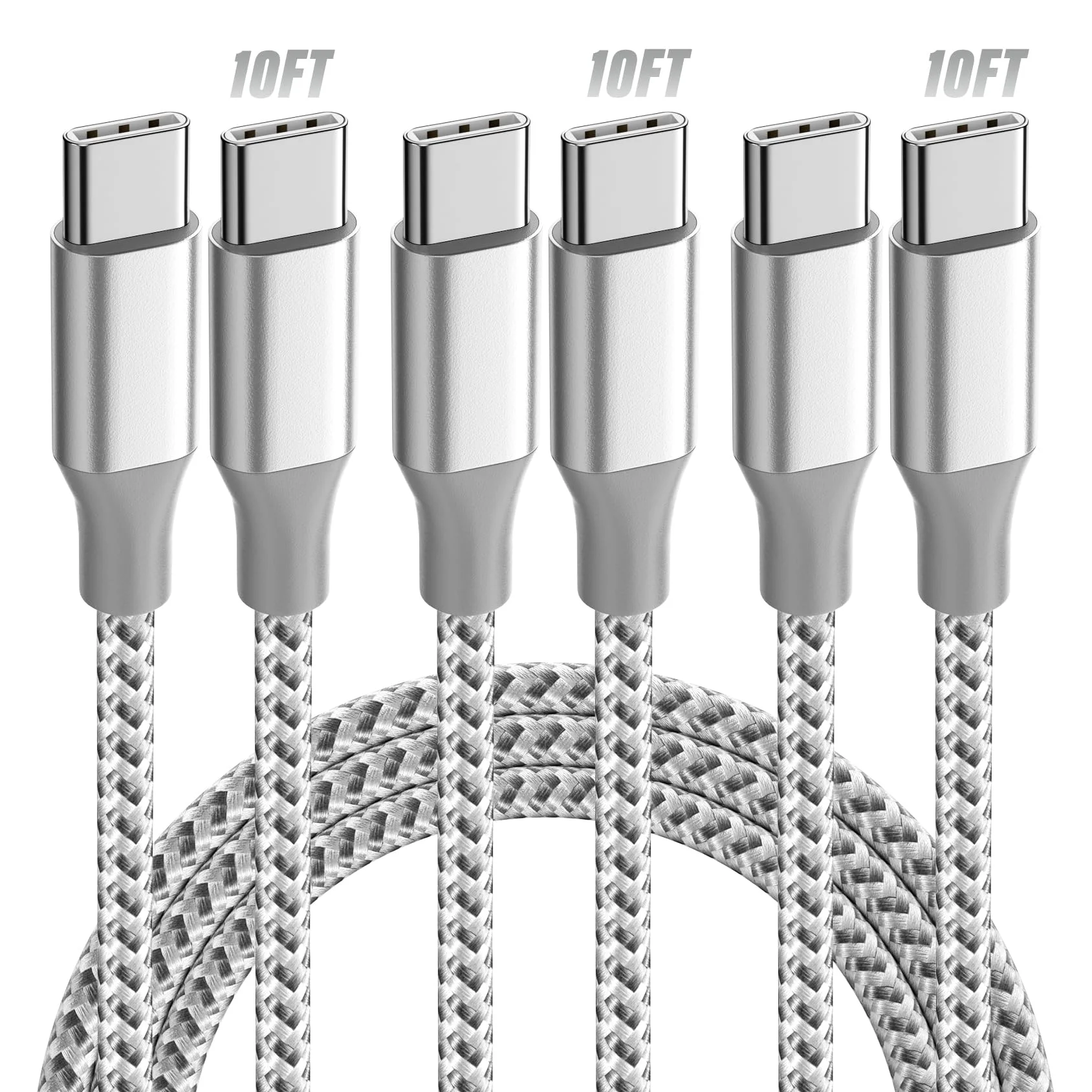
A 10-foot phone charger cable reaches outlets behind hospital beds and keeps phones available for calls, photos, and family updates.
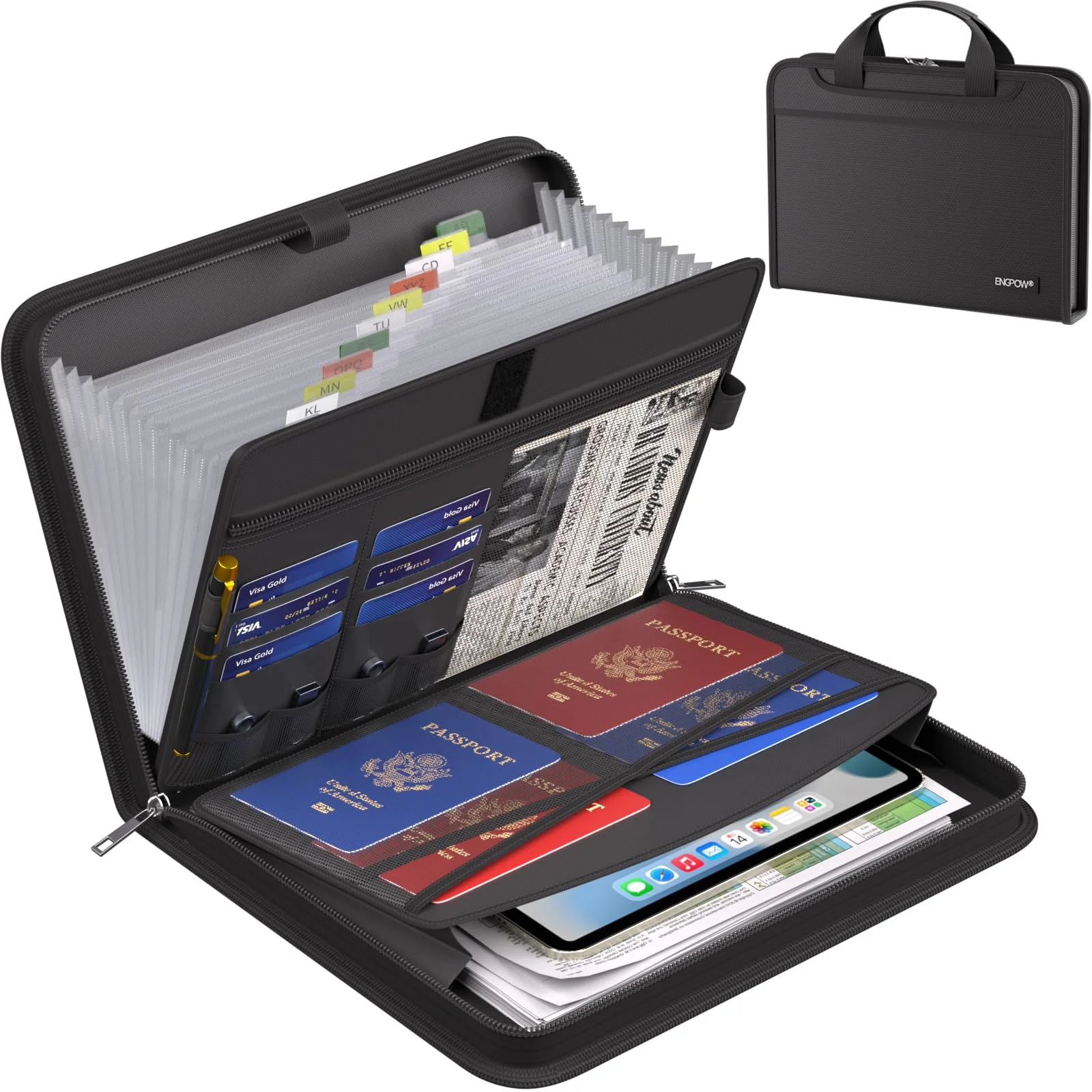
A document organizer folder keeps identification, insurance details, birth preferences, and discharge paperwork together and easy for a partner to find.
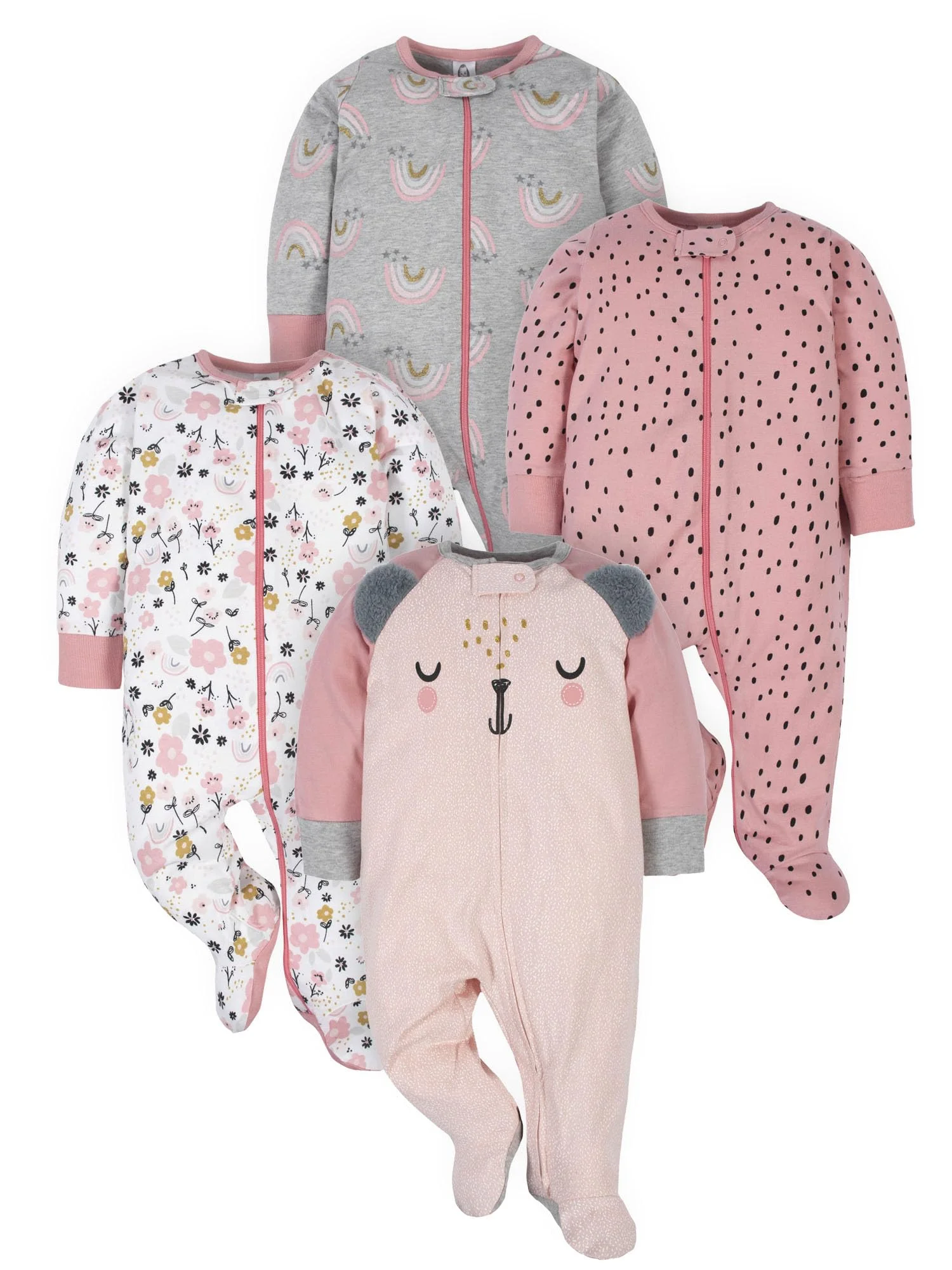
These winter newborn going-home outfits provide easy one-piece layers; add warmth over the secured car-seat harness rather than underneath it.
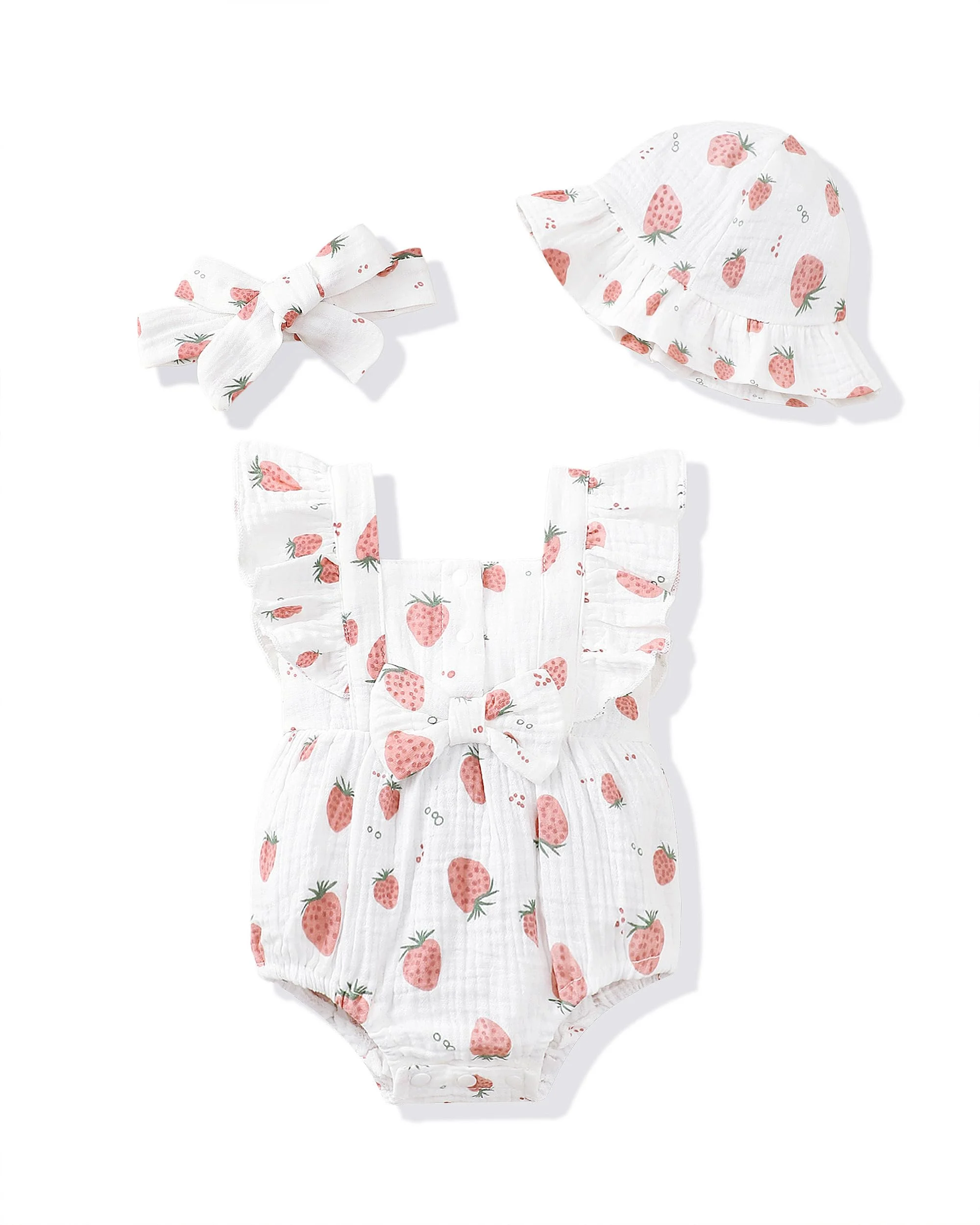
A lightweight summer newborn going-home outfit helps keep baby comfortably dressed without bulky fabric beneath the car-seat straps.
Second Trimester: Choose the System, Not the Whole Bag
In the second trimester, the goal is setup. You do not need to pack your toothbrush or baby’s final outfit yet. You can choose a bag, make a document folder, start a printable list, and decide where hospital items will live in your home. A Hospital bag checklist by trimester starts with structure because structure does not depend on your final due-date weather.
A medium weekender bag is a useful boundary. If your planned items already overflow it, the answer is usually editing rather than a larger suitcase. Packing cubes are also a second-trimester win because they give future items a predictable home: paperwork, mom, baby, partner, and last minute.
A roomy weekender duffel bag that keeps clothing, toiletries, and small labor essentials together without requiring a full-size suitcase.
Packing cubes separate mom, baby, and partner essentials so the right pouch is easy to find in a crowded hospital room.
This is also a good time to create the paperwork folder. Add insurance information, a medication list, hospital forms, pediatrician details, and birth preferences as they become available. You can update the folder later, but having one physical place for documents prevents the last-minute paper chase.
A document organizer folder keeps identification, insurance details, birth preferences, and discharge paperwork together and easy for a partner to find.
Early Third Trimester: Buy and Wash the Non-Daily Items
Early third trimester is when a Hospital bag checklist by trimester becomes more concrete. Wash the outfit you think you will wear home, choose one comfortable recovery option, gather basic toiletries, and ask your hospital what they provide for postpartum care and baby care. You still do not need to pack items you use every day. A Hospital bag checklist by trimester keeps those daily items out of the bag until they truly belong there.
If you want a printable version to mark off by person, use the Hospital bag checklist printable guide. I like printing one copy for the bag and one copy for the person who may finish packing while I am timing contractions or calling the hospital.
Phone power belongs in the plan now, even if the cable does not move into the bag until later. Hospital outlets are often inconveniently placed, and your phone may handle calls, photos, patient-portal messages, and food orders. Put the wall plug on the last-minute list if you still use it at home.
A 10-foot phone charger cable reaches outlets behind hospital beds and keeps phones available for calls, photos, and family updates.
Final Weeks: Close the Bag and Finish the Safety Jobs
The final weeks are for completion, not discovery. Install the infant car seat, choose baby’s going-home outfit, confirm the hospital entrance and parking plan, and place the bag somewhere your support person can find it. If your care team recommends earlier readiness, follow that advice.
The car seat should be installed and used according to its manual and your vehicle manual. Do not place bulky coats, thick blankets, aftermarket inserts, or extra padding under the harness. If it is cold, buckle the baby first and place a blanket over the harness. A Hospital bag checklist by trimester should make this safety step visible before labor begins, because the car seat is not a last-second detail.
An installed rear-facing infant car seat is required for the trip home; confirm the fit and installation before labor begins.
For baby’s outfit, timing matters because weather and size can shift. A simple newborn going-home outfit works for many families, while winter or summer versions may make sense depending on climate. Keep the outfit thin enough for a safe harness fit, and use outer blankets only over the buckled straps. This is where a Hospital bag checklist by trimester protects you from buying the wrong seasonal item too early.
A soft newborn going-home outfit with a footed one-piece and hat keeps discharge dressing simple while fitting beneath the car-seat harness.
These winter newborn going-home outfits provide easy one-piece layers; add warmth over the secured car-seat harness rather than underneath it.
A lightweight summer newborn going-home outfit helps keep baby comfortably dressed without bulky fabric beneath the car-seat straps.
What Should Wait Until You Are Leaving?
Daily-use items should not disappear into the hospital bag too early. Keep phone, wallet, keys, glasses, medication, charger brick, daily toiletries, and any approved refrigerated snacks on a last-minute note. Tape that note to the bag or place it in the top pocket.
If you are unsure whether an item belongs now or later, ask whether it will expire, change size, get used daily, or depend on hospital rules. That question is the heart of a Hospital bag checklist by trimester. Buy or gather the stable items early; delay anything that could become wrong before delivery. For me, the Hospital bag checklist by trimester is less about shopping and more about timing.
The guide on When to pack hospital bag is useful if you want the timing answer by week. This page is more about sequencing purchases and chores across pregnancy.
Before you close the zipper, compare your staged list with What not to pack in hospital bag. I always remove more than I add during that final pass, because a lighter bag is easier to use in a small hospital room.
When to Move the Timeline Earlier
Some families should finish the bag earlier than a general checklist suggests. Move faster if your clinician recommends it, you live far from the hospital, you are expecting multiples, you have a scheduled induction or C-section, or you have had signs that delivery may come early. Earlier packing is not panic; it is simply one less job later.
If you are packing for a specific delivery plan, the Hospital bag for labor and delivery guide can help you adjust the basics. Use the main Hospital Bag Checklist after that so special circumstances do not crowd out ordinary essentials. A Hospital bag checklist by trimester should flex around your care plan, not override it.
FAQ
Which trimester should I start packing my hospital bag?
Start the planning pieces in the second trimester if you like, then pack most non-daily items in the early third trimester. Finish the bag in the final weeks unless your clinician recommends earlier readiness.
Should I buy the car seat early?
Buy or choose it early enough to install and learn before labor. Do not treat the car seat as something packed in the bag; it is a required going-home safety item that belongs installed in the vehicle.
What should I wait to pack until the last minute?
Phone, wallet, keys, glasses, medication, daily toiletries, charger brick, and any approved refrigerated snacks should usually stay on a last-minute note instead of sitting in the bag for weeks.
My honest parent-of-three advice is simple: let the Hospital bag checklist by trimester remove decisions from the final weeks. Do the stable jobs early, finish the safety jobs before labor, and leave only true daily essentials for the door.
For the full final pass, return to the Hospital Bag Checklist, then close the bag and let “prepared enough” be enough. If the staged plan starts to sprawl, open the Hospital Bag Checklist again and reduce it back to what your hospital stay actually needs.
Shop Trimester Picks