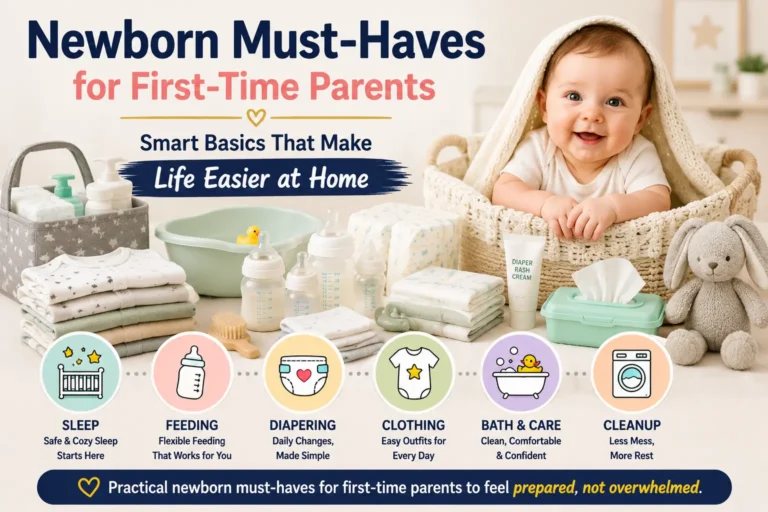
Newborn Nursery Essentials 2026: What You Need for Sleep, Diapers, and Storage
Newborn nursery essentials are not the same thing as nursery decor. A beautiful room is nice, but the first weeks depend much more on a safe sleep space, a practical diaper-change area, and storage that keeps tiny daily supplies easy to reach.
If you are building your first baby room, start with the core Newborn Essentials list, then narrow it down for the nursery. The nursery should support three repeated routines: sleep, diaper changes, and simple storage. Everything else can be added after you know how your baby and your home actually work.
This guide keeps the nursery focused. It explains which newborn nursery essentials deserve space before baby arrives, which items belong in a separate full-home setup, and which extras can wait without making the room less functional.
What Newborn Nursery Essentials Do You Actually Need?
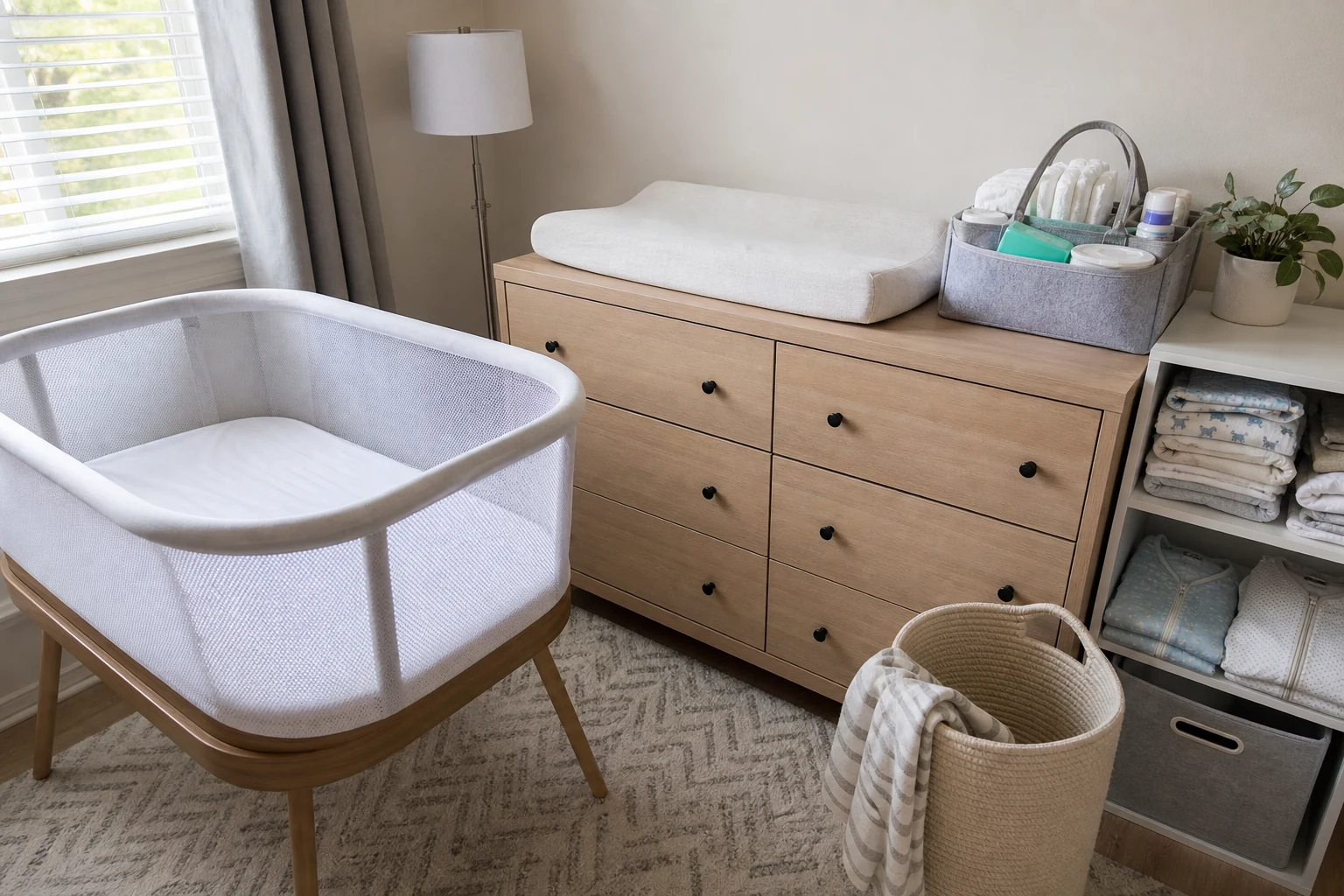
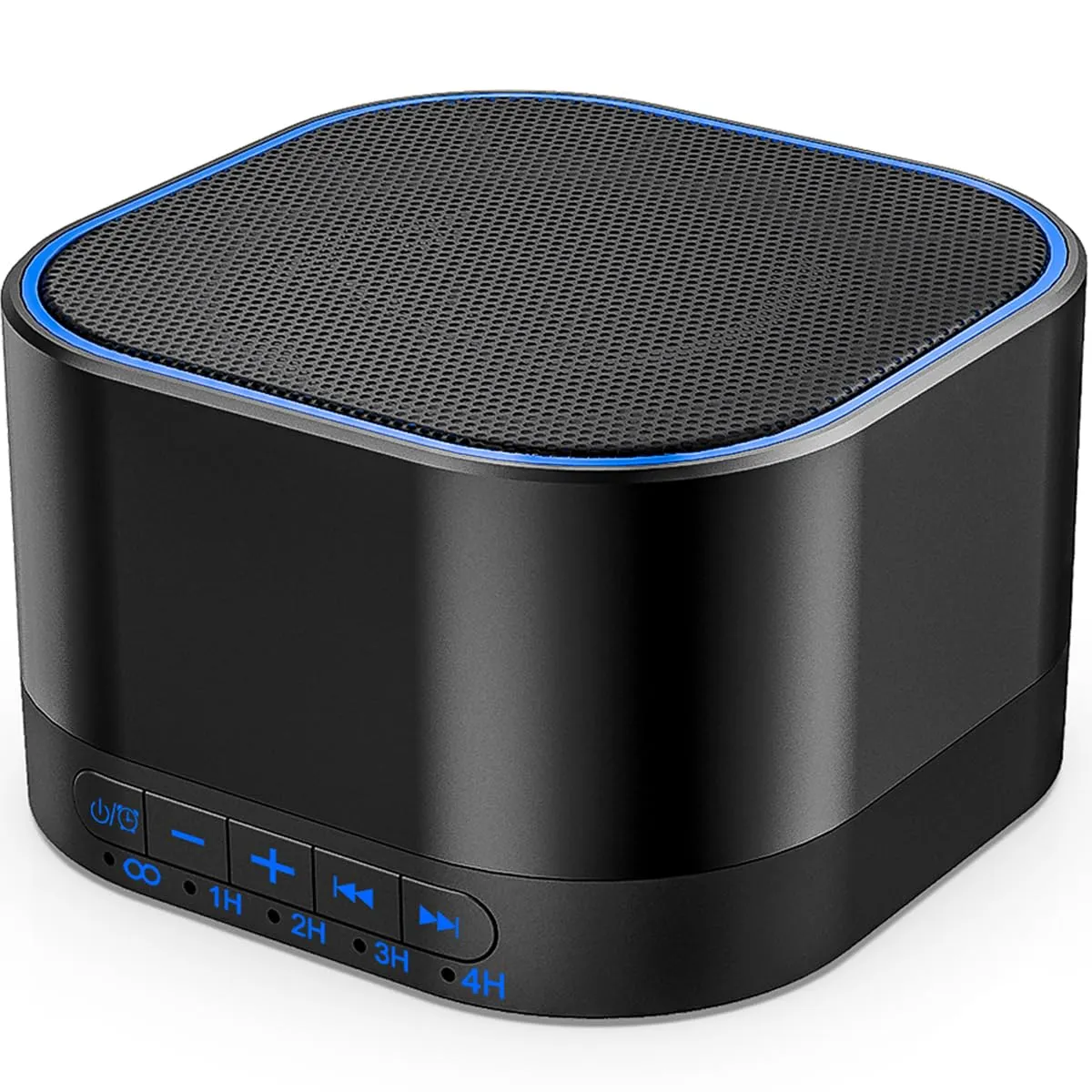
The most useful newborn nursery essentials are a safe sleep surface, fitted sheets, wearable sleep layers, a moderate white noise setup if helpful, diapers, wipes, diaper cream, a changing pad, a diaper caddy or drawer organizer, a small clothing area, and anchored storage furniture.
Build the nursery around zones instead of products: sleep zone, diaper zone, and storage zone. That keeps the room calmer and prevents decorative items from crowding out the supplies you use every day.
Newborn Nursery Essentials Start With Three Zones
A nursery can get expensive fast if you shop by inspiration photo. A better method is to shop by job. Each item should help with sleep, diapering, or storage. If it does not support one of those jobs, it may be lovely, but it is not urgent.
| Nursery Zone | Buy Before Baby Arrives | Wait or Skip at First |
|---|---|---|
| Sleep | Safe sleep space, fitted sheet, swaddle or sleep sack if appropriate, white noise if useful | Pillows, crib bumpers, loose blankets, decorative bedding |
| Diapering | Changing pad, diapers, wipes, cream, caddy or top drawer setup | Oversized changing furniture if a dresser or portable setup works |
| Storage | Small clothing drawer, diaper backup shelf, laundry basket, anchored dresser or shelving | Too many bins, seasonal clothes in far-ahead sizes, complicated labels |
If you are still choosing between a nursery-only list and a whole-home baby setup, use our room-by-room guide on how to prepare home for newborn separately. This page is narrower: it is only about the baby room. For the full first-weeks list beyond the nursery, go back to Newborn Essentials.
Nursery safety note
For sleep, keep the space firm, flat, and bare. The U.S. Consumer Product Safety Commission, CDC, and HealthyChildren.org from the American Academy of Pediatrics all emphasize back sleeping, a safety-approved sleep surface, and keeping soft bedding, pillows, bumpers, toys, and positioners out of the sleep area.
Sleep Zone: Keep the Nursery Sleep Space Simple
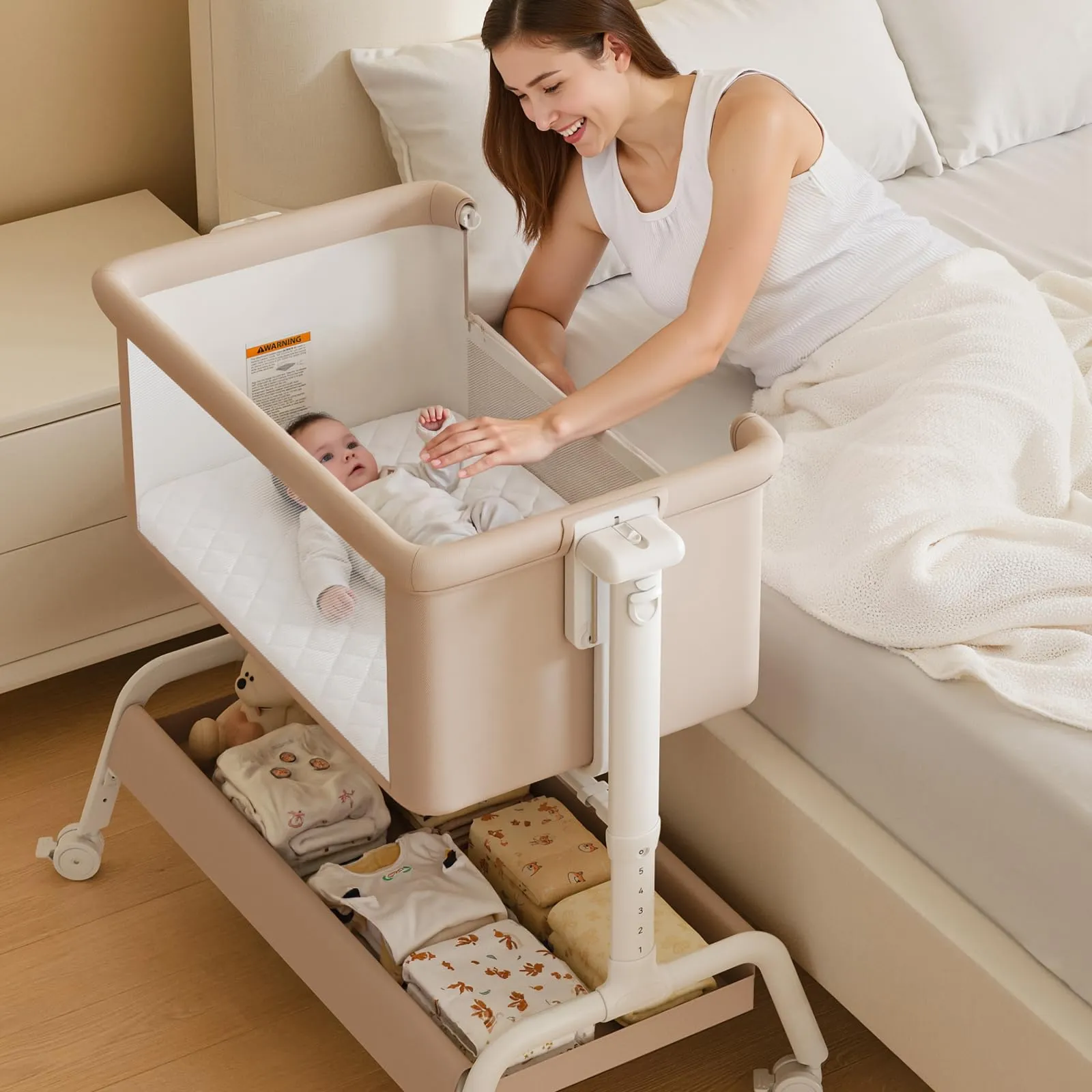
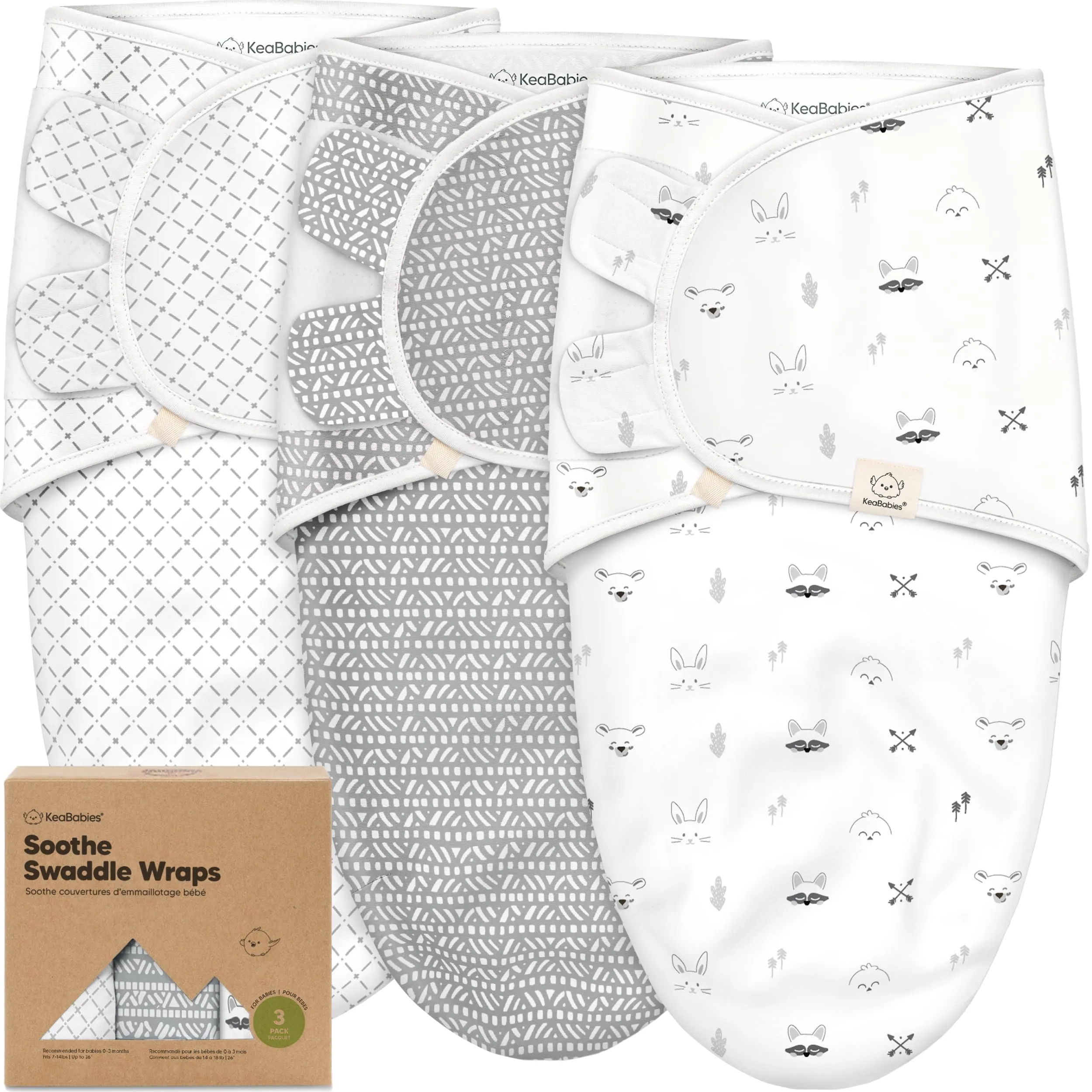
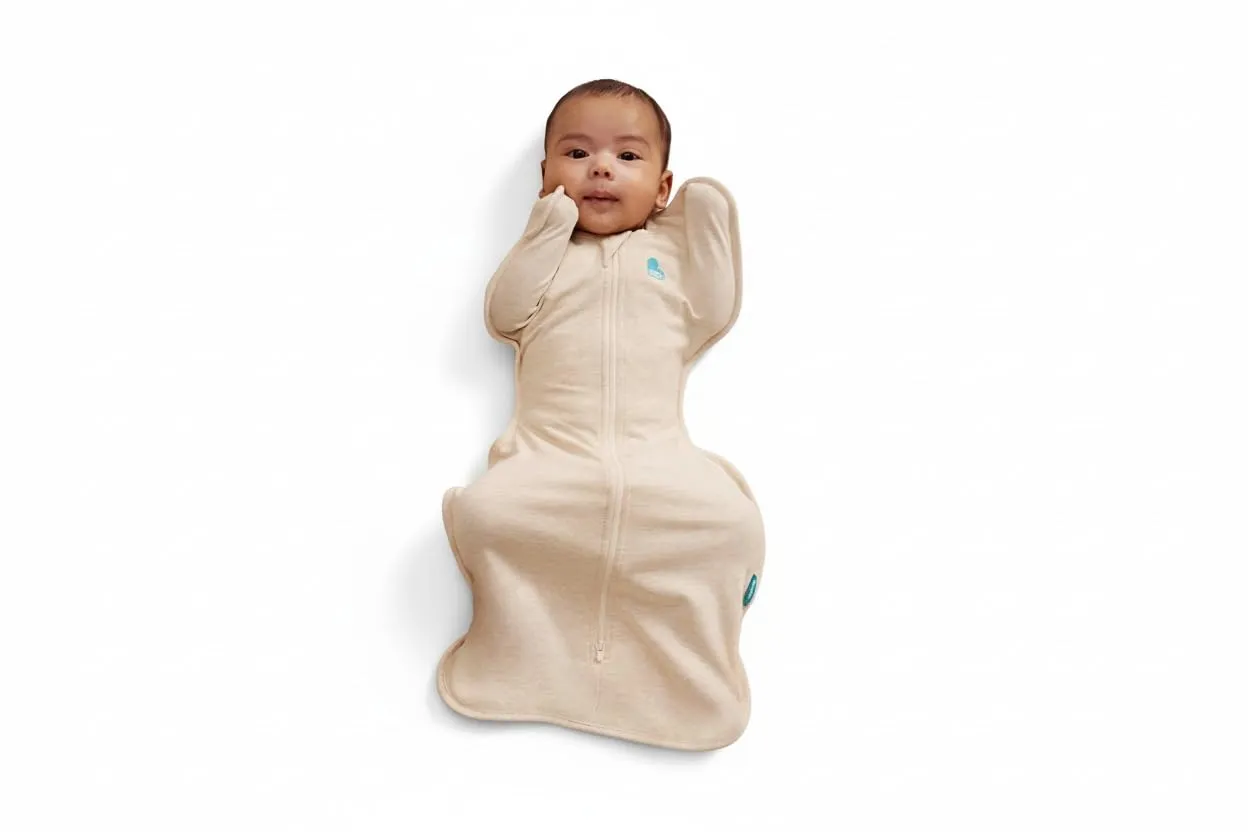
The sleep zone is the most important part of newborn nursery essentials because it has the least room for decoration. The sleep space should be clear, flat, firm, and used only as directed by the product instructions.
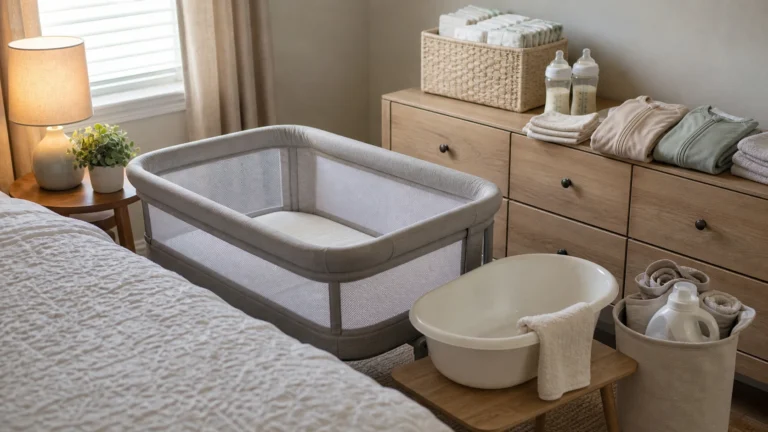
Depending on your home, this may be a crib, bassinet, play yard, or bedside sleeper that meets current safety standards. Use a fitted sheet that fits correctly. Skip loose blankets, pillows, bumper pads, stuffed animals, loungers, and positioners in the sleep space.
Wearable sleep layers can help replace loose blankets when they fit your baby’s size and stage. For a deeper sleep-specific shopping guide, use our Newborn sleep essentials page. If you are already buying swaddles and sleep sacks, the next useful step is learning how to store sleep sacks so clean and dirty sleep layers do not get mixed.
Nursery Sleep Basics
Shop Simple Newborn Nursery Sleep Essentials
Diaper Zone: Build a Change Area You Can Use One-Handed
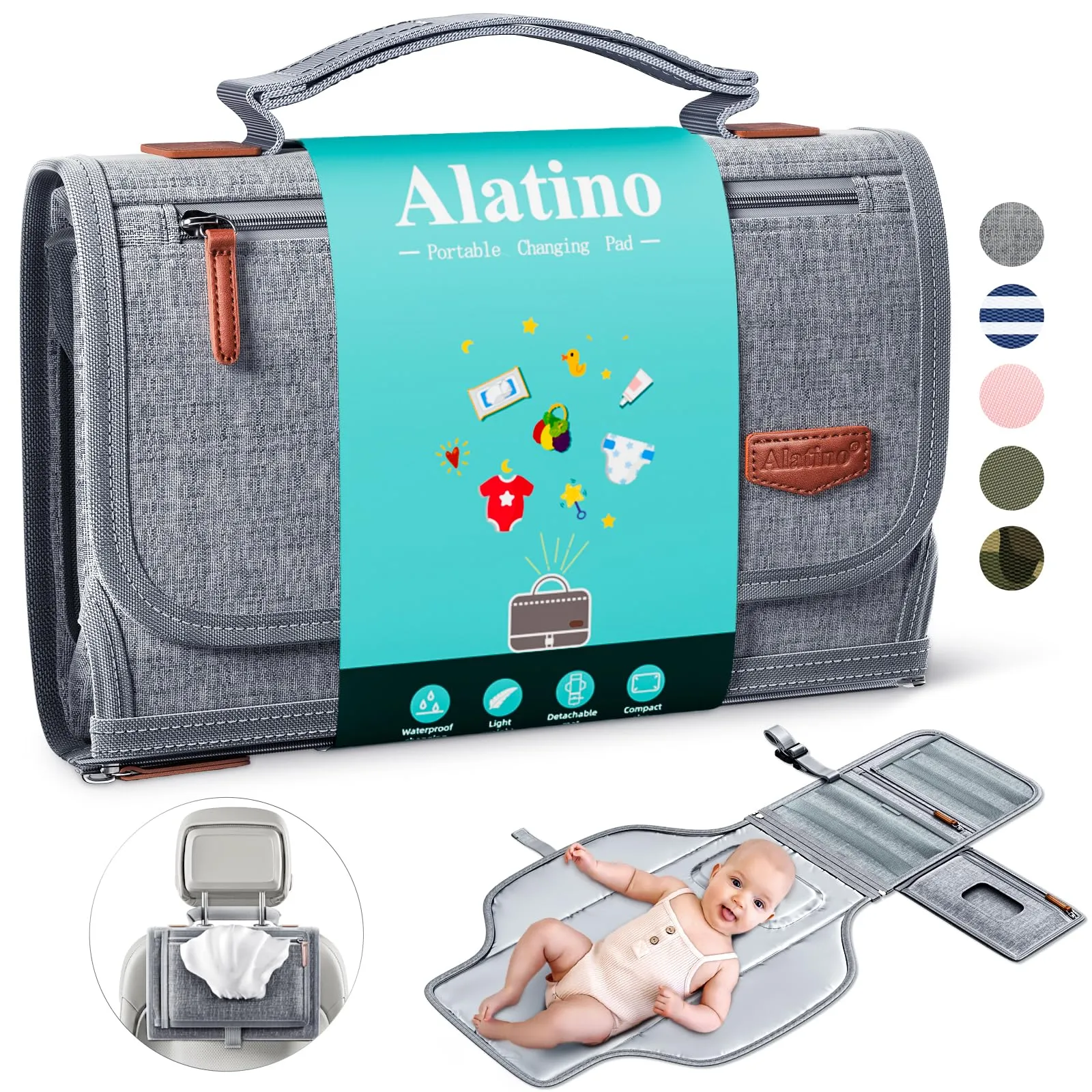
The diaper zone is where a nursery becomes practical. You need diapers, wipes, diaper cream, a safe changing surface, and a way to keep everything close without leaving your baby’s side.
A changing table can be helpful, but it is not the only option. Some families use a dresser top with a secured changing pad. Others use a portable changing pad and caddy because it works better in a smaller room. Whatever setup you choose, keep one hand on your baby during changes and keep supplies within your reach but out of your baby’s reach.
For a deeper diaper list, use our Newborn diapering essentials guide. If you want the station layout itself, our Newborn essentials for diaper changes page goes further into what belongs beside the changing pad.
Nursery Diaper Basics
Shop Newborn Nursery Diaper and Storage Basics
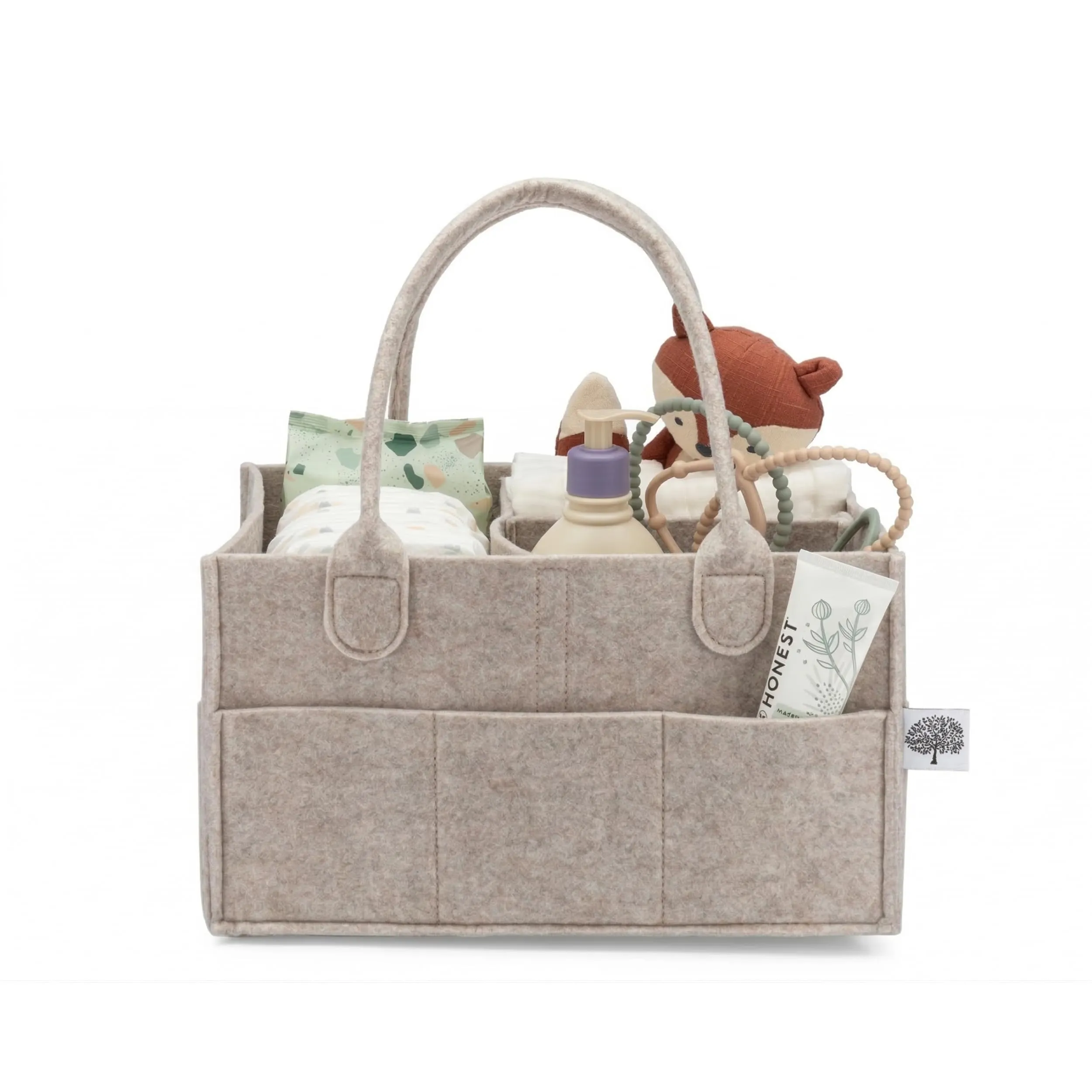

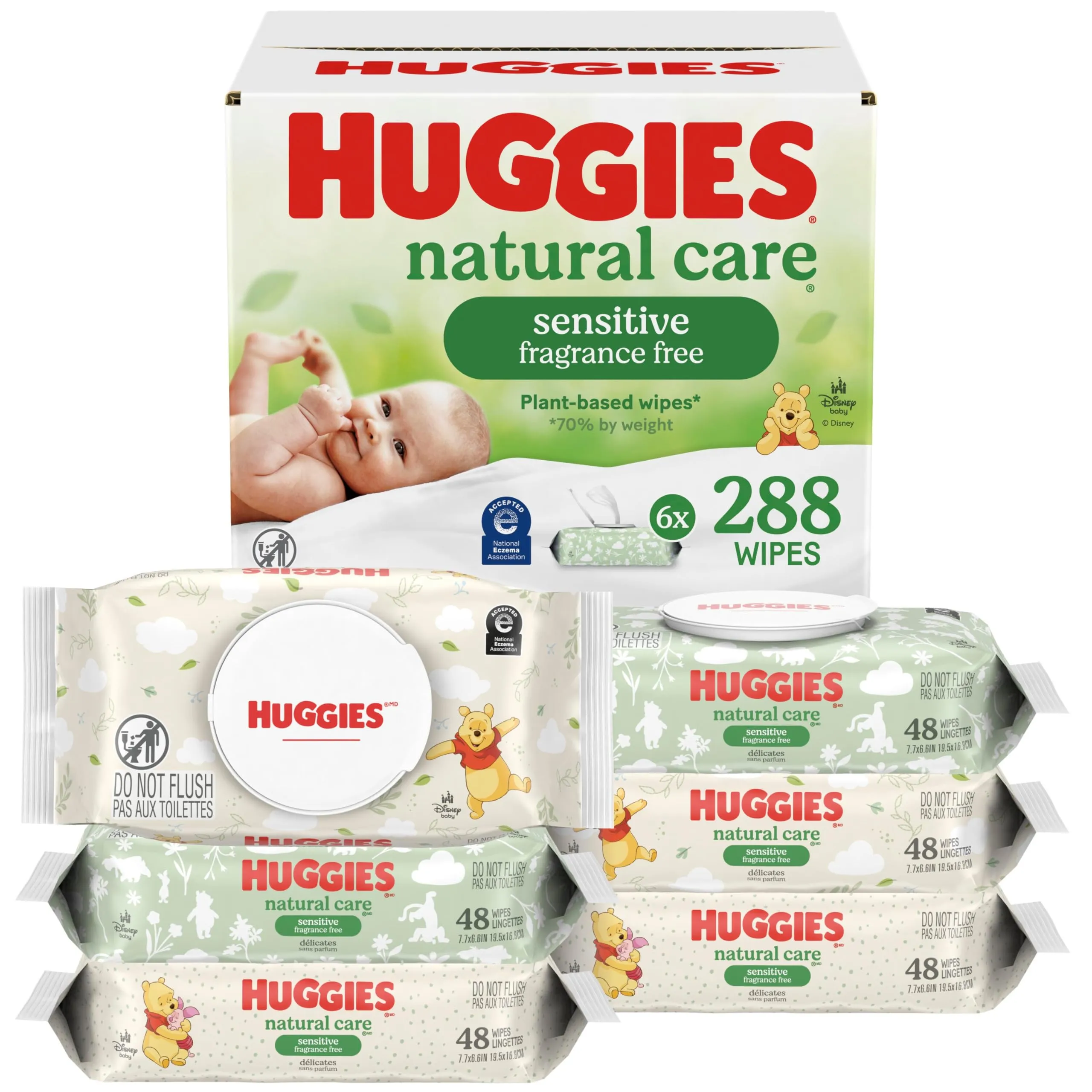
Storage Zone: Keep Daily Nursery Supplies Visible and Limited
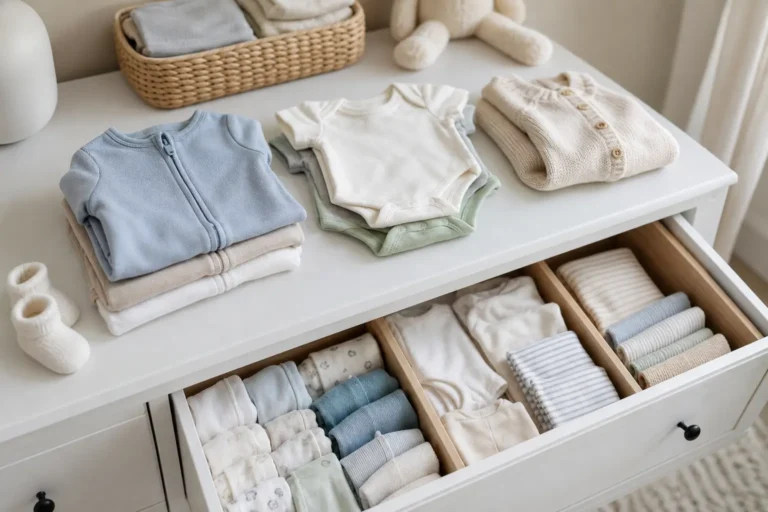
The best nursery storage system is not the prettiest one. It is the one tired parents can use quickly. Store the first two weeks of newborn nursery essentials where they are visible: diapers in the top drawer or caddy, wipes beside them, clean sleepers in one drawer, burp cloths near the feeding chair, and sleep sacks or swaddles in one labeled area.
Do not fill every drawer with far-ahead sizes before baby arrives. A crowded dresser makes it harder to find the tiny pieces you need now. For broader systems, use our guide on how to organize newborn essentials, then go deeper with newborn essentials storage ideas.
Storage safety matters too. Anchor tall dressers, shelves, and other tip-prone furniture according to the manufacturer’s instructions. The CPSC’s Anchor It guidance is a good reminder that nursery furniture should be secured before babies become mobile, not after they start pulling up.
Nursery Layout Details Parents Often Miss
A good nursery is partly about what you do not put near the sleep space. Keep cribs and bassinets away from windows, blind cords, loose cords, shelves, framed art that could fall, and anything a growing baby might eventually reach.
If the nursery is shared with another child or used for naps while caregivers are elsewhere, a monitor may become useful later. For a shared-room setup, see our guide to a WiFi baby monitor for shared nursery. For the earliest newborn days, though, the priority is still the sleep surface, diaper station, and simple storage.
Keep the feeding chair close enough for night feeds but not so crowded that you have to step around baskets in the dark. A small side table can hold water and burp cloths. A laundry basket near the door can catch spit-up cloths, pajamas, and changing pad covers before they migrate through the house.
What Not to Put in a Newborn Nursery
Some baby room items look essential online but do not belong in a practical newborn nursery. If you are trying to keep the room safe and usable, these can wait or stay off the list entirely. The broader Newborn Essentials guide can help you decide whether an item belongs somewhere else in the home instead of in the nursery.
| Item | Why It Can Wait or Be Skipped |
|---|---|
| Crib bumpers | They do not belong in the sleep space. |
| Loose blankets and pillows | Use size-appropriate wearable sleep layers instead. |
| Lots of stuffed animals | Keep them out of the crib or bassinet. |
| Oversized nursery furniture | Buy only what fits your room and can be secured safely. |
| Too many storage bins | They can hide daily supplies instead of organizing them. |
| Huge newborn clothing stash | Babies grow quickly, and overfilled drawers slow you down. |
Editor note
A nursery does not need to be finished to be ready. It needs a safe sleep space, a stocked diaper area, a few clean clothes and sleep layers, and storage that lets adults find what they need at night.
Newborn Nursery Essentials FAQ
What are the most important newborn nursery essentials?
The most important items are a safe sleep space, fitted sheet, practical sleep layers, diapers, wipes, diaper cream, a changing surface, a small storage system, and a laundry basket for daily messes.
Do I need a crib before the baby comes home?
You need a safe, approved sleep space, but that may be a crib, bassinet, play yard, or bedside sleeper depending on your home and your baby’s stage. Follow product instructions and move to the next sleep setup when size or milestone limits say to transition.
What should go in the nursery top drawer?
Use the top drawer for high-frequency items: diapers, wipes, cream, clean sleepers, burp cloths, and one or two backup outfits. Keep medical or sharp grooming tools out of baby’s reach.
Can I use a dresser as a changing station?
Many families do, but the dresser should be stable, anchored if needed, and paired with a changing surface used according to its instructions. Always keep one hand on your baby and never leave a baby unattended on an elevated surface.
How do I avoid overbuying nursery storage?
Start with one dresser or drawer area, one diaper caddy, one laundry basket, and one backup supply shelf. Add bins only after you know what actually piles up.
Final Takeaway
The best newborn nursery essentials are not the prettiest items in the room. They are the pieces that make sleep safer, diaper changes faster, and storage easier to use when everyone is tired.
Start with a safe sleep zone, a practical diaper zone, and a simple storage zone. Then use the broader Newborn Essentials guide to decide what belongs elsewhere in the home, what can wait, and what your nursery truly needs before baby arrives.
More from BabyEthos
Watch BabyEthos on YouTube
Follow BabyEthos for practical baby gear tips, nursery ideas, and parent-friendly newborn essentials guides.
Visit BabyEthos YouTube