How to Prepare Your Home for a Newborn: Room-by-Room Essentials
How to prepare home for newborn is not really about building a perfect nursery. It is about making the first few weeks easier when everyone is tired, feeding is frequent, diapers are constant, and small things need to be easy to find.
The best setup is usually simple: a safe sleep space, one or two diaper-change zones, a comfortable feeding spot, a basic bath plan, a laundry system, and a small landing area for baby items that need to leave the house. If you still need the broader shopping list, start with our Newborn Essentials guide first, then use this page to place those items around your home.
This guide is room-by-room on purpose. For parents asking how to prepare home for newborn, the useful answer is practical placement. A bassinet helps only if it fits where your baby will actually sleep. Diapers help only if they are within reach when you need them. Burp cloths help only if they are near the chair, bed, or couch where feeds happen. The goal is not more gear; it is less searching.
How to Prepare Home for Newborn: The Room-by-Room Plan
Prepare your home by setting up six practical zones: a safe sleep space, a diaper change station, a feeding spot, a bath area, a laundry and cleanup rhythm, and a small leaving-the-house station near the door.
Keep each zone modest at first. Use the core newborn essentials, then add extras only after you know your baby’s feeding style, diaper fit, sleep stage, laundry pace, and where daily care actually happens.
How to Prepare Home for Newborn Without Overbuying
Before you arrange drawers or assemble storage bins, separate your setup into need-now zones and can-wait extras. The Newborn essentials checklist can help you choose the basics; this article helps you decide where those basics should live.
In practice, how to prepare home for newborn comes down to five questions:
- Where will baby sleep safely?
- Where will diaper changes happen during the day and at night?
- Where will feeding happen most often?
- Where will bath towels, washcloths, and laundry go after messy moments?
- Where will small baby supplies live so they do not take over every surface?
If an item does not answer one of those questions, it may still be useful later, but it does not need to be the first thing you unpack. For a deeper buying-priority check, use our Newborn essentials vs nice to haves guide alongside this room plan.
Safety-first setup note
For sleep, follow safe-sleep basics from trusted sources such as the U.S. Consumer Product Safety Commission, CDC, and HealthyChildren.org from the American Academy of Pediatrics: use a firm, flat sleep surface, place baby on their back for sleep, and keep loose bedding, pillows, bumpers, toys, and positioners out of the sleep space.
Room-by-Room Newborn Home Setup
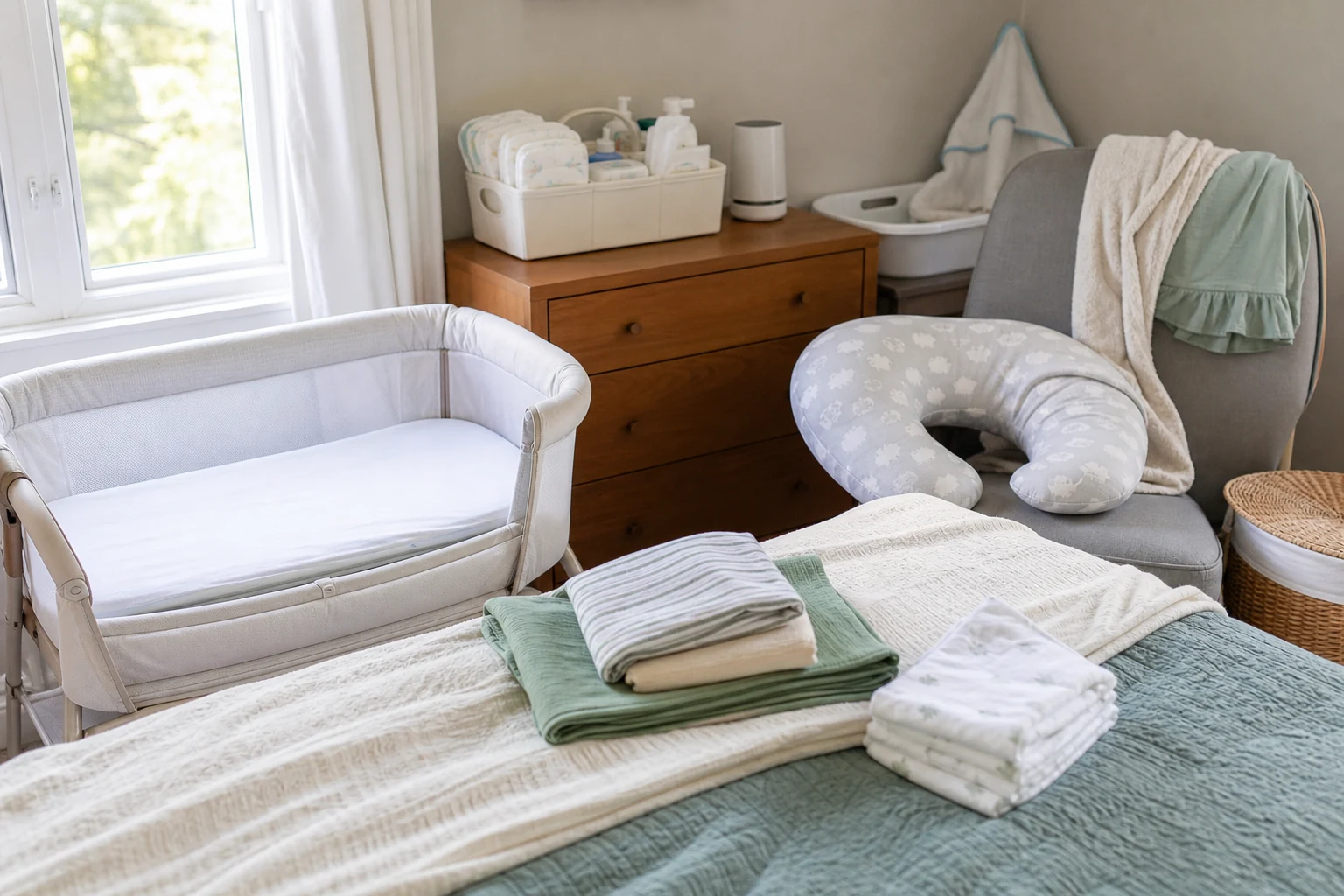
Use this room-by-room map before you buy duplicate gear. It keeps the Newborn Essentials list practical instead of scattered across the whole house, which is the real heart of how to prepare home for newborn without overbuying.
| Home Area | What to Prepare | What Can Wait |
|---|---|---|
| Bedroom or sleep area | Safe sleep space, fitted sheet, swaddle or sleep sack if appropriate, white noise if useful | Decorative bedding, pillows, bumpers, extra nursery decor |
| Main diaper zone | Diapers, wipes, cream, changing pad, diaper caddy, extra outfit | Large furniture if a portable setup works better |
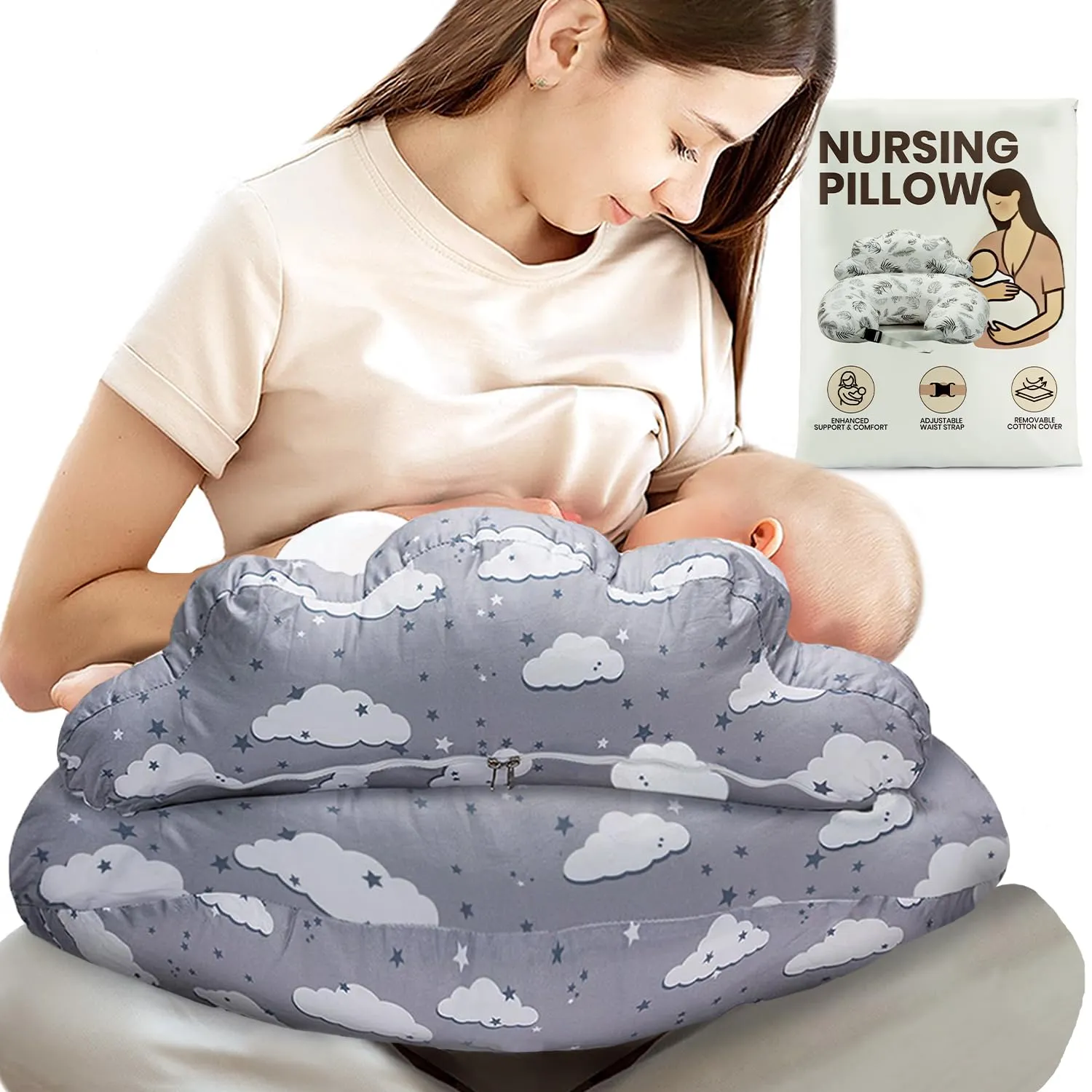
| Feeding spot | Burp cloths, water for parent, nursing pillow or bottles if used, small trash or laundry basket nearby | Large bottle stash, warmer, sterilizer unless your routine needs them |
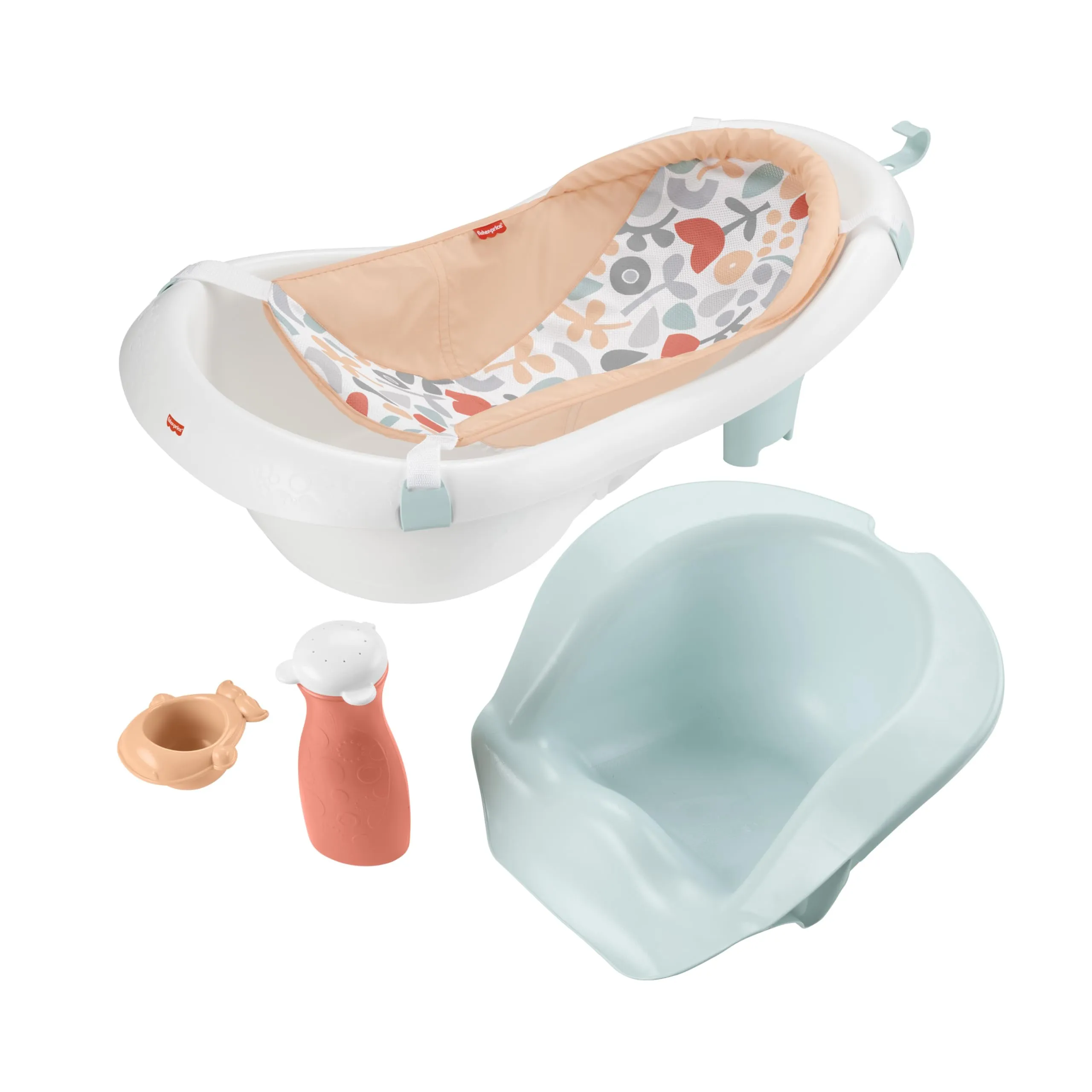
| Bathroom or bath area | Baby bath tub, towels, washcloths, clean surface for after bath | Bath toys and many scented bath products |
| Laundry area | Hamper or basket for baby laundry, gentle detergent, stain rinse plan | Complicated sorting systems before you know laundry volume |
| Entry or diaper bag zone | Small pack of diapers, wipes, changing pad, backup outfit, burp cloth | Full duplicate nursery setup near the door |
Bedroom or Sleep Area
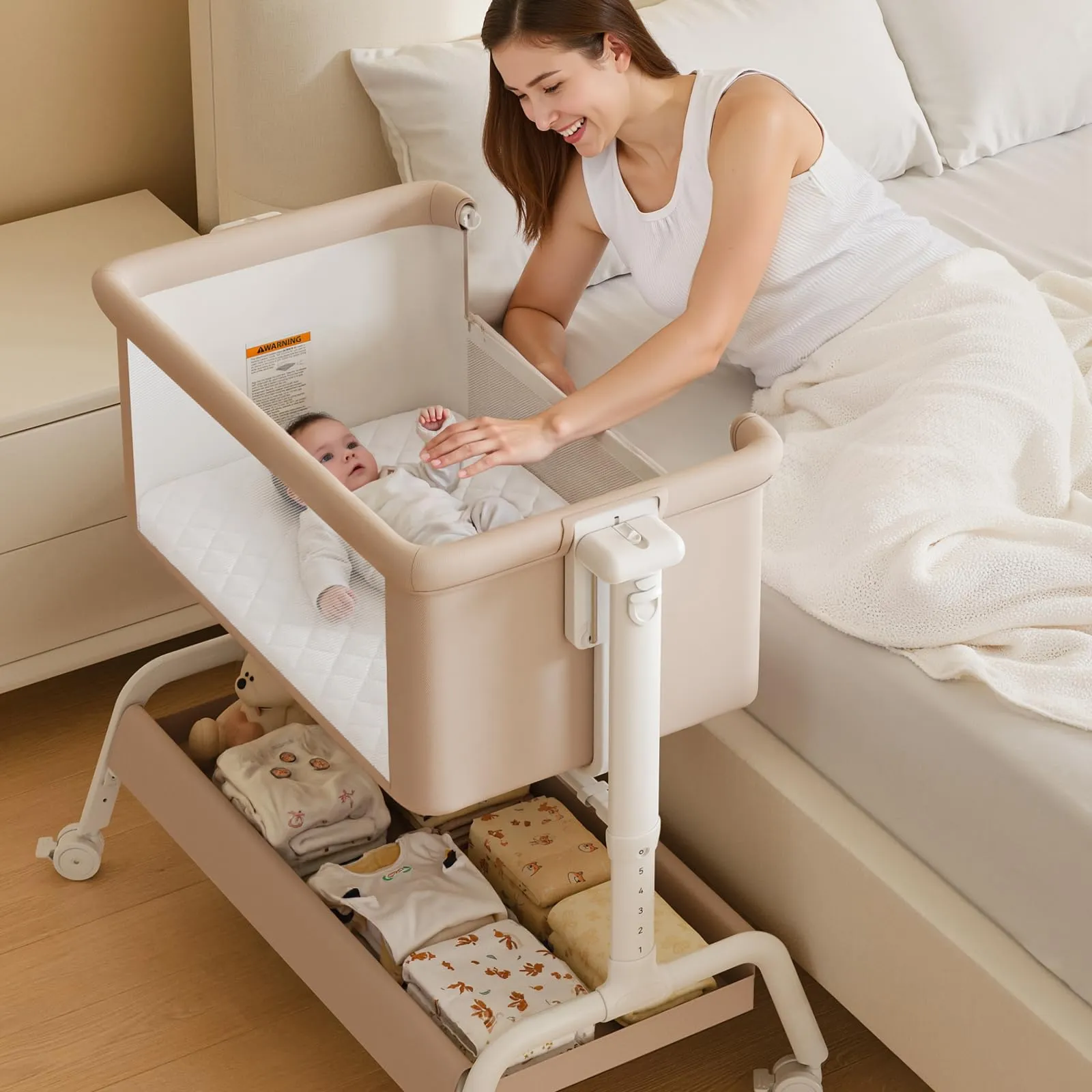
Start with the place your baby will sleep, because this is the one zone where simple matters most. The sleep space should be firm, flat, and clear of extras. A bassinet or other approved sleep surface near your bed can make night feeds and wake-ups easier while keeping baby in a separate sleep space.
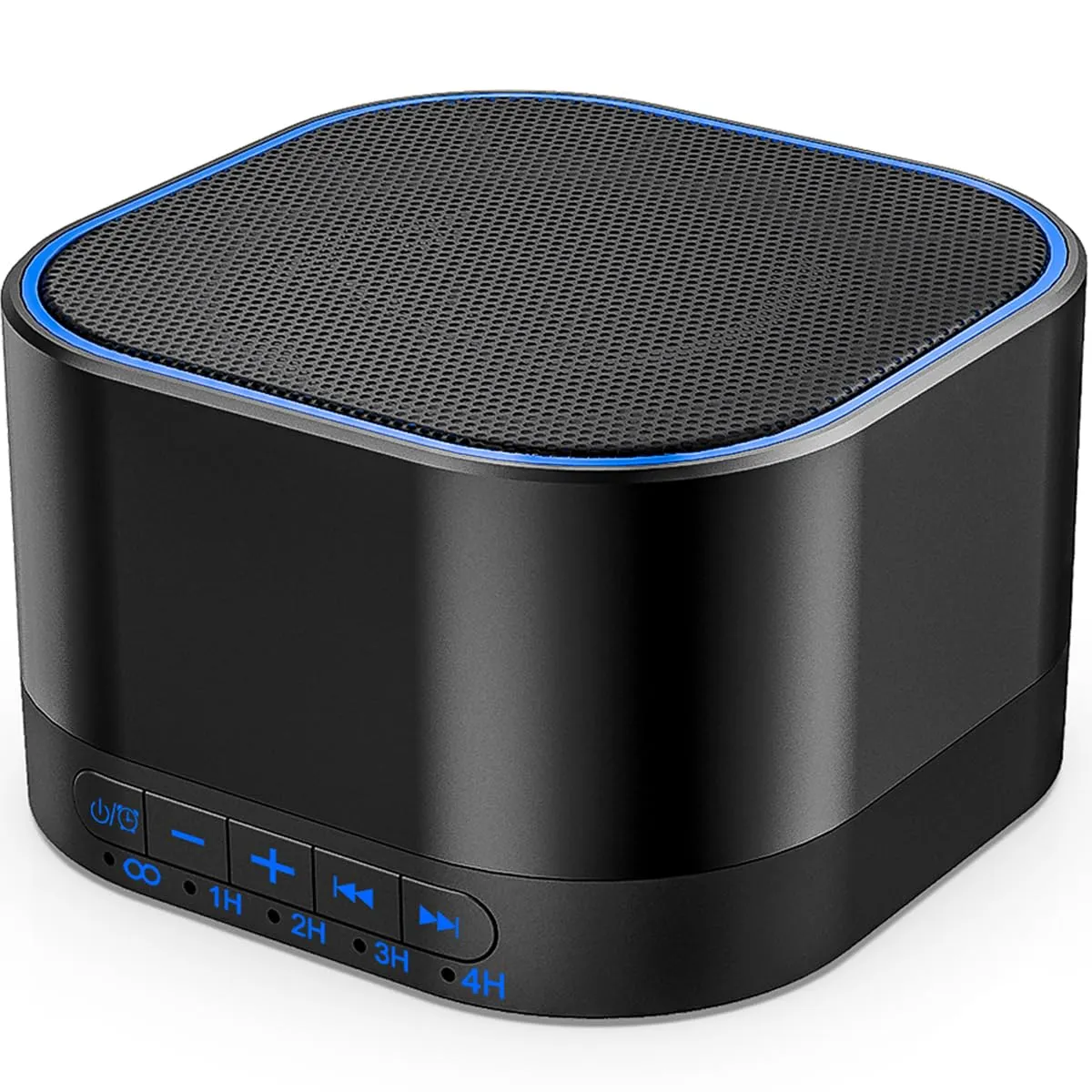
Do not decorate the sleep area with pillows, blankets, bumpers, loose stuffed items, or sleep positioners. If you need help choosing only the safe, practical sleep pieces, read our Newborn sleep essentials guide. A White Noise Machine can be helpful in shared rooms or noisy homes, but keep it at a moderate volume and away from your baby’s head.
Main Diaper Change Zone
Your diaper zone does not need to look like a nursery showroom. It needs to be reachable with one hand on your baby. Keep diapers, wipes, diaper cream, a changing pad, a spare sleeper, and a burp cloth or small towel together.
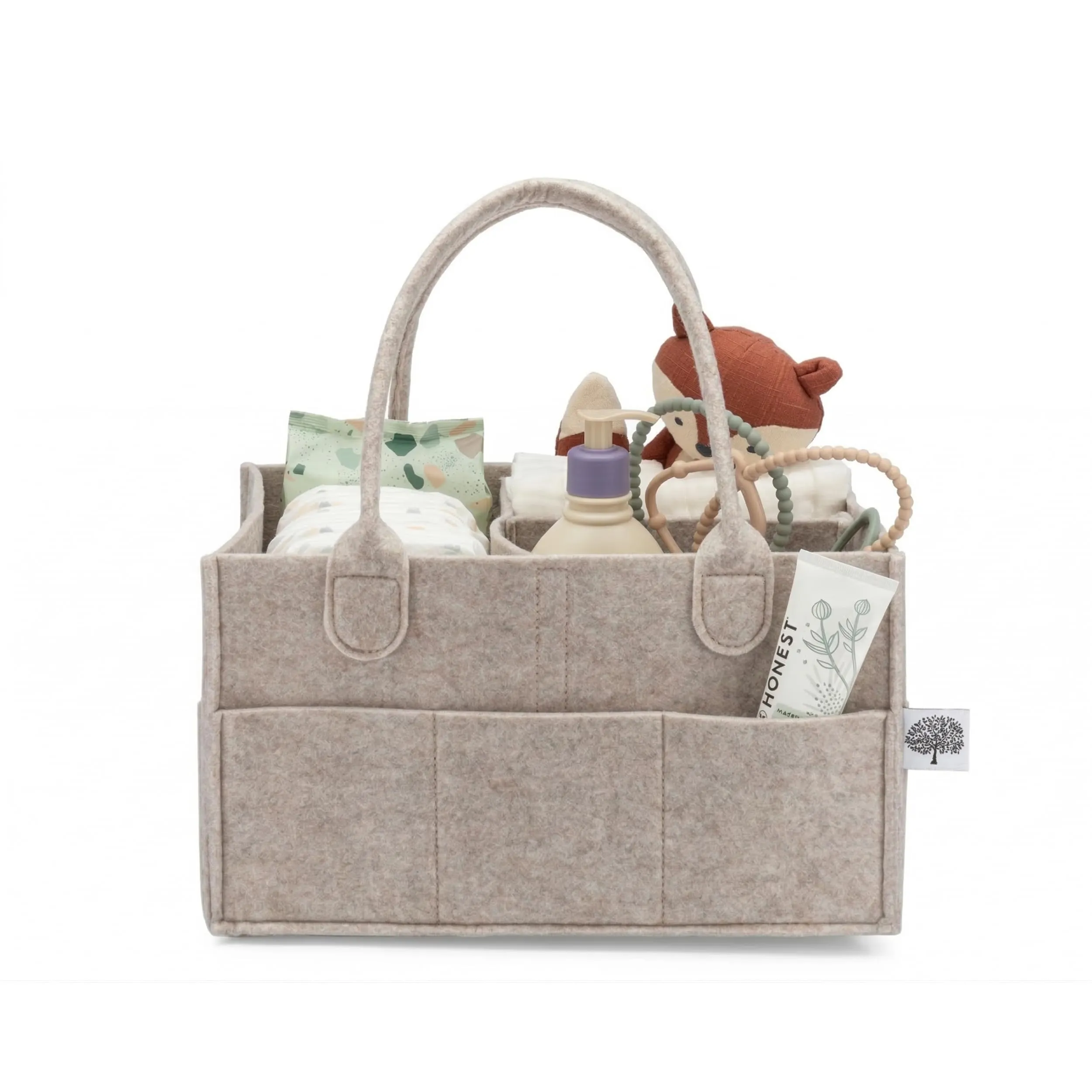
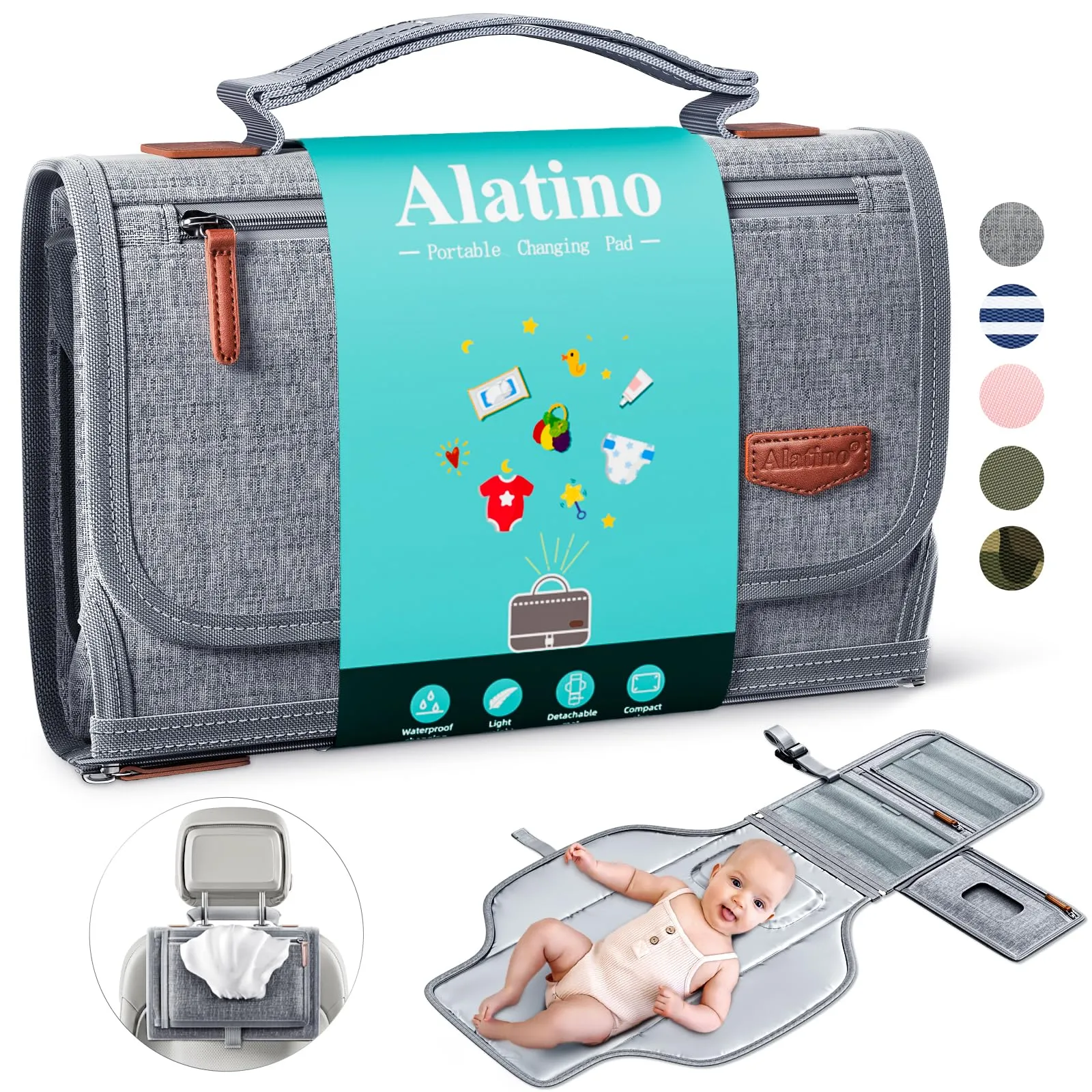
If you have two floors or spend most daytime hours away from the nursery, use a portable caddy rather than buying two of everything. A compact caddy can move from bedroom to living room, while a portable changing pad gives you a washable surface without committing to large furniture right away.
Feeding Spot
Set up the place where feeds are likely to happen at 2 a.m., not the place that looks best in photos. For many parents, that is a bedside chair, couch corner, or glider with a small basket nearby.
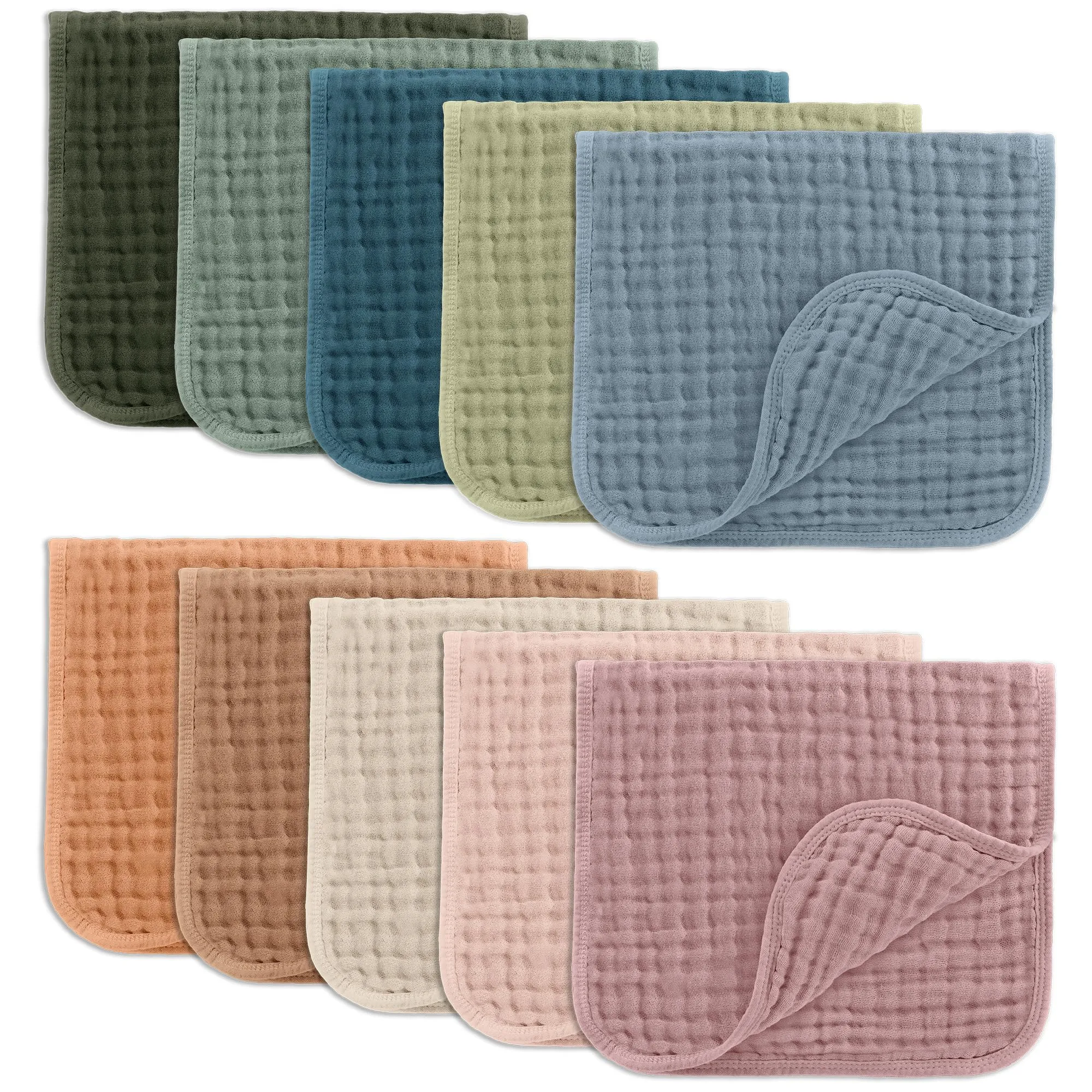
Keep burp cloths, parent water, snacks if helpful, a small trash bag, and feeding items within reach. If you breastfeed, a nursing pillow may help with positioning. If bottles are part of your plan, keep a small starter set and bottle-cleaning supplies in the kitchen rather than scattering them through the house.
Bath, Towels, and After-Bath Landing Spot
Bath prep is less about buying a full bath collection and more about having a safe sequence. Put the baby bath tub where it fits your sink, counter, or bathtub area. Keep towels and washcloths within arm’s reach before you start. Have a dry landing spot ready for diaper, lotion if used, and clean clothes.
Skip the big bath toy set for now. Newborn baths are usually short, careful, and simple. The first bath area only needs support, warmth, soft cloths, and a plan for wet laundry.
Laundry and Cleanup Zone
Newborn laundry piles up because small messes repeat all day: milk drips, spit-up, diaper leaks, wet washcloths, towels, and sleepers. Put one small basket where messy baby cloths naturally land. That might be the bedroom, bathroom, or laundry area, depending on your home.
Do not over-engineer this. One baby laundry basket, one detergent plan, and enough burp cloths and sleepers to rotate are more useful than a complicated sorting system you will abandon during the first tired week.
Entryway and Leaving-the-House Zone
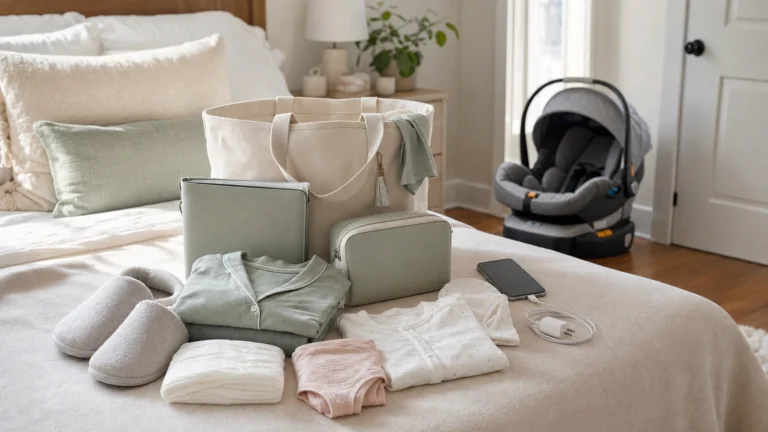
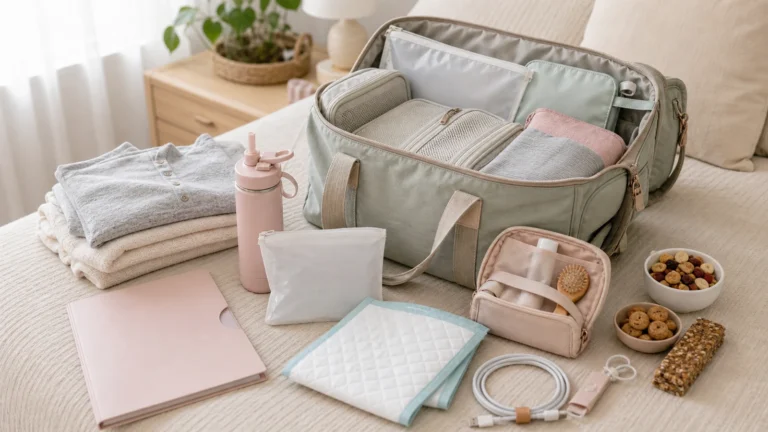
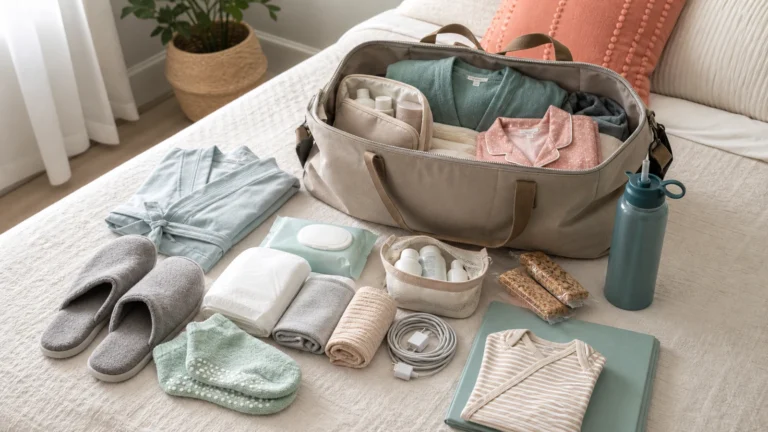
Near the door, keep a small refill point for the diaper bag: diapers, wipes, a portable changing pad, backup outfit, and one or two burp cloths. This prevents the last-minute scramble before pediatrician visits or quick errands.
If you also have older kids, keep their school, shoe, and activity items separate from baby supplies. A toddler task like How to measure toddler feet belongs in a different household zone, so newborn diapers and feeding supplies do not disappear into the family catch-all basket.
Room Setup Picks
Shop Practical Newborn Home Setup Basics
What to Do the Week Before Baby Arrives
The last week is not the time to rebuild your whole home. It is the time to make the first few days functional. If you are still wondering how to prepare home for newborn without getting lost in tiny details, use this short final pass.
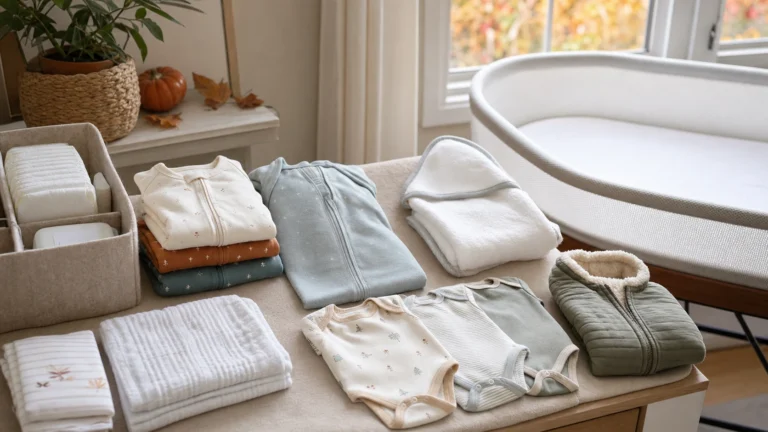
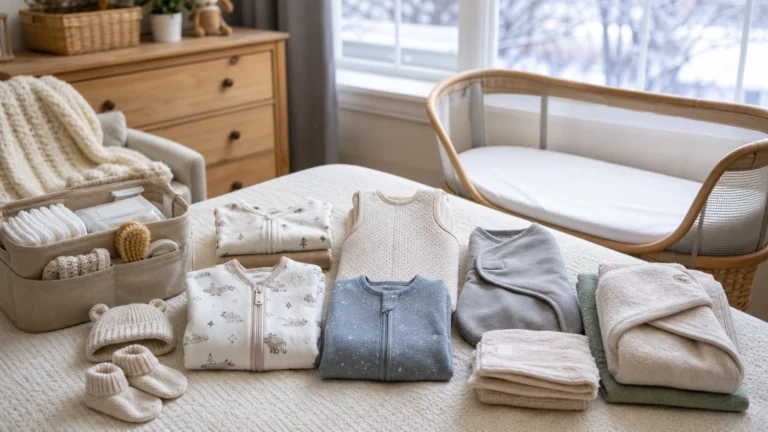
- Wash a small starter set of sleepers, bodysuits, burp cloths, towels, and washcloths.
- Put sheets on the sleep space and keep the sleep area clear.
- Stock the diaper zone with diapers, wipes, cream, changing pad, and a backup outfit.
- Set up one feeding spot with burp cloths, water, parent snacks, and any bottles or nursing support you plan to use.
- Place bath towels, washcloths, and bath support together before the first bath.
- Print or save a simple restock list so visitors can help without asking where everything goes.
If you like paper planning, use the Newborn essentials checklist printable as a final walk-through. It is easier to check one page than to keep re-opening registry tabs while you are folding laundry.
What You Can Leave Unfinished
Some home projects feel urgent before baby arrives, but they do not change the first week much. If you are filtering decisions through how to prepare home for newborn, it is fine if the nursery wall art is not hung, the closet is not perfectly labeled, or the baby monitor is still in the box if your newborn will sleep near you at first.
You can usually wait on decorative bedding, extra storage furniture, large diaper stockpiles, multiple bottle styles, seasonal outfits in far-ahead sizes, and duplicate organizers. Start with the Newborn Essentials that solve real daily care, then expand only where your home proves it needs support.
Travel items can wait too, unless you know you will be away from home soon after delivery. For example, white noise at home is a different problem from white noise for baby in hotel, so do not let a future travel setup crowd your newborn home setup.
Editor note
The home does not need to be perfect before baby arrives. It needs to be safe, findable, and calm enough that tired adults can feed, change, dress, bathe, and settle the baby without digging through boxes. That is how to prepare home for newborn in a way that actually helps.
Newborn Home Preparation FAQ
What is the first thing to set up before bringing a newborn home?
Set up the sleep space first. Baby needs a safe, firm, flat sleep surface with a fitted sheet and no loose bedding, pillows, bumpers, toys, or positioners.
How to prepare home for newborn if I have a small space?
Use zones instead of rooms: one sleep space, one portable diaper caddy, one feeding basket, one bath storage spot, and one baby laundry basket. Compact and portable items usually beat large nursery furniture in small homes.
Do I need two diaper stations?
Maybe. If your home has more than one floor or you spend daytime hours far from the nursery, a second mini station can help. It does not need duplicate furniture; diapers, wipes, cream, a changing pad, and a caddy are usually enough.
Should I finish the nursery before baby arrives?
No. A finished nursery can be lovely, but the first newborn weeks usually depend more on the sleep setup, diaper supplies, feeding spot, bath basics, and laundry flow than on decor.
What should I keep near the bed for a newborn?
Keep only safe and useful items nearby: burp cloths, water for the parent, a small light if needed, feeding supplies if used, and a diaper caddy if changes happen there. Do not add loose items to the baby’s sleep space.
Final Takeaway
The calmest answer to how to prepare home for newborn is to prepare routines, not rooms. Give baby a safe place to sleep, give yourself stocked places to change and feed them, keep bath and laundry supplies together, and leave the nice-to-have projects for later.
When in doubt, return to the core Newborn Essentials list and ask where each item will actually be used. If you can answer that, your home is probably more ready than it feels.
More from BabyEthos
Watch BabyEthos on YouTube
Follow BabyEthos for practical baby gear tips, nursery ideas, and parent-friendly newborn essentials guides.
Visit BabyEthos YouTube