Birth Center Hospital Bag Checklist: What to Bring When You’re Not Delivering at a Hospital
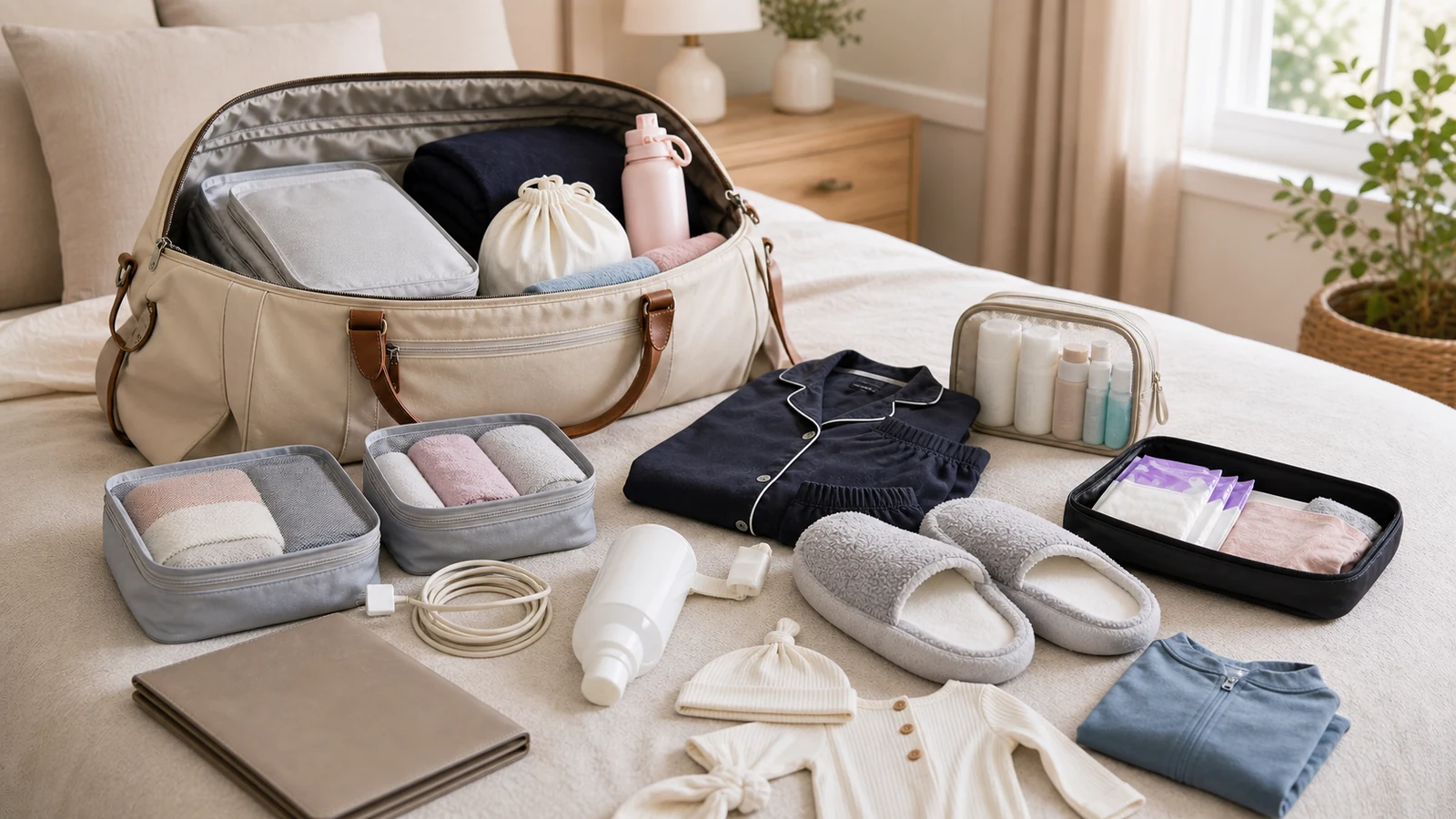
A Hospital bag checklist for birth center should feel lighter than a hospital packing list, but it should not be casual. Birth centers often expect families to bring more of their own comfort items, baby going-home supplies, paperwork, snacks or drinks if allowed, and a clear ride-home plan. I would pack for a shorter stay, a more home-like room, and the real possibility that plans can change.
Start with the main Hospital Bag Checklist, then subtract what your birth center provides and add what they specifically ask you to bring. A Hospital bag checklist for birth center should always follow your center’s written instructions, your clinician’s guidance, and your transfer plan if a hospital becomes the safer setting.
Disclosure: BabyEthos is reader-supported. As an Amazon Associate, we earn from qualifying purchases. This does not change what you pay, and product choices should never replace your birth center’s instructions, car seat manual, or clinician’s guidance.
QUICK SHOP
Birth Center Hospital Bag Picks
These assigned picks cover a lighter birth-center bag: soft clothes, toiletries, documents, hydration, postpartum basics, baby discharge items, and a safe ride home. A Hospital bag checklist for birth center should make the short-stay items easy to reach.
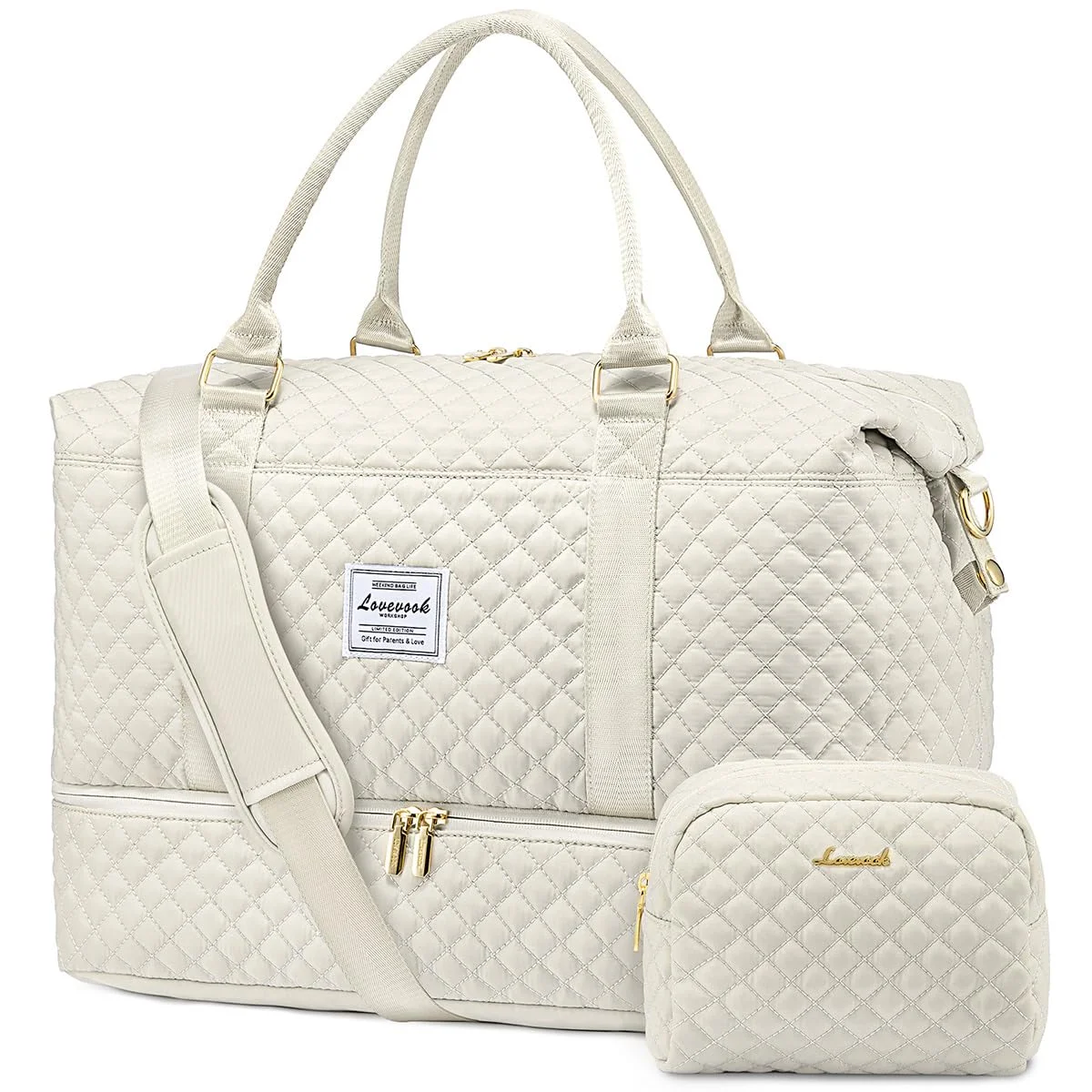
A roomy weekender duffel bag that keeps clothing, toiletries, and small labor essentials together without requiring a full-size suitcase.
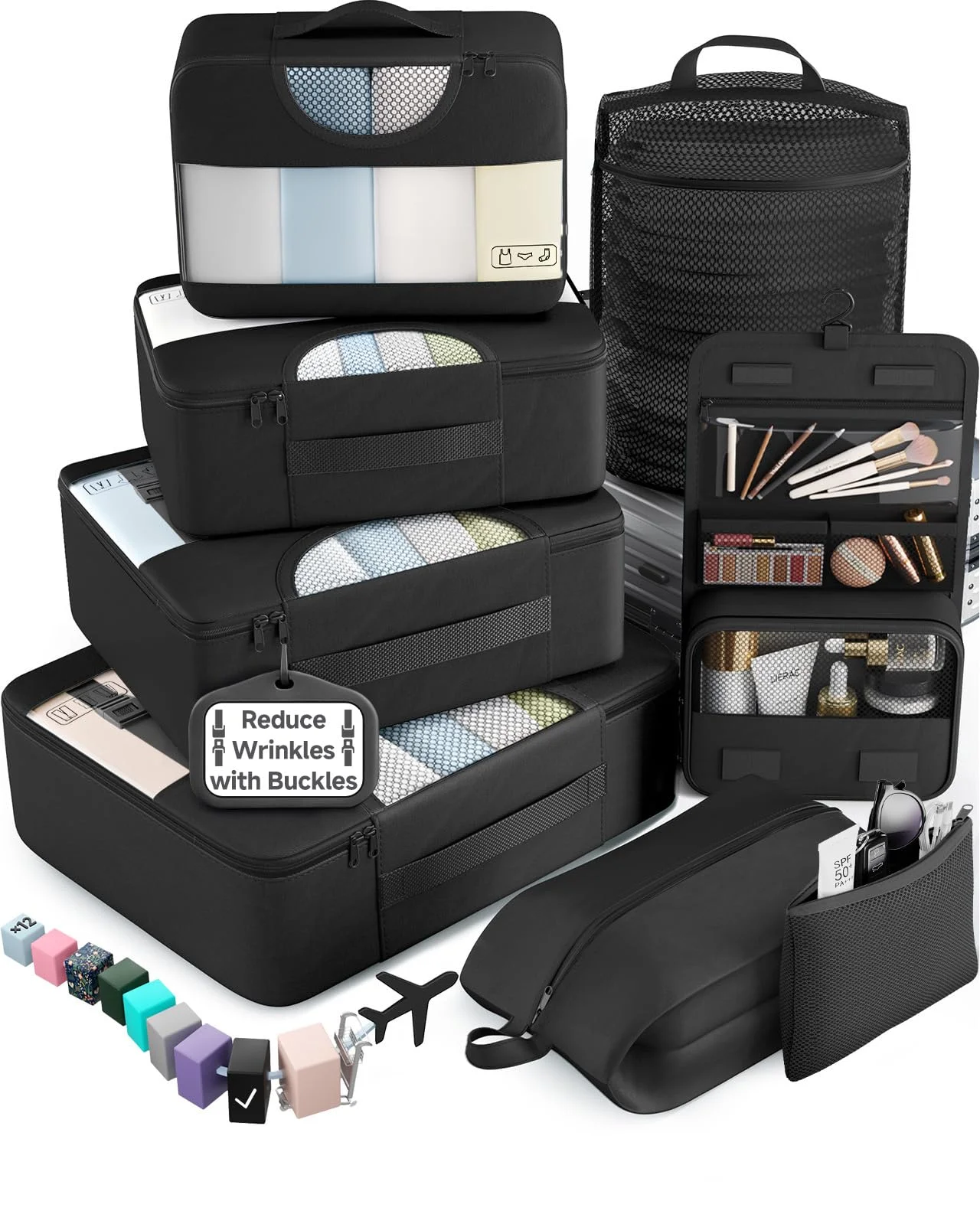
Packing cubes separate mom, baby, and partner essentials so the right pouch is easy to find in a crowded hospital room.
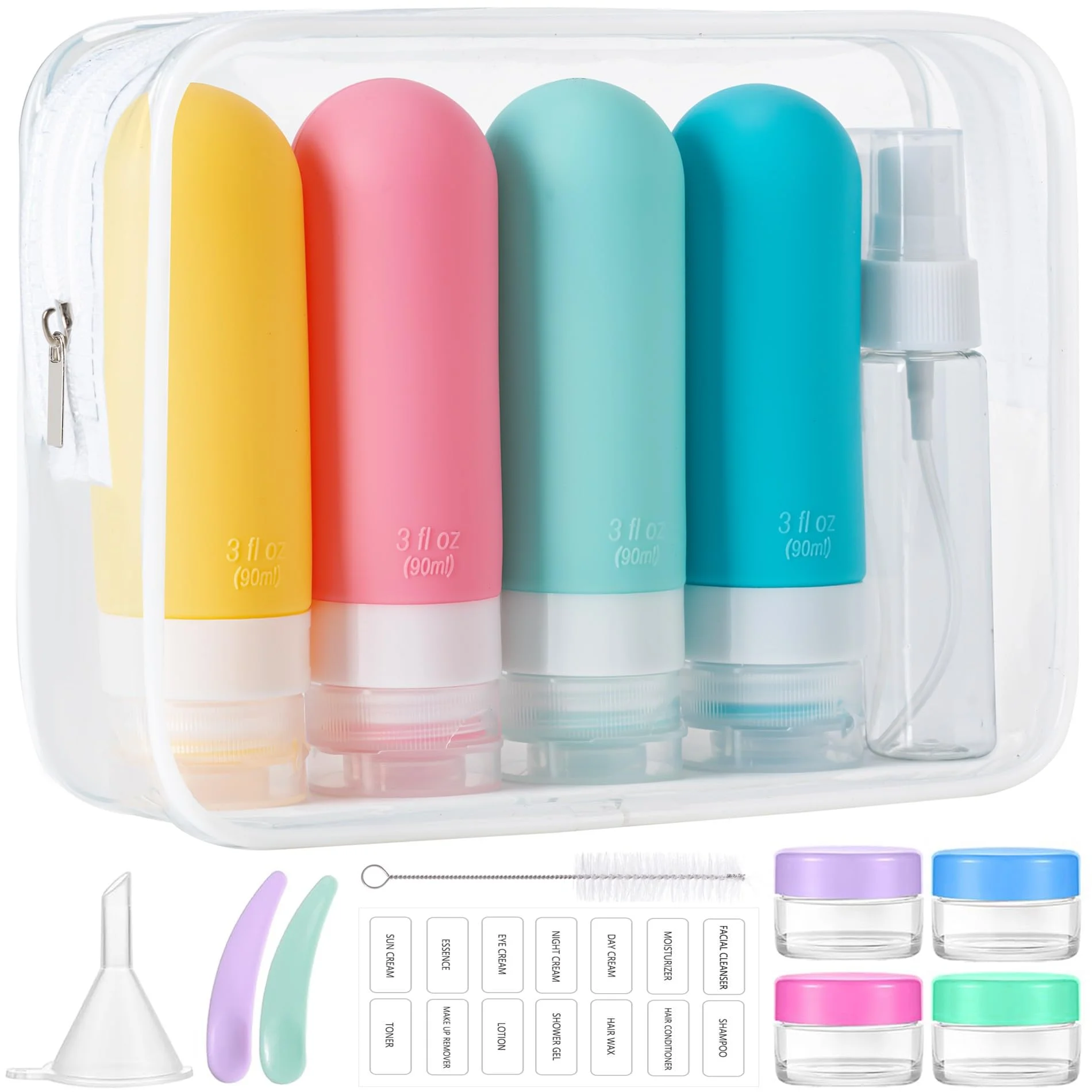
This travel toiletry kit holds shampoo, conditioner, lotion, and other familiar bathroom basics without packing full-size bottles.
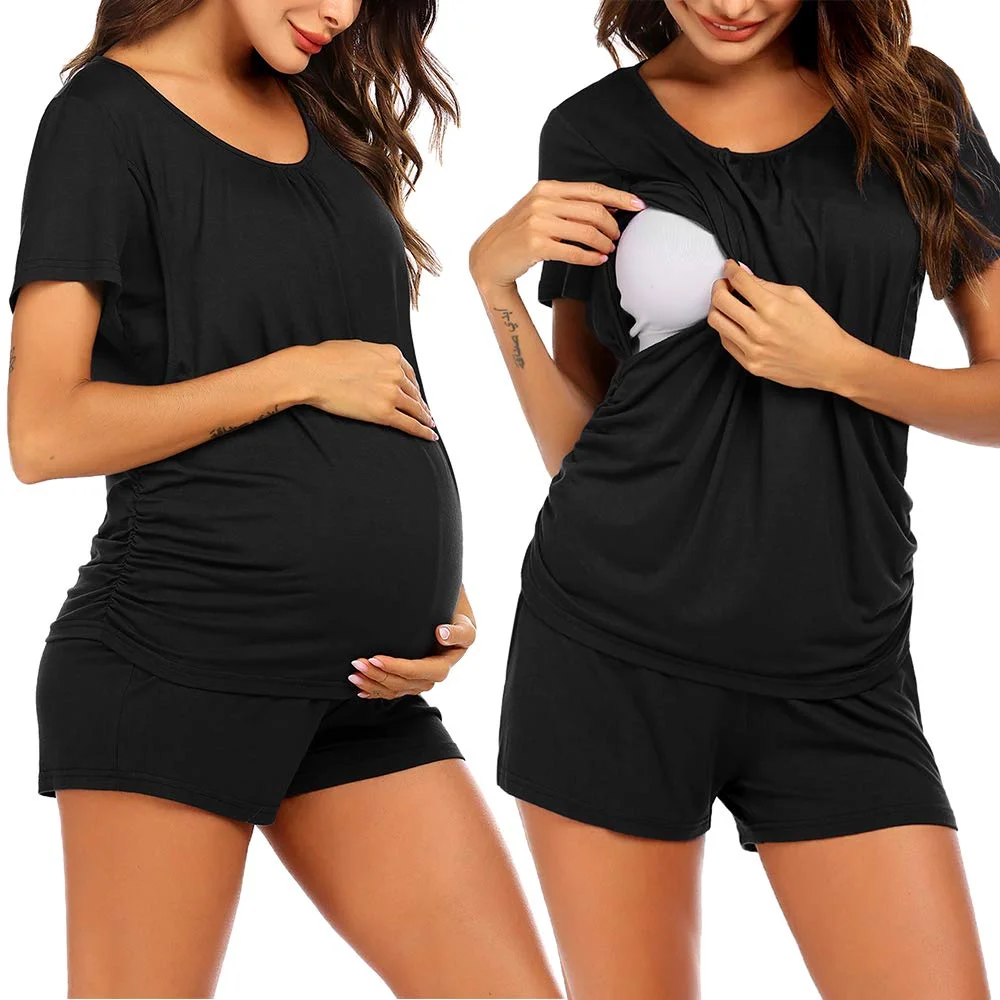
A soft nursing pajama set gives new moms comfortable sleepwear with practical feeding access during recovery and the first night home.
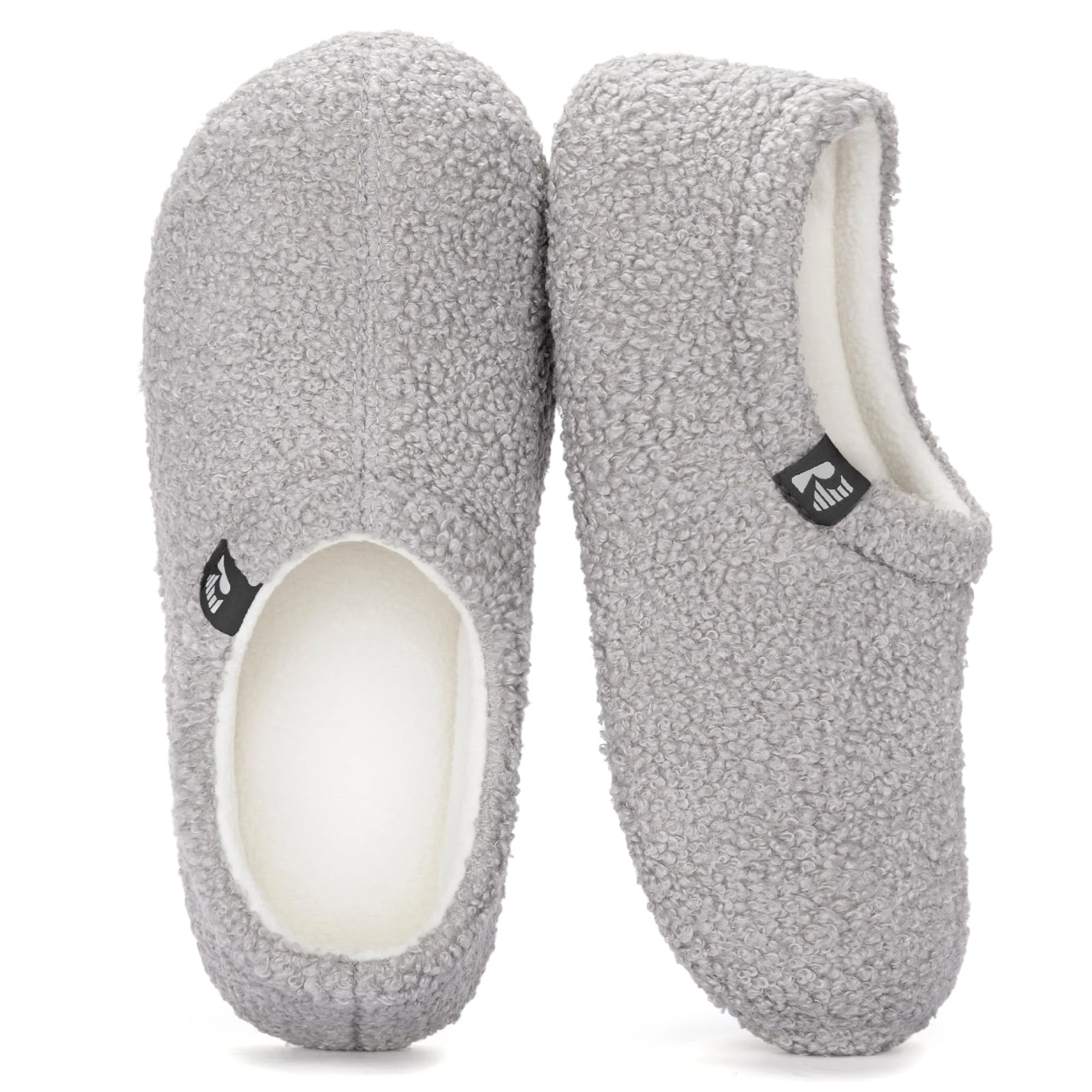
Closed-back non-slip slippers provide warmth and steadier footing for short walks around the recovery room and hospital hallway.
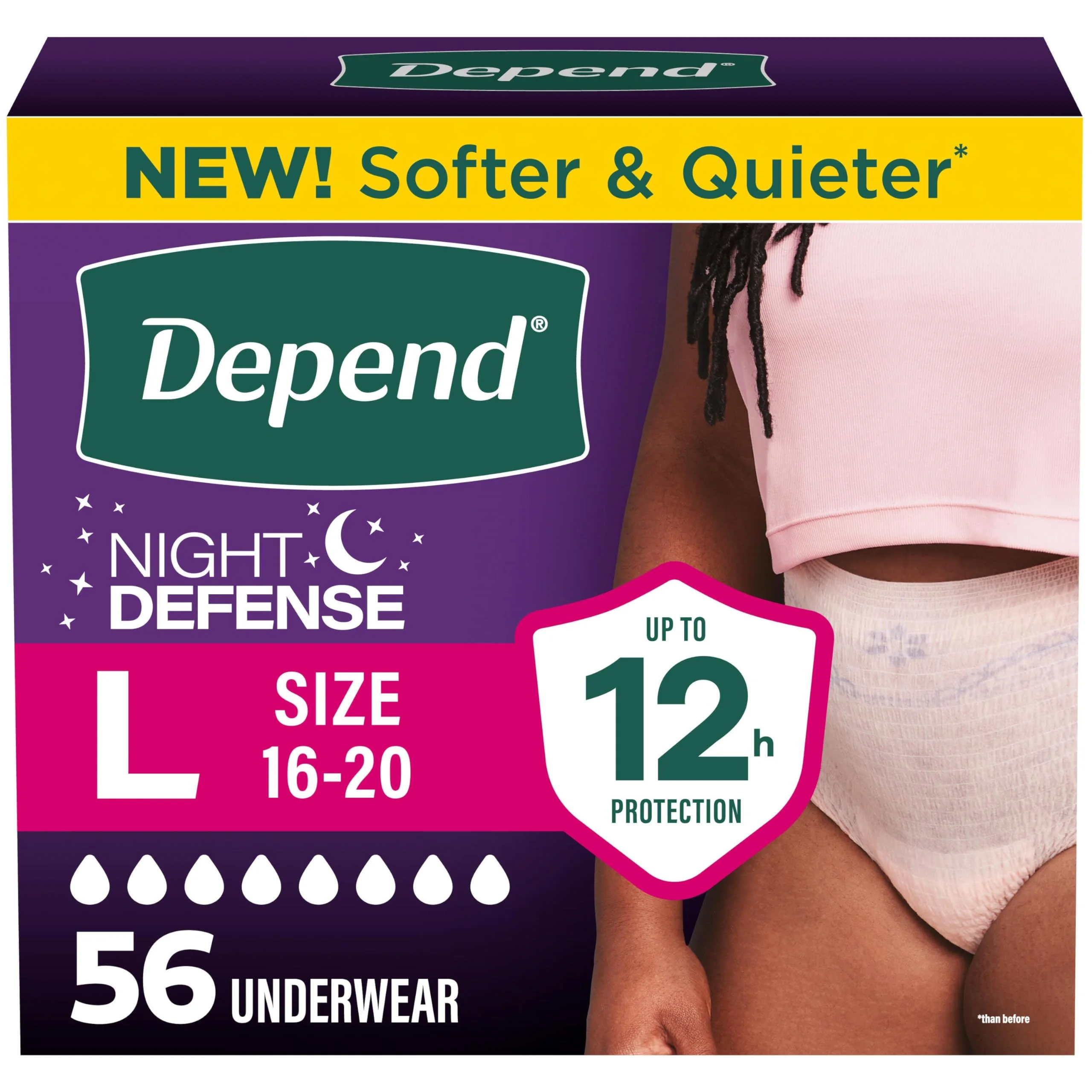
Disposable postpartum underwear provides fuller coverage for heavy early bleeding and can feel more secure than layering pads in regular underwear.
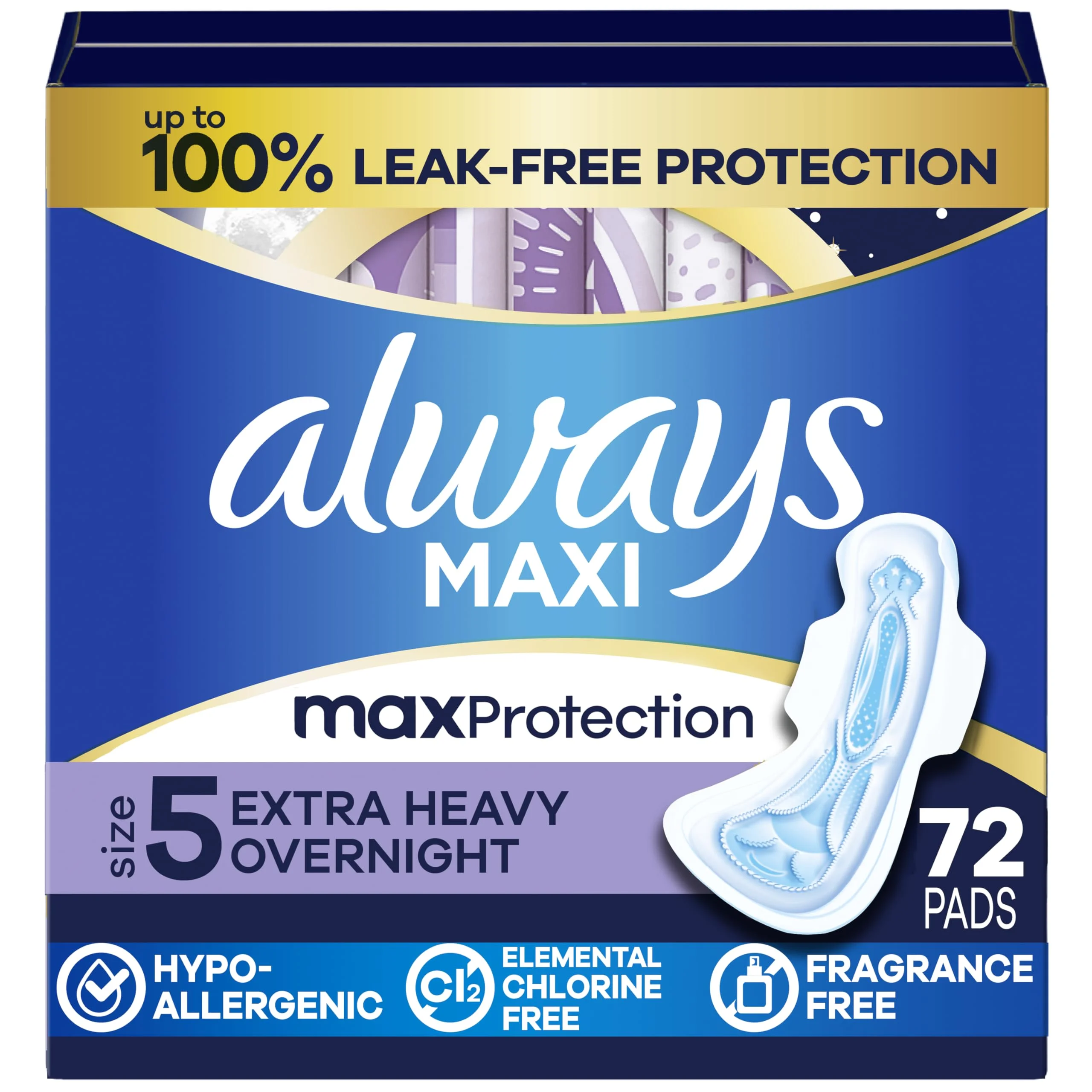
Heavy-flow postpartum pads add an absorbent backup for discharge day and the first days home when hospital supplies run out.
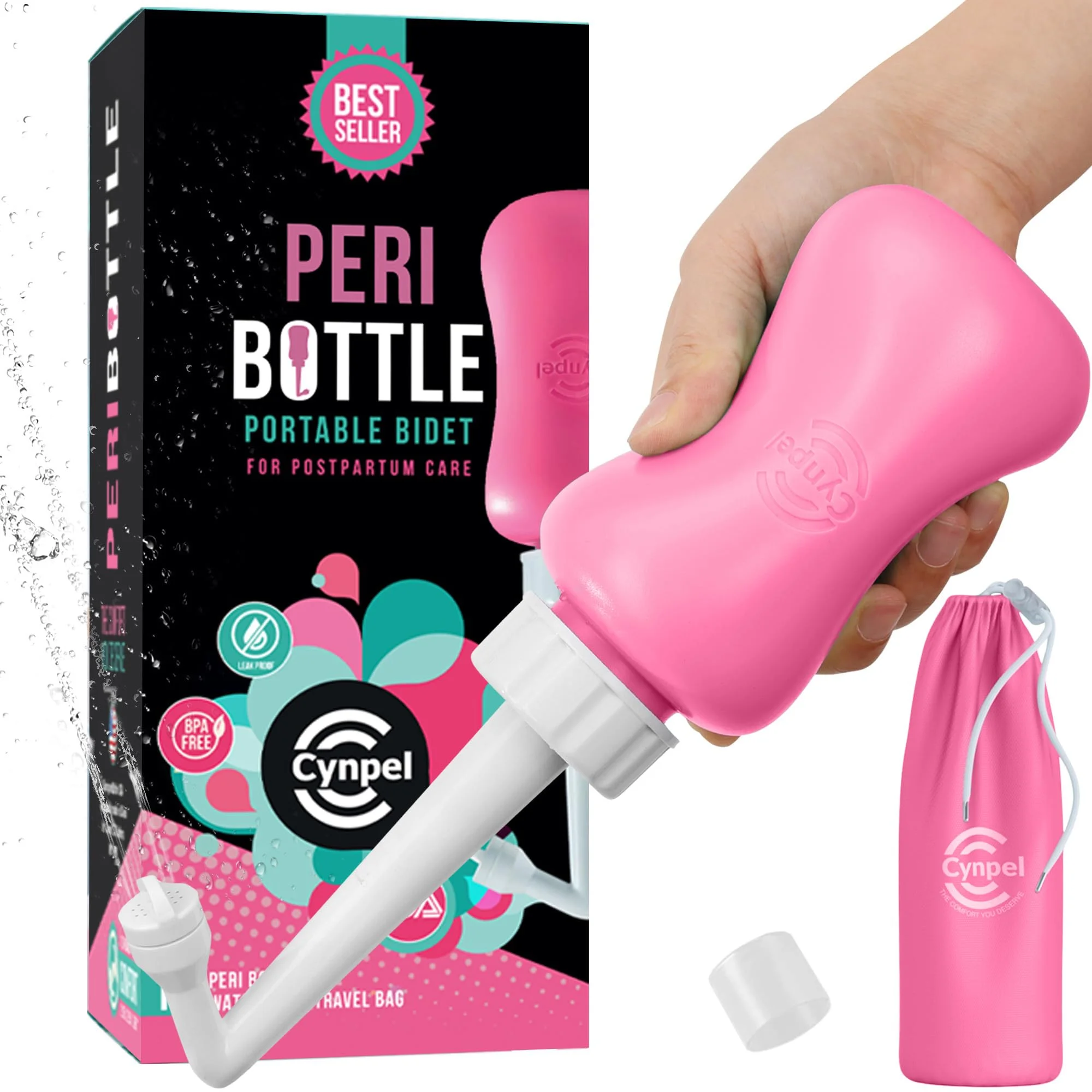
An upside-down peri bottle makes gentle rinsing easier after vaginal delivery, particularly when reaching and bending feel uncomfortable.
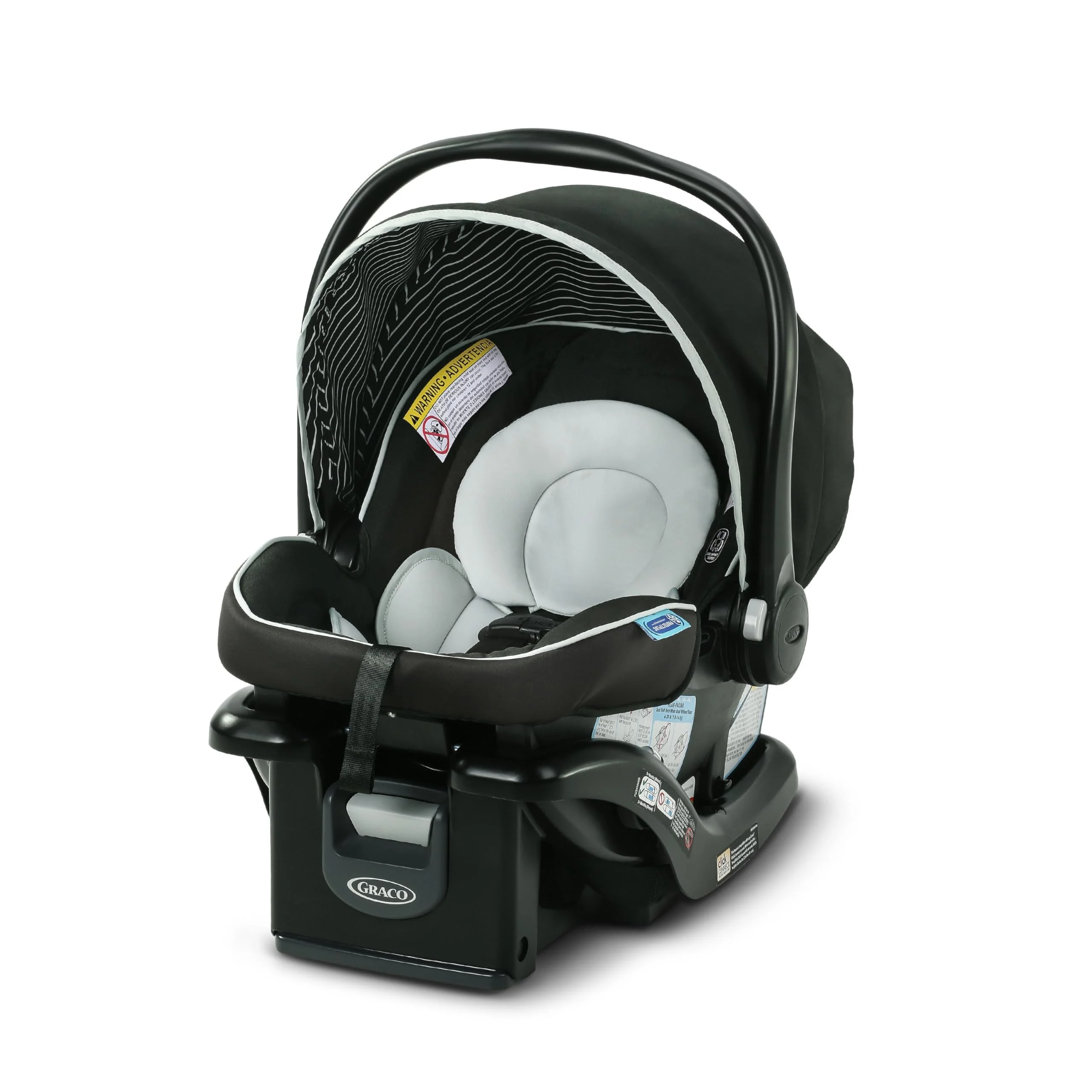
An installed rear-facing infant car seat is required for the trip home; confirm the fit and installation before labor begins.
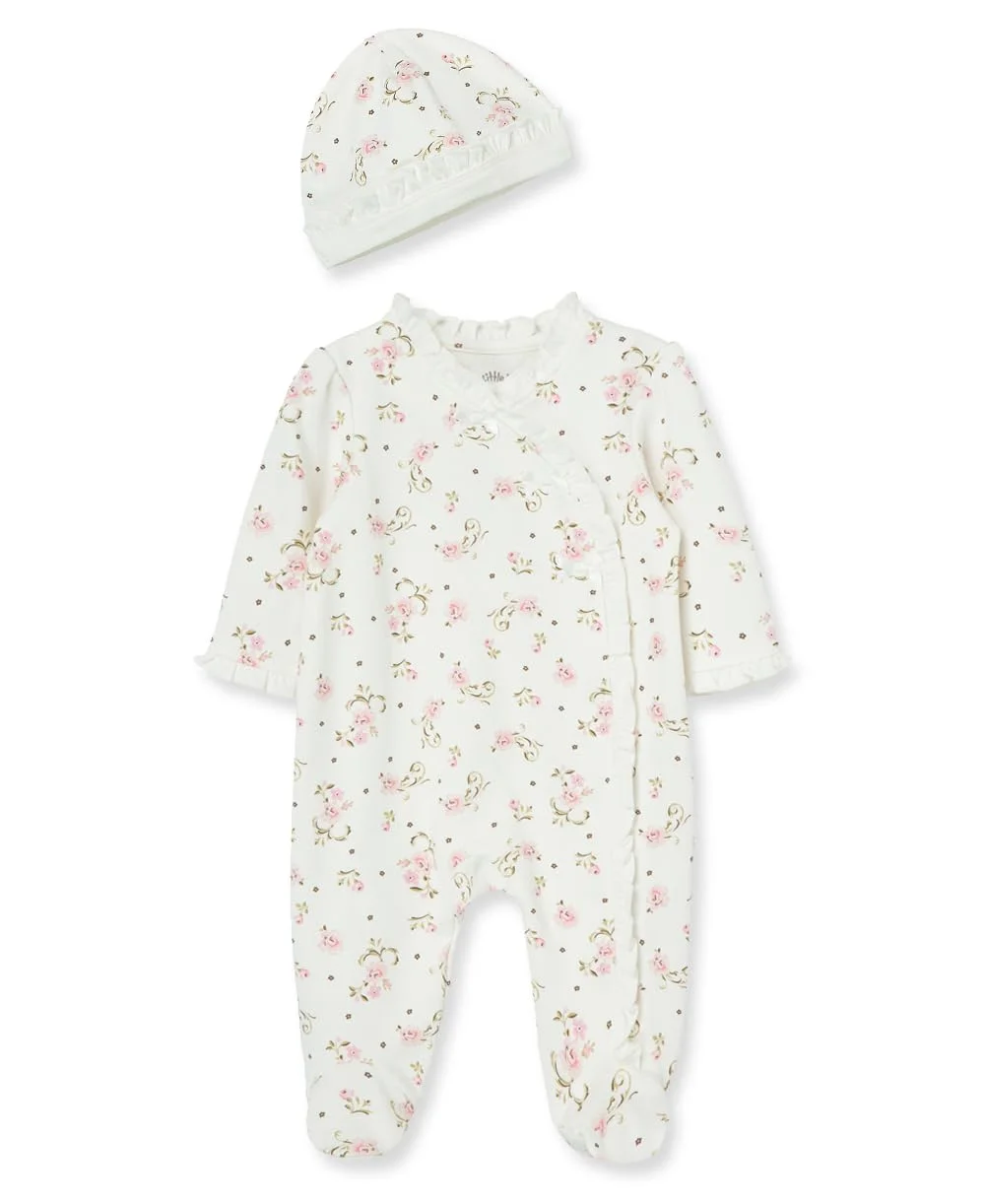
A soft newborn going-home outfit with a footed one-piece and hat keeps discharge dressing simple while fitting beneath the car-seat harness.
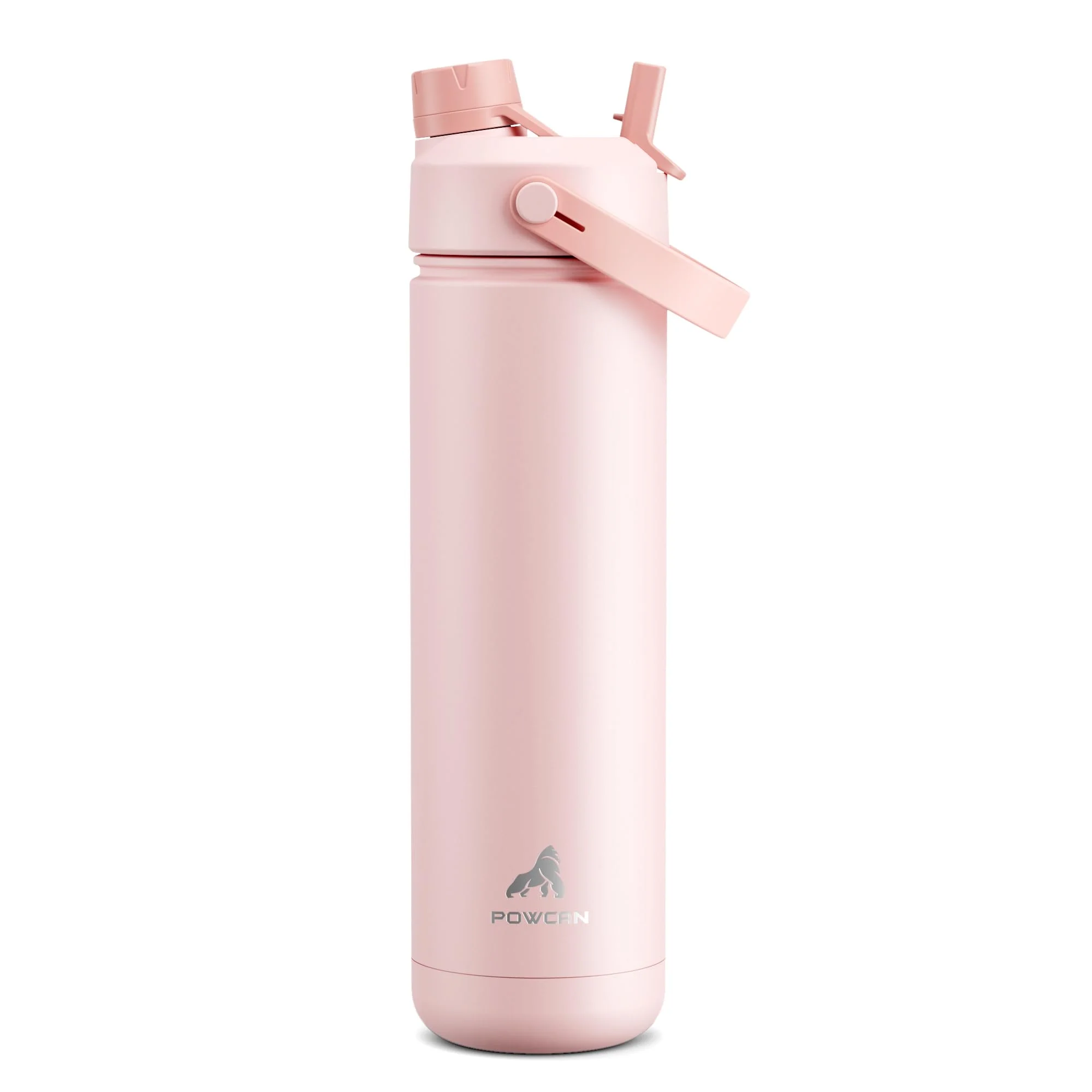
An insulated water bottle with a straw is easier to use one-handed while resting, feeding, or recovering in bed.
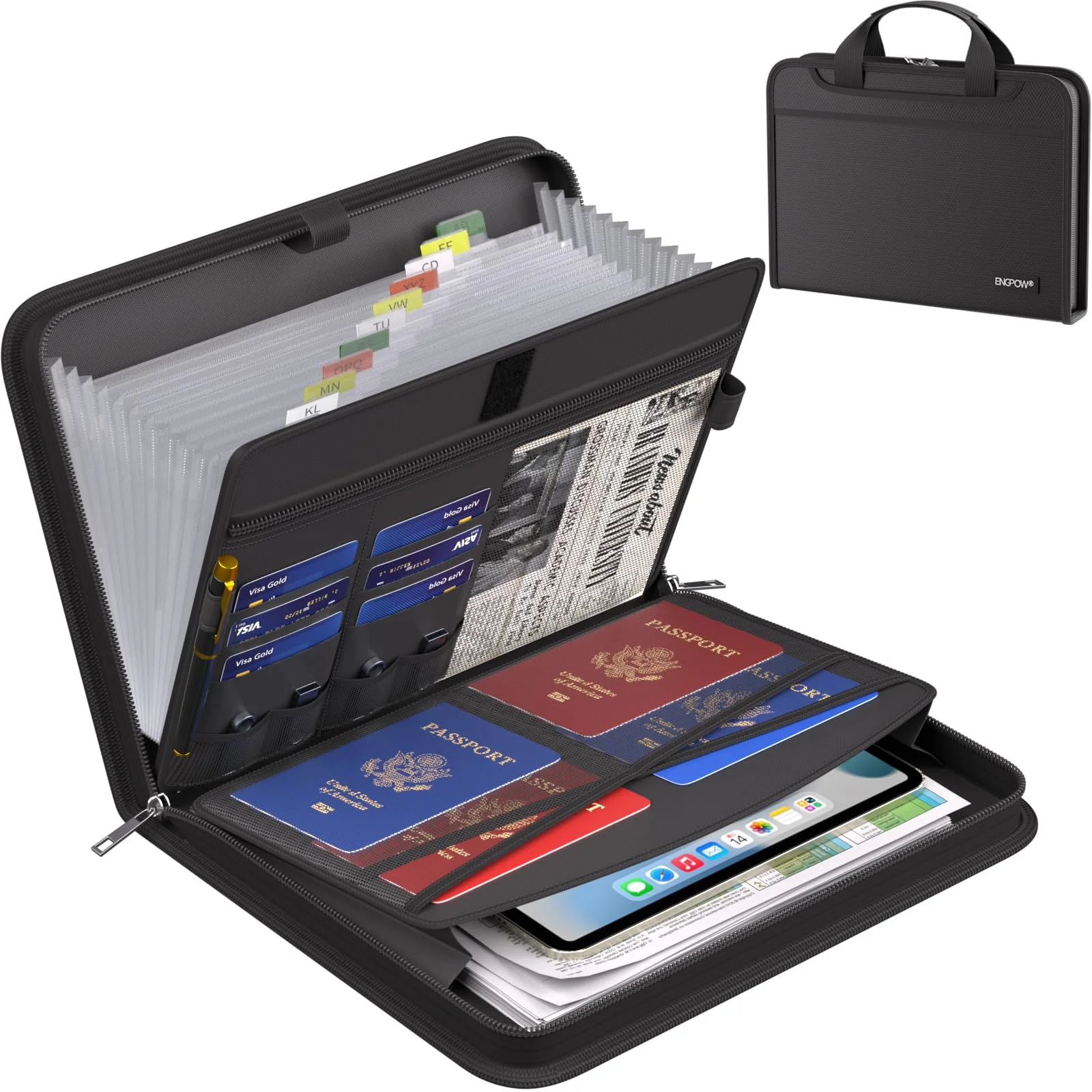
A document organizer folder keeps identification, insurance details, birth preferences, and discharge paperwork together and easy for a partner to find.
Quick Answer: What Should You Bring to a Birth Center?
A Hospital bag checklist for birth center should include paperwork, a comfortable bag, packing cubes, toiletries, soft clothes, non-slip slippers, a water bottle, postpartum underwear and pads, a peri bottle if your center does not provide one, a newborn going-home outfit, and an installed infant car seat. Use the parent hospital bag checklist as your backup sweep, but check your birth center’s supply list first.
If you are unsure what belongs in the baby side of the bag, compare your center’s instructions with our hospital bag checklist for baby. Birth-center packing often means fewer hospital extras and a little more responsibility for your own discharge items.
Keep the Bag Light but Not Minimalist
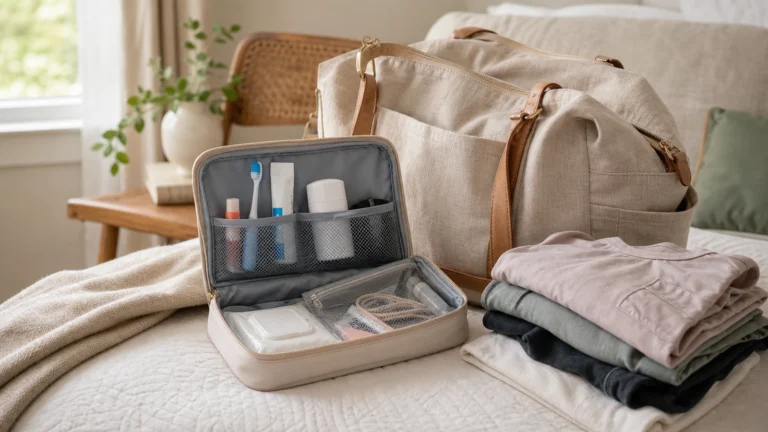
A weekender duffel works well for a Hospital bag checklist for birth center because it is flexible, easy to carry, and not oversized for a shorter stay. Choose one that opens wide, because your partner or support person may be finding items while you are focused on labor.
A roomy weekender duffel bag that keeps clothing, toiletries, and small labor essentials together without requiring a full-size suitcase.
Packing cubes make the bag calmer. I would use one cube for mom clothes, one for postpartum care, one for baby discharge, and one for “grab first” items. Birth center rooms can feel less clinical, but the bag still needs order. A Hospital bag checklist for birth center works best when your support person can unpack without guessing.
Packing cubes separate mom, baby, and partner essentials so the right pouch is easy to find in a crowded hospital room.
A travel toiletry kit should hold the personal basics: toothbrush, lip balm, deodorant, hair ties, face wipes, glasses care, and any unscented items your center allows. Do not assume a birth center stocks the same toiletry conveniences as a hospital postpartum floor.
This travel toiletry kit holds shampoo, conditioner, lotion, and other familiar bathroom basics without packing full-size bottles.
Your document organizer should stay on top. Include ID, insurance information, birth center paperwork, medication and allergy details, pediatrician information, emergency contacts, and transfer instructions if your center provides them. A Hospital bag checklist for birth center should make paperwork boring and fast.
A document organizer folder keeps identification, insurance details, birth preferences, and discharge paperwork together and easy for a partner to find.
Pack for Movement, Comfort, and the First Recovery Hour
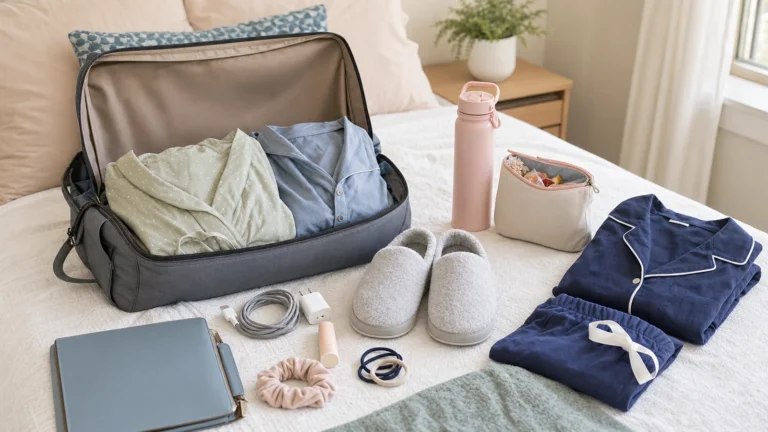
Nursing pajamas are a good soft layer for after birth, especially if you are heading home sooner than you would after a hospital delivery. Pick something dark, stretchy, and easy to open for feeding or skin-to-skin.
A soft nursing pajama set gives new moms comfortable sleepwear with practical feeding access during recovery and the first night home.
Non-slip slippers are worth packing because birth center labor often includes walking, changing positions, bathroom trips, and moving between tub, bed, and chair if your center offers those options. You want stable feet, not socks that slide.
Closed-back non-slip slippers provide warmth and steadier footing for short walks around the recovery room and hospital hallway.
For postpartum care, ask exactly what your center provides. I would still pack disposable postpartum underwear and heavy-flow pads as backups, because the ride home can happen sooner and you may prefer supplies that fit comfortably.
Disposable postpartum underwear provides fuller coverage for heavy early bleeding and can feel more secure than layering pads in regular underwear.
Heavy-flow postpartum pads add an absorbent backup for discharge day and the first days home when hospital supplies run out.
An upside-down peri bottle is small and useful if your center does not provide one or if you want a familiar backup for the first bathroom trip. A Hospital bag checklist for birth center should be realistic about recovery, even when the setting feels calm and home-like.
An upside-down peri bottle makes gentle rinsing easier after vaginal delivery, particularly when reaching and bending feel uncomfortable.
Plan the Ride Home Before Labor Starts
The infant car seat should be installed and checked before delivery day if possible. Follow the car seat manual and your vehicle manual, and do not place bulky blankets or thick clothing under the harness. If your birth center has a discharge checklist, ask whether they check car seat readiness or simply expect parents to arrive prepared.
An installed rear-facing infant car seat is required for the trip home; confirm the fit and installation before labor begins.
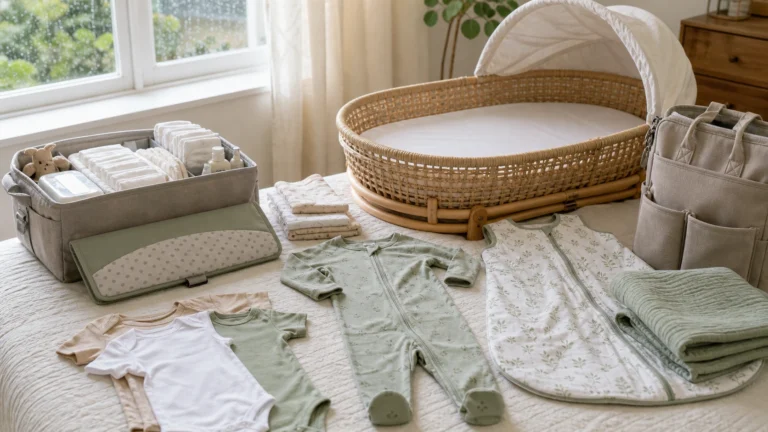
Pack one newborn going-home outfit that is soft, simple, and car-seat friendly. Bring a backup only if your center is far from home or you know your baby clothes run tiny. A Hospital bag checklist for birth center should include discharge basics without turning into a nursery drawer.
A soft newborn going-home outfit with a footed one-piece and hat keeps discharge dressing simple while fitting beneath the car-seat harness.
An insulated water bottle with a straw is practical if your center allows drinking during labor. Follow your provider’s instructions about food and fluids, especially if your plan changes or transfer becomes necessary. Keep the bottle within reach, not under the baby clothes.
An insulated water bottle with a straw is easier to use one-handed while resting, feeding, or recovering in bed.
Birth Center Safety Notes
The American Association of Birth Centers’ birth center FAQs explain that birth centers are designed for low-risk pregnancy and birth in a home-like setting. Your own eligibility, transfer plan, pain-management options, newborn procedures, and supply list should come from your birth center and clinician. A packing list helps with logistics; it does not decide whether a birth center is the right place for your delivery.
Before you leave, check the parent Hospital Bag Checklist one last time and then remove anything your center specifically says not to bring. Birth-center packing is about being prepared without dragging in a hospital-sized suitcase.
FAQ
Is a birth center hospital bag smaller than a hospital bag?
Usually, yes. Many birth center stays are shorter, but you may need to bring more personal comfort, baby discharge, and postpartum items depending on what your center provides.
Should I bring postpartum supplies to a birth center?
Ask your center what they provide. I would still pack a small backup pouch with underwear, pads, and a peri bottle if your center says those are not fully supplied.
Do I need a car seat for a birth center delivery?
Yes. Your baby needs an appropriate, properly installed car seat for the ride home. Follow the car seat manual, vehicle manual, and your birth center’s discharge instructions.
What should I ask the birth center before packing?
Ask what supplies they provide, what food and drinks are allowed, what to bring for baby, how discharge works, and what happens if transfer to a hospital is needed.
My final Hospital bag checklist for birth center advice is to pack for clarity. If your support person can find documents, clothes, postpartum supplies, baby outfit, car seat plan, and water without emptying the bag, you are in good shape.
Do one last scan with the full Hospital Bag Checklist, then trust your center’s instructions over any generic list.
Shop Birth Center Picks