Scheduled Induction Hospital Bag: Smart Extras for a Longer Day at the Hospital
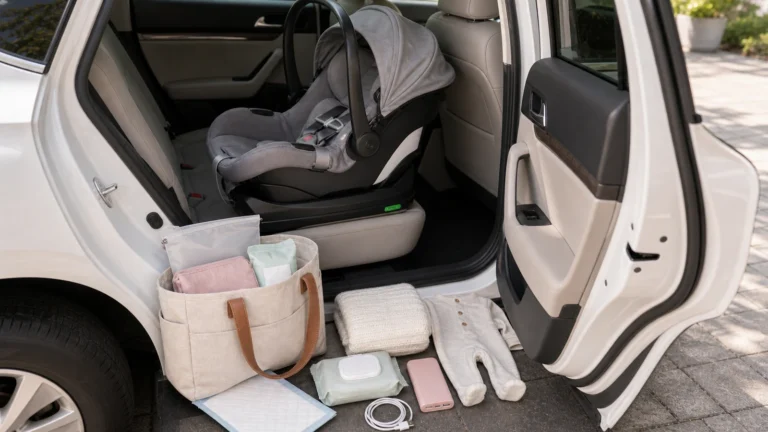
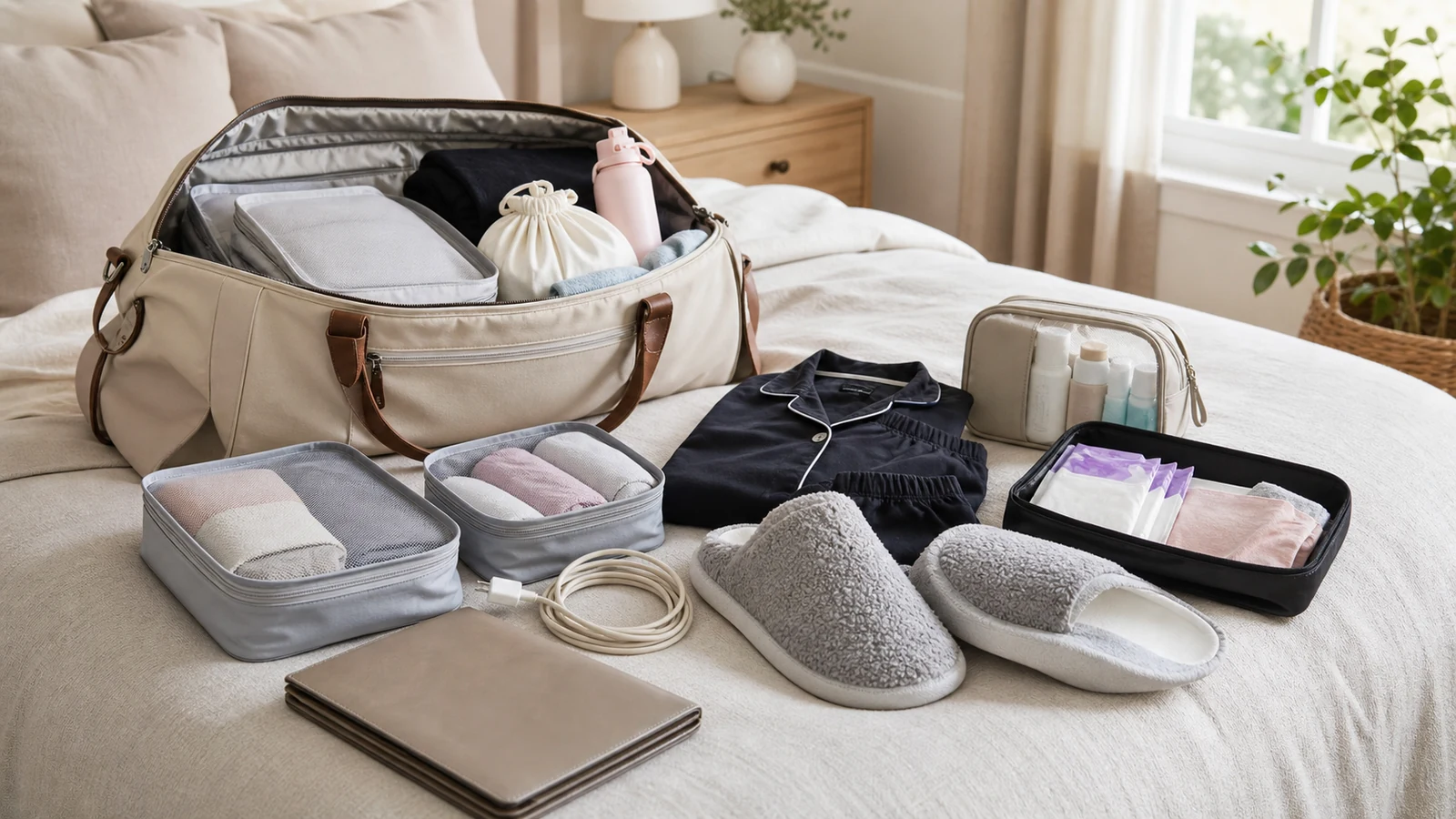
A Scheduled induction hospital bag should be packed for a known arrival time and an unknown length of waiting. That is the strange part: you may have the calendar slot, the check-in instructions, and the childcare plan, but labor itself can still take its own time. After three babies, I would pack this bag like a practical overnight setup with documents, chargers, soft clothes, toiletries, slippers, postpartum basics, and easy hydration right where someone can find them.
Start with the parent Hospital Bag Checklist, then add the scheduled-induction layer: more patience, better organization, and fewer dramatic extras. A Scheduled induction hospital bag is not a medical plan. Your care team decides timing, monitoring, medications, food and drink rules, and what to do if the plan changes.
Disclosure: BabyEthos is reader-supported. As an Amazon Associate, we earn from qualifying purchases. This does not change what you pay, and product choices should never replace your hospital’s instructions or your clinician’s guidance.
QUICK SHOP
Scheduled Induction Bag Picks
These assigned picks cover one organized bag, documents, toiletries, soft clothes, safe walking, postpartum basics, phone power, and hydration. For a Scheduled induction hospital bag, the goal is calm access during a longer hospital day.
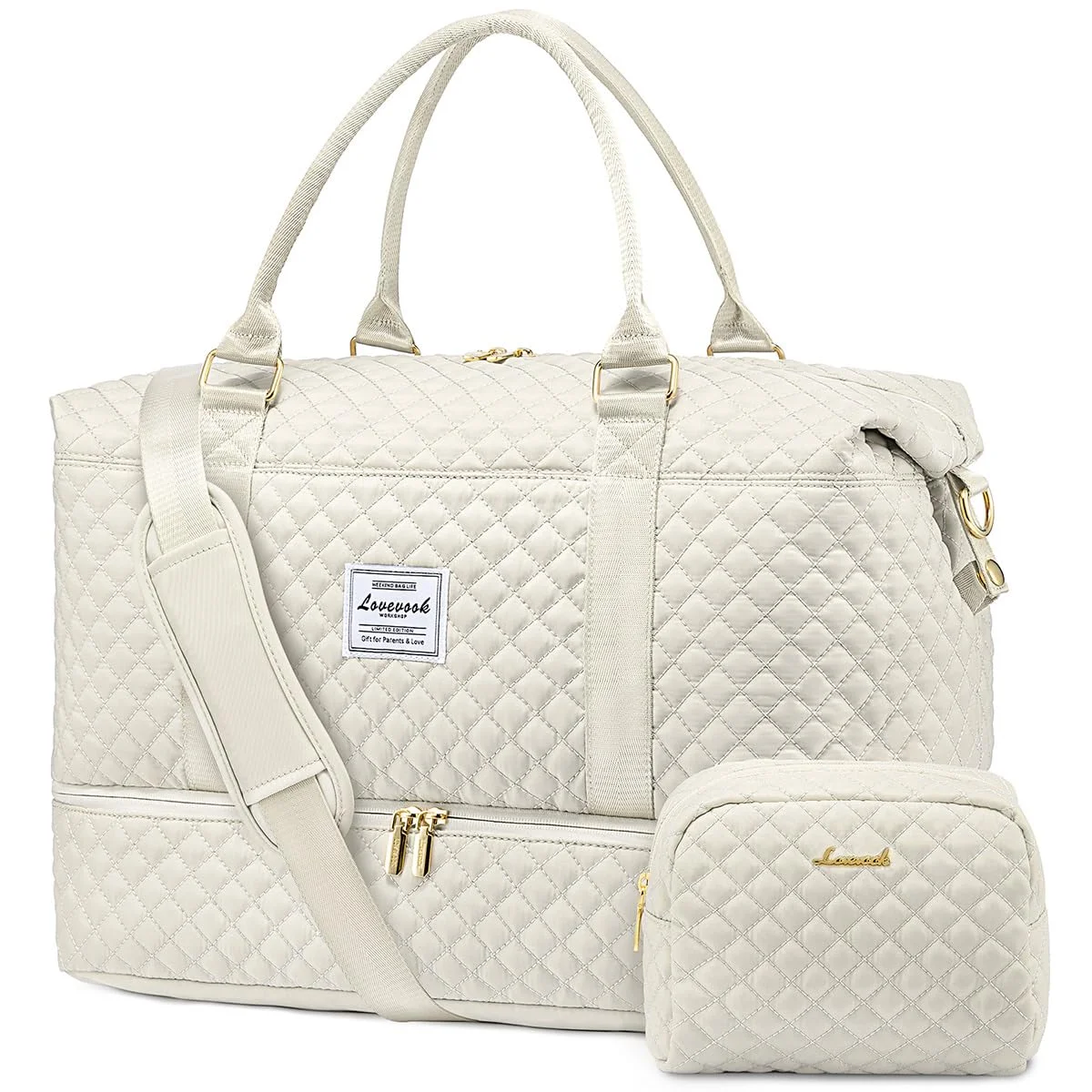
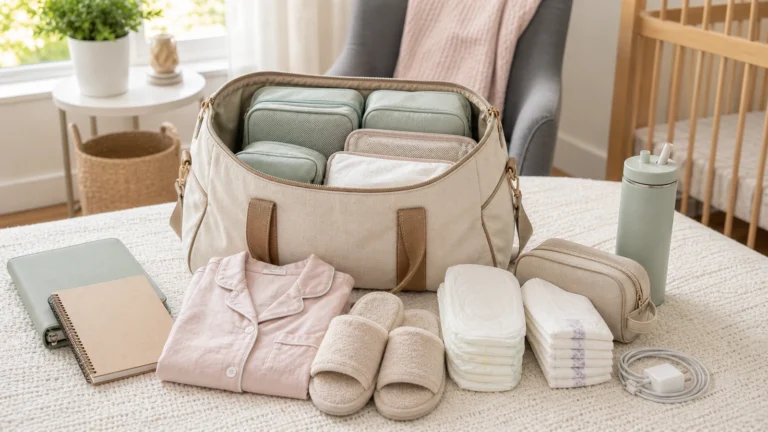
A roomy weekender duffel bag that keeps clothing, toiletries, and small labor essentials together without requiring a full-size suitcase.
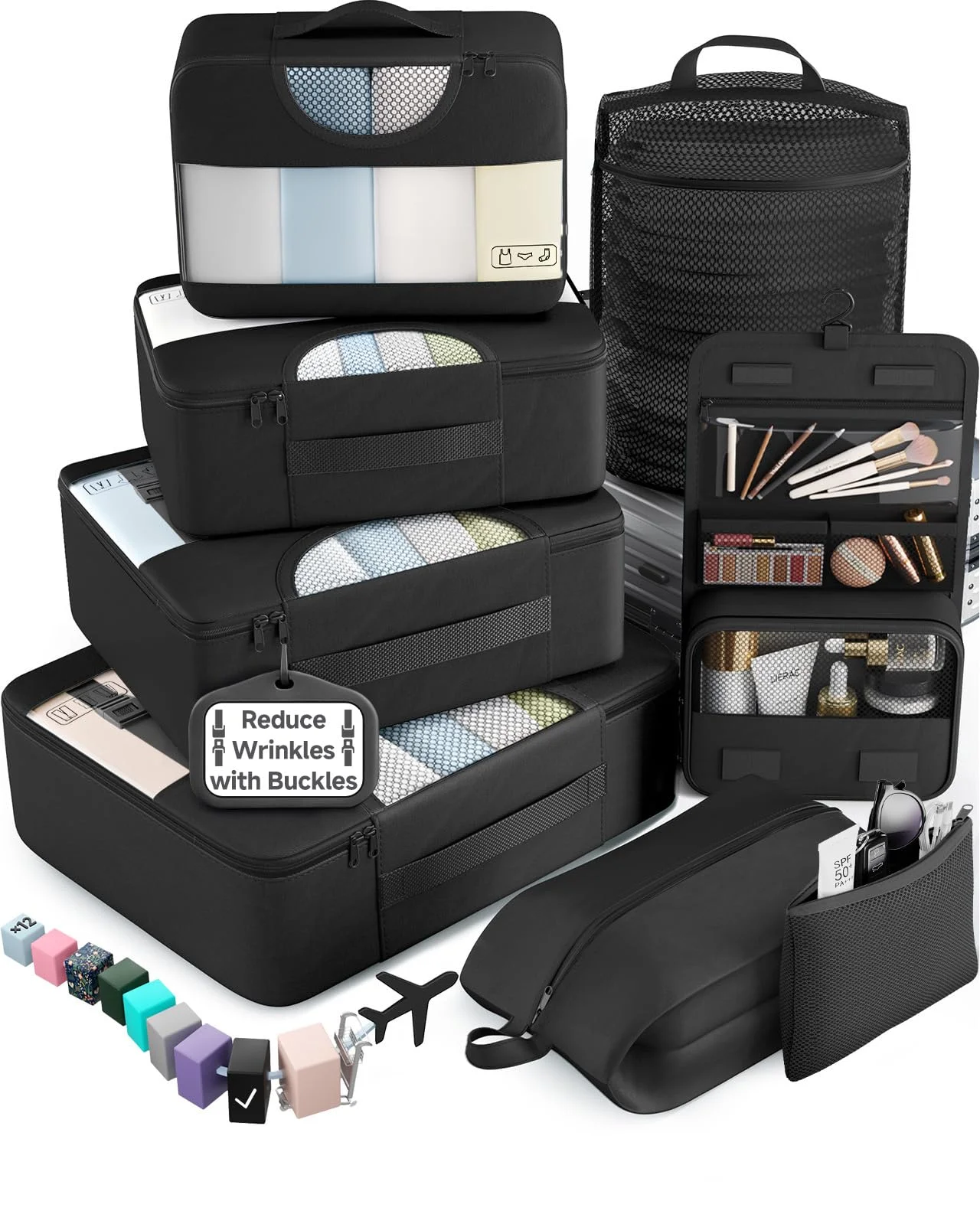
Packing cubes separate mom, baby, and partner essentials so the right pouch is easy to find in a crowded hospital room.
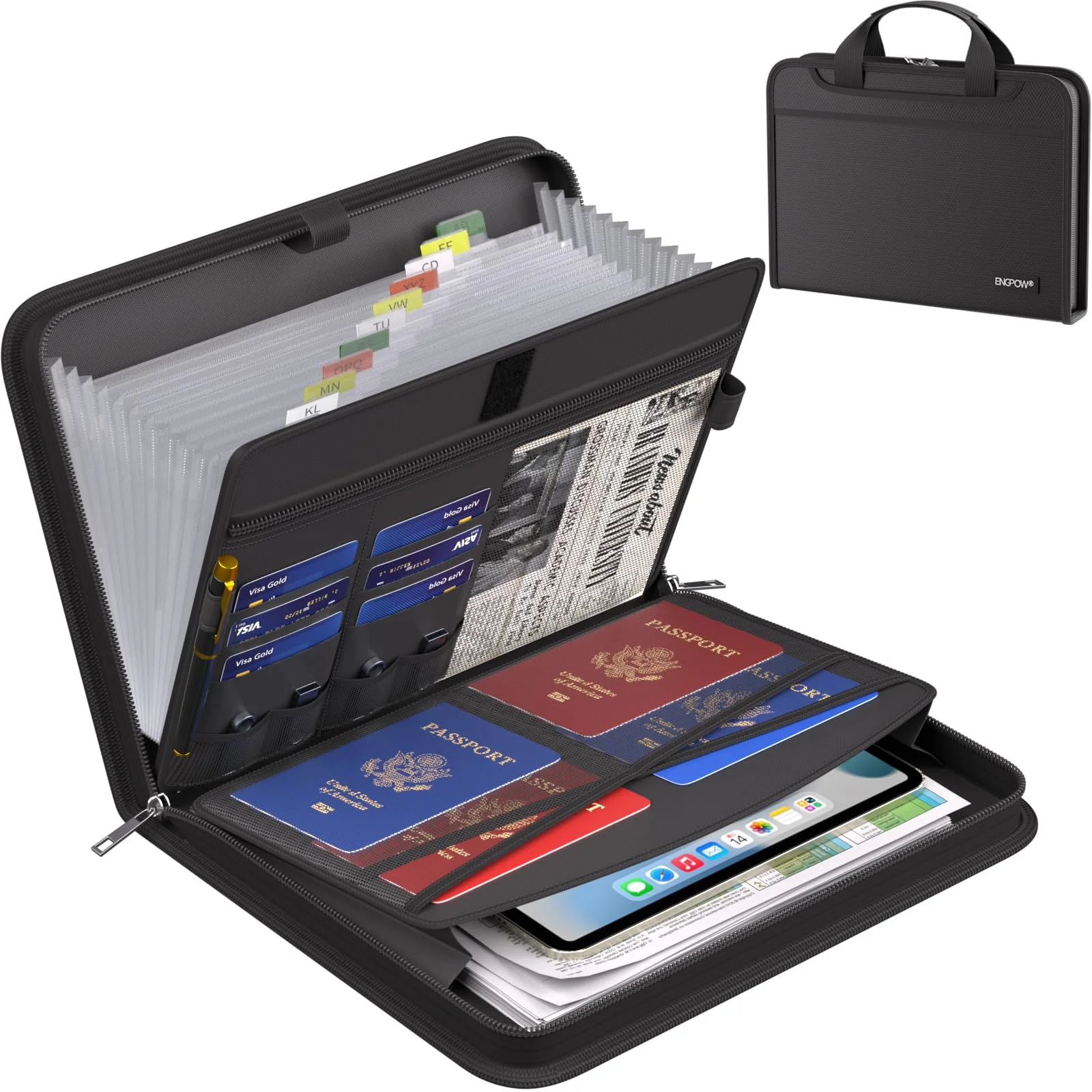
A document organizer folder keeps identification, insurance details, birth preferences, and discharge paperwork together and easy for a partner to find.
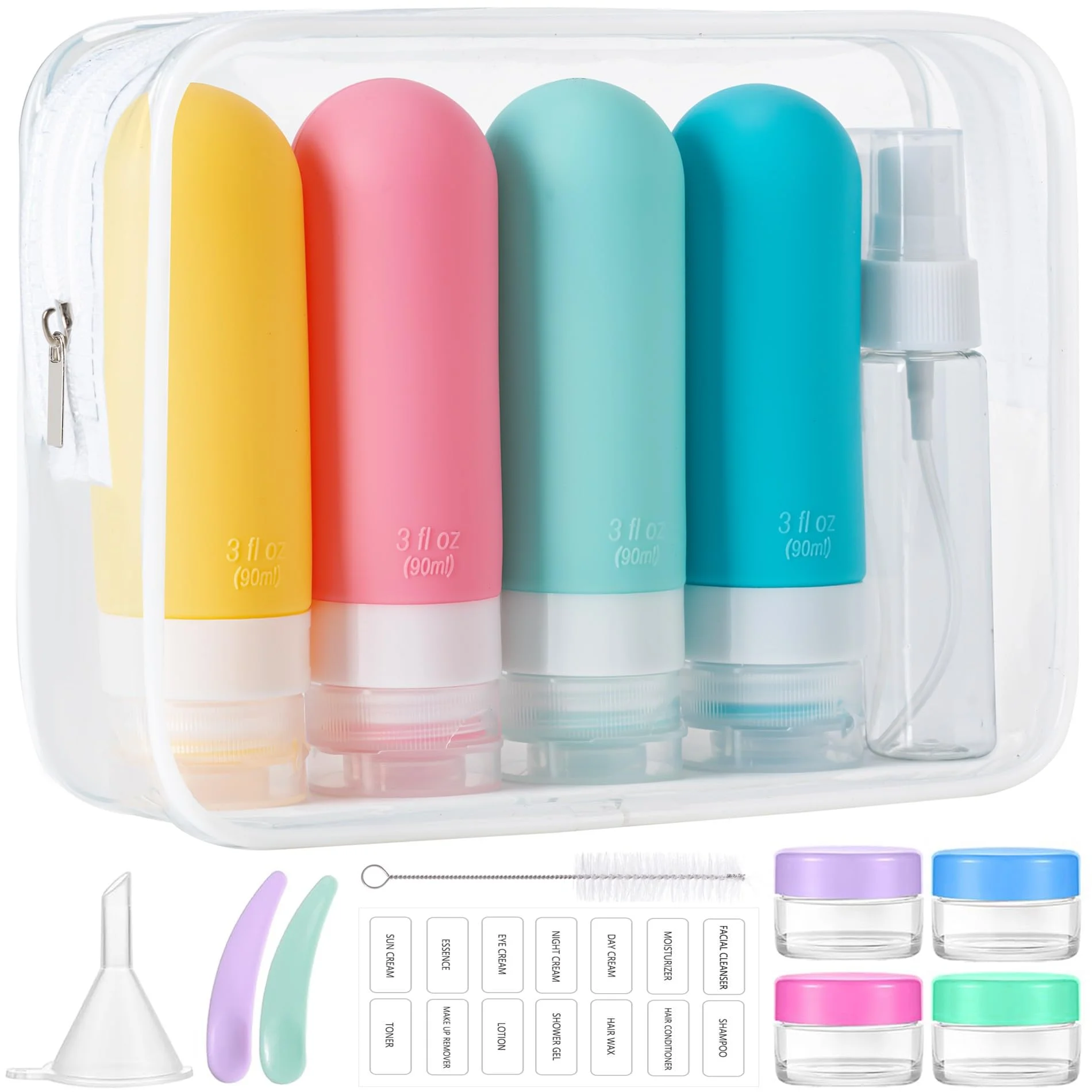
This travel toiletry kit holds shampoo, conditioner, lotion, and other familiar bathroom basics without packing full-size bottles.

A soft nursing pajama set gives new moms comfortable sleepwear with practical feeding access during recovery and the first night home.
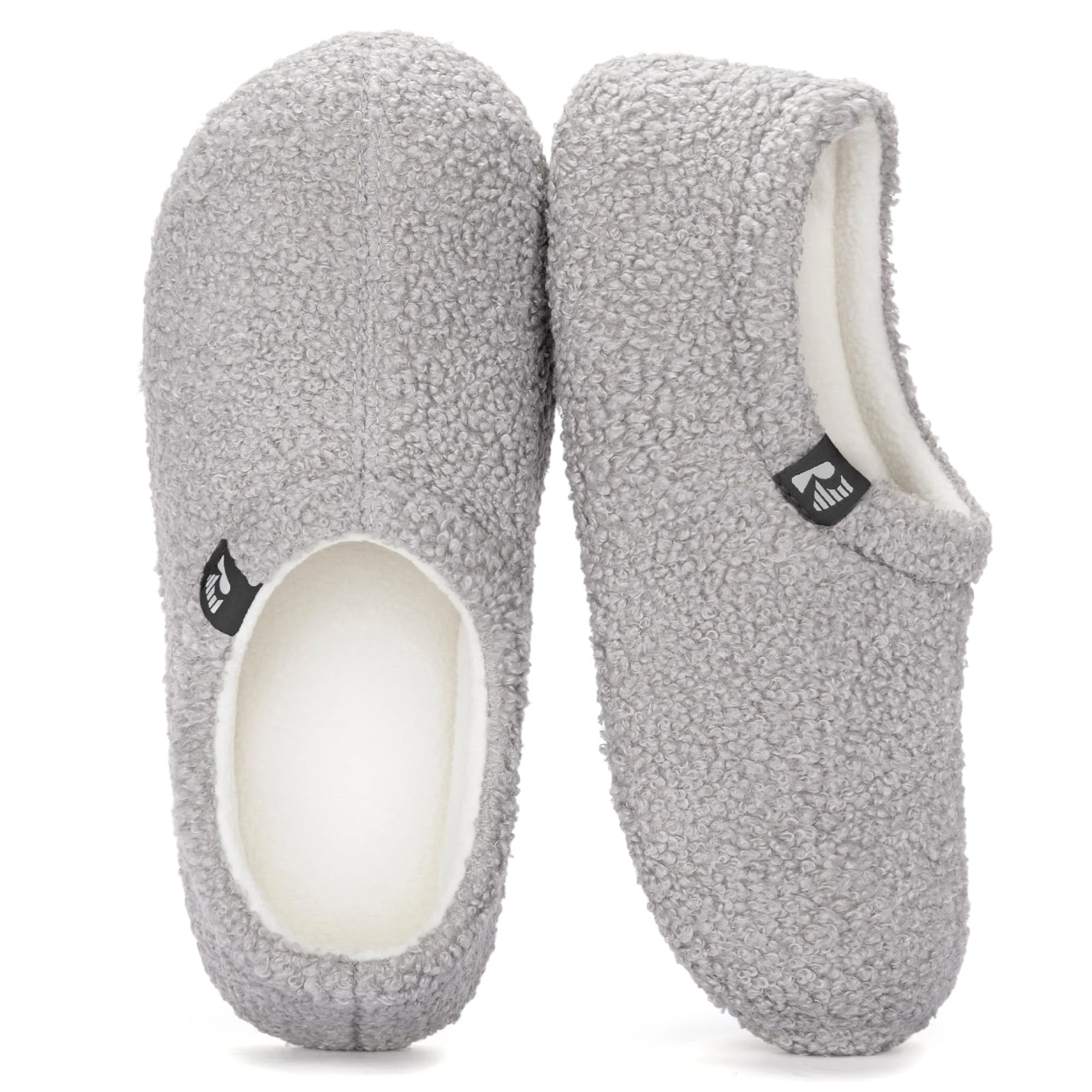
Closed-back non-slip slippers provide warmth and steadier footing for short walks around the recovery room and hospital hallway.
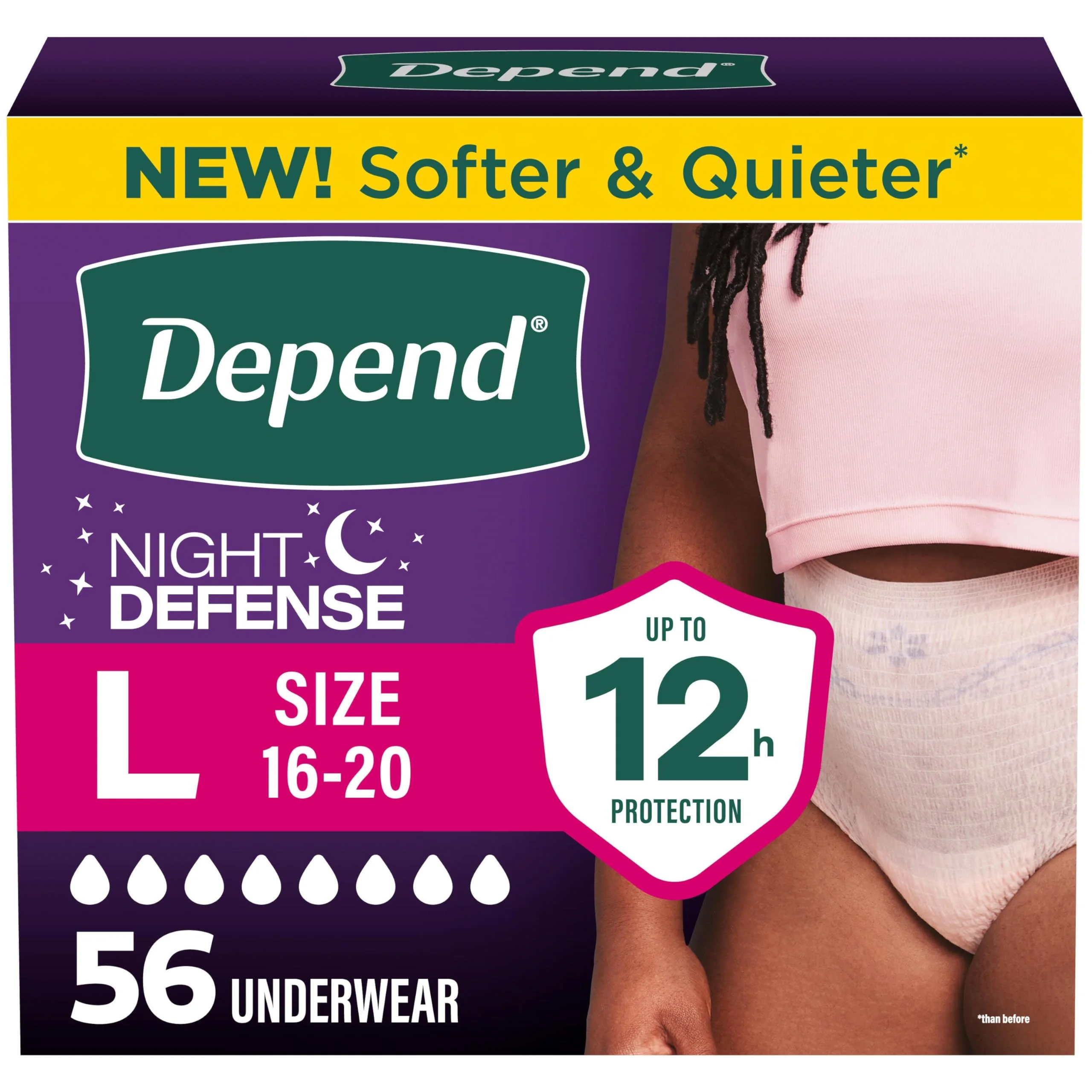
Disposable postpartum underwear provides fuller coverage for heavy early bleeding and can feel more secure than layering pads in regular underwear.

Heavy-flow postpartum pads add an absorbent backup for discharge day and the first days home when hospital supplies run out.
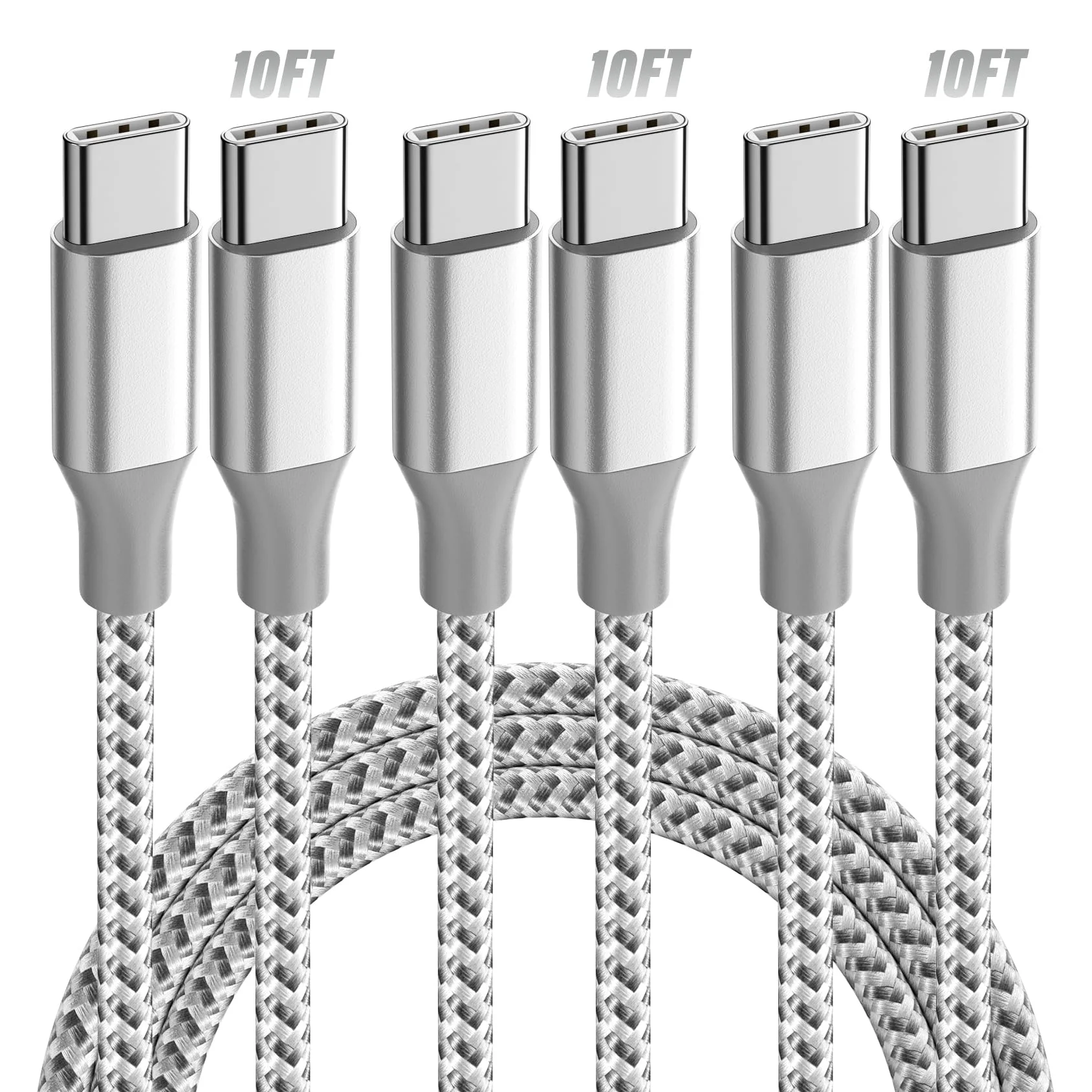
A 10-foot phone charger cable reaches outlets behind hospital beds and keeps phones available for calls, photos, and family updates.
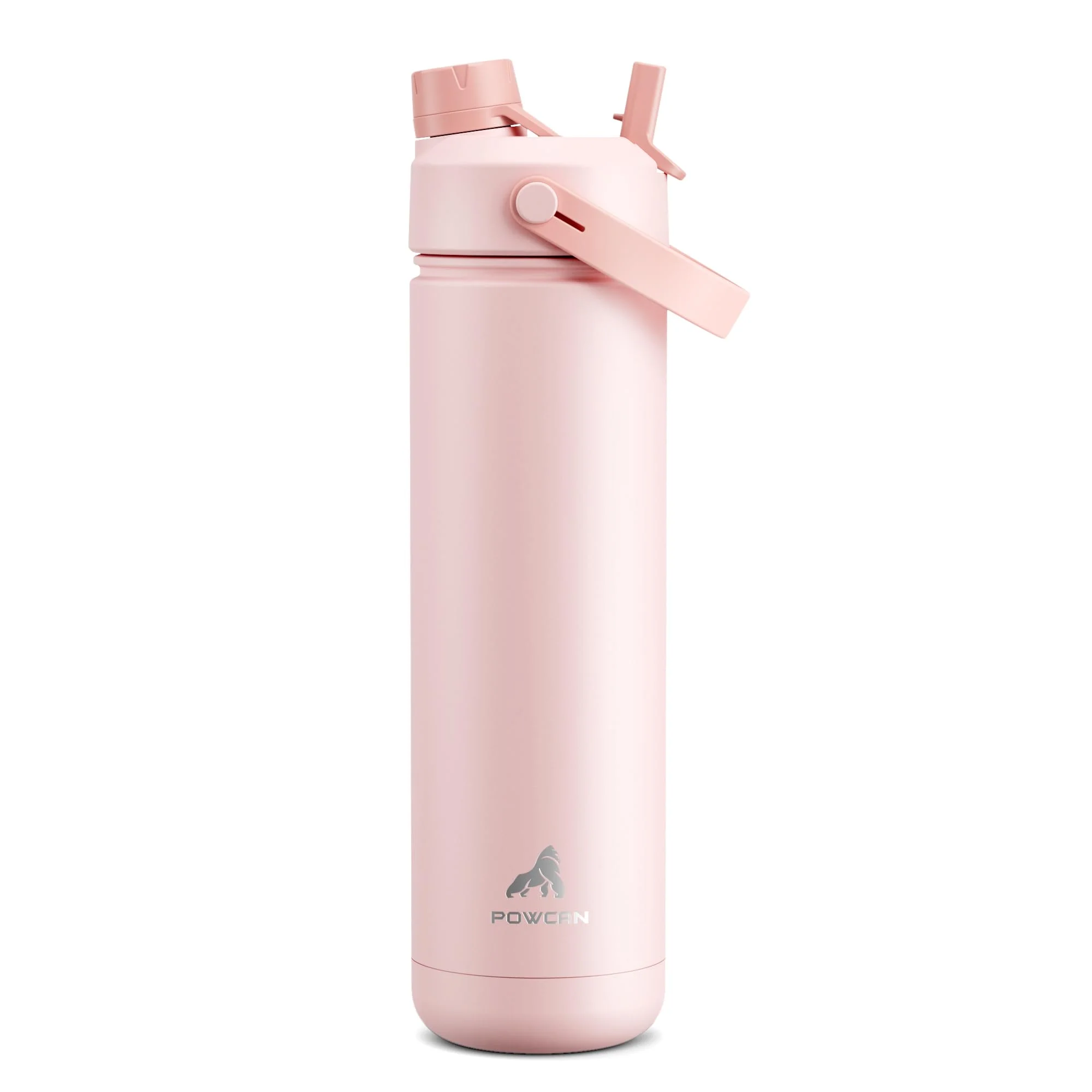
An insulated water bottle with a straw is easier to use one-handed while resting, feeding, or recovering in bed.
Quick Answer: What Belongs in a Scheduled Induction Bag?
The short answer: a Scheduled induction hospital bag should include check-in documents, ID, insurance information, a long phone charger, a straw water bottle, compact toiletries, soft pajamas, non-slip slippers, postpartum underwear and pads, and a bag system that keeps everything easy to find. Pack partner snacks and entertainment separately, and ask your hospital what you may eat or drink once induction begins.
If you want the broader induction packing framework, compare this with our hospital bag checklist for induction. This article is narrower: what I would add when the induction is already scheduled and you know you are arriving for a potentially long day.
Before you close the bag, do one full pass through the main hospital bag checklist. Then use the scheduled version to decide what stays at the top and what can wait in the car.
Make Check-In and Waiting Easier
A weekender duffel is useful because a Scheduled induction hospital bag needs room for comfort without becoming a full suitcase. You may have monitoring, paperwork, medication discussions, rest breaks, and long quiet stretches. Choose a bag that opens wide so your partner can find items while you are in bed or hooked to monitors.
A roomy weekender duffel bag that keeps clothing, toiletries, and small labor essentials together without requiring a full-size suitcase.
Packing cubes make the bag less frustrating. I would label categories mentally, even if not literally: documents, toiletries, mom clothes, postpartum, baby, and partner. The less rummaging that happens during check-in, the better. A Scheduled induction hospital bag should make handoffs obvious when you are tired.
Packing cubes separate mom, baby, and partner essentials so the right pouch is easy to find in a crowded hospital room.
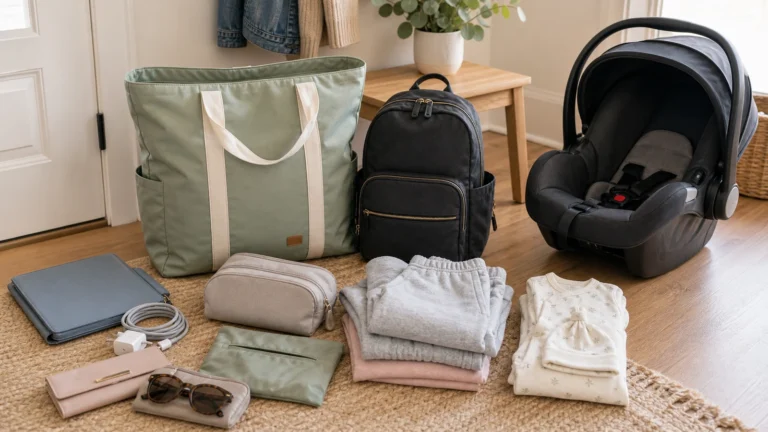
The document organizer is the quiet hero. Use it for your scheduled induction instructions, ID, insurance card, medication list, allergy details, pediatrician information, and birth plan if you use one. Put it in the easiest outside pocket or right on top of the bag.
A document organizer folder keeps identification, insurance details, birth preferences, and discharge paperwork together and easy for a partner to find.
Pack for Comfort Without Ignoring Hospital Rules
A travel toiletry kit can make a scheduled day feel less stale. Toothbrush, lip balm, deodorant, hair ties, glasses care, and face wipes are enough for most parents. Do not bring scented products or anything medical-adjacent unless you know your hospital is fine with it.
This travel toiletry kit holds shampoo, conditioner, lotion, and other familiar bathroom basics without packing full-size bottles.
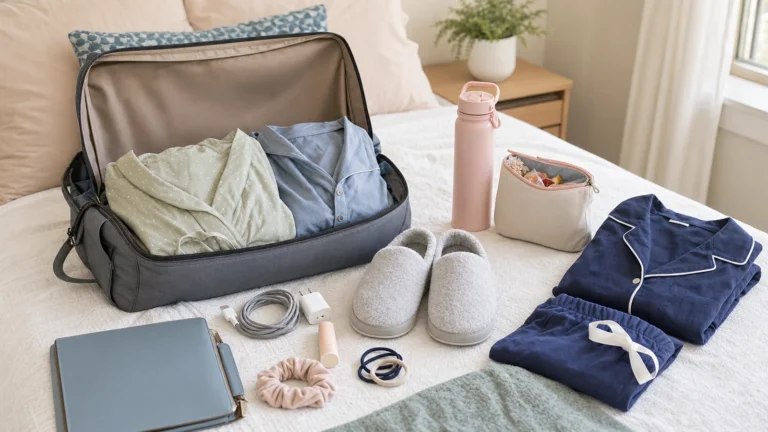
Nursing pajamas can be helpful later in the stay, especially if induction stretches into overnight hours or you want softer clothes after delivery. For a Scheduled induction hospital bag, pick dark, soft, easy-opening pajamas and keep them separate from the outfit you wear into the hospital.
A soft nursing pajama set gives new moms comfortable sleepwear with practical feeding access during recovery and the first night home.
Non-slip slippers are still worth packing. If your team allows walking or bathroom trips, you will want shoes that slide on easily and feel stable. Hospital socks are fine, but I like having a pair that feels like mine.
Closed-back non-slip slippers provide warmth and steadier footing for short walks around the recovery room and hospital hallway.
Keep Postpartum Basics Ready but Separate
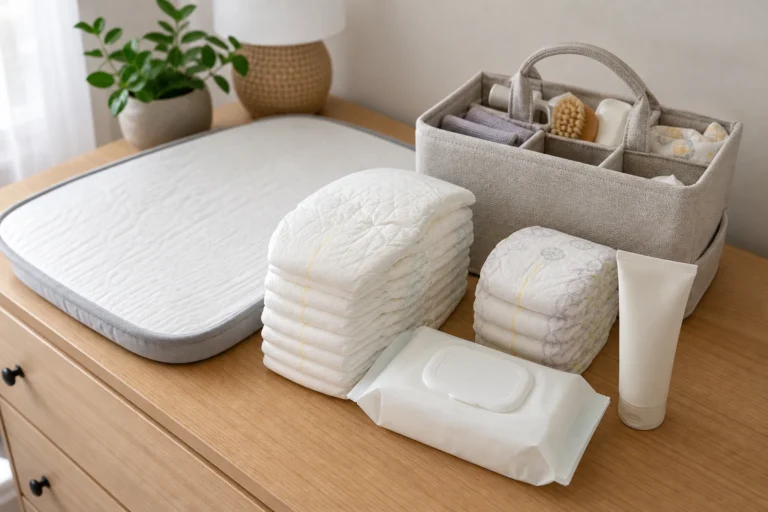
It is easy to focus so much on getting labor started that you forget the recovery side. Disposable postpartum underwear and heavy-flow pads can stay in one pouch for after birth. Hospitals usually provide supplies, so think of these as familiar backups, not the whole recovery plan.
Disposable postpartum underwear provides fuller coverage for heavy early bleeding and can feel more secure than layering pads in regular underwear.
Heavy-flow postpartum pads add an absorbent backup for discharge day and the first days home when hospital supplies run out.
A Scheduled induction hospital bag works best when postpartum items are not scattered. One pouch means someone can grab the whole recovery setup after delivery without asking you where every small item went.
Power, Hydration, and the Long Middle
A 10-foot charger cable is one of the first things I would pack. Scheduled induction can mean hours of updates, music, photos, childcare coordination, and waiting. Hospital outlets are rarely exactly where your hand wants them, so a Scheduled induction hospital bag needs power within easy reach.
A 10-foot phone charger cable reaches outlets behind hospital beds and keeps phones available for calls, photos, and family updates.
An insulated water bottle with a straw is useful once drinking is allowed. Follow hospital instructions if fluids are limited, especially if anesthesia or other care plans are being discussed. The bottle belongs within reach, not under the baby clothes.
An insulated water bottle with a straw is easier to use one-handed while resting, feeding, or recovering in bed.
Safety Notes for a Scheduled Induction
ACOG’s labor induction patient FAQ explains induction as using medications or other methods to start labor. Your reason for induction, timing, monitoring, pain relief, eating and drinking rules, and when to call before arrival should come from your own clinician or hospital. A packing list can keep you organized; it cannot tell you what medical steps are right for you.
If your scheduled time changes, your bag still works. Keep the top pocket ready with documents, charger, lip balm, and phone. Keep the parent Hospital Bag Checklist nearby for a final baby, partner, and discharge check.
FAQ
Should I pack more for a scheduled induction?
Pack smarter, not dramatically more. Add better organization, a long charger, toiletries, comfortable clothes, and partner snacks. Keep bulky extras in the car if you may want them later.
Can I eat before or during induction?
Ask your hospital. Food and drink rules vary based on your care plan, medication, anesthesia considerations, and your specific pregnancy.
What should be easiest to reach?
Keep documents, phone charger, lip balm, hair ties, toiletries, slippers, and water bottle near the top. Baby and discharge items can sit lower in the bag.
Do I need postpartum supplies if the hospital provides them?
The hospital usually provides basics, but a small personal backup pouch can be helpful if you prefer familiar underwear or pads after delivery.
My final Scheduled induction hospital bag advice is to pack for waiting, rest, and clear handoffs. If another adult can find documents, charger, toiletries, slippers, water, and postpartum supplies without waking you up, the bag is doing its job.
Before you head out, do one last review with the full Hospital Bag Checklist. Then stop adding extras and leave space for the items you will bring home.
Shop Scheduled Induction Picks