Hospital Bag Checklist for Induction: What to Pack for a Longer Labor Stay
A Hospital bag checklist for induction should assume you may spend more time waiting than pushing. After three babies, I would pack induction day like a long hospital day with a baby at the end: documents, charger, comfortable clothes, toiletries, safe slippers, postpartum basics, hydration, and enough organization that your support person can find things without unpacking the whole room.
Use the parent Hospital Bag Checklist as your base, then make the induction version a little more patient and a little more organized. A Hospital bag checklist for induction is not medical advice; your hospital’s arrival time, eating and drinking rules, medications, monitoring, and labor plan come from your care team.
Disclosure: BabyEthos is reader-supported. As an Amazon Associate, we earn from qualifying purchases. This does not change what you pay, and product choices should never replace instructions from your clinician or hospital.
QUICK SHOP
Induction Hospital Bag Picks
These assigned picks cover organization, documents, toiletries, soft clothes, safe walking, postpartum basics, phone power, and hydration for a longer hospital stay.
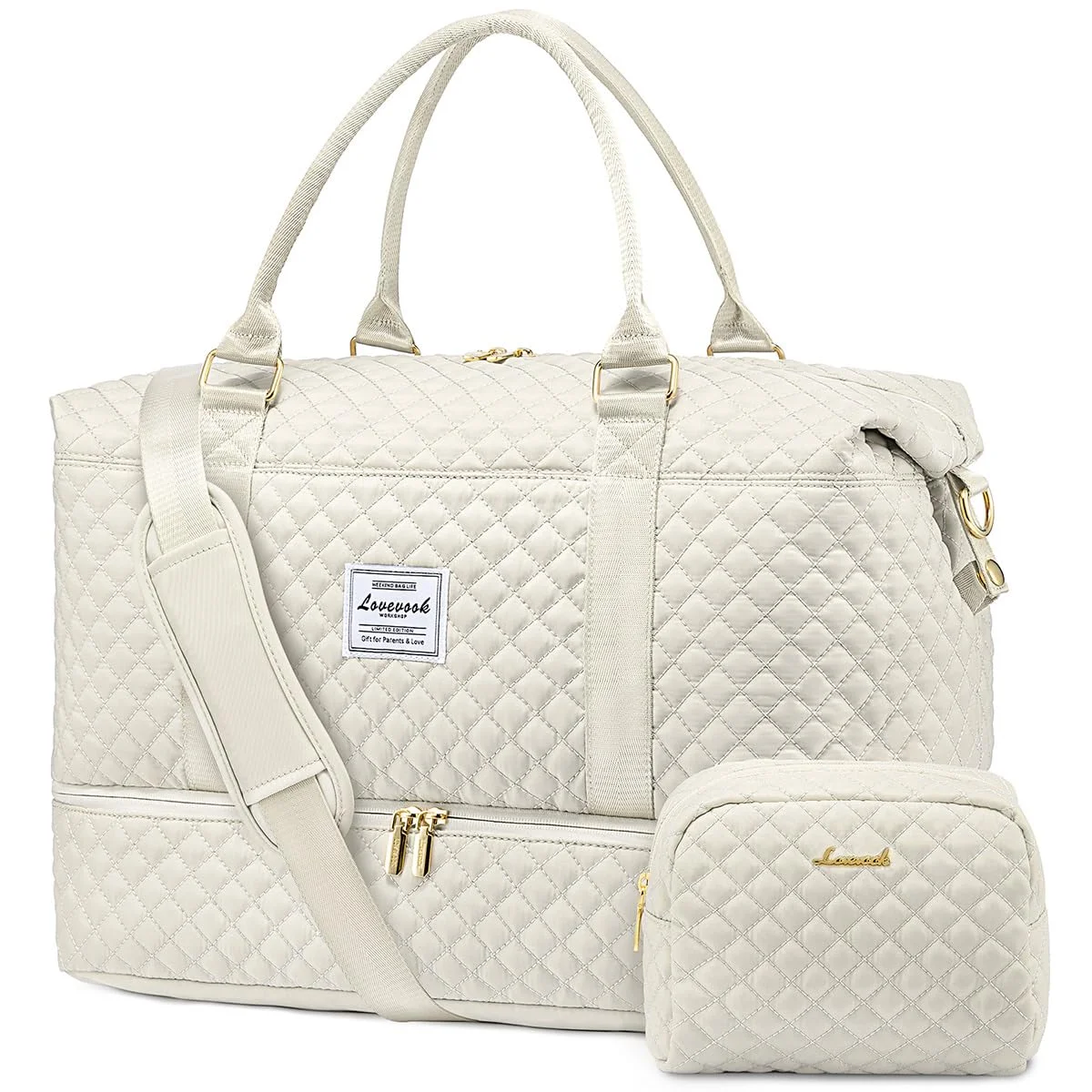
A roomy weekender duffel bag that keeps clothing, toiletries, and small labor essentials together without requiring a full-size suitcase.
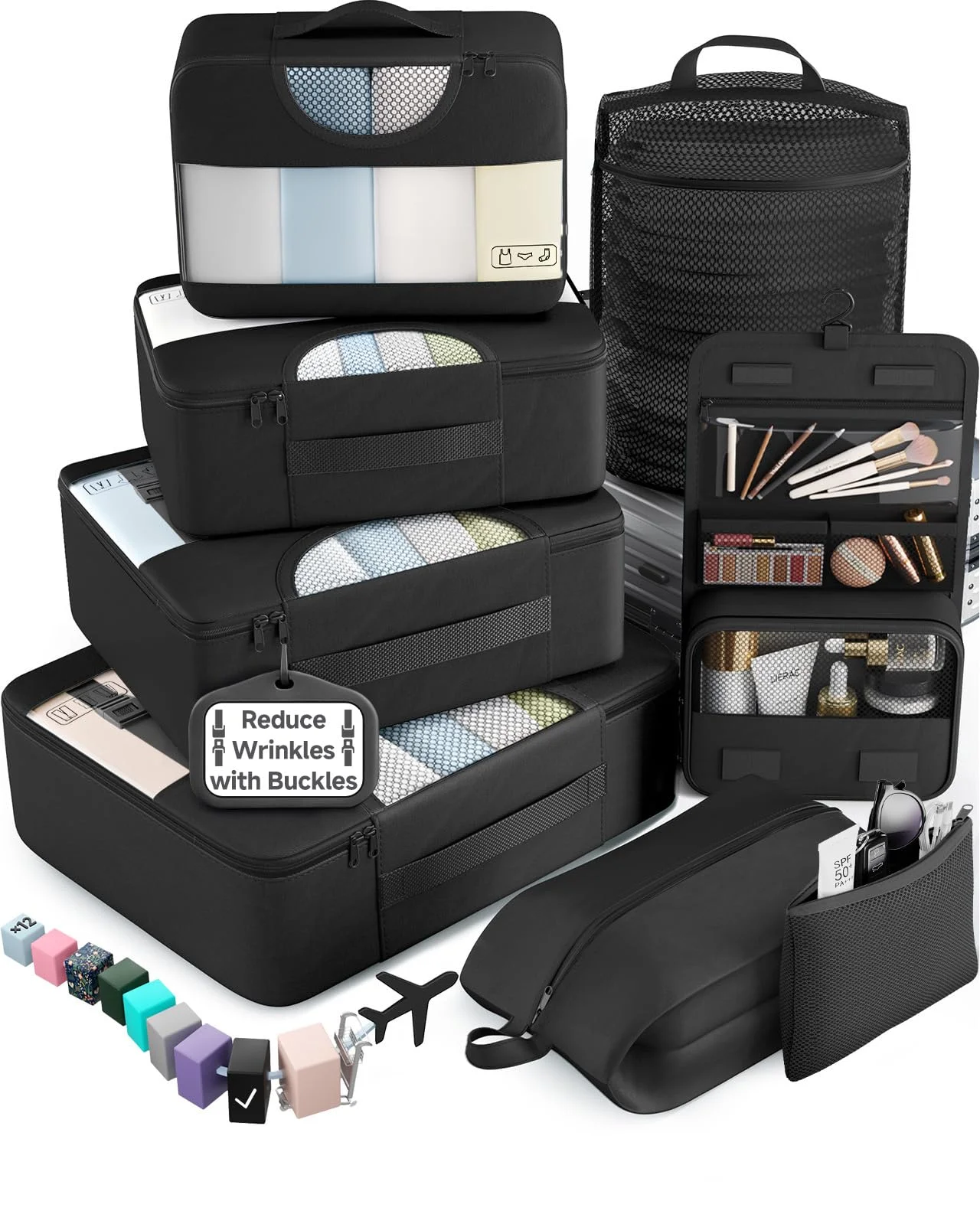
Packing cubes separate mom, baby, and partner essentials so the right pouch is easy to find in a crowded hospital room.
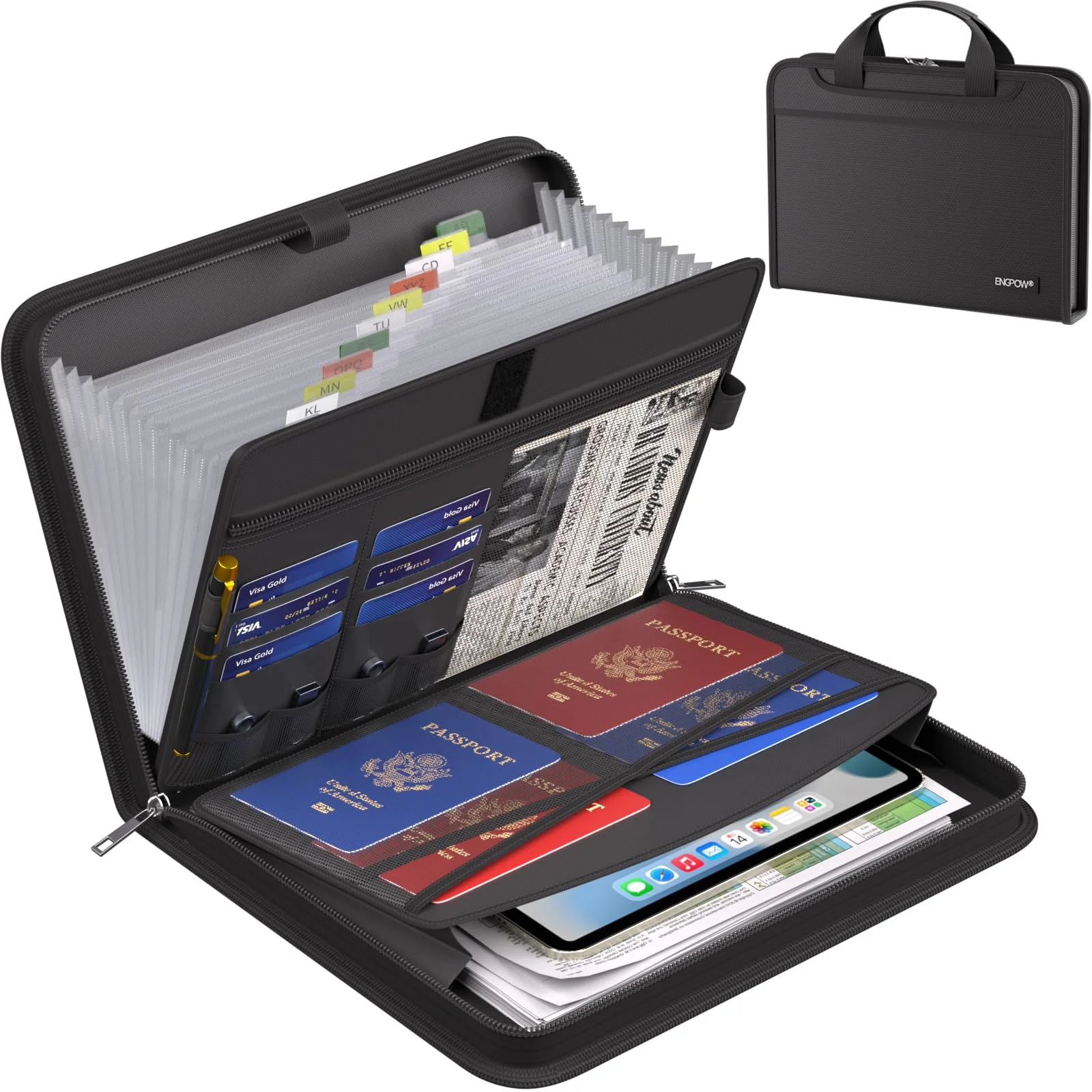
A document organizer folder keeps identification, insurance details, birth preferences, and discharge paperwork together and easy for a partner to find.
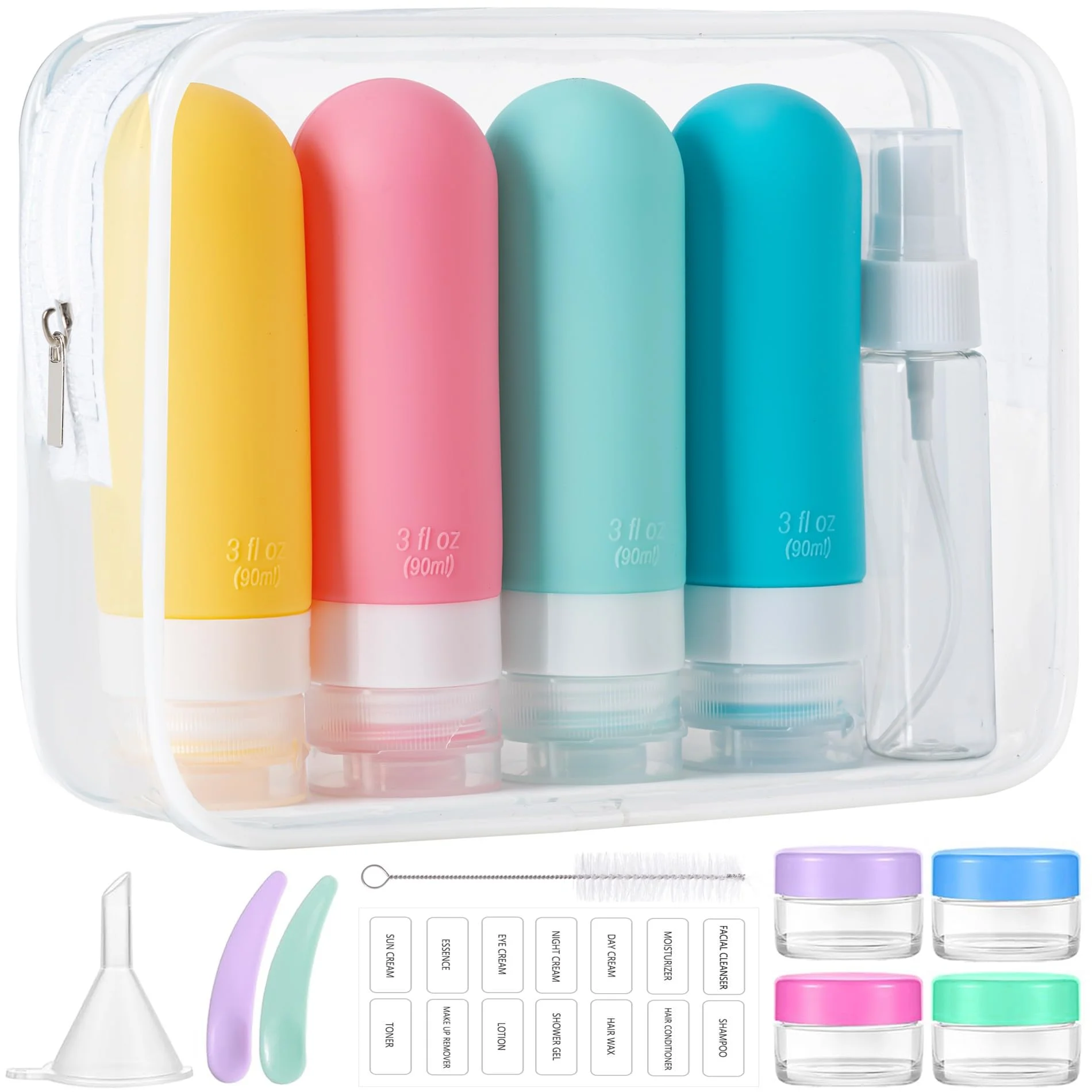
This travel toiletry kit holds shampoo, conditioner, lotion, and other familiar bathroom basics without packing full-size bottles.

A soft nursing pajama set gives new moms comfortable sleepwear with practical feeding access during recovery and the first night home.
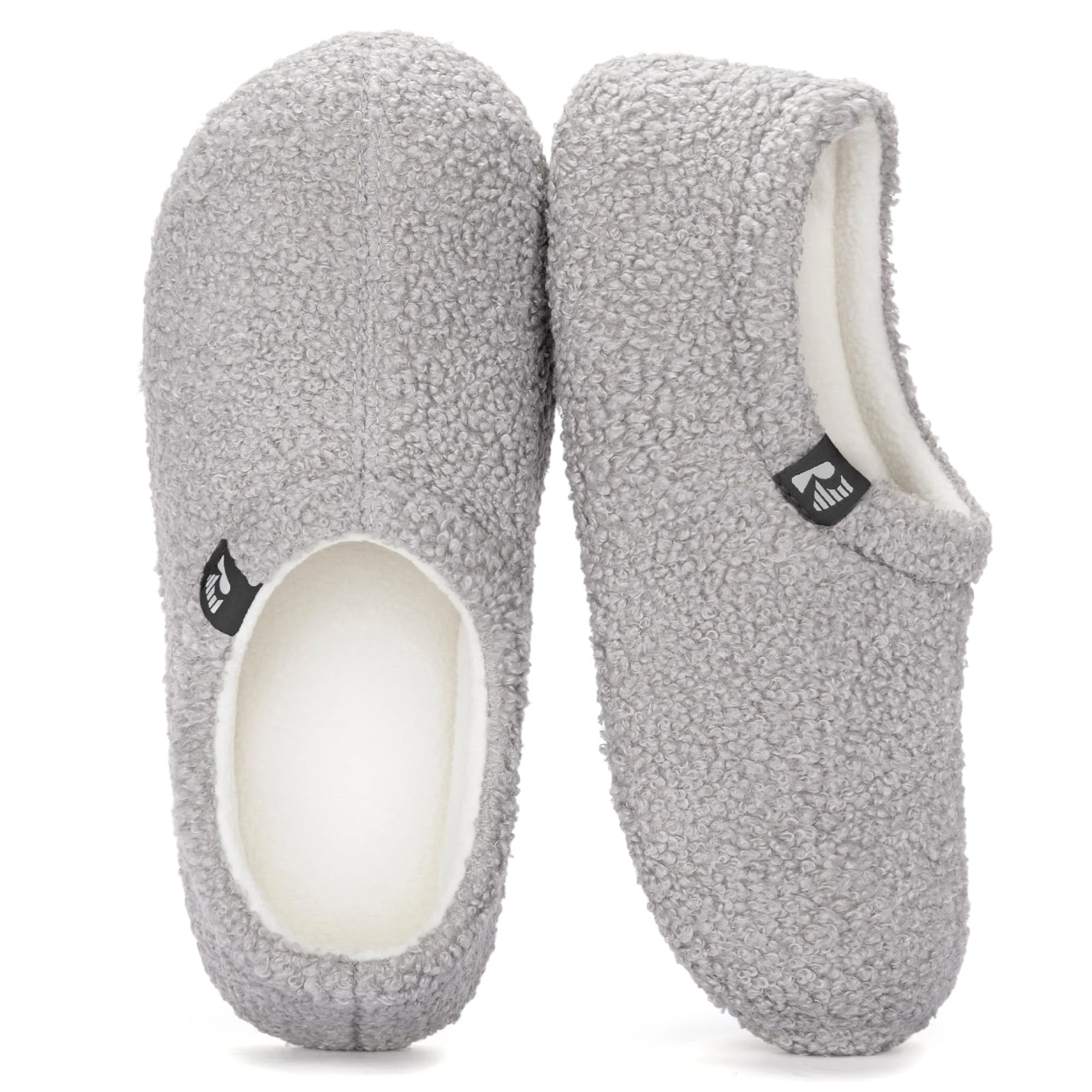
Closed-back non-slip slippers provide warmth and steadier footing for short walks around the recovery room and hospital hallway.
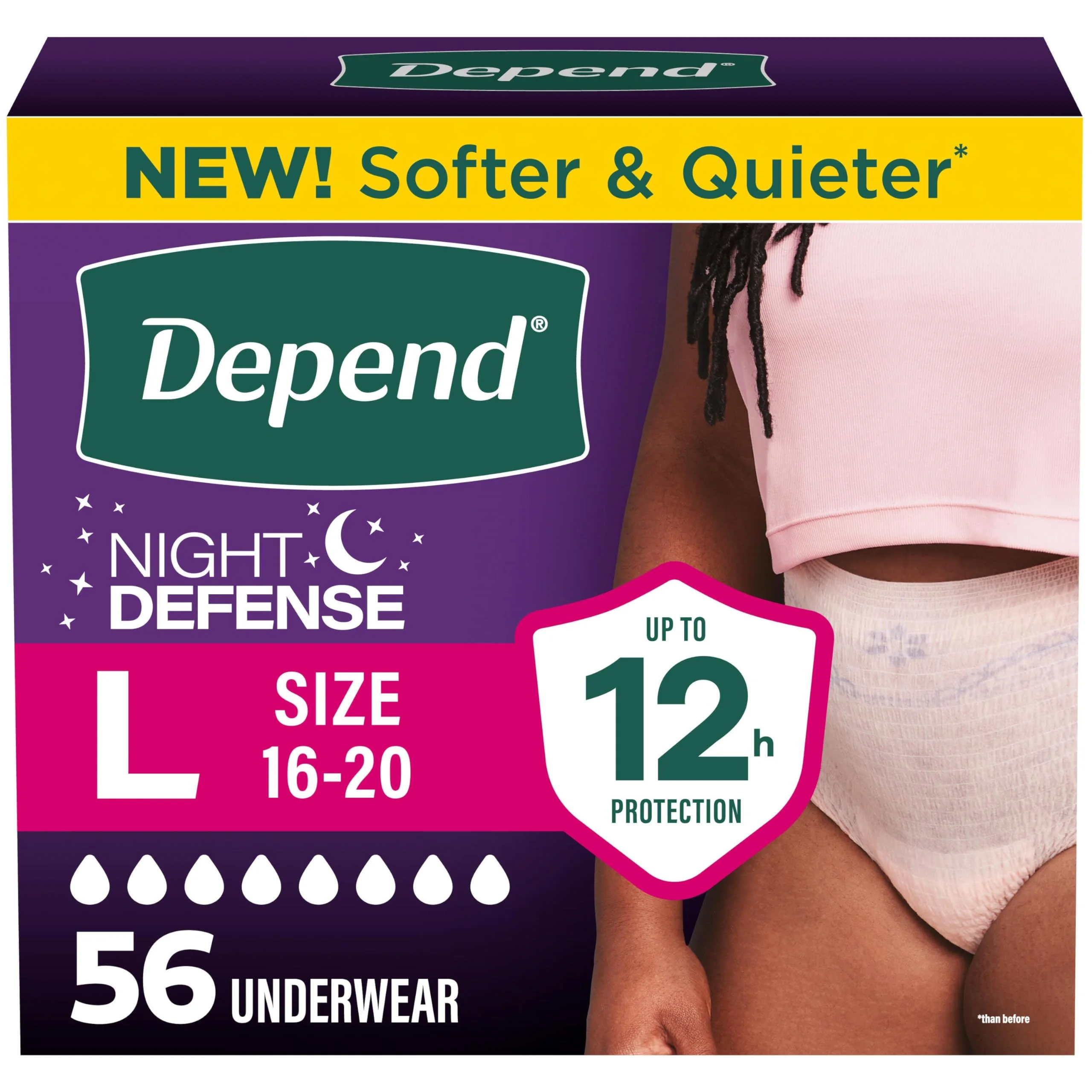
Disposable postpartum underwear provides fuller coverage for heavy early bleeding and can feel more secure than layering pads in regular underwear.
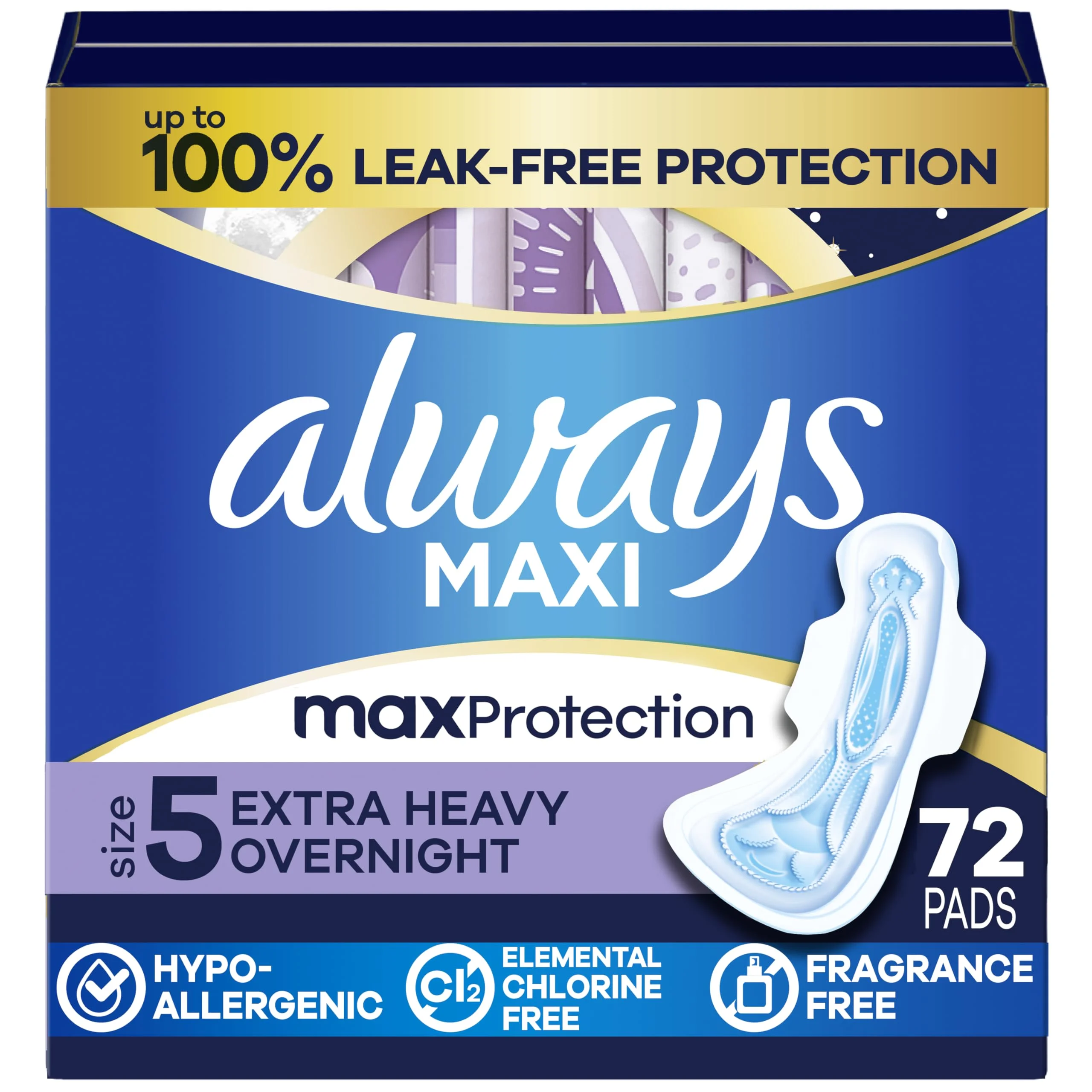
Heavy-flow postpartum pads add an absorbent backup for discharge day and the first days home when hospital supplies run out.
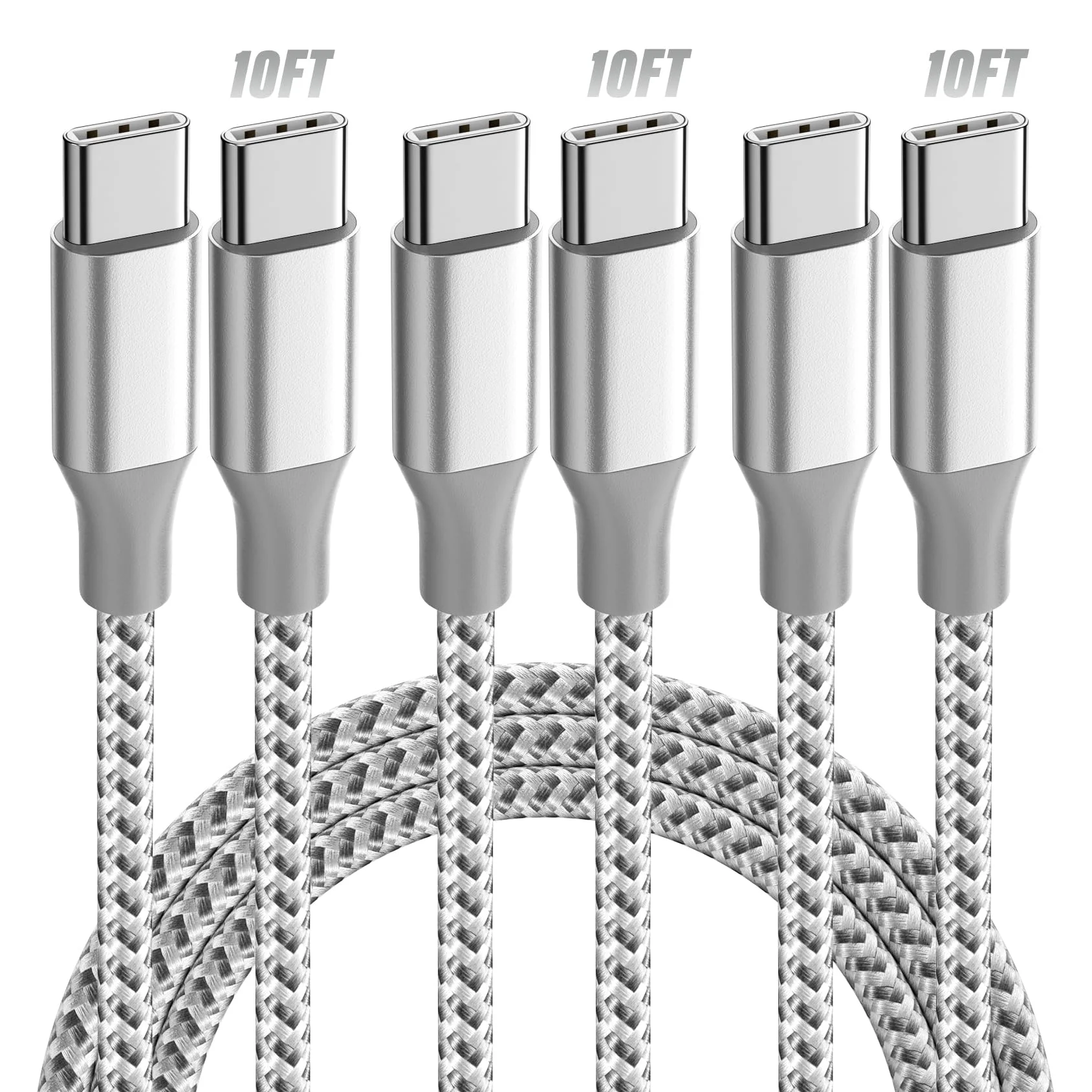
A 10-foot phone charger cable reaches outlets behind hospital beds and keeps phones available for calls, photos, and family updates.
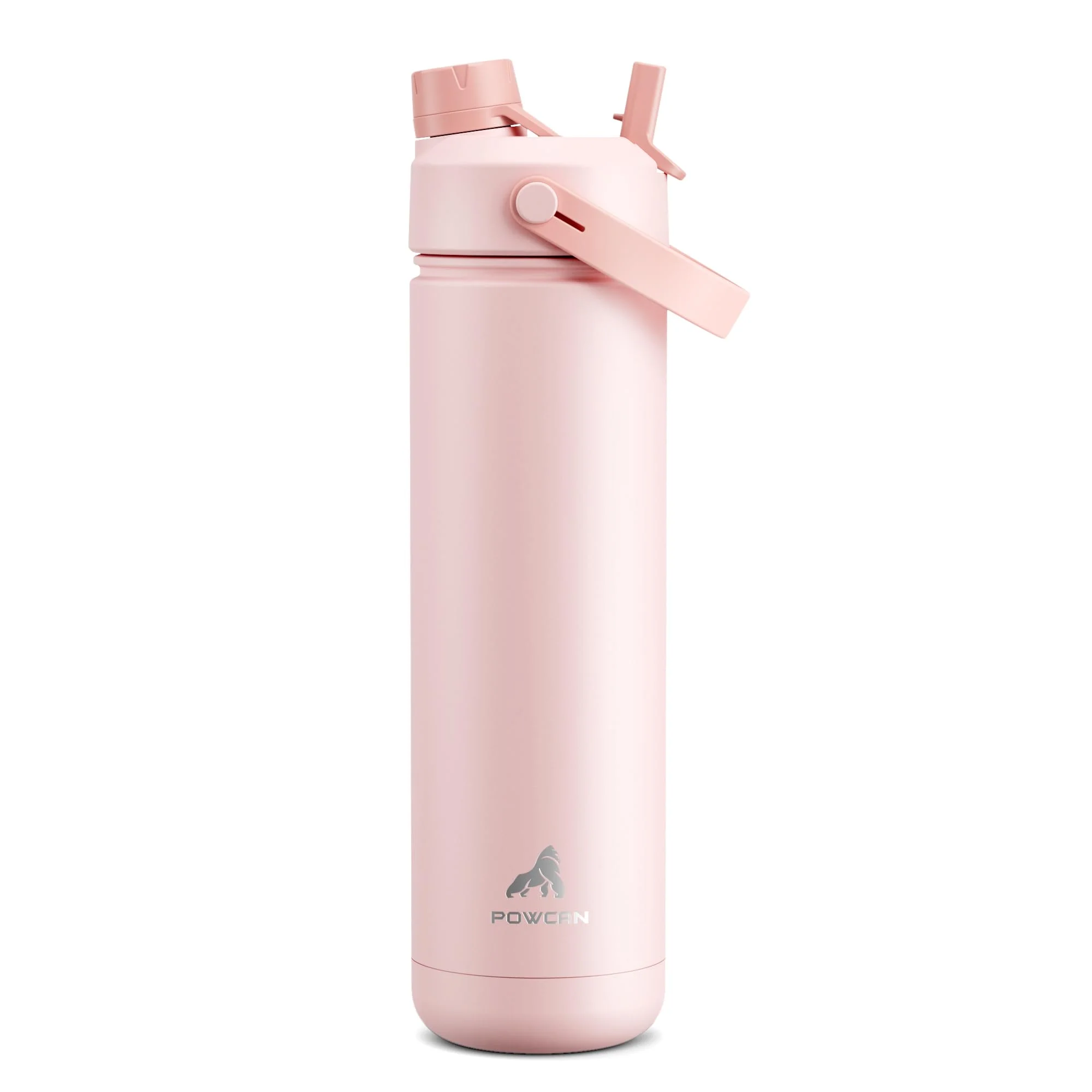
An insulated water bottle with a straw is easier to use one-handed while resting, feeding, or recovering in bed.
Quick Answer: What Should You Add for Induction?
The short answer: a Hospital bag checklist for induction should add patience items and better organization. Pack documents, a long charger, toiletries, soft nursing pajamas, non-slip slippers, postpartum underwear and pads, a straw water bottle, and a bag setup that can handle a longer admission. Add partner snacks, entertainment, and any hospital-requested paperwork, but follow your facility’s rules about food, medication, and timing.
The full hospital bag checklist still covers baby basics, partner items, and last-minute reminders. This guide focuses on what changes when labor may start slowly, monitoring may take time, and you may spend many hours in one room before active labor.
If you are packing late at night before a scheduled arrival, open the parent Hospital Bag Checklist first, then use this induction list as the waiting-time layer.
Pack Like You May Be There a While
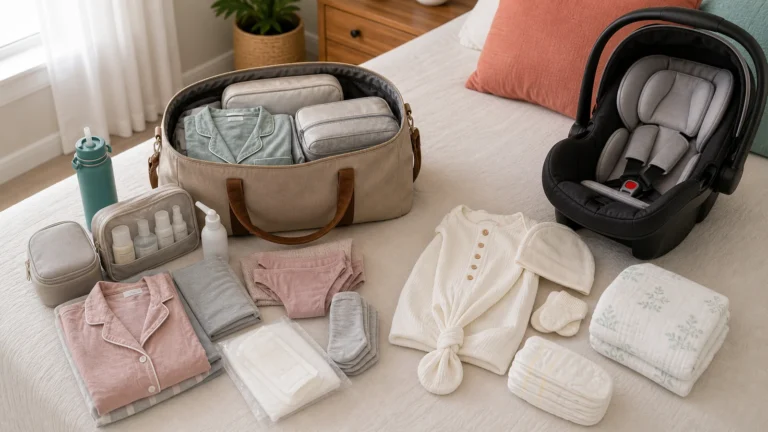
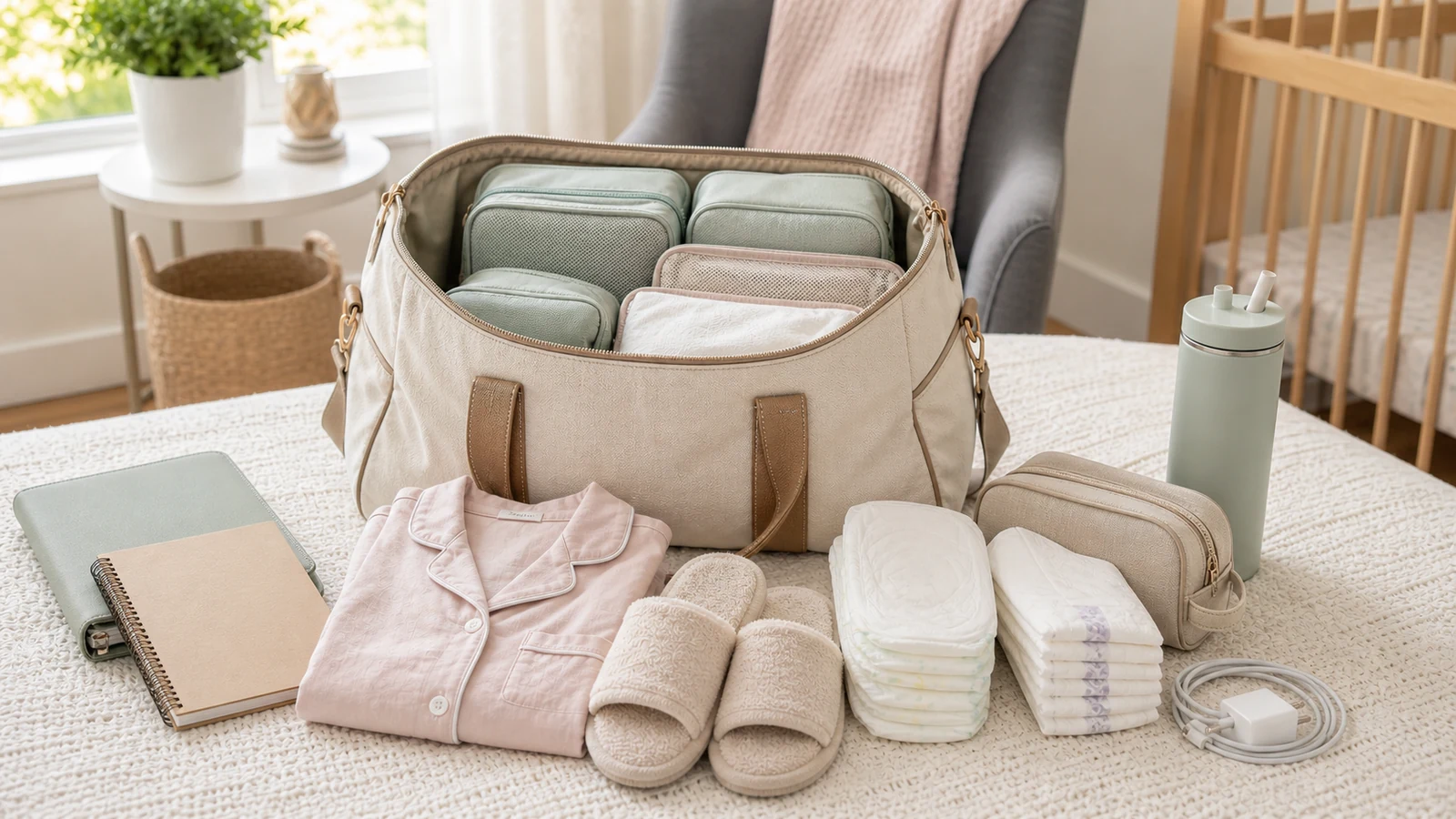
A weekender duffel is a good fit for a Hospital bag checklist for induction because it gives you room without turning the hospital room into luggage storage. Induction can involve check-in, monitoring, medication discussions, cervical checks, rest periods, and waiting. You want a bag that opens wide and makes sense to someone else when you are tired.
A roomy weekender duffel bag that keeps clothing, toiletries, and small labor essentials together without requiring a full-size suitcase.
Packing cubes help because induction time is unpredictable. Label one cube “Mom Clothes,” one “Postpartum,” one “Toiletries,” and one “Baby.” When things pick up, nobody should be digging past underwear and chargers to find a toothbrush or clean pajama top.
Packing cubes separate mom, baby, and partner essentials so the right pouch is easy to find in a crowded hospital room.
A document organizer belongs near the top. Use it for ID, insurance information, registration paperwork, medication and allergy lists, your induction instructions, and a birth plan if you have one. For a Hospital bag checklist for induction, paperwork is not decorative; it keeps repeated check-in questions easier.
A document organizer folder keeps identification, insurance details, birth preferences, and discharge paperwork together and easy for a partner to find.
Bring Comfort Clothes That Can Handle Waiting
A travel toiletry kit should stay small but real: toothbrush, toothpaste, deodorant, lip balm, hair ties, face wipes if you like them, glasses supplies, and any hospital-approved personal care items. If induction stretches into the next day, a basic refresh can make you feel human again.
This travel toiletry kit holds shampoo, conditioner, lotion, and other familiar bathroom basics without packing full-size bottles.
Nursing pajamas are useful once your team says changing is appropriate. Choose soft, dark, stretchy clothing that opens easily for feeding or skin-to-skin later. In my Hospital bag checklist for induction, pajamas are not for looking polished; they are for resting, feeding, and surviving the long middle stretch comfortably.
A soft nursing pajama set gives new moms comfortable sleepwear with practical feeding access during recovery and the first night home.
Non-slip slippers are one of the most boring items you will be glad you packed. You may walk the hallway, use the bathroom often, or move around the room if your care team allows it. Choose something easy to slide on and stable on hospital floors.
Closed-back non-slip slippers provide warmth and steadier footing for short walks around the recovery room and hospital hallway.
Do Not Forget Postpartum Basics
Even when labor starts with induction, the postpartum room still needs the same basics. Disposable postpartum underwear and heavy-flow pads can be helpful backups if you prefer familiar supplies or if the hospital options run low. Use what your nurse recommends first, and ask before using anything medical-adjacent.
Disposable postpartum underwear provides fuller coverage for heavy early bleeding and can feel more secure than layering pads in regular underwear.
Heavy-flow postpartum pads add an absorbent backup for discharge day and the first days home when hospital supplies run out.
For a Hospital bag checklist for induction, I would keep postpartum supplies in one clear pouch. That way they are available after birth without taking over the whole bag during the waiting stage.
Keep Power and Hydration Close
A 10-foot charger cable is almost mandatory for an induction bag because you may be in the room long enough to drain your phone twice. Your partner may also need to update family, handle photos, manage music, or coordinate childcare. Put the charger in the outside pocket, not inside a cube.
A 10-foot phone charger cable reaches outlets behind hospital beds and keeps phones available for calls, photos, and family updates.
An insulated water bottle with a straw is helpful, but follow hospital rules about eating and drinking during induction. If fluids are restricted or timed around a procedure, your nurse will tell you. Once you are allowed to drink, a straw bottle is easier to use from bed or during feeding.
An insulated water bottle with a straw is easier to use one-handed while resting, feeding, or recovering in bed.
Safety and Timing Notes
ACOG’s labor induction patient FAQ explains that induction is the use of medications or other methods to start labor. Your own reason for induction, timing, monitoring, pain-relief options, eating and drinking rules, and discharge expectations should come from your care team. A Hospital bag checklist for induction can make the day smoother, but it cannot decide what is medically appropriate.
If you know the induction is scheduled, you may also like our scheduled induction hospital bag guide. This article is the broad packing list; that one focuses more tightly on the planned-arrival scenario.
FAQ
How is an induction bag different from a regular hospital bag?
It usually needs more waiting-time comfort: charger, documents, toiletries, comfortable clothes, hydration setup, and better organization. The birth and postpartum basics are mostly the same.
Should I pack snacks for induction?
Pack snacks for your support person, but ask your hospital what you are allowed to eat or drink. Rules can change based on medication, monitoring, anesthesia plans, and your specific situation.
Do I need extra postpartum supplies after induction?
Not necessarily. Hospitals often provide basics, but a small backup pouch with underwear and pads can be comforting if you prefer familiar supplies.
What should stay at the top of the bag?
Keep ID, insurance, induction paperwork, charger, lip balm, toiletries, and slippers easy to reach. The less urgent baby and discharge items can sit lower in the bag.
My final Hospital bag checklist for induction rule is to pack for a long day, not a dramatic movie scene. Documents, chargers, soft clothes, basic toiletries, safe shoes, postpartum backup, and patience will do more for you than a pile of rarely used extras.
Before you close the bag, do one final pass with the parent Hospital Bag Checklist. Then put the top-pocket items where another adult can find them fast.
Shop Induction Bag Picks