Mom vs Baby Hospital Bag: What Goes in Each Bag and What to Skip
Disclosure: BabyEthos is reader-supported. As an Amazon Associate, we earn from qualifying purchases. This does not change what you pay.
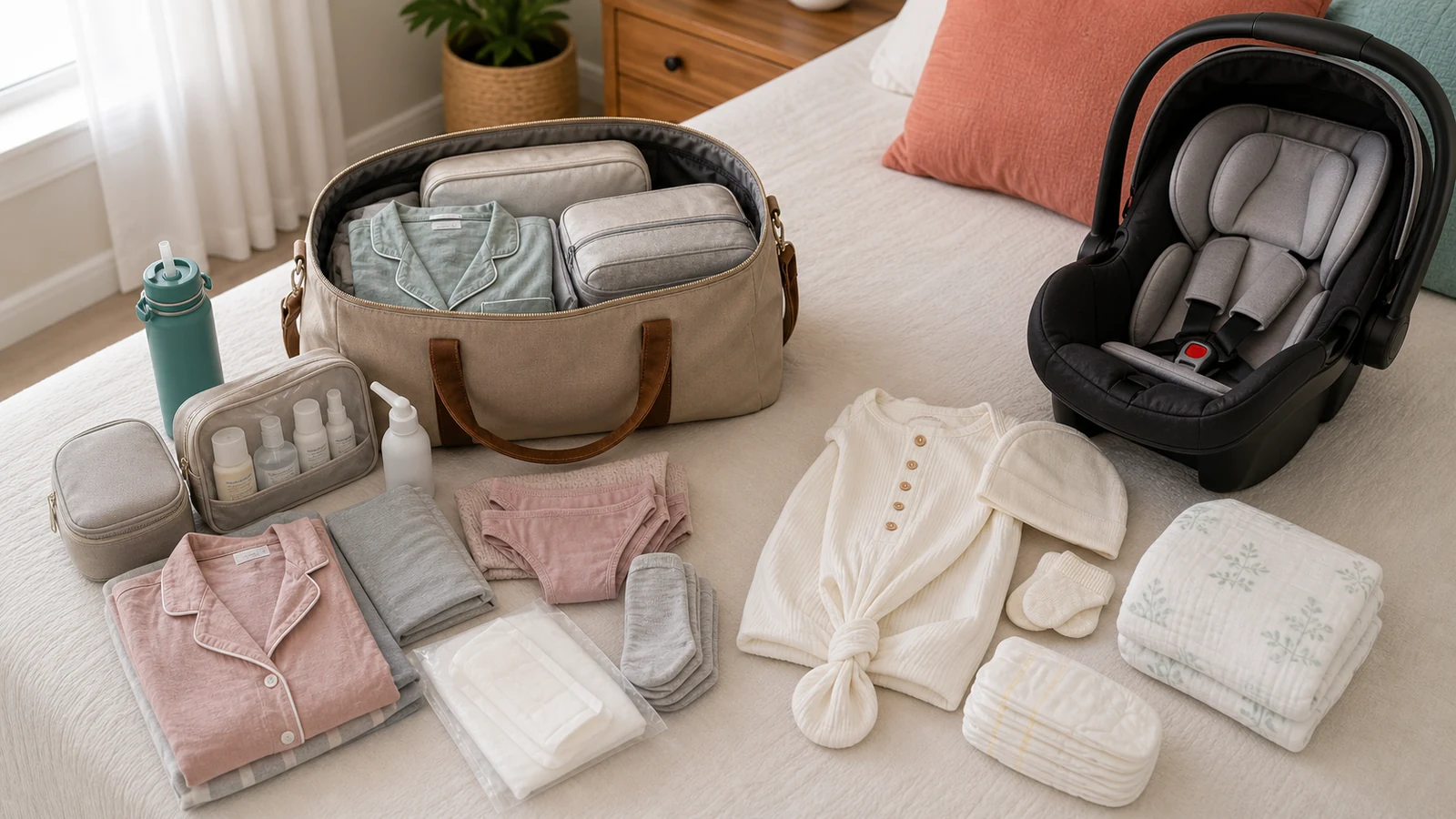
Mom vs baby hospital bag packing works best when mom’s bag holds labor, recovery, hygiene, and comfort items, while baby’s bag stays focused on discharge: an installed car seat, going-home outfit, backup outfit, and a few small basics your hospital does not provide. Most families do not need two fully stocked suitcases.
With our first baby, I mixed everything together and then nobody could find anything. By our third, mom items lived in one section and baby discharge items lived in another. That is the real value of a Mom vs baby hospital bag plan: fewer frantic searches, less overpacking, and a clearer path from labor room to home.
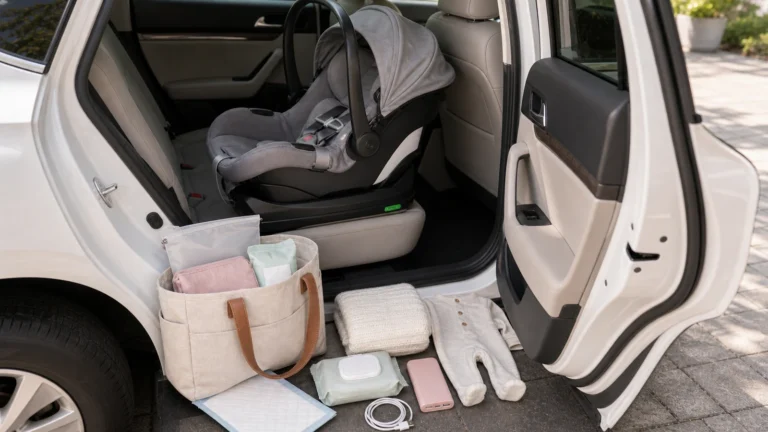
Safety note: The infant car seat is a required going-home safety item, not something packed inside the hospital bag. Install and use it according to the car-seat manual and vehicle manual. Never put bulky blankets, coats, aftermarket inserts, or extra padding under the harness. The National Highway Traffic Safety Administration has general car-seat guidance, but your specific manuals come first.
Mom vs Baby Hospital Bag: The Simple Split
The easiest way to divide a Mom vs baby hospital bag setup is by job. Mom’s items support admission, labor, recovery, feeding, and comfort. Baby’s items support the ride home and any supplies your hospital specifically asks you to bring.
| Bag section | What belongs there | What usually stays out |
|---|---|---|
| Mom | Soft clothes, toiletries, recovery underwear or pads, peri bottle, nursing-friendly top, water bottle. | Baby wardrobe, full nursery supplies, valuables, bulky extras. |
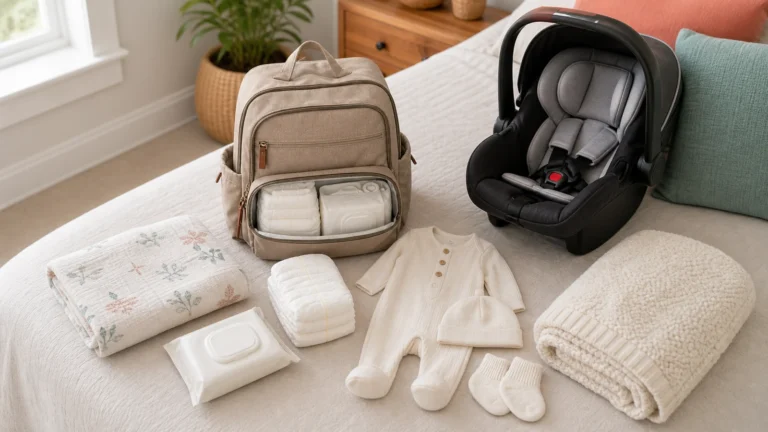
| Baby | Going-home outfit, backup outfit, swaddle if needed, a small diaper backup if hospital asks. | Full diaper station, toys, nursery decor, unsafe car-seat accessories. |
| Car | Installed infant car seat and weather-appropriate outer blanket over the buckled harness. | Blankets or coats under the harness. |
The full Hospital Bag Checklist can help you review every category. This page keeps the focus on separating mom’s needs from baby’s discharge needs.
QUICK SHOP
Mom and Baby Bag Picks
These 10 picks match the split: one manageable bag, organization, mom clothing and recovery, and baby discharge basics. Confirm hospital supplies before packing duplicates.
Bag and Mom Recovery
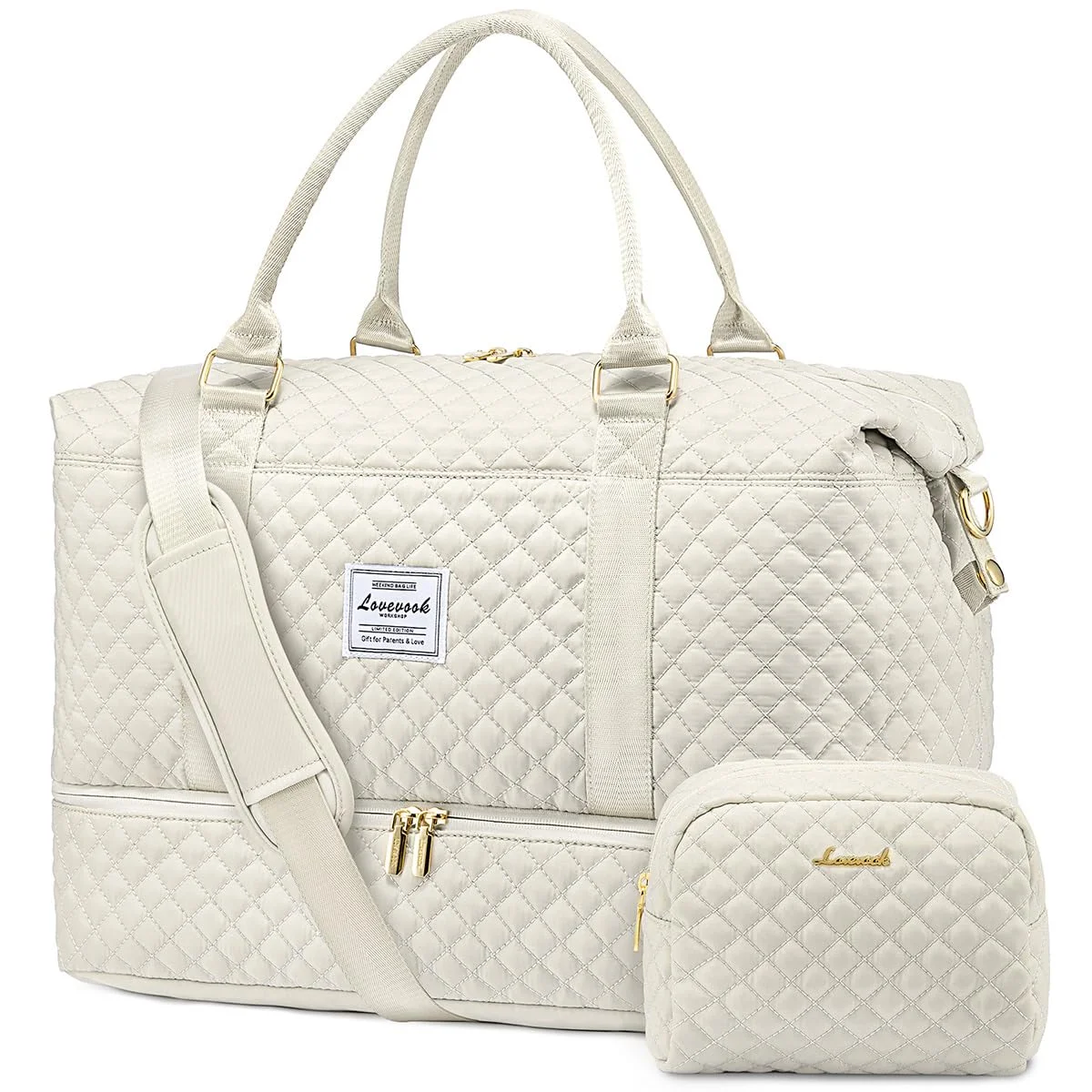
A roomy weekender duffel bag that keeps clothing, toiletries, and small labor essentials together without requiring a full-size suitcase.
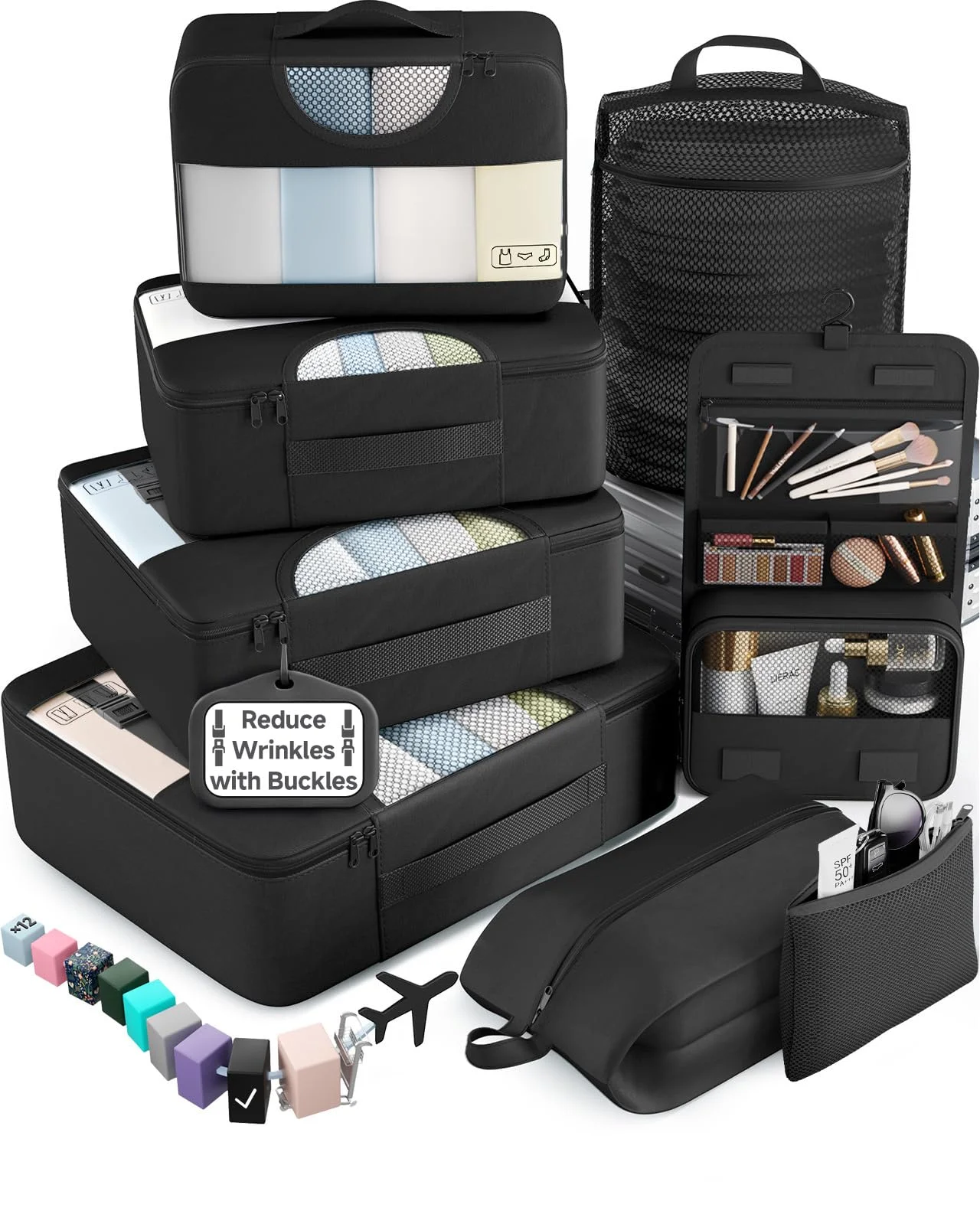
Packing cubes separate mom, baby, and partner essentials so the right pouch is easy to find in a crowded hospital room.
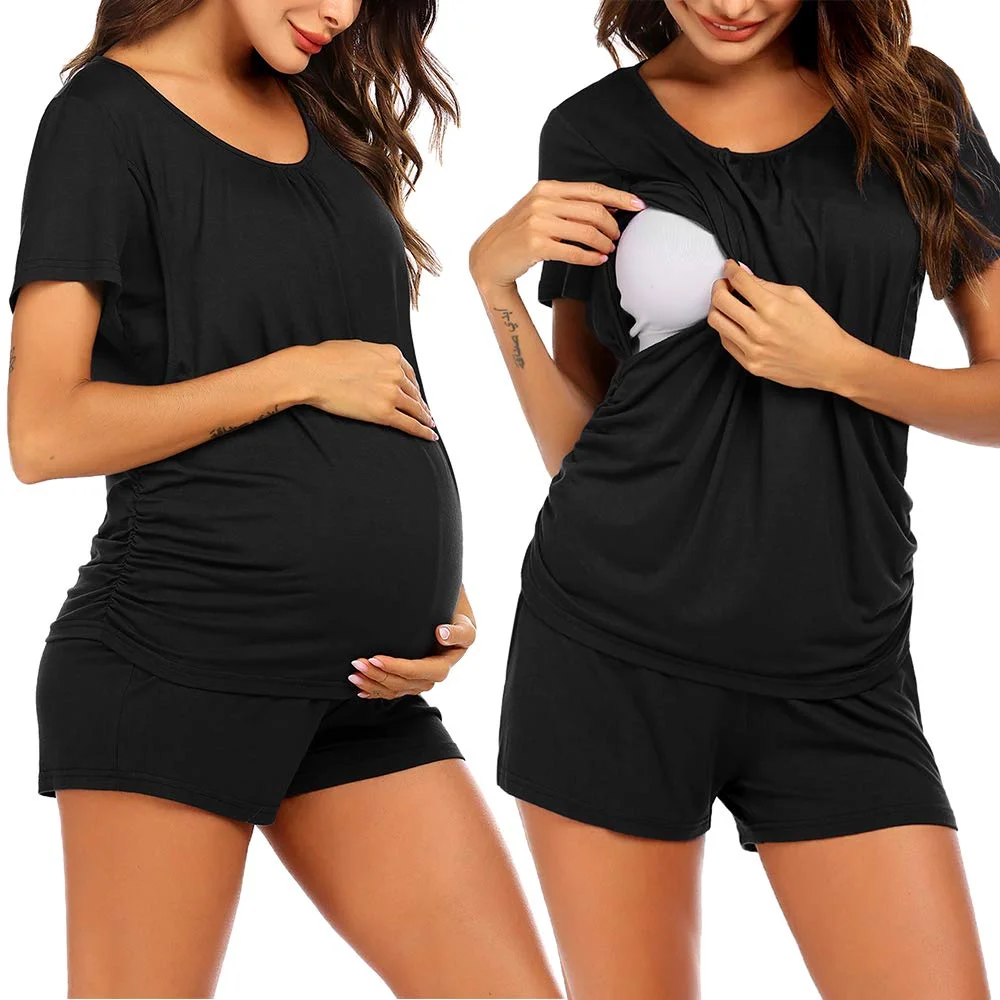
A soft nursing pajama set gives new moms comfortable sleepwear with practical feeding access during recovery and the first night home.
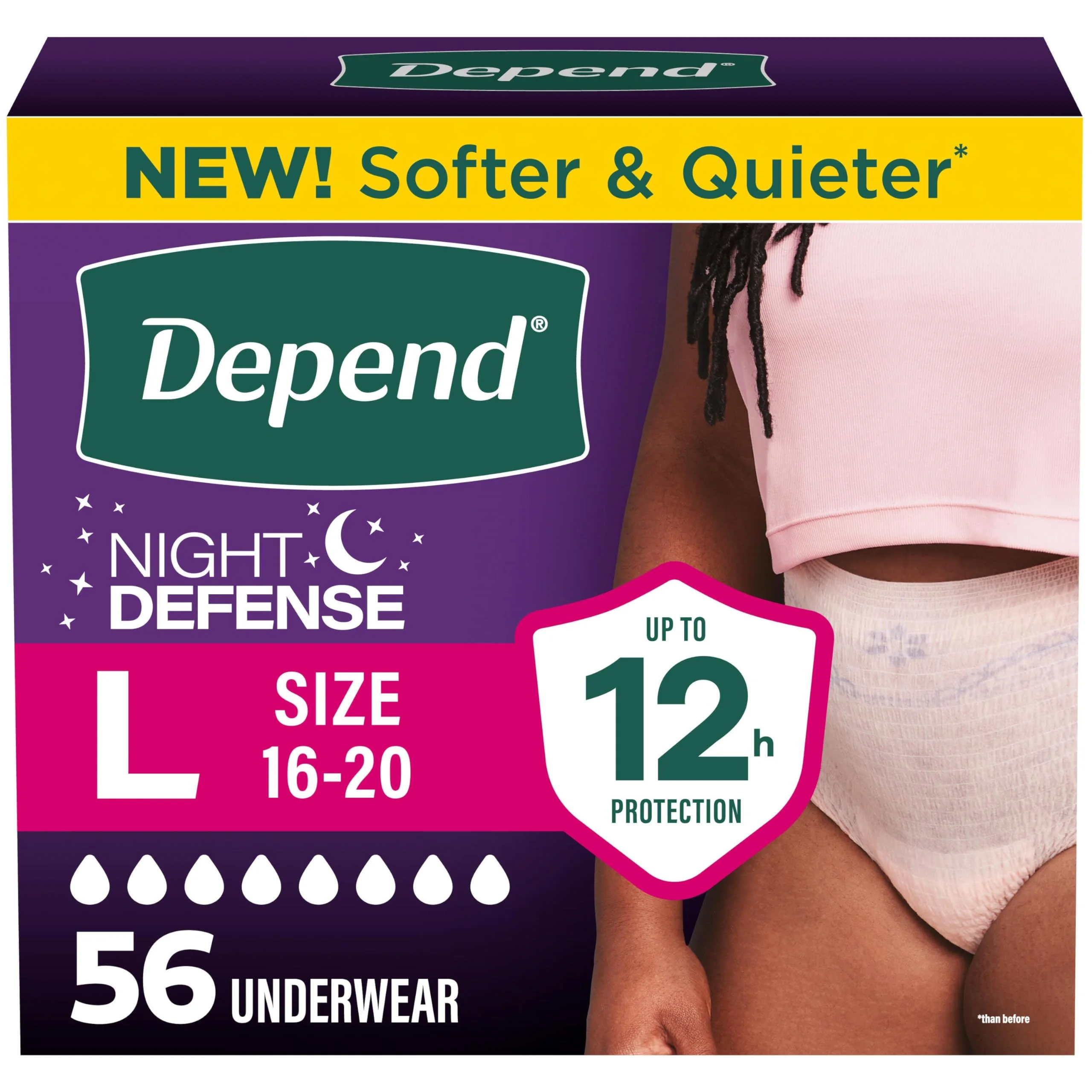
Disposable postpartum underwear provides fuller coverage for heavy early bleeding and can feel more secure than layering pads in regular underwear.
Mom Recovery and Baby Discharge
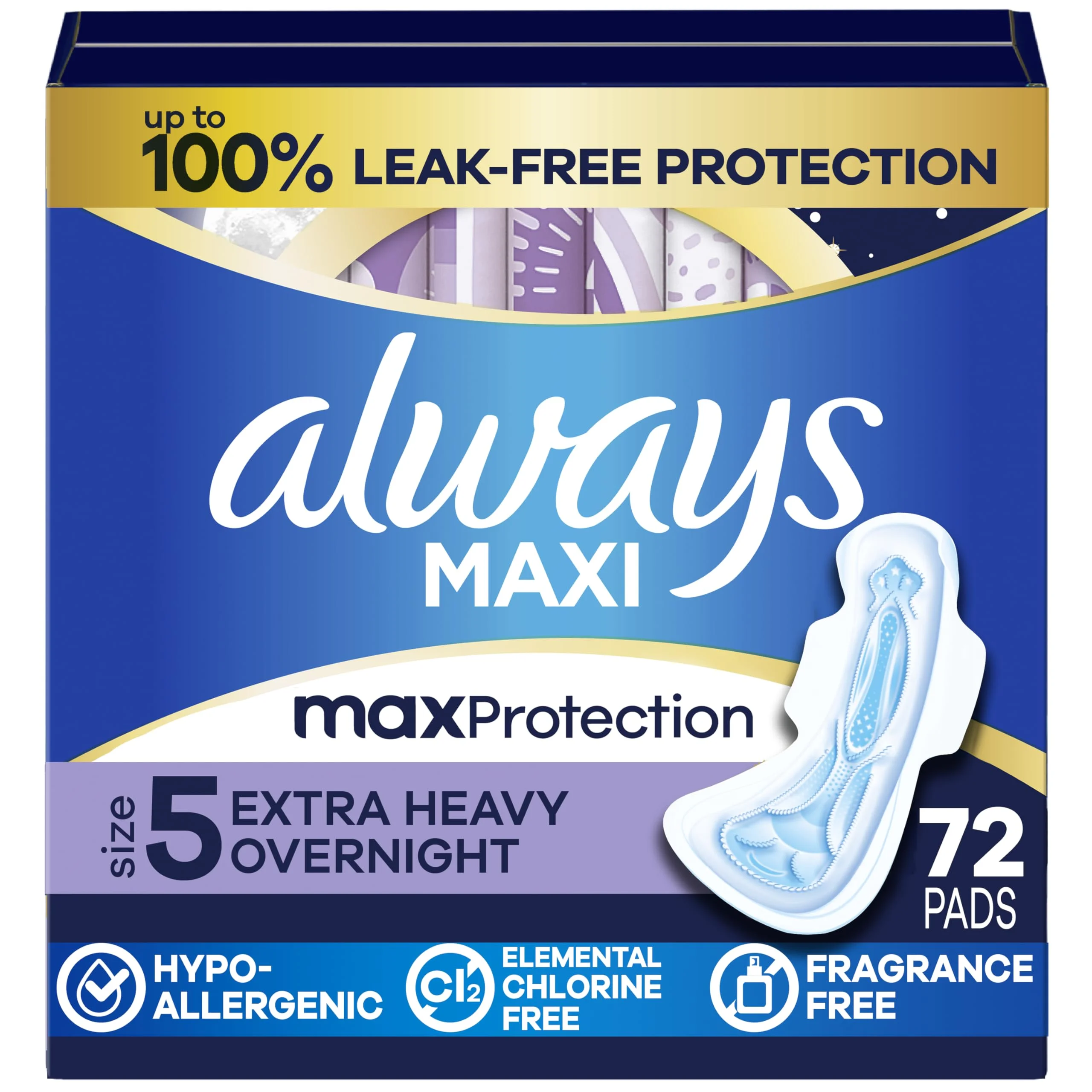
Heavy-flow postpartum pads add an absorbent backup for discharge day and the first days home when hospital supplies run out.
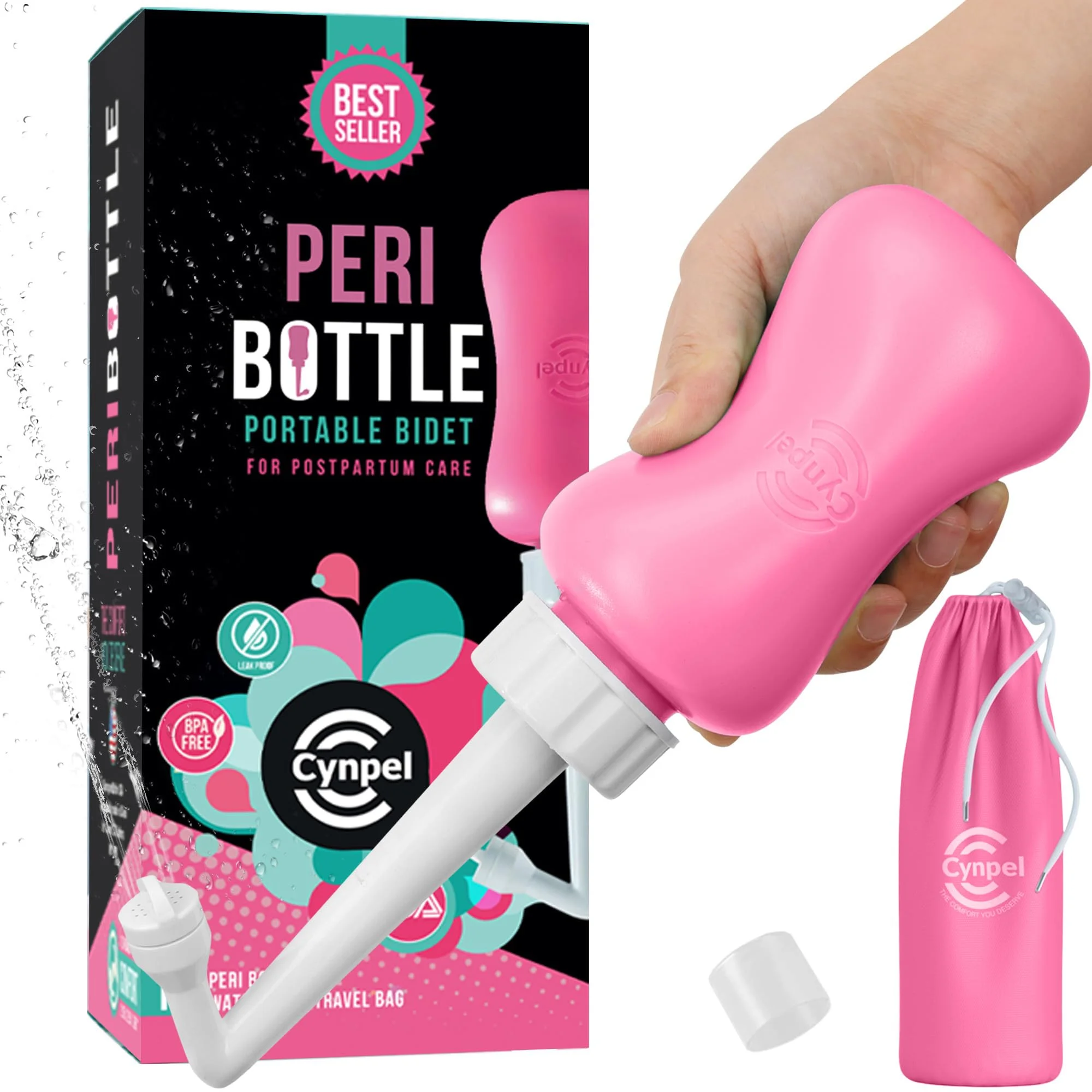
An upside-down peri bottle makes gentle rinsing easier after vaginal delivery, particularly when reaching and bending feel uncomfortable.
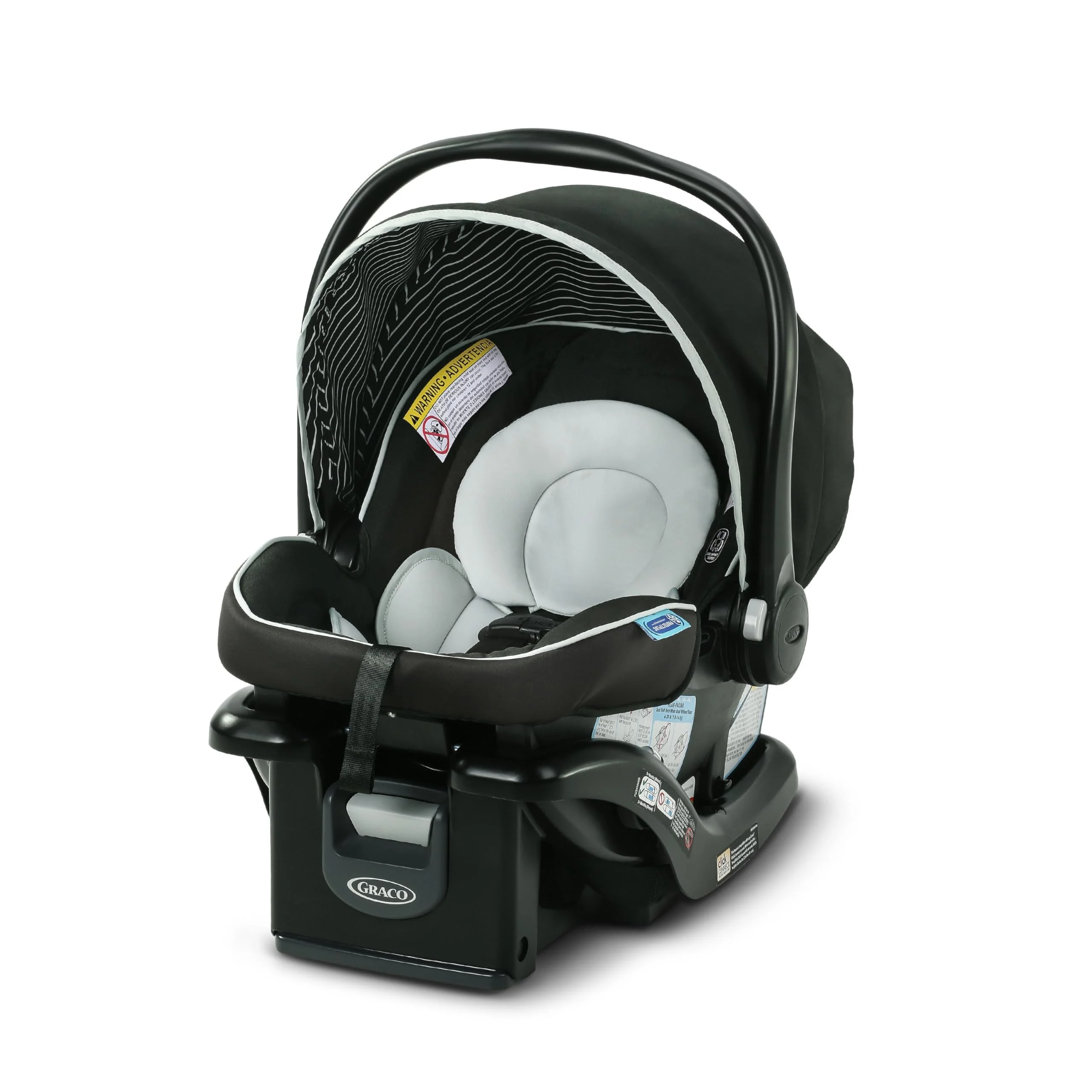
An installed rear-facing infant car seat is required for the trip home; confirm the fit and installation before labor begins.
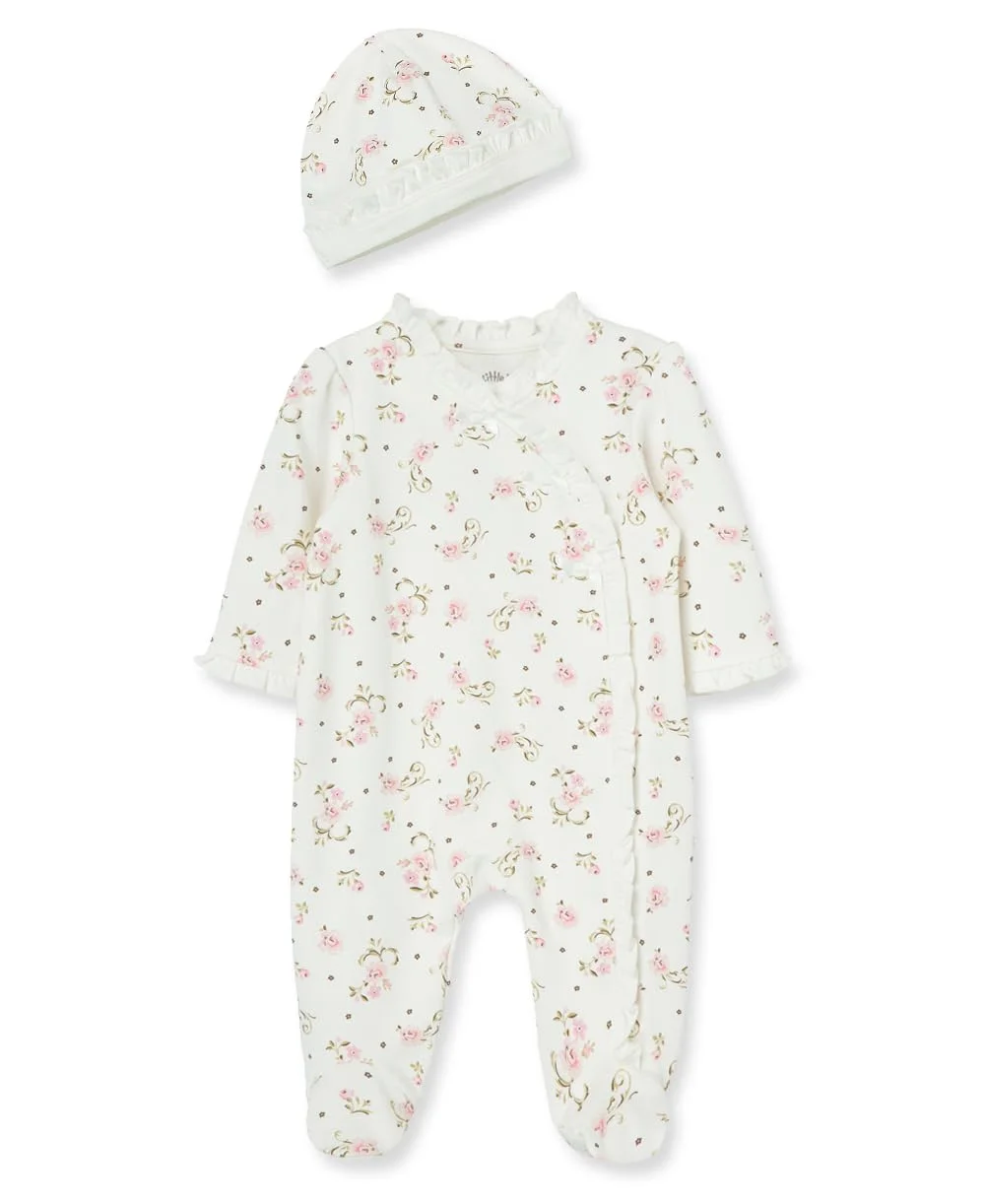
A soft newborn going-home outfit with a footed one-piece and hat keeps discharge dressing simple while fitting beneath the car-seat harness.
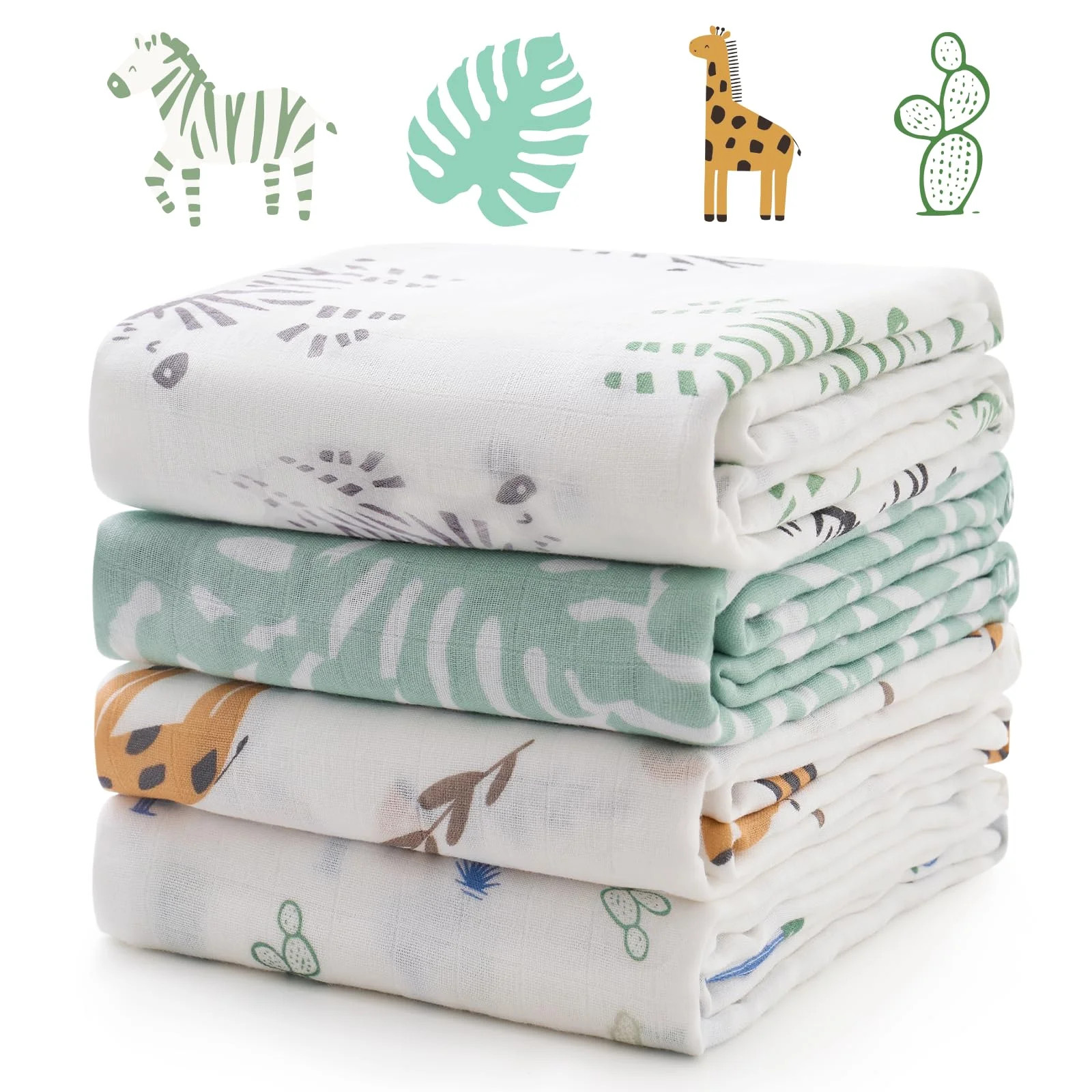
Muslin swaddle blankets work as light receiving blankets, nursing covers, or cleanup cloths, though hospitals often provide basic baby blankets.
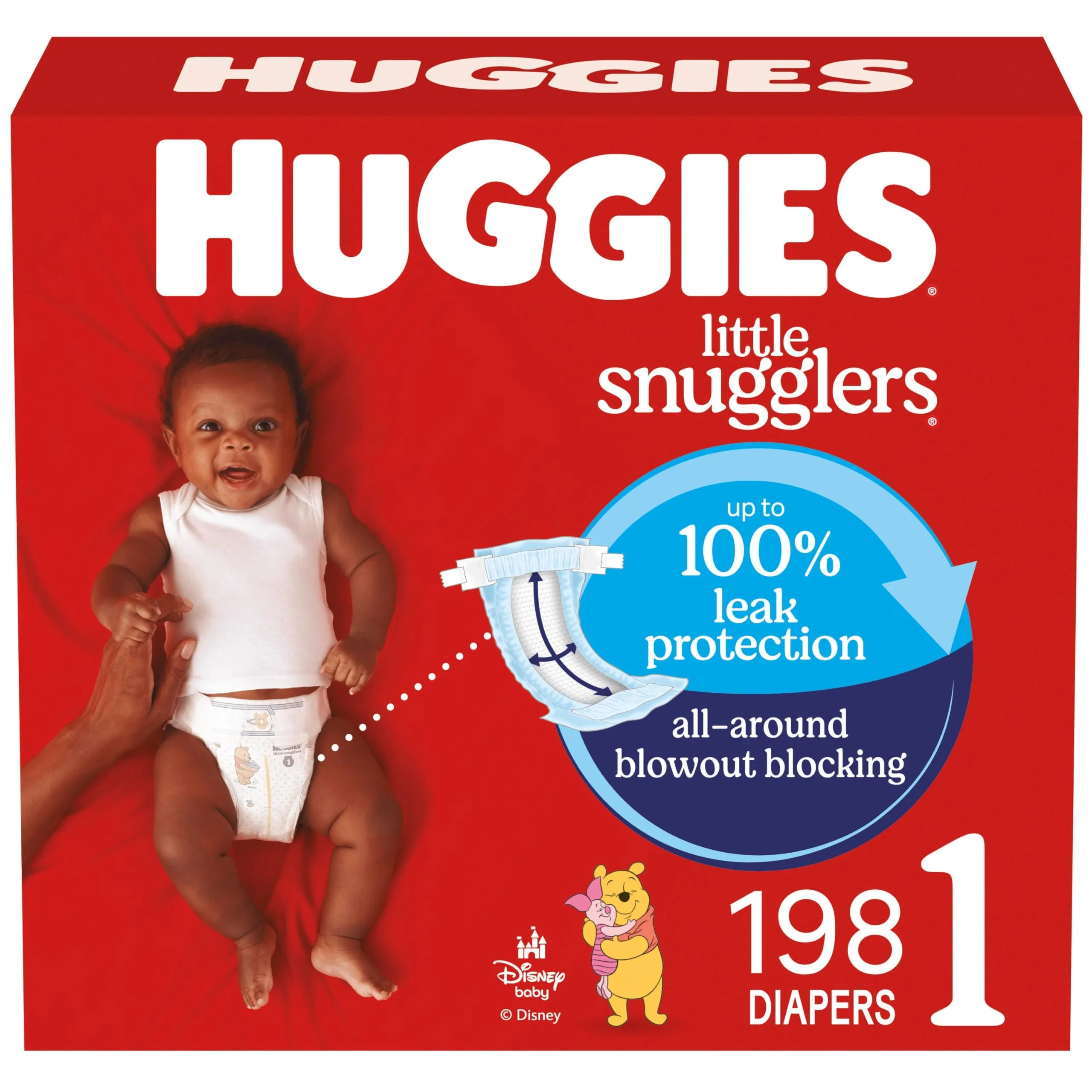
A small newborn diaper backup is useful for the drive home, even though most U.S. hospitals provide diapers during the stay.
What Goes in Mom’s Hospital Bag?
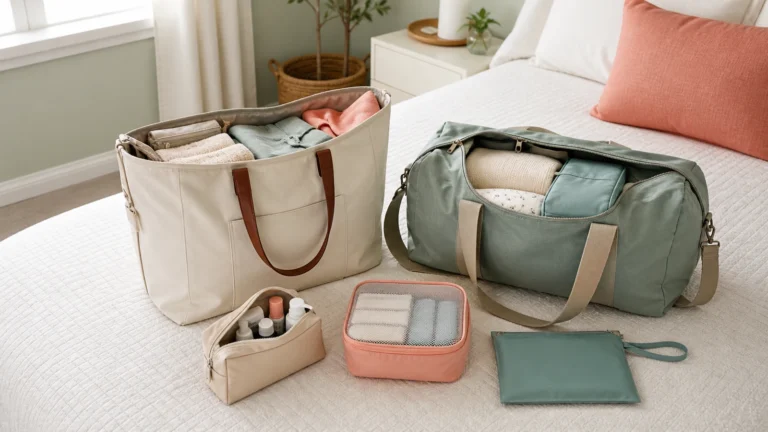
Mom’s bag should be easiest to reach because it supports the person doing the medical work. Start with one manageable weekender and simple organization. Packing cubes or pouches keep “mom recovery,” “baby discharge,” and “paperwork” from turning into one stressful pile. If you are using the full Hospital Bag Checklist, mark each item as mom, baby, partner, or last minute.
A roomy weekender duffel bag that keeps clothing, toiletries, and small labor essentials together without requiring a full-size suitcase.
Packing cubes separate mom, baby, and partner essentials so the right pouch is easy to find in a crowded hospital room.
For clothing, mom usually needs soft, washable layers more than options. Nursing-friendly pajamas can help with feeding, checks, and skin-to-skin care. Dark colors, loose waistbands, and easy access matter more than looking polished. This is where the Mom vs baby hospital bag split keeps mom’s comfort from being buried under newborn outfits.
A soft nursing pajama set gives new moms comfortable sleepwear with practical feeding access during recovery and the first night home.
Recovery items also belong on mom’s side of the Mom vs baby hospital bag split. Many hospitals provide pads, mesh underwear, and a peri bottle, but some parents prefer their own disposable underwear, pads, or upside-down peri bottle. Pack preferences, not an entire bathroom cabinet.
Disposable postpartum underwear provides fuller coverage for heavy early bleeding and can feel more secure than layering pads in regular underwear.
Heavy-flow postpartum pads add an absorbent backup for discharge day and the first days home when hospital supplies run out.
An upside-down peri bottle makes gentle rinsing easier after vaginal delivery, particularly when reaching and bending feel uncomfortable.
For a deeper mom-only list, use Hospital bag for mom checklist. That guide covers comfort clothing, toiletries, hydration, and feeding items in more detail.
What Goes in Baby’s Hospital Bag?
Baby’s hospital bag is shorter than most first-time parents expect. The hospital may provide diapers, wipes, swaddles, blankets, and basic baby care during the stay. Confirm locally, then focus on discharge: car seat, simple going-home outfit, backup outfit, and a small amount of anything the hospital specifically asks you to bring. A Mom vs baby hospital bag approach keeps baby’s section small on purpose.
The infant car seat belongs installed in the vehicle or ready according to hospital discharge instructions. Do not place thick blankets, bulky coats, aftermarket inserts, or extra padding under the harness. If it is chilly, buckle the baby first and place a light blanket over the harness.
An installed rear-facing infant car seat is required for the trip home; confirm the fit and installation before labor begins.
A simple newborn going-home outfit and one backup are usually enough. A muslin swaddle can be useful for supervised holding or photos, but it is not a car-seat layer. A small diaper backup may help on the ride home if your hospital does not send extras.
A soft newborn going-home outfit with a footed one-piece and hat keeps discharge dressing simple while fitting beneath the car-seat harness.
Muslin swaddle blankets work as light receiving blankets, nursing covers, or cleanup cloths, though hospitals often provide basic baby blankets.
A small newborn diaper backup is useful for the drive home, even though most U.S. hospitals provide diapers during the stay.
For more baby-specific detail, use Hospital bag checklist for baby. It separates what hospitals often provide from what you need for discharge.
Should You Use One Bag or Two?
For many families, one main bag with clearly separated pouches is easier than two full bags. Use one section for mom, one for baby discharge, one for paperwork, and one for last-minute items. If your support person is staying overnight, their items should be separate so they do not bury mom’s recovery supplies.
The Mom vs baby hospital bag decision is really about access. Mom’s items should be reachable during labor and recovery. Baby’s items can usually wait until discharge. Do not put the car seat, stroller, or full diaper station in the same mental category as mom’s toothbrush and pads.
If you are packing for a support person too, see Hospital bag for partner. Keeping partner items separate is one of the easiest ways to keep the main hospital bag usable. You can return to the Hospital Bag Checklist after the sections are clear.
What to Skip in Both Bags
Both bags can usually skip valuables, strong fragrance, too many outfits, bulky pillows, nursery decor, toys, large electronics, and duplicate supplies your hospital already provides. A Mom vs baby hospital bag plan should remove clutter, not create two separate clutter zones.
Use What not to pack in hospital bag before you close the zipper. If you want a printable page for the final pass, the Hospital bag checklist printable can help you mark what is packed, provided, or last minute.
FAQ
Do mom and baby need separate hospital bags?
Not always. One main bag with separate pouches often works better. Mom’s items should be easy to reach during labor and recovery, while baby items are mostly for discharge.
What should go in the baby hospital bag?
Start with a simple going-home outfit, one backup outfit, and any diapers or wipes your hospital specifically asks you to bring. The installed car seat is required for going home but is not packed inside the bag.
What should go in mom’s hospital bag?
Mom’s section should include toiletries, soft clothes, recovery preferences, feeding comfort items if needed, documents, phone power, and last-minute essentials like glasses or medication.
My final parent answer is this: the Mom vs baby hospital bag split should make the room calmer. Put mom’s recovery and comfort first, keep baby’s discharge items simple, and use the complete Hospital Bag Checklist only for a final category check.
Shop Mom and Baby Picks