Hospital Bag Checklist for an Epidural: Comfort Items to Pack for Labor
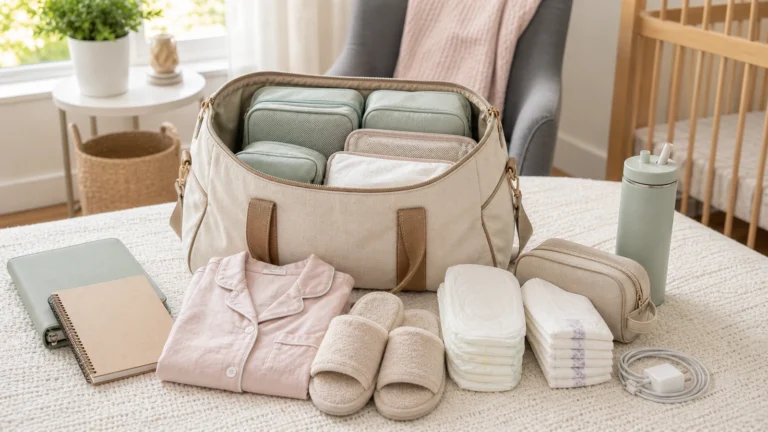
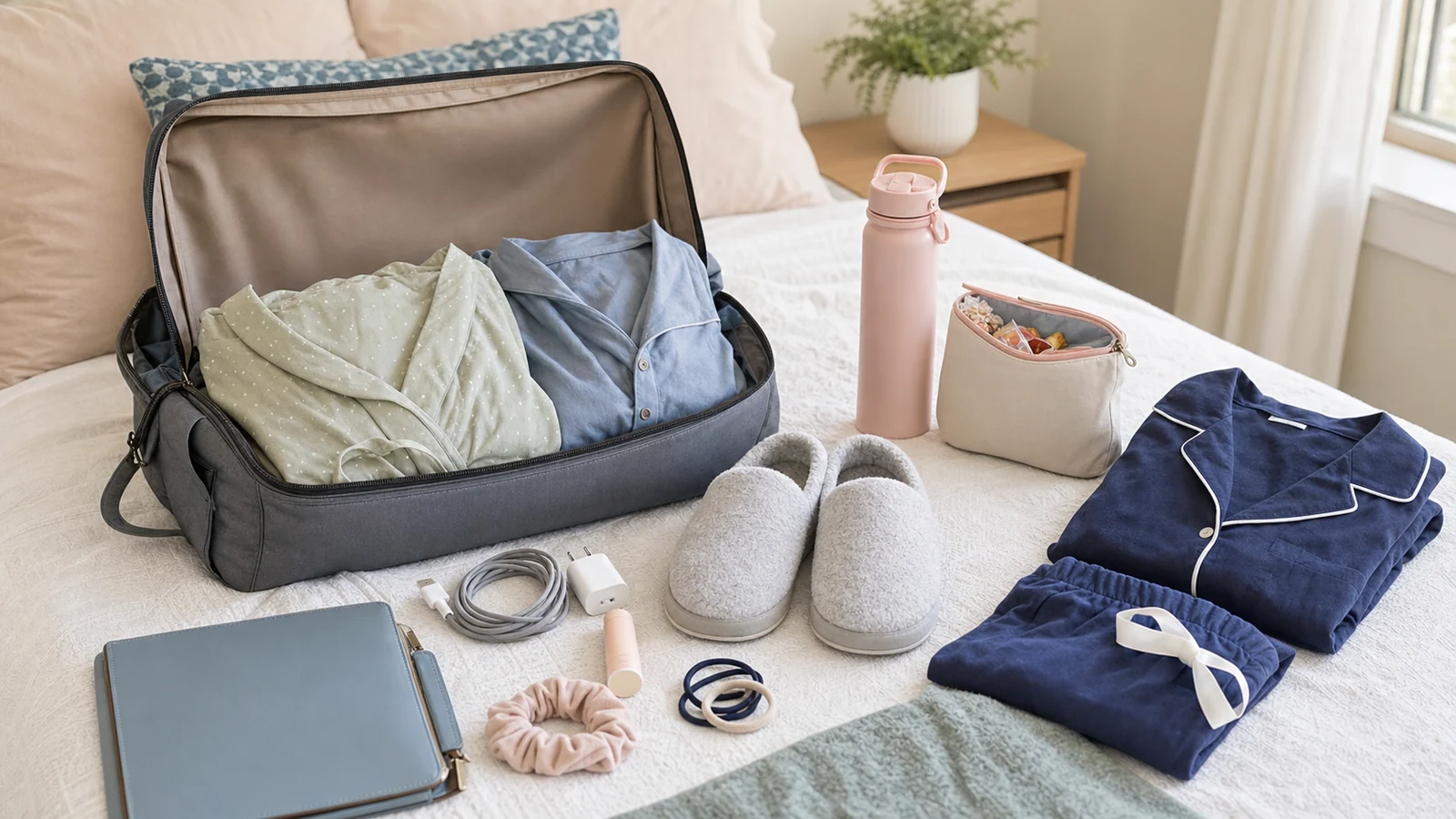
A Hospital bag checklist for epidural should focus on comfort you can reach from bed: documents, a loose gown or pajamas, non-slip slippers, a long phone charger, a straw water bottle, lip balm from home, and a simple plan for your support person. The epidural itself is medical care, not a packing project. Your OB, anesthesiology team, and hospital decide timing, monitoring, movement limits, food and drink rules, and pain-relief options.
I would still start with the full Hospital Bag Checklist, then edit it for a labor bed where you may not want to twist, stand often, or dig through a deep bag. A Hospital bag checklist for epidural is mostly about reach, warmth, paperwork, and calm handoffs.
Disclosure: BabyEthos is reader-supported. As an Amazon Associate, we earn from qualifying purchases. This does not change what you pay, and product choices should never replace your hospital’s instructions, product size charts, or your clinician’s guidance.
QUICK SHOP
Epidural Labor Comfort Picks
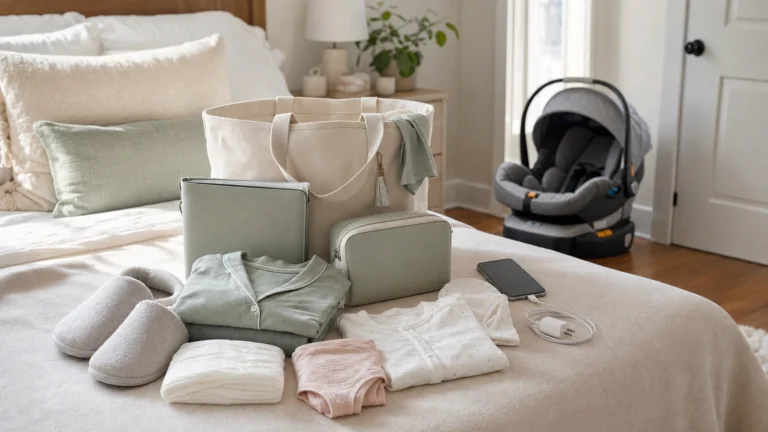
These assigned picks keep the Hospital bag checklist for epidural practical: easy-access clothes, stable walking shoes, a long charger, a straw bottle, and a folder for paperwork.
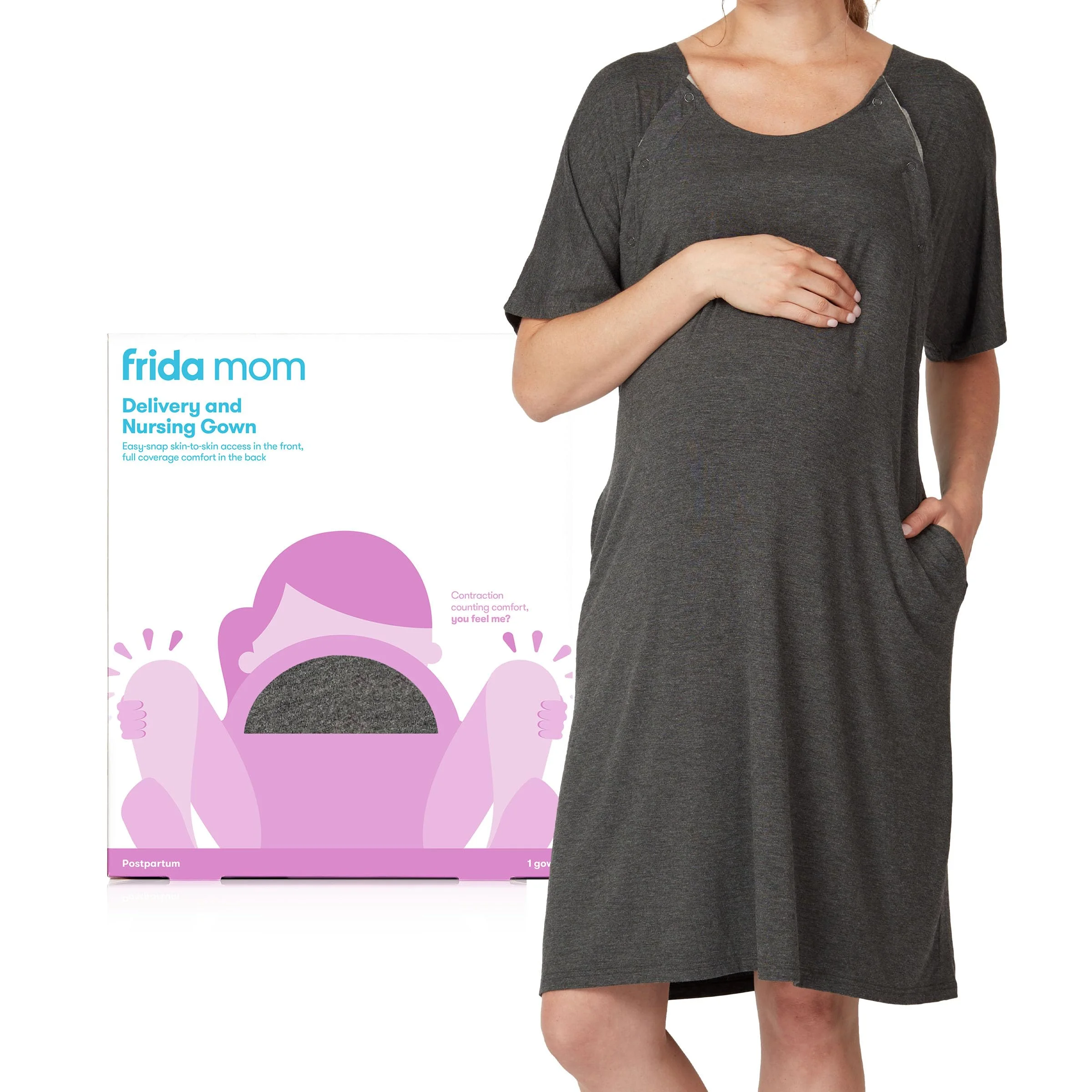
A labor and delivery gown offers personal coverage and easier nursing or skin-to-skin access when hospital-issued gowns feel too exposed.

A soft nursing pajama set gives new moms comfortable sleepwear with practical feeding access during recovery and the first night home.
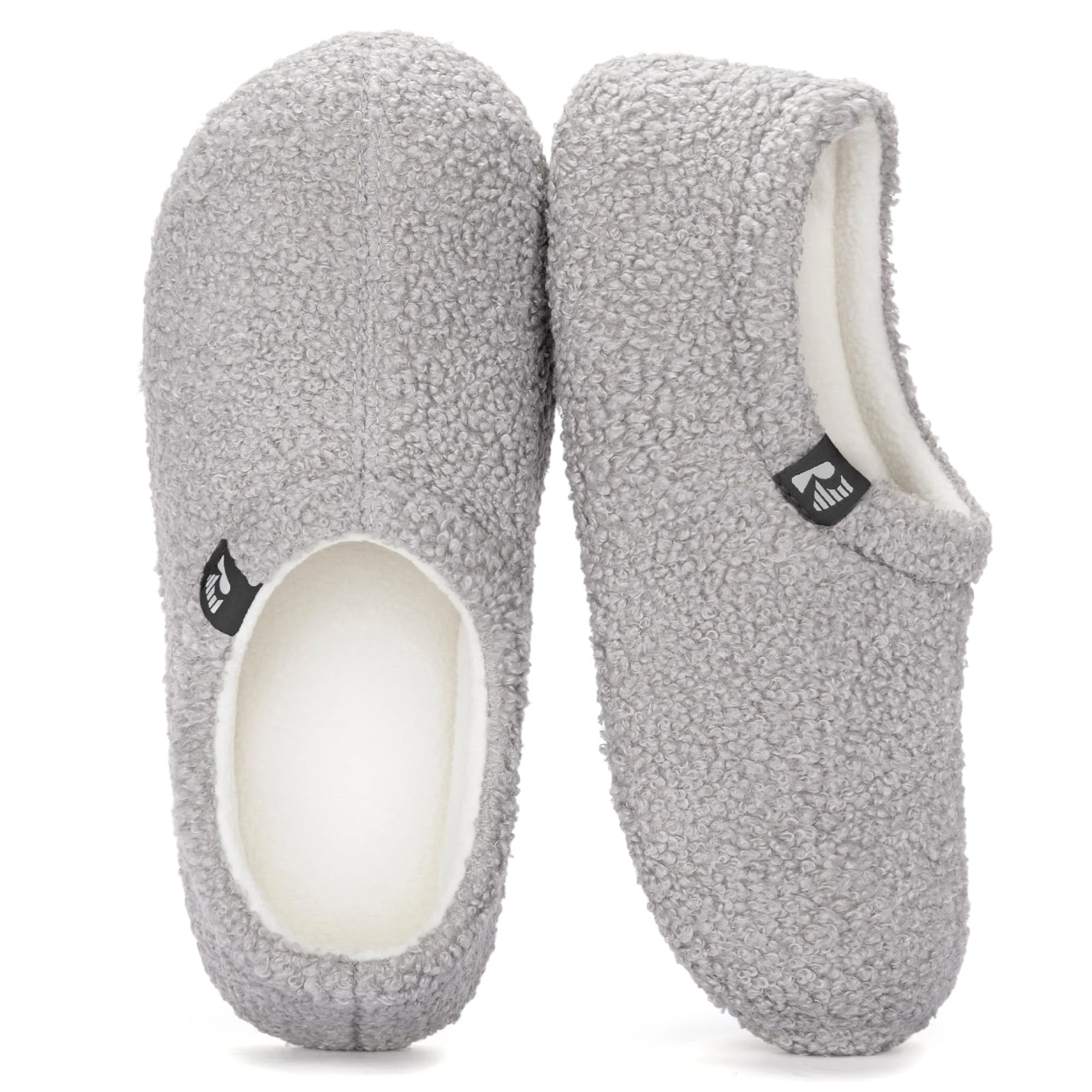
Closed-back non-slip slippers provide warmth and steadier footing for short walks around the recovery room and hospital hallway.
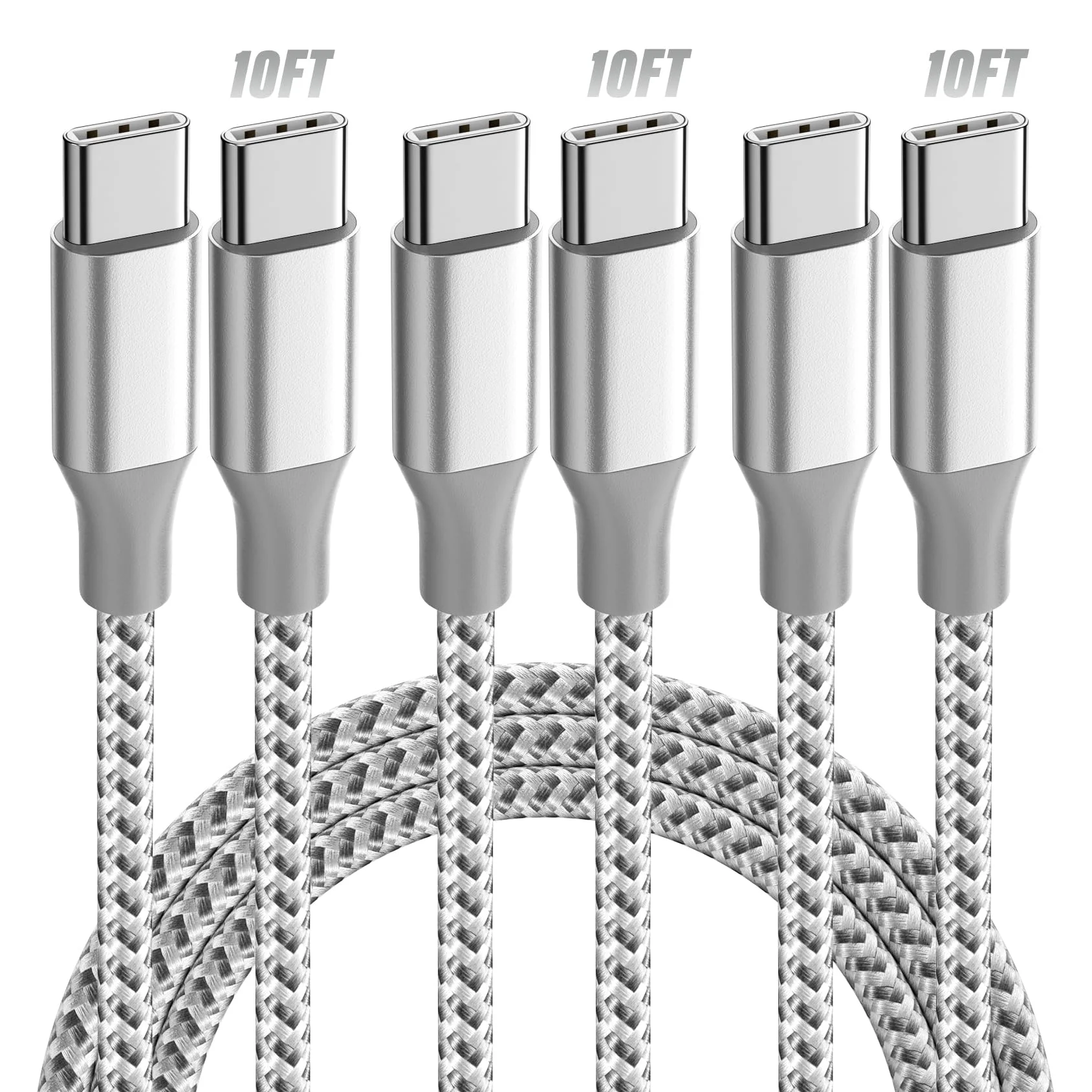
A 10-foot phone charger cable reaches outlets behind hospital beds and keeps phones available for calls, photos, and family updates.
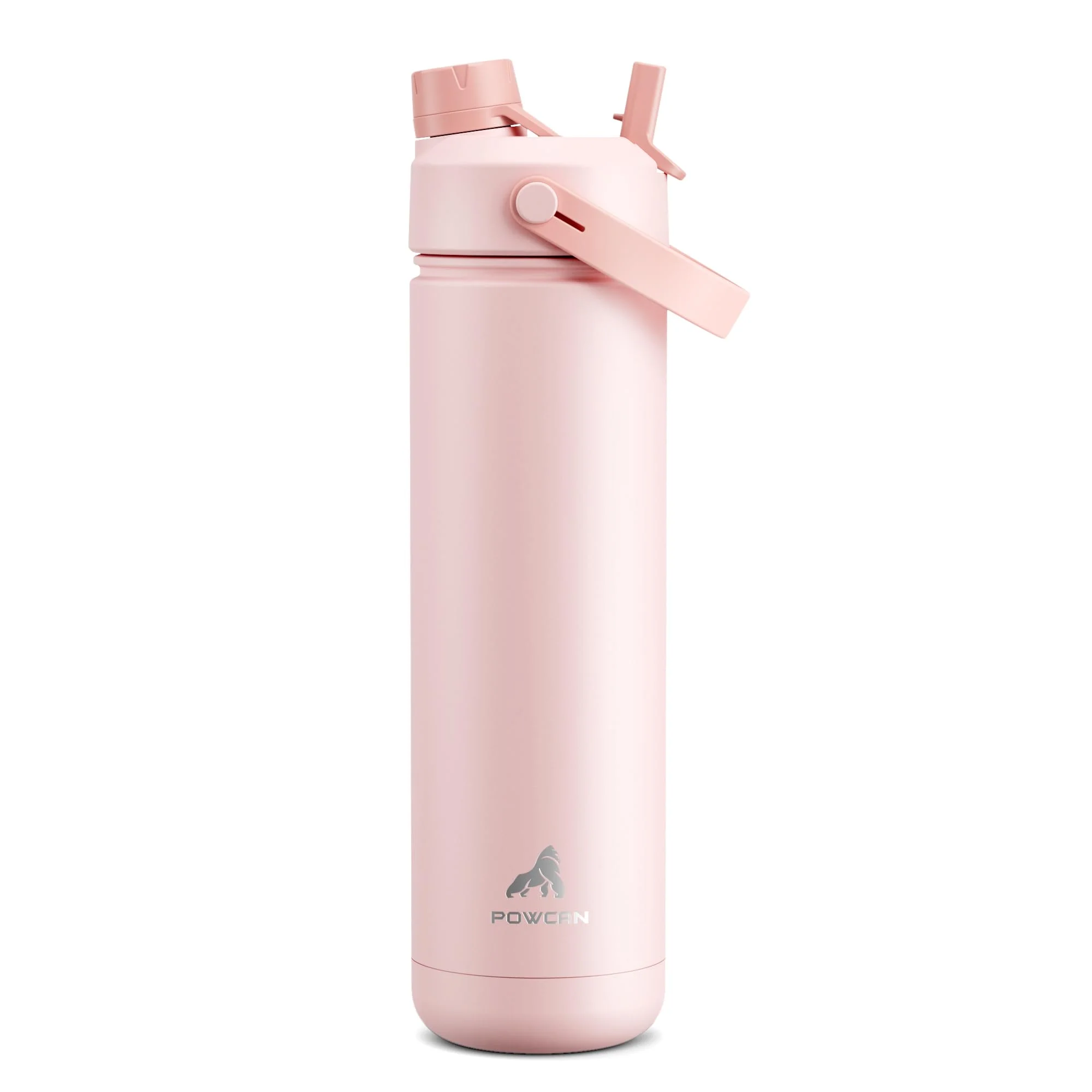
An insulated water bottle with a straw is easier to use one-handed while resting, feeding, or recovering in bed.
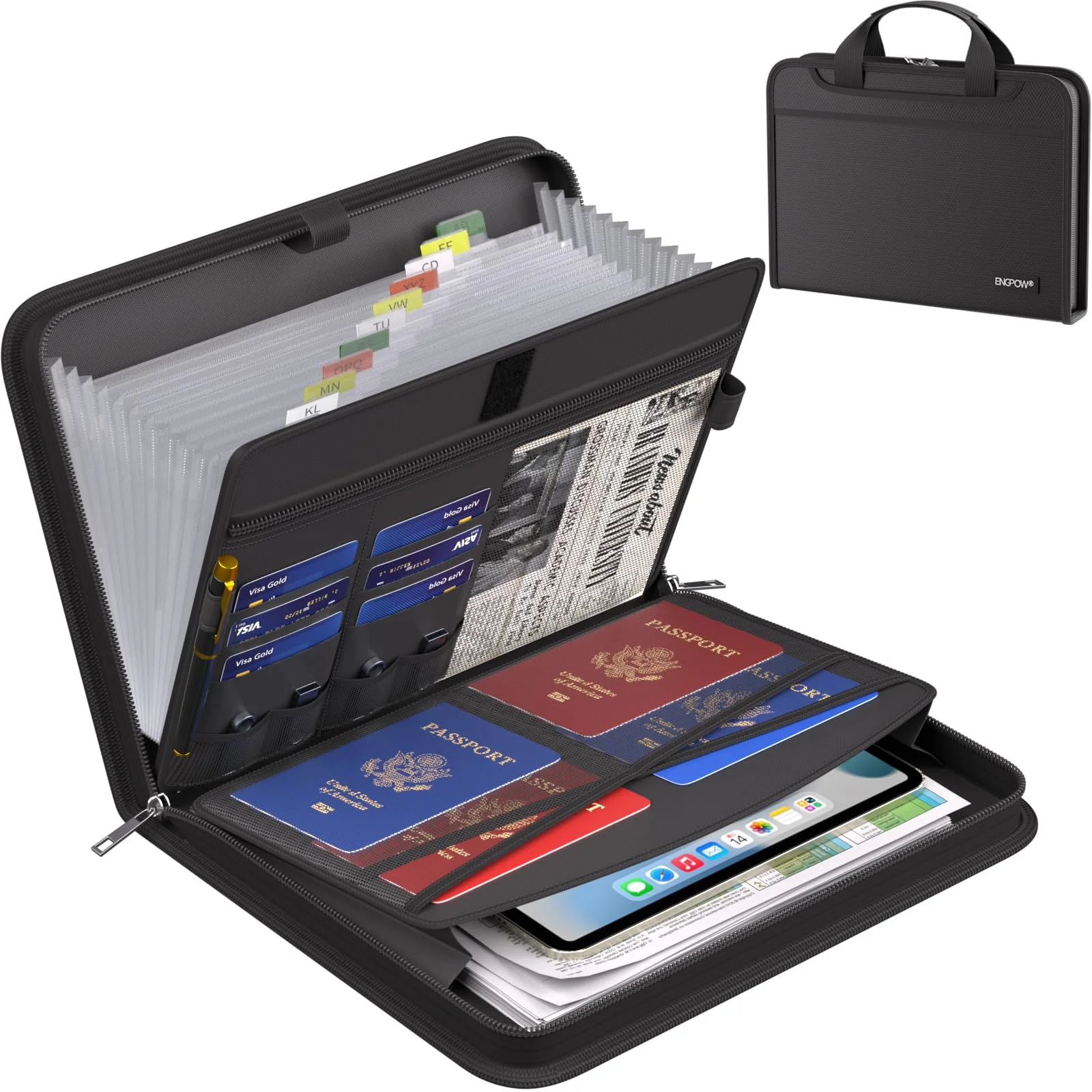
A document organizer folder keeps identification, insurance details, birth preferences, and discharge paperwork together and easy for a partner to find.
Quick Answer: What Should You Pack?
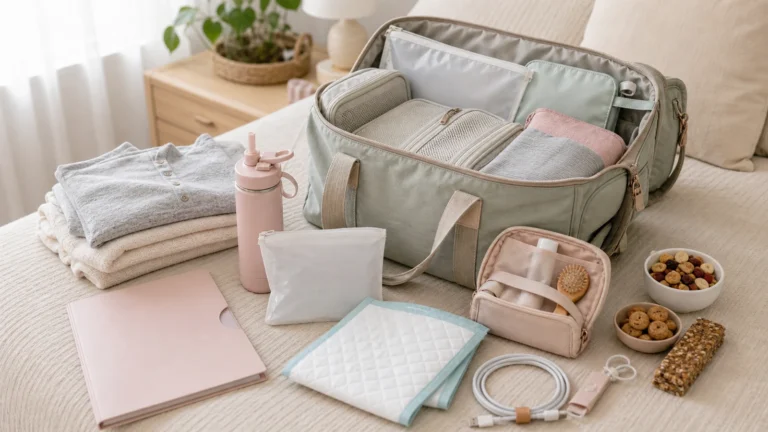
A Hospital bag checklist for epidural should include your photo ID, insurance card, birth preferences, a loose labor gown, nursing pajamas for after delivery, non-slip slippers, a long charging cable, a water bottle with a straw for when drinking is allowed, lip balm, hair ties, and easy snacks for your partner. Use the broad hospital bag checklist so you do not forget baby discharge basics, then keep the labor-room items in the top layer of your bag.
If you already wrote preferences around pain relief, positions, visitors, or support roles, keep that page with your hospital paperwork. Our hospital bag birth plan guide can help you keep those notes short enough for a busy labor room.
Pack for Access From the Bed
The first thing I would pack is a document organizer folder. When you are checking in, answering questions, and trying to stay calm through contractions, it helps to have ID, insurance, registration papers, birth preferences, pediatrician details, and any hospital forms in one place. A Hospital bag checklist for epidural works best when your support person can find paperwork without asking you ten questions.
A document organizer folder keeps identification, insurance details, birth preferences, and discharge paperwork together and easy for a partner to find.
I also like putting tiny comfort items in a clear pouch near the top of the bag: lip balm, hair ties, glasses, contact case, phone, charger, and a small note with any questions you want to ask before the epidural. Keep the bag simple enough that someone else can operate it while you rest.
Choose Clothes That Do Not Fight the Monitors
A labor and delivery gown can be useful if your hospital allows your own clothing and you want more coverage than a standard gown. Look for easy openings and soft fabric, but keep hospital access in mind. Nurses may need monitors, IV access, blood pressure checks, or quick adjustments.
A labor and delivery gown offers personal coverage and easier nursing or skin-to-skin access when hospital-issued gowns feel too exposed.
Nursing pajamas are usually better for after delivery than active labor, especially once you are moving into feeding, recovery checks, visitors, and short walks. A Hospital bag checklist for epidural should include clothes that are soft, loose, and easy to open without creating extra work for your nurses.
A soft nursing pajama set gives new moms comfortable sleepwear with practical feeding access during recovery and the first night home.
Non-slip slippers still matter because the room can feel cold and the first trips out of bed should be slow and supported. Follow your nurse’s instructions before standing, especially after medication, numbness, an IV, or long bed rest.
Closed-back non-slip slippers provide warmth and steadier footing for short walks around the recovery room and hospital hallway.
Keep Phone, Water, and Support Items Close
A long charging cable sounds boring until the outlet is behind the bed and your phone is your timer, camera, playlist, family update tool, and distraction during a long labor. I would pack it in the same pouch as your lip balm and hair ties. A Hospital bag checklist for epidural should not depend on reaching behind furniture.
A 10-foot phone charger cable reaches outlets behind hospital beds and keeps phones available for calls, photos, and family updates.
An insulated water bottle with a straw is helpful when your team says fluids are allowed. Policies can change based on your labor, medication, procedure timing, and hospital rules, so do not assume you can drink freely just because you packed a bottle.
An insulated water bottle with a straw is easier to use one-handed while resting, feeding, or recovering in bed.
Your partner or support person also needs a small plan: snacks, a refillable drink, charger, hoodie, and a job list. That job list can be simple: keep paperwork handy, move the charger, help with lip balm, ask before posting updates, and remind you of questions you wanted answered.
Safety Notes for Epidural Packing
ACOG’s overview of medications for pain relief during labor and delivery explains that medication options and side effects should be discussed with your obstetric care team. Your bag cannot determine whether you get an epidural, when it is placed, what monitoring is needed, whether you can eat or drink, or when you can safely stand.
Before you close the suitcase, compare your edited list with the parent Hospital Bag Checklist. A Hospital bag checklist for epidural should still cover postpartum pads, baby clothes, car seat basics, and discharge items, even though this article is focused on labor comfort.
FAQ
Do I need a special gown for an epidural?
No. Many parents use the hospital gown. If you bring your own, choose one that allows easy medical access and be ready to switch if your team needs you to.
Can I walk after an epidural?
Ask your nurse. Movement rules depend on your hospital, medication, monitoring, numbness, blood pressure, and your provider’s instructions.
Should I pack food and drinks?
Pack simple support-person snacks, but follow your hospital’s instructions for your own eating and drinking during labor, epidural care, and delivery.
Where should the charger and lip balm go?
Put them in a top pouch or bedside bag so your support person can reach them without unpacking the whole suitcase.
My final Hospital bag checklist for epidural advice is to pack fewer things in smarter places. If you can reach the charger, paperwork, lip balm, slippers, and water bottle without a messy dig, your labor room will feel easier to manage.
Then do one last pass through the full Hospital Bag Checklist so the labor-comfort layer does not crowd out the basics you still need after delivery.
Shop Epidural Picks