Hospital Bag Packing Cubes: The Easiest Way to Keep Labor Bags Organized
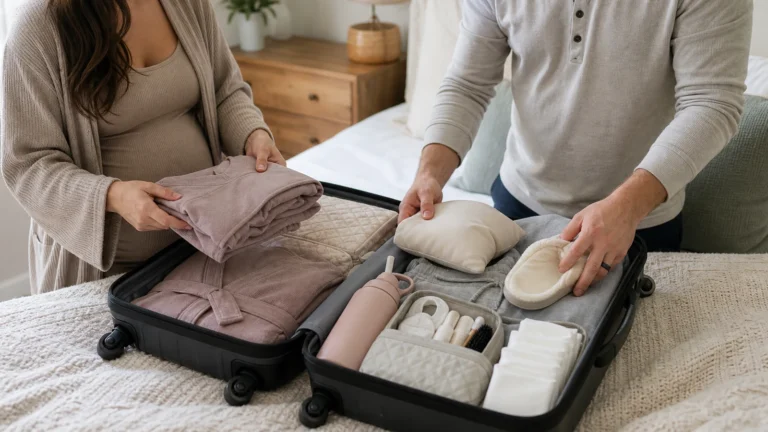
Hospital bag packing cubes are not glamorous, but they are one of the easiest ways to make a birth bag usable when everyone is tired. After three babies, I care less about having the prettiest hospital bag and more about whether my support person can find socks, a charger, or the baby outfit without unpacking the entire bag onto a chair.
If you are working through the full Hospital Bag Checklist, cubes turn the list into sections: mom clothes, baby clothes, toiletries, snacks, documents, and “grab this first.” That kind of grouping sounds small, but it can make the difference between a calm bag and a black hole with slippers in it.
Disclosure: BabyEthos is reader-supported. As an Amazon Associate, we earn from qualifying purchases. This does not change what you pay.
QUICK SHOP
Quick Picks for Organized Packing
These three picks build a simple Hospital bag packing cubes system: cubes for categories, a wet dry bag for laundry or leaks, and a roomy duffel if your current bag needs more structure.
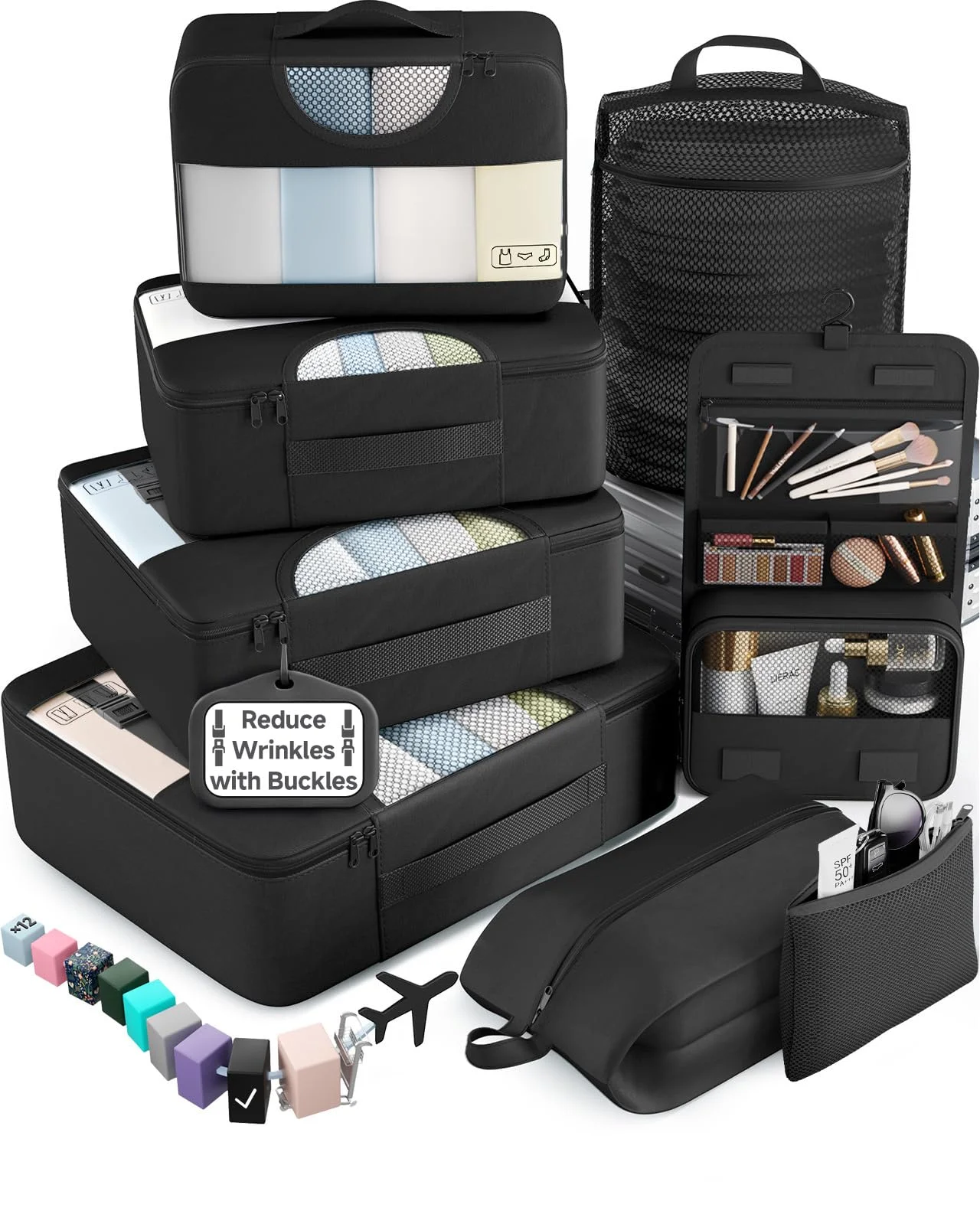
Packing cubes separate mom, baby, and partner essentials so the right pouch is easy to find in a crowded hospital room.
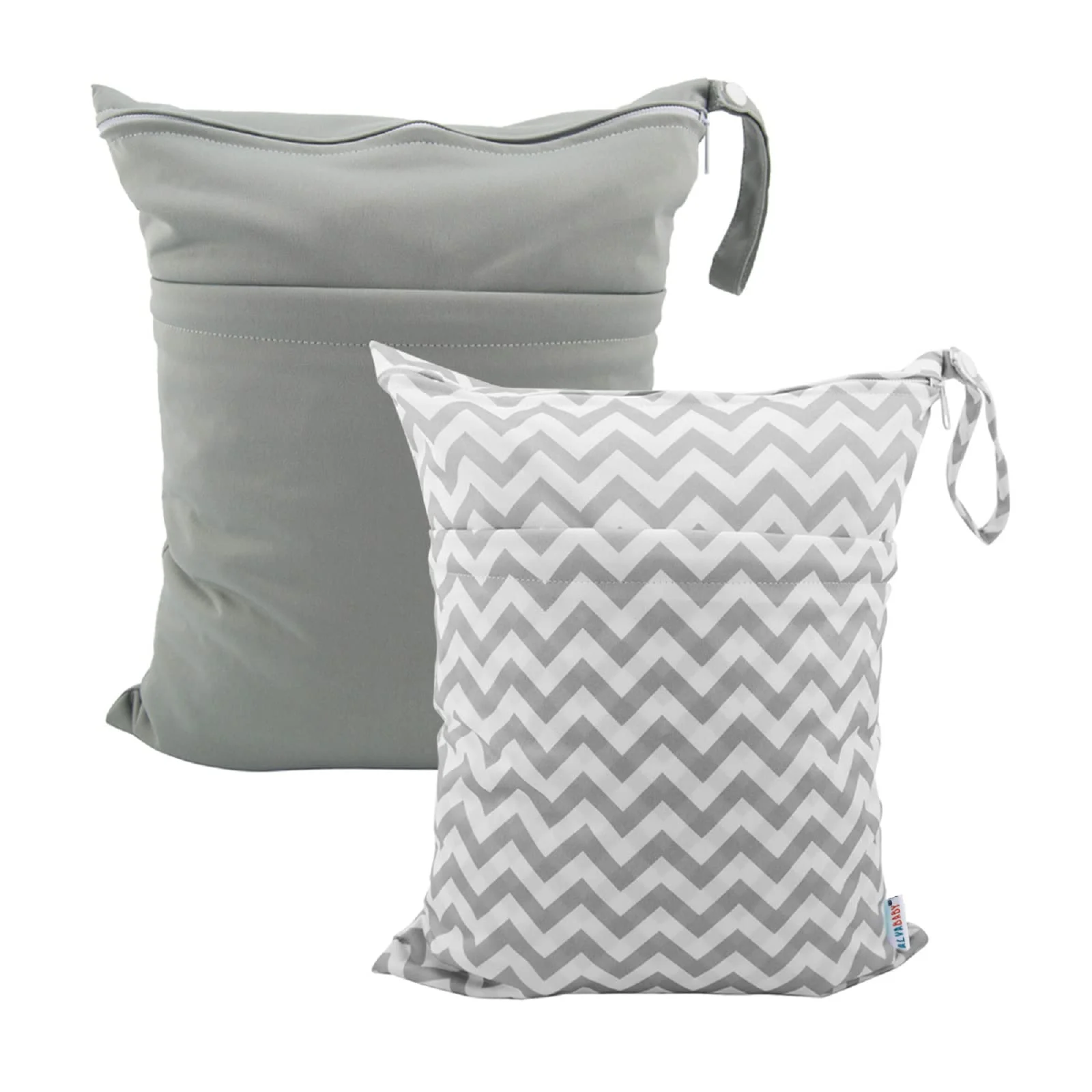
A wet dry bag gives damp clothing, used washcloths, or leak-prone toiletries a separate place for the ride home.
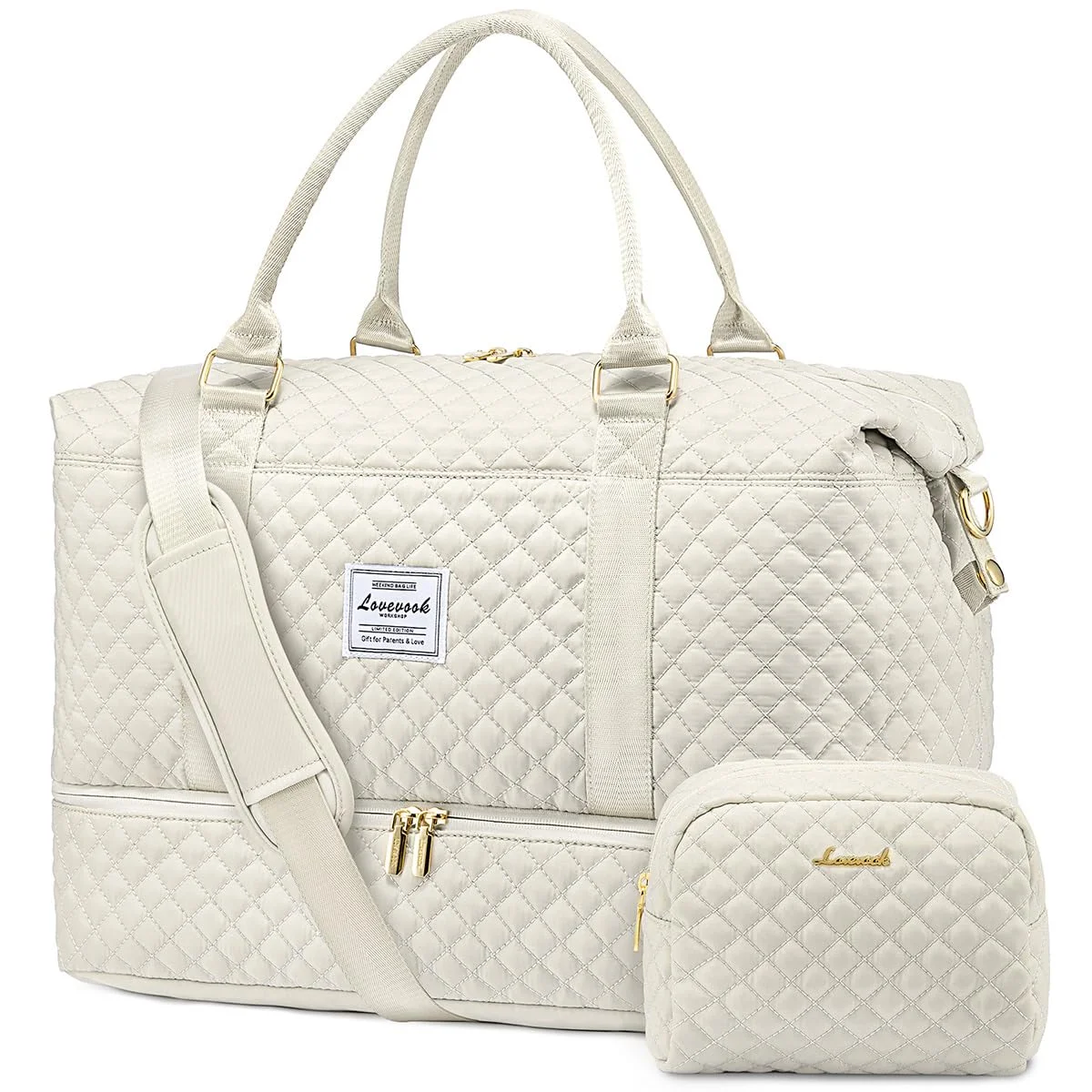
A roomy weekender duffel bag that keeps clothing, toiletries, and small labor essentials together without requiring a full-size suitcase.
Quick Answer: Are Packing Cubes Worth It?
Yes, Hospital bag packing cubes are worth it if you are bringing more than one change of clothes, baby items, toiletries, or postpartum comfort pieces. You do not need a huge set. Two or three cubes plus one wet dry bag can organize most hospital bags better than a dozen random pockets.
The biggest benefit is delegation. During labor or recovery, you may not be the person digging through the bag. A labeled cube lets your partner, doula, nurse-approved support person, or family member grab “baby outfit” or “toiletries” without asking you to narrate the packing map from the bed. That is the real magic: less explaining when you have more important things happening.
Hospitals and birth centers vary in what they provide, so check your local packing guidance before buying extras. For general birth preparation context, I like keeping ACOG’s labor guidance handy as a trusted outside reference while you decide when your bag should be ready.
How I Would Divide the Bag
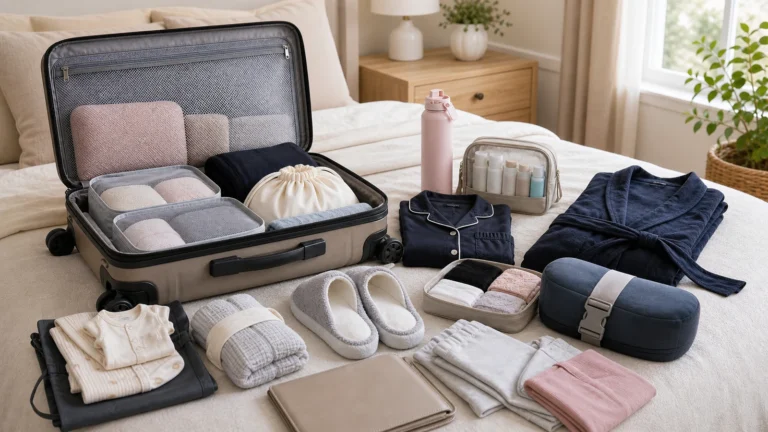
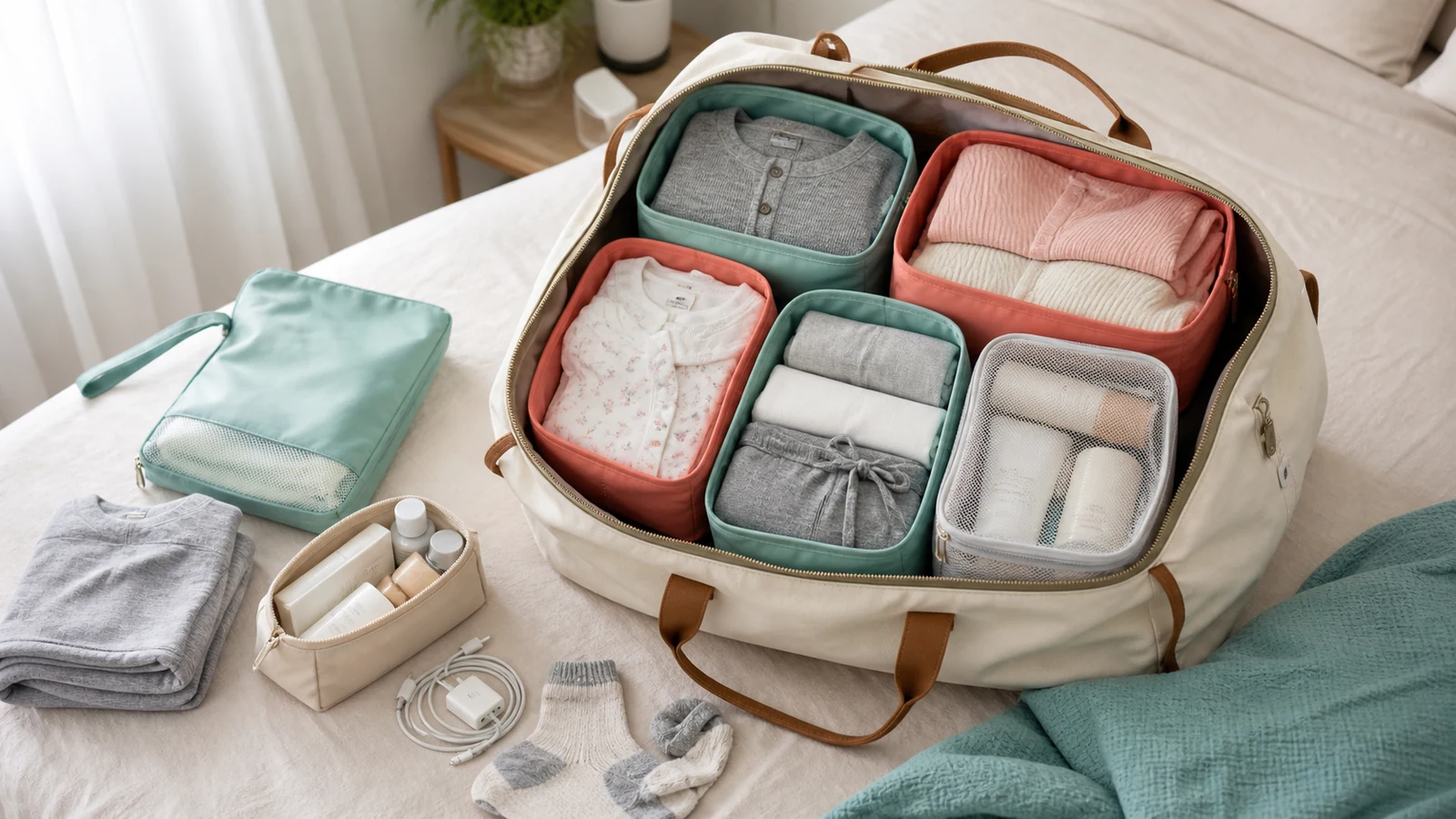
My favorite Hospital bag packing cubes setup is simple: one cube for labor and postpartum clothes, one cube for baby items, one small pouch for toiletries, and one wet dry bag for anything damp or messy. If you have a larger bag, add a snack pouch and a tiny “first hour” pouch with ID, insurance card, charger, lip balm, hair ties, and any paperwork.
I would not make a cube for every tiny item. Over-organizing can become its own problem. The goal is for categories to be obvious enough that a tired adult can find them quickly. If the labels are too specific, everyone ends up opening every cube anyway. Simple Hospital bag packing cubes beat complicated ones every time.
Use the main Hospital Bag Checklist to decide what categories you actually need. A minimalist bag may only need two cubes. A planned longer stay may need four. The cubes should follow your list, not create a new list just because the set came with extra pieces.
The Three Pieces I Would Use
1. Packing Cubes Set
Packing cubes separate mom, baby, and partner essentials so the right pouch is easy to find in a crowded hospital room.
A packing cube set is the core product for this system. I would use the largest cube for parent clothes, a medium cube for baby items, and a smaller pouch for underwear, socks, or nursing accessories. If your cubes have mesh tops, even better; you can see the category without fully opening it.
For Hospital bag packing cubes, I care more about flexible sizes than perfect matching. The bag is going to be opened by real humans in a real hospital room. Cubes that squish slightly, zip easily, and fit inside your duffel or tote are more useful than rigid organizers that only look nice on the bed.
2. Wet Dry Bag
A wet dry bag gives damp clothing, used washcloths, or leak-prone toiletries a separate place for the ride home.
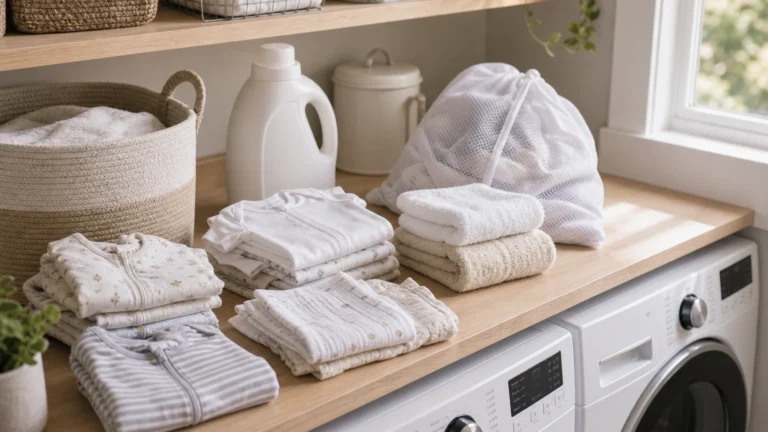
A wet dry bag is the practical sidekick. It can hold worn socks, a damp washcloth, toiletries, a baby outfit that needs to be isolated, or anything you do not want touching clean clothes. I like it because hospital packing is not just about what goes in clean; it is also about what comes home less tidy.
This is especially helpful if you pack a robe, slippers, or shower items. A wet dry bag keeps the rest of your Hospital bag packing cubes system from becoming one big laundry pile before discharge.
3. Weekender Duffel Bag
A roomy weekender duffel bag that keeps clothing, toiletries, and small labor essentials together without requiring a full-size suitcase.
A weekender duffel works well with cubes because the soft sides give you room to stack categories. Without cubes, a duffel can become a deep cave. With cubes, it becomes a flexible little filing system for clothes, baby supplies, and comfort items.
If you are still deciding on the main bag shape, the Best bag for hospital bag pregnancy guide compares duffels, totes, backpacks, and rolling bags. For cube users, I usually prefer a bag with a wide opening so the cubes are easy to lift in and out.
My Cube-by-Cube Packing Plan
Here is the exact system I would use now, with the humility of someone who once brought too much and still could not find the thing I wanted. Keep it simple, visible, and easy to explain.
- Mom clothes cube: nursing pajamas, robe or cardigan, going-home outfit, socks, and underwear.
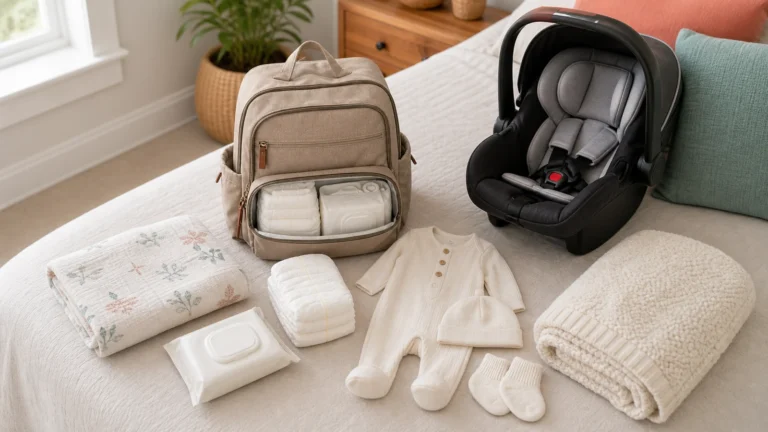
- Baby cube: going-home outfit, backup outfit, swaddle, hat or socks if needed, and a few diapers if your hospital suggests bringing them.
- Toiletry pouch: toothbrush, toothpaste, deodorant, glasses or contacts, hair ties, lip balm, face wipes, and shower basics.
- Wet dry bag: damp items, worn socks, laundry, or anything that should not touch clean clothes.
- Top pocket pouch: ID, insurance card, charger, snack, and paperwork.
The best Hospital bag packing cubes system is the one that someone else can understand in five seconds. If you can say, “Baby stuff is in the small teal cube,” you have already made hospital life easier.
If toiletries are where your bag tends to get messy, use the Hospital bag toiletries guide to trim that category. Toiletries multiply quickly, and a smaller pouch is often better than bringing full-size bottles.
How Packing Cubes Help Your Support Person
This is where Hospital bag packing cubes become more than neatness. Labor and postpartum recovery can make even simple requests feel urgent. If your partner can find your socks, hair tie, nursing bra, baby outfit, or phone charger without asking five follow-up questions, everyone’s stress drops a little.
Before your due date, do a quick bag tour. It can be as simple as: “This cube is my clothes. This one is baby. Toiletries are here. Wet bag is for laundry. Paperwork is in the front.” That two-minute walkthrough is one of those unglamorous preparations that pays off later.
If your partner is packing a separate bag, keep that one simple too. The goal is not to create a luggage system worthy of a home edit show. The goal is that tired people can find normal things in an unfamiliar room.
What Not to Do With Cubes
Do not overstuff them until the zippers strain. Do not hide urgent items in the deepest cube. Do not make every cube the same color if you know nobody will read labels. And do not let the cubes become an excuse to pack more than you need.
A good Hospital bag packing cubes setup should make the bag lighter in your mind, not heavier in your hands. If you are adding a cube called “maybe items,” pause. That is usually the cube you can leave at home.
For bag shape decisions, the Hospital bag tote vs duffel comparison can help. Totes work best with a few visible pouches. Duffels usually need cubes more because the inside is deeper and softer.
Do You Need Clear Bags or Labels?
Clear bags are helpful, but not required. Mesh tops, color differences, or simple paper labels can work. I have used masking tape labels in real life, and they are not pretty, but they are effective. If your support person knows that the blue cube means baby and the gray cube means mom clothes, that is enough.
For Hospital bag packing cubes, labels matter most when the bag includes similar-looking clothing. Tiny baby outfits, nursing bras, socks, and underwear can all blur together when you are tired. A label saves time and keeps your support person from holding up the wrong item with a confused face.
If baby items get their own section, the Hospital bag checklist for baby can help you keep that cube focused. Newborn items are small enough to disappear, so one labeled baby cube is usually better than loose pockets.
FAQ
How many packing cubes do I need for a hospital bag?
Most families need two or three cubes plus one wet dry bag. I would use one cube for parent clothes, one for baby items, and one small pouch or cube for toiletries or accessories.
Should I label hospital bag packing cubes?
Yes, if someone else may need to find things quickly. Labels can be simple: mom clothes, baby, toiletries, laundry, and first grab.
Are packing cubes better than zip bags?
Packing cubes are more reusable and breathable for clothes, while zip bags can be useful for tiny items or liquids. A wet dry bag is better for damp or messy items.
Can packing cubes fit in a tote?
Yes, but choose smaller cubes or pouches so the tote still opens easily. Large cubes work better in duffels or carry-ons.
My final take: Hospital bag packing cubes are worth it because they make the bag understandable. You do not need a perfect system. You need clean clothes in one place, baby items in another, toiletries contained, and the important stuff easy to grab. That is enough.
Before you close the bag, return once more to the Hospital Bag Checklist and ask whether each cube has a clear purpose. If it does, you are ready. If not, edit the cube before adding another one. You can also use the Hospital Bag Checklist as your final category map, then let Hospital bag packing cubes turn that map into something easy to find.
Shop packing picks