Best Bags for a Hospital Bag: Totes, Duffels, Backpacks, and Carry-Ons
Best bag for hospital bag pregnancy searches usually start when the nursery floor has become a staging area: nursing pajamas in one pile, baby clothes in another, chargers mysteriously missing, and somebody asking whether a suitcase is too much. After three births, my answer is simple: the best hospital bag is the one you can open fast, carry comfortably, and keep organized when you are tired.
If you are working from the full Hospital Bag Checklist, think of the bag as the container that makes the list usable. A beautiful bag that hides everything at the bottom will annoy you at 2 a.m. A plain bag with smart pockets may feel like a small act of mercy, which is why Best bag for hospital bag pregnancy planning is really about access.
Disclosure: BabyEthos is reader-supported. As an Amazon Associate, we earn from qualifying purchases. This does not change what you pay.
QUICK SHOP
Quick Picks: Hospital Bag Options
These six picks cover the main Best bag for hospital bag pregnancy choices: a roomy duffel, easy-access tote, reusable backpack, rolling carry-on, packing cubes, and a wet dry bag for laundry or leaks.
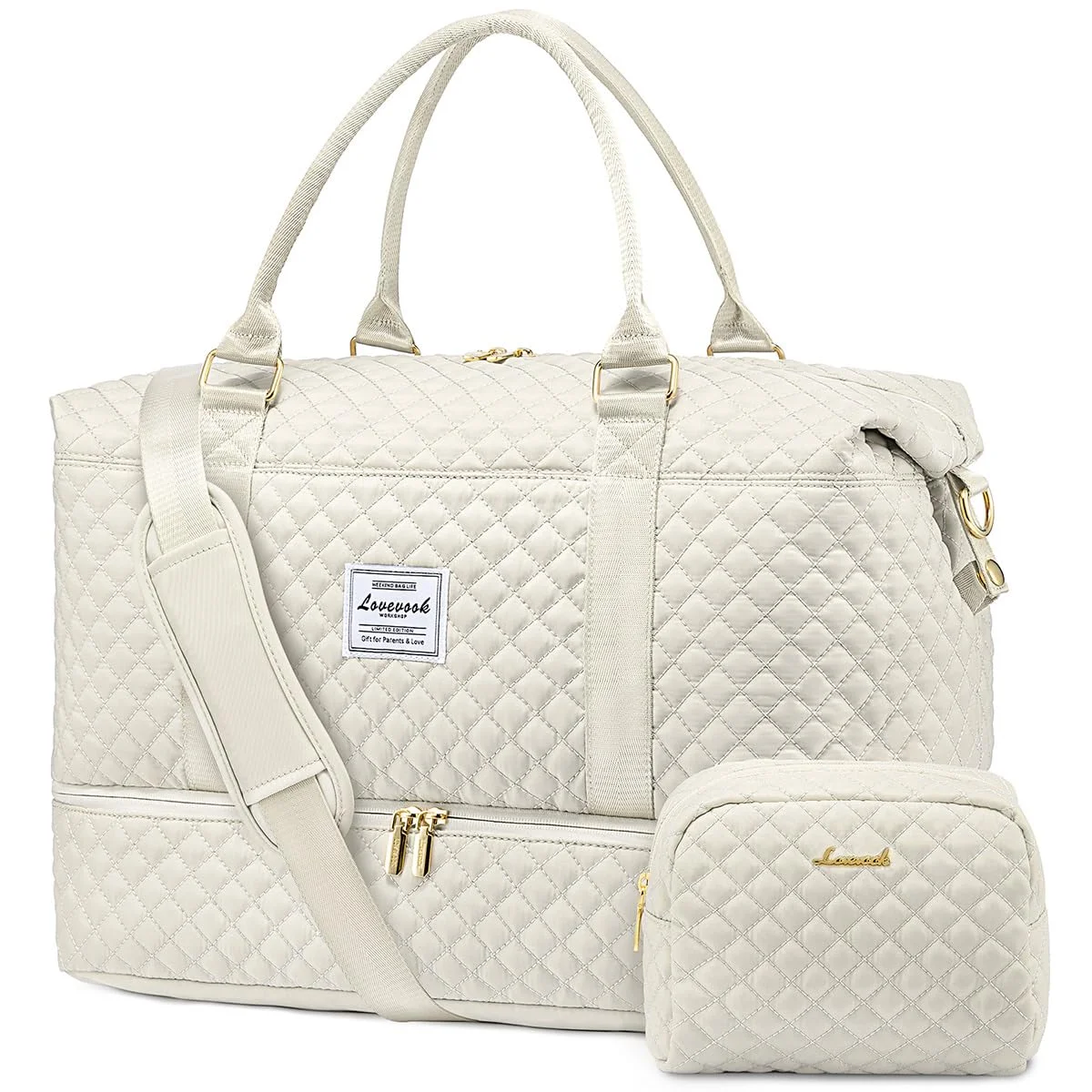
A roomy weekender duffel bag that keeps clothing, toiletries, and small labor essentials together without requiring a full-size suitcase.
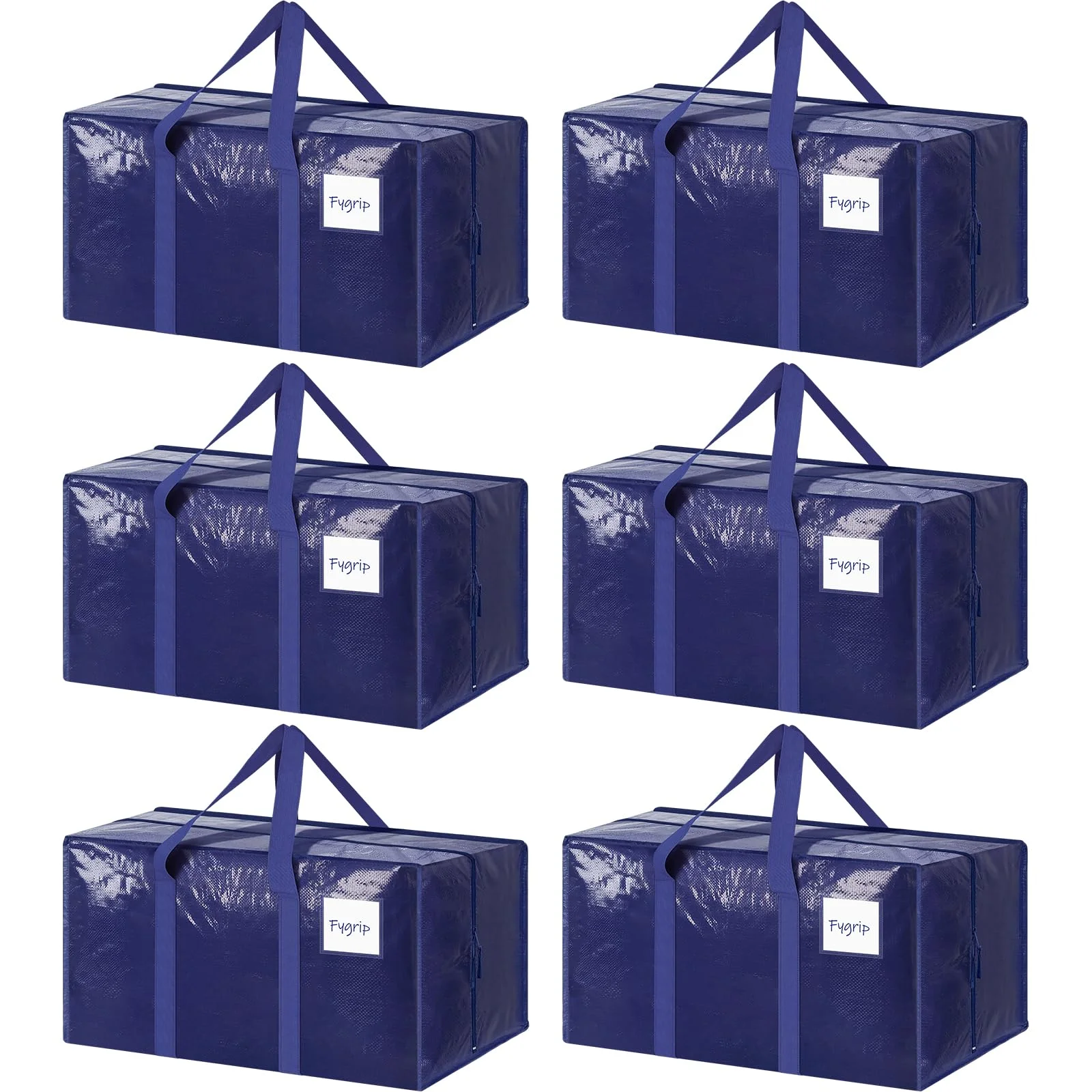
These large tote bags offer flexible storage when parents prefer separate bags for clothing, recovery supplies, and partner items.
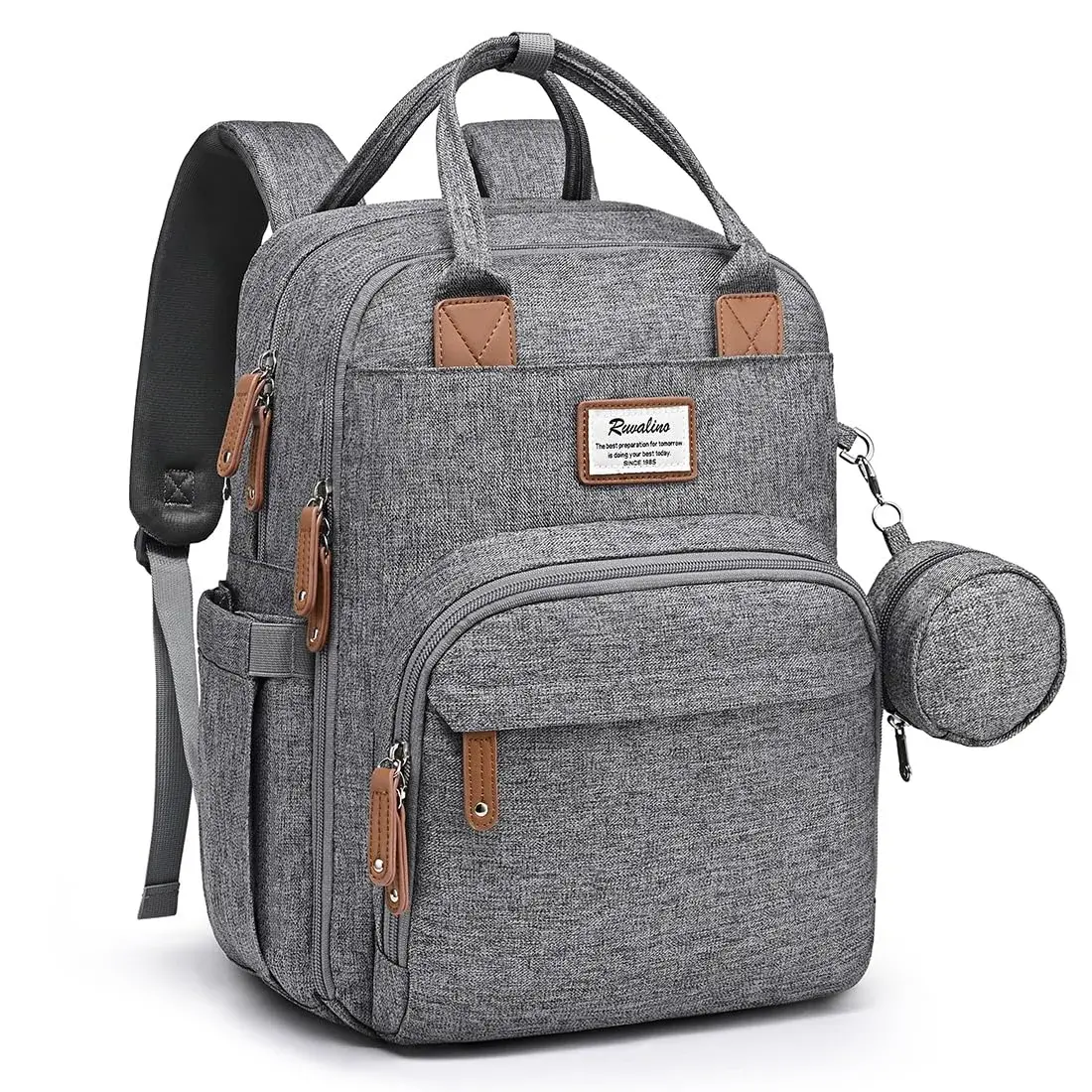
A hands-free diaper bag backpack with organized pockets for baby basics, chargers, paperwork, and the trip home.
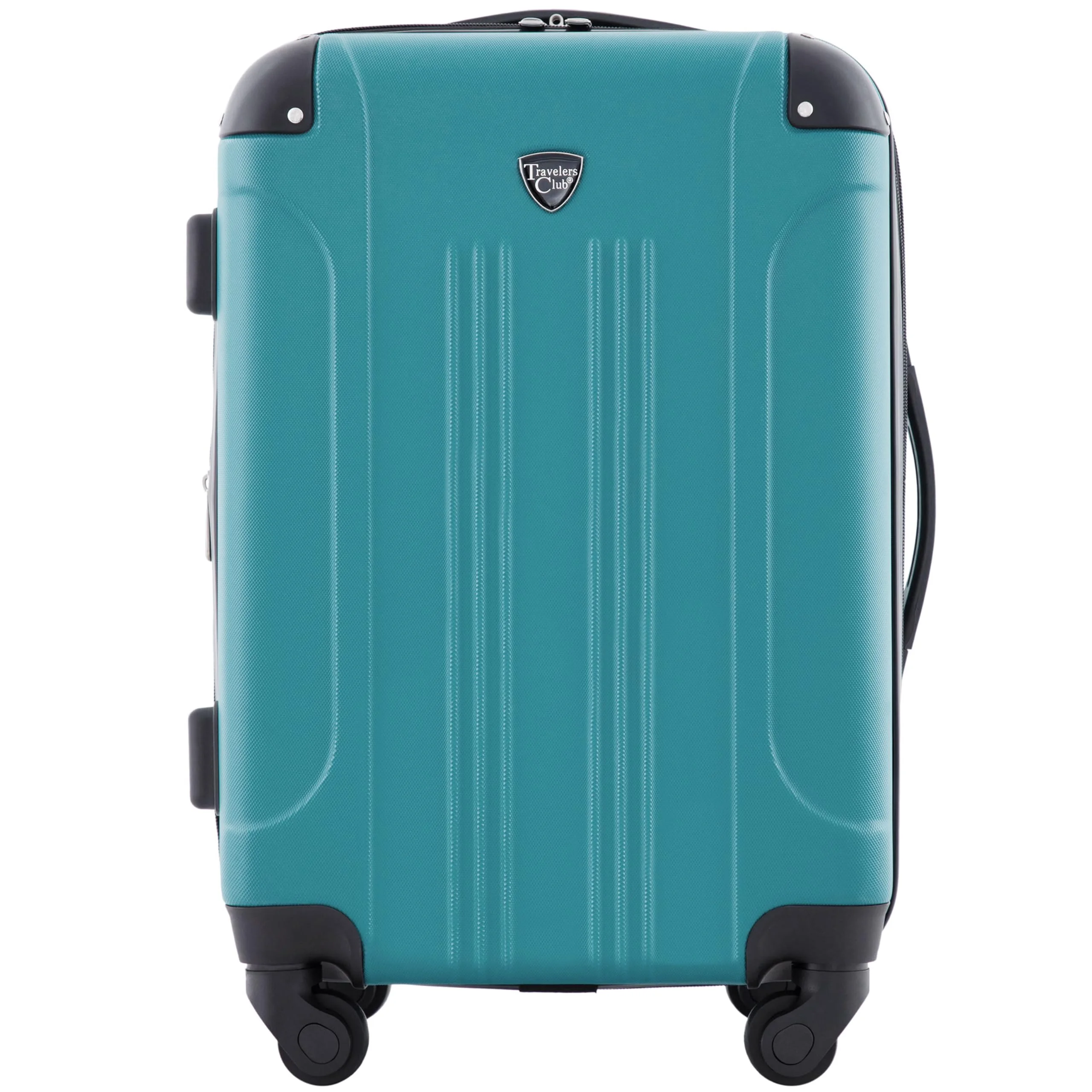
A carry-on rolling suitcase makes heavier hospital supplies easier to move, especially for a planned or potentially longer stay.
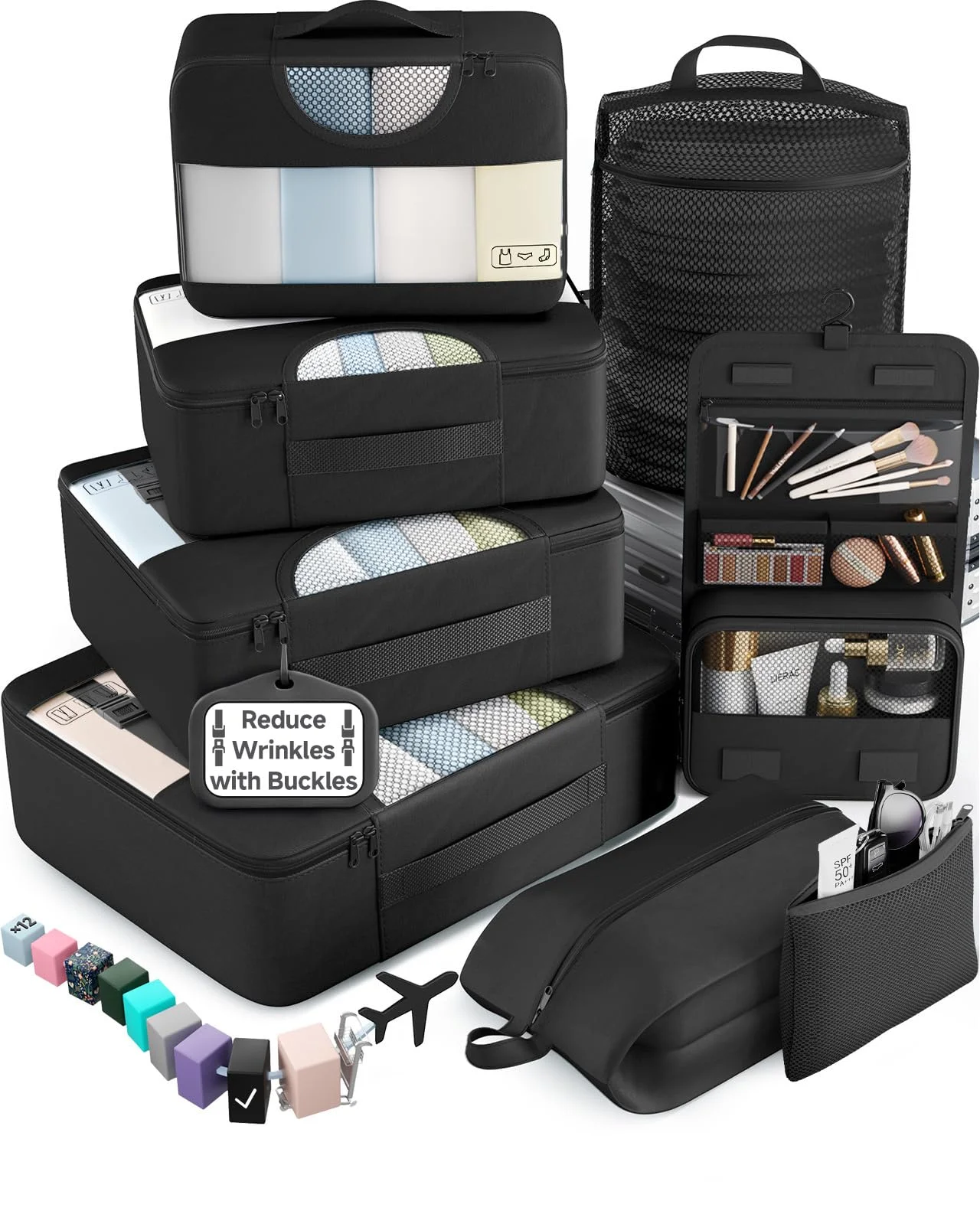
Packing cubes separate mom, baby, and partner essentials so the right pouch is easy to find in a crowded hospital room.
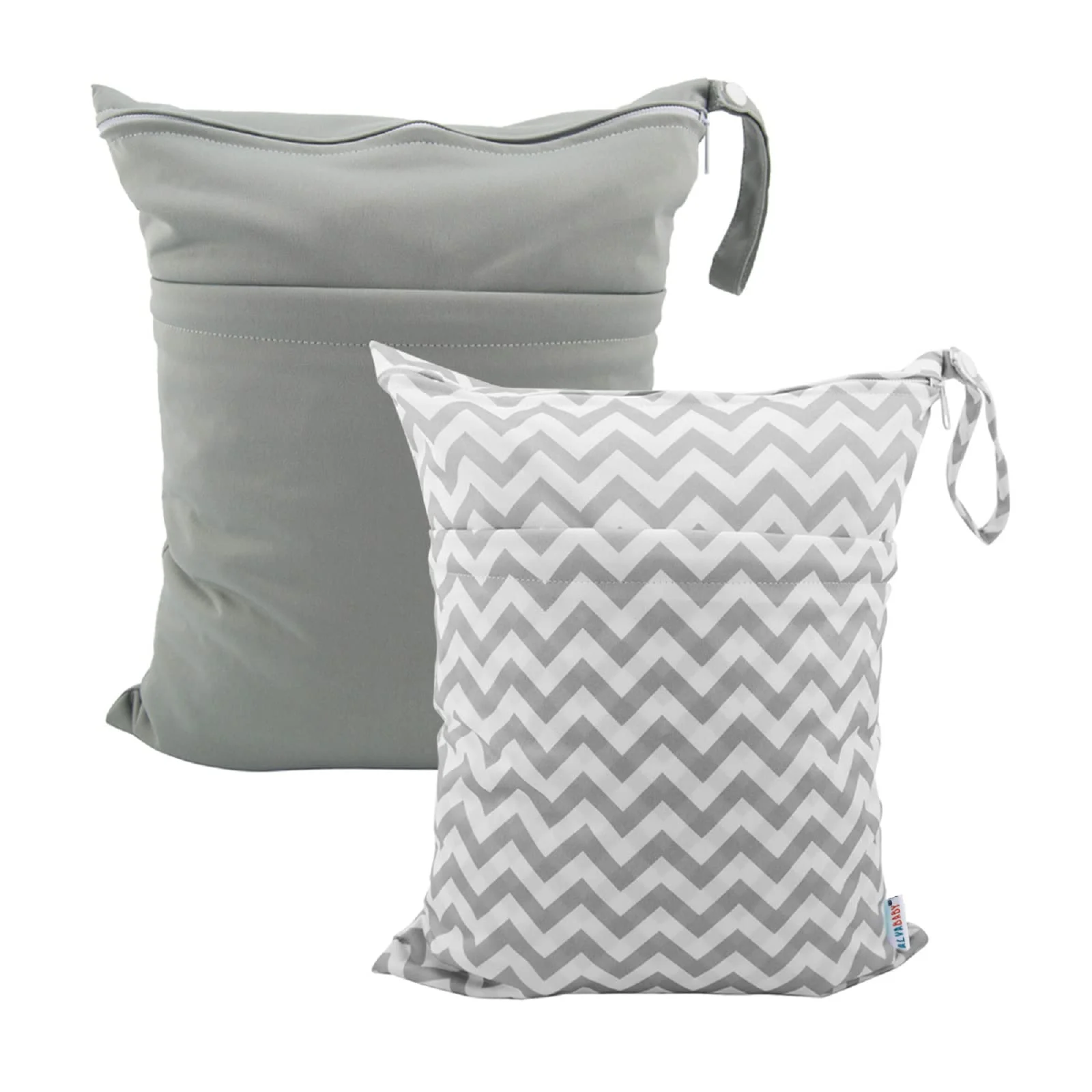
A wet dry bag gives damp clothing, used washcloths, or leak-prone toiletries a separate place for the ride home.
Quick Answer: Which Bag Type Works Best?
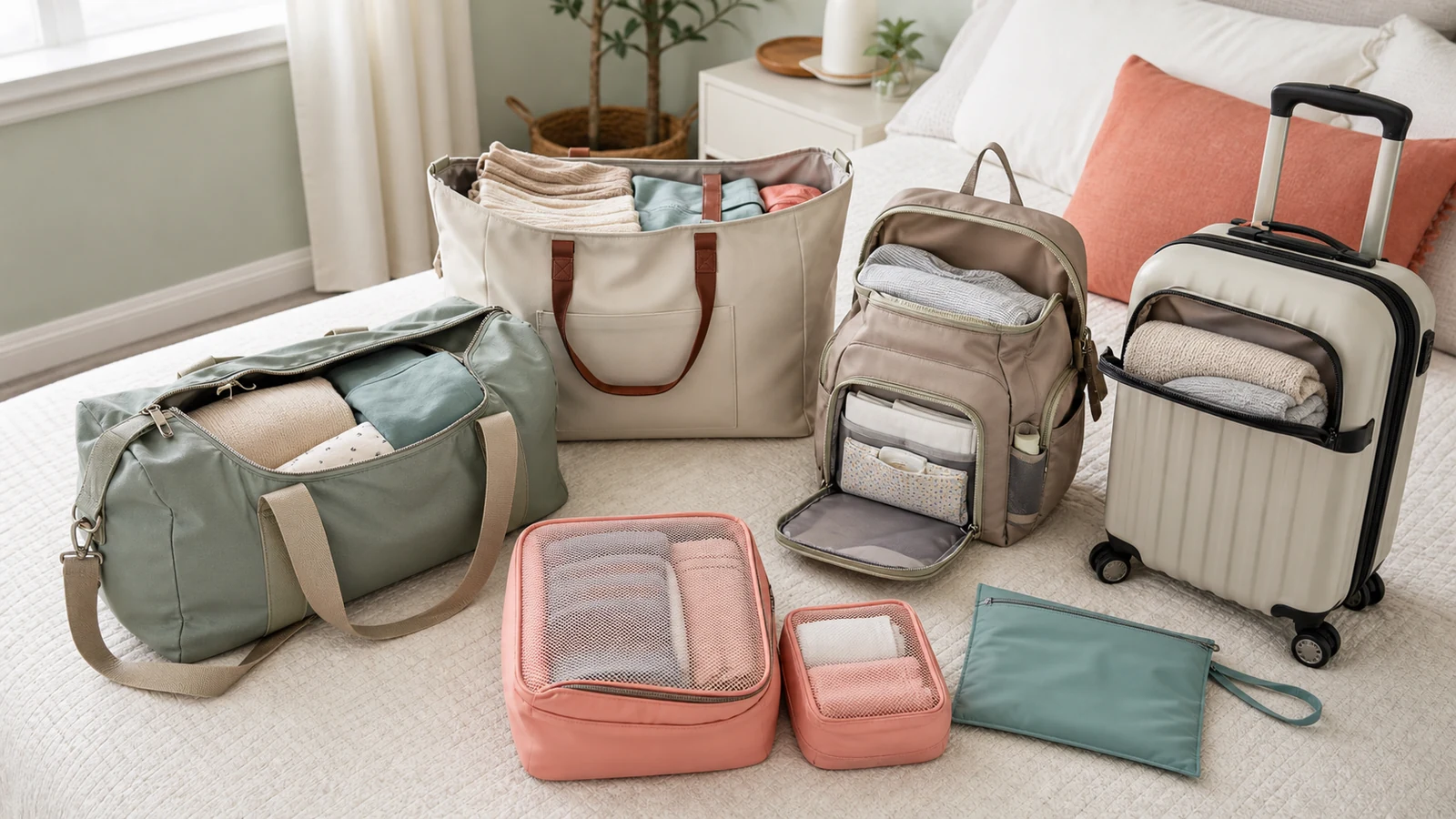
For most families, the Best bag for hospital bag pregnancy setup is either a weekender duffel with packing cubes or a roomy tote with a few zip pouches. A backpack is great if you want hands-free carrying, especially when you are also holding a car seat later. A small rolling carry-on works well for scheduled births, longer stays, or anyone who wants to avoid shoulder strain.
I would not overthink the label. “Hospital bag” can mean one main parent bag plus a smaller baby bag, or one rolling suitcase for everything. What matters is that your support person can find the charger, your going-home outfit, toiletries, insurance card, snacks, and baby’s first outfit without dumping the whole bag on the hospital bed. That is the heart of any Best bag for hospital bag pregnancy decision.
One planning note before you pack: check your hospital or birth center’s instructions, because food rules, visitor rules, and what they provide can vary. For broad labor and birth preparation, I also like keeping ACOG’s labor guidance in mind, especially if you are trying to decide when the bag actually needs to be ready by the door.
How I Compare Hospital Bag Styles
When I compare bags, I look at five things: access, carry comfort, compartments, footprint in a small room, and what happens when the bag is half-empty. The Best bag for hospital bag pregnancy answer changes depending on whether you are a minimalist, a scheduled C-section parent, a first-time parent who wants backup everything, or a third-time parent who has become suspicious of extra stuff.
Access means you can open the bag and see categories quickly. Carry comfort means the bag still feels manageable when you are walking from parking garage to triage. Compartments matter because hospital rooms do not always have generous counter space. Footprint matters because a giant open suitcase can become a trip hazard. And the half-empty test matters because you will bring home paperwork, gifts, and sometimes extra hospital supplies. A good Best bag for hospital bag pregnancy setup survives all of that.
The full Hospital Bag Checklist can tell you what to pack; this guide is about choosing the bag that keeps those items reachable.
The Main Bag Options
1. Weekender Duffel Bag: Best All-Around Choice
A roomy weekender duffel bag that keeps clothing, toiletries, and small labor essentials together without requiring a full-size suitcase.
A weekender duffel is my default recommendation for many families because it is soft-sided, roomy, and easy to stash beside a hospital chair. It can hold parent clothes, toiletries, a robe, slippers, a small snack pouch, and baby’s going-home outfit without looking like you are moving into the hospital. For many parents, that makes it the Best bag for hospital bag pregnancy all-rounder.
The catch is that duffels can become caves. For a Best bag for hospital bag pregnancy plan, I would only choose a duffel if you are willing to use packing cubes or labeled pouches inside. Otherwise, every request becomes “Can you check the bottom again?” and nobody needs that energy during labor.
2. Large Tote Bag: Best for Easy Top Access
These large tote bags offer flexible storage when parents prefer separate bags for clothing, recovery supplies, and partner items.
A large tote is lovely when you want to see everything from above. It is especially helpful for quick-grab items: phone charger, lip balm, hair ties, wallet, paperwork, and a small toiletry pouch. If you tend to pack light, a tote can be the cleanest answer to the Best bag for hospital bag pregnancy question.
The downside is that totes can tip over, and they are less comfortable if you overfill them. I would use a tote for a shorter stay, a second parent bag, or a baby-only bag. If you are deciding between these two soft-bag options, the Hospital bag tote vs duffel comparison is the more detailed branch.
3. Diaper Bag Backpack: Best Hands-Free Option
A hands-free diaper bag backpack with organized pockets for baby basics, chargers, paperwork, and the trip home.
A diaper bag backpack makes sense if you want the bag to keep working after birth. The pockets are usually built for baby items, wipes, bottles, and small accessories, which can be useful if you are packing a separate newborn section. It also leaves your hands free when you are walking into the hospital or leaving with flowers, paperwork, and a car seat.
The tradeoff is capacity. A backpack can get tight if you are packing a robe, multiple outfits, full-size toiletries, and postpartum supplies. I like it best as the baby bag or support-person bag, not always as the only bag. Still, for apartment living, public transit, or a long walk from parking, the backpack may be the Best bag for hospital bag pregnancy choice.
4. Carry-On Rolling Suitcase: Best for Longer or Scheduled Stays
A carry-on rolling suitcase makes heavier hospital supplies easier to move, especially for a planned or potentially longer stay.
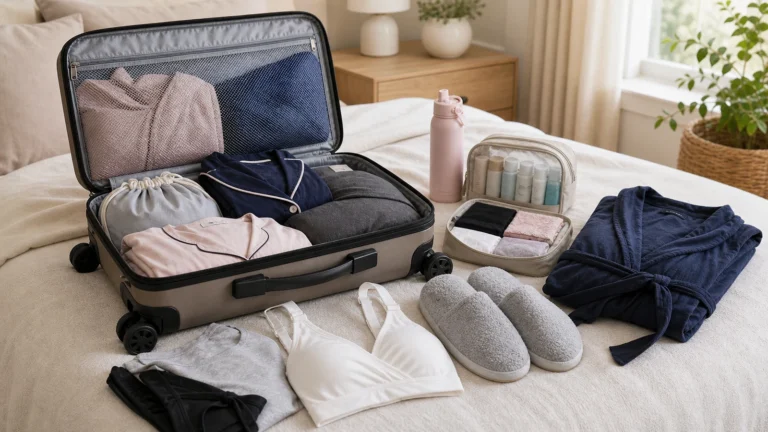
A small rolling carry-on is not too much if it matches your situation. If you have a scheduled induction, a planned C-section, a longer drive to the hospital, or limited lifting capacity, wheels are practical. I also like a carry-on for parents who want a clean split: one side for clothing, one side for toiletries and recovery items.
The drawback is room footprint. A suitcase takes floor space when open, and some hospital rooms are tight. If you use one, keep it zipped and slide it under a bench or beside the chair when possible. In a Best bag for hospital bag pregnancy comparison, a rolling bag wins on organization and lifting comfort, but loses a little on bedside access.
The Organizers That Make Any Bag Better
The bag itself is only half the system. The other half is how you divide the inside. For the main Hospital Bag Checklist, I like categories that a tired person can understand instantly: mom clothes, baby clothes, toiletries, chargers, snacks, documents, and “last-minute items.” This is where the Best bag for hospital bag pregnancy choice gets much easier to use.
Packing Cubes: Best for Categories
Packing cubes separate mom, baby, and partner essentials so the right pouch is easy to find in a crowded hospital room.
Packing cubes make a duffel or suitcase dramatically easier to use. I would label or color-code them if you have the bandwidth: one for labor clothes, one for postpartum clothes, one for baby items, and one for going-home outfits. If you want a deeper system, the Hospital bag packing cubes guide walks through the details.
Wet Dry Bag: Best for Laundry and Leaks
A wet dry bag gives damp clothing, used washcloths, or leak-prone toiletries a separate place for the ride home.
A wet dry bag is not glamorous, but it is useful. It can hold worn socks, damp washcloths, a baby outfit that did not survive the ride home, or toiletries you do not want touching clothes. It is also handy if your hospital shower setup is small and you want one pouch that can handle moisture. It will not decide the Best bag for hospital bag pregnancy alone, but it makes any bag smarter.
My Packing Strategy for Real Hospital Rooms
Here is the system I would use now. Put documents, ID, insurance card, phone charger, lip balm, and hair ties in the easiest pocket. Put labor clothes and comfort items in the top layer. Put postpartum clothes, nursing pieces, and slippers in a cube. Put baby items in their own pouch. Keep toiletries together so your support person can take the whole kit to the bathroom instead of hunting one item at a time.
For a Best bag for hospital bag pregnancy setup, I would also pack a small “arrival pouch” that never leaves the top: ID, paperwork, a long charging cord, snack, hair tie, and maybe a printed birth preference sheet if you use one. That way you do not need to open the full bag at triage.
Toiletries deserve their own compact kit because they are the easiest things to scatter. If you are still choosing what belongs there, the Hospital bag toiletries guide can help you keep it practical instead of bringing your entire bathroom shelf. A tidy toiletry kit supports the Best bag for hospital bag pregnancy system better than one more random pocket.
Which Bag I Would Pick by Situation
- First-time parent who wants flexibility: weekender duffel plus packing cubes.
- Minimalist packer: large tote with two or three pouches.
- Parent who wants hands free: diaper bag backpack, especially if baby items are separate.
- Planned C-section or longer stay: carry-on rolling suitcase with a small bedside pouch.
- Two-bag system: parent duffel plus baby backpack.
- Small hospital room: soft-sided bag that can tuck under a chair.
The Best bag for hospital bag pregnancy choice is not about looking perfectly prepared. It is about reducing little frictions. Can you find the charger? Can your partner find the baby outfit? Can the bag sit out of the walkway? Can you repack it when everyone is running on crumbs of sleep? Those questions matter more than the bag category printed on the listing.
If you are packing baby items in the same bag, use the Hospital bag checklist for baby to keep that section tight. Newborn things are tiny, which somehow makes them easier to lose in a big duffel. A separate cube or backpack solves that problem quickly.
Before you zip the bag, walk through the full Hospital Bag Checklist one more time and remove anything you packed out of anxiety rather than usefulness. Hospitals provide many basics, and your support person can bring extras later if you live nearby.
FAQ
Is a duffel or suitcase better for a hospital bag?
A duffel is usually easier to stash in a small room, while a suitcase is easier to organize and roll. If you are packing for a longer stay or want to avoid carrying weight, a small carry-on can be a smart choice.
Can I use a diaper bag as my hospital bag?
Yes, especially if you pack light or want a bag you will reuse after birth. For a full parent-and-baby setup, a diaper backpack may work better as the baby bag while a duffel or tote holds parent items.
How many bags should I bring to the hospital?
Most families do well with one main bag and one small personal or baby bag. If you bring more than that, make sure each bag has a clear job so your support person is not searching through everything.
Should I pack with cubes or just use pockets?
Pockets are helpful for small essentials, but packing cubes make clothing and baby items easier to find. I like using both: outside pockets for urgent items, cubes for categories inside the bag.
My final take: the Best bag for hospital bag pregnancy decision should make your birth bag calmer, not fancier. Choose the shape you can carry, divide it into obvious sections, and keep the must-grab items at the top. That is the version future-you will appreciate when the day finally gets real.
Shop bag picks