Newborn Diapers Too Small? Signs It’s Time to Size Up
Newborn diapers too small can sneak up on you in the least convenient way. One morning the tabs still reach, the diaper sits neatly under the belly button, and everything feels manageable. By the next afternoon, you are changing a sleeper after another leak and wondering how a baby this tiny is already outgrowing something called newborn.
If that is where you are, you are not doing anything wrong. Babies do not follow diaper boxes like a calendar. Some newborns wear newborn size for weeks, some skip it quickly, and some fit the weight range but still need a different cut. This guide will help you tell when newborn diapers too small is the real problem, what size to try next, and how to restock without filling the closet with diapers your baby may outgrow.
For the bigger home setup around diapers, wipes, feeding, sleep, clothes, and laundry, keep the parent Newborn Essentials guide nearby. This page is the focused troubleshooting version for diaper fit.
Quick Answer
How Do You Know If Newborn Diapers Are Too Small?
The most common signs are tabs that barely reach, red marks around the waist or thighs, frequent leaks, more blowouts, a diaper that sits very low on the belly, or leg openings that leave gaps because the diaper is stretched out.
If newborn diapers too small keeps happening after one or two changes, try a small pack of size 1 before buying a big box. Fit matters more than the number printed on the package.
Newborn Diapers Too Small: Signs to Check
The first sign is usually the tabs. A diaper can still fasten, but if you have to pull hard to close it, the fit is probably too tight. Tabs should meet comfortably near the front without yanking the diaper across your baby’s belly.
The second clue is red marks. A light temporary line from fabric or elastic can happen, but deep red marks, pinching, or irritated skin are signs to pause and reassess. If newborn diapers too small is causing visible discomfort, size up instead of trying to make the tabs reach. If skin looks broken, painful, or rashy, call your pediatrician instead of trying to solve it with sizing alone.
Leaks and blowouts are another big clue. A diaper that is too small may not have enough coverage in the back, enough room in the absorbent core, or enough height at the waist. When newborn diapers too small is the issue, you may notice leaks even when the diaper was changed recently.
| Fit Sign | What It Usually Means | What to Try |
|---|---|---|
| Tabs barely reach | Waist fit is too tight | Try size 1 or a different brand shape |
| Red marks on thighs | Leg openings are pinching | Size up and check the leg cuffs |
| Frequent leaks | Not enough coverage or absorbency | Try the next size before buying more newborn diapers |
| Back blowouts | Diaper rise may be too low | Look for a higher back fit |
| Diaper sits below belly | Baby may have outgrown the rise | Move up a size and compare fit |
Do the Two-Minute Diaper Fit Check
Before you order a giant box, do one calm fit check during a normal diaper change. Lay the diaper flat, bring the front up to the belly, and fasten both tabs without stretching them as far as they will go. You should be able to slide a finger around the waist without digging into skin.
Then check the leg cuffs. They should be pulled out, not tucked in. Tucked cuffs can cause leaks even when the size is correct. If the cuffs are out and the diaper still leaves tight rings or gaps, newborn diapers too small is more likely.
Finally, look at the rise. A diaper that barely covers the lower belly or does not come high enough in the back may be too small for your baby’s shape, even if your baby is technically within the newborn weight range. For long babies, newborn diapers too small often shows up as low coverage before the scale catches up.
Diaper Fit Reset
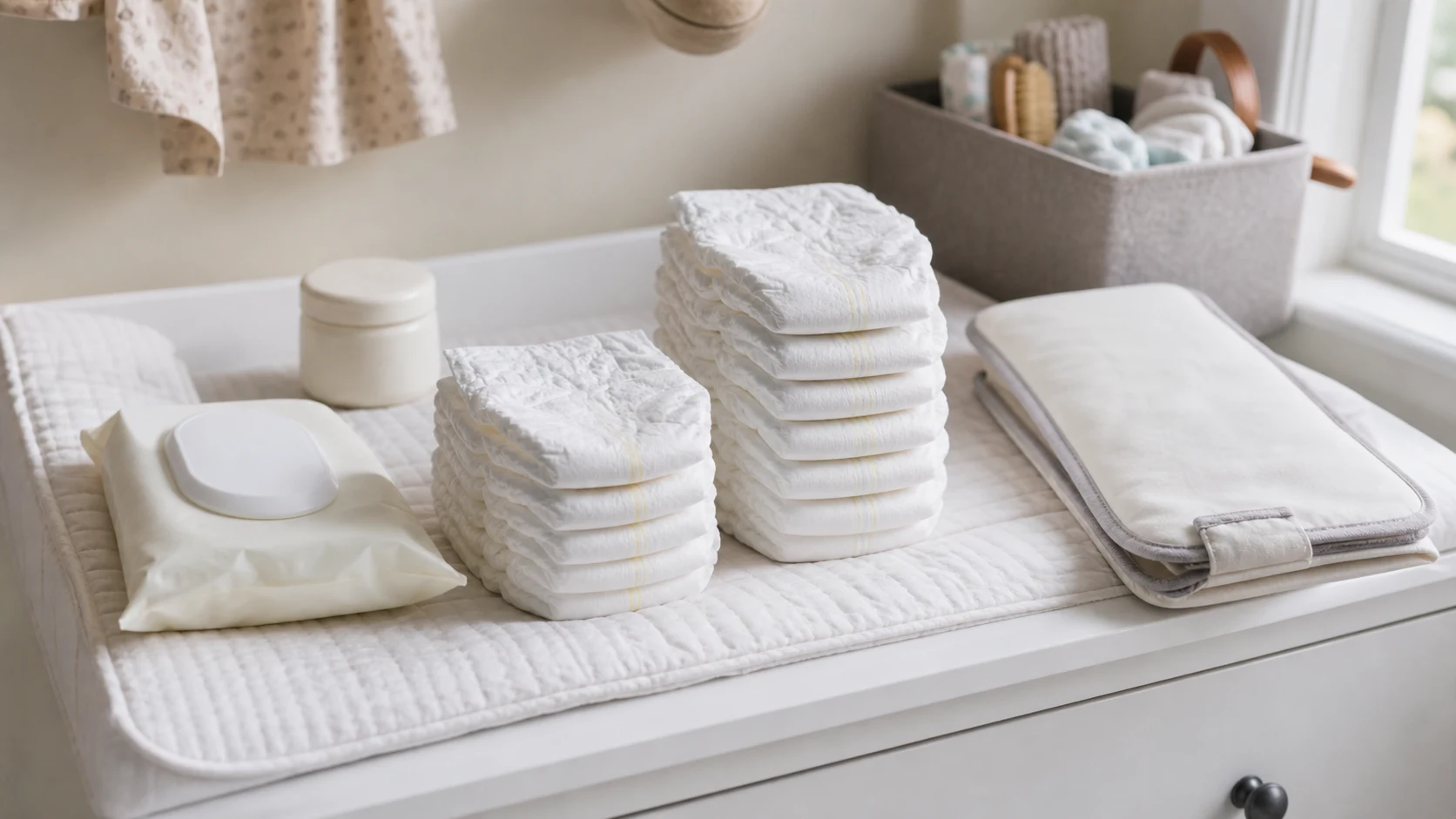
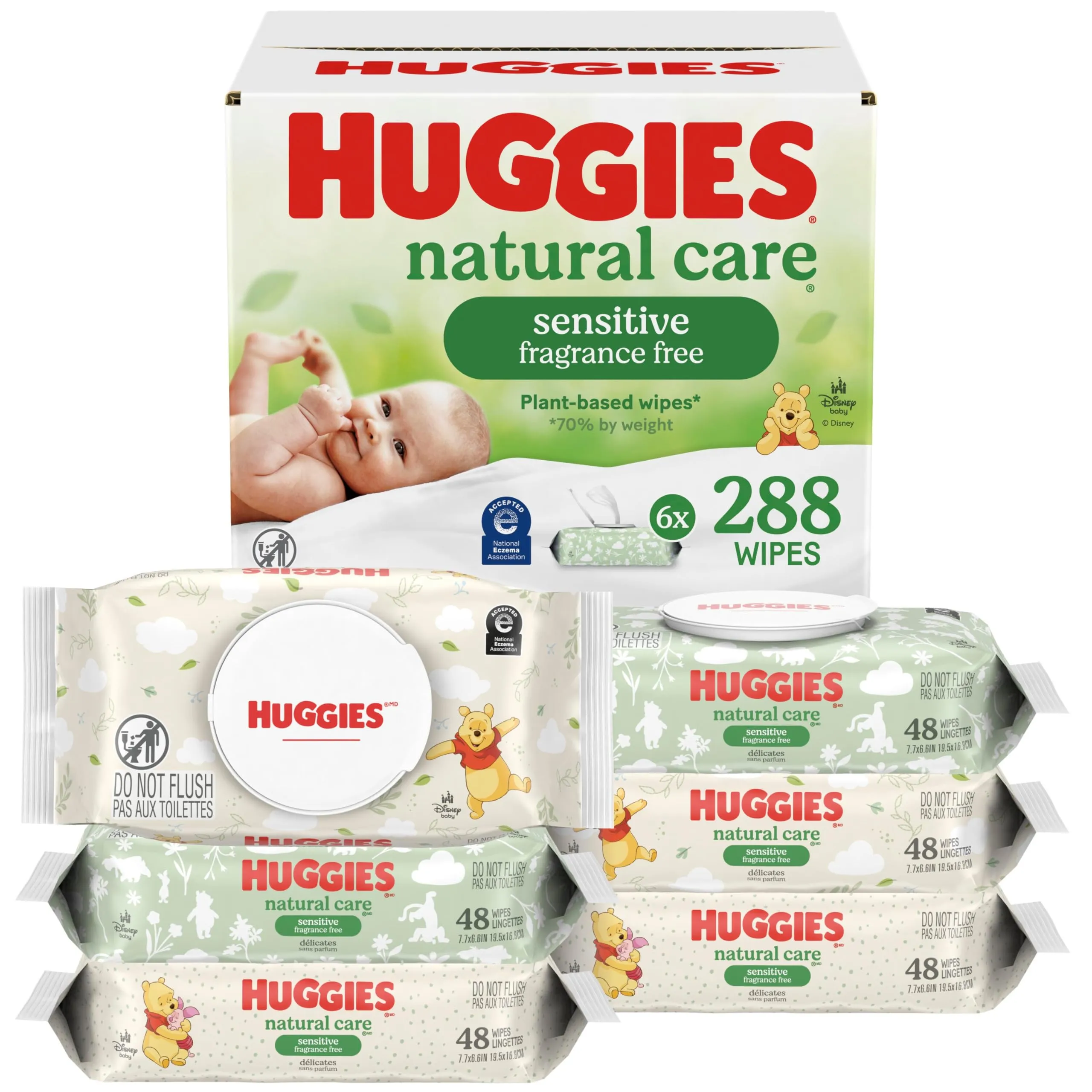
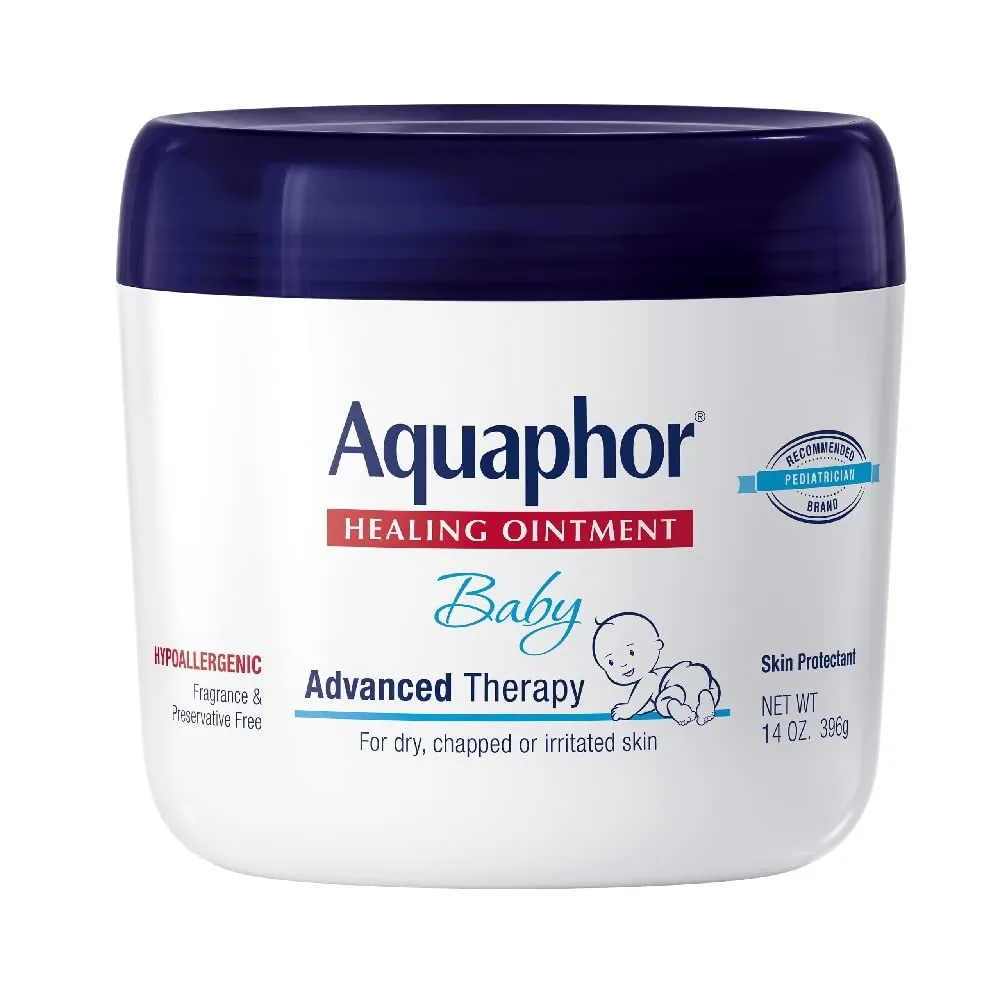
Useful Supplies When Diaper Sizing Changes
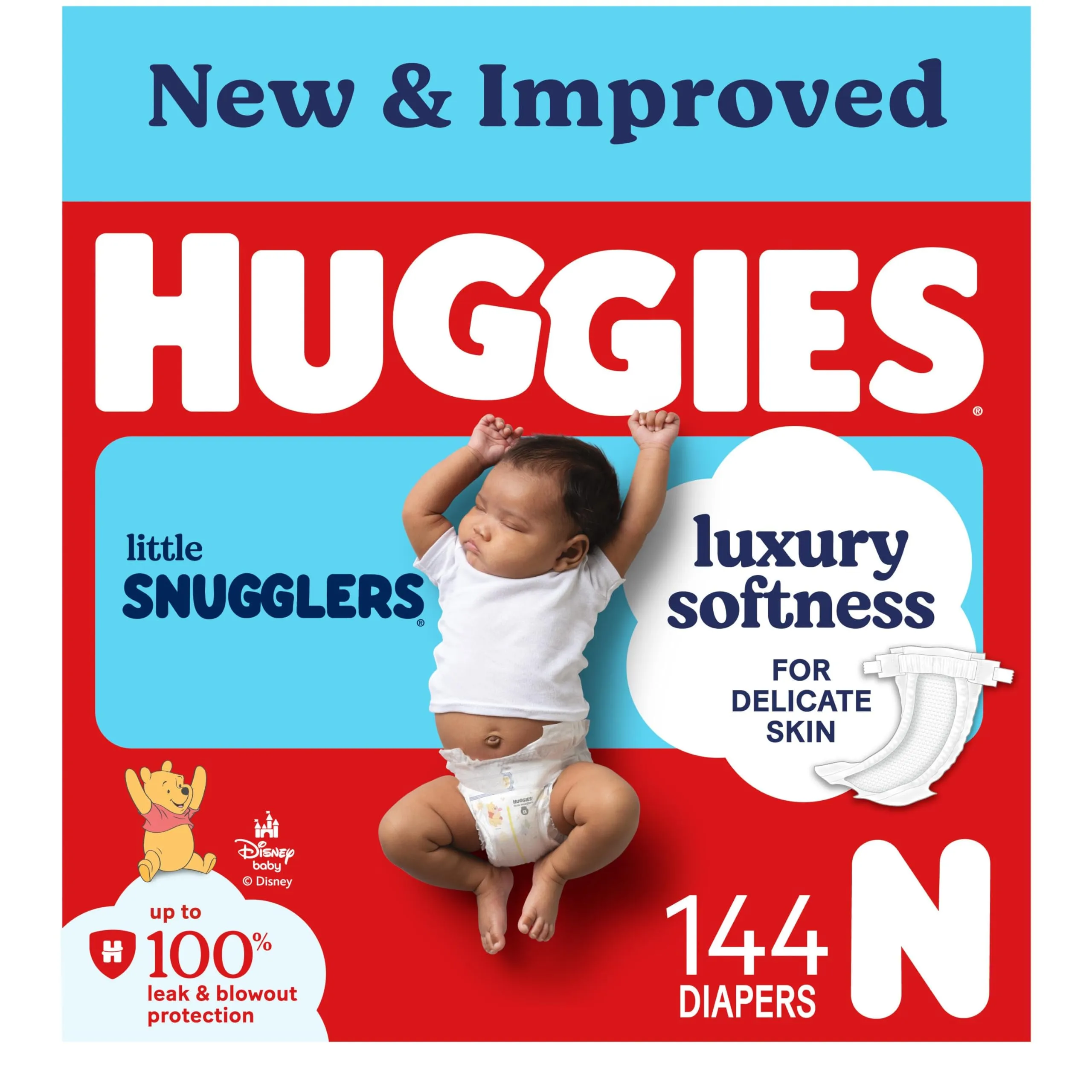
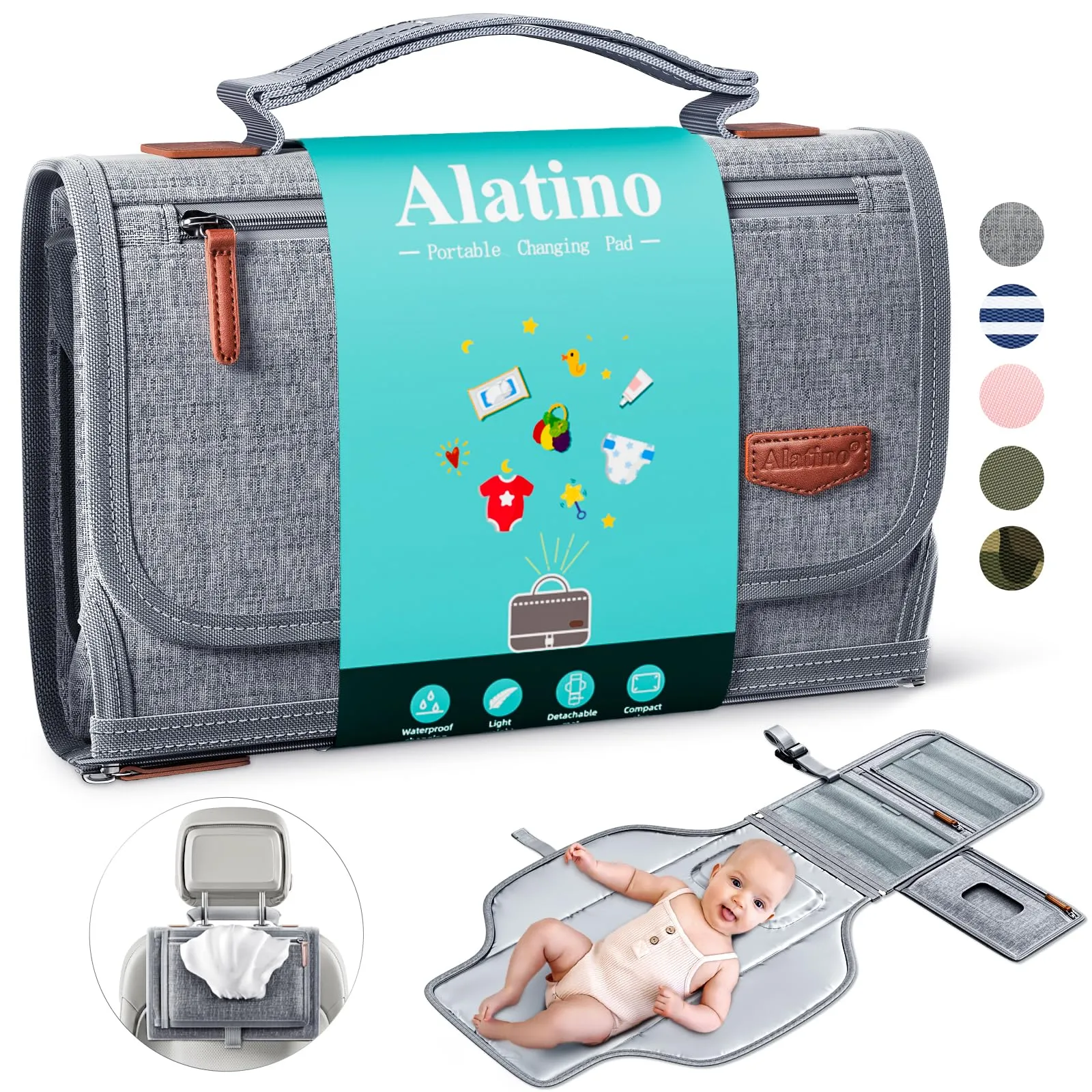
Portable Changing Pad
Useful when you are doing extra changes around the house.
Check Price on Amazon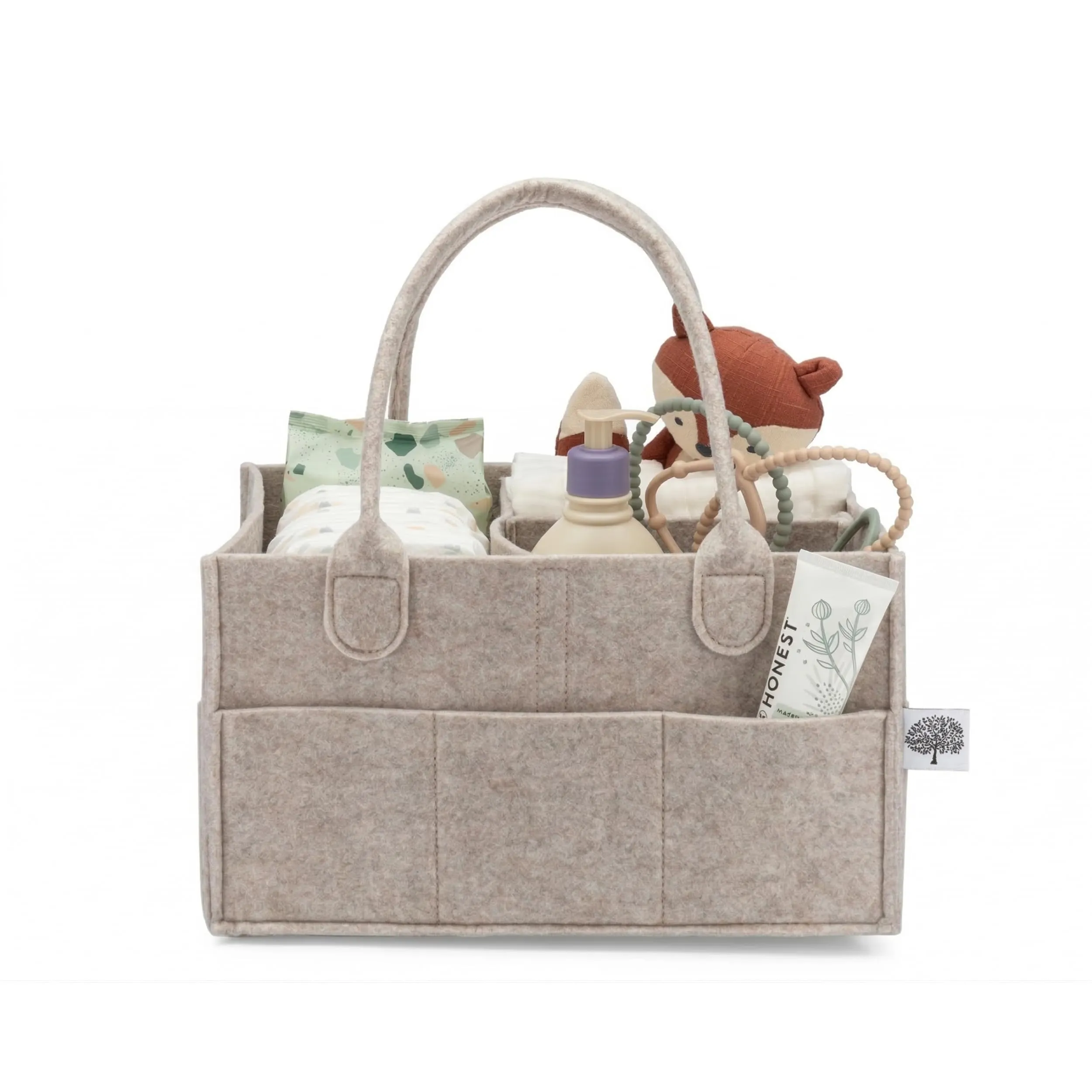
Diaper Caddy
Keeps newborn and size-up diapers separated during the transition.
Check Price on AmazonWhen to Move From Newborn Diapers to Size 1
The simplest answer is to size up when the newborn diaper no longer fits comfortably, even if the box says your baby is still within the weight range. Weight ranges are useful, but they do not account for belly shape, thigh shape, torso length, or how your baby carries weight.
If you are unsure, buy one small pack of size 1 and compare two clean diapers side by side. Try the larger size during the day first, when you can watch for gaps or leaks. If size 1 fits securely at the waist and legs without pinching, you have your answer.
This is also why the broader Newborn Essentials approach is to start modestly. A practical starter supply beats a mountain of one size. If you are still planning your stash, the How many diapers does a newborn need guide can help you estimate without overbuying.
Leaks Do Not Always Mean the Diaper Is Too Small
This is the part that can drive parents a little wild. Leaks can mean newborn diapers too small, but they can also mean the diaper is on crooked, the leg cuffs are tucked in, the brand shape does not match your baby’s body, or the diaper was simply too full.
If leaks happen only once, adjust the diaper and move on with your day. If leaks happen repeatedly at the legs, back, or waist, then size and fit deserve a closer look. Try the next size for a few daytime changes before changing your whole system.
Also check the outfit. A bodysuit that is too tight can press against the diaper and make leaks worse. If you are dealing with both Newborn clothes too small and newborn diapers too small, size up the diaper first, then make sure clothes are not compressing it.
How to Restock Without Overbuying
When you suspect newborn diapers too small, resist the urge to order the biggest size 1 box immediately. Start with a smaller pack or one box, especially if your baby is between sizes or you are switching brands. The phrase newborn diapers too small should trigger a test pack first, not a garage-sized stockpile.
A good restock plan is simple: keep a small number of newborn diapers for emergency use, open one size-up pack, and test it across daytime changes, naps, and one overnight stretch if your baby tolerates it. Once you know the new size works, then buy more.
Update your changing area at the same time. Put the newborn diapers in one section of the caddy and the size-up diapers in another so tired hands do not grab the wrong size at 2 a.m. If your station is messy, use the How to set up newborn diaper station guide to rebuild it around the size your baby actually wears now.
Parent note
A diaper should fit snugly, not tightly. If you see broken skin, swelling, a severe rash, fever, or anything that worries you, check with your pediatrician.
What to Do With Leftover Newborn Diapers
If you realize newborn diapers too small after opening a big box, do not panic. You may still be able to use a few for very short changes if they are not pinching, but do not force a size that is clearly uncomfortable or leaking.
Unopened diapers may be exchangeable depending on the store. Opened diapers can sometimes be saved for a diaper bag emergency, shared with another parent, donated if the organization accepts open packs, or kept for a younger sibling only if they stay clean and dry. The Too many newborn diapers guide goes deeper into exchanges, donations, and what is worth keeping.
This is one of those little lessons that carries forward. Baby gear sizing changes fast. The same idea comes back with clothes, a Sleep Sack, a Sleep sack too small moment, and eventually even Toddler shoes too small. The more you learn the fit clues now, the less you have to second-guess later.
A Simple Size-Up Plan for This Week
If newborn diapers too small is happening in your house today, keep the plan boring and practical. Buy one small size-up pack. Test it during the day. Watch the waist, legs, back, and leaks. Keep only a small newborn backup. Then restock once the new size proves itself.
That is the same rhythm behind a good Newborn Essentials list: buy enough to get through real life, then adjust after your baby tells you what actually works. Newborn care feels easier when your supplies match the baby in front of you, not the baby you guessed you would have before delivery.
Newborn Diapers Too Small FAQ
Can a baby outgrow newborn diapers before 10 pounds?
Yes. Weight ranges are only a guide. If the rise, waist, or leg openings are tight, newborn diapers too small may be true even before your baby reaches the top of the listed range.
Should I switch brands or size up first?
If the diaper is clearly tight, try sizing up first. If the size seems right but leaks continue, a different brand shape may fit your baby better.
How many size 1 diapers should I buy first?
Start with one small pack or one box. Once you know the size works for your baby’s waist, thighs, leaks, and overnight routine, then restock more confidently.
Final Takeaway
Newborn diapers too small is not a parenting failure. It is usually just a growth sign. Look for tight tabs, red marks, low rise, leaks, and blowouts. Try the next size in a small amount first, keep your diaper station simple, and let your baby's real fit guide the next purchase.
Once the diaper fits well again, the whole routine feels calmer. Fewer leaks, fewer outfit changes, fewer frantic laundry piles, and one more piece of the Newborn Essentials puzzle clicking into place.
More from BabyEthos
Watch BabyEthos on YouTube
Follow BabyEthos for practical baby gear tips, nursery ideas, and parent-friendly newborn essentials guides.
▶ Visit BabyEthos YouTube