Hospital Bag Slippers: Non-Slip Picks for Labor and Post-Delivery Walks
Hospital bag slippers should be secure, grippy, roomy enough for swelling, and easy to put on without bending deeply. After three hospital stays for birth, I would choose practical footwear over plush perfection every time. You need something for bathroom trips, careful first steps, and short hallway walks, not expensive house shoes you will be afraid to place on a hospital floor.
Add one footwear option to your complete Hospital Bag Checklist. Non-slip slippers provide more structure and protection, while grippy socks pack smaller and may feel better in bed. Hospitals often provide socks, so check what your facility supplies before buying another pair.
Disclosure: BabyEthos is reader-supported. As an Amazon Associate, we earn from qualifying purchases. This does not change what you pay.
QUICK SHOP
Quick Non-Slip Footwear Picks
Choose structured non-slip slippers for more protection or compact grippy socks for warmth and easy packing. Both should fit securely and accommodate possible swelling.
Quick Answer: Slippers or Grippy Socks?
For Hospital bag slippers, choose structured footwear if you want a protective sole, easier bathroom use, and more stability for short walks. Choose grippy socks if you want warmth, minimal packing bulk, and something comfortable in bed. If you pack slippers, look for a closed or secure shape rather than a loose slide that can escape your foot.
The best Hospital bag slippers are not necessarily the softest. Traction, fit, and ease matter more. A thick fuzzy sole can still be slippery, while an oversized backless shoe can catch under your heel. Test your footwear on hard flooring while wearing the socks you expect to use.
What to Look for Before You Pack
Start with the sole. It should have visible tread or a rubberized non-slip surface rather than smooth fabric. The sole should flex enough for a natural step but not fold under your foot. Hospital flooring can be polished, and bathrooms can be damp, so traction is the feature that earns space in the bag.
Next, consider swelling. Pregnancy, IV fluids, labor, and postpartum changes can make feet larger than expected. Your Hospital bag slippers should have a roomy opening and forgiving upper without sliding around. Do not pack a snug pair simply because it fits perfectly several weeks before delivery.
Finally, think about cleanup. Choose washable slippers or a pair inexpensive enough that you will not mind retiring them afterward. For showering, use footwear specifically suited to wet conditions if your hospital permits it; plush bedroom slippers are not shower shoes and can become heavy, slippery, and slow to dry.
Footwear is one small part of your Hospital bag outfit for mom. Pair it with loose recovery clothing and pant hems that do not drag underfoot. A beautiful pajama set is less helpful if its pants create a tripping risk during a sleepy bathroom trip.
Two Practical Footwear Picks
1. Non-Slip Slippers
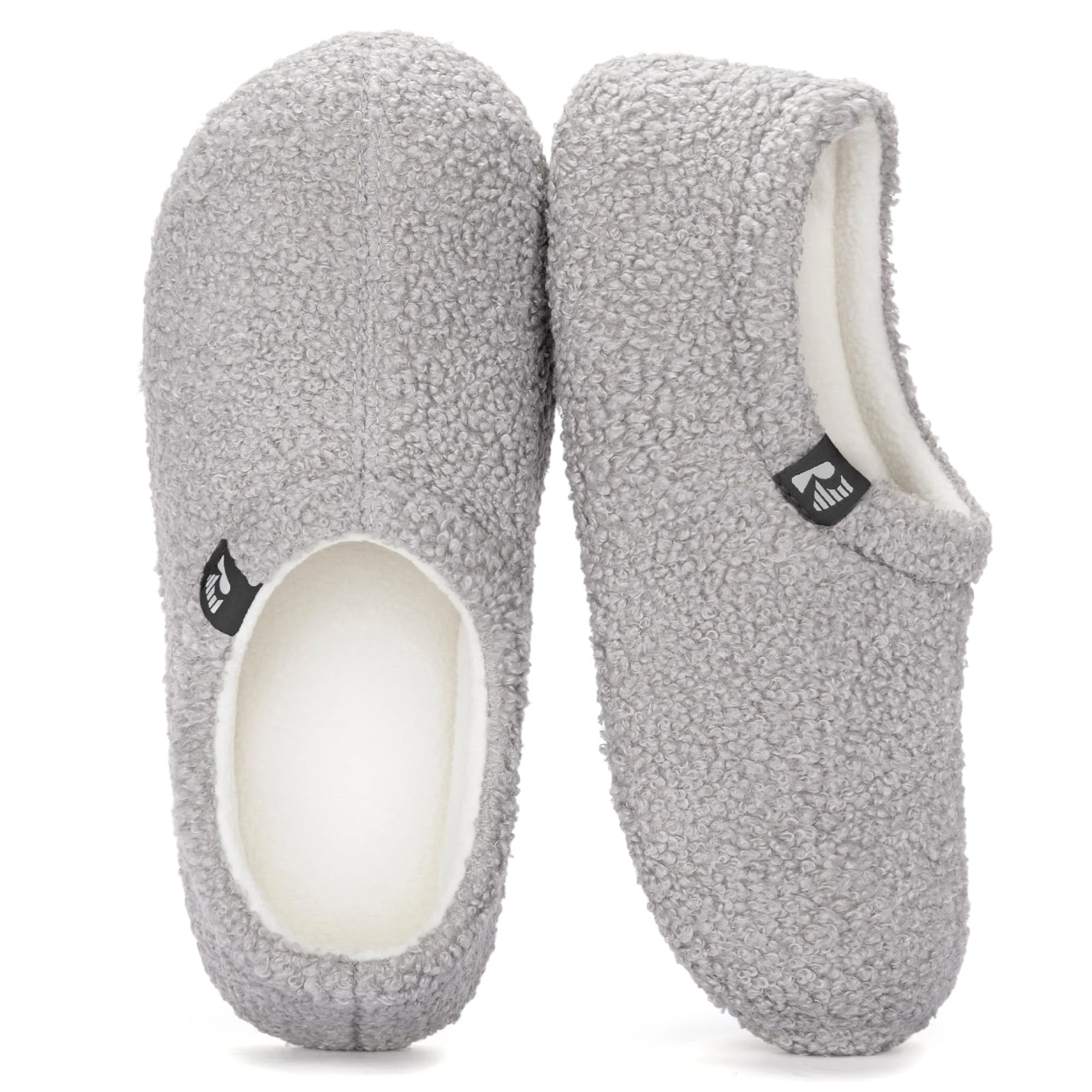
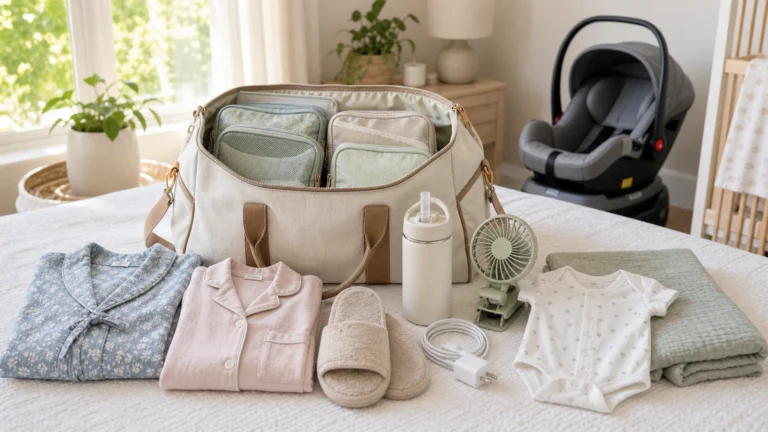
Closed-back non-slip slippers provide warmth and steadier footing for short walks around the recovery room and hospital hallway.
These non-slip slippers are the more structured of the two assigned choices. They provide a real sole between your feet and the floor, which is useful for bathroom visits and hallway walks. The opening is easier to manage than laces, but the shoe still needs to stay securely on your foot.
When sizing Hospital bag slippers, leave room for socks and swelling without creating a loose fit. Try walking, turning, and backing up at home. If the heel lifts dramatically or the sole catches, choose a different size or style. Do not assume a product marked non-slip makes every surface risk-free.
I would pack slippers in a separate washable pouch with the soles facing each other. That keeps floor-contact surfaces away from pajamas, baby clothes, and toiletries. At home, clean them according to the care label before deciding whether they return to normal bedroom duty.
2. Grippy Socks
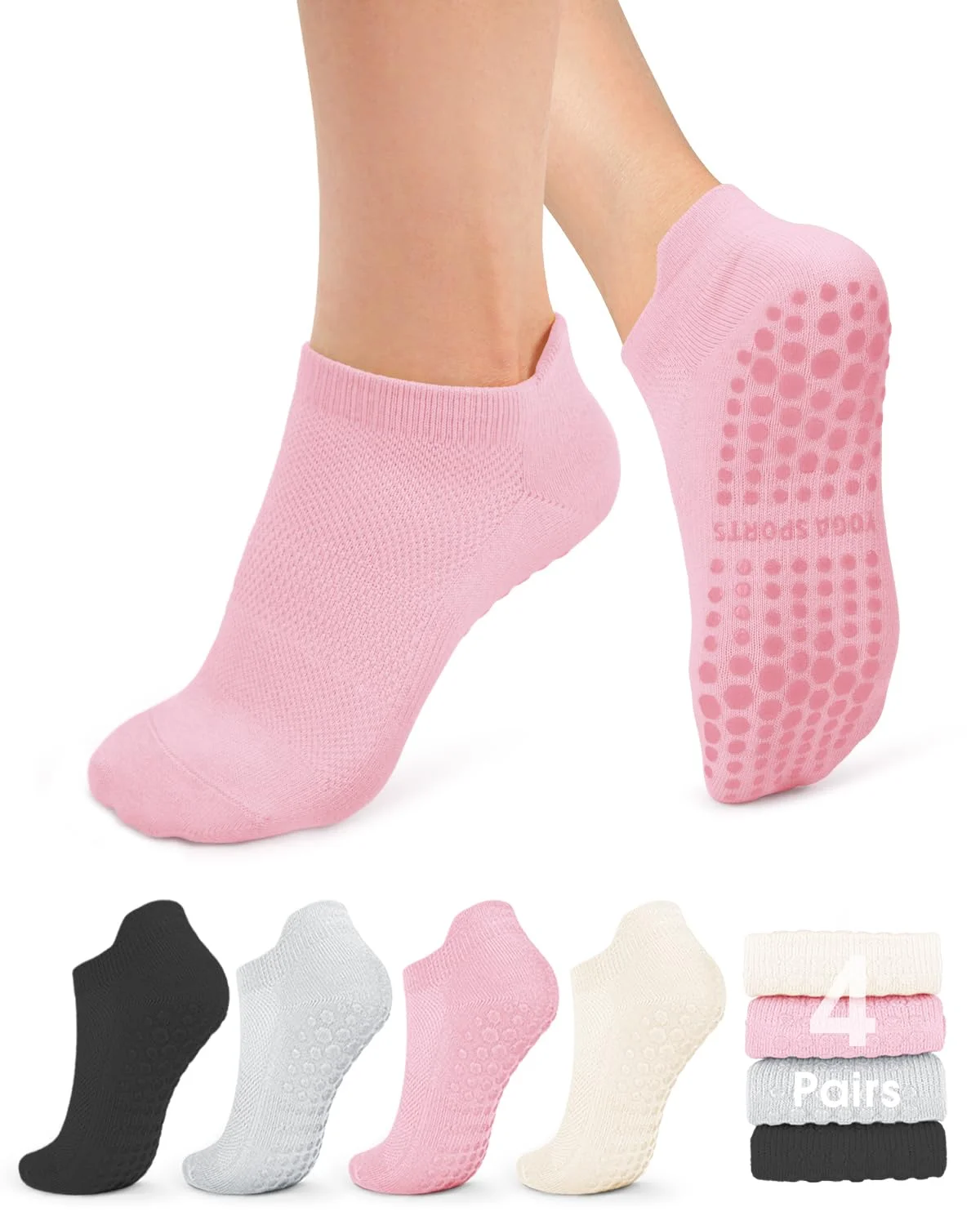
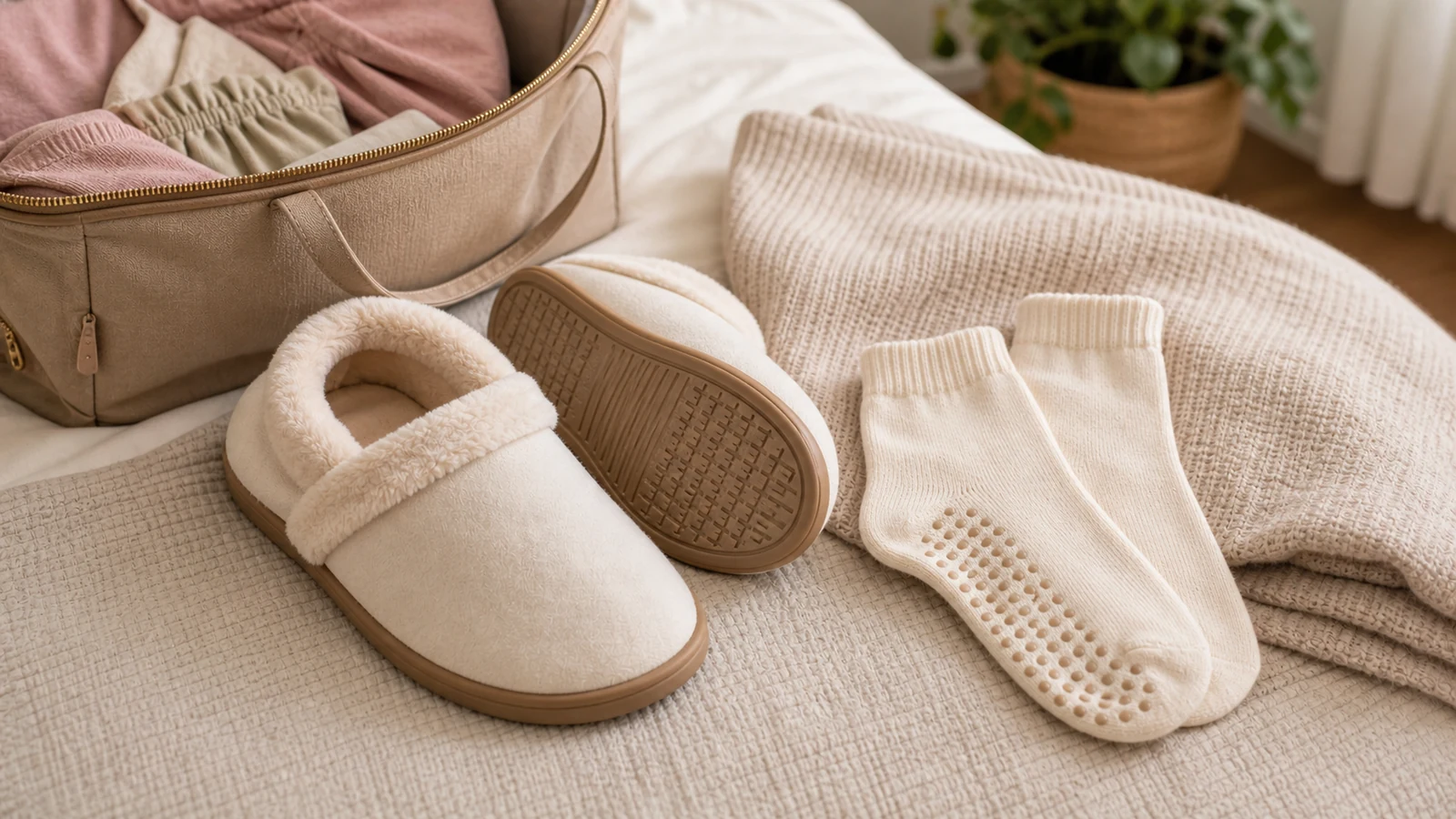
Grippy socks are an easy, washable option for keeping feet warm while adding traction on smooth hospital floors.
Grippy socks pack almost flat and keep feet warm in bed. They can be a good choice if your hospital does not already provide them or if you prefer your own pair. Look for grips that cover enough of the sole and a cuff that stays up without feeling tight around swollen ankles.
For Hospital bag slippers alternatives, socks have limits. They offer less protection from wet floors, spills, and dropped objects. The grip can also rotate away from the bottom of your foot if the sock is too large. Check their position before standing and replace damp socks promptly.
Grippy socks pair easily with a hospital gown or pajamas. If you are deciding what clothing to keep clean for recovery, our Labor gown vs hospital gown comparison explains why hospital clothing often remains simplest during active labor.
When You Will Actually Use Them
You may use Hospital bag slippers when walking during early labor, going to the bathroom, moving between rooms, visiting the nursery if applicable, or taking a short postpartum hallway walk. You may also spend long stretches in bed and barely touch them. That is normal; the point is having a safe option available when you need to stand.
Keep Hospital bag slippers within reach rather than buried in the bottom of the bag. A partner can place them near the bed with the opening facing you, but not where staff could trip over them. Keep pathways around cords, monitors, bassinets, and rolling equipment clear.
If you change into recovery clothes, make sure pants are short enough to clear your feet. Our Nursing pajamas hospital bag guide covers soft waistbands and feeding access, but hem length deserves attention too. Postpartum mobility can feel awkward even without fabric under your heel.
Safety Matters More Than the Shoe
Hospital bag slippers reduce one risk; they do not make you steady after birth. Medication, blood loss, anesthesia, exhaustion, low blood pressure, pain, and weakness can all affect balance. Ask your nurse before getting up and use the call button when instructed. Do not carry your newborn while you feel dizzy or unstable.
MedlinePlus advises getting help with movement when weakness or balance creates fall risk; its general hospital fall-prevention guidance reinforces the value of assistance and clear pathways. Follow your hospital team’s instructions because your recovery, medications, and mobility needs are individual.
Your first walk may require staff help even with excellent Hospital bag slippers. Sit at the edge of the bed first if directed, move slowly, and report dizziness, shortness of breath, severe pain, heavy bleeding, weakness, or anything that feels wrong. Footwear is not a substitute for assessment or support.
Check the floor before each step. Bathroom water, dropped ice, cords, blankets, bags, and the slippers themselves can become hazards. Your support person can help by keeping the room organized and returning footwear to one predictable spot. The complete Hospital Bag Checklist also helps keep footwear from disappearing under unrelated supplies.
What I Would Skip
I would skip flip-flops for general walking because they can slide, slap, and require toe gripping. I would also avoid tall boots, shoes with laces, smooth-soled fuzzy socks, open slides that barely stay on, and anything with a heel. Save those for another day.
I would not spend heavily on Hospital bag slippers. The hospital floor is not a spa, and the pair may become stained or feel too contaminated to keep. A washable everyday pair with dependable tread is more sensible than a special luxury purchase.
Before closing the bag, place footwear in the larger Hospital Bag Checklist system. One pair of slippers or socks is enough for most stays. If you also pack shower shoes, store wet and dry footwear separately.
FAQ
Do hospitals provide non-slip socks?
Many hospitals do, but supplies and policies vary. Ask your facility before delivery if you would prefer not to pack your own pair.
Are slippers or grippy socks better after birth?
Slippers provide more floor protection and structure, while grippy socks are warmer in bed and easier to pack. Fit and traction matter more than the category.
Can I wear flip-flops in the hospital?
They may work as shower shoes if permitted, but loose flip-flops are not my first choice for postpartum walking because they can shift and offer little support.
Should I size up hospital slippers?
Allow some room for swelling and socks, but avoid a pair so large that your heel lifts or the sole catches. Test the fit and walk in them before packing.
My final Hospital bag slippers rule is simple: pack one secure, grippy, easy-to-clean option that fits with some room for swelling. Choose structured slippers for more protection or grippy socks for compact warmth. Then ask for help when standing, because good tread cannot correct dizziness or weakness.
Use the Hospital Bag Checklist for a final review and keep the footwear pouch easy to reach. This is a small item, but the right pair can make those first careful trips feel less awkward.
Shop footwear picks