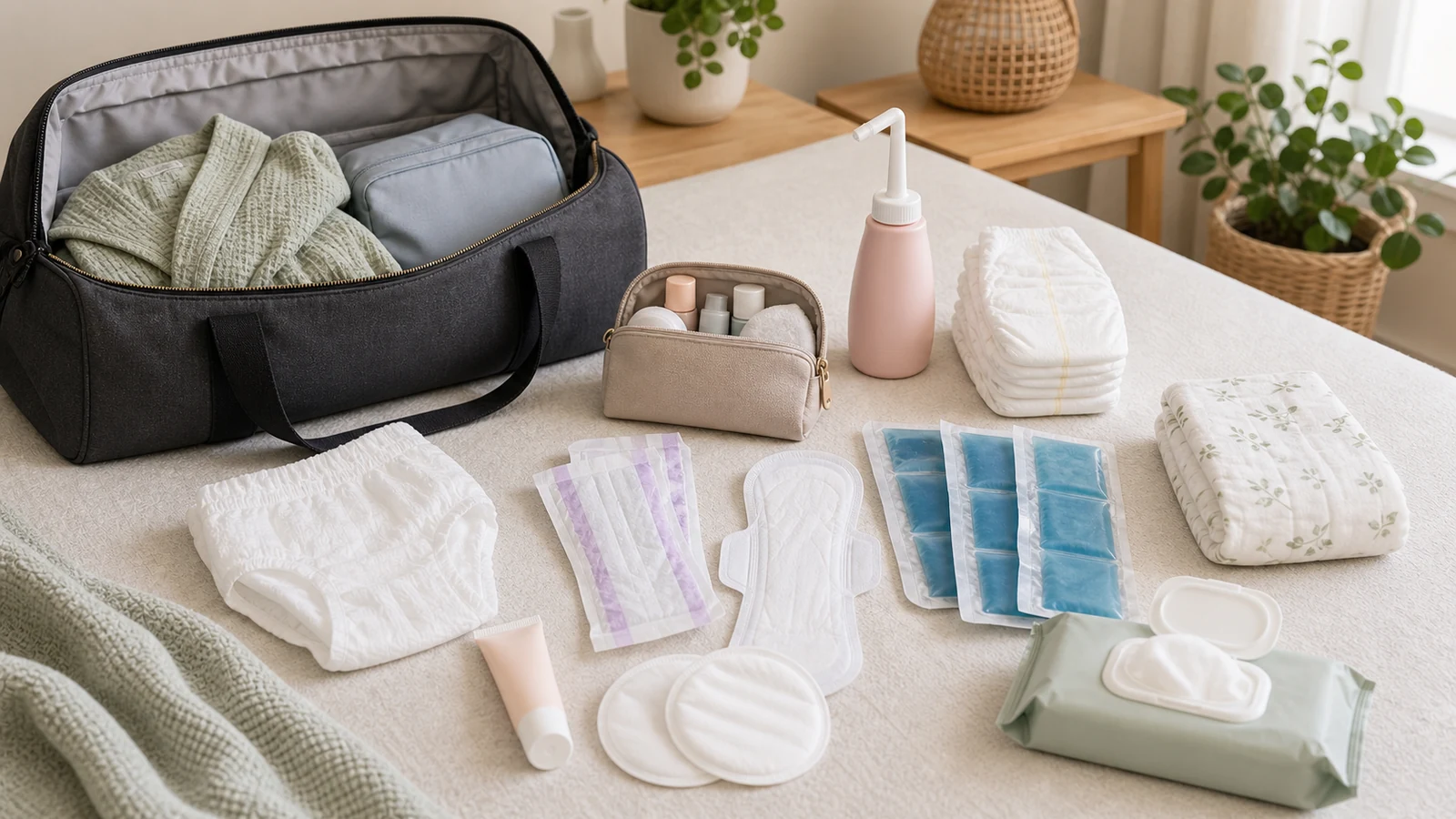
What Hospitals Provide After Birth: What You Don’t Need to Pack
What hospitals provide after birth usually includes some basic recovery and baby supplies, but the exact items vary by hospital, insurance setup, birth type, and unit policy. Many U.S. hospitals offer pads, mesh underwear, peri bottles, diapers, wipes, receiving blankets, and basic baby care items while you are admitted. I would still pack a few personal backups, especially if you have fit preferences, skin sensitivities, feeding supplies you already trust, or a longer ride home.
Start with the full Hospital Bag Checklist, then use this guide to remove duplicates. What hospitals provide after birth is not a promise from every hospital, so call your maternity unit or ask during your tour before you leave supplies at home.
Disclosure: BabyEthos is reader-supported. As an Amazon Associate, we earn from qualifying purchases. This does not change what you pay, and product choices should never replace your hospital’s instructions, product size charts, or your clinician’s guidance.
QUICK SHOP
Postpartum Backup Picks
These assigned picks are not all mandatory if your hospital provides basics. They are useful backups when you want preferred fit, comfort, or feeding supplies ready.
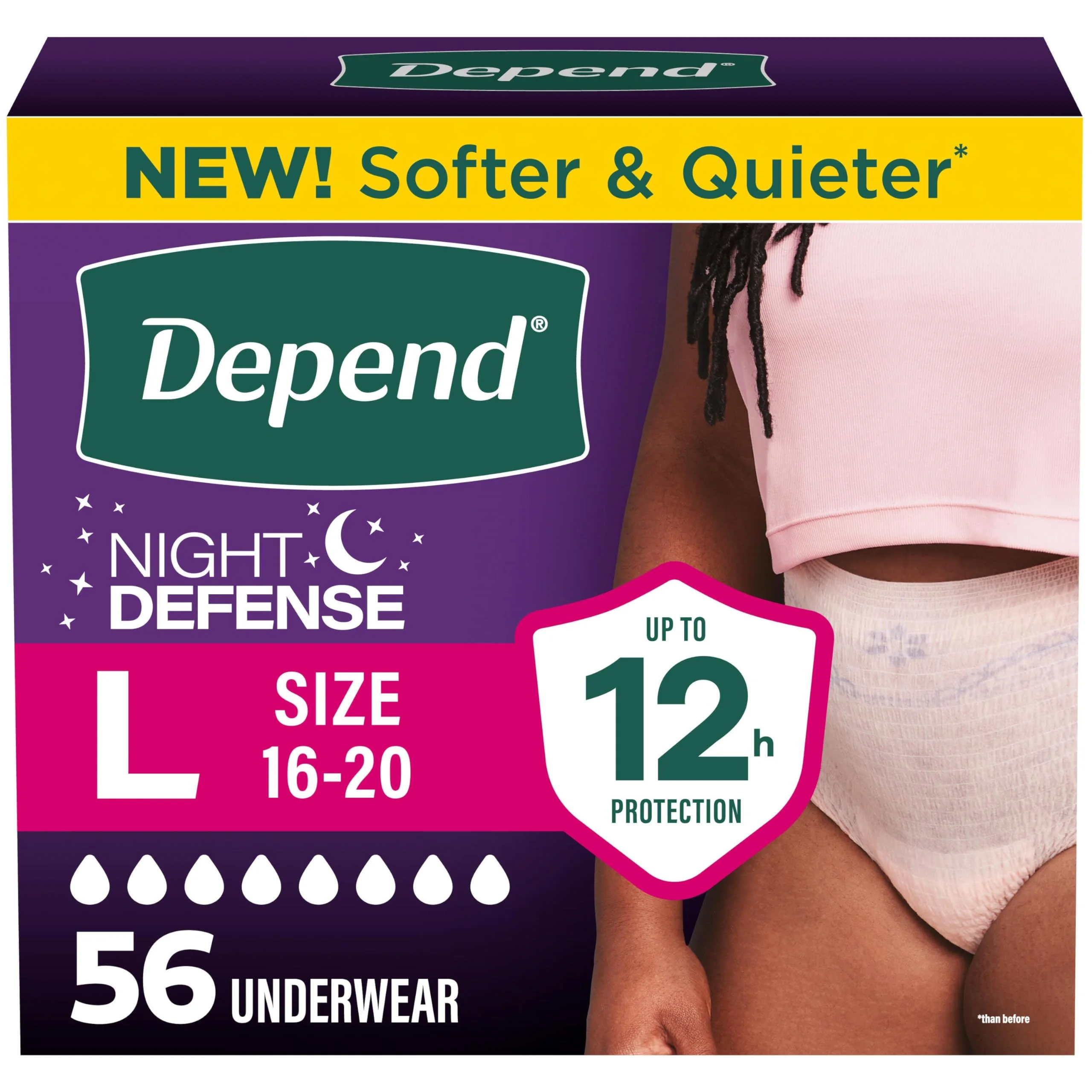
Disposable postpartum underwear provides fuller coverage for heavy early bleeding and can feel more secure than layering pads in regular underwear.
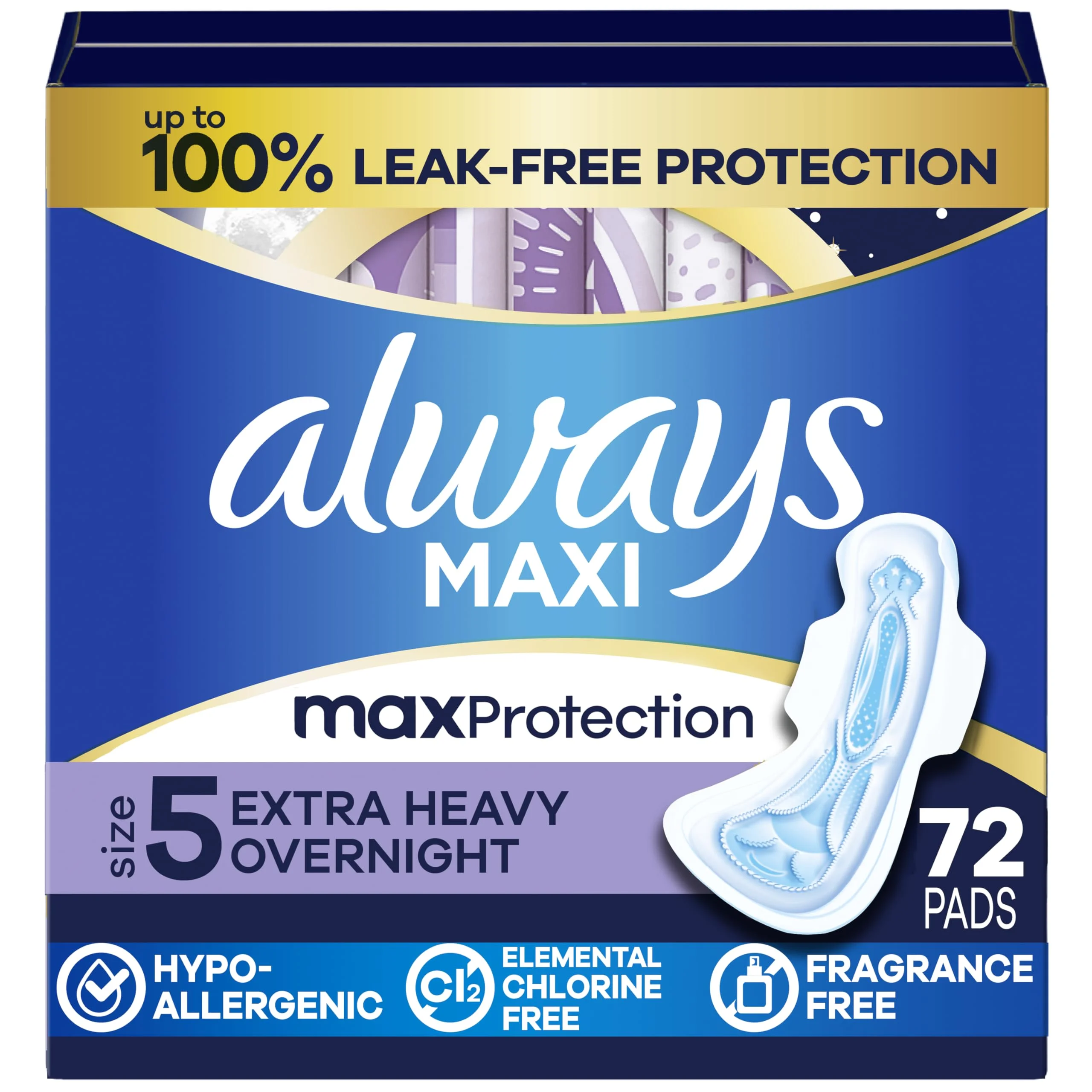
Heavy-flow postpartum pads add an absorbent backup for discharge day and the first days home when hospital supplies run out.
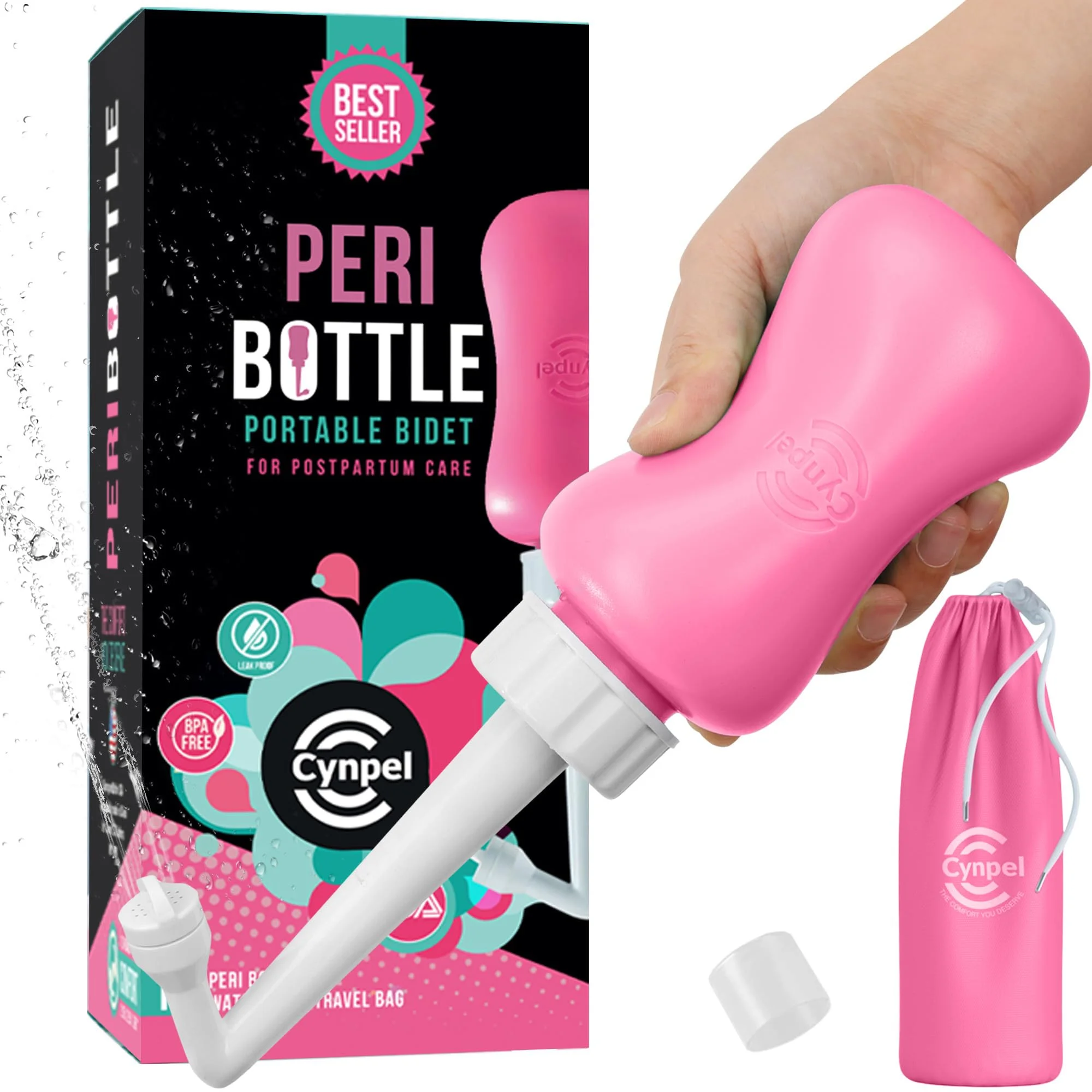
An upside-down peri bottle makes gentle rinsing easier after vaginal delivery, particularly when reaching and bending feel uncomfortable.
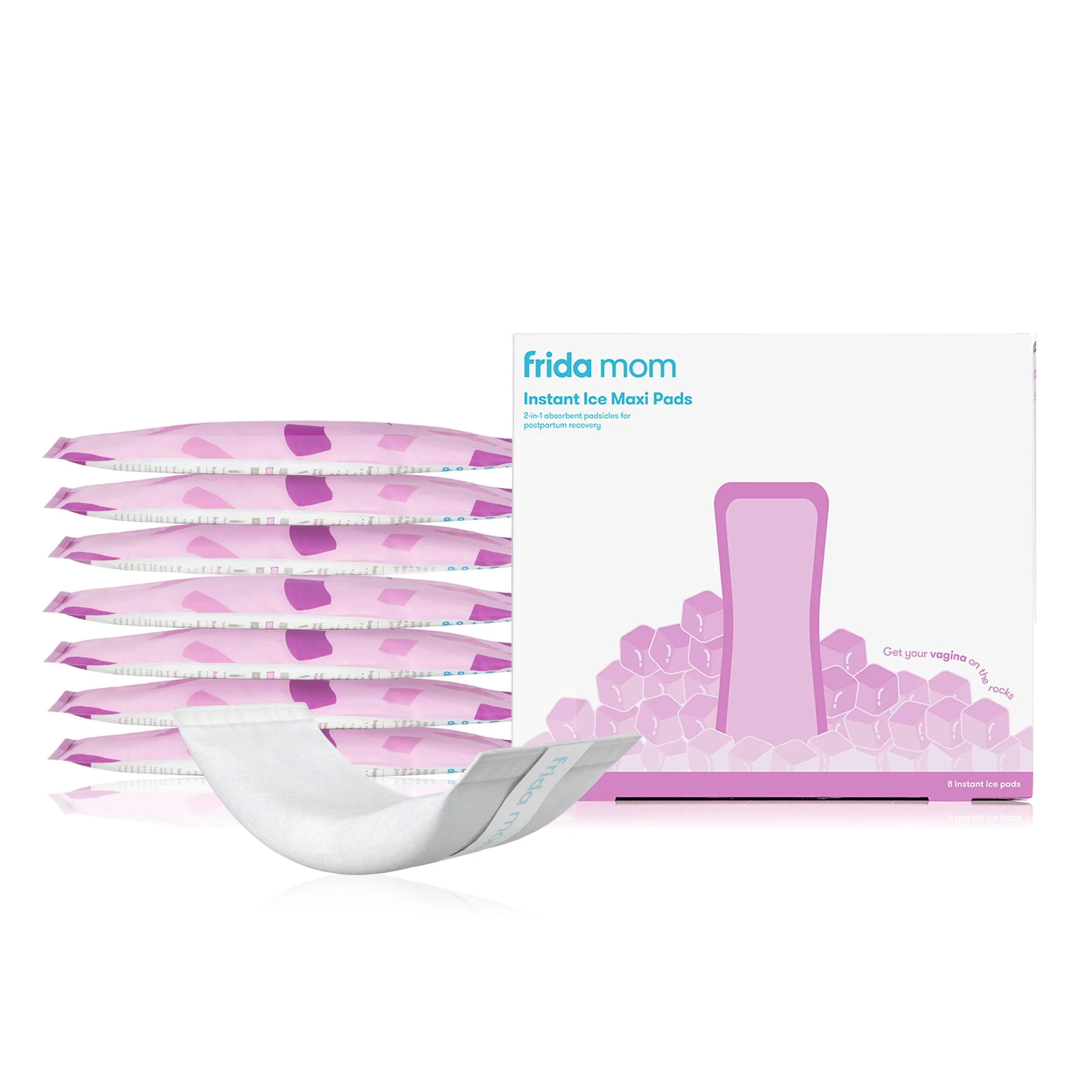
Perineal cold packs combine cooling comfort with absorbency for early postpartum recovery; follow hospital guidance for timing and use.
Quick Answer: What Can You Usually Skip?
What hospitals provide after birth often covers the first round of pads, mesh underwear, a peri bottle, ice packs, diapers, wipes, blankets, and basic newborn items used during the stay. You may not need to pack full packages of every postpartum supply. Bring a small backup set instead, then check the parent hospital bag checklist for the personal items hospitals usually do not provide, like your preferred clothes, charger, glasses, toiletries, and going-home outfits.
If you are planning a vaginal birth and want a more birth-type-specific list, compare this with our hospital bag vaginal delivery guide before you remove recovery items.
Recovery Basics Hospitals Often Have
Disposable postpartum underwear is one of the things many hospitals provide in some form, often as mesh underwear. The hospital version is not glamorous, but it works for the early hours when bleeding is heavier and nurses are checking recovery. I would pack a few preferred pairs for discharge or for the ride home if fit matters to you.
Disposable postpartum underwear provides fuller coverage for heavy early bleeding and can feel more secure than layering pads in regular underwear.
Heavy-flow postpartum pads are also commonly available in the hospital, but the size, texture, and amount you get can vary. A small backup stack is enough for most bags. What hospitals provide after birth can cover the stay, while your own pads can make discharge and the first night home feel easier.
Heavy-flow postpartum pads add an absorbent backup for discharge day and the first days home when hospital supplies run out.
Perineal Care: Ask Before You Pack Too Much
An upside-down peri bottle may be provided by your hospital, especially after a vaginal birth. Some parents still prefer bringing one from home because the angle feels easier. Ask your nurse how and when to use it, especially if you have stitches, swelling, or specific discharge instructions.
An upside-down peri bottle makes gentle rinsing easier after vaginal delivery, particularly when reaching and bending feel uncomfortable.
Perineal cold packs may also be available, but policies and supply amounts vary. Do not assume more is better. Follow your nurse’s instructions for timing, barriers, and when to stop using cold therapy. What hospitals provide after birth should be treated as part of your care plan, not a reason to layer products without guidance.
Perineal cold packs combine cooling comfort with absorbency for early postpartum recovery; follow hospital guidance for timing and use.
Feeding Supplies Are More Personal
Nipple cream may or may not be provided, and the right choice can depend on your feeding plan, skin sensitivity, and lactation guidance. If you pack your own, ask a nurse or lactation consultant how to use it with feeding and pumping, and follow the product label.
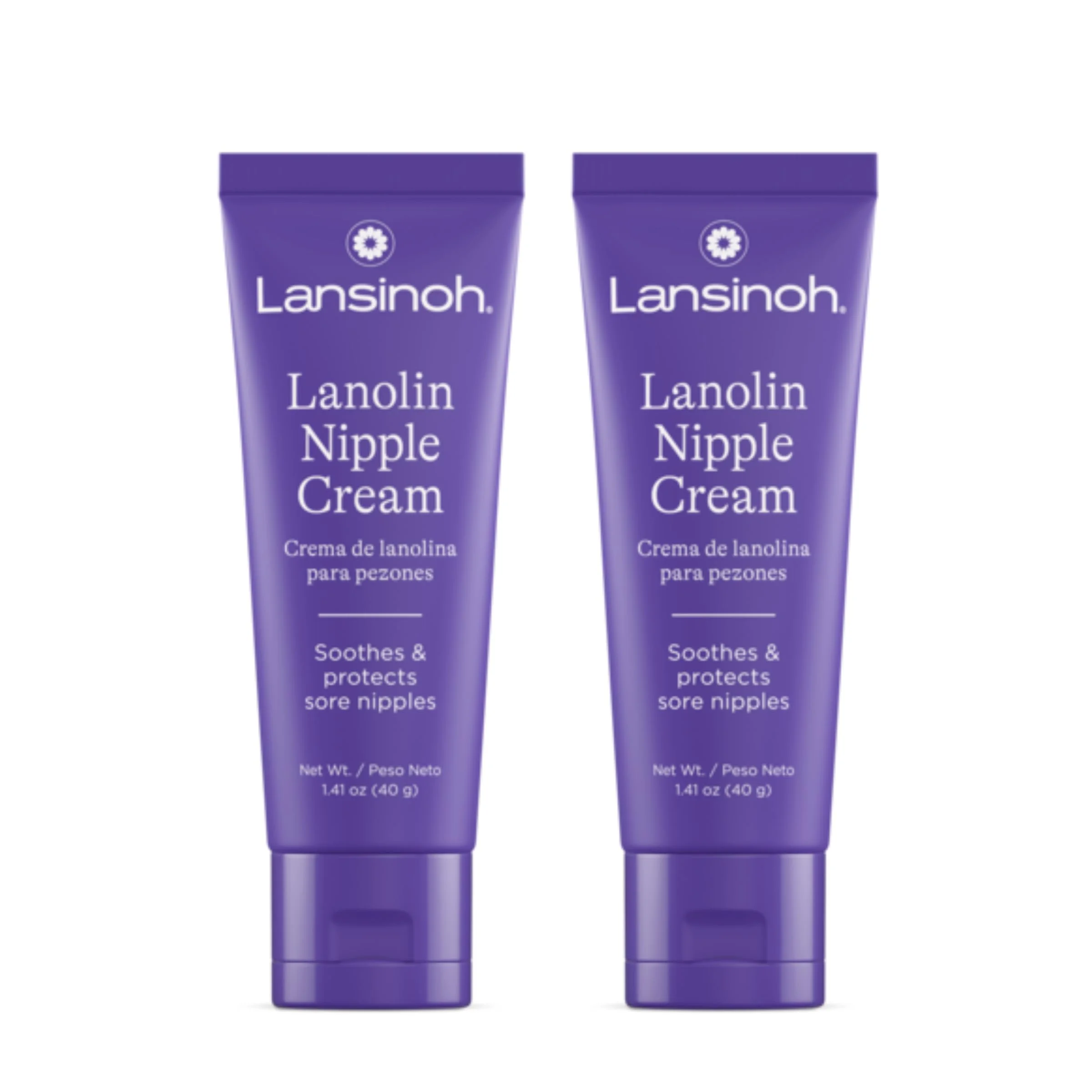
Nipple cream is a compact nursing-bag addition for soothing dry or tender skin between feeds; use it as directed on the label.
Nursing pads are another small item I would bring from home if you plan to breastfeed or pump, even though not everyone needs them in the hospital. They take little space and can help if leaking starts before discharge or on the way home.
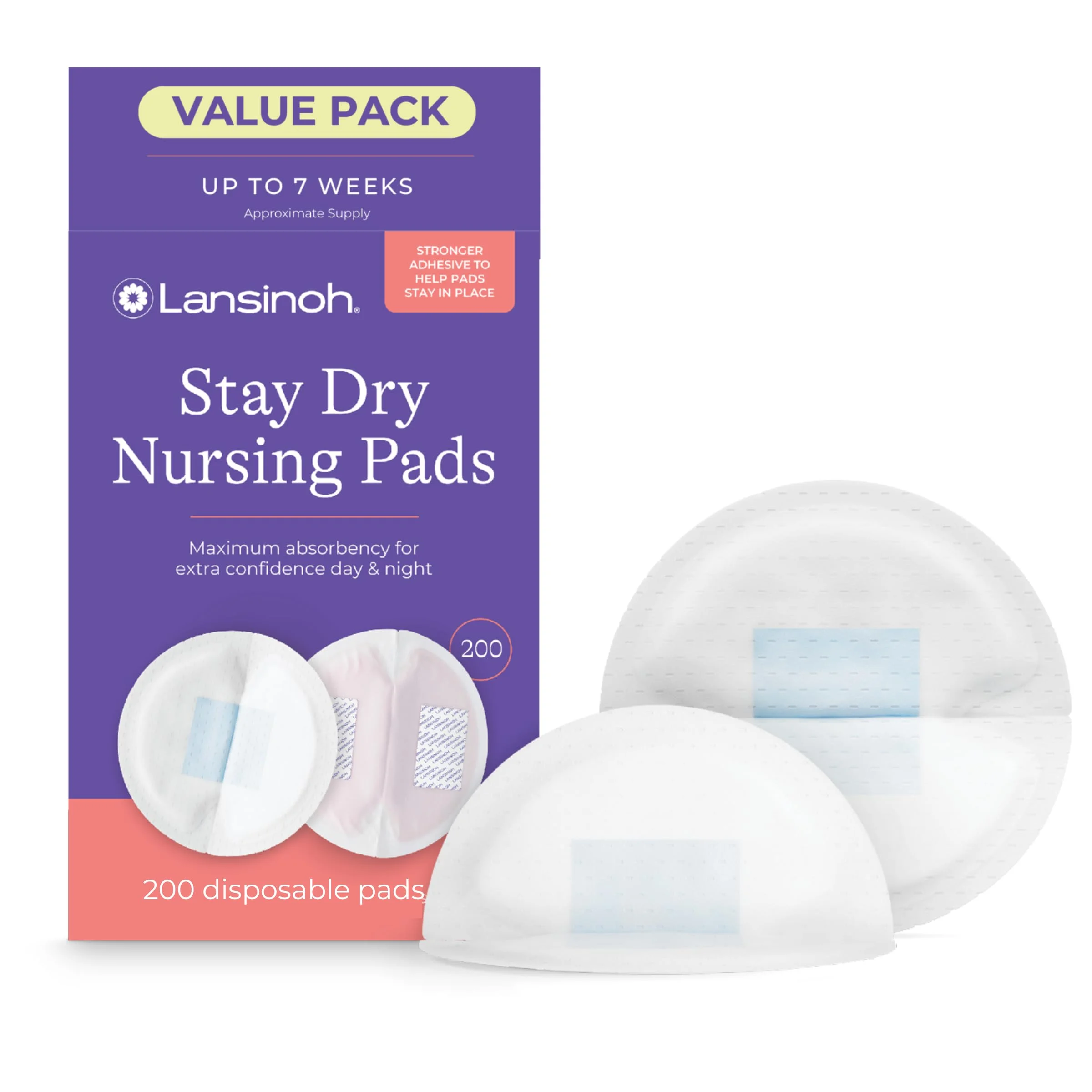
Disposable nursing pads help manage milk leaks inside a nursing bra and give parents an easy option to change away from home.
One practical way to use What hospitals provide after birth is to split your bag into “hospital likely has it” and “I care about my own version.” Pads may fall into the first group, while nipple cream, nursing pads, and soft personal clothing often fall into the second.
What Still Belongs in Your Bag?
Even if your hospital provides many postpartum basics, it probably will not provide your favorite pajamas, robe, charger, glasses, contacts, toiletries, going-home clothes, partner snacks, or the exact baby outfit you want for discharge. Those are the items that make the room feel manageable and make the exit smoother.
I would also ask the nurse what can go home with you. Some supplies are meant for your stay only, while others may be sent home. What hospitals provide after birth can change from one unit to another, so asking directly is better than guessing.
ACOG’s guidance on postpartum pain management notes that recovery can include vaginal soreness, breast discomfort, cramping, and C-section incision pain. Ask your care team what is normal for you, what products are safe to use, and when symptoms should be reported.
Before you zip the bag, open the parent Hospital Bag Checklist and mark which items your hospital says it provides. What hospitals provide after birth can help you pack lighter, but your personal comfort items still matter.
FAQ
Do hospitals provide diapers and wipes?
Many do during the stay, but policies vary. Ask your hospital before deciding not to pack any baby basics for discharge.
Do I need to pack pads if the hospital provides them?
Pack a small backup set, especially for discharge and the ride home. You do not usually need a full package in the hospital bag.
Will the hospital provide a peri bottle?
Many hospitals provide one, but not every parent likes the same style. Ask your nurse what they provide and how to use it safely.
Should I bring breastfeeding supplies?
Bring small personal items such as nipple cream or nursing pads if you want them. Ask the nurse or lactation consultant what is appropriate for your feeding plan.
My best What hospitals provide after birth advice is to pack like the hospital will help, but not like every hospital will stock your preferences. Bring small backups, not a whole closet of duplicates.
Then do one final pass through the full Hospital Bag Checklist so the things hospitals usually provide do not distract you from the personal items only you can bring.
Shop Postpartum Backups