Hospital Bag From Delivery Room to Recovery Room: What You’ll Need Within Reach
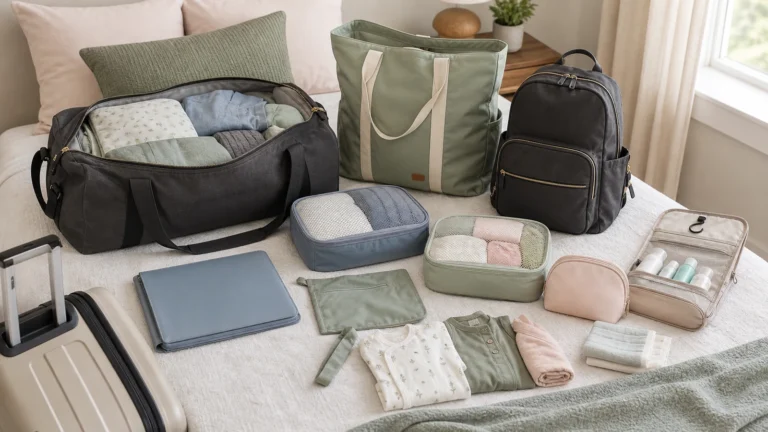
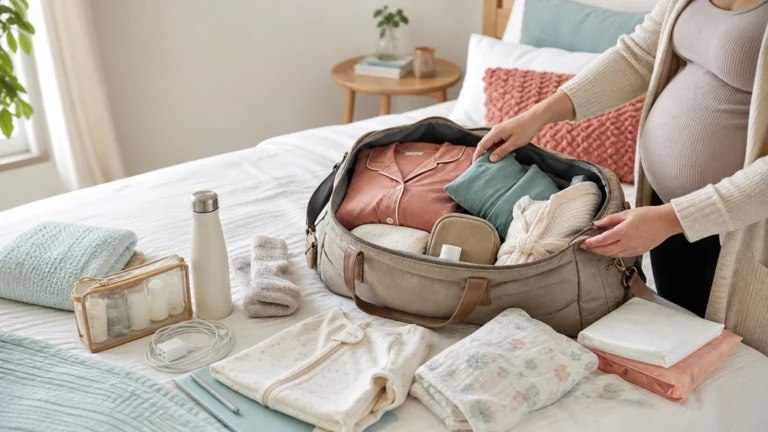
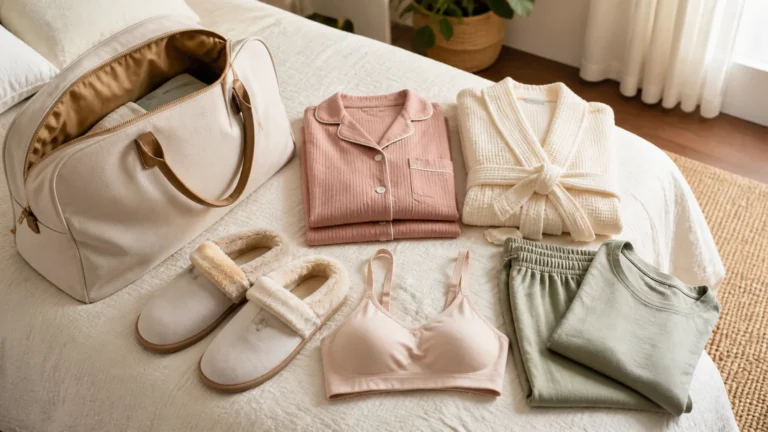
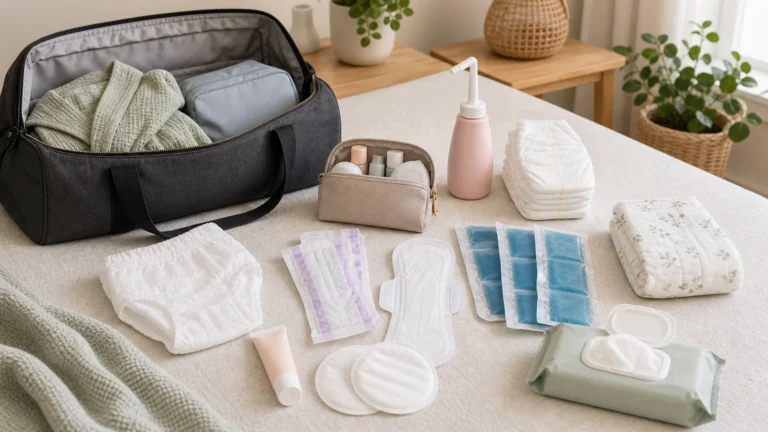
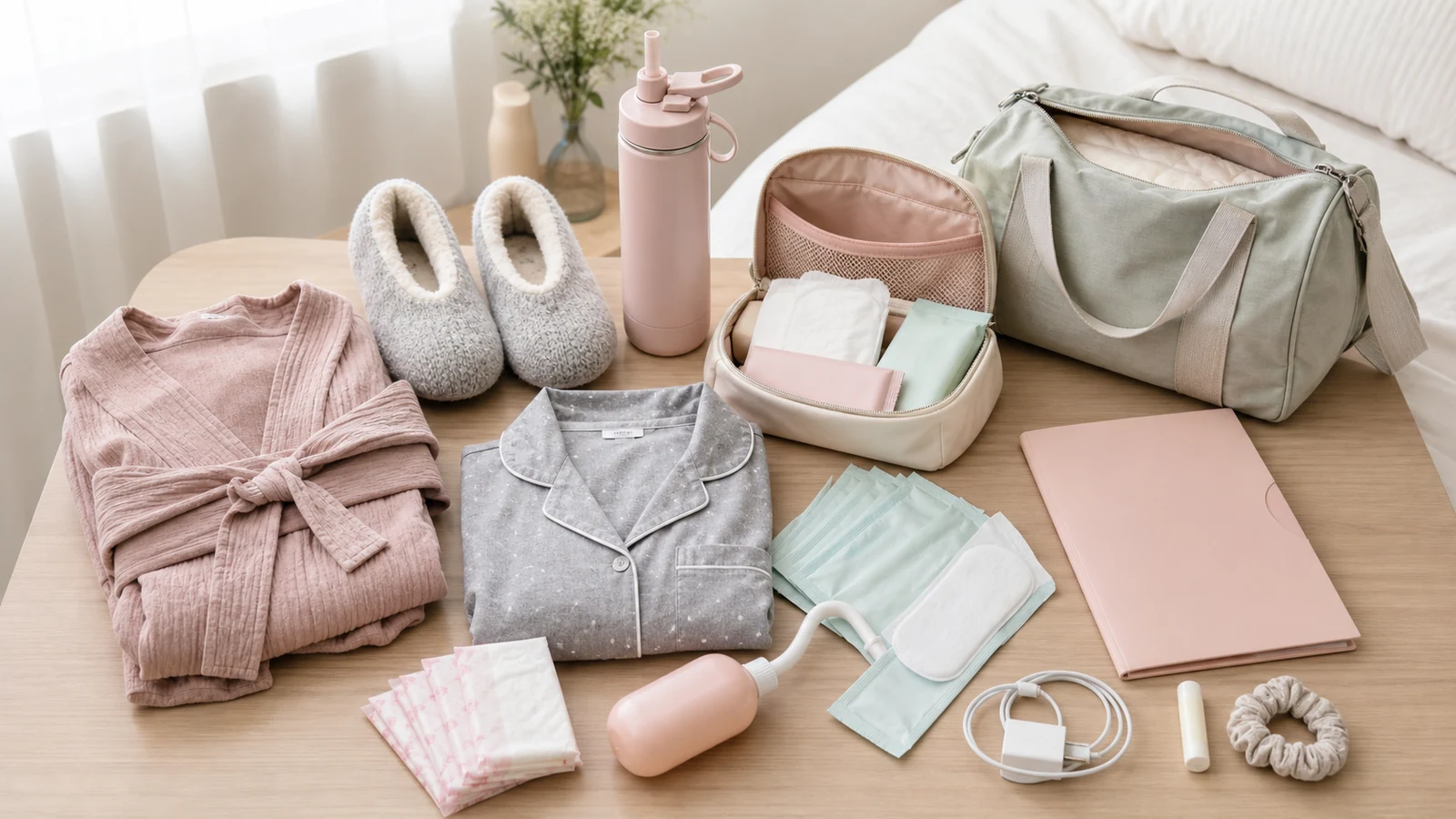
Hospital bag after delivery room planning is really about access. Once baby is born and you move from labor or the operating room to recovery, you usually do not want your partner digging through a giant suitcase while nurses are checking vitals, helping with feeding, or walking you to the bathroom. Keep a small recovery-room pouch within reach: phone charger, water bottle, slippers, soft clothes, postpartum bathroom supplies, basic toiletries, and one simple baby change if your hospital asks for it.
I would still use the full Hospital Bag Checklist as the master list, but this guide is the hand-off version. It helps you decide what rides on top of the bag, what can stay in the suitcase, and what your support person should know before the room suddenly gets busy.
Disclosure: BabyEthos is reader-supported. As an Amazon Associate, we earn from qualifying purchases. This does not change what you pay, and product choices should never replace your hospital’s instructions, your clinician’s advice, or the supplies your recovery nurse recommends.
QUICK SHOP
Recovery-Room Reach Items
These picks are the pieces I would keep easy to grab after birth: soft clothing, bathroom recovery supplies, grippy footwear, and water.
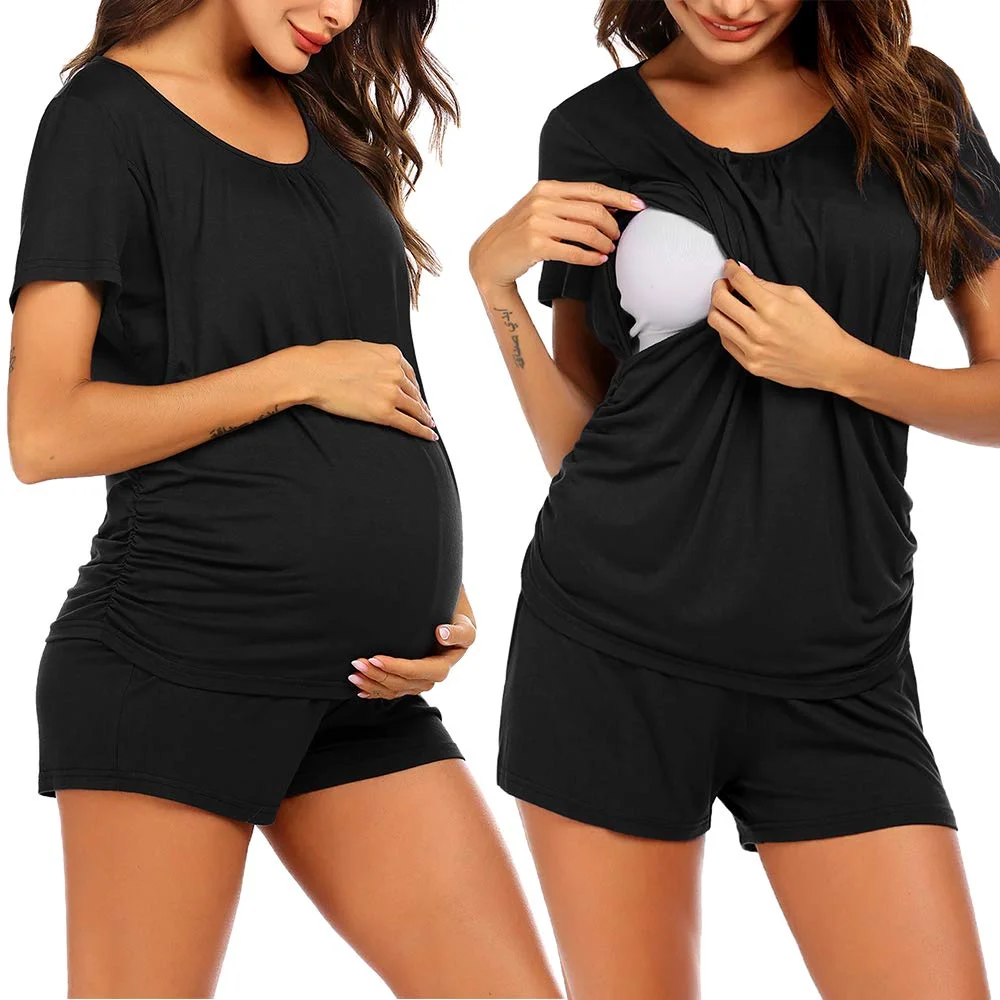
A soft nursing pajama set gives new moms comfortable sleepwear with practical feeding access during recovery and the first night home.
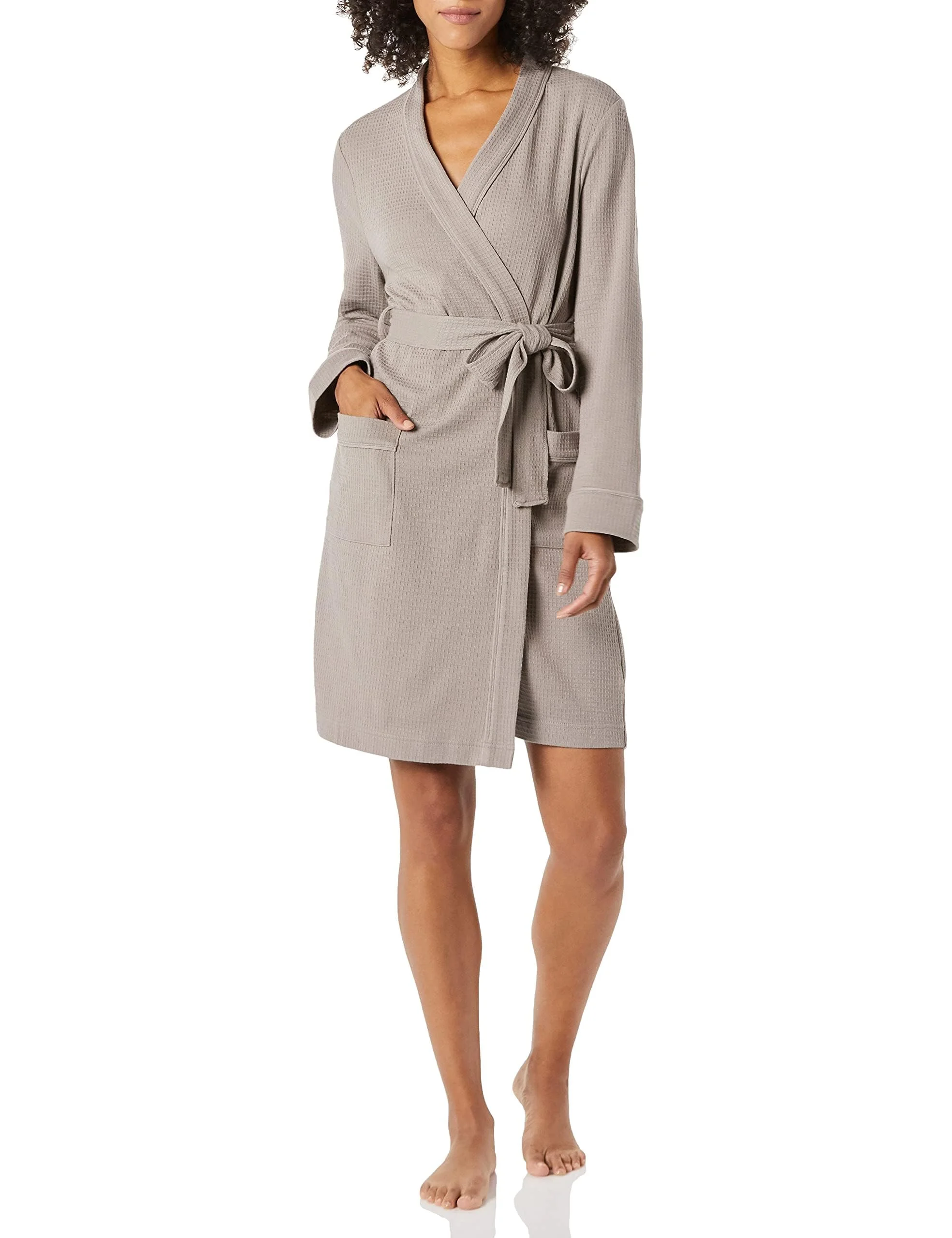
A lightweight postpartum robe adds coverage for hallway walks, visitors, feeding sessions, and trips between the bed and bathroom.
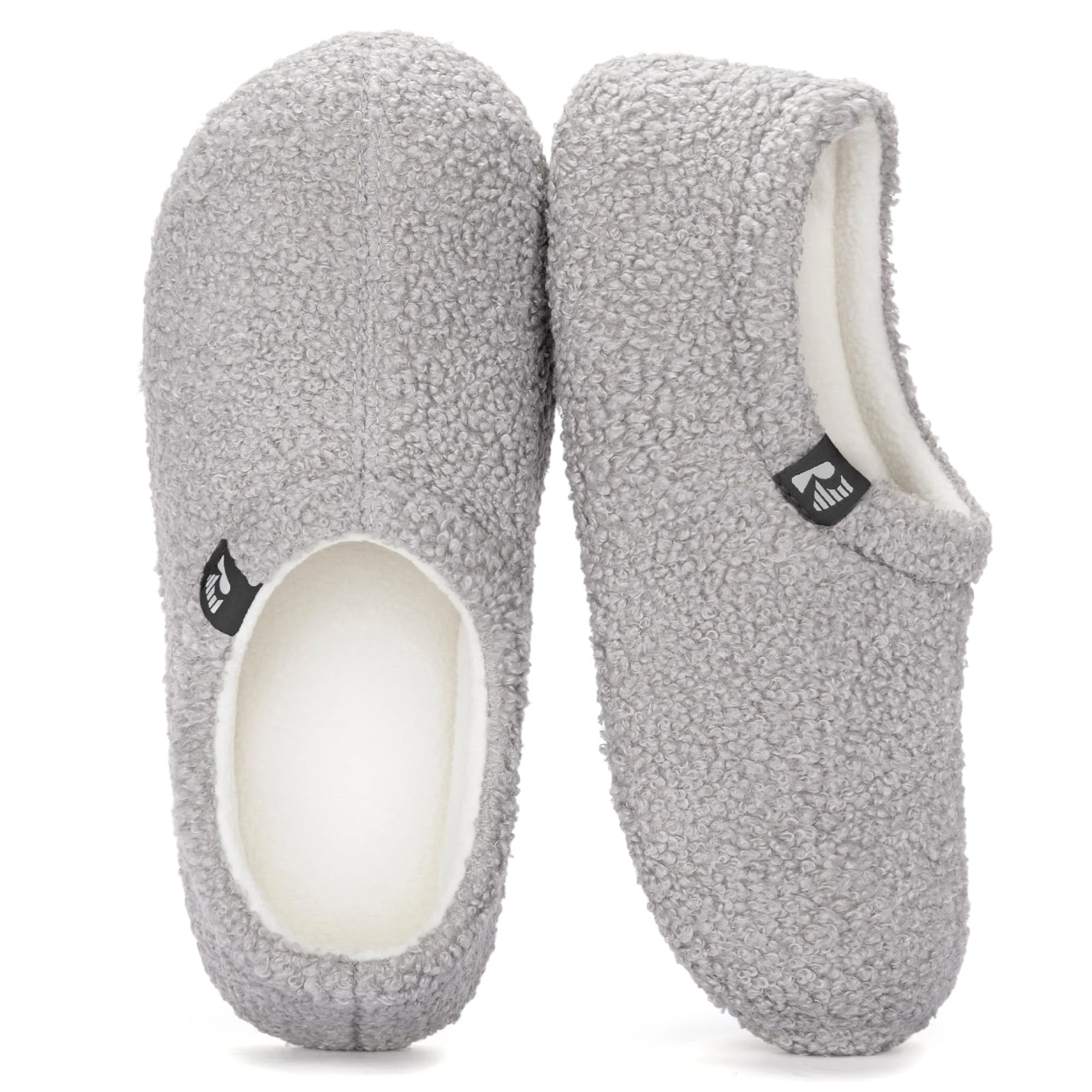
Closed-back non-slip slippers provide warmth and steadier footing for short walks around the recovery room and hospital hallway.
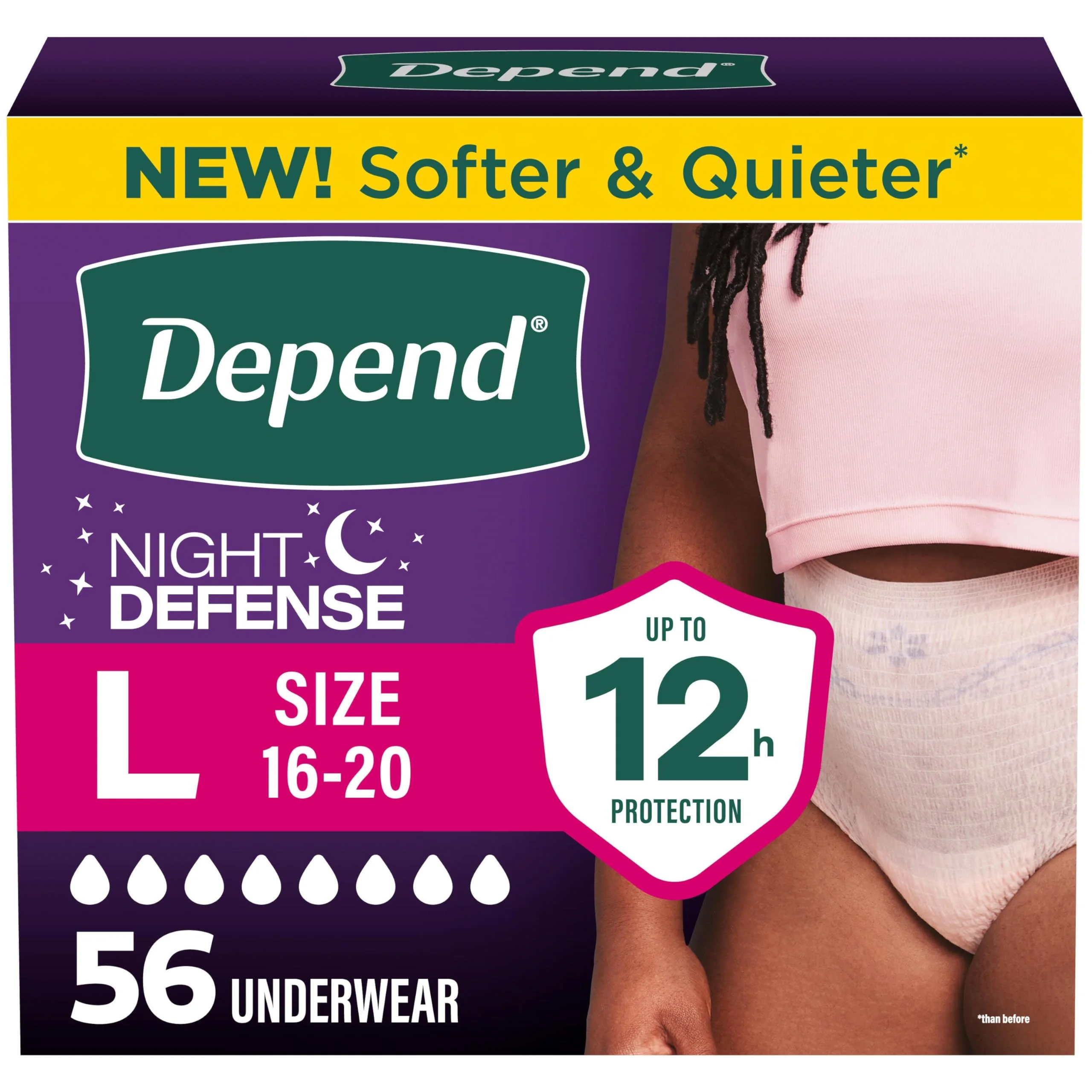
Disposable postpartum underwear provides fuller coverage for heavy early bleeding and can feel more secure than layering pads in regular underwear.
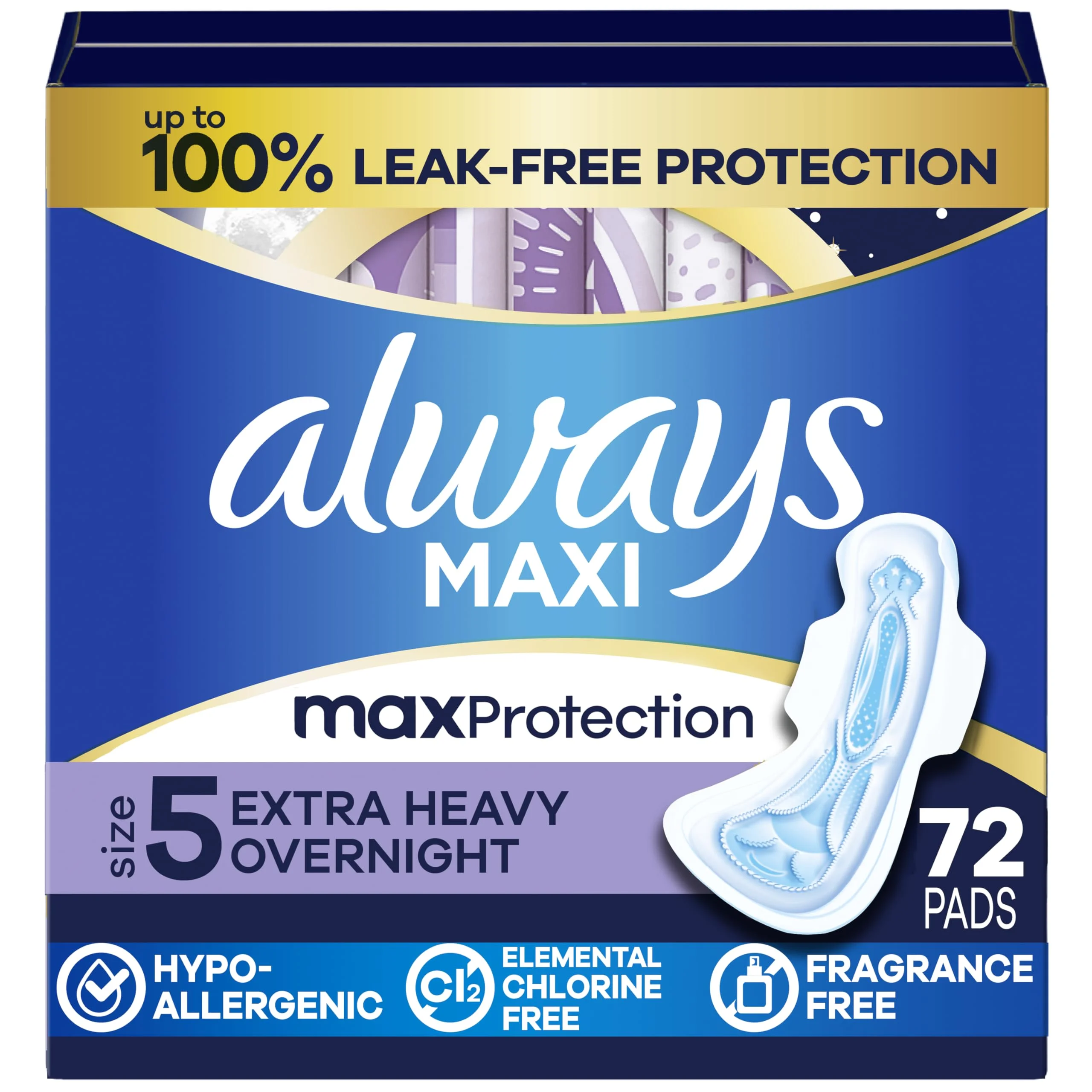
Heavy-flow postpartum pads add an absorbent backup for discharge day and the first days home when hospital supplies run out.
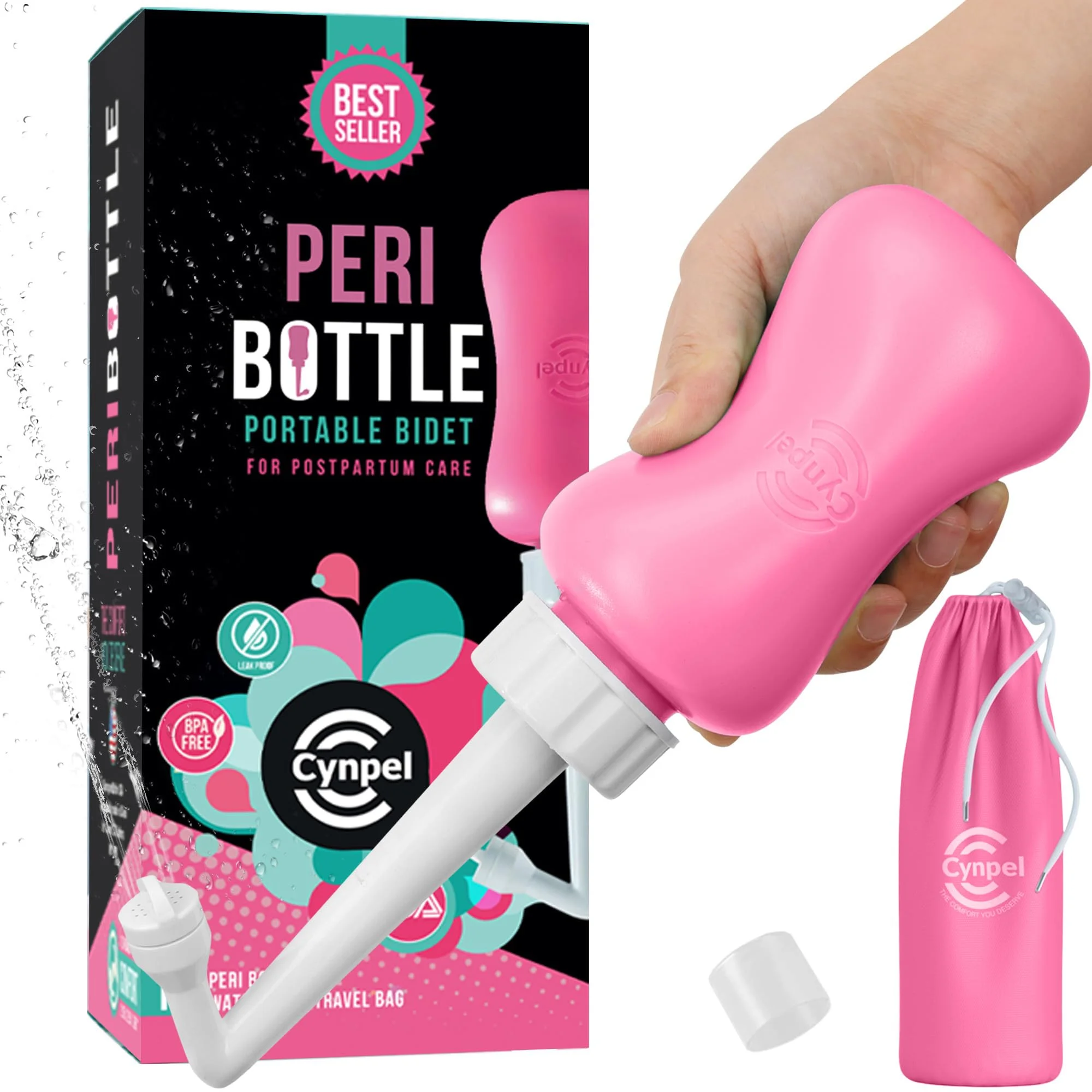
An upside-down peri bottle makes gentle rinsing easier after vaginal delivery, particularly when reaching and bending feel uncomfortable.
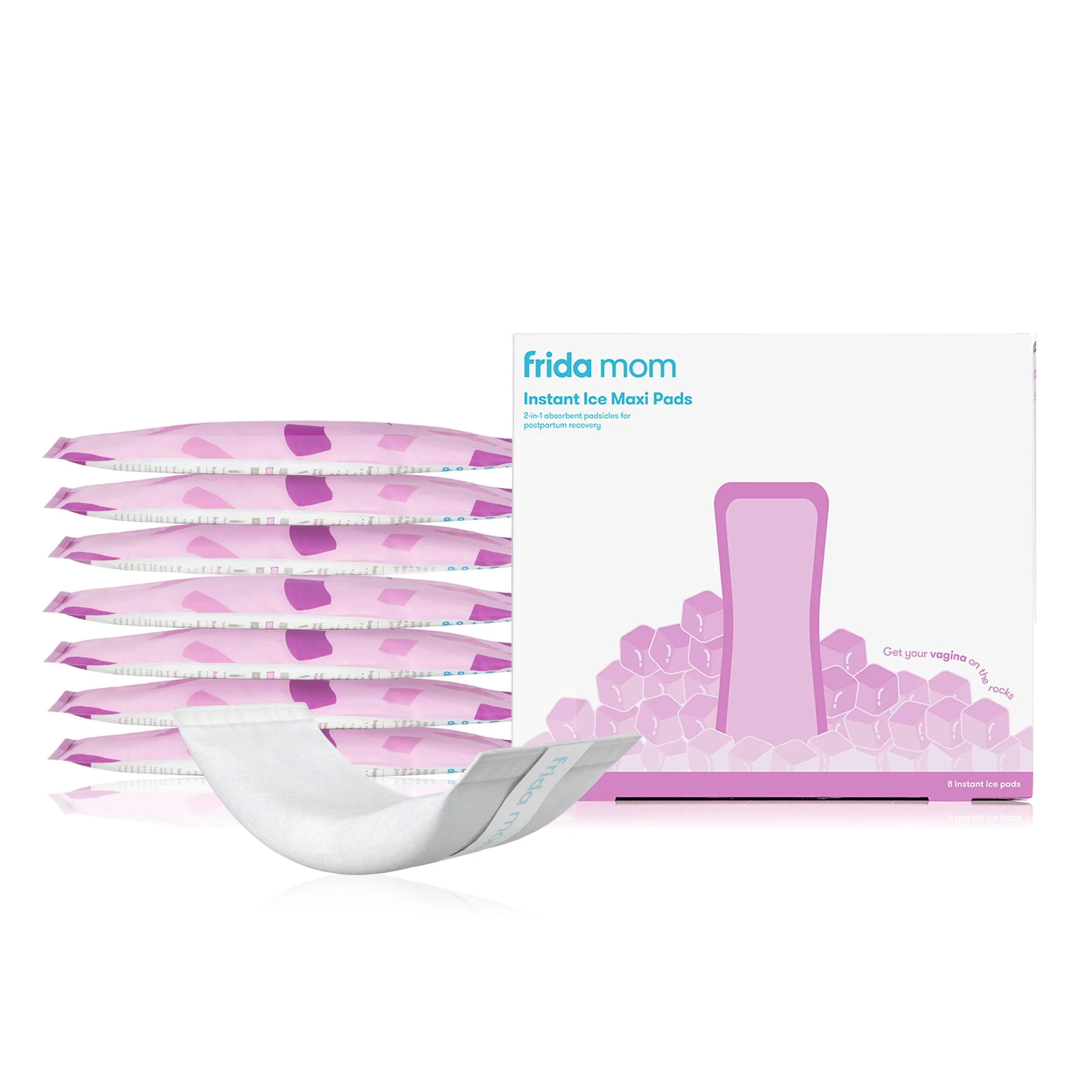
Perineal cold packs combine cooling comfort with absorbency for early postpartum recovery; follow hospital guidance for timing and use.
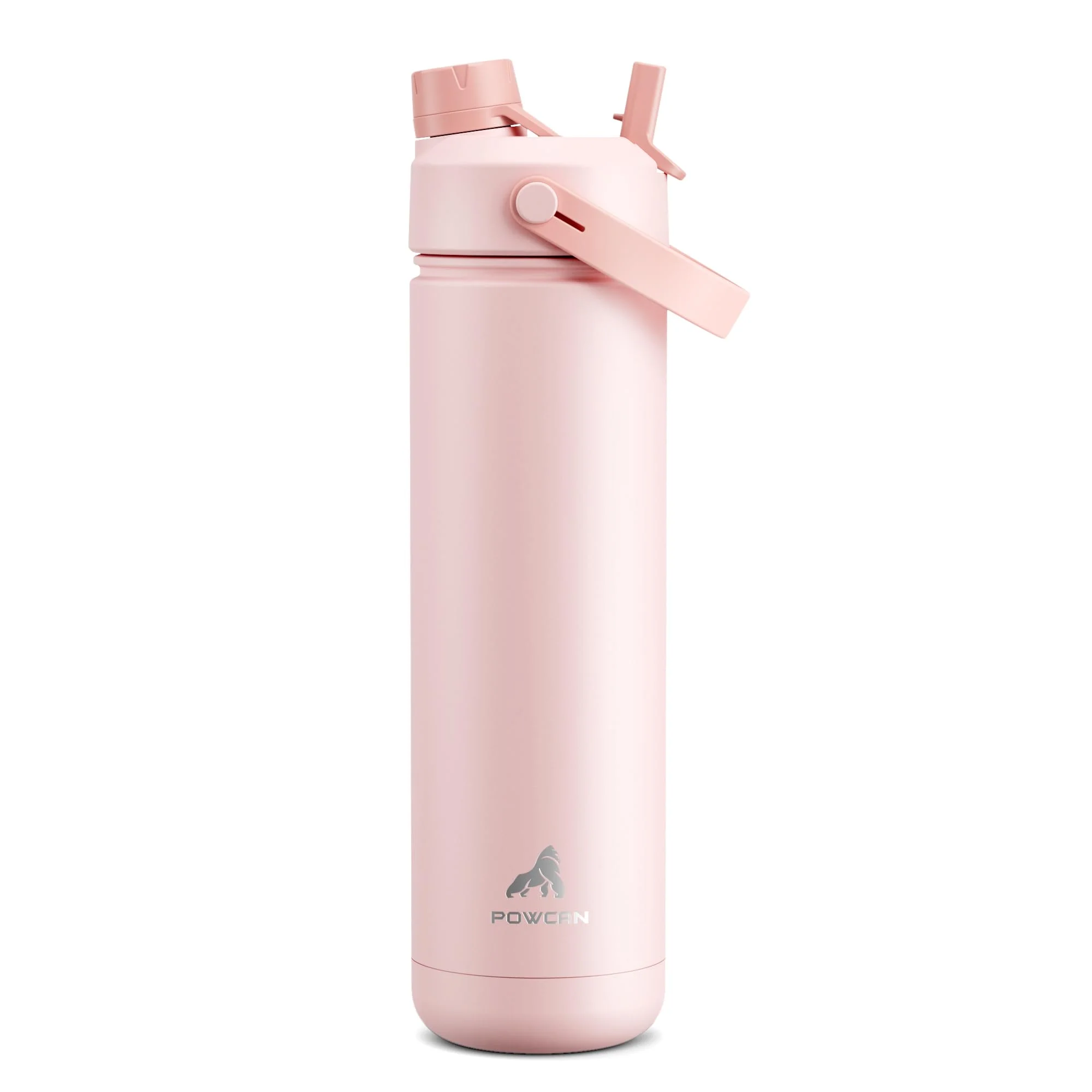
An insulated water bottle with a straw is easier to use one-handed while resting, feeding, or recovering in bed.
Quick Answer: What Moves With You?
The most useful recovery-room setup is not the biggest bag; it is the smallest set of things you can grab without thinking. Put your charger, water, slippers, lip balm, hair tie, glasses or contacts case, basic toiletries, nursing-friendly clothes, and postpartum bathroom supplies in one visible pouch or top layer. This is the Hospital bag after delivery room layer; the rest of the hospital bag checklist can stay in the main suitcase for later.
After birth, hospital staff may provide many basics, but policies vary by hospital and by the type of birth. If you are trying to avoid duplicates, compare this setup with what hospitals provide after birth before packing a full recovery shelf from home.
Pack for the Hand-Off
The hand-off from delivery to recovery can feel fast, even when everyone is calm. In my experience, the most useful system is a small pouch or packing cube labeled in plain language: recovery room, first bathroom trip, baby basics, paperwork. Your partner or support person should be able to find it without asking you where every item lives.
Keep valuables simple. Phone, wallet, ID, insurance card, glasses, daily medication approved by your care team, and charger should stay in the same small zone. Do not bury them under going-home clothes. The full Hospital Bag Checklist can hold the whole plan, but the recovery-room pouch is for the first few hours after birth.
Clothing That Works With Checks and Feeding
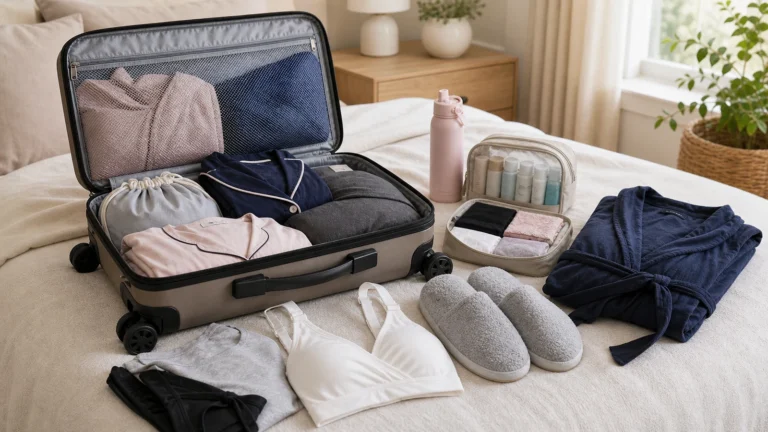
A nursing pajama set is not mandatory, but soft button-front or pull-aside fabric can be easier than digging through a robe and hospital gown when you are tired. I like pajamas that feel like real clothes without being tight at the waist, because nurses may still check bleeding, vitals, incision areas, or comfort level.
A soft nursing pajama set gives new moms comfortable sleepwear with practical feeding access during recovery and the first night home.
A postpartum robe is useful for hallway walks, visitors, feeding, and skin-to-skin time when you want a quick cover. Choose one that opens easily and does not drag on the floor. Hospital rooms already have cords, carts, rolling bassinets, and narrow bathroom paths.
A lightweight postpartum robe adds coverage for hallway walks, visitors, feeding sessions, and trips between the bed and bathroom.
Non-slip slippers are one of those small things that become important when you make the first bathroom trip or walk the hallway. Hospital socks are often available, but if your feet swell or you want something sturdier, slippers with grip can be easier to step into.
Closed-back non-slip slippers provide warmth and steadier footing for short walks around the recovery room and hospital hallway.
Bathroom Supplies for the First Recovery Hours
Postpartum bathroom trips can be tender, awkward, and very nurse-guided at first. Pack comfort items, but use what your hospital recommends in the order they recommend it. ACOG’s postpartum pain management guidance also reminds parents to talk with their ob-gyn about pain and recovery symptoms, especially when pain is not controlled or something feels wrong.
Disposable postpartum underwear is a reasonable backup if you dislike mesh underwear or need something for the ride home. Do not assume you need to use it immediately; many hospitals provide mesh underwear during the stay, and your nurse may have a preferred setup for the first bathroom trips.
Disposable postpartum underwear provides fuller coverage for heavy early bleeding and can feel more secure than layering pads in regular underwear.
Heavy-flow postpartum pads can be useful once you leave the hospital or if you prefer your own supplies. In the recovery room, ask what the unit provides and what size they want you using. Call the nurse before changing anything if bleeding suddenly feels heavy or different.
Heavy-flow postpartum pads add an absorbent backup for discharge day and the first days home when hospital supplies run out.
An upside-down peri bottle is one of the few comfort upgrades I would keep very close by. Hospitals often provide a basic peri bottle, but an angled bottle can be easier to aim when bending is uncomfortable. Use it according to hospital instructions and keep it in the bathroom pouch, not at the bottom of the suitcase.
An upside-down peri bottle makes gentle rinsing easier after vaginal delivery, particularly when reaching and bending feel uncomfortable.
Perineal cold packs are another comfort item to treat as nurse-directed. Some hospitals provide cold packs, some use a specific routine, and some parents need different instructions after stitches, tearing, or a C-section. Pack a few if you want backups, then ask before using your own.
Perineal cold packs combine cooling comfort with absorbency for early postpartum recovery; follow hospital guidance for timing and use.
A postpartum recovery kit can be convenient because the small pieces are already grouped together. I would still unpack it selectively instead of dumping every item into the bathroom. Bring the kit, let your nurse know what you have, and use only the pieces that match your recovery plan.
Postpartum Recovery Kit
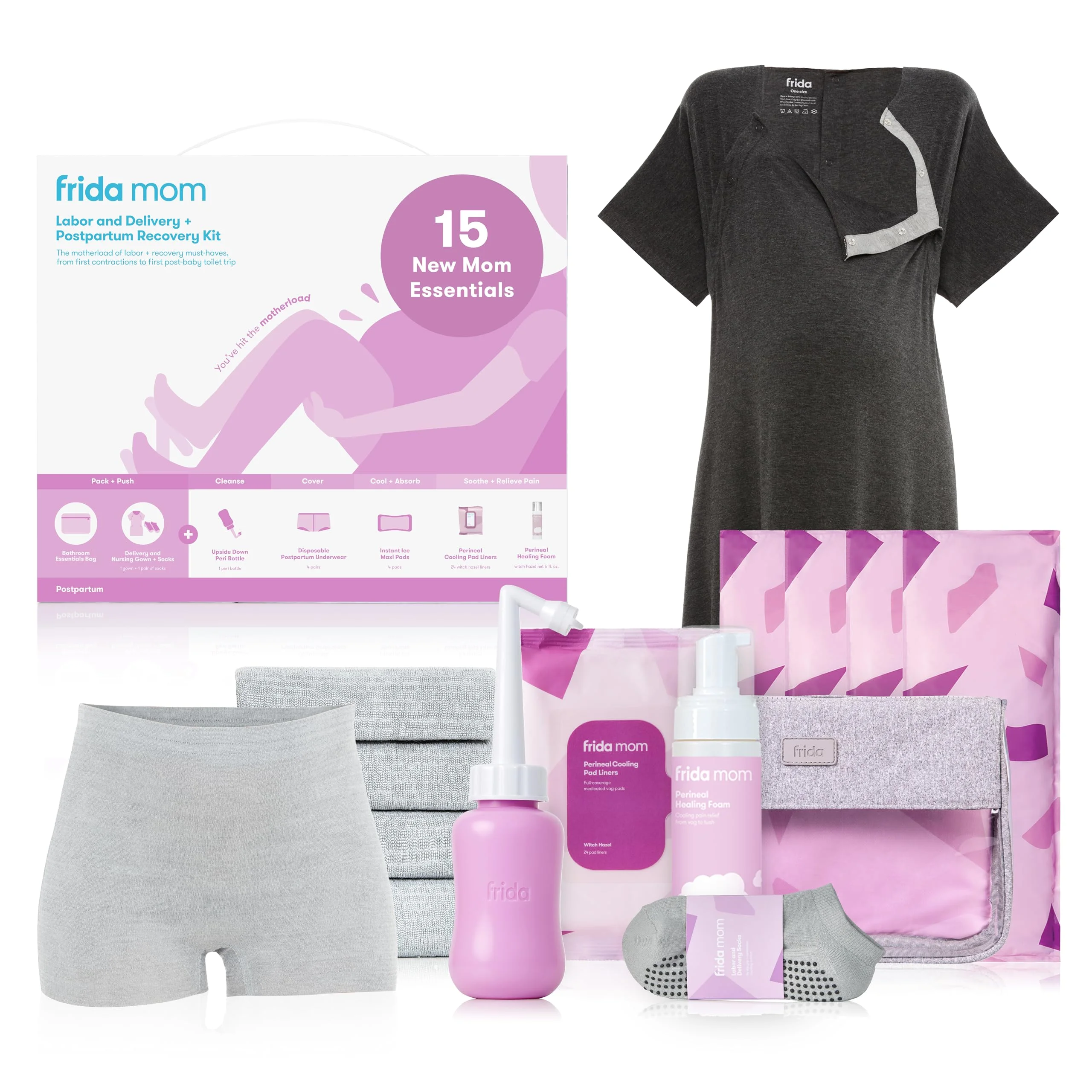
This multi-piece labor and postpartum kit groups a gown, disposable underwear, peri care, and cold-pad supplies in one ready-to-pack set.
Hydration, Feeding, and Paperwork
An insulated water bottle with a straw belongs within arm’s reach after birth. You may be holding baby, learning feeding positions, recovering from medication, or simply too tired to sit up for every sip. A straw lid is easier than an open cup when the tray table is crowded.
An insulated water bottle with a straw is easier to use one-handed while resting, feeding, or recovering in bed.
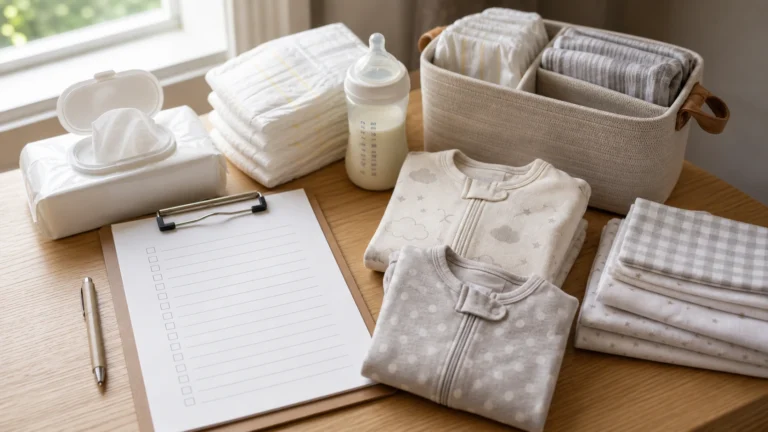
Keep feeding notes, pediatrician information, birth certificate paperwork, and discharge questions in one folder or zipper pocket. This is where the hospital bag checklist becomes practical: the main bag holds the full stay, but the recovery pouch holds the things people ask for while you are holding a newborn.
What Can Stay in the Main Bag
Going-home clothes, extra baby outfits, backup snacks, makeup, shower items, and most chargers can stay in the main bag until you need them. I would not keep the recovery bed crowded with every cute outfit or every postpartum product. The bedside zone should stay easy to clean, easy for nurses to work around, and easy for your support person to reset.
Before labor day, walk your support person through the pockets. Say out loud where the water bottle, slippers, bathroom pouch, feeding notes, and ID are. That five-minute tour can save a surprising amount of frustration after the delivery room is behind you.
FAQ
What should be easiest to reach after delivery?
Keep your charger, water bottle, slippers, bathroom recovery pouch, ID, insurance card, lip balm, hair tie, and soft clothes near the top of the bag or in one small pouch.
Do I need my own postpartum supplies in the recovery room?
Maybe, but ask first. Many hospitals provide mesh underwear, pads, peri bottles, and cold packs. Your own items are best treated as backups or comfort upgrades.
Should my main suitcase come into the recovery room?
Usually yes, but it does not all need to be opened. Keep the first-use pouch accessible and leave extra outfits, shower supplies, and going-home items packed until needed.
How should my partner help with the bag?
Give your partner a simple tour before labor: recovery pouch, bathroom pouch, paperwork, charger, baby basics, and going-home clothes. Labels help when everyone is tired.
A calm Hospital bag after delivery room setup is less about buying more and more about placing the right items where tired people can find them. Keep the recovery pouch small, let the hospital guide medical and comfort care, and use the full Hospital Bag Checklist as the master plan behind it.
Shop Recovery Picks