What Not to Pack in Your Hospital Bag: 21 Things Most Moms Never Use
Disclosure: BabyEthos is reader-supported. As an Amazon Associate, we earn from qualifying purchases. This does not change what you pay.
If you are wondering What not to pack in hospital bag, skip bulky extras, valuables, strong fragrance, too many outfits, full-size toiletries, unsafe car-seat accessories, and anything your hospital already provides. A lighter bag is easier for your support person to manage, easier to unpack in a small recovery room, and easier to repack when it is finally time to go home with the baby.
I learned this the unglamorous way. With our first baby, I packed like we were leaving for a month. With our third, I packed for the actual stay: admission, comfort, recovery, baby discharge, and keeping my husband functional. The question of What not to pack in hospital bag is really a question about what creates clutter, stress, or safety problems when you are tired.
Safety note: Follow your hospital’s packing rules, your clinician’s instructions, and the product manufacturer’s directions. For car seats, use only approved parts and place blankets over the buckled harness, not underneath it. The National Highway Traffic Safety Administration has car-seat guidance, but your seat manual and vehicle manual are the instructions to follow.
The Short Answer: Pack for the Stay You Are Actually Having
A realistic hospital bag does not need to hold your entire bedroom, bathroom, nursery, and pantry. Before adding something, ask: will I need this before admission, during labor, during recovery, for baby’s safe ride home, or for my support person to stay nearby? If the answer is no, it probably belongs at home. That is the practical heart of What not to pack in hospital bag planning.
Use the full Hospital Bag Checklist when you want the complete categories, then come back to this page to edit. Editing matters because hospital rooms are not large, postpartum energy is limited, and every extra item becomes one more thing to find, trip over, or carry back to the car. A calm answer to What not to pack in hospital bag is often “anything that creates work.”
QUICK SHOP
Smarter Swaps for a Lighter Hospital Bag
These five practical picks support a lighter packing plan: one manageable bag, simple organization, compact toiletries, a long charger, and a water bottle. They are not an invitation to buy more; they are useful swaps for bulky extras.
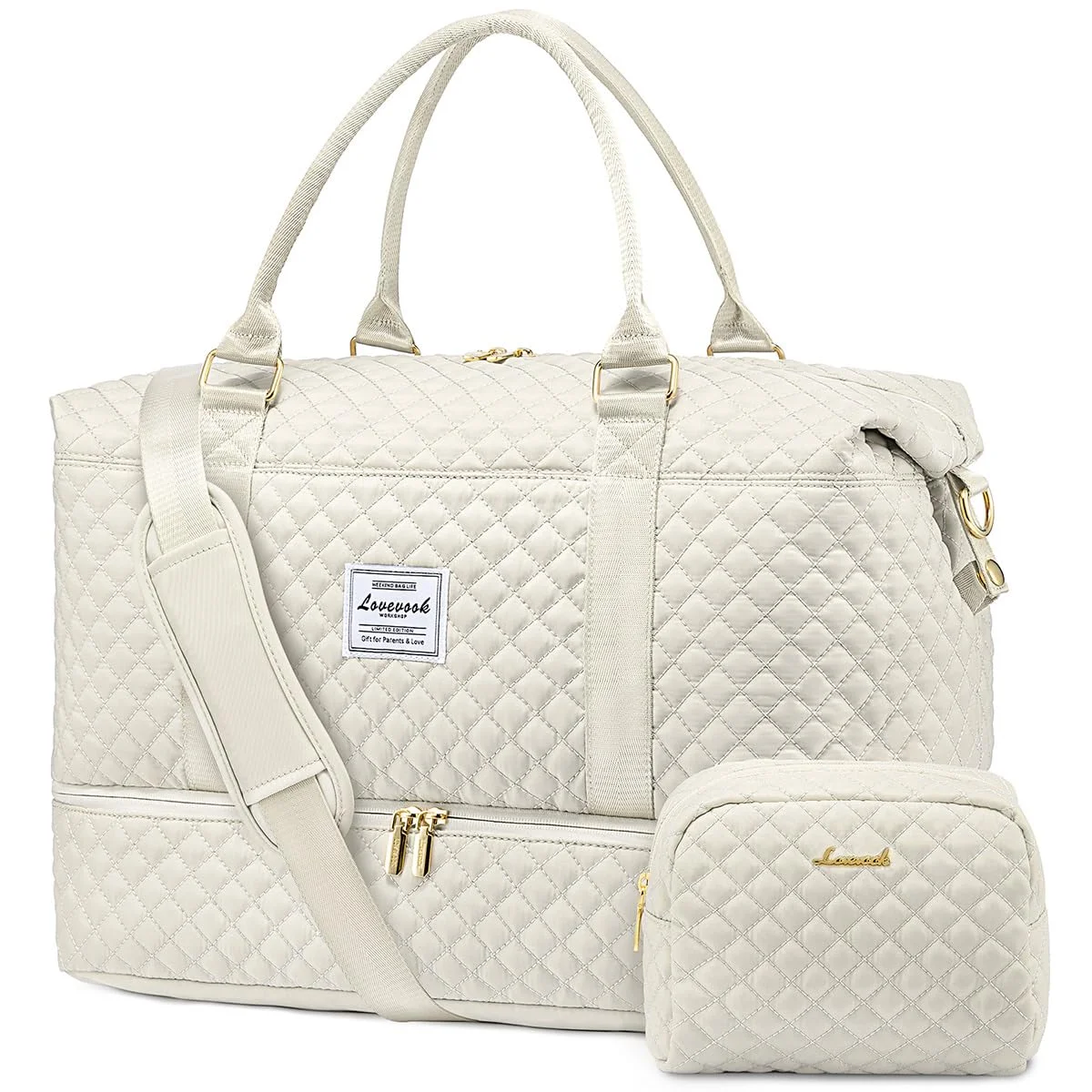
A roomy weekender duffel bag that keeps clothing, toiletries, and small labor essentials together without requiring a full-size suitcase.
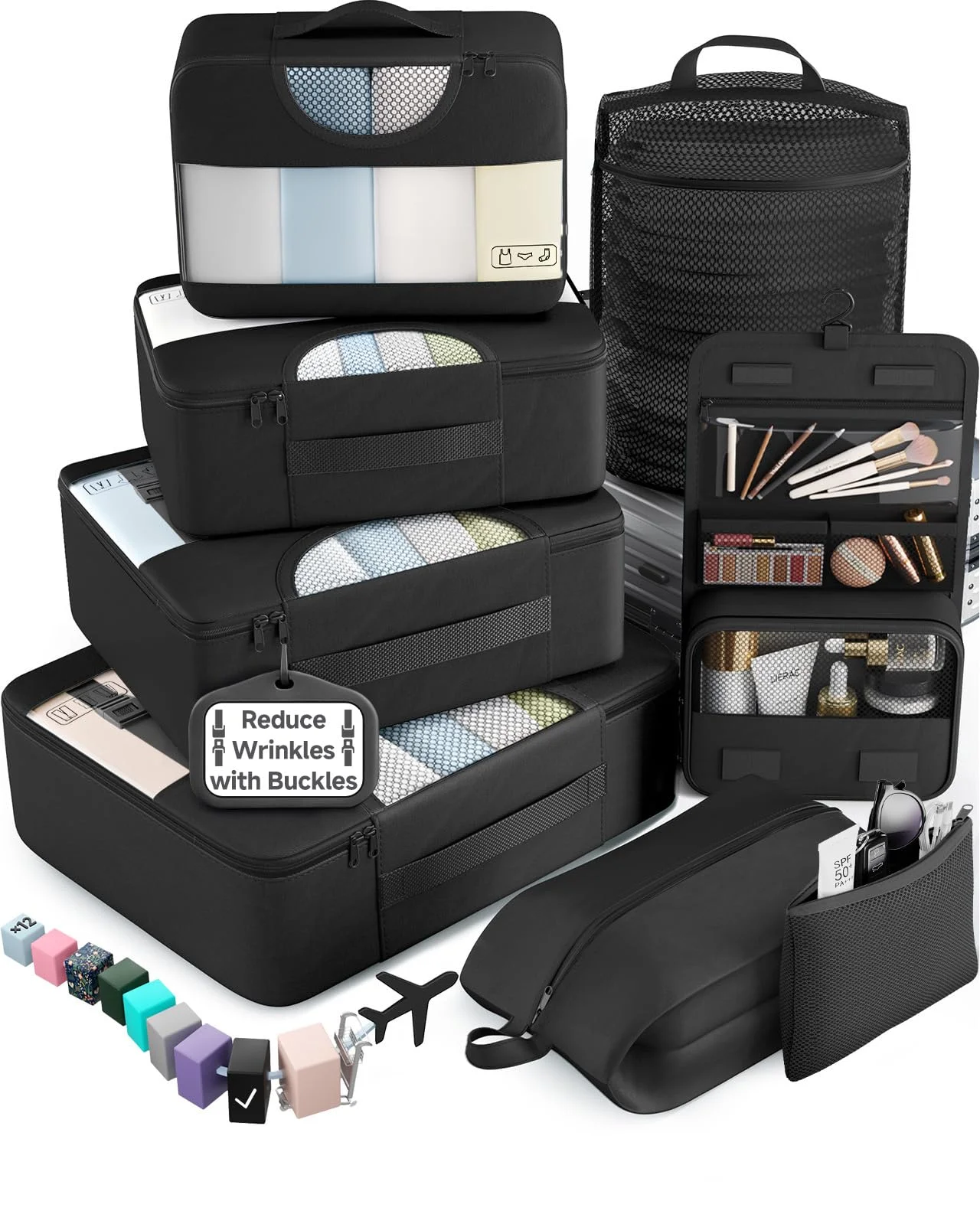
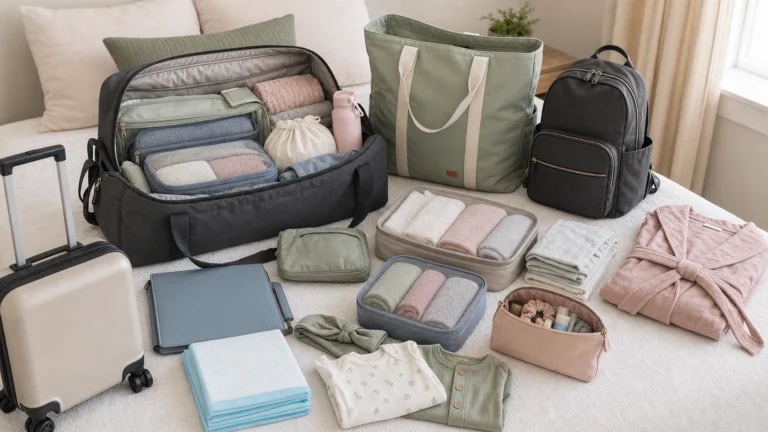
Packing cubes separate mom, baby, and partner essentials so the right pouch is easy to find in a crowded hospital room.
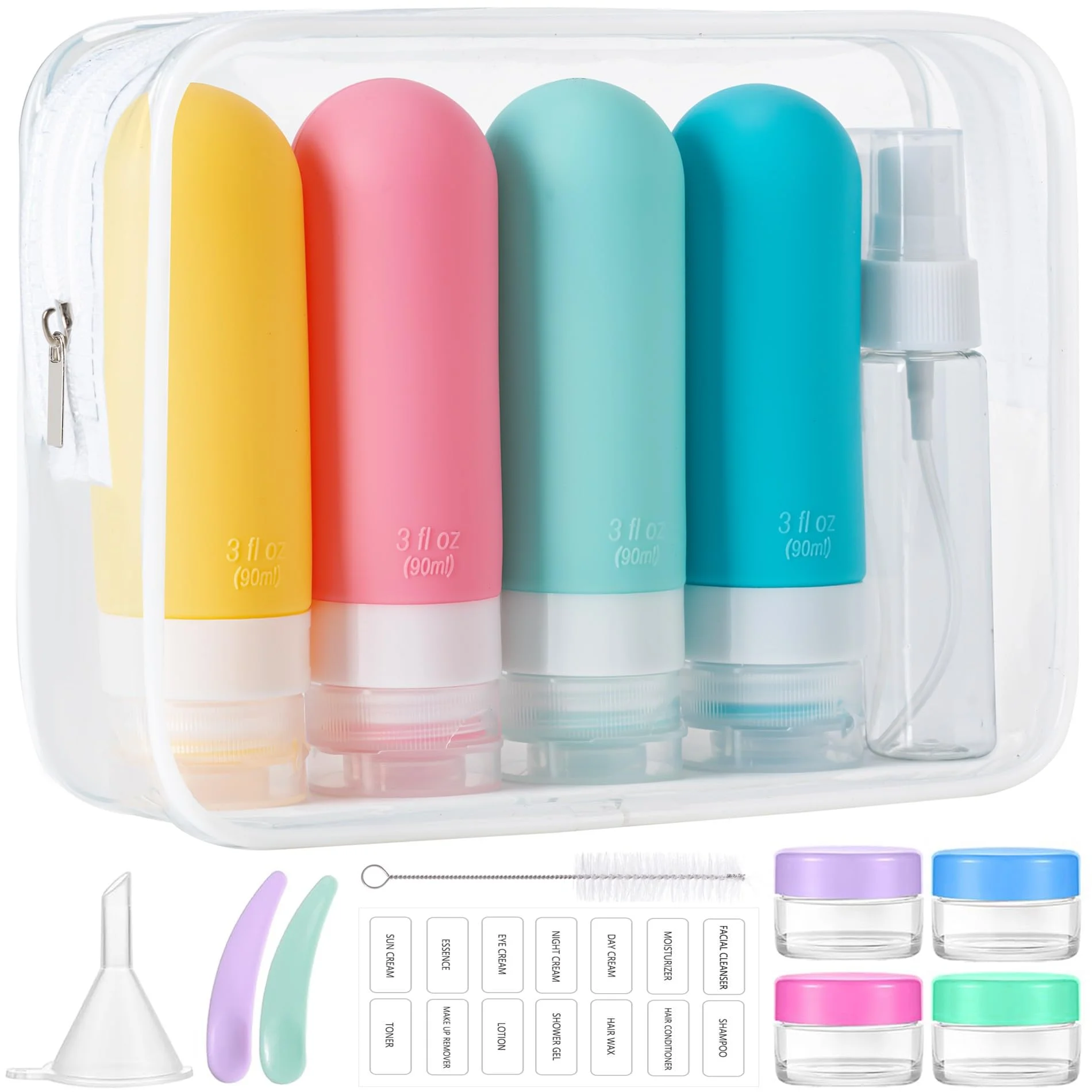
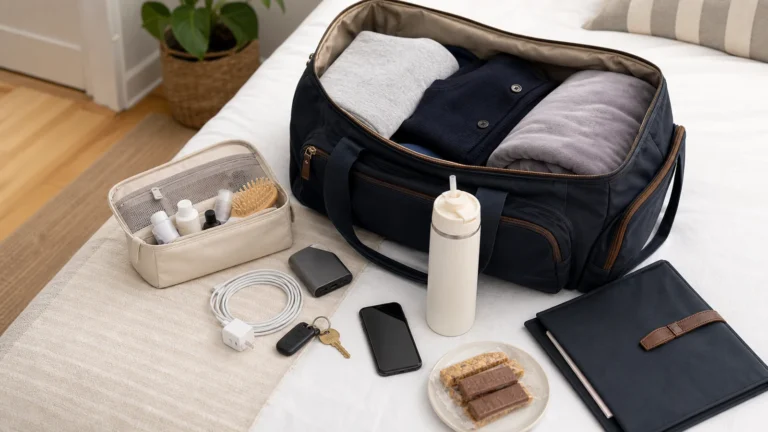
This travel toiletry kit holds shampoo, conditioner, lotion, and other familiar bathroom basics without packing full-size bottles.
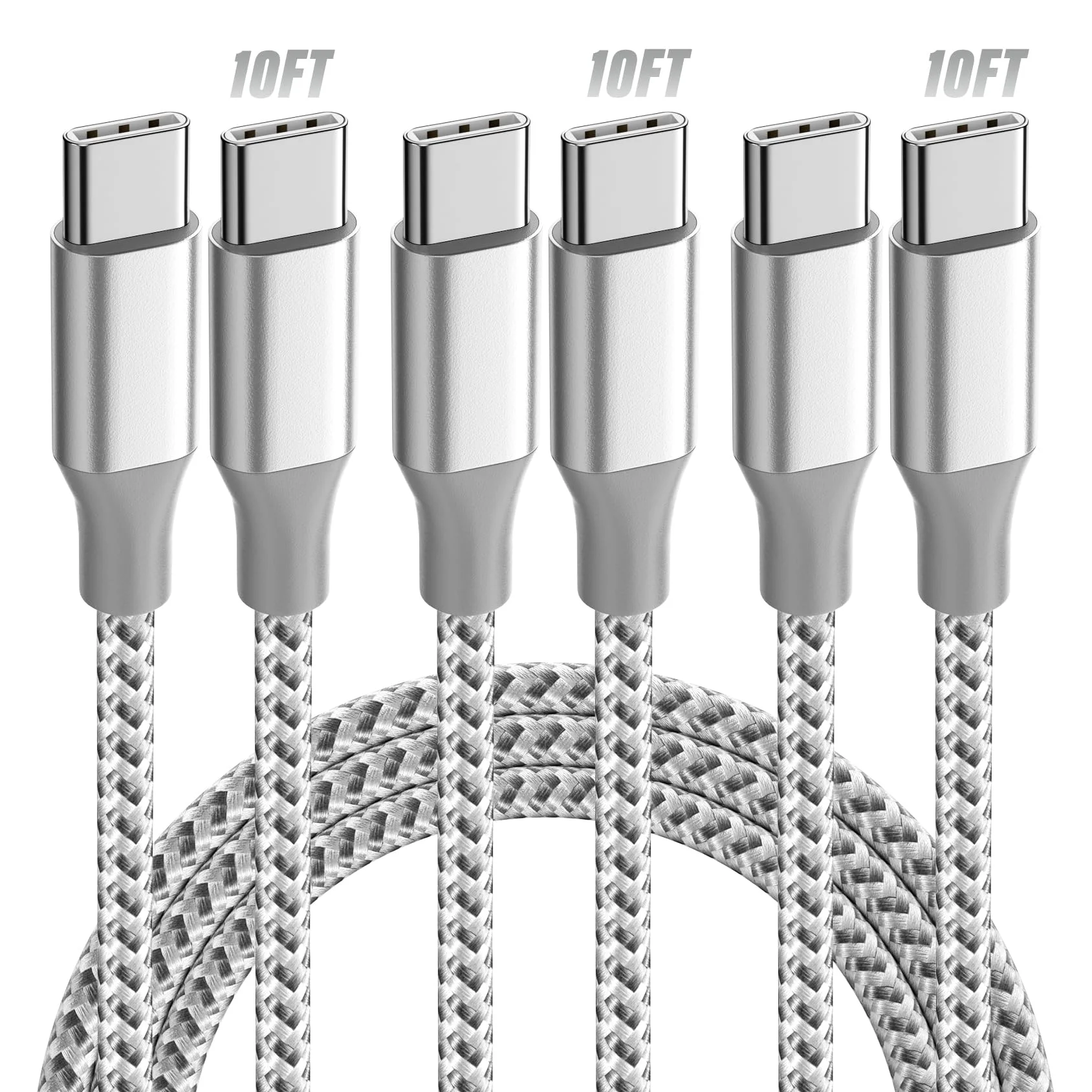
A 10-foot phone charger cable reaches outlets behind hospital beds and keeps phones available for calls, photos, and family updates.
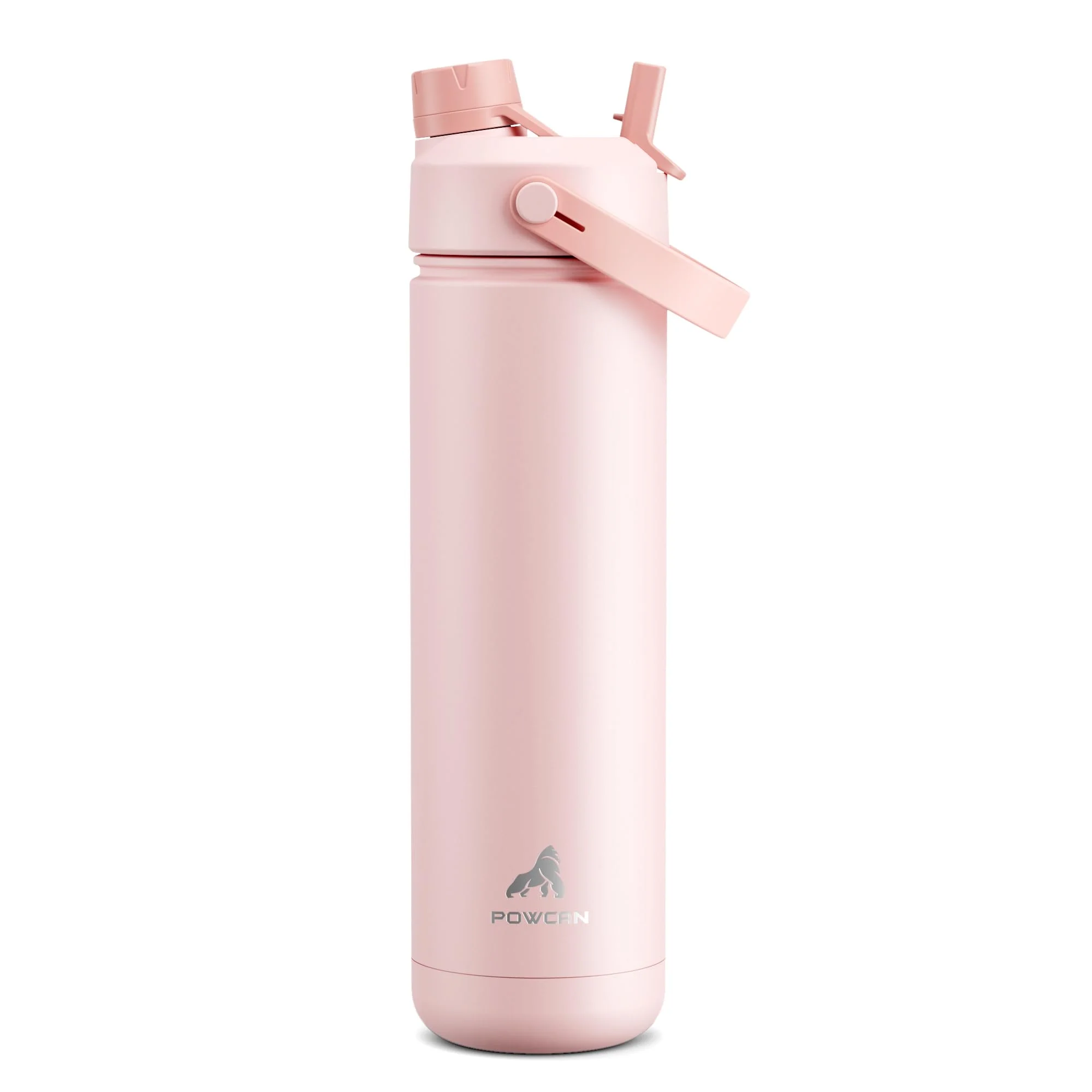
An insulated water bottle with a straw is easier to use one-handed while resting, feeding, or recovering in bed.
21 Things Most Moms Never Use
The best answer to What not to pack in hospital bag starts with the items that sound comforting at home but become awkward in a hospital room. You may still choose one personal comfort item, especially if your hospital allows it, but the goal is to be selective.
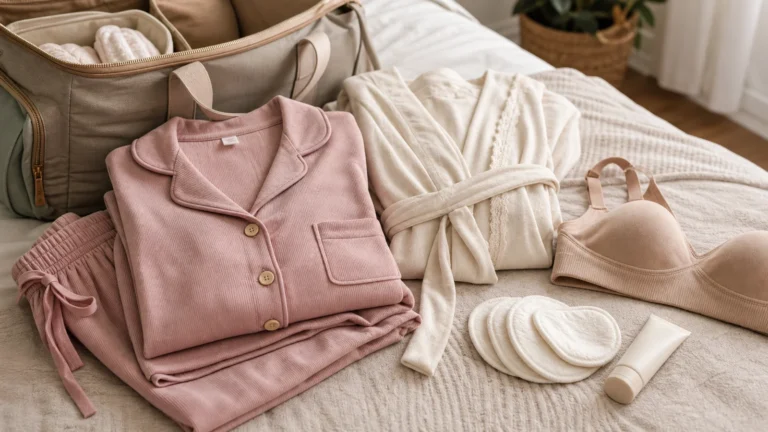
- Too many outfits for mom: pack one labor or recovery option and one going-home outfit, not a full wardrobe.
- Multiple robes and pajama sets: one soft, washable option is usually enough.
- Pre-pregnancy jeans: your body has just done major work; choose loose clothing.
- Full-size shampoo, lotion, or skin care: travel sizes are easier to manage.
- Strong perfume, candles, or diffusers: scent can bother you, staff, a roommate, or the baby.
- Expensive jewelry: leave anything sentimental or costly at home.
- Large amounts of cash: bring a card or small emergency cash only if you normally use it.
- A full makeup kit: pack only the few items you truly want for photos or comfort.
- Your entire postpartum bathroom setup: ask what the hospital provides before duplicating supplies.
- Lots of diapers and wipes: many hospitals provide them during the stay; confirm locally.
- Too many newborn outfits: one going-home outfit and one backup are usually plenty.
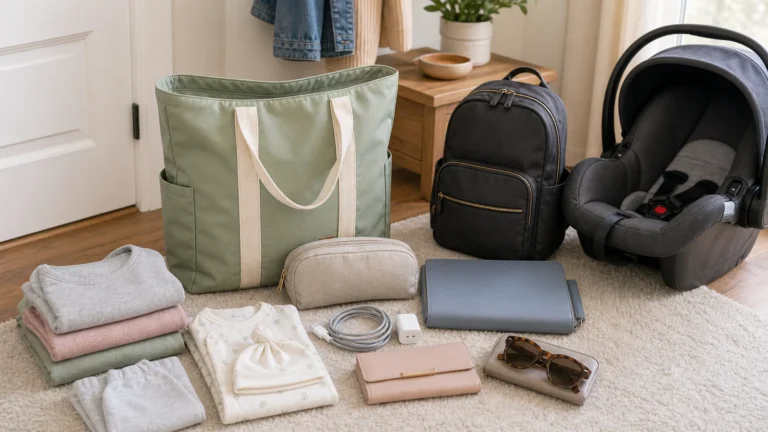
- Bulky baby blankets under the car-seat harness: use blankets only over the buckled harness.
- Aftermarket car-seat inserts: skip anything not approved by your seat manufacturer.
- A nursing pillow if space is tight: ask whether you can use hospital pillows first.
- A giant regular pillow: bring it only if your hospital allows it and you can clearly identify it.
- Too much entertainment: one book, playlist, or downloaded show is enough for most people.
- Complicated snacks: avoid messy, strongly scented, or hospital-restricted foods.
- Unfamiliar supplements or drinks: follow your care team’s guidance, especially around labor or surgery.
- Large electronics: a phone and charger usually do more work than a laptop.
- Decorative nursery items: save them for home; the hospital stay is short.
- Anything you cannot wash or replace easily: birth and recovery are not tidy events.
If you are still building the essentials side of the list, compare this editing guide with Hospital bag must haves. That keeps the “skip” list from making you underpack the items you really will want within arm’s reach.
What to Bring Instead of Bulky Extras
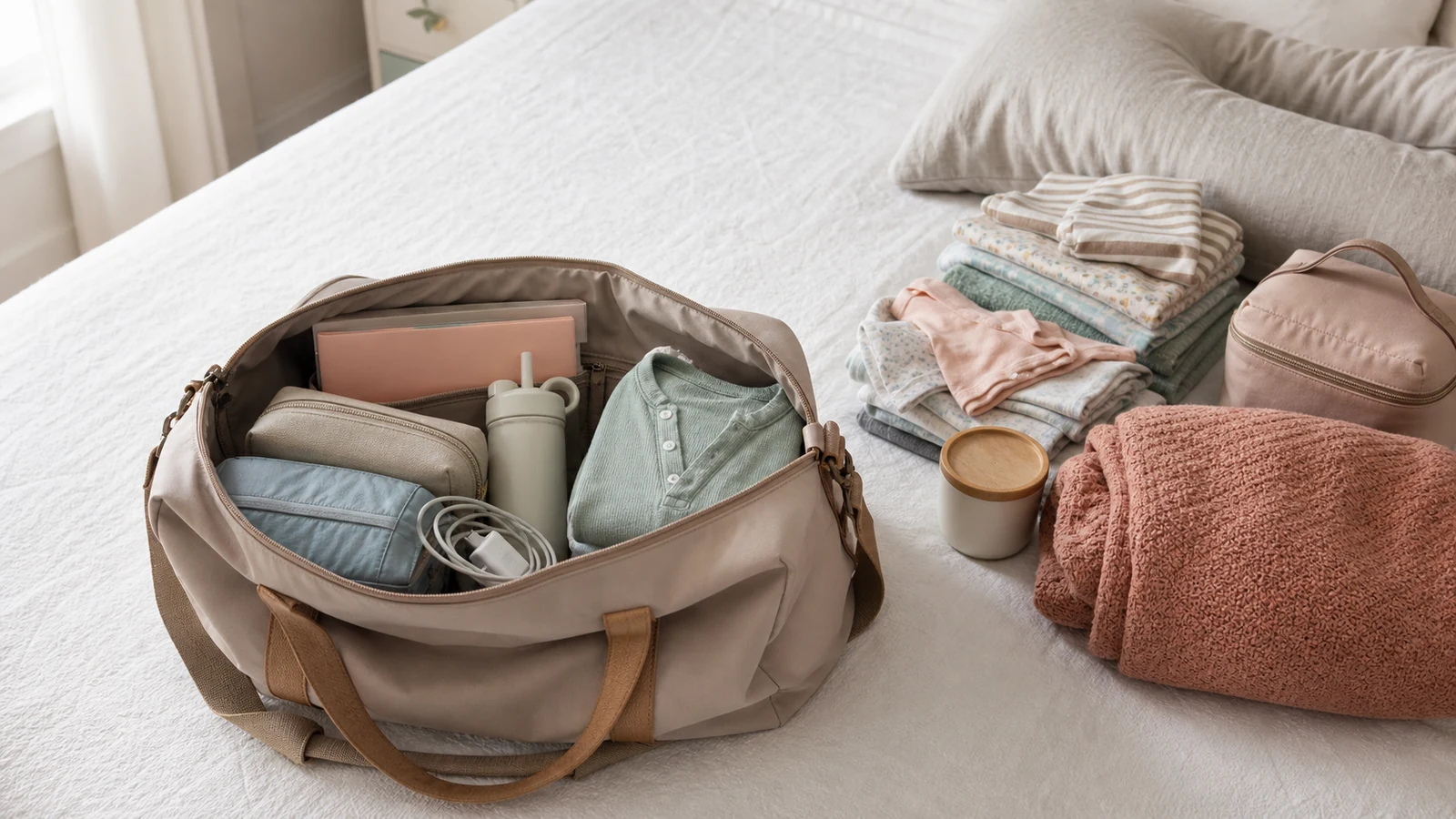
When readers ask me What not to pack in hospital bag, I do not want them to hear “bring nothing.” I want them to bring the smaller version of the thing that solves the real problem. A medium weekender bag gives you a visual limit. If it does not fit, the answer is usually to edit the list before moving to a bigger suitcase.
A roomy weekender duffel bag that keeps clothing, toiletries, and small labor essentials together without requiring a full-size suitcase.
Packing cubes are useful because they keep you from digging through one giant pile during contractions or recovery. I like simple labels such as “mom,” “baby,” “toiletries,” and “last minute.” That small system answers What not to pack in hospital bag better than another shopping list: do not pack loose chaos.
Packing cubes separate mom, baby, and partner essentials so the right pouch is easy to find in a crowded hospital room.
For toiletries, pack the basic products you already tolerate: toothbrush, toothpaste, deodorant, lip balm, hair ties, glasses or contacts supplies, and shower basics if you want them. A compact kit beats a bathroom drawer. If you need a full packing version, the What to pack in hospital bag guide covers the bring side in more detail.
This travel toiletry kit holds shampoo, conditioner, lotion, and other familiar bathroom basics without packing full-size bottles.
Two boring items have earned a permanent place in my own mental list: a long phone charger and a straw water bottle. A long cable keeps your phone reachable when the outlet is behind the bed. A straw bottle is easier to use while reclining or holding the baby. Follow your hospital’s instructions about food and drink during labor, induction, surgery preparation, and recovery.
A 10-foot phone charger cable reaches outlets behind hospital beds and keeps phones available for calls, photos, and family updates.
An insulated water bottle with a straw is easier to use one-handed while resting, feeding, or recovering in bed.
Baby Items to Skip, Especially Around the Car Seat
Baby gear is where overpacking can quietly become a safety issue. The hospital may provide diapers, wipes, swaddles, and basic feeding support during the stay. Your most important baby job is the ride home: an appropriate infant car seat installed and used exactly as directed, plus simple clothing that lets the harness lie flat and snug. For baby items, What not to pack in hospital bag should always include anything that interferes with the car-seat manual.
Do not put thick blankets, bulky coats, aftermarket inserts, strap covers, head positioners, or extra padding under the car-seat harness unless the seat manufacturer specifically includes or approves them. In cold weather, buckle the baby first, then place a light blanket over the harness. That rule matters more than any cute outfit you packed, and it belongs near the top of any What not to pack in hospital bag list.
If clothes are your sticking point, the Baby going home outfit guide is a better place to decide between sleepers, gowns, and weather layers. For most families, What not to pack in hospital bag for baby means skipping the mini wardrobe and focusing on safe discharge.
Do Not Duplicate What Your Hospital Already Provides
Hospitals vary, so call or check your patient portal before you pack. Many U.S. maternity units provide some combination of mesh underwear, pads, a peri bottle, ice packs, diapers, wipes, receiving blankets, basic baby care items, and hospital linens. Some provide very little beyond the basics. Local rules matter more than any online list. In other words, What not to pack in hospital bag depends partly on what your own unit already stocks.
This is the most practical way to answer What not to pack in hospital bag: do not pack full-size duplicates until you know what is waiting in the room. Bring personal alternatives only when they clearly improve comfort, fit, or dignity for you. That might mean your own toiletries or a preferred outfit, not three shopping bags of postpartum supplies.
The main Hospital Bag Checklist is helpful after this phone call because you can mark provided items instead of guessing. If you are packing early, add a sticky note on top of the bag with last-minute items: phone, wallet, glasses, medication, keys, charger brick, and any refrigerated snacks approved by your care team.
My Parent-of-Three Editing Rule
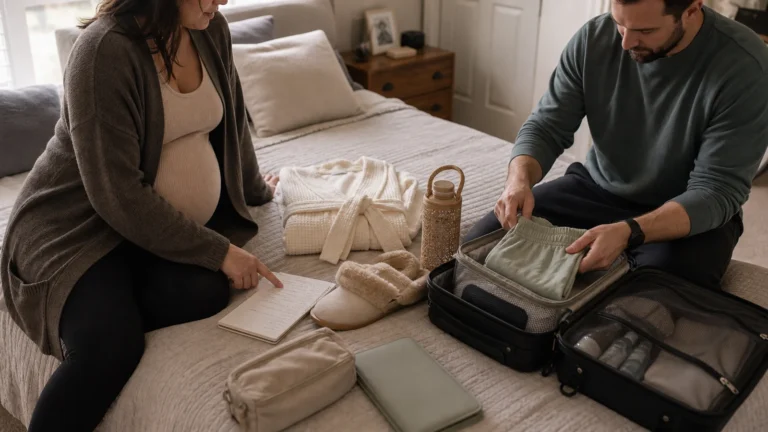
Before closing the bag, I set every item on the bed and make it prove its job. Admission, labor comfort, recovery, baby discharge, partner support, or last-minute note. If an item only makes me feel temporarily productive, it usually goes back in the closet. That little pause is the calmest answer to What not to pack in hospital bag.
There is nothing noble about arriving with a giant bag that nobody can find anything in. The better goal is a bag your support person can lift, open, and understand while you are busy doing the actual work. Use the Hospital Bag Checklist as your master list, then let this page be your permission slip to leave the extra stuff home. That is the version of What not to pack in hospital bag advice I wish I had heard before our first birth.
FAQ
Should I bring my own pillow to the hospital?
Bring one only if your hospital allows it, you strongly need it, and you can use a distinctive washable pillowcase. Otherwise, a bulky pillow is often more trouble than comfort.
How many baby outfits should go in the hospital bag?
For many families, one simple going-home outfit and one backup are enough. Choose clothing that works safely with the car-seat harness and adjust for weather.
What is the biggest hospital bag mistake?
The biggest mistake is packing for every imagined situation instead of your likely stay, hospital rules, and discharge needs. Too much stuff makes useful items harder to find.
For one final review, open the full Hospital Bag Checklist, remove duplicates, and keep the bag simple enough that someone else can use it without asking you where everything is.
Shop Smart Packing Picks