Labor Gown vs Hospital Gown: Should You Bring Your Own for Delivery?
Labor gown vs hospital gown is mostly a choice between personal comfort and maximum convenience. After three births, my practical answer is this: the hospital gown is the easiest option for active labor, procedures, and mess, while a personal labor gown can feel softer and offer more coverage if your hospital approves its design. You do not need to buy a special gown to have a prepared or positive birth.
Before adding another item to your Hospital Bag Checklist, ask what you actually want from it. If you care about familiar fabric, snaps for access, and a little more dignity in hallway photos, bringing your own may be worthwhile. If you would rather leave stained laundry behind, wear the hospital’s gown and save your clean clothes for recovery.
Disclosure: BabyEthos is reader-supported. As an Amazon Associate, we earn from qualifying purchases. This does not change what you pay.
QUICK SHOP
Comfort Options for Labor and Recovery
The personal labor gown is the primary comparison pick. Pajamas, a robe, and grippy socks are useful supporting pieces for after delivery rather than substitutes during medical care.
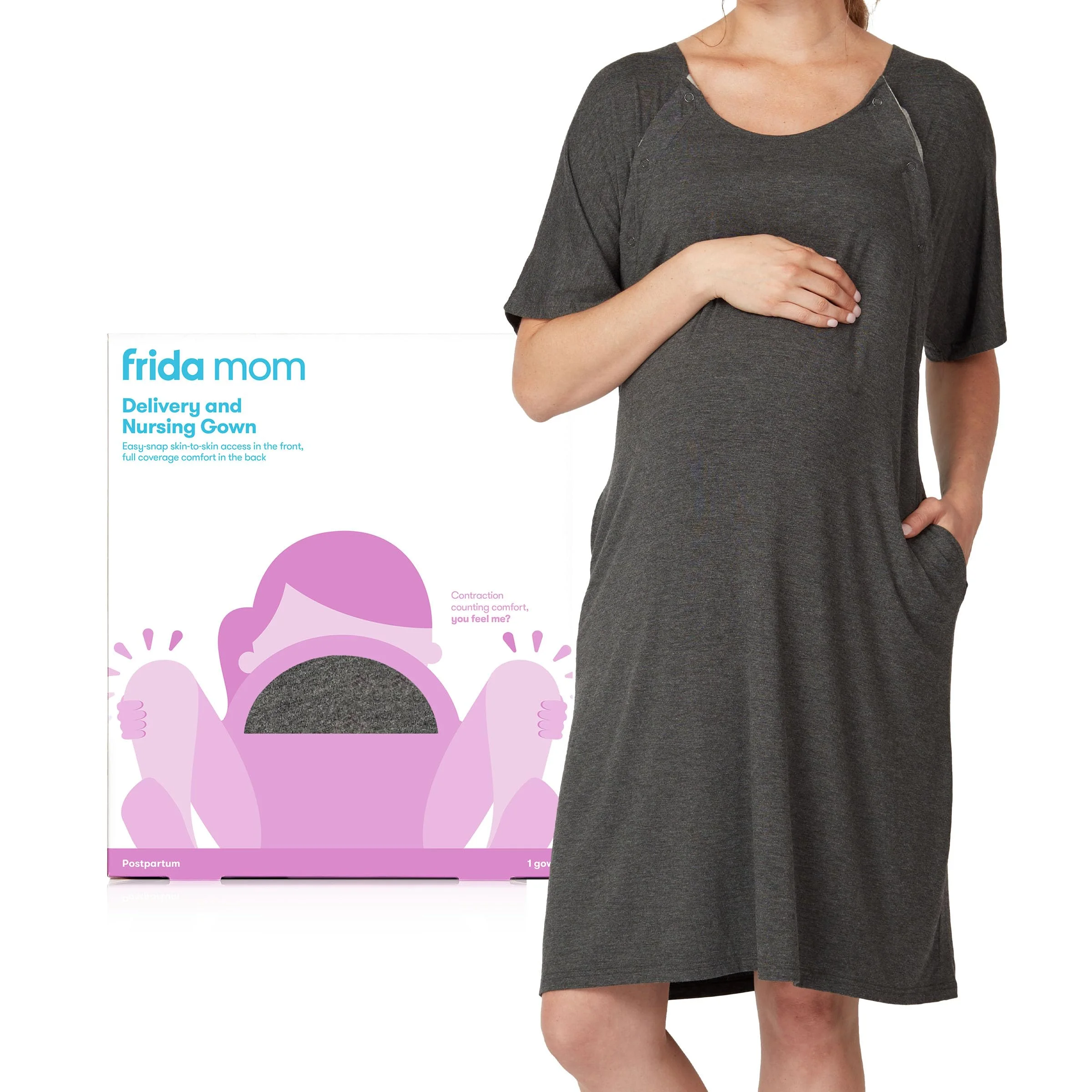
A labor and delivery gown offers personal coverage and easier nursing or skin-to-skin access when hospital-issued gowns feel too exposed.
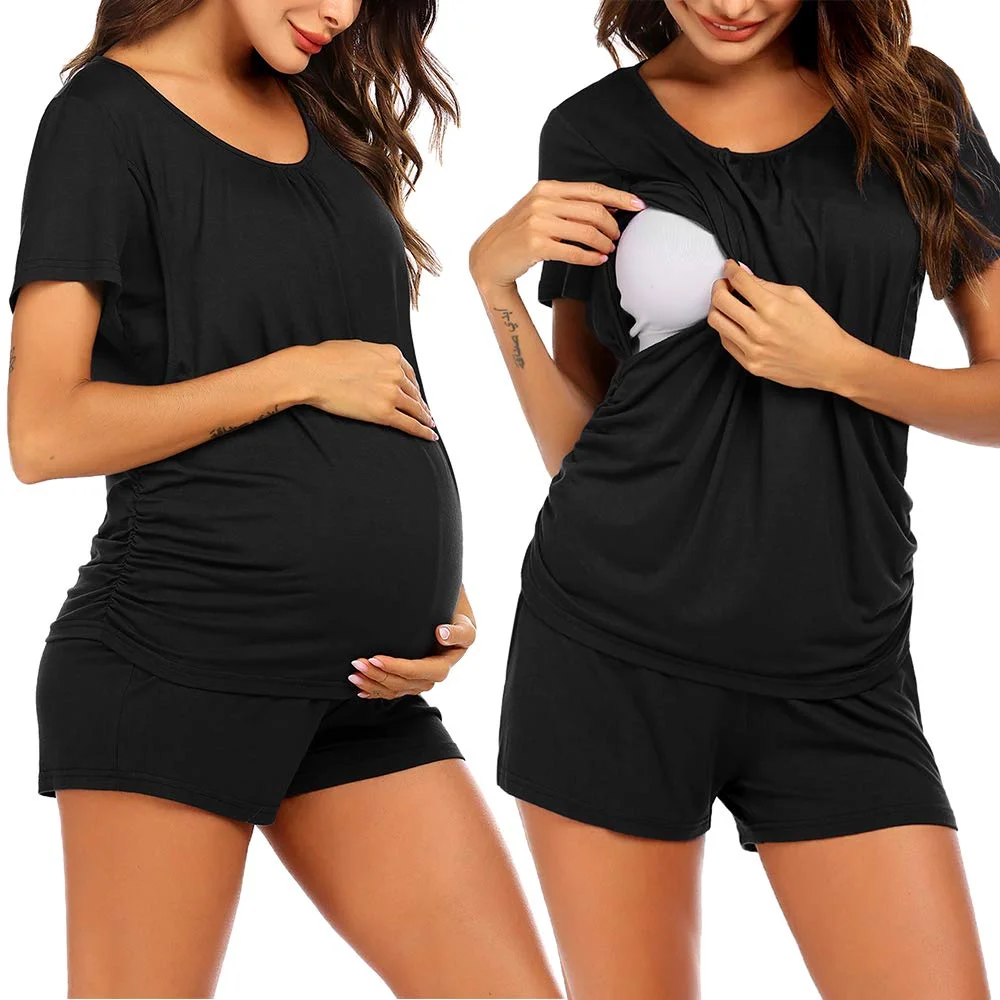
A soft nursing pajama set gives new moms comfortable sleepwear with practical feeding access during recovery and the first night home.
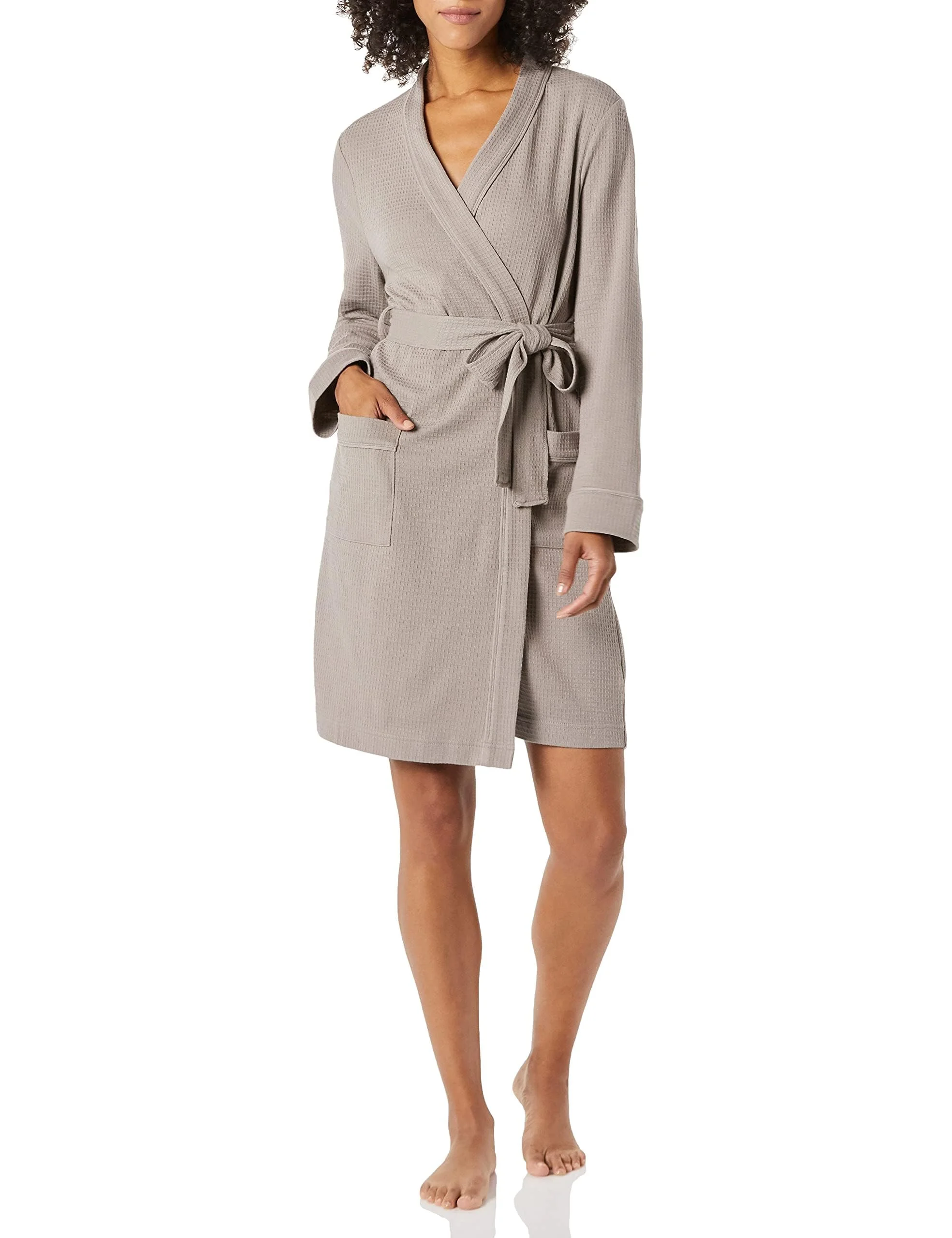
A lightweight postpartum robe adds coverage for hallway walks, visitors, feeding sessions, and trips between the bed and bathroom.
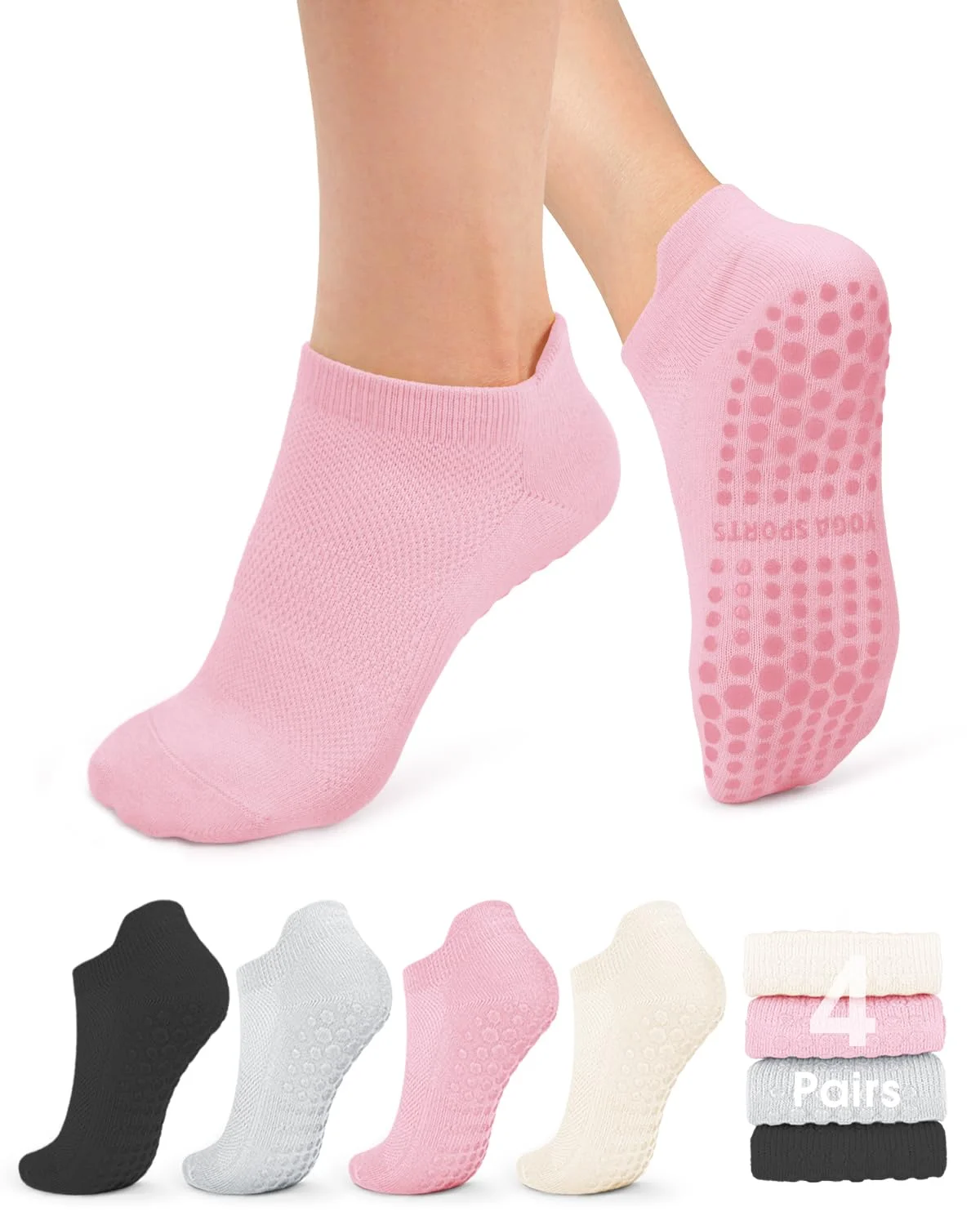
Grippy socks are an easy, washable option for keeping feet warm while adding traction on smooth hospital floors.
Quick Answer: Should You Bring Your Own?
For Labor gown vs hospital gown, bring your own if it is inexpensive enough to stain, easy to remove quickly, and designed with access for fetal monitoring, an epidural, IV lines, and skin-to-skin contact. Confirm your hospital allows it. Otherwise, the standard gown is free, familiar to staff, medically practical, and one less thing to wash after birth.
In the Labor gown vs hospital gown decision, neither choice is universally better. A personal gown wins on softness, fit, and coverage. A hospital gown wins on simplicity, access, and zero concern about bodily fluids. I would never let a cute gown become something staff has to work around during urgent care.
Side-by-Side Comparison
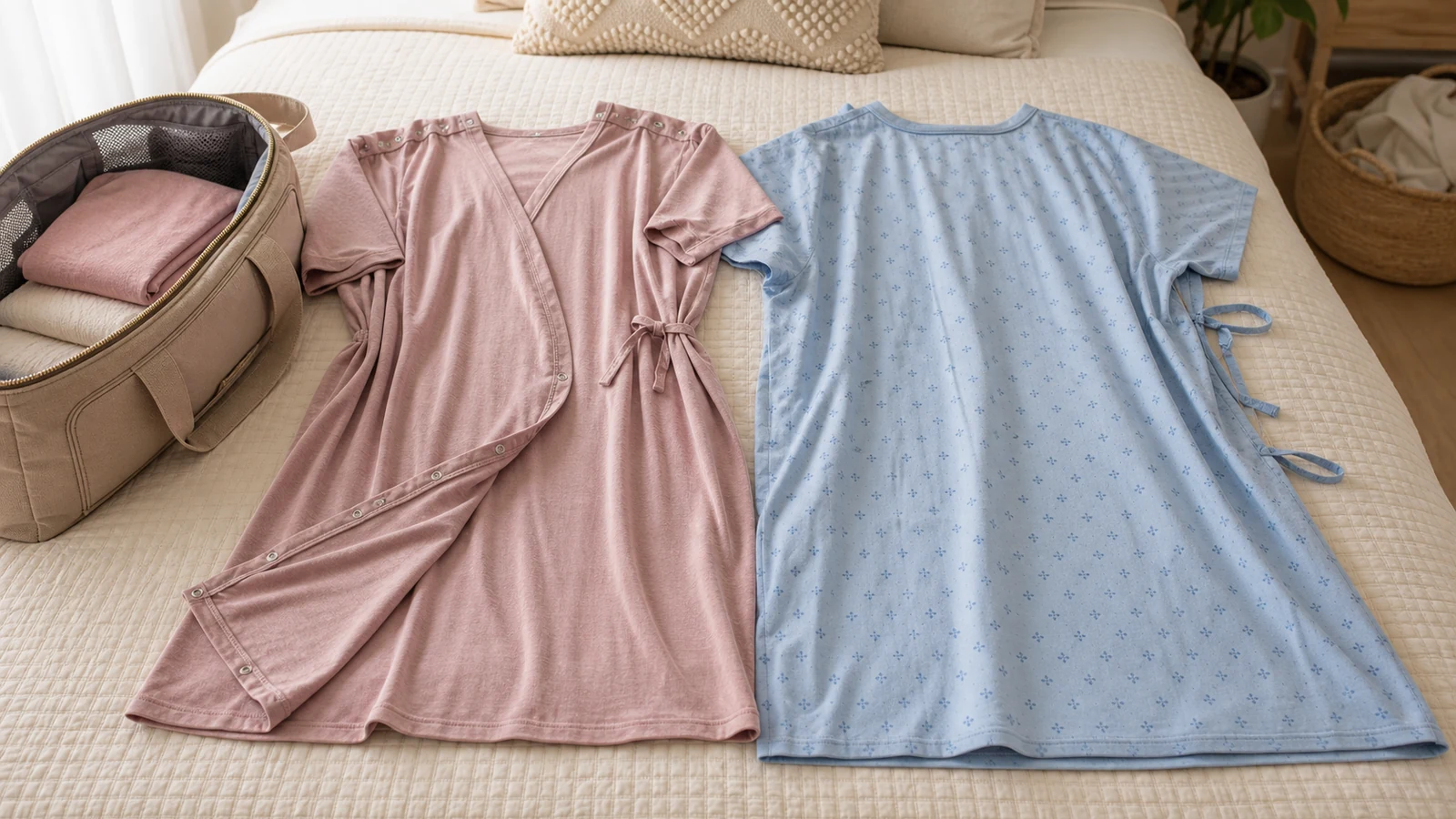
| Feature | Personal labor gown | Hospital gown |
|---|---|---|
| Comfort | Softer fabric and a chosen fit | Basic fabric and flexible sizing |
| Coverage | Often closes more securely | Usually open or tied at the back |
| Medical access | Depends on snap and opening placement | Designed for staff access |
| Cost | You buy it | Provided during the stay |
| Laundry | You take home any stains | The hospital handles it |
| Best use | Comfort when approved and care is routine | Active labor, procedures, and uncertainty |
The real Labor gown vs hospital gown comparison is not fashion versus neglect. Both are tools. The hospital version is intentionally simple because labor can change quickly. A well-designed personal gown borrows those practical features while giving you fabric and coverage you prefer.
Hospital policies vary, so call labor and delivery or ask during your tour. Some units welcome personal gowns until a procedure requires a change. Others may ask you to use hospital clothing at admission. Your care team may also cut or remove clothing quickly during an emergency, which is another reason not to bring anything expensive or sentimental.
Where a Personal Labor Gown Wins
In Labor gown vs hospital gown, comfort is the obvious personal-gown advantage. Hospital fabric can feel stiff, ties may shift, and the open back can make walking uncomfortable. Your own gown may offer softer material, better coverage, pockets, and snaps placed for nursing or skin-to-skin contact. Feeling less exposed can genuinely make an unfamiliar room easier to tolerate.
A personal gown can also help you feel like yourself. That mattered to me more after birth than during the hardest parts of labor, but every parent is different. In a Labor gown vs hospital gown choice, emotional comfort counts as long as the garment remains practical and never delays care.
Look for shoulder snaps, a back opening, generous sizing, short or manageable sleeves, and easy front access. Avoid metal details if your hospital discourages them, long ties that drag, tight necklines, and complicated closures. Check the manufacturer’s size chart late in pregnancy rather than ordering your usual pre-pregnancy size.
A Practical Labor and Delivery Gown
A labor and delivery gown offers personal coverage and easier nursing or skin-to-skin access when hospital-issued gowns feel too exposed.
This labor and delivery gown is the only primary product assigned to this comparison. Its value is not that it is medically necessary; it is that it is designed around access and coverage more thoughtfully than ordinary sleepwear. Bring a zip bag for the worn gown and wash it according to its care label before first use.
If you choose it, still be prepared to change into hospital clothing. The safest answer to Labor gown vs hospital gown may change during induction, epidural placement, monitoring, surgery, heavy bleeding, or another clinical need. Staff instructions outrank your original clothing plan.
Where the Hospital Gown Wins
On the hospital side of Labor gown vs hospital gown, the standard gown is built for uncertainty. Staff know how it opens, how to reach monitors and lines, and how to replace it quickly. You can sweat, bleed, vomit, leak amniotic fluid, shower, and change gowns without worrying about laundry. That is not glamorous, but it is wonderfully practical.
For active labor, I personally lean toward the hospital side of Labor gown vs hospital gown. I would rather keep a personal robe or pajamas clean for recovery. After three children, I have learned that the item I imagined wearing during labor was rarely the item I cared about once contractions demanded my full attention.
The hospital gown is also the budget winner. You already have access to it, it fits a wide range of bodies, and replacements are nearby. If the first one feels scratchy or exposes too much, ask whether you can wear a second gown backward like a robe for hallway coverage.
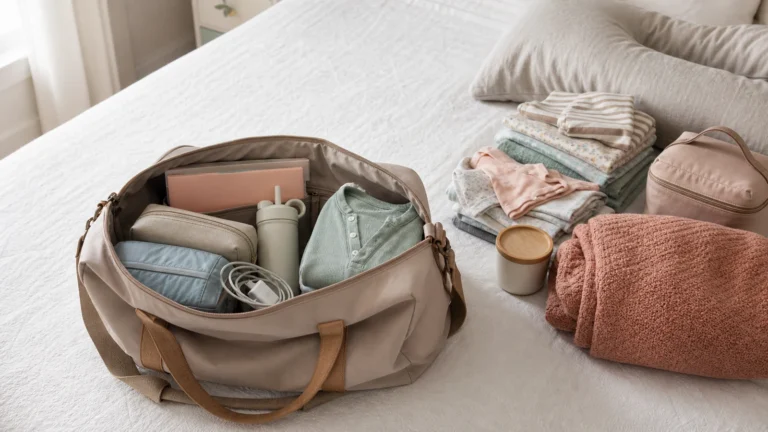
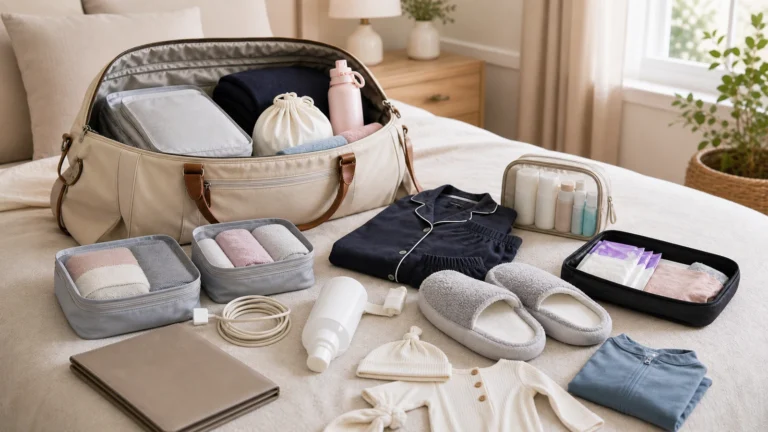
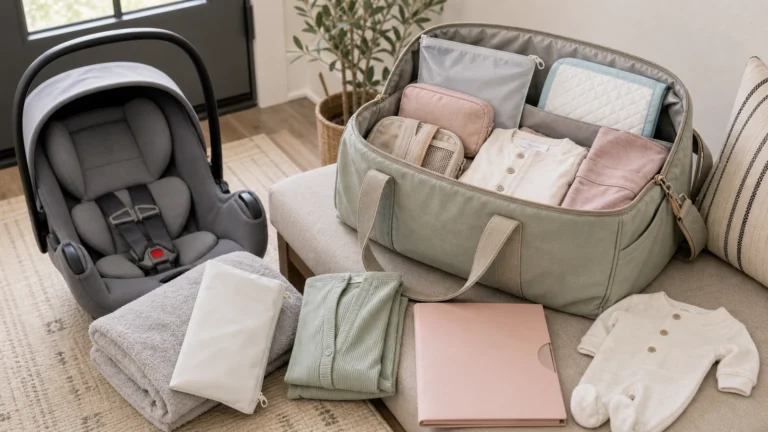
Use your Hospital Bag Checklist space for items you know you will use. A clean recovery outfit, long charging cable, lip balm, and secure footwear may improve the stay more than a garment worn briefly during labor.
What to Wear After Delivery Instead
The Labor gown vs hospital gown comparison changes after delivery. Once your nurse says changing is reasonable, soft pajamas or a nightgown may feel more comfortable. A robe adds quick coverage, while grippy socks help with traction. These supporting products belong in recovery, not in the way of monitoring or procedures.
For a complete clothing capsule, see our Hospital bag outfit for mom guide. Keep in mind that postpartum underwear and pads can be bulky, your abdomen may be tender, and swelling can make fitted clothing surprisingly unpleasant.
Nursing Pajamas for Recovery
A soft nursing pajama set gives new moms comfortable sleepwear with practical feeding access during recovery and the first night home.
Button-front nursing pajamas are easier for feeding and skin-to-skin contact than a pullover top. They are a supporting option, so I would save them until the messy phase has passed. Our Nursing pajamas hospital bag guide explains when a two-piece set or nightgown makes more sense.
A Lightweight Postpartum Robe
A lightweight postpartum robe adds coverage for hallway walks, visitors, feeding sessions, and trips between the bed and bathroom.
A robe works over either gown and gives fast coverage when visitors arrive or you walk the unit. Choose a lightweight, washable style with sleeves that stay clear of sinks and medical lines. Secure the belt so it does not trail or become a fall hazard.
Grippy Socks for Careful First Steps
Grippy socks are an easy, washable option for keeping feet warm while adding traction on smooth hospital floors.
Grippy socks are compact and useful when your feet are cold, but hospital-issued socks may already be provided. Whether you choose socks or slippers, ask for help the first time you stand after delivery, anesthesia, or pain medication. Our Hospital bag slippers guide covers the footwear tradeoffs.
Safety and Hospital Access Come First
Before deciding Labor gown vs hospital gown, ask what openings your hospital needs for fetal monitors, IV access, an epidural, exams, breastfeeding, and skin-to-skin contact. A garment marketed for delivery is not automatically suitable for every hospital or every birth. If your nurse asks you to change, do it promptly.
ACOG explains that fetal monitoring may be used to evaluate the baby’s heart rate during labor; its fetal heart rate monitoring guidance is useful general background. Your own care team decides what monitoring and access your situation requires. Clothing should accommodate that care rather than dictate it.
When weighing Labor gown vs hospital gown, remember that a birth plan is a preference list, not a guarantee. A gown cannot prevent interventions, improve clinical outcomes, or make labor follow a script. It can simply make you feel more covered and comfortable while circumstances allow.
Add the personal gown to your complete Hospital Bag Checklist only after confirming the policy. Pack it in an easy-to-reach pouch, not under baby clothes, and tell your support person where the wet bag is if the gown becomes soiled.
FAQ
Do hospitals let you wear your own labor gown?
Many do, but policies vary. Ask your hospital before delivery and be ready to change if staff needs better access for monitoring, anesthesia, surgery, or urgent care.
Will a personal labor gown get ruined?
It might. Labor involves blood, amniotic fluid, sweat, medication, and other stains. Choose a washable gown you can replace without heartbreak and bring a sealed bag for carrying it home.
Can I wear regular pajamas during labor?
Regular pajamas may restrict access for exams and monitoring. They are usually more practical after delivery, when your nurse says changing is appropriate.
What features should a labor gown have?
Look for generous sizing, shoulder access, a back opening, simple closures, washable fabric, and convenient front access. Confirm that the design works with your hospital’s requirements.
My final answer on Labor gown vs hospital gown: use the hospital gown if you want the simplest, least precious option. Bring your own if soft fabric and better coverage will help you relax and the design meets hospital requirements. Either way, stay flexible and save at least one clean, comfortable outfit for recovery.
Review the Hospital Bag Checklist once more before buying anything. A personal gown is a comfort upgrade, not a requirement, and skipping it is a perfectly prepared choice.
Shop comfort picks