Nursing Pajamas for Your Hospital Bag: Comfy Picks for Your Stay
A practical Nursing pajamas hospital bag choice should be soft, loose, washable, and easy to open with one hand. After three babies, I would pack one dark-colored button-front set or nursing nightgown, not a stack of cute sleepwear. The goal is comfortable recovery, simple skin-to-skin access, and less wrestling with clothing when you are sore, tired, and learning how your baby prefers to feed.
Add pajamas to your full Hospital Bag Checklist as recovery clothing, not necessarily labor clothing. The hospital gown is usually easier during monitoring, procedures, and the messy first hours. Once your nurse says changing is practical, clean pajamas can make the room feel a little less clinical without getting in the way.
Disclosure: BabyEthos is reader-supported. As an Amazon Associate, we earn from qualifying purchases. This does not change what you pay.
QUICK SHOP
Quick Nursing Comfort Picks
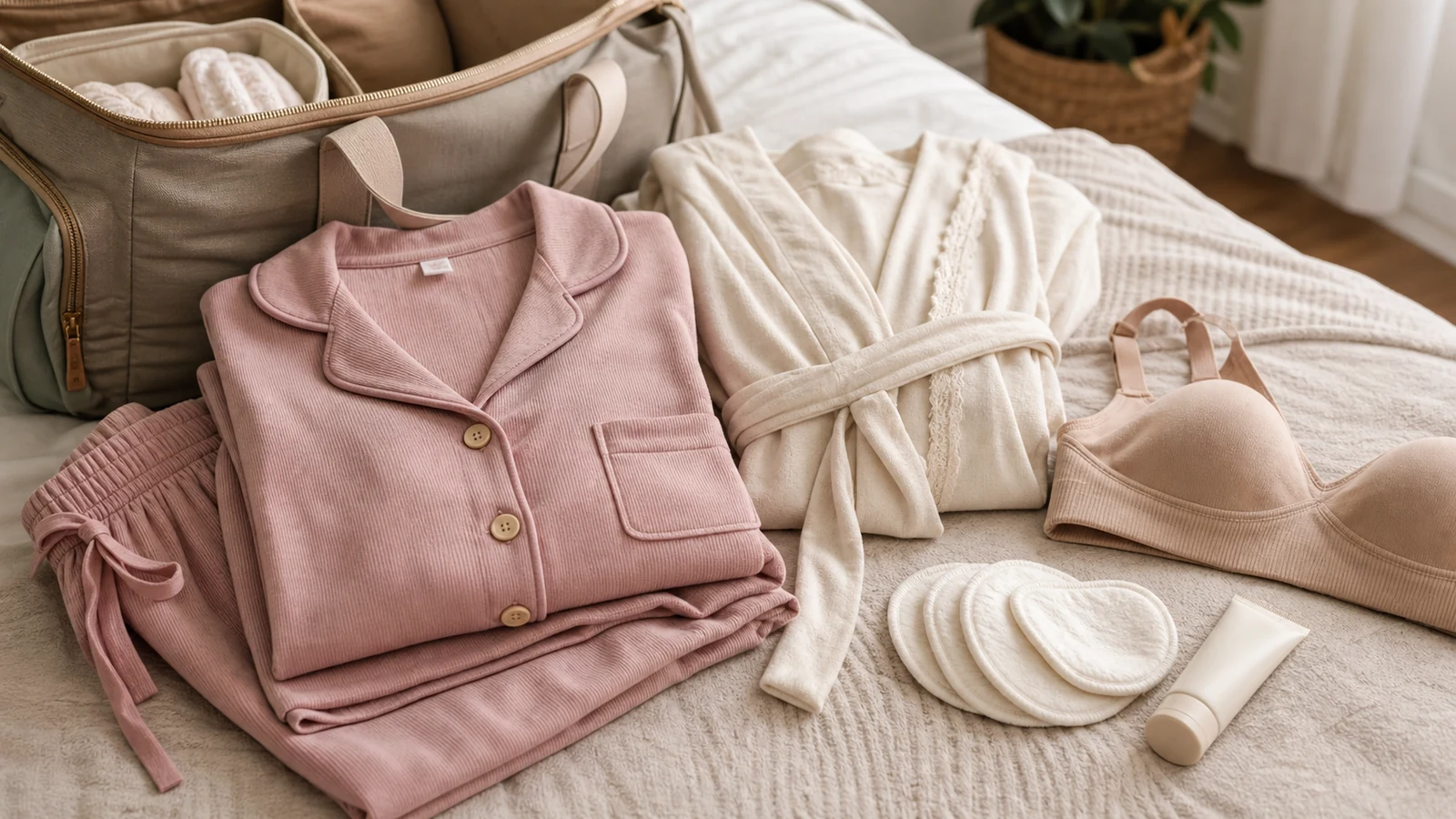
The pajama set is the primary recommendation. A light robe, stretchy nursing bra, nipple cream, and nursing pads are compact supporting options if they match your feeding plan and preferences.
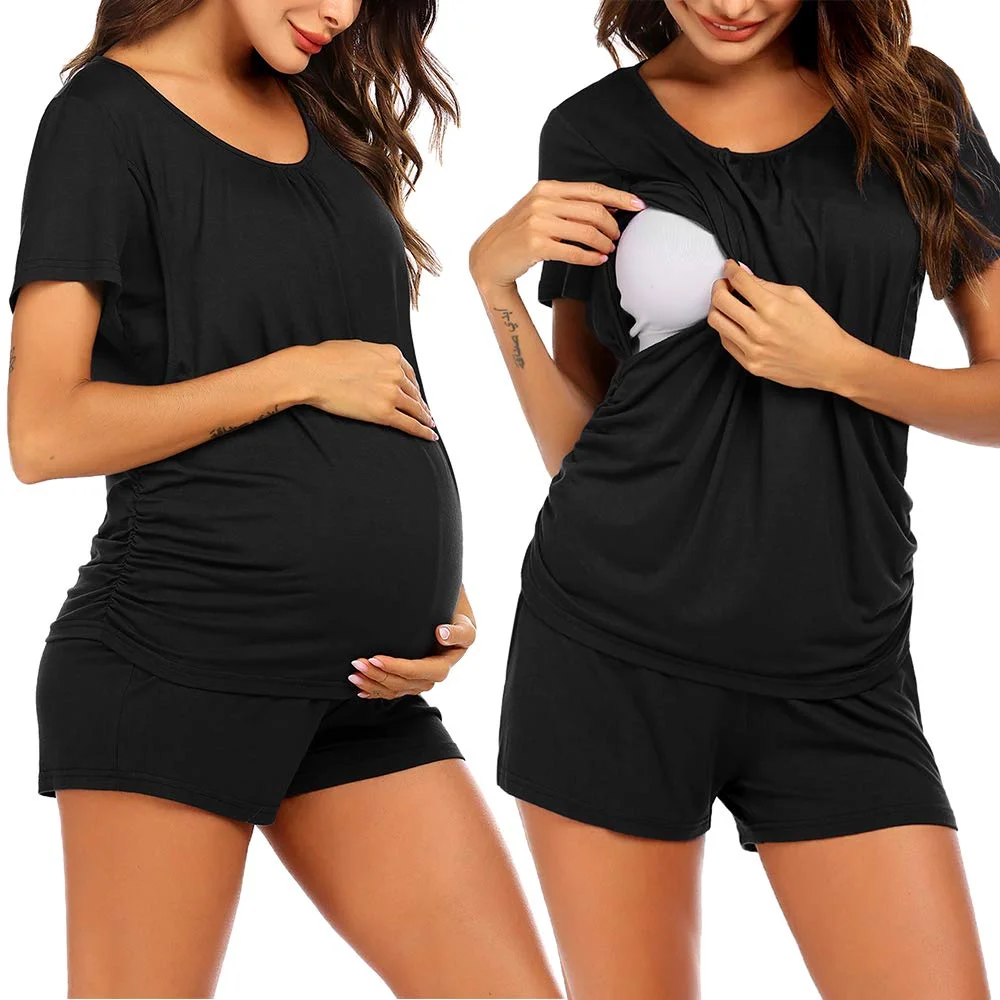
A soft nursing pajama set gives new moms comfortable sleepwear with practical feeding access during recovery and the first night home.
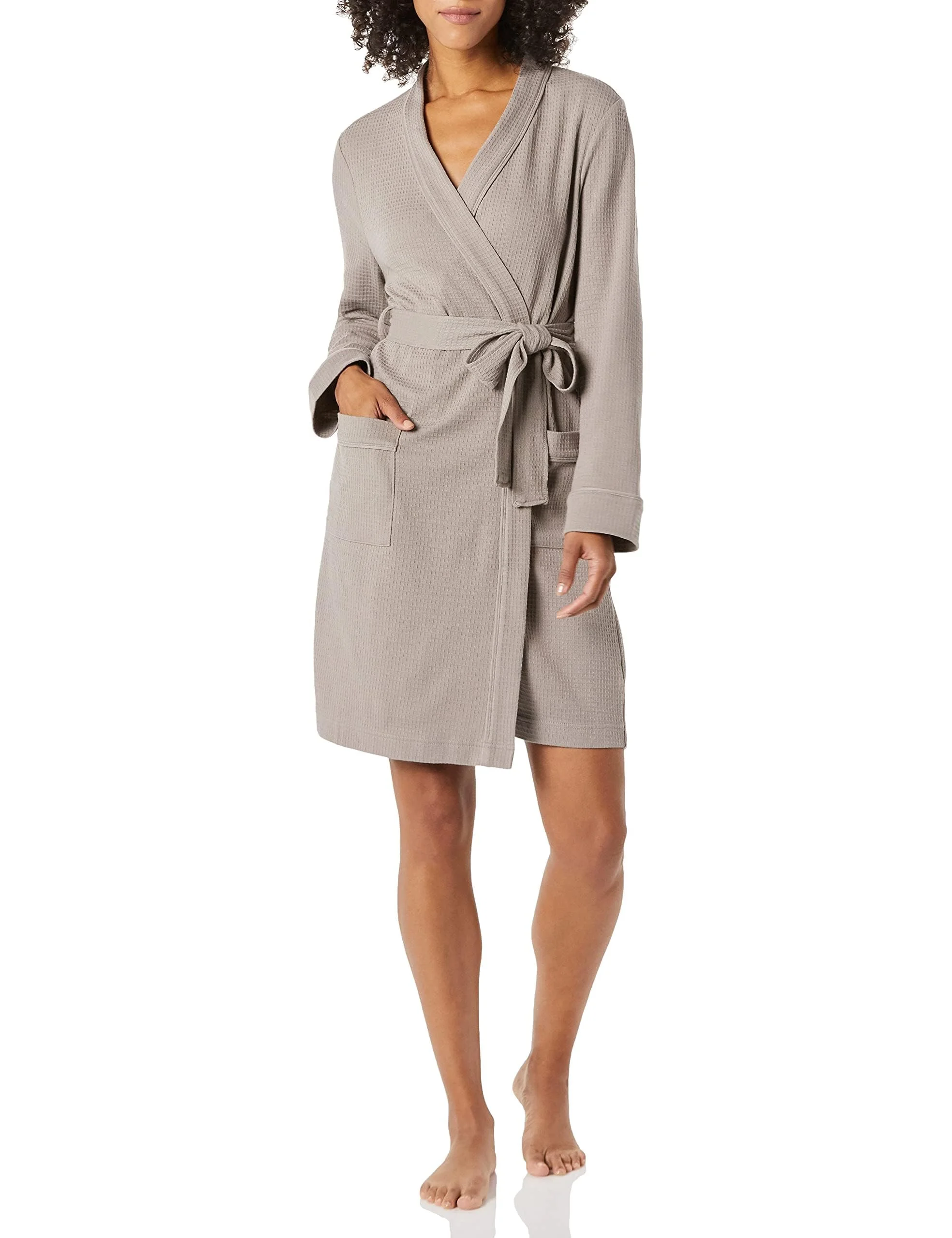
A lightweight postpartum robe adds coverage for hallway walks, visitors, feeding sessions, and trips between the bed and bathroom.
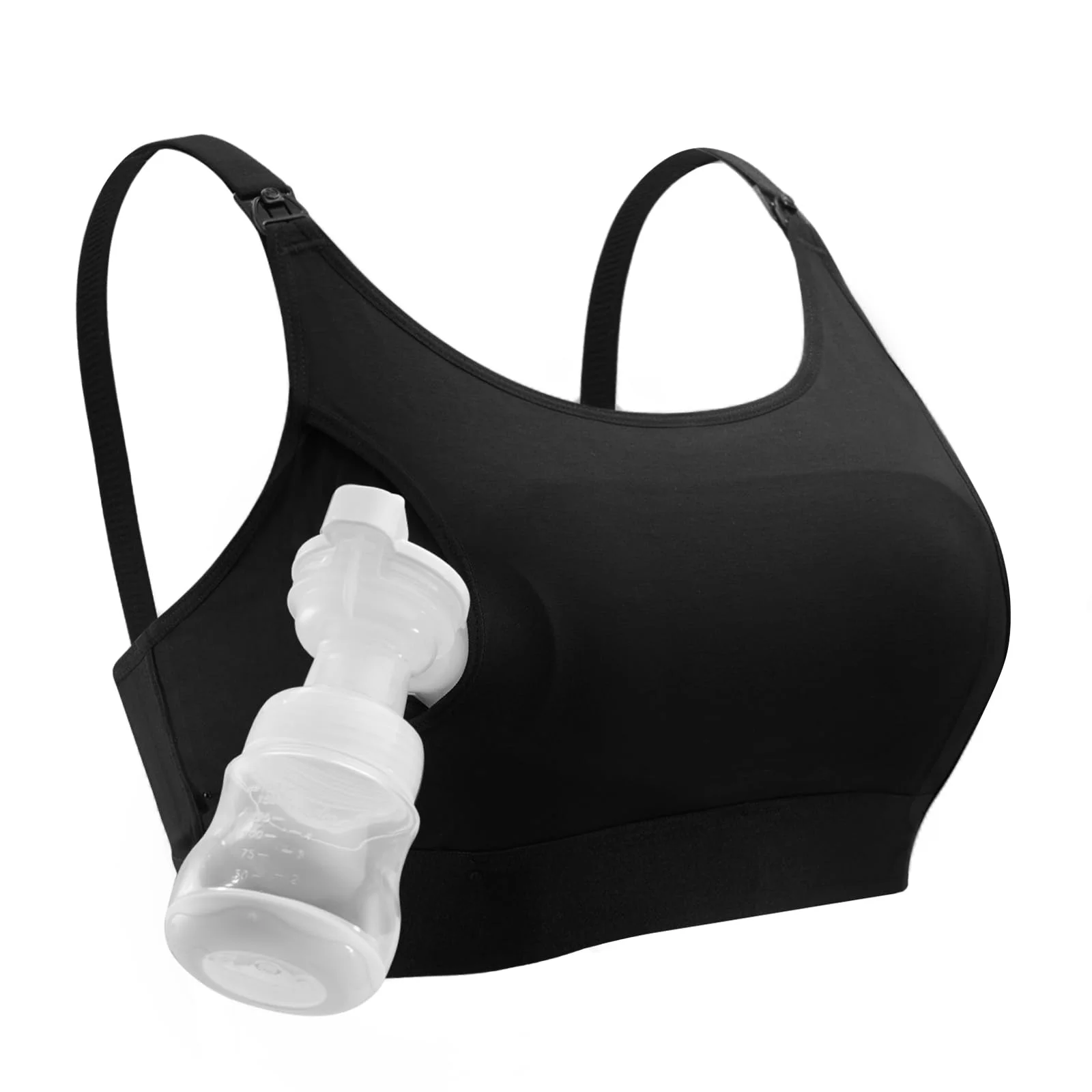
A nursing bra with pumping access can reduce clothing changes when feeding, pumping, and resting all happen in the same room.
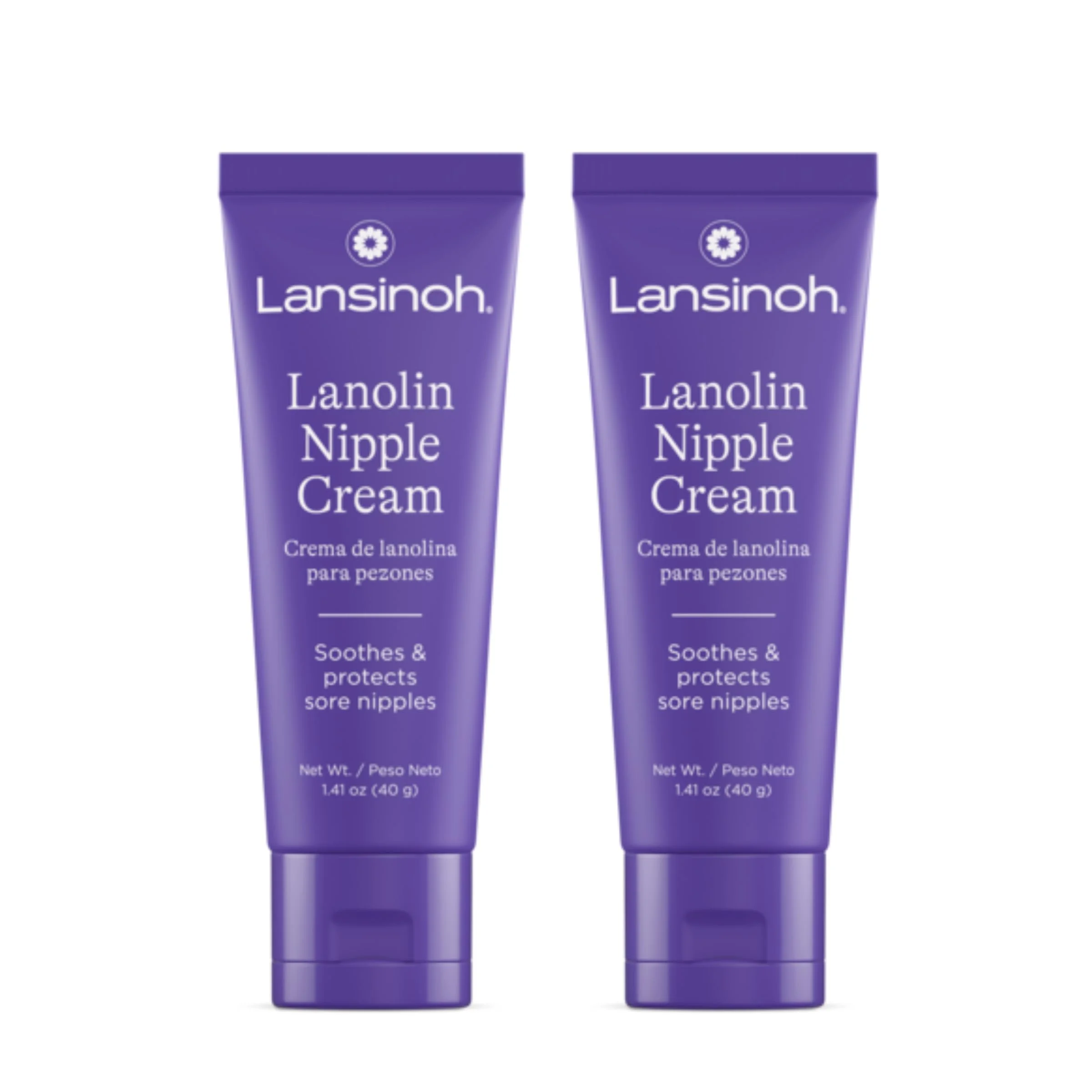
Nipple cream is a compact nursing-bag addition for soothing dry or tender skin between feeds; use it as directed on the label.
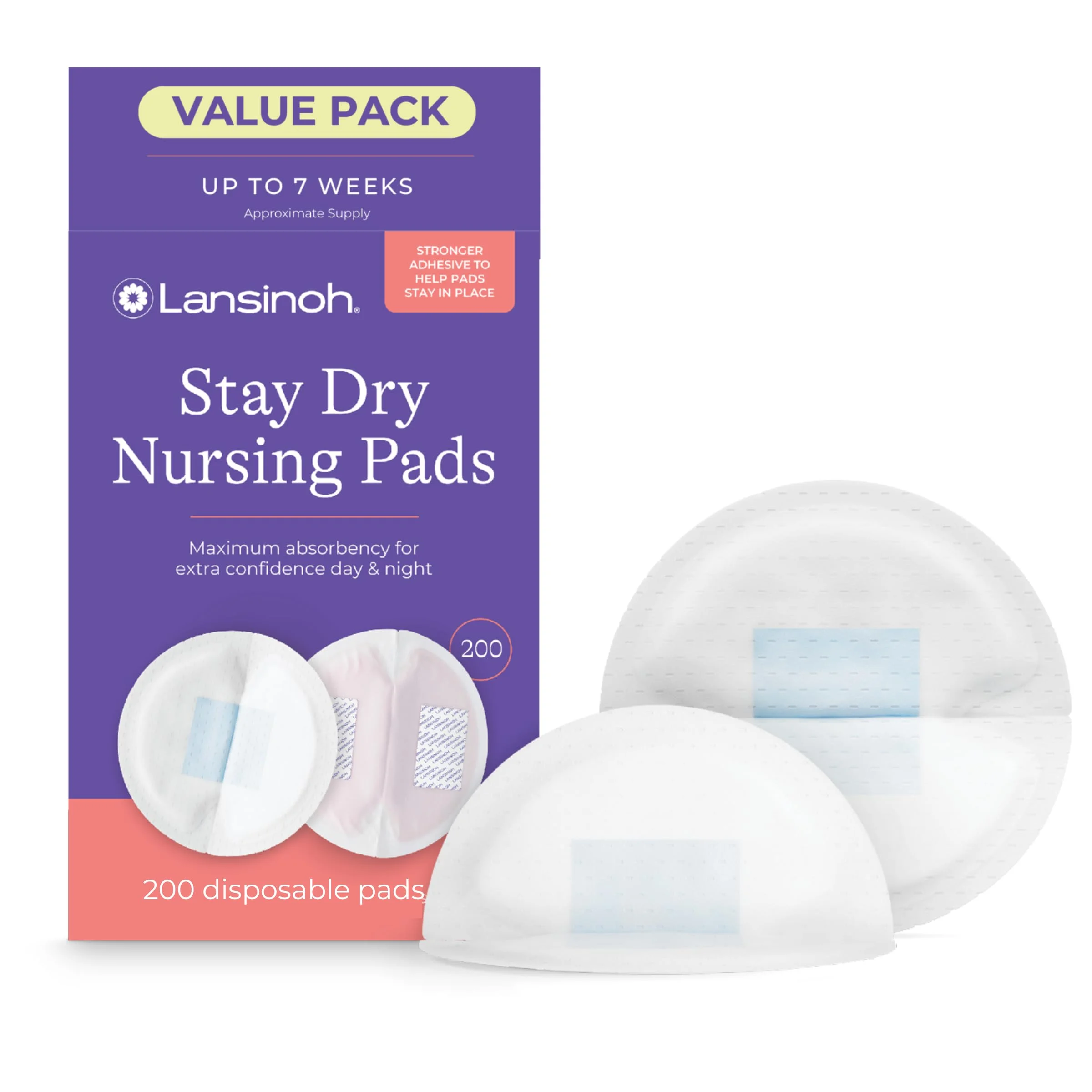
Disposable nursing pads help manage milk leaks inside a nursing bra and give parents an easy option to change away from home.
Quick Answer: What Pajamas Work Best?
For a Nursing pajamas hospital bag, choose a loose button-front pajama set, wrap-style nursing top, or nursing nightgown in breathable, machine-washable fabric. Look for easy chest access, a forgiving waistband, usable pockets, and a darker color or subtle pattern. Pack your late-pregnancy size or larger because breasts, abdomen, legs, and feet may be swollen after delivery.
The best Nursing pajamas hospital bag option is one you can manage while holding a newborn. Tiny buttons, tight elastic, complicated clips, stiff fabric, and a top that must come completely off will feel especially annoying at 3 a.m. Comfort and access matter more than matching photos.
What to Look for in Nursing Pajamas
When building a Nursing pajamas hospital bag, start with fabric. Soft cotton blends, modal, and other breathable knits tend to stretch and wash easily. Avoid anything scratchy, sheer, heavily embellished, or dry-clean only. Hospital rooms can run hot or cold, so a lightweight base layer plus a robe is more adaptable than one very heavy set.
Next, test the opening. For a Nursing pajamas hospital bag, you should be able to open and close the top with one hand. Full button fronts provide broad access for feeding and skin-to-skin contact. Pull-aside necklines can be fast, but make sure the fabric returns to place without stretching out immediately.
Then check the waistband. After a vaginal birth, bulky pads and postpartum underwear need room. After a C-section, a low or snug band may press exactly where you do not want pressure. A nightgown avoids the waistband issue, while high, very soft pants may work if the elastic does not touch your incision.
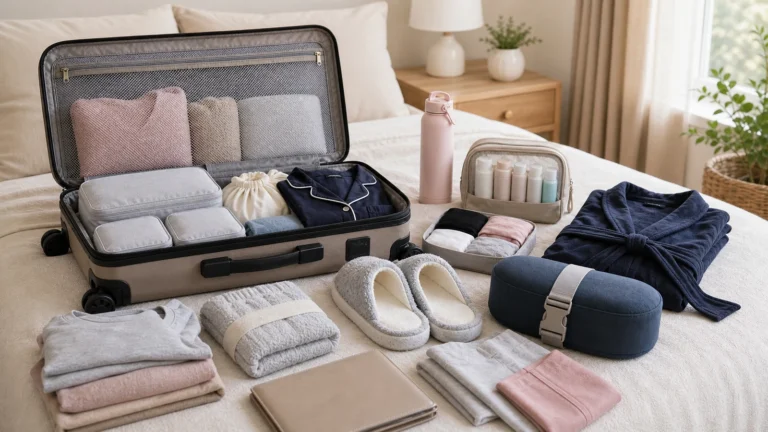
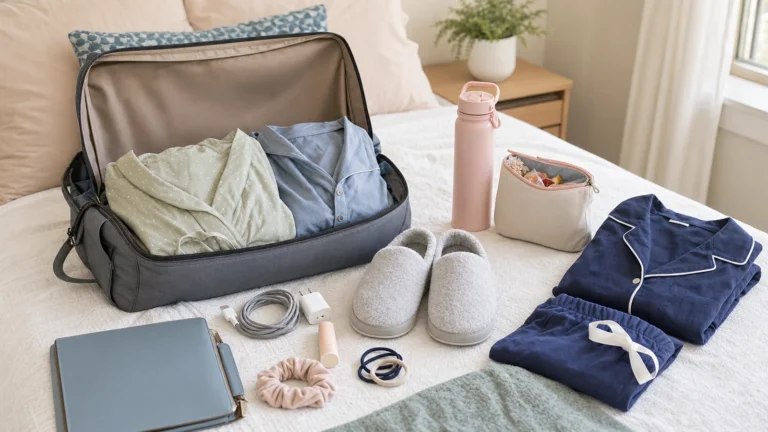
Your broader Hospital bag outfit for mom can include both pajamas and one loose going-home outfit. Keep the capsule small. One pajama set, a robe, optional bra, secure footwear, and ride-home clothes are generally more useful than multiple complete looks.
One Pajama Set I Would Pack
A soft nursing pajama set gives new moms comfortable sleepwear with practical feeding access during recovery and the first night home.
This nursing pajama set is the primary product assigned to this guide. The button-front design makes feeding and skin-to-skin contact straightforward, while separate pants can feel more familiar than a hospital gown. For a Nursing pajamas hospital bag, I would choose a roomy size and wash the set before packing it.
I would not wear the clean set through active labor. Bodily fluids, sweat, monitoring gel, and frequent checks can quickly turn comfortable pajamas into laundry. Our Labor gown vs hospital gown comparison explains why the hospital gown often remains the practical labor choice.
Pack the pajamas near the top of your bag in a labeled cube or pouch. Tell your support person exactly where they are. A garment is not convenient if somebody has to unload diapers, toiletries, and charging cables across the room to find it while you wait in a hospital gown.
Helpful Supporting Items
A Lightweight Postpartum Robe
A lightweight postpartum robe adds coverage for hallway walks, visitors, feeding sessions, and trips between the bed and bathroom.
A robe adds quick coverage over pajamas or a hospital gown, especially when visitors arrive or you walk the hallway. Choose a washable, lightweight style with manageable sleeves. Keep the belt tied and off the floor so it does not create a trip hazard or brush against bathroom surfaces.
For a compact Nursing pajamas hospital bag setup, the robe should layer over the pajama top without feeling bulky. A medium or dark shade is forgiving, and pockets are useful for lip balm or a phone. I would leave a heavy plush robe at home because it consumes too much space and can become uncomfortably warm.
A Stretchy Nursing Bra
A nursing bra with pumping access can reduce clothing changes when feeding, pumping, and resting all happen in the same room.
A soft, wire-free nursing bra is optional. Some parents appreciate light support and a place to hold nursing pads; others are more comfortable without a bra. Breast size and sensitivity can change quickly, so avoid tight bands, rigid cups, and anything that leaves deep marks.
Try the bra late in pregnancy but allow room for postpartum changes. If it causes pressure, numbness, redness, or pain, remove it. Clothing should support comfort, not become another problem to solve while feeding.
Nipple Cream
Nipple cream is a compact nursing-bag addition for soothing dry or tender skin between feeds; use it as directed on the label.
A small tube of nipple cream is easy to pack, but it is not a substitute for feeding support. If nursing hurts, your nipples are damaged, or feeding feels ineffective, ask the nurse or lactation professional to observe a feed. Use products according to their label and ask whether they should be removed before nursing.
Nursing Pads
Disposable nursing pads help manage milk leaks inside a nursing bra and give parents an easy option to change away from home.
Nursing pads can protect the top of your Nursing pajamas hospital bag outfit if leaking begins, though many parents do not leak during a short stay. Pack a small number rather than the whole box. Change damp pads promptly to keep skin dry, and follow your care team’s advice if you notice irritation or broken skin.
Two-Piece Pajamas or a Nightgown?
In a Nursing pajamas hospital bag, a two-piece set gives familiar coverage, pockets, and flexibility. You can wear the top with hospital mesh underwear before you are ready for pants. The downside is the waistband, especially after abdominal surgery, and the extra step during frequent bathroom trips.
A nightgown avoids pressure around the abdomen and makes checks easier. It can also bunch up in bed and provide less warmth for your legs. If you already own a soft button-front nightshirt, it may work perfectly; you do not need a garment labeled specifically for maternity or nursing.
For my own Nursing pajamas hospital bag, I would choose based on the expected recovery but stay flexible. Birth can change plans. If pants do not feel good, wear the pajama top with hospital underwear and use the robe for coverage. Nobody receives a prize for wearing the complete set.
How Many Sets Should You Pack?
One Nursing pajamas hospital bag set is enough for many routine stays. Add a backup top or nursing nightgown if you expect a longer admission, want protection against spit-up or leaks, or live far from anyone who could bring fresh clothing. More than two sets usually becomes unnecessary bulk.
Place clean and worn clothing in separate bags. A small wet bag or zip pouch keeps damp pajamas away from baby clothes and documents. When following the full Hospital Bag Checklist, give every category a clear home so your partner can help without asking where every item lives.
Do not forget safe footwear when walking around the room. Pajamas may be comfortable, but loose pant hems and smooth socks can create a slipping risk. Our Hospital bag slippers guide covers non-slip slippers and grippy socks. Ask for help the first time you stand after delivery, anesthesia, or medication.
Recovery and Feeding Safety Notes
Your Nursing pajamas hospital bag clothing should never interfere with IV lines, monitors, incision checks, or urgent care. Ask your nurse before changing, especially after a C-section or if you feel dizzy. Choose sleeves that can move around an IV site and closures that staff can open without pulling on tubes.
Feeding pain is not something pajamas can fix. The CDC’s breastfeeding guidance for health professionals notes that milk production concerns can have different causes and deserve appropriate support. For pain, latch concerns, supplementation questions, or worries about baby’s intake, ask your pediatric and postpartum care teams for individualized help.
The purpose of a Nursing pajamas hospital bag choice is simply access and comfort. It does not determine whether feeding succeeds, how milk arrives, or what feeding method your family ultimately uses. Pack clothing that works for nursing, pumping, formula feeding, combination feeding, and plain old resting.
Before closing the clothing cube, compare it with the complete Hospital Bag Checklist. If pajamas and robes crowd out documents, toiletries, recovery basics, or baby’s going-home clothes, reduce the wardrobe. Your future tired self will appreciate fewer decisions.
FAQ
Do I need nursing pajamas in the hospital?
No. A button-front shirt, nursing nightgown, robe over the hospital gown, or another loose top can work. Nursing pajamas are a comfort option, not a requirement.
Should I wear pajamas during labor?
The hospital gown is usually more practical for active labor, monitoring, procedures, and fluids. Save clean pajamas for recovery unless your care team approves your clothing choice.
What size nursing pajamas should I pack?
Use your late-pregnancy size or a roomy size that allows for breast, abdominal, and leg swelling. Avoid tight waistbands and restrictive chest seams.
Are pants comfortable after a C-section?
They can be if the waistband is very soft, high, and well away from the incision, but many parents prefer a nightgown initially. Ask your care team about incision comfort and checks.
My final Nursing pajamas hospital bag formula is one soft, roomy, dark set with easy front access, plus a lightweight robe if you like extra coverage. Add an optional bra, a few nursing pads, and a small cream only if those items fit your plans. Keep the clean pajamas for recovery and let comfort outrank appearance.
Use the Hospital Bag Checklist for your final pass, then stop adding clothes. One thoughtfully chosen set that fits your postpartum body will do more useful work than several outfits packed for imaginary hospital photos.
Shop nursing comfort picks