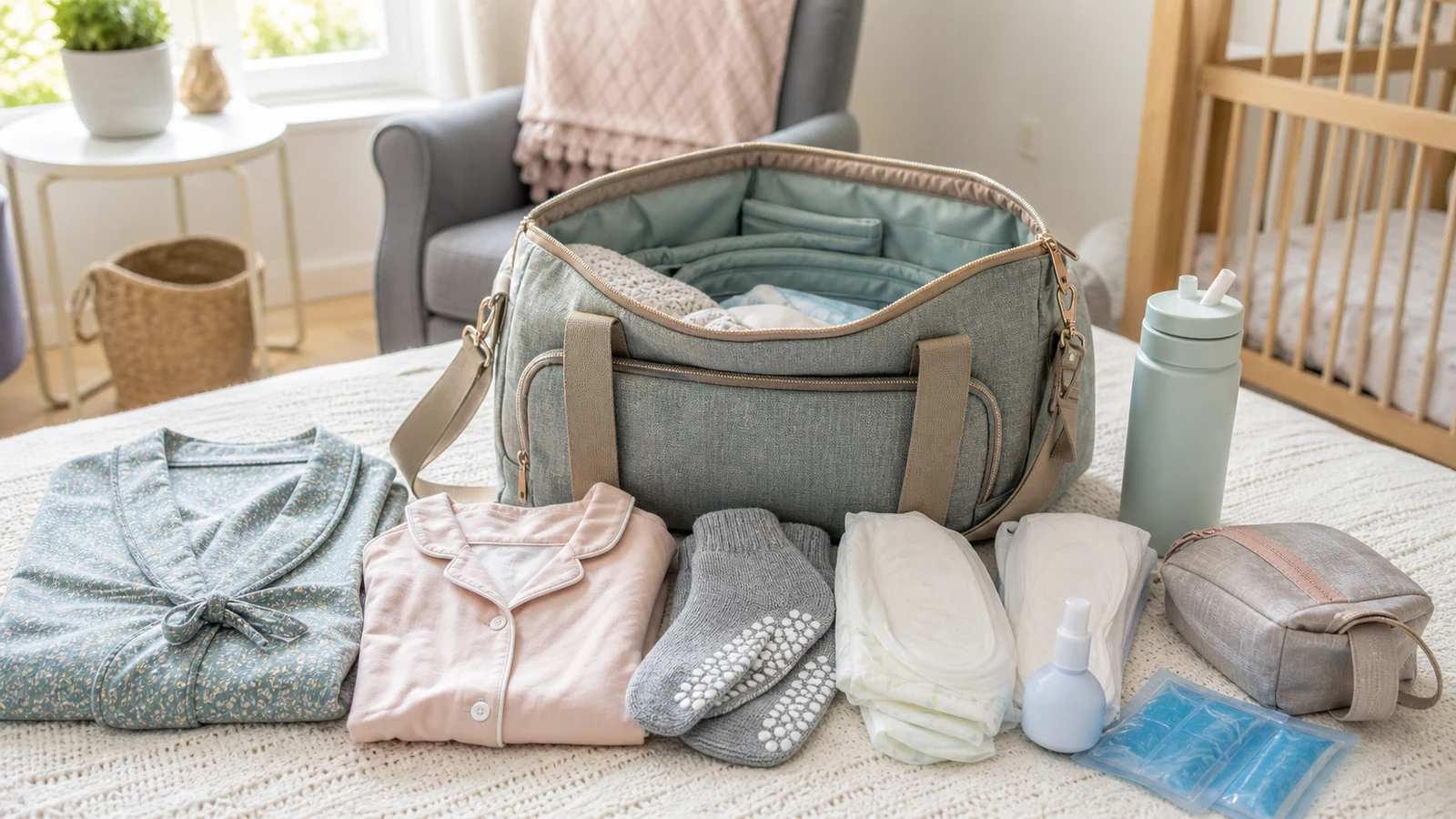
Hospital Bag for Vaginal Delivery: What to Pack for Labor, Birth, and Recovery Room
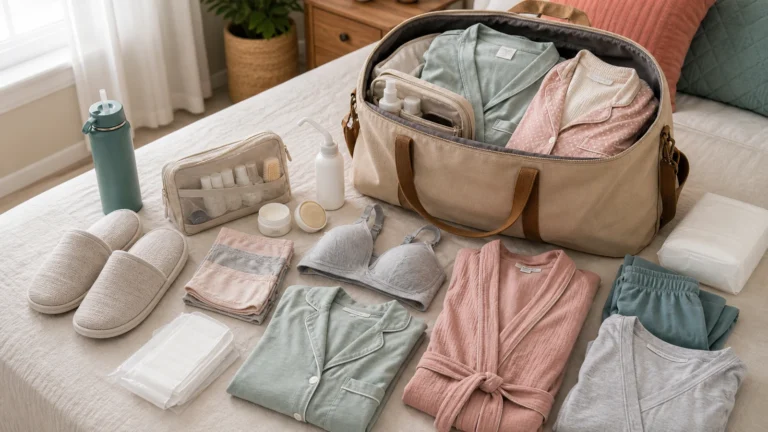
Hospital bag vaginal delivery packing should cover labor comfort, bathroom recovery, a first outfit for the postpartum room, easy hydration, and a few practical cleanup supplies. After three births, I think the best bag is not the biggest one. It is the bag your partner can open at 3 a.m. and actually find the gown, grippy socks, pads, peri bottle, and water bottle without asking you twelve questions during contractions.
A Hospital bag vaginal delivery list works best when it starts with the full Hospital Bag Checklist and then narrows down to what helps during labor, birth, and the first recovery-room hours. Your hospital may provide many basics, so use this as a practical comfort layer, not a reason to overpack.
Disclosure: BabyEthos is reader-supported. As an Amazon Associate, we earn from qualifying purchases. This does not change what you pay, and product choices should never replace your hospital’s instructions or your clinician’s guidance.
QUICK SHOP
Vaginal Delivery Hospital Bag Picks
These assigned picks focus on labor clothing, safe walking, bathroom recovery, hydration, and quick cleanup for the first postpartum stretch.
Labor Clothing and Footing
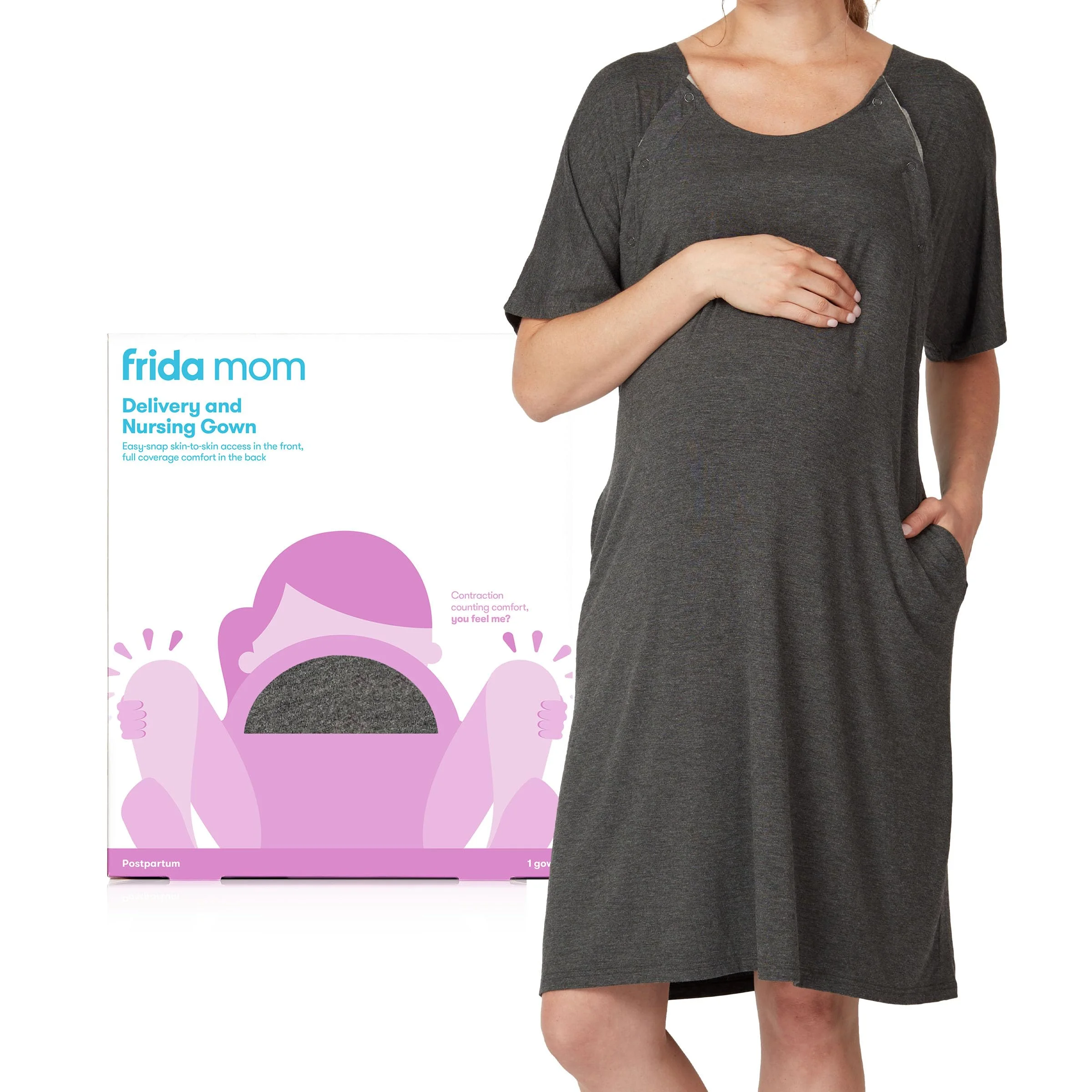
A labor and delivery gown offers personal coverage and easier nursing or skin-to-skin access when hospital-issued gowns feel too exposed.
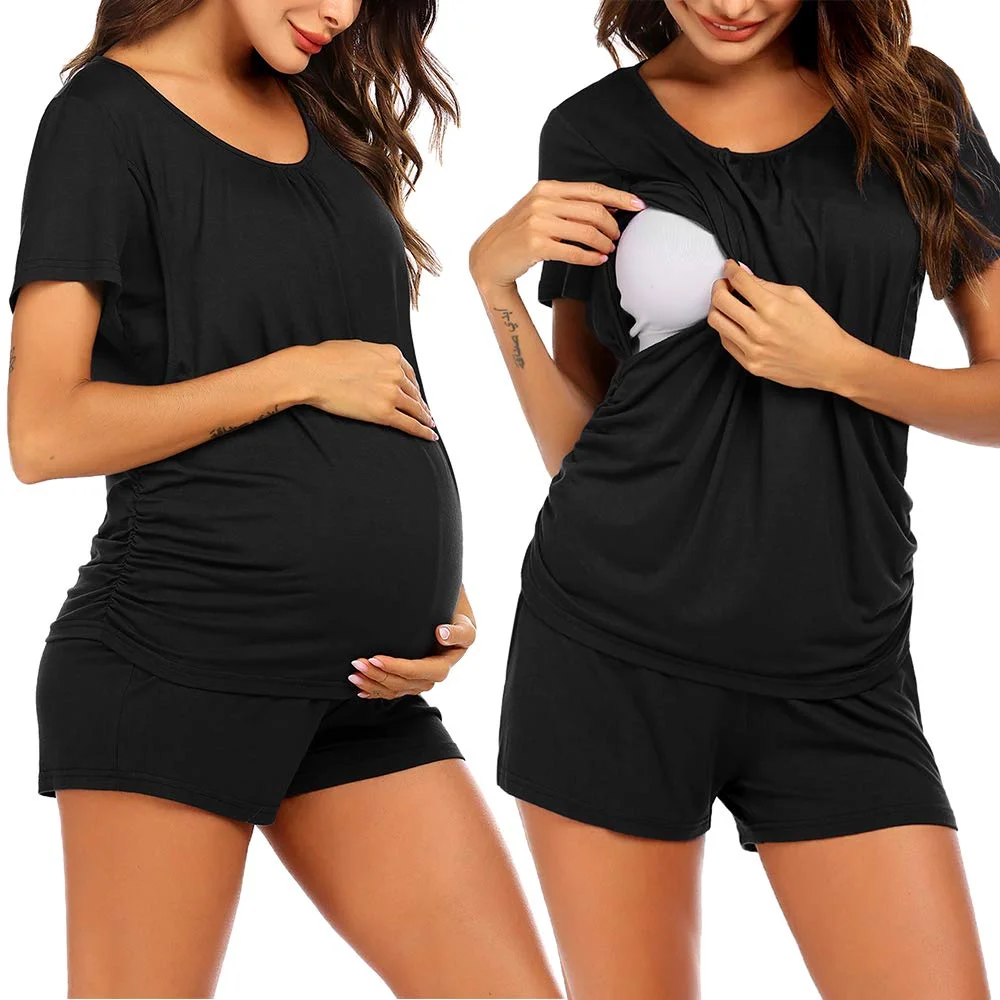
A soft nursing pajama set gives new moms comfortable sleepwear with practical feeding access during recovery and the first night home.
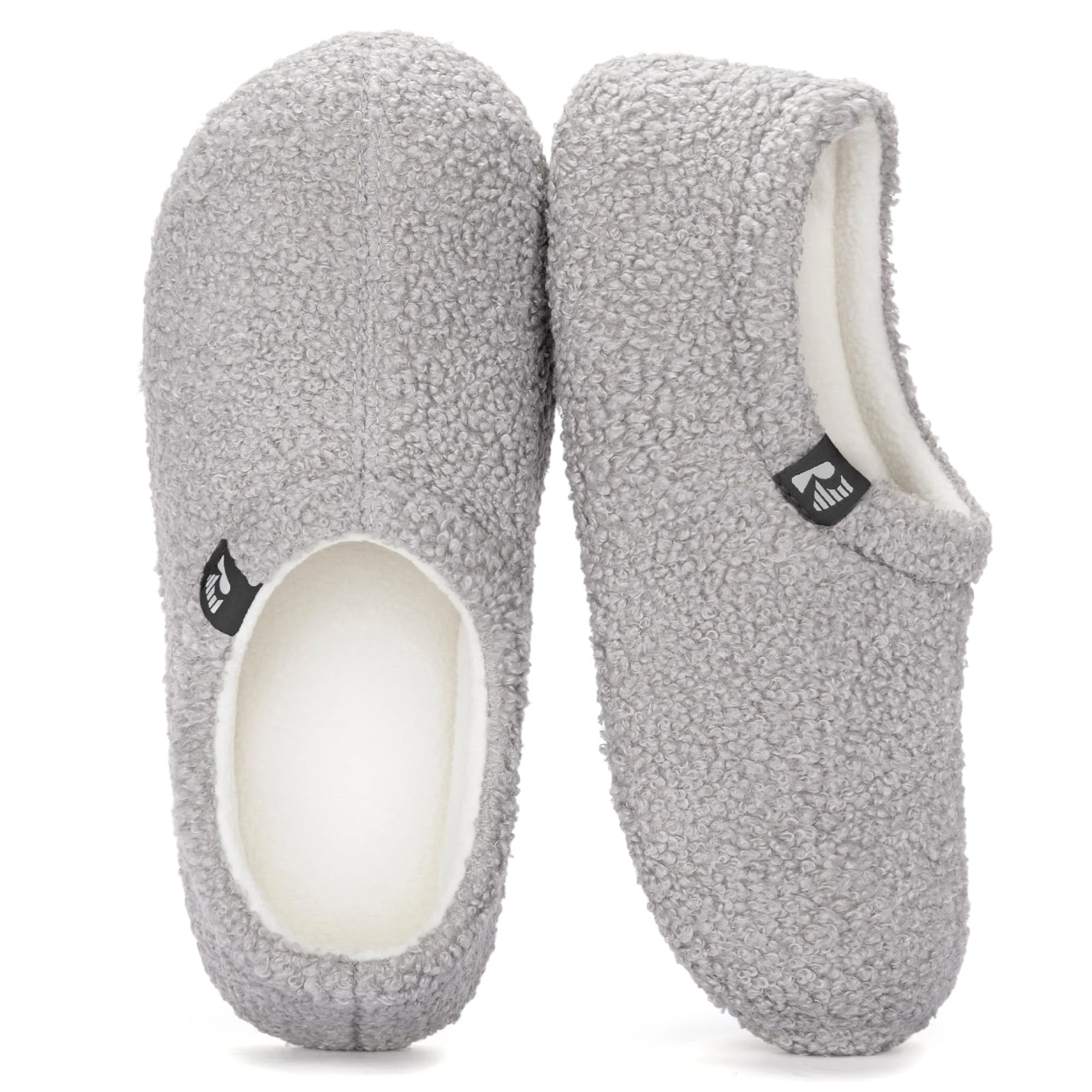
Closed-back non-slip slippers provide warmth and steadier footing for short walks around the recovery room and hospital hallway.
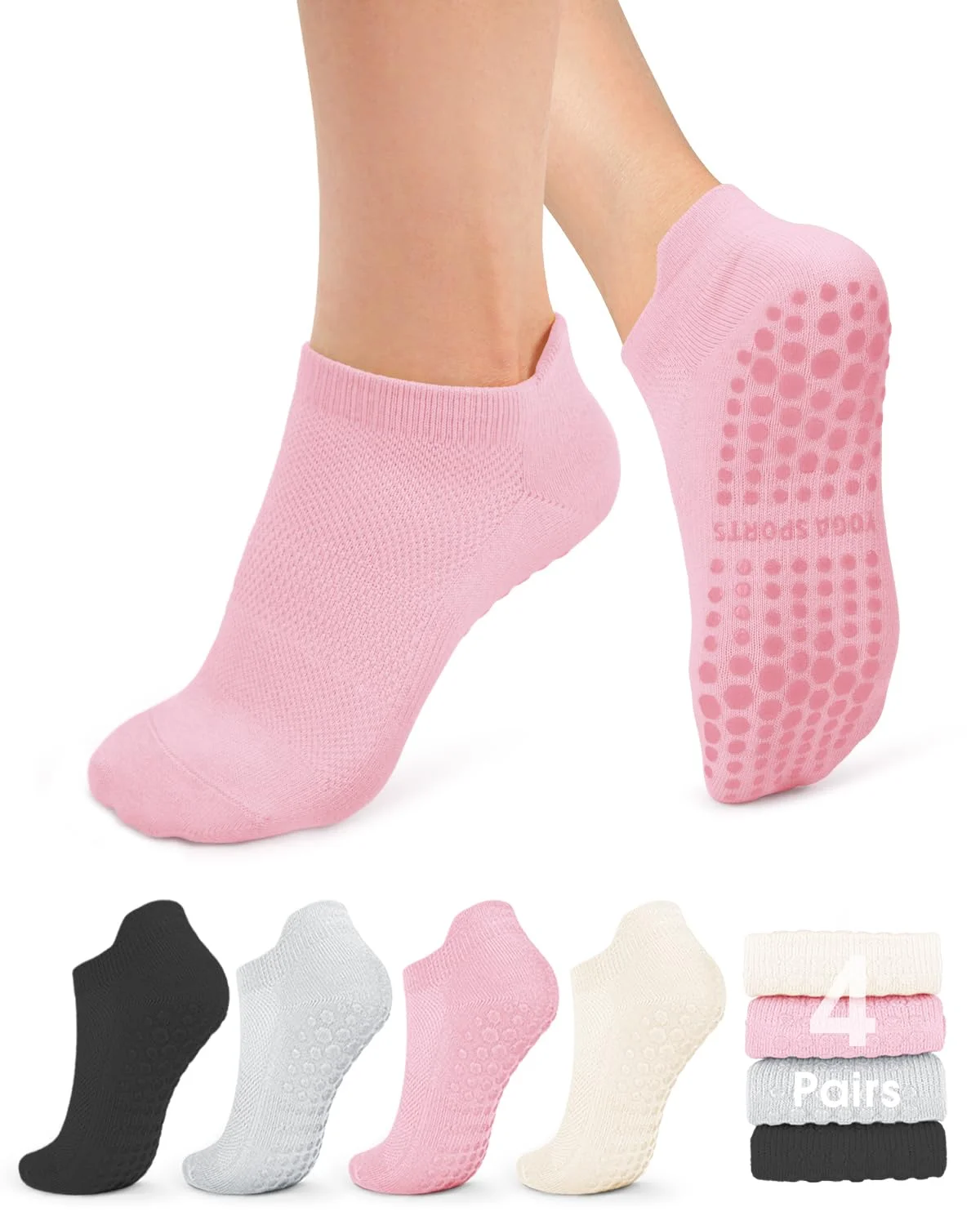
Grippy socks are an easy, washable option for keeping feet warm while adding traction on smooth hospital floors.
Recovery Room and Hydration
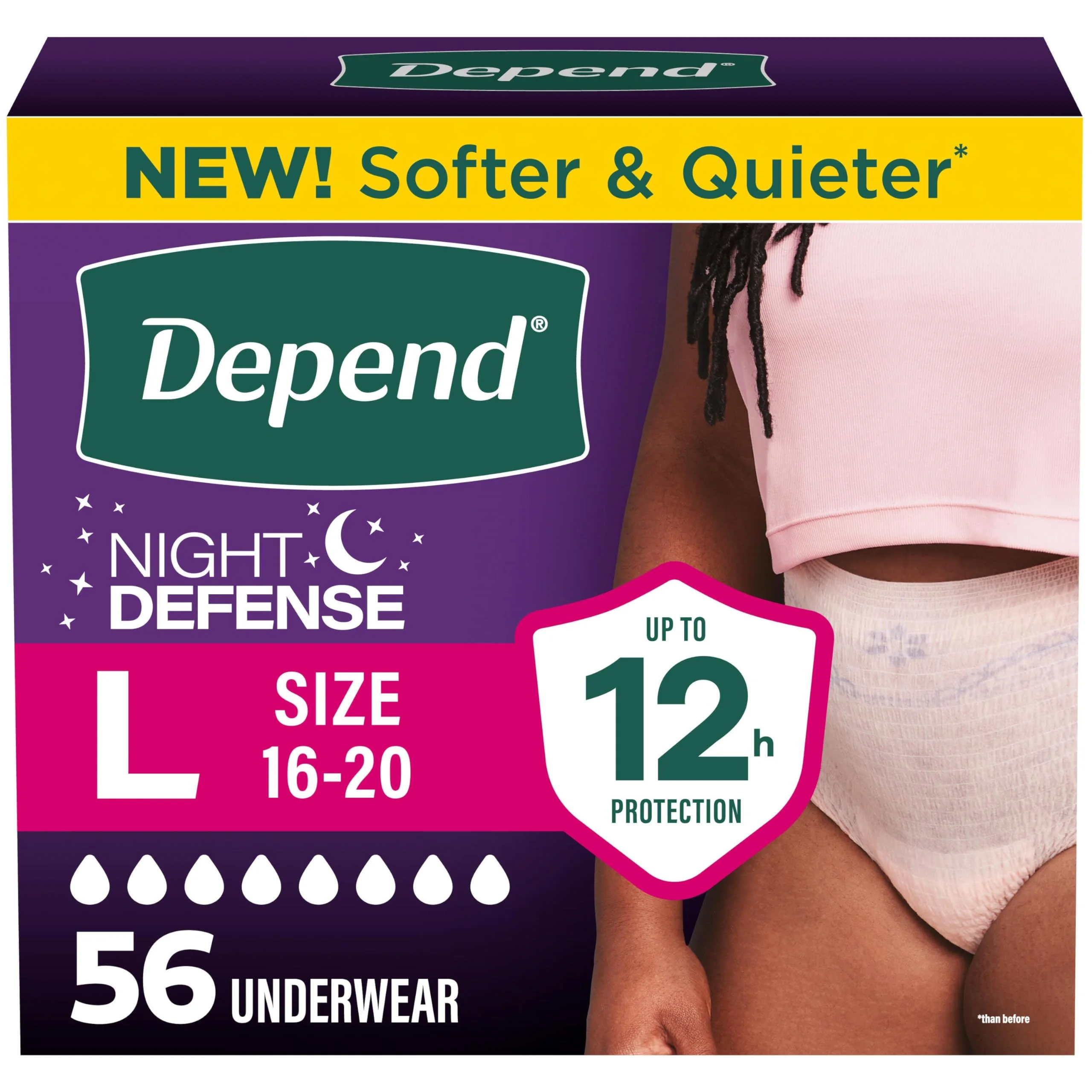
Disposable postpartum underwear provides fuller coverage for heavy early bleeding and can feel more secure than layering pads in regular underwear.
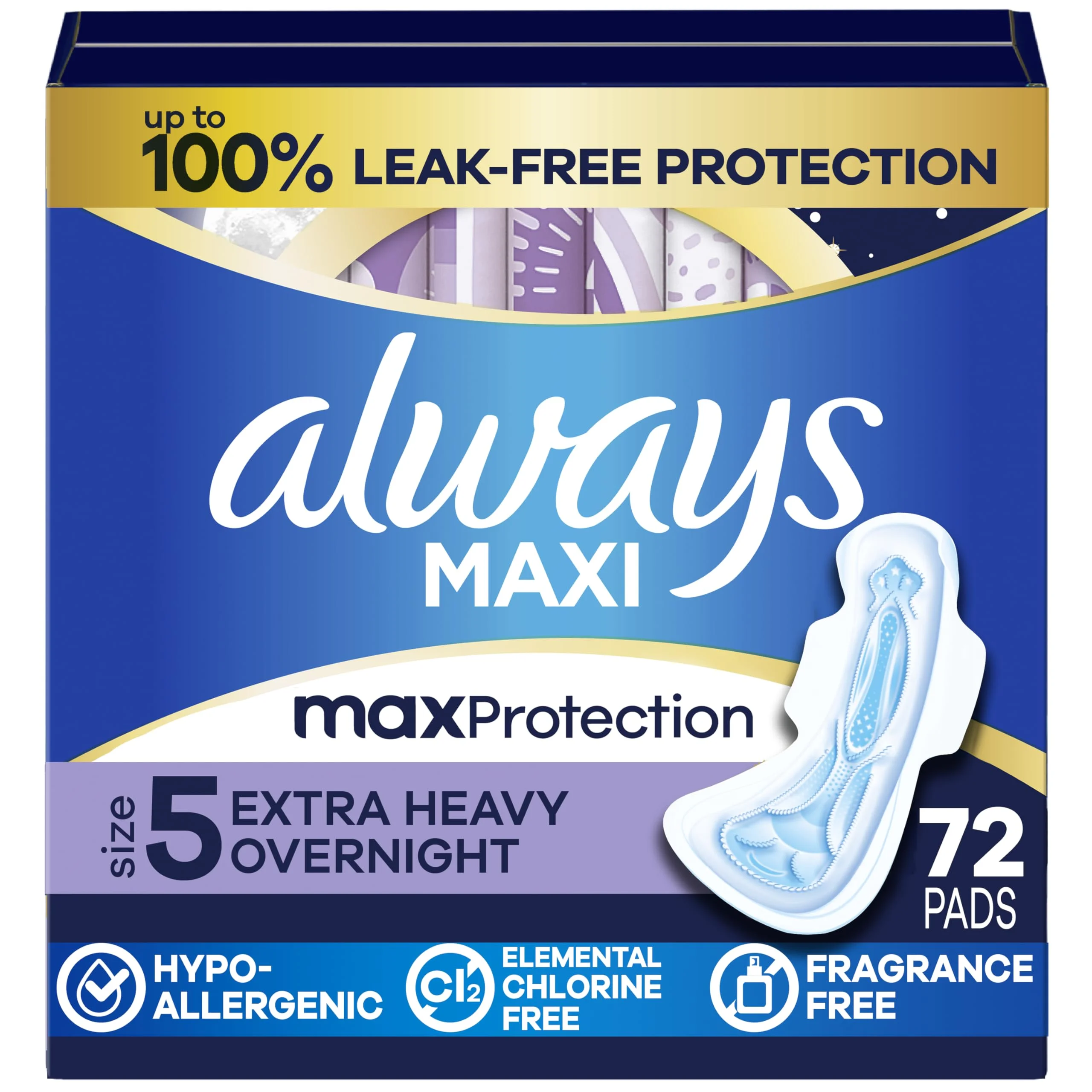
Heavy-flow postpartum pads add an absorbent backup for discharge day and the first days home when hospital supplies run out.
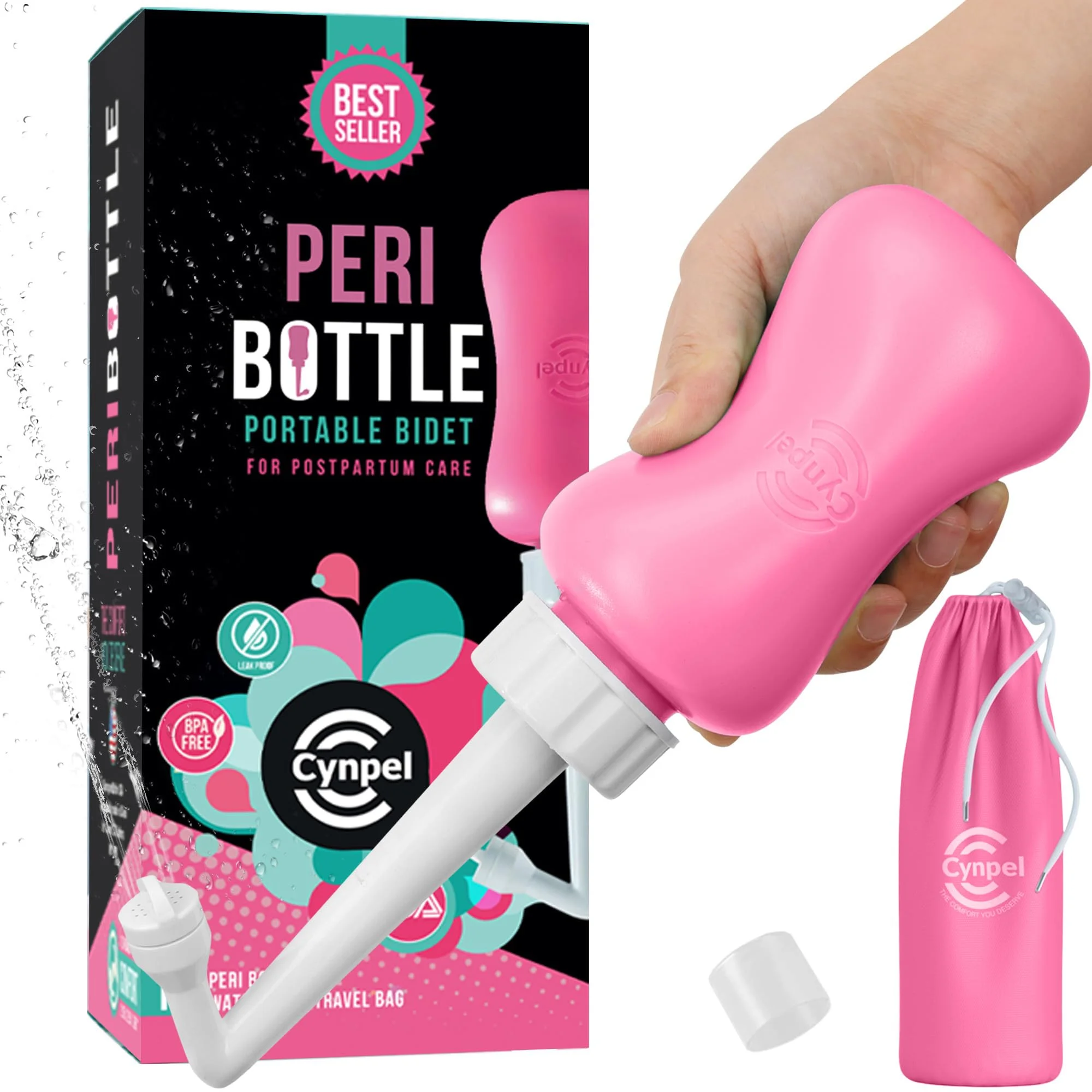
An upside-down peri bottle makes gentle rinsing easier after vaginal delivery, particularly when reaching and bending feel uncomfortable.
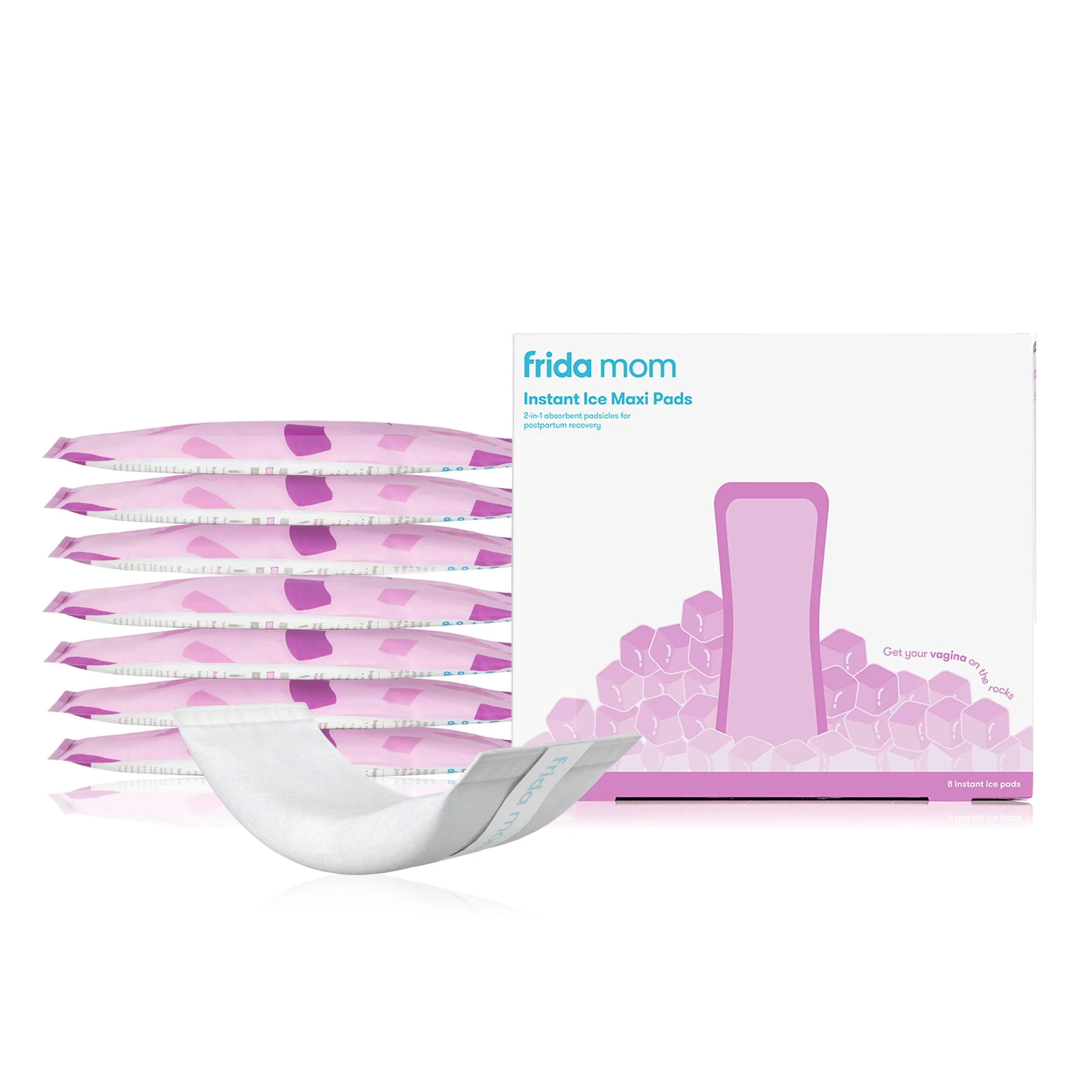
Perineal cold packs combine cooling comfort with absorbency for early postpartum recovery; follow hospital guidance for timing and use.
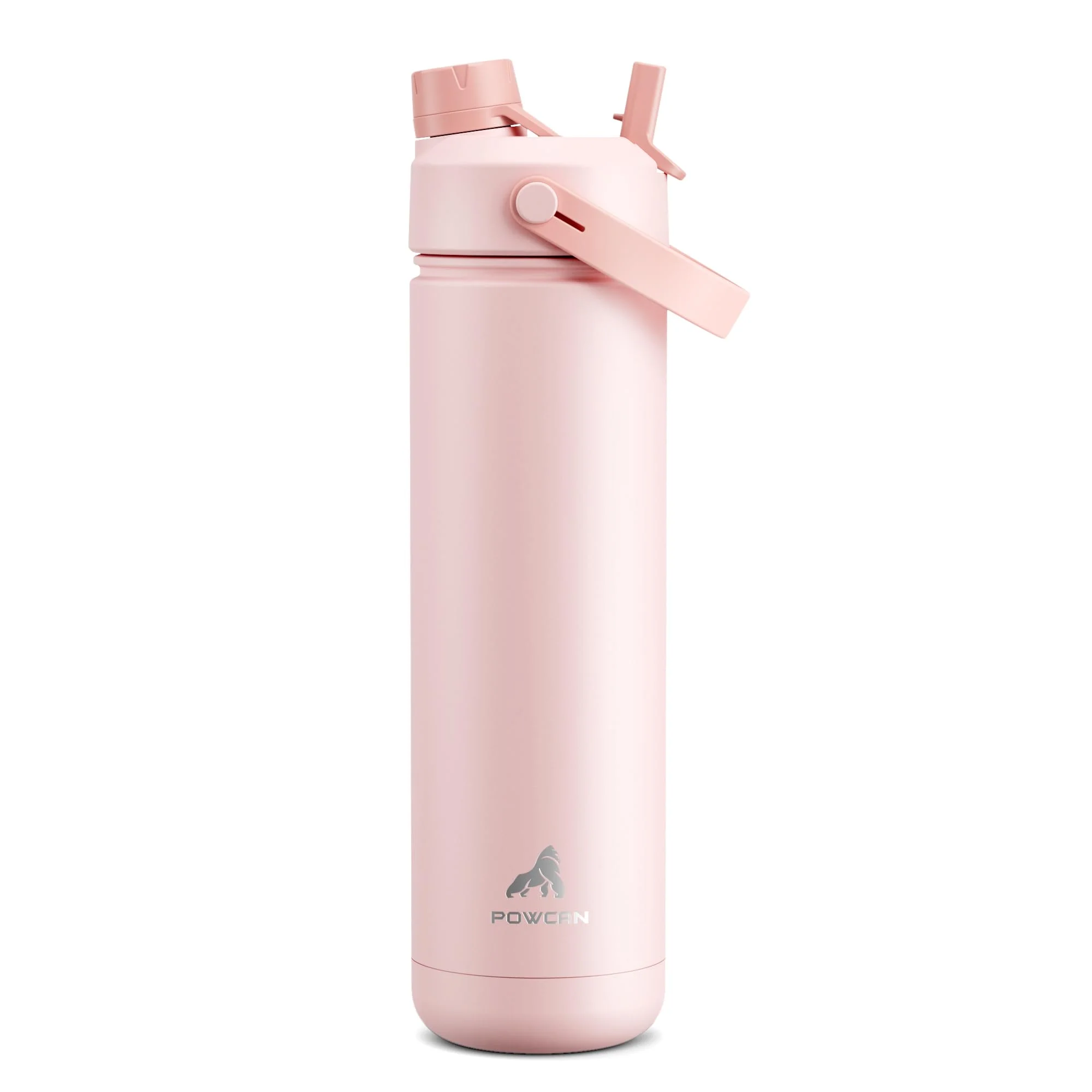
An insulated water bottle with a straw is easier to use one-handed while resting, feeding, or recovering in bed.
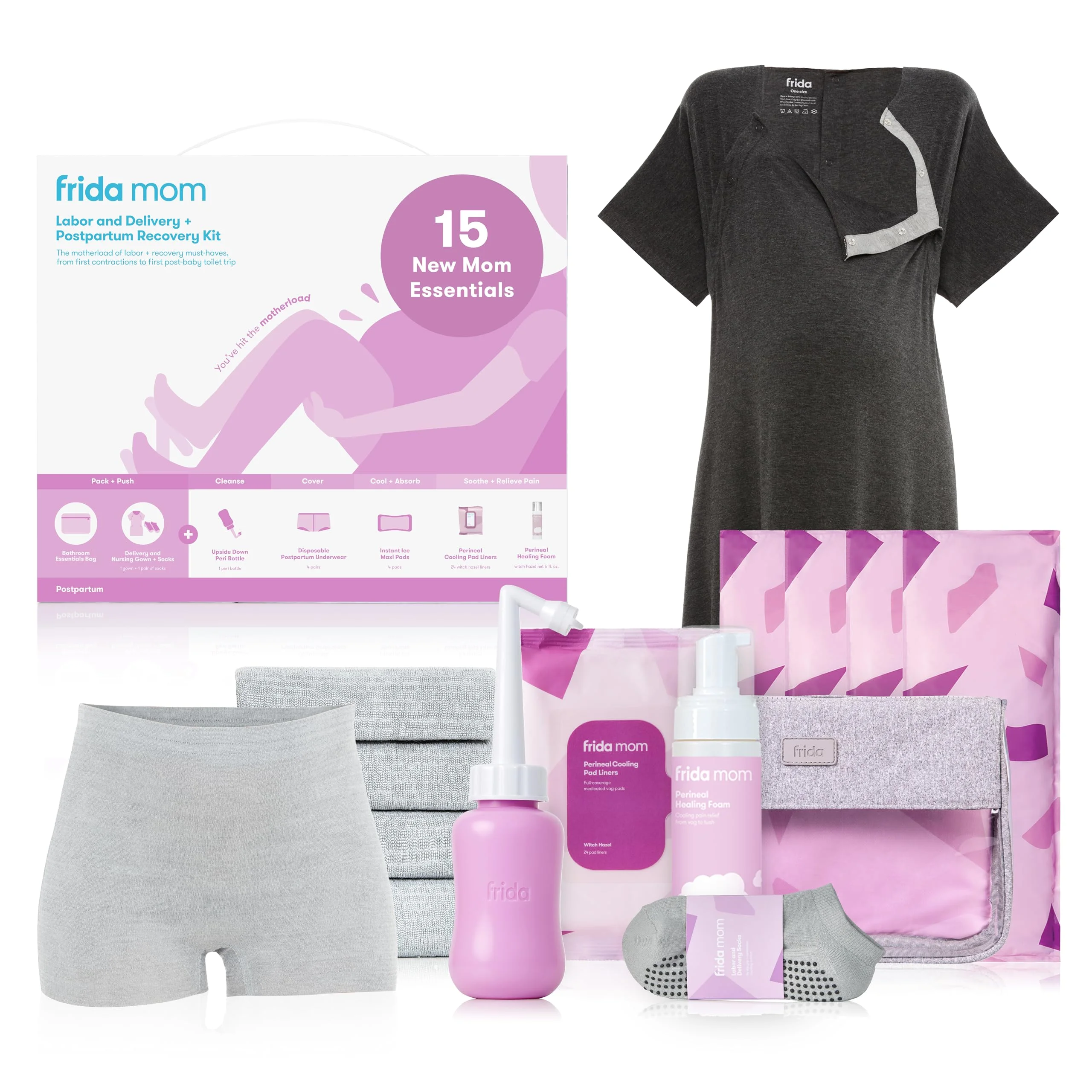
This multi-piece labor and postpartum kit groups a gown, disposable underwear, peri care, and cold-pad supplies in one ready-to-pack set.
Quick Answer: What Should You Pack?
The short answer: Hospital bag vaginal delivery packing should include a labor gown or easy nursing pajamas, grippy footwear, high-rise disposable underwear, heavy-flow pads, a peri bottle, perineal cold packs, a straw water bottle, basic toiletries, and a small cleanup kit. Add your ID, insurance card, birth plan if you use one, phone charger, baby going-home outfit, and any medications or instructions your hospital tells you to bring.
If you are building the whole suitcase from scratch, do one full pass through the parent hospital bag checklist first. Then use this Hospital bag vaginal delivery guide to decide which items deserve top-layer placement because they may be needed during labor or soon after birth.
Start With Clothing You Can Labor In
For a Hospital bag vaginal delivery, clothing needs to be simple: easy access for monitoring, loose enough for movement, and not so precious that you worry about stains. A labor and delivery gown can feel more personal than a hospital gown while still being practical. I would choose one that opens easily, does not drag on the floor, and can be tossed straight into laundry when you get home.
A labor and delivery gown offers personal coverage and easier nursing or skin-to-skin access when hospital-issued gowns feel too exposed.
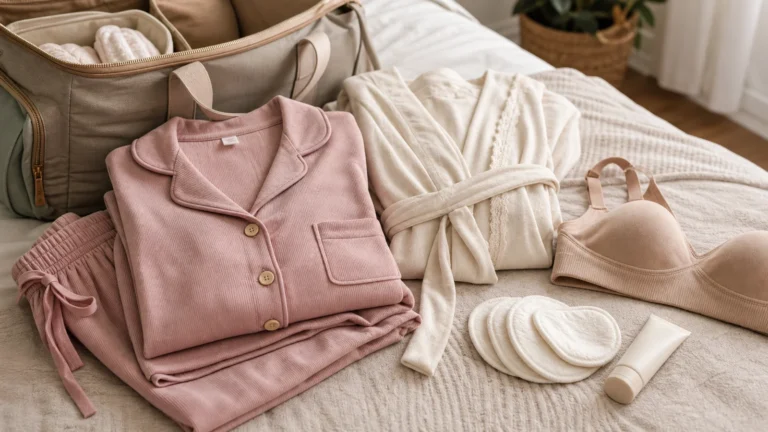
Nursing pajamas are more of a recovery-room item than an active pushing item, but they are still worth packing if you want soft clothes after the first cleanup. Button or crossover access helps if you plan to breastfeed, pump, or do skin-to-skin under a blanket. A Hospital bag vaginal delivery setup should keep that first change of clothes near the top, not buried under snacks and baby blankets.
A soft nursing pajama set gives new moms comfortable sleepwear with practical feeding access during recovery and the first night home.
Pack Footwear for Hallways and Bathroom Trips
Labor often involves more movement than first-time parents expect: triage, bathroom trips, hallway walks, position changes, and the slow shuffle after delivery. Non-slip slippers are easy to slide on when bending feels annoying, while grippy socks are useful if your hospital room is chilly or you prefer socks in bed. In my own bags, footwear is boring until the exact moment it becomes essential.
Closed-back non-slip slippers provide warmth and steadier footing for short walks around the recovery room and hospital hallway.
Grippy socks are an easy, washable option for keeping feet warm while adding traction on smooth hospital floors.
Put shoes or socks in an outside pocket, not in a clothing cube. A practical Hospital bag vaginal delivery plan assumes you may ask someone else to find them while you are attached to monitors or holding a baby. Clear placement beats cute organization.
Build a Small Bathroom Recovery Kit
The bathroom is where many parents suddenly understand why vaginal birth recovery supplies matter. Hospitals often provide mesh underwear, pads, peri bottles, and ice packs, but the exact supplies vary. I still like packing a small backup kit because familiar, reachable items can make those first bathroom trips feel less overwhelming.
Disposable postpartum underwear provides fuller coverage for heavy early bleeding and can feel more secure than layering pads in regular underwear.
Disposable postpartum underwear is helpful when regular underwear feels too low, too tight, or too precious to stain. Heavy-flow postpartum pads are a small backup, not a sign that you need to bring the whole bathroom cabinet. For a Hospital bag vaginal delivery, I would pack a few pieces in a clear pouch and use what your nurse recommends first.
Heavy-flow postpartum pads add an absorbent backup for discharge day and the first days home when hospital supplies run out.
An upside-down peri bottle can make rinsing easier when reaching feels awkward. Perineal cold packs can also be useful, but they are comfort items, not medical treatment. Ask your nurse what to use, how long to use cold therapy, and when to call for help. This is the safety line I keep for every Hospital bag vaginal delivery list: pack comfort tools, then let the care team guide how you use them.
An upside-down peri bottle makes gentle rinsing easier after vaginal delivery, particularly when reaching and bending feel uncomfortable.
Perineal cold packs combine cooling comfort with absorbency for early postpartum recovery; follow hospital guidance for timing and use.
A small hospital bag cleaning kit is not glamorous, but birth bags collect spills, stained laundry, sticky snack wrappers, and random bathroom items fast. Use it for simple cleanup tasks only. Do not use wipes, sprays, or scented products on sensitive healing skin unless your clinician says they are appropriate.
This multi-piece labor and postpartum kit groups a gown, disposable underwear, peri care, and cold-pad supplies in one ready-to-pack set.
Keep Hydration and Baby Basics Easy to Reach
A straw water bottle is one of the least dramatic items in a Hospital bag vaginal delivery kit, and one of the most useful. You may want sips during early labor if your hospital allows it, after delivery, while feeding, or when everyone else is asleep. Follow your hospital’s rules about eating and drinking during labor, especially if your care plan changes.
An insulated water bottle with a straw is easier to use one-handed while resting, feeding, or recovering in bed.
Baby basics can stay simple: an installed car seat, one soft going-home outfit, a backup outfit, and weather-appropriate layers that do not interfere with car-seat straps. If you are unsure what counts as car-seat friendly clothing, our baby going home outfit guide walks through the details.
My Packing Order for Vaginal Birth
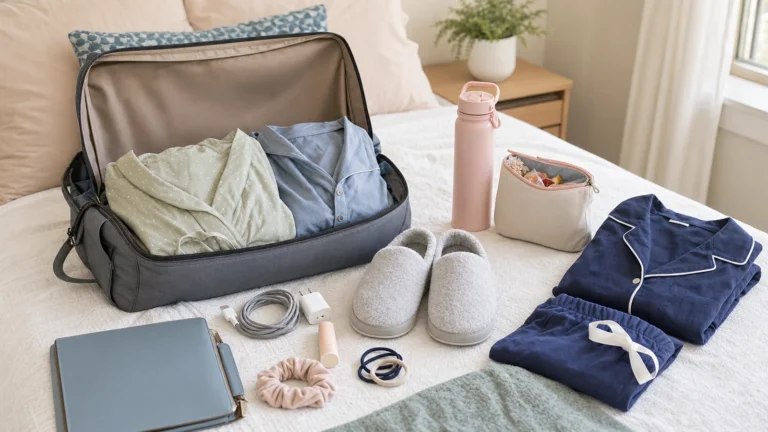
- Top pocket: ID, insurance card, birth plan, phone charger, lip balm, and hair ties.
- Labor layer: gown, grippy socks, slippers, and anything your support person may need to grab quickly.
- Recovery pouch: disposable underwear, pads, peri bottle, cold packs, and cleanup supplies.
- Postpartum room cube: nursing pajamas, toiletries, water bottle, and the first baby outfit.
- Leave by the door: car seat, partner bag, and any last-minute medication or glasses case.
This order keeps the Hospital bag vaginal delivery items you might need first closest to the zipper. It also keeps the broader Hospital Bag Checklist from turning into a scavenger hunt once contractions are close together and everyone is moving quickly.
Safety Notes Before You Zip the Bag
A Hospital bag vaginal delivery article can help you pack, but it cannot tell you when to go to the hospital or how your labor should be managed. For general patient education, ACOG explains common labor symptoms. Your own clinician’s instructions matter most, especially if you have bleeding, decreased fetal movement, water breaking, severe pain, fever, high blood pressure concerns, or any high-risk factor.
Use postpartum recovery items only as directed. Ask before using cold packs, sprays, medications, supplements, or anything scented near sensitive tissue. If bleeding seems heavy, pain is worsening, you feel faint, or something simply feels wrong, call the nurse. A good Hospital bag vaginal delivery plan supports care; it does not replace care.
What I Would Skip
I would skip expensive pajamas you are afraid to stain, low-rise underwear, stiff slippers, extra blankets your hospital already provides, and a giant recovery kit you have not reviewed with your care team. I would also skip packing every possible baby outfit. One clean backup is useful; six tiny outfits are usually clutter.
The smartest Hospital bag vaginal delivery strategy is to pack for the first messy, emotional, practical hours after birth. You want comfort, reachable supplies, safe walking, simple feeding access, and a clean ride-home plan, not a suitcase that feels like a nursery closet.
FAQ
What should I wear for a vaginal delivery?
You can wear the hospital gown, your own labor gown, or whatever your facility allows. Choose something loose, easy to open for monitoring or skin-to-skin, and easy to wash.
Do I need postpartum pads if the hospital provides them?
Usually the hospital provides pads, but a small backup pack can be comforting. Use hospital supplies first if they work well, and ask your nurse about bleeding concerns.
Is a peri bottle necessary?
Many hospitals provide one. Some parents prefer an upside-down peri bottle for easier rinsing, but the important part is following nurse instructions for cleaning and comfort.
How many clothes should I pack for myself?
For most straightforward stays, one labor option, one soft postpartum outfit, and one going-home outfit are enough. Add a backup if your hospital expects a longer stay.
My final Hospital bag vaginal delivery rule is this: put the most likely items where tired adults can find them quickly. If the gown, socks, pads, peri bottle, water, and baby outfit are easy to reach, the bag is doing its job.
Before you close the suitcase, do one last pass with the parent Hospital Bag Checklist so documents, partner items, phone power, baby basics, and vaginal birth recovery supplies all have a clear place.
Shop Vaginal Delivery Picks