Hospital Bag Organization Tips: How to Find Everything Fast at the Hospital
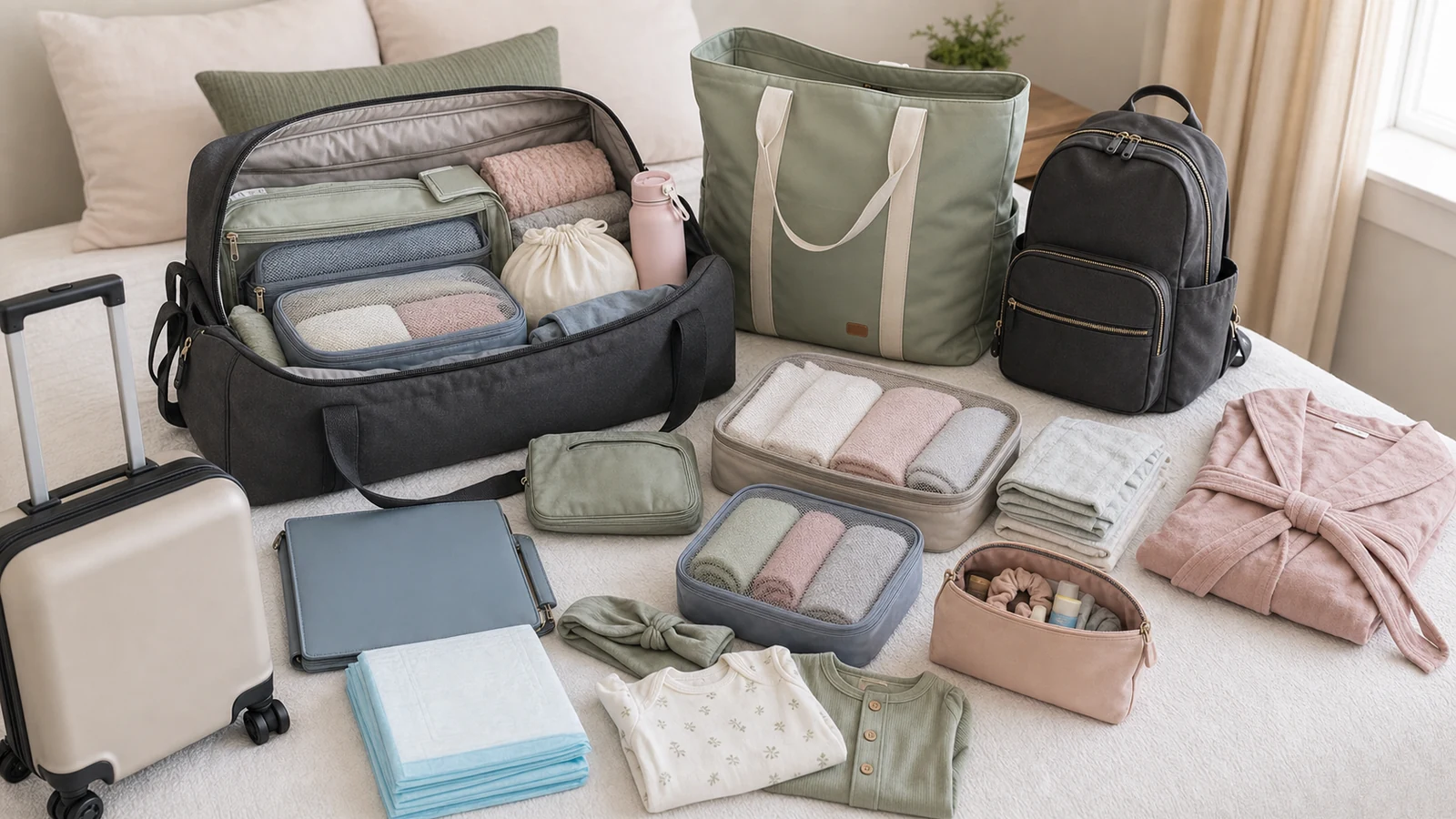
Hospital bag organization tips are less about making the bag look pretty and more about helping tired people find things quickly. I would organize the hospital bag by job: check-in documents, labor comfort, mom recovery, baby discharge, laundry or damp items, and the support person’s grab-and-go items. That way, nobody has to empty the whole bag on the hospital bed just to find socks, insurance cards, or a clean baby outfit.
Use the parent Hospital Bag Checklist to decide what belongs in the bag, then use these Hospital bag organization tips to decide where everything should go. The list matters, but the layout is what saves your partner from rummaging through every pocket.
Disclosure: BabyEthos is reader-supported. As an Amazon Associate, we earn from qualifying purchases. This does not change what you pay, and product choices should never replace your hospital’s instructions, product size charts, or your clinician’s guidance.
QUICK SHOP
Hospital Bag Organization Picks
These assigned picks support the system: one main bag, one helper bag, baby discharge storage, wheels if needed, packing cubes, wet-dry storage, document control, and a clean surface backup.
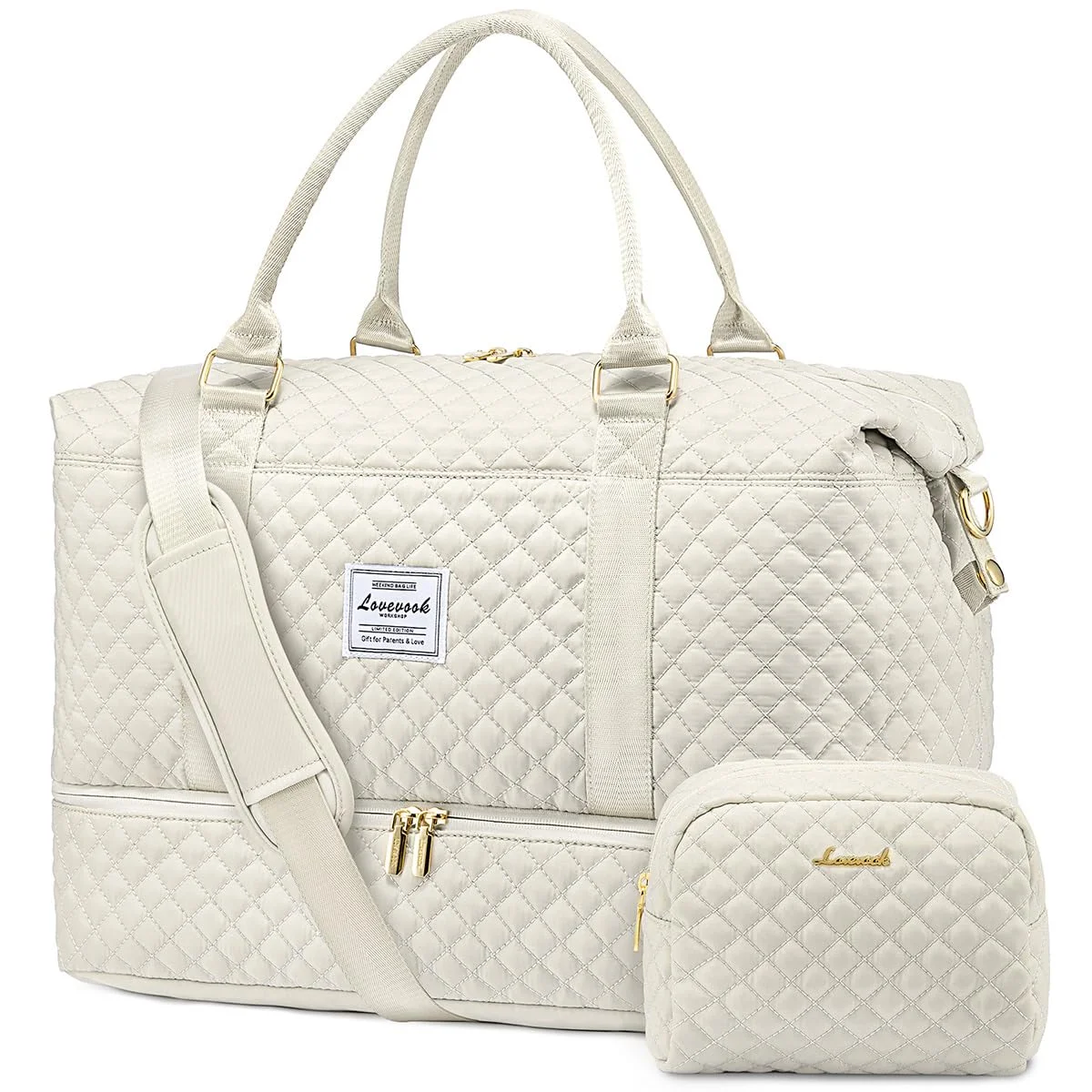
A roomy weekender duffel bag that keeps clothing, toiletries, and small labor essentials together without requiring a full-size suitcase.
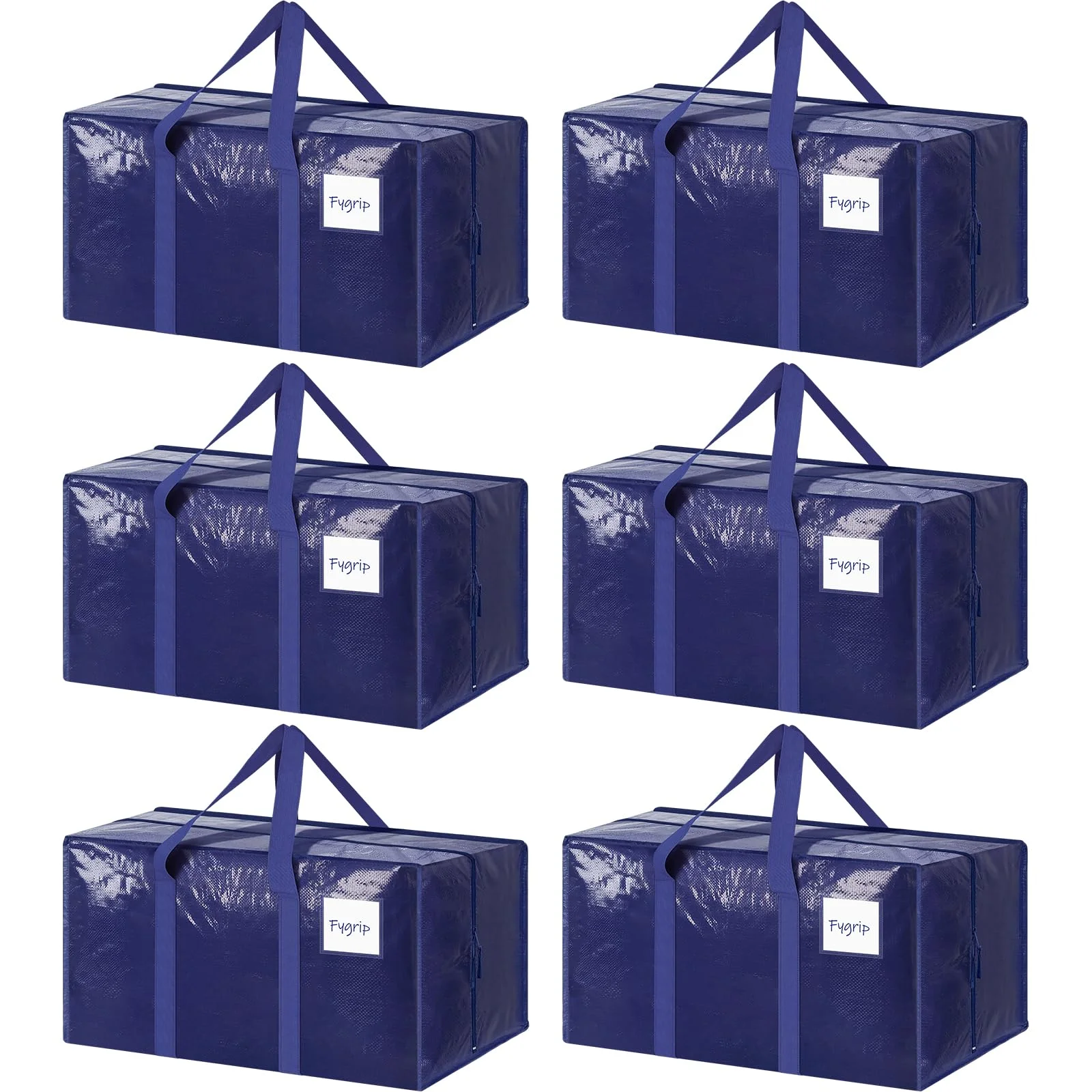
These large tote bags offer flexible storage when parents prefer separate bags for clothing, recovery supplies, and partner items.
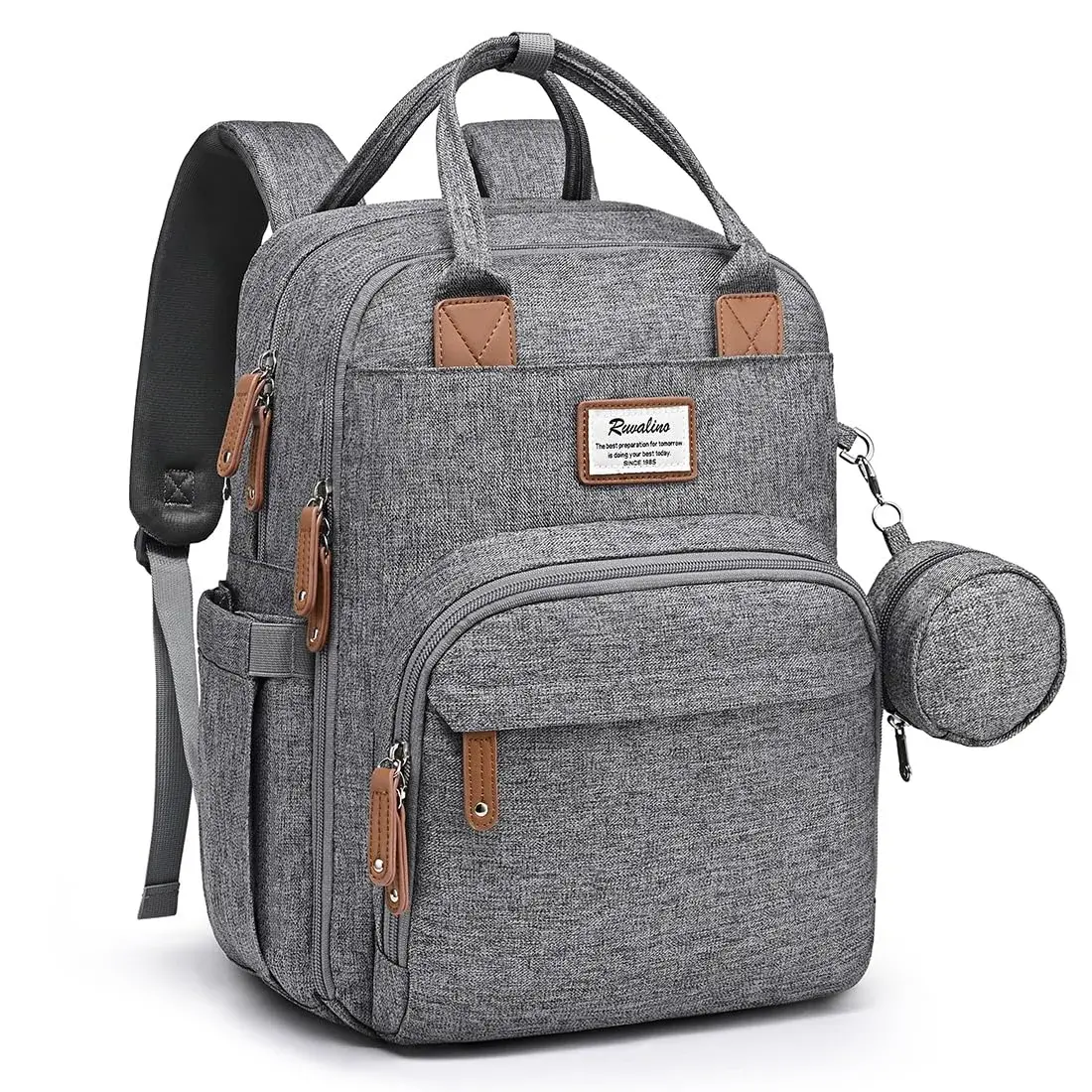
A hands-free diaper bag backpack with organized pockets for baby basics, chargers, paperwork, and the trip home.
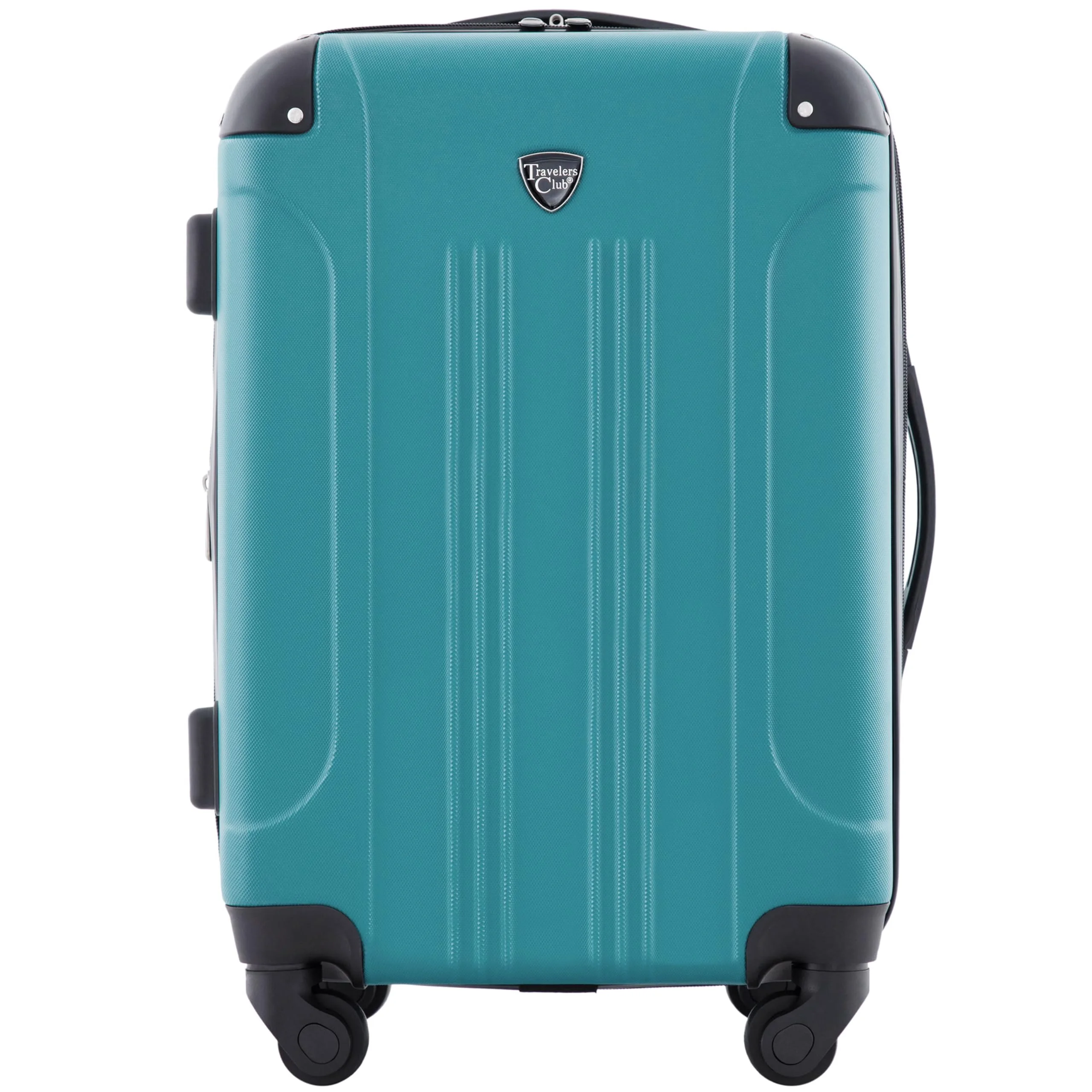
A carry-on rolling suitcase makes heavier hospital supplies easier to move, especially for a planned or potentially longer stay.
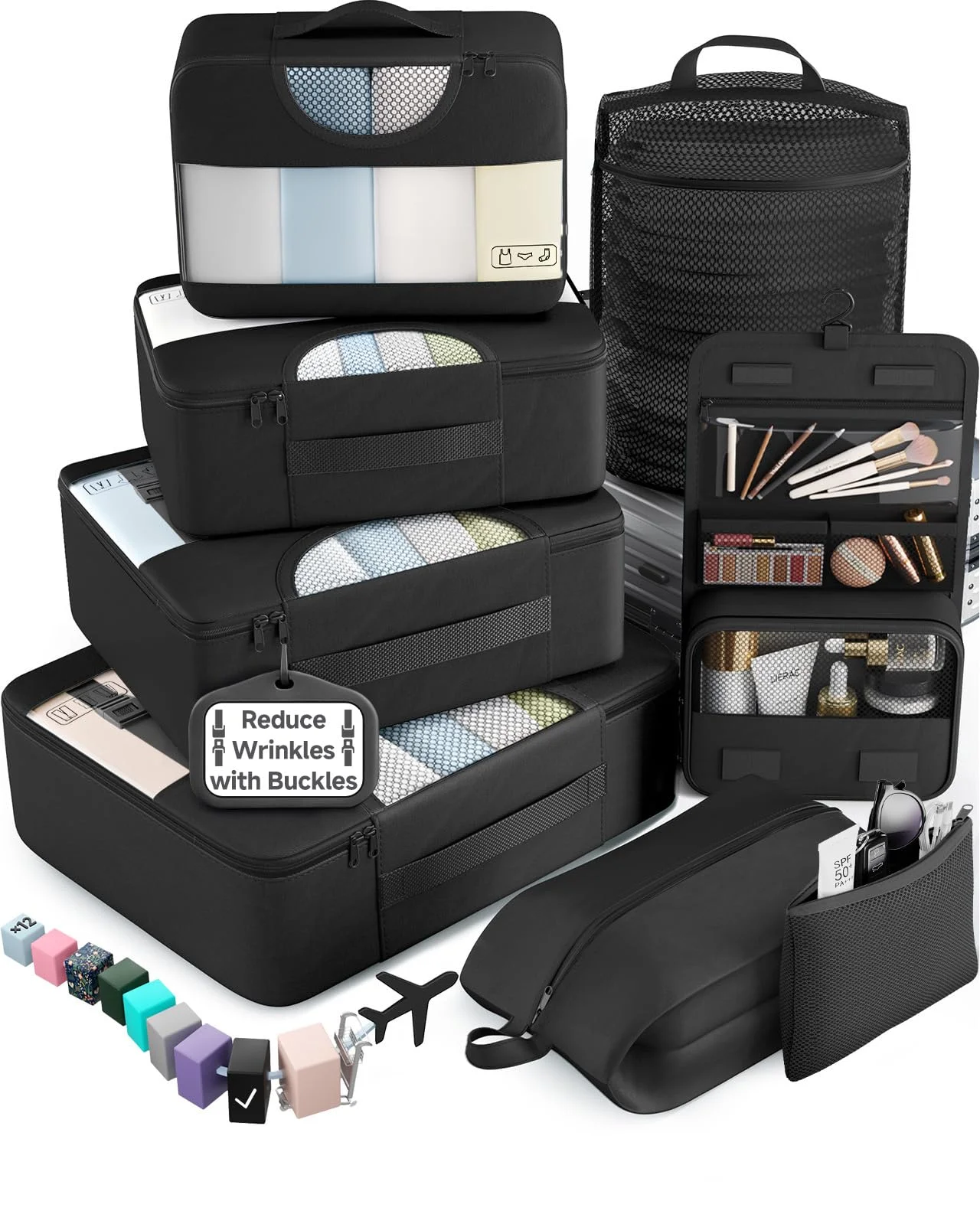
Packing cubes separate mom, baby, and partner essentials so the right pouch is easy to find in a crowded hospital room.
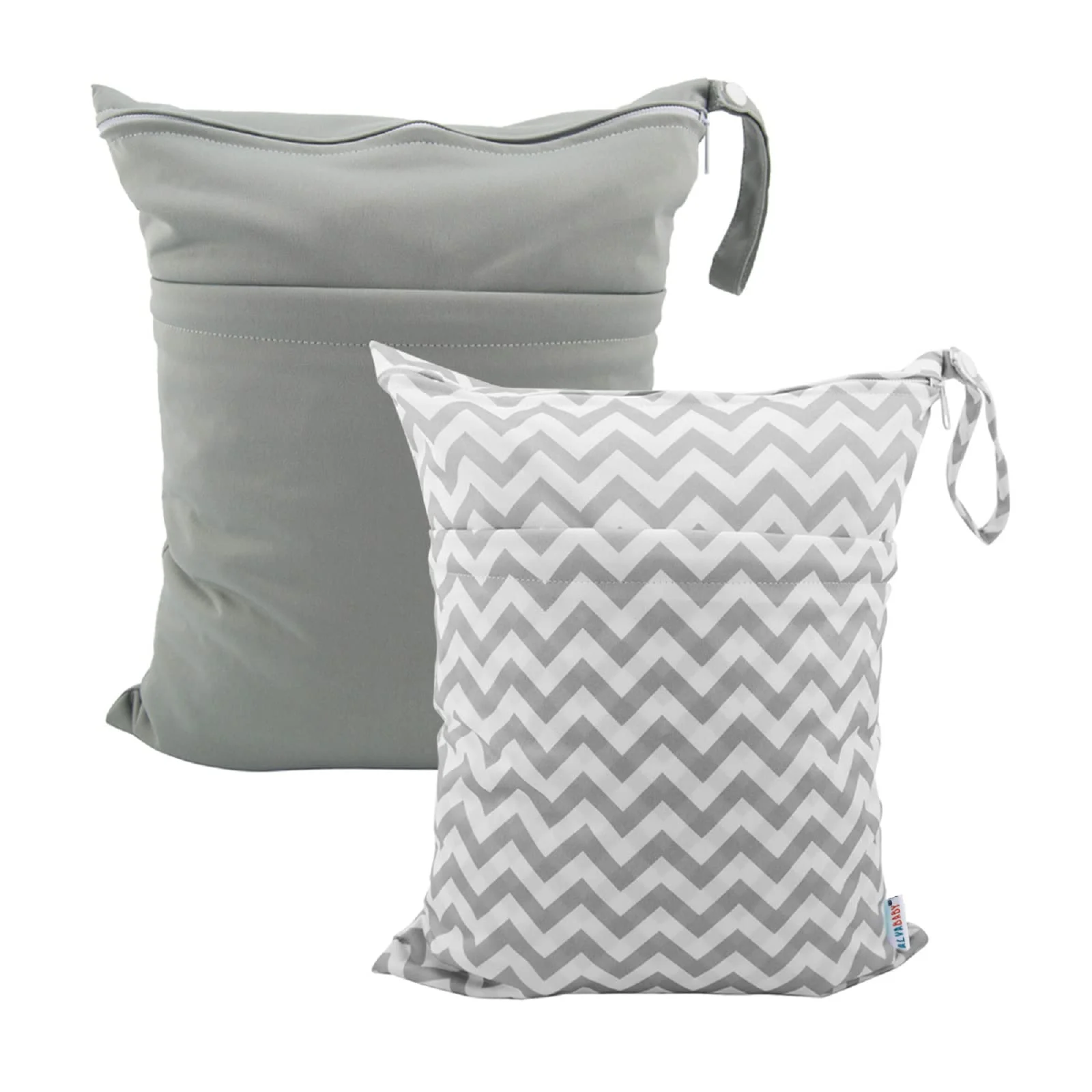
A wet dry bag gives damp clothing, used washcloths, or leak-prone toiletries a separate place for the ride home.
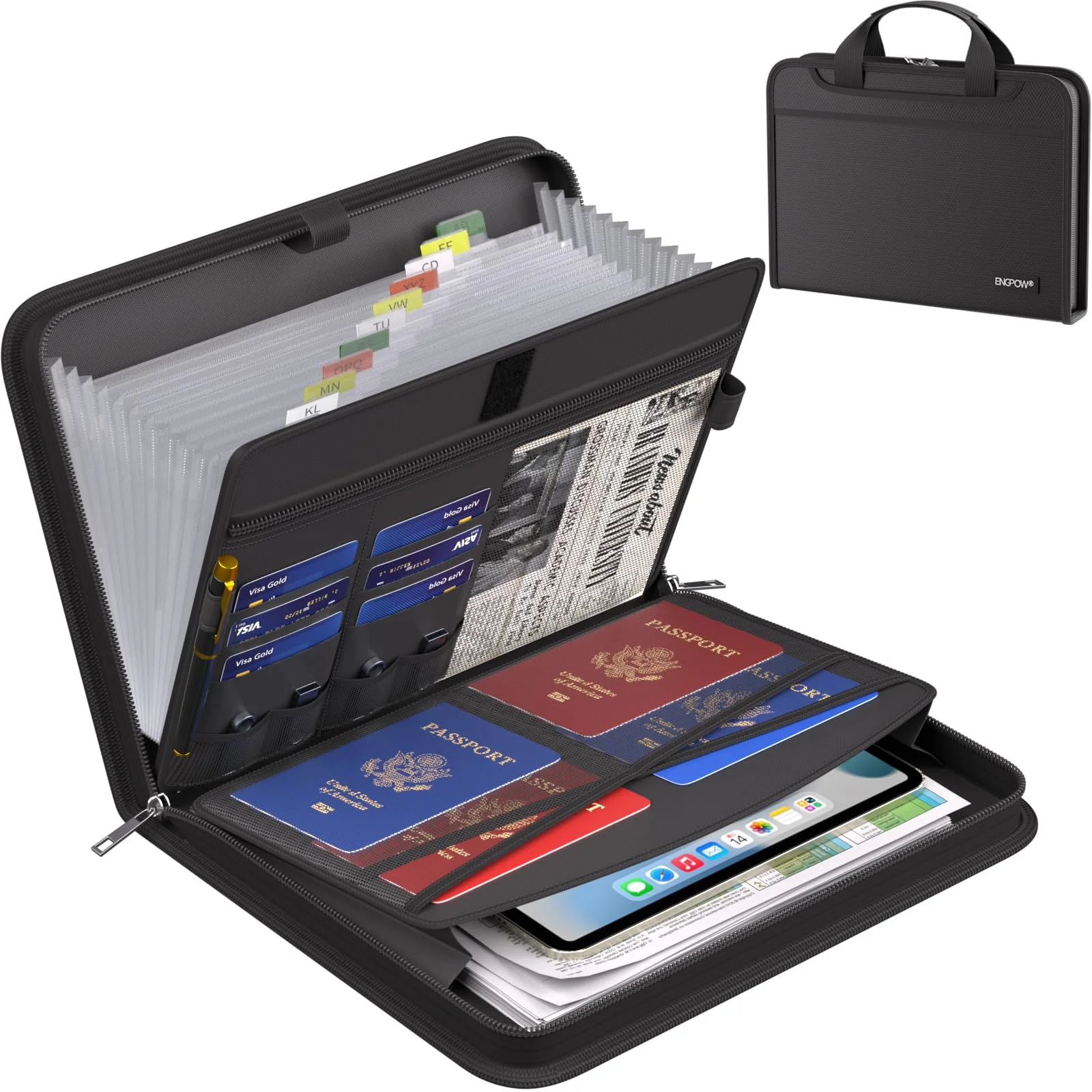
A document organizer folder keeps identification, insurance details, birth preferences, and discharge paperwork together and easy for a partner to find.
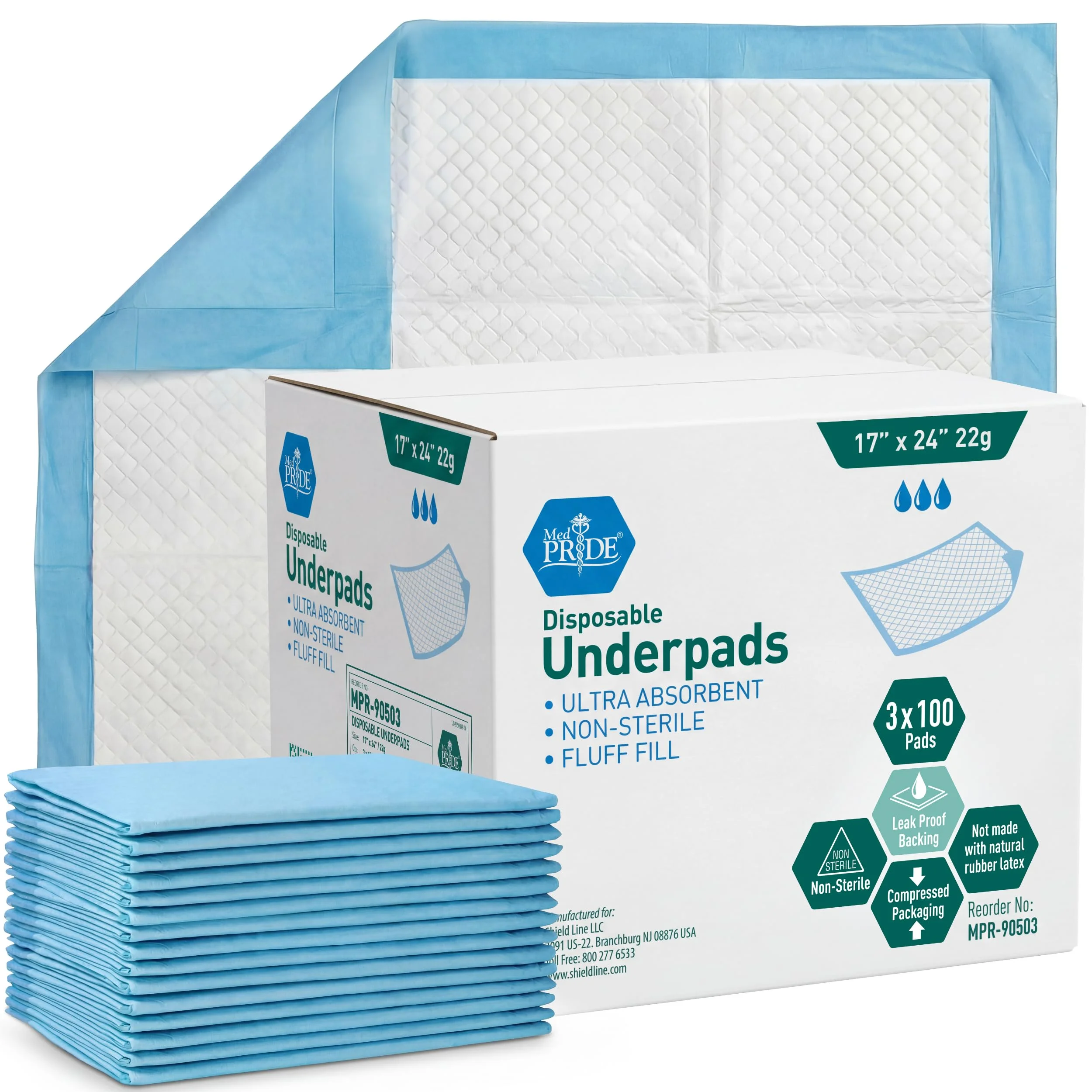
Disposable waterproof underpads protect a vehicle seat or mattress from leaks and provide a clean surface for last-minute clothing changes.
Quick Answer: The Fast-Find System
The best Hospital bag organization tips are simple: keep documents visible, put first-hour items on top, divide clothes and recovery items into labeled cubes, use a wet-dry bag for laundry, give baby discharge items their own pouch or backpack, and keep the support person’s items separate. Start with the full hospital bag checklist, then sort every item into one clear zone.
If you want the broader packing sequence before you organize the pockets, use our how to pack hospital bag guide once your item list is ready.
Choose Bags by Job, Not Just Size
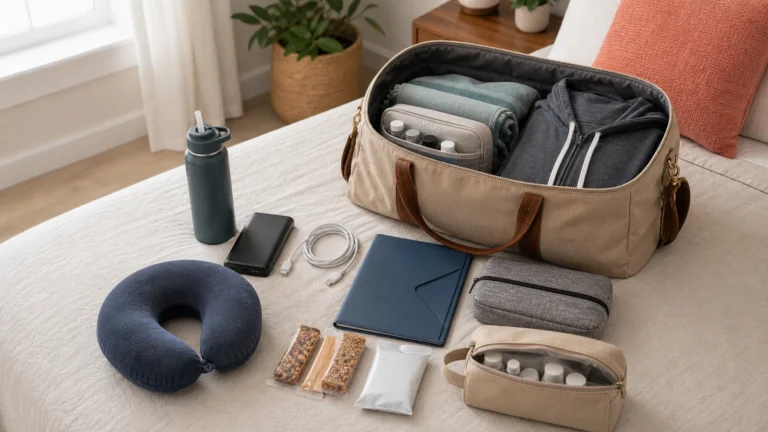
A weekender duffel bag works well as the main bag because it opens wide and can hold cubes without becoming a deep black hole. I would use it for mom clothes, postpartum supplies, toiletries, and the first things you want after delivery.
A roomy weekender duffel bag that keeps clothing, toiletries, and small labor essentials together without requiring a full-size suitcase.
A large tote bag is better as a helper bag than as an unplanned overflow pile. Use it for the support person’s hoodie, snacks, charger, camera, extra water bottle, and the items you add right before leaving. Hospital bag organization tips only work if the extra bag has a job.
These large tote bags offer flexible storage when parents prefer separate bags for clothing, recovery supplies, and partner items.
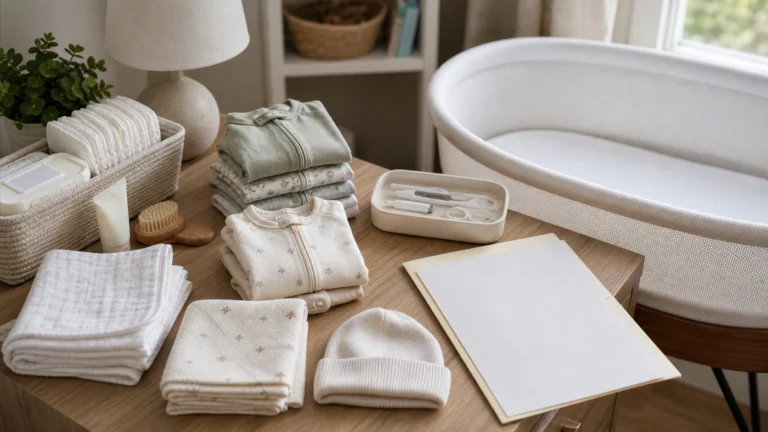
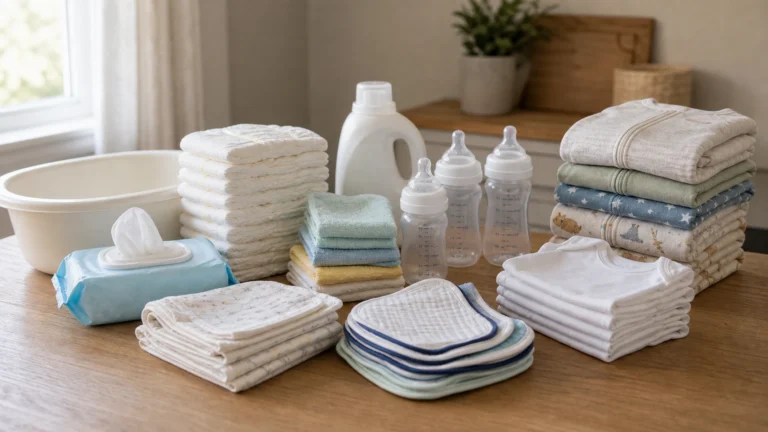
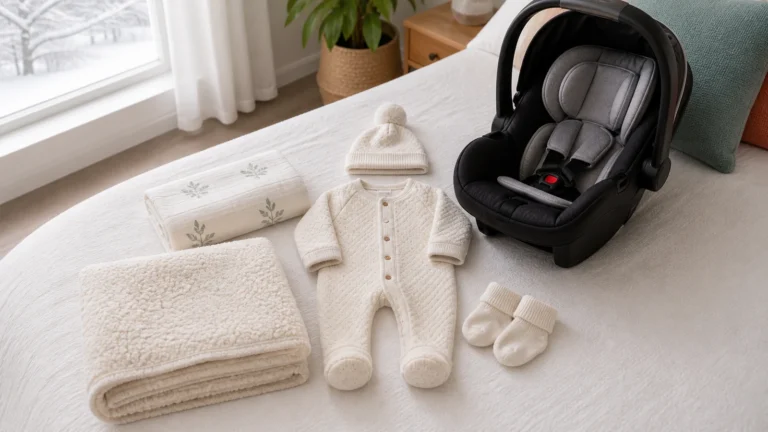
A diaper bag backpack can hold baby discharge pieces: outfit, receiving blanket for over the harness if needed, burp cloth, diapers, wipes, and small extras. Keep it separate from mom’s recovery items so discharge does not start with a search.
A hands-free diaper bag backpack with organized pockets for baby basics, chargers, paperwork, and the trip home.
A carry-on rolling suitcase is useful if your hospital walk is long, you are packing for a longer stay, or your support person will also carry the car seat. Wheels can make the exit easier when everyone is tired and the room is full of discharge paperwork.
A carry-on rolling suitcase makes heavier hospital supplies easier to move, especially for a planned or potentially longer stay.
Use Cubes and Pouches Like Labels
Packing cubes make the bag readable. I would label them by purpose: mom clothes, recovery, baby discharge, partner, and first hour. If you do not want visible labels, choose different colors or place a small note inside the mesh panel. Hospital bag organization tips should make sense to someone who did not pack the bag.
Packing cubes separate mom, baby, and partner essentials so the right pouch is easy to find in a crowded hospital room.
A wet dry bag is the place for laundry, damp washcloths, messy baby clothes, or anything you do not want pressed against clean pajamas. Pack it empty and easy to reach. The useful moment comes later, when the room is less tidy than it was at check-in.
A wet dry bag gives damp clothing, used washcloths, or leak-prone toiletries a separate place for the ride home.
One of my favorite Hospital bag organization tips is to decide where dirty or damp items go before there are any dirty or damp items.
Disposable waterproof underpads can help create a temporary clean surface for a changing moment, a trunk repack, or a damp-item buffer. Do not use them as an infant sleep surface, do not place them under a baby in a car seat, and follow hospital guidance for linens and changing areas.
Disposable waterproof underpads protect a vehicle seat or mattress from leaks and provide a clean surface for last-minute clothing changes.
Keep Documents and First-Hour Items Visible
A document organizer folder should be the easiest thing to grab. Put photo ID, insurance card, hospital registration papers, pediatrician information, birth preferences, and any provider-requested notes together. These Hospital bag organization tips matter most when check-in is busy and nobody wants to search through clothing cubes.
A document organizer folder keeps identification, insurance details, birth preferences, and discharge paperwork together and easy for a partner to find.
Your first-hour pouch should sit on top of the main bag: phone charger, lip balm, hair ties, glasses, wallet, and the small comfort items you may want before the room is settled. This pouch is not fancy. It is the thing that keeps your support person from unpacking everything during a contraction.
That top pouch is where Hospital bag organization tips become real, because it protects the first hour from the rest of the suitcase.
Do a Door Check Before You Leave
MedlinePlus includes what to bring to labor and delivery as part of getting ready for the hospital. Use that kind of hospital-facing list as a sanity check, then follow your own hospital’s instructions if they are more specific.
Before you zip the bag, open the parent Hospital Bag Checklist and check each category against your zones. Hospital bag organization tips are only helpful if the actual essentials made it into the bag.
My final door check is short: phone, wallet, glasses, daily basics, charger, documents, car seat, and the bag itself. Then I ask one more question: can another adult find baby clothes, pads, toiletries, and paperwork without asking me where everything is?
FAQ
Should I label every pouch?
Labels help, but they do not have to be pretty. A sticky note, color system, or written packing list inside the bag can work just as well.
What should be easiest to reach?
Documents, phone charger, lip balm, glasses, hair ties, wallet, and any check-in paperwork should be closest to the top.
Where should baby items go?
Keep baby discharge items together in a diaper bag, pouch, or cube. That makes the going-home outfit, blanket, diapers, and wipes easier to find.
What should go in a wet dry bag?
Use it for laundry, damp items, messy clothes, or anything you do not want touching clean clothes. Keep it away from clean baby discharge items.
Good Hospital bag organization tips make the bag quieter. You still bring the practical things, but they stop competing for space and attention when the room gets busy.
Once everything has a place, compare the whole setup against the full Hospital Bag Checklist one last time, then stop adding extras just because there is room.
Shop Organization Picks