How to Clean Your Hospital Bag After Birth: What to Wash, Toss, and Restock
How to clean hospital bag after birth is a simple unpacking routine: remove laundry, toss trash, empty every pocket, wipe hard surfaces, wash soft pouches according to their care labels, air-dry everything fully, and restock only the items you will actually use again. Do it soon after you get home, before snack wrappers, damp clothes, and hospital papers disappear into the bottom of the bag.
Use the main Hospital Bag Checklist as your reset map. That list helps you decide what returns to storage, what moves into the diaper bag, what gets washed, and what can finally leave your entryway. Postpartum life is full enough; the bag should not become a mystery closet.
Disclosure: BabyEthos is reader-supported. As an Amazon Associate, we earn from qualifying purchases. This does not change what you pay, and product choices should never replace care labels, manufacturer instructions, hospital guidance, or your clinician’s advice.
QUICK SHOP
Cleanout and Reuse Picks
These assigned picks help with the post-birth reset: the main bag, the future diaper bag, clean packing zones, and a wet dry bag for laundry or damp items.
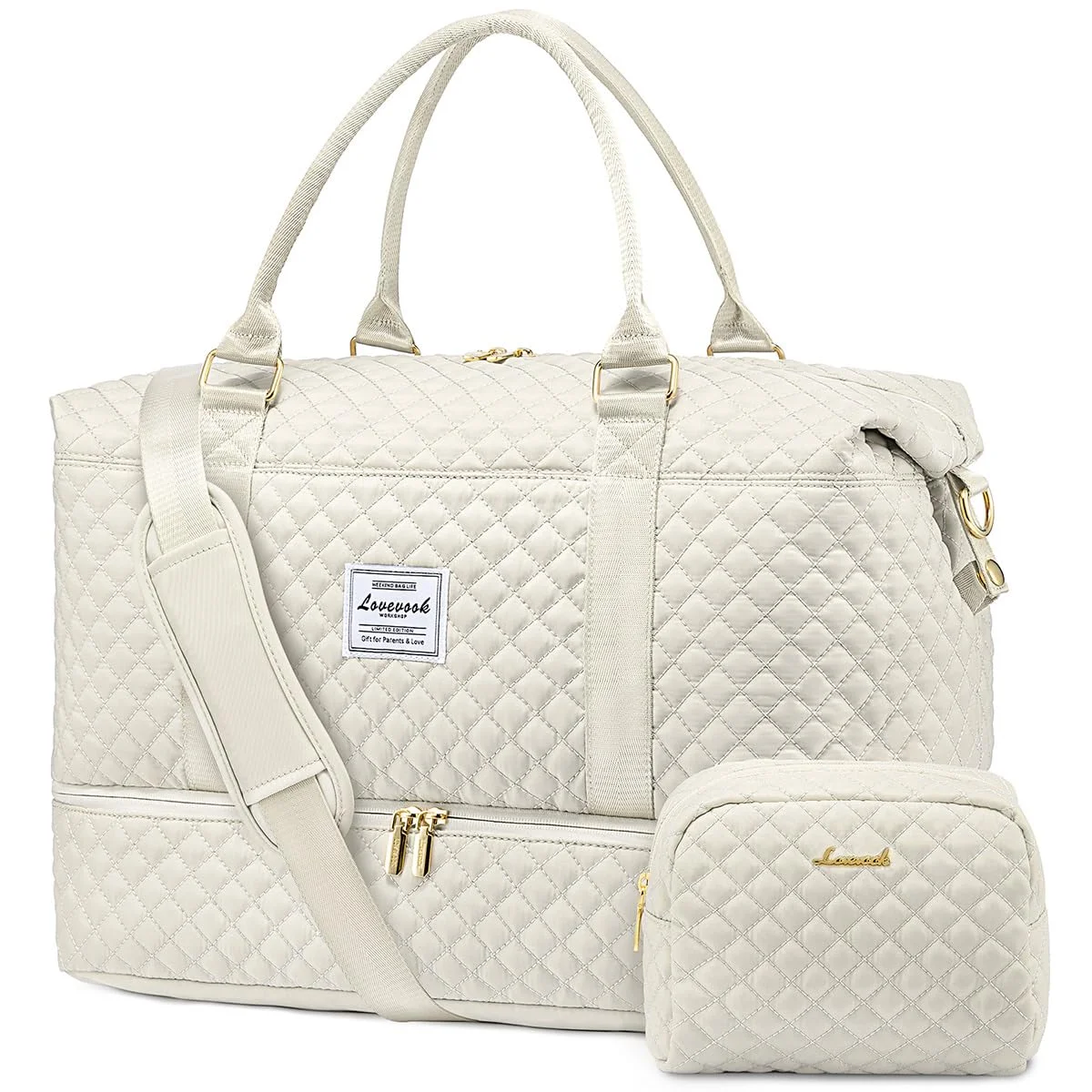
A roomy weekender duffel bag that keeps clothing, toiletries, and small labor essentials together without requiring a full-size suitcase.
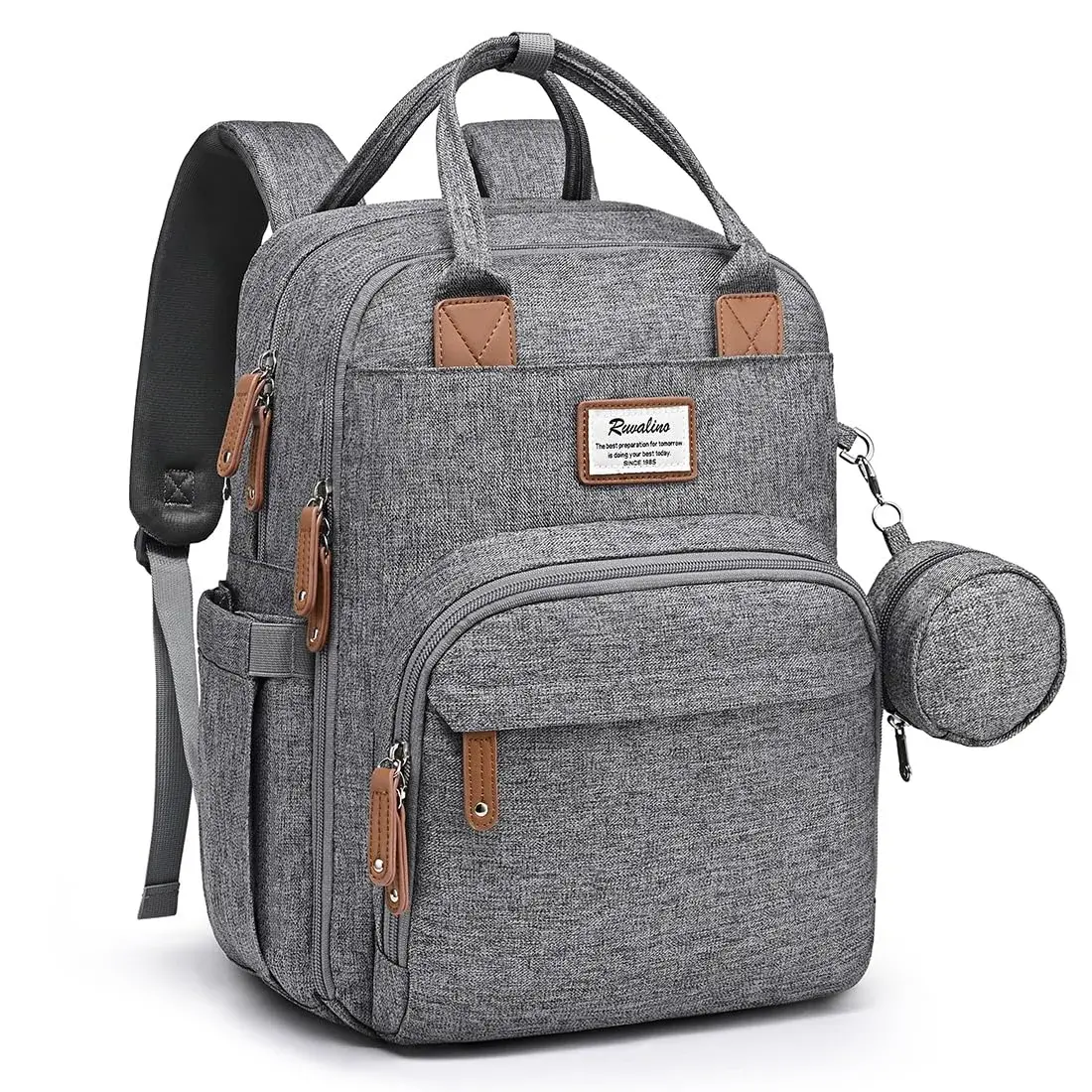
A hands-free diaper bag backpack with organized pockets for baby basics, chargers, paperwork, and the trip home.
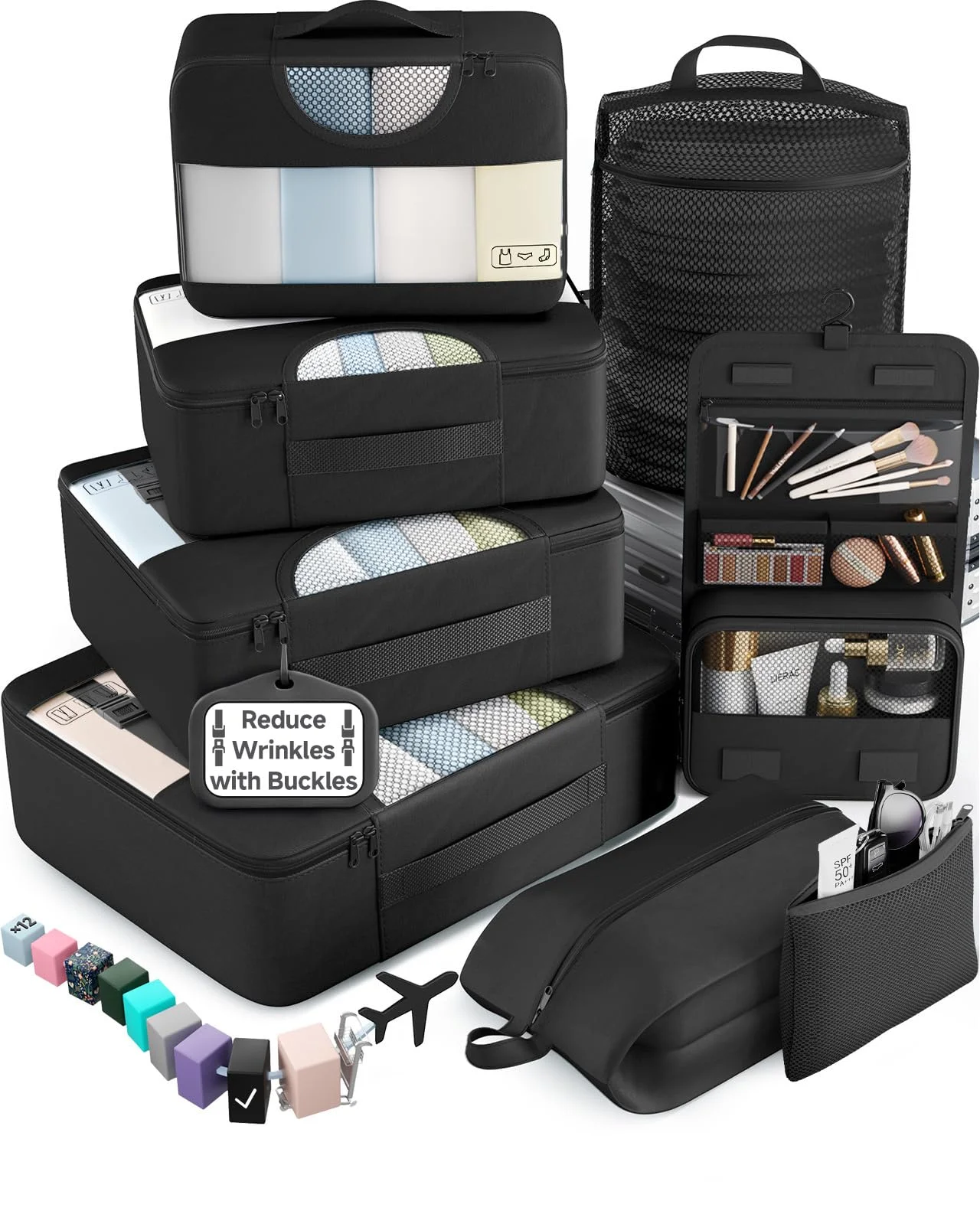
Packing cubes separate mom, baby, and partner essentials so the right pouch is easy to find in a crowded hospital room.
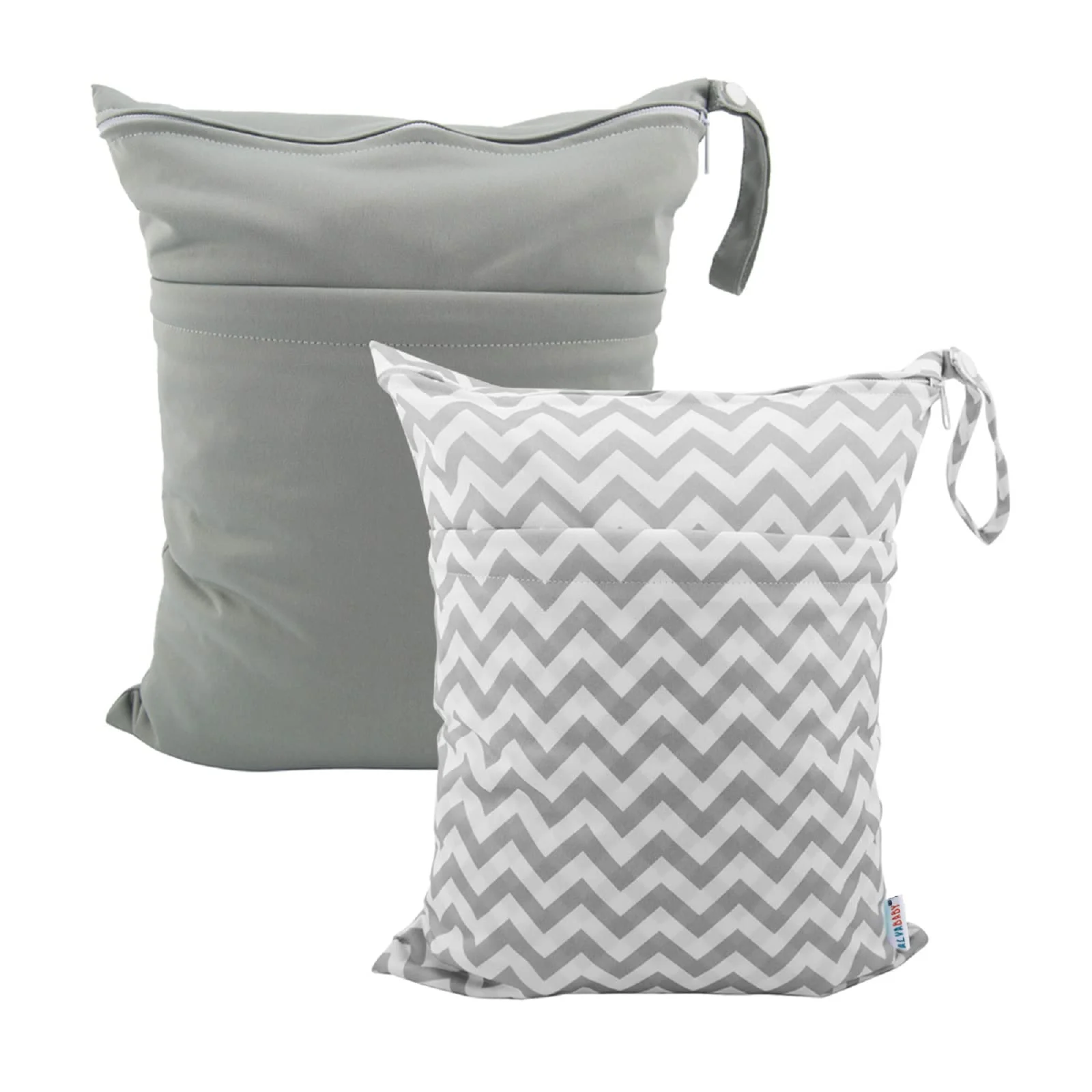
A wet dry bag gives damp clothing, used washcloths, or leak-prone toiletries a separate place for the ride home.
Quick Answer: What to Wash, Toss, and Restock
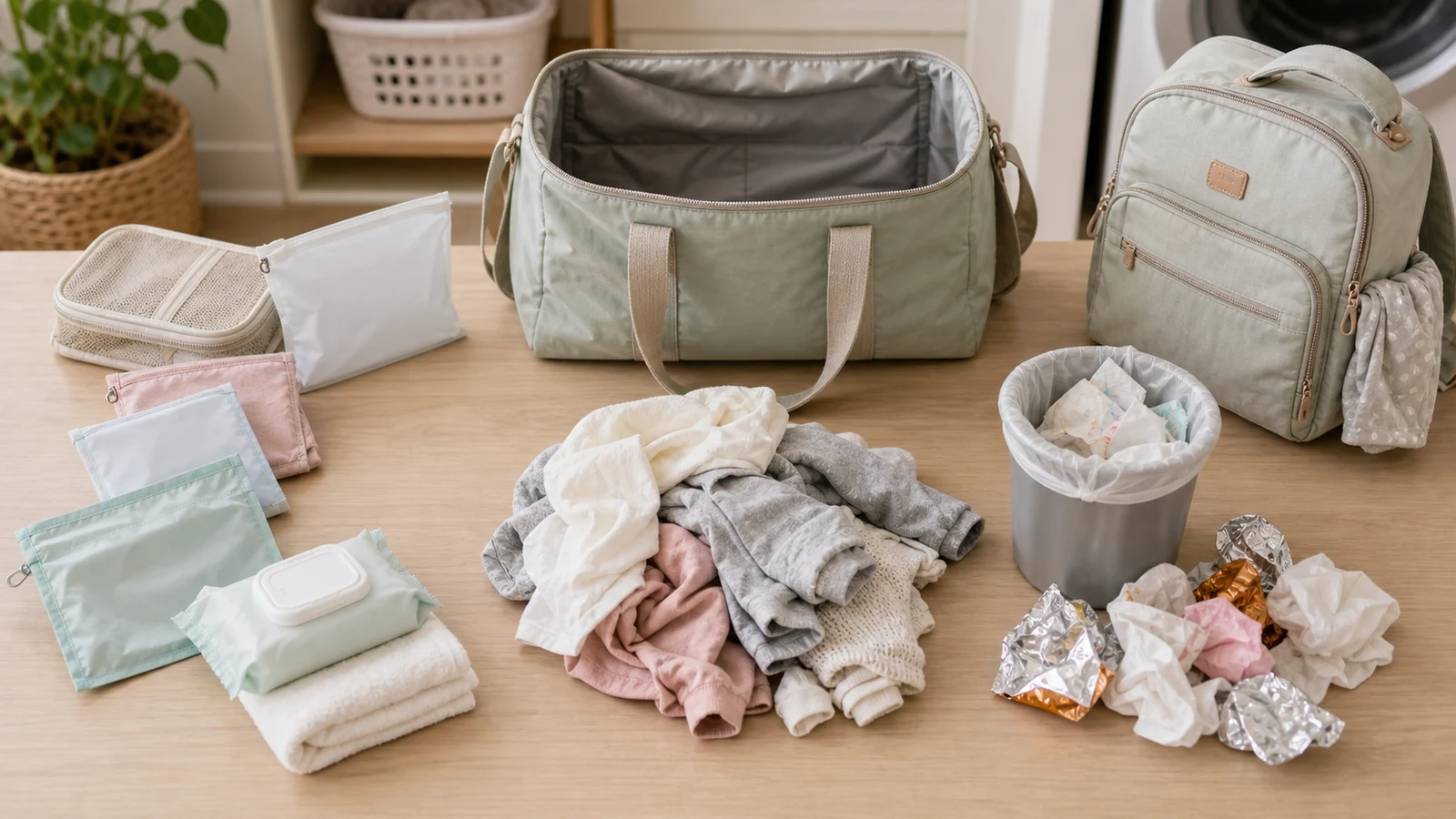
Wash clothing, towels, washable pouches, burp cloths, and any fabric item that touched the hospital floor, bathroom, food, or leaked supplies. Toss open snacks, used disposable pads, trash, loose wrappers, and anything damp that cannot be cleaned. Wipe the bag interior and hard organizers. Restock the few basics you still need for postpartum appointments, diaper-bag life, or a future trip.
The CDC’s guidance on cleaning and disinfecting is a useful general reminder: clean surfaces first, then disinfect when needed according to product directions. For a hospital bag, that means checking fabric care labels and avoiding harsh cleaners on materials that are not meant for them.
Empty the Bag Before You Clean It
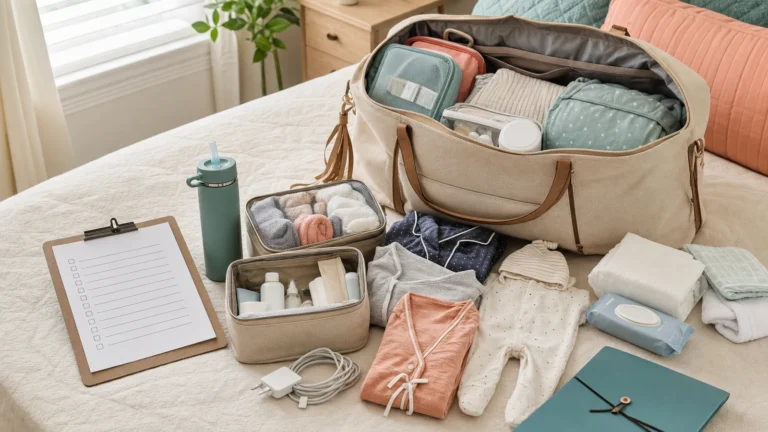
Start by opening every pocket of the weekender duffel bag. Hospital wristband stickers, parking slips, snack wrappers, pacifier packaging, toiletry caps, and paperwork have a way of hiding in side pockets. Put laundry straight into a hamper, papers into one pile, trash into another, and anything baby-related into a clean bin before you wipe the bag.
A roomy weekender duffel bag that keeps clothing, toiletries, and small labor essentials together without requiring a full-size suitcase.
If the duffel has a removable base, take it out and check underneath. Shake crumbs outside. Vacuum seams if needed. Wipe the interior with a cloth that matches the care instructions, then let the bag stay open until it is fully dry. Closing a slightly damp bag is how odors start.
This is also a good time to compare what came home against the parent hospital bag checklist. You will probably notice items you never touched, items you wished were easier to find, and items that should move into a diaper bag instead of returning to hospital-bag storage.
Separate Wet, Dirty, and Clean Items
A wet dry bag is useful after birth because it gives you one place for damp towels, spit-up clothes, leaked toiletries, or anything you do not want touching clean newborn items. Empty it as soon as you can. Wash or wipe it according to the product directions, then let it dry inside out before storing it.
A wet dry bag gives damp clothing, used washcloths, or leak-prone toiletries a separate place for the ride home.
Packing cubes need the same kind of reset. One cube might be clean and untouched. Another might have held dirty laundry. Another might have sticky snack dust in the corners. Do not treat every cube the same. Sort first, wash or wipe only what needs it, and rebuild the system before everything gets mixed together.
Packing cubes separate mom, baby, and partner essentials so the right pouch is easy to find in a crowded hospital room.
If you are also figuring out what the hospital sent home versus what you packed yourself, the guide to what hospitals provide after birth can help you separate supplies you should use soon from items that should not live in the bag forever.
Move Useful Items Into Everyday Baby Life
Some hospital bag items are ready for a second job. A diaper bag backpack can take over the things you now reach for outside the house: extra diapers, wipes, a change of baby clothes, small burp cloth, parent water bottle, and a clean pouch for personal items. Do not move hospital trash into the diaper bag; move only clean, useful supplies.
A hands-free diaper bag backpack with organized pockets for baby basics, chargers, paperwork, and the trip home.
I like doing this in two rounds. First, empty and clean the original bag. Second, build the diaper bag from scratch with clean hands and clean surfaces. That little pause keeps the postpartum haze from turning into “why is there a hospital sock and an old granola wrapper next to the wipes?”
What to Toss or Restock
Toss opened snacks, used disposable pads, used masks if you packed them, loose tissues, hospital trash, dried-out wipes, and anything that leaked. Recycle packaging when it makes sense. Save clean unopened items only if you have a real use for them in the next few weeks. Otherwise, they become clutter with a sentimental excuse.
Restock only the basics: a fresh travel toothbrush, new lip balm if yours disappeared, clean hair ties, a small pack of wipes, and one labeled pouch for postpartum follow-up visits. If you plan another hospital stay or future birth, write a short note about what worked while it is still fresh, then put that note with the full Hospital Bag Checklist.
Before storing the bag, choose a dry place with airflow instead of a damp closet, garage corner, or sealed plastic bin. Leave zippers slightly open for a day if the fabric still feels cool or humid. If you keep a small postpartum appointment pouch inside, label it clearly so it does not become another hidden pile of random hospital leftovers. Clean storage is less about perfection and more about making sure the next time you grab the bag, it smells fresh and contains only things you meant to keep. A quick photo of the final setup can also help you rebuild it later.
How to clean hospital bag after birth should not become a deep-cleaning marathon. If you are recovering, feeding a newborn, or sleeping in tiny pieces, do the high-impact steps first: remove laundry, toss trash, dry the bag, protect papers, and move clean essentials into everyday use.
FAQ
Should I disinfect the whole hospital bag?
Not always. Clean first, follow care labels, and disinfect only surfaces that can safely handle the product you are using. When in doubt, use gentle cleaning and full air drying.
What should I wash after the hospital?
Wash worn clothes, towels, washable pouches, burp cloths, socks, and anything that touched the bathroom floor, food spills, or leaked supplies.
What should I throw away?
Toss trash, opened snacks, used disposable pads, dried-out wipes, loose wrappers, and anything damp or contaminated that cannot be cleaned safely.
Can I reuse the hospital bag as a diaper bag?
Sometimes, but a dedicated diaper bag is usually easier for everyday outings. Clean the hospital bag first, then move only clean and useful items into the diaper bag.
When the bag is clean, dry, and empty, use the full Hospital Bag Checklist one last time to decide what to store, what to restock, and what can finally leave your new-parent landing zone.
Shop Cleanout Picks