Hospital Bag for Your Partner: A Practical Checklist for the Hospital Stay
Disclosure: BabyEthos is reader-supported. As an Amazon Associate, we earn from qualifying purchases. This does not change what you pay.
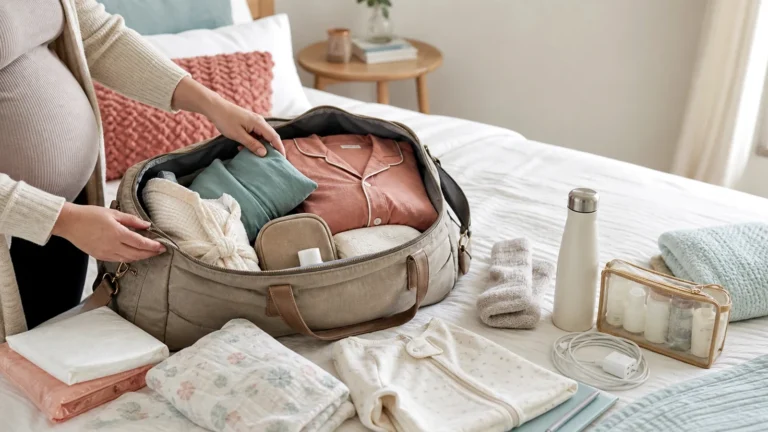
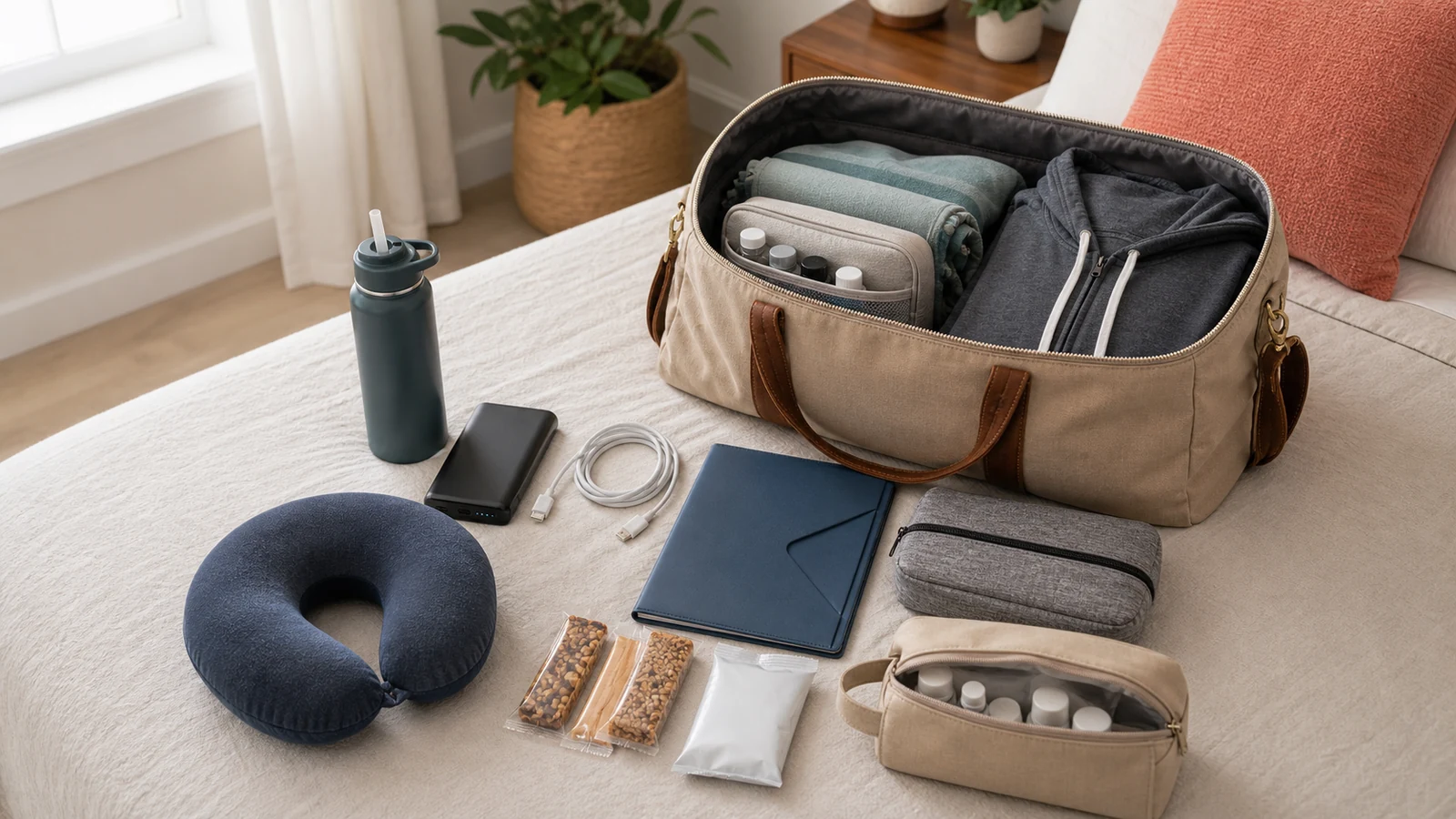
A useful Hospital bag for partner keeps the support person fed, hydrated, charged, clean, organized, and close enough to help. Pack a small bag with toiletries, phone power, water, snacks, paperwork, a compact rest item, and one extra layer. The goal is not comfort for its own sake; it is better support during labor and recovery.
In real hospital rooms, partners become the runner, note-taker, phone manager, snack finder, photo taker, parking problem-solver, and sometimes the only person who remembers where the insurance card went. A Hospital bag for partner should make those jobs easier without crowding the room or stealing space from the birth parent’s bag.
Support and safety note: Confirm visitor rules, overnight rules, food policies, security procedures, and parking instructions with your hospital or birth center. A partner should support the birth parent’s preferences and defer medical questions to the care team. For general labor information, ACOG’s labor and delivery resource is helpful, but local clinicians guide care.
Hospital Bag for Partner: The Practical Short List
The best Hospital bag for partner has one job: keep the support person available. If the bag prevents repeated trips to the car, cafeteria, or house, it is doing its work.
| Support job | Pack | Why it matters |
|---|---|---|
| Communication | Long charger, power bank, phone, contact list. | Updates and logistics often fall to the partner. |
| Fuel | Water bottle and quiet, low-mess snacks. | A hungry partner leaves the room more often. |
| Hygiene | Toiletries, medication, spare shirt, deodorant. | Long labor can turn into an overnight stay. |
| Paperwork | Document folder, IDs, insurance details, birth preferences. | The birth parent should not manage every form mid-contraction. |
| Rest | Compact pillow or blanket. | A little rest can make the partner more useful later. |
The main Hospital Bag Checklist covers the whole family’s packing plan. This page focuses on the support person’s bag, whether that person is a spouse, partner, dad, relative, or close friend.
QUICK SHOP
Partner Hospital Bag Picks
These eight items support the partner’s real jobs: carry a small bag, stay clean, keep phones charged, stay hydrated and fed, manage paperwork, and rest briefly when possible.
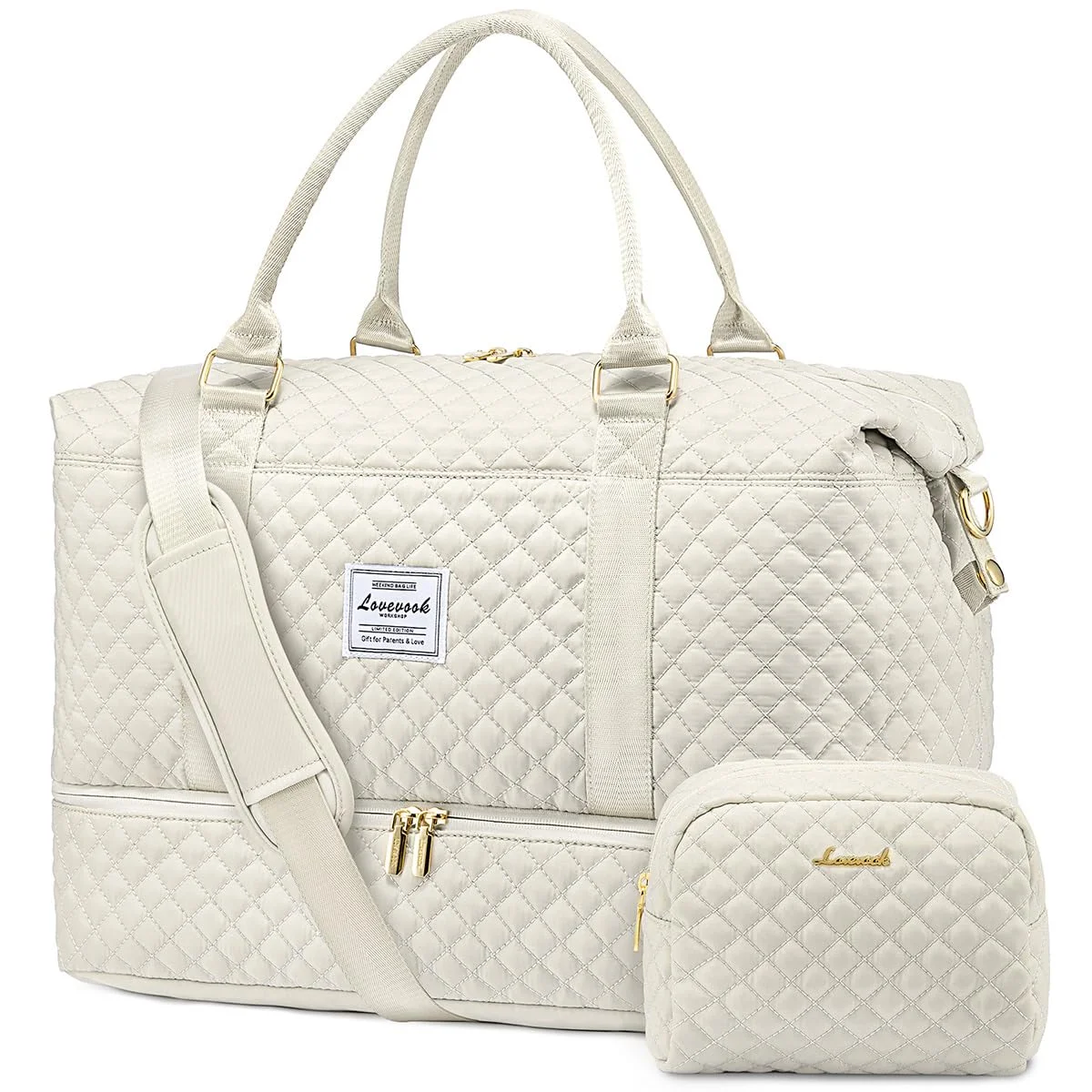
A roomy weekender duffel bag that keeps clothing, toiletries, and small labor essentials together without requiring a full-size suitcase.
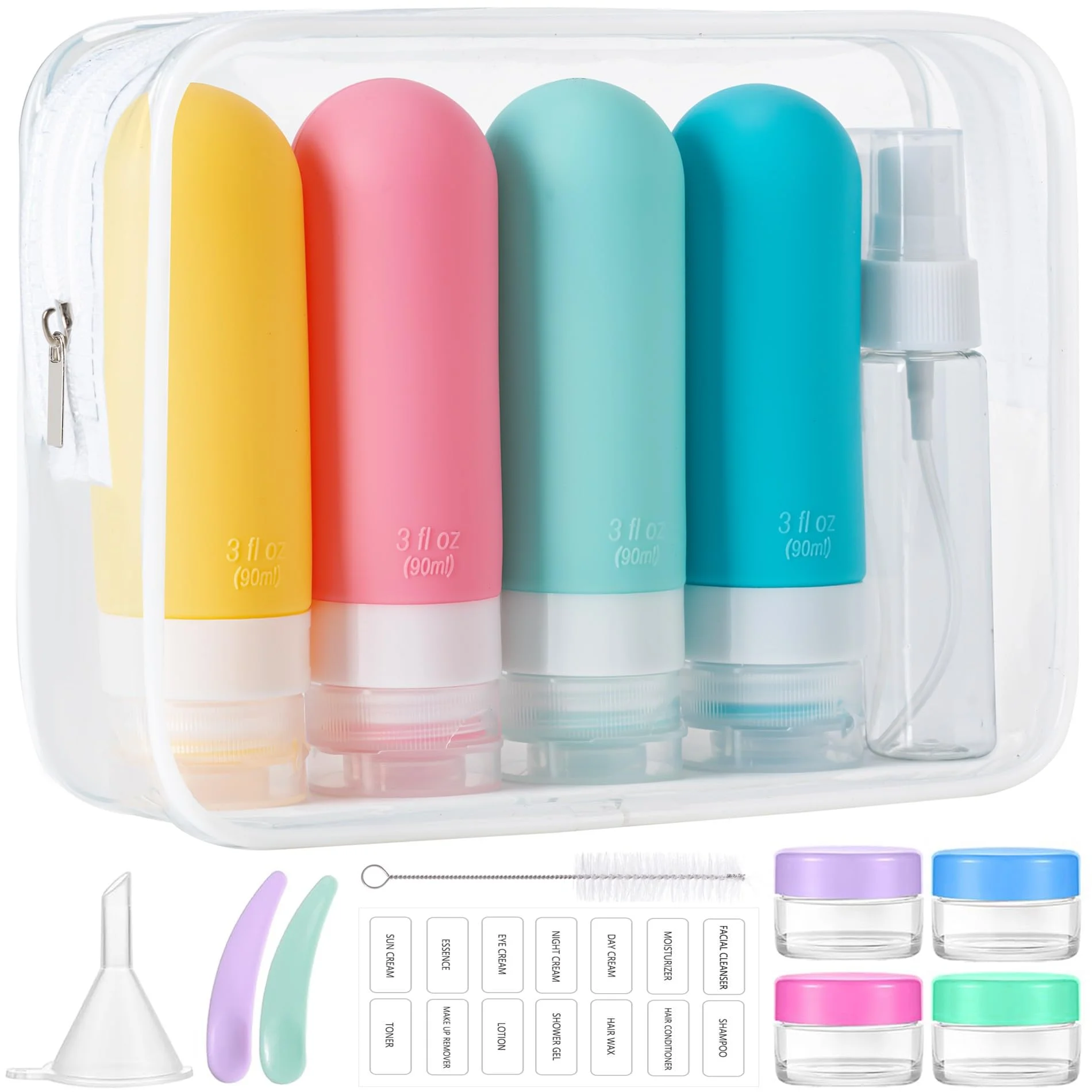
This travel toiletry kit holds shampoo, conditioner, lotion, and other familiar bathroom basics without packing full-size bottles.
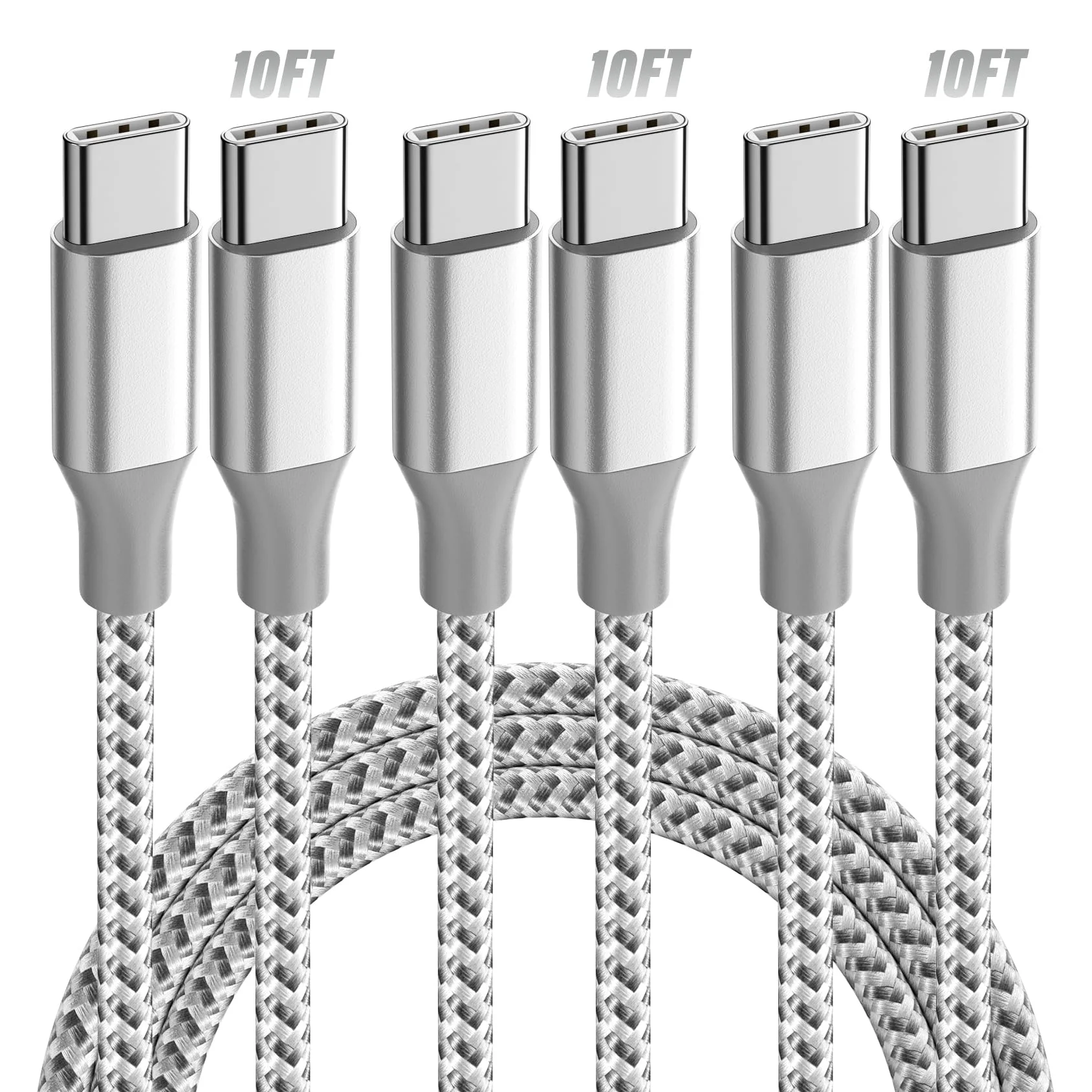
A 10-foot phone charger cable reaches outlets behind hospital beds and keeps phones available for calls, photos, and family updates.
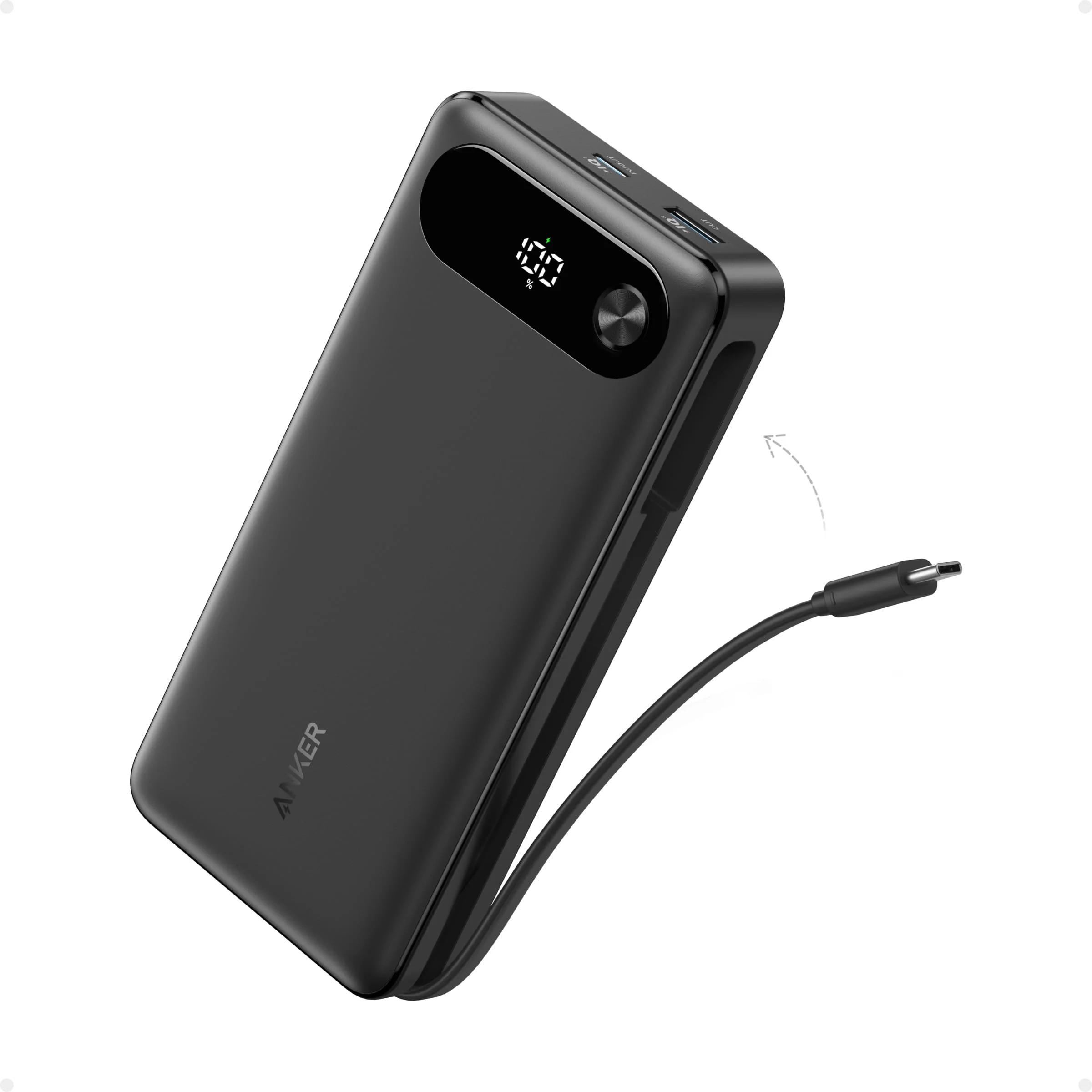
A portable power bank keeps phones charged during triage, room changes, or long stretches when a wall outlet is inconvenient.
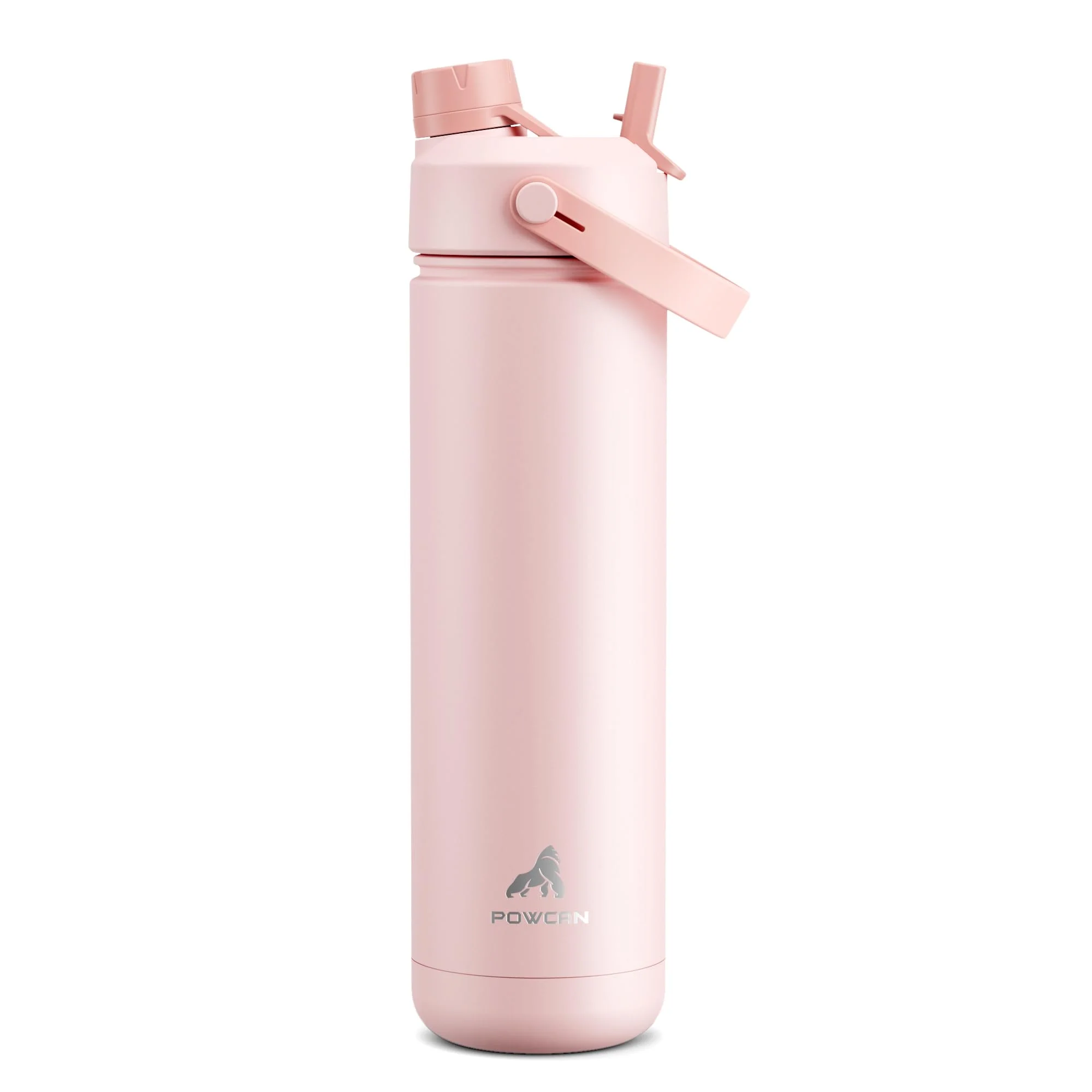
An insulated water bottle with a straw is easier to use one-handed while resting, feeding, or recovering in bed.

Protein or granola snack bars give partners a shelf-stable option during long waits; follow hospital rules about eating during labor.
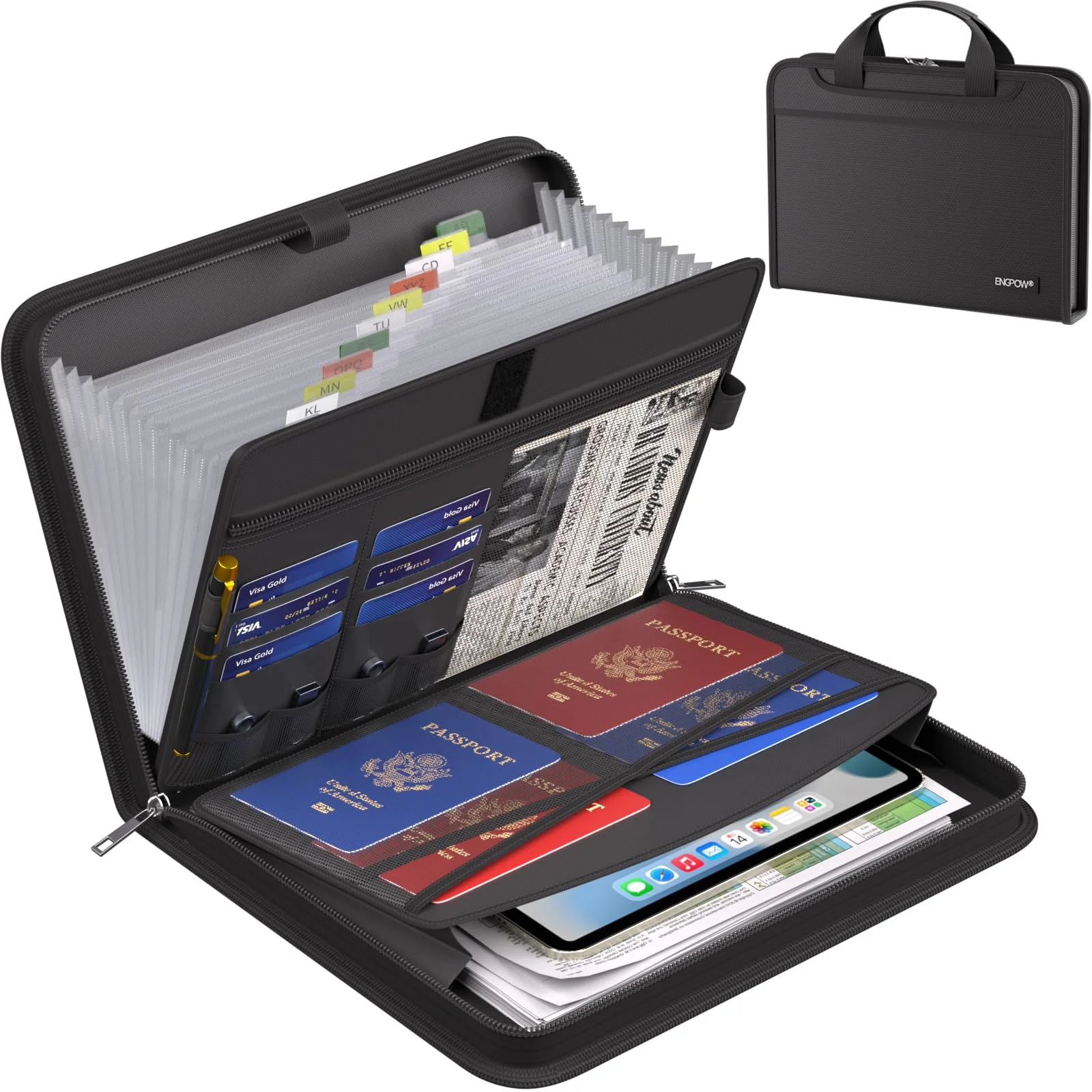
A document organizer folder keeps identification, insurance details, birth preferences, and discharge paperwork together and easy for a partner to find.
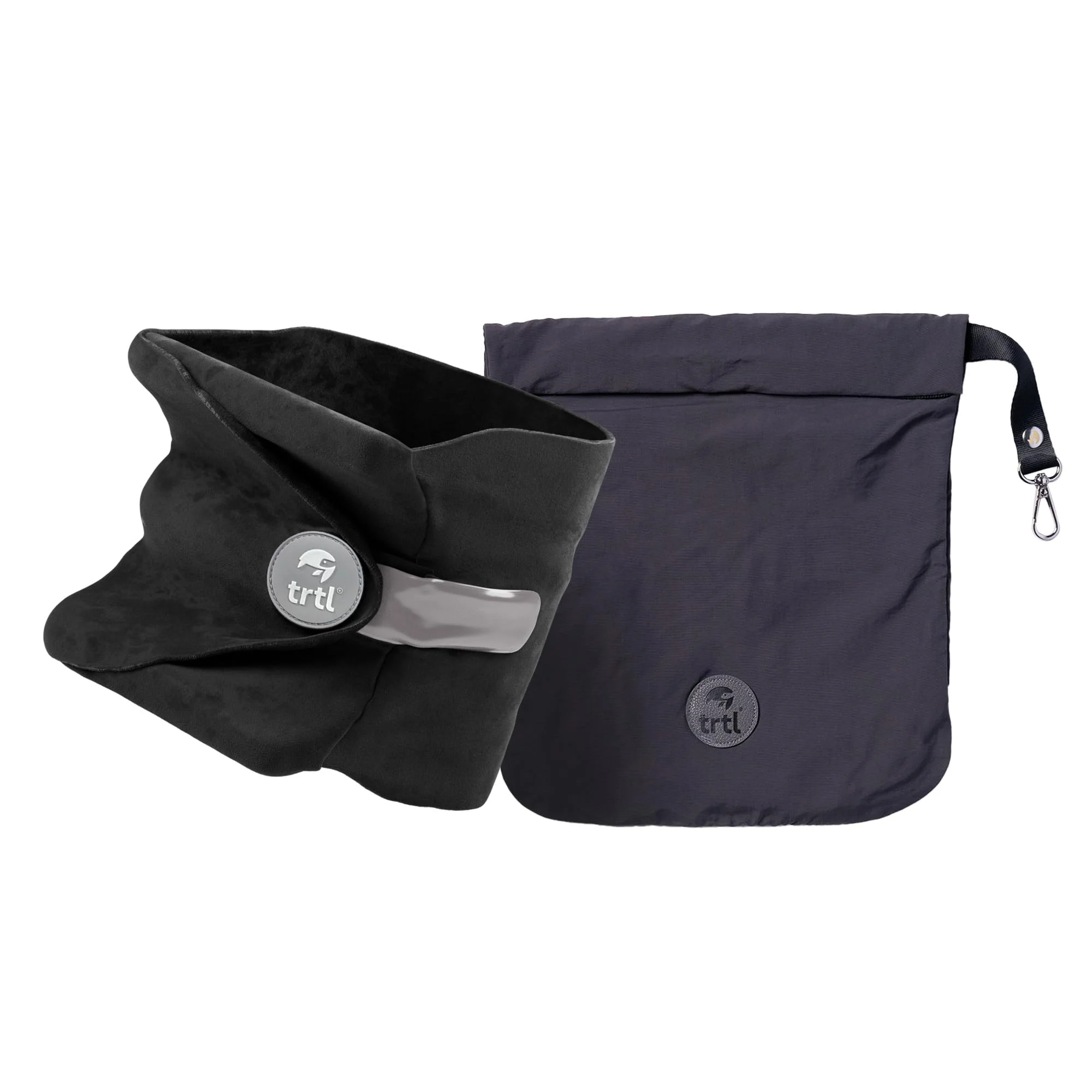
A compact partner travel pillow offers neck support during overnight chair naps and packs smaller than a standard bed pillow.
Before You Pack: Confirm the Partner’s Role
Before building a Hospital bag for partner, confirm what the partner is actually allowed and expected to do. Can they stay overnight? Can they leave and return? Is there a support-person badge? Is food allowed in the room? Where should they park after hours? These details shape the bag more than any generic checklist.
Once the rules are clear, choose one compact bag. A weekender is enough for most partners because the bag should slide under a chair or into a corner. It should not compete with the birth parent’s bag or block staff movement. If you are coordinating everyone’s items, use the Hospital Bag Checklist to keep the partner bag separate instead of turning it into overflow storage.
A roomy weekender duffel bag that keeps clothing, toiletries, and small labor essentials together without requiring a full-size suitcase.
A toiletry kit should be small and boring: toothbrush, toothpaste, deodorant, glasses or contacts supplies, medication, hair tie if needed, and a spare shirt. Long labors and overnight stays are easier when the support person can freshen up without leaving the hospital.
This travel toiletry kit holds shampoo, conditioner, lotion, and other familiar bathroom basics without packing full-size bottles.
Phone Power and Paperwork Keep the Room Moving
Phone power is not optional in a modern birth room. A partner may text family updates, coordinate rides for older kids, order food, handle patient portal messages, take photos, or play music. A long charging cable and power bank keep those jobs from depending on one awkward outlet.
A 10-foot phone charger cable reaches outlets behind hospital beds and keeps phones available for calls, photos, and family updates.
A portable power bank keeps phones charged during triage, room changes, or long stretches when a wall outlet is inconvenient.
The document folder gives the partner a concrete way to help. Include ID, insurance information, medication lists, hospital forms, pediatrician details, birth preferences, and emergency contacts. Put it where the partner can reach it without asking the person in labor. A Hospital bag for partner should make support visible, not vague.
A document organizer folder keeps identification, insurance details, birth preferences, and discharge paperwork together and easy for a partner to find.
If the partner is a dad and you want a more dad-specific wording, use Hospital bag for dad. The packing jobs are similar; the language and family setup may differ.
Food and Water Prevent the Vanishing Support Person
A hungry partner is more likely to disappear just when the room gets busy. Pack a water bottle and low-mess snacks that can be eaten quietly and quickly. Follow hospital rules about food, shared rooms, surgery preparation, and anything the care team asks you to avoid.
An insulated water bottle with a straw is easier to use one-handed while resting, feeding, or recovering in bed.
Protein or granola snack bars give partners a shelf-stable option during long waits; follow hospital rules about eating during labor.
This is where a Hospital bag for partner really earns its place. The partner is not packing snacks as a treat. They are packing them so they can stay present, make decisions calmly, and avoid leaving the birth parent alone for preventable errands.
Rest Items: Keep Them Compact
Some partners sleep in a chair. Some get a pullout. Some barely sleep at all. A compact pillow or small blanket can help without taking over the room. Skip full bedding unless your hospital allows it and you have space. The Hospital bag for partner should keep rest items compact and easy to move.
A compact partner travel pillow offers neck support during overnight chair naps and packs smaller than a standard bed pillow.
The partner’s comfort matters because recovery and newborn logistics often continue after delivery. A rested partner can drive safely, listen to discharge instructions, pick up prescriptions, bring food, and protect the birth parent’s rest. For the wider family list, check the Hospital Bag Checklist after the partner bag is set.
What the Partner Can Usually Skip
A Hospital bag for partner does not need a full suitcase, strong fragrance, complicated electronics, noisy entertainment, bulky bedding, or a whole cooler unless your hospital allows it and your stay requires it. The support bag should be easy to move and easy to ignore until needed.
Use What not to pack in hospital bag for a whole-family edit pass. If you are packing mom’s comfort items at the same time, the Hospital bag for mom checklist keeps the priorities separate.
For timing, use When to pack hospital bag. Partner items are easy to prepare early because most are not daily-use baby supplies.
FAQ
Does my partner need a separate hospital bag?
A separate small bag is usually helpful if the partner will stay through labor, delivery, or overnight recovery. It keeps their snacks, chargers, toiletries, and paperwork from disappearing into the birth parent’s bag.
What should a partner not forget for the hospital?
Phone charger, power bank, water, snacks, toiletries, medication, wallet, ID, parking information, and any paperwork the hospital requested are the highest-use items.
Should a partner bring a pillow or blanket?
A compact pillow or small blanket can help, but avoid bulky bedding unless the hospital allows it and you have room. The partner bag should stay easy to move.
My practical parent answer is this: the Hospital bag for partner should make support easier. Pack the items that keep the support person nearby, useful, and calm, then leave the extras at home.
For a full family review, return to the Hospital Bag Checklist and make sure mom, baby, and partner each have a clear, separate setup.
Shop Partner Bag Picks