Hospital Bag Snacks: What to Pack for Labor, Recovery, and Your Partner
Hospital bag snacks sound simple until you are in triage, your partner has been awake since 4 a.m., and the only food nearby is a vending machine with suspicious lighting. After three babies, I think snacks are less about creating a labor feast and more about preventing the support person from becoming useless, keeping easy options nearby, and having something gentle for recovery if your hospital says food is allowed.
If you are using the full Hospital Bag Checklist, keep food in its own pouch so it does not mingle with toiletries, baby clothes, or postpartum supplies. The best Hospital bag snacks are individually wrapped, low mess, not too fragrant, and easy to eat one-handed. They should survive the bottom of a duffel, still sound okay at 2 a.m., and not require a refrigerator.
Disclosure: BabyEthos is reader-supported. As an Amazon Associate, we earn from qualifying purchases. This does not change what you pay.
QUICK SHOP
Quick Snack Picks
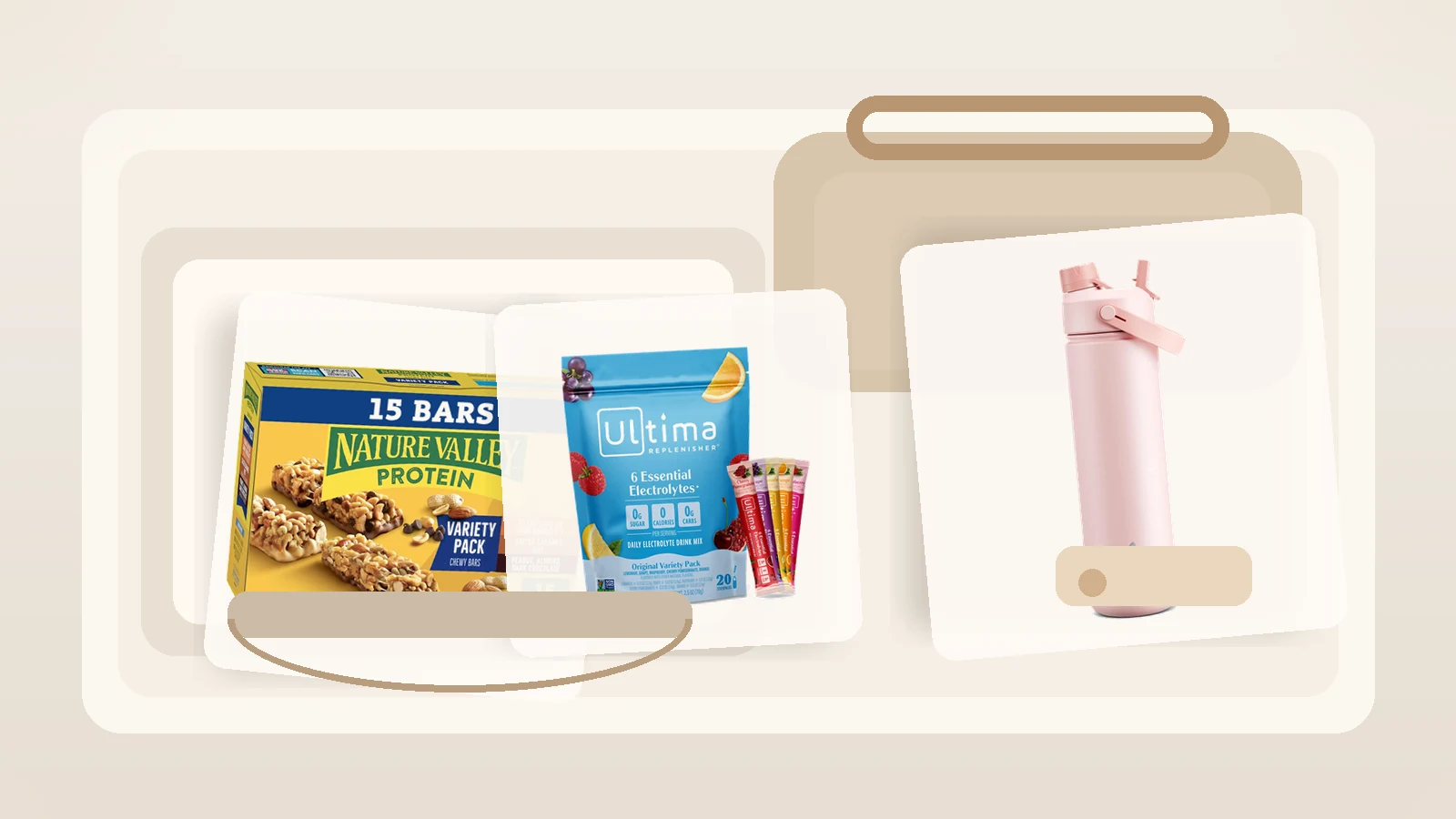
These three picks make a practical Hospital bag snacks setup: shelf-stable bars, an insulated straw bottle, and electrolyte drink mix to use only if it fits your hospital rules and personal guidance.
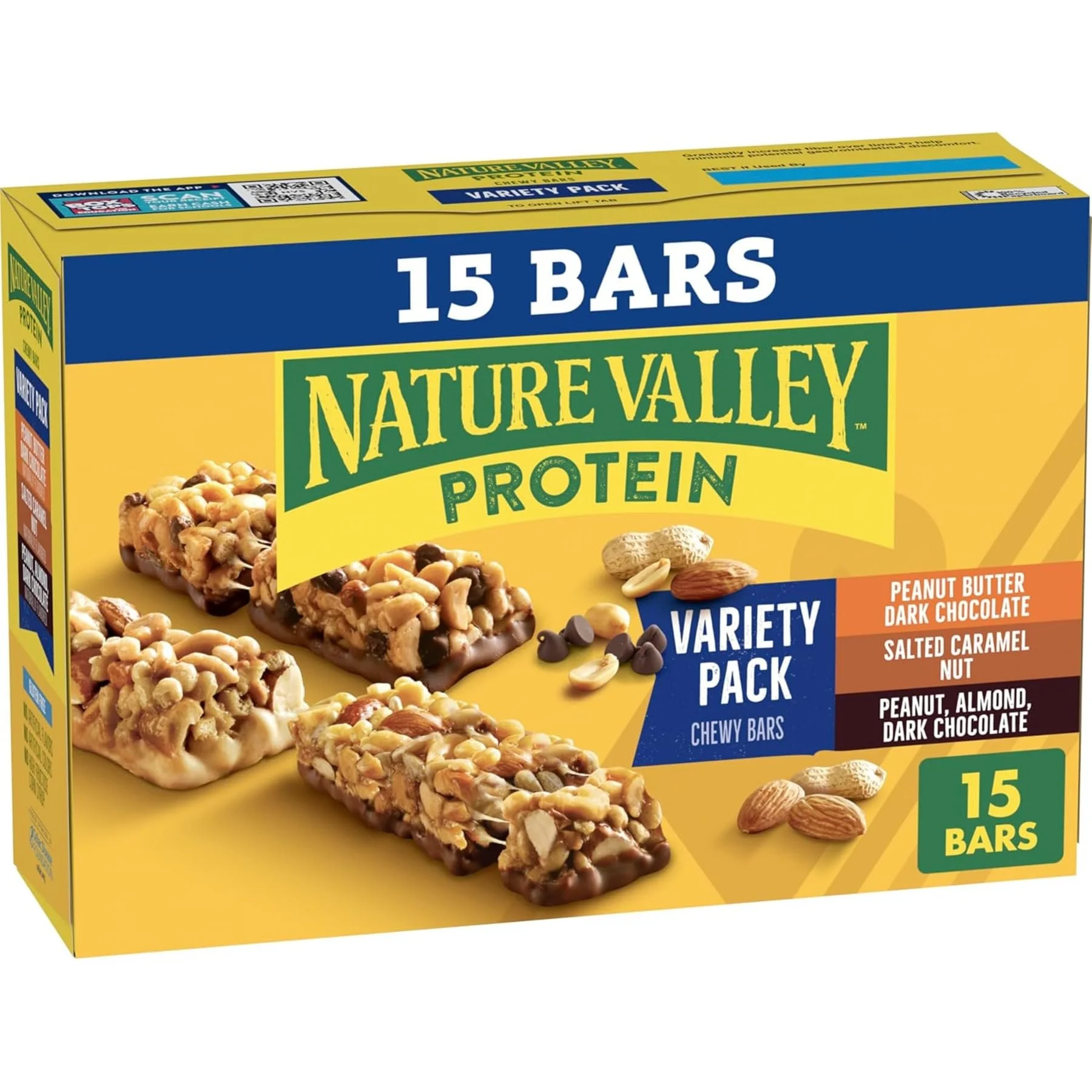
Protein or granola snack bars give partners a shelf-stable option during long waits; follow hospital rules about eating during labor.
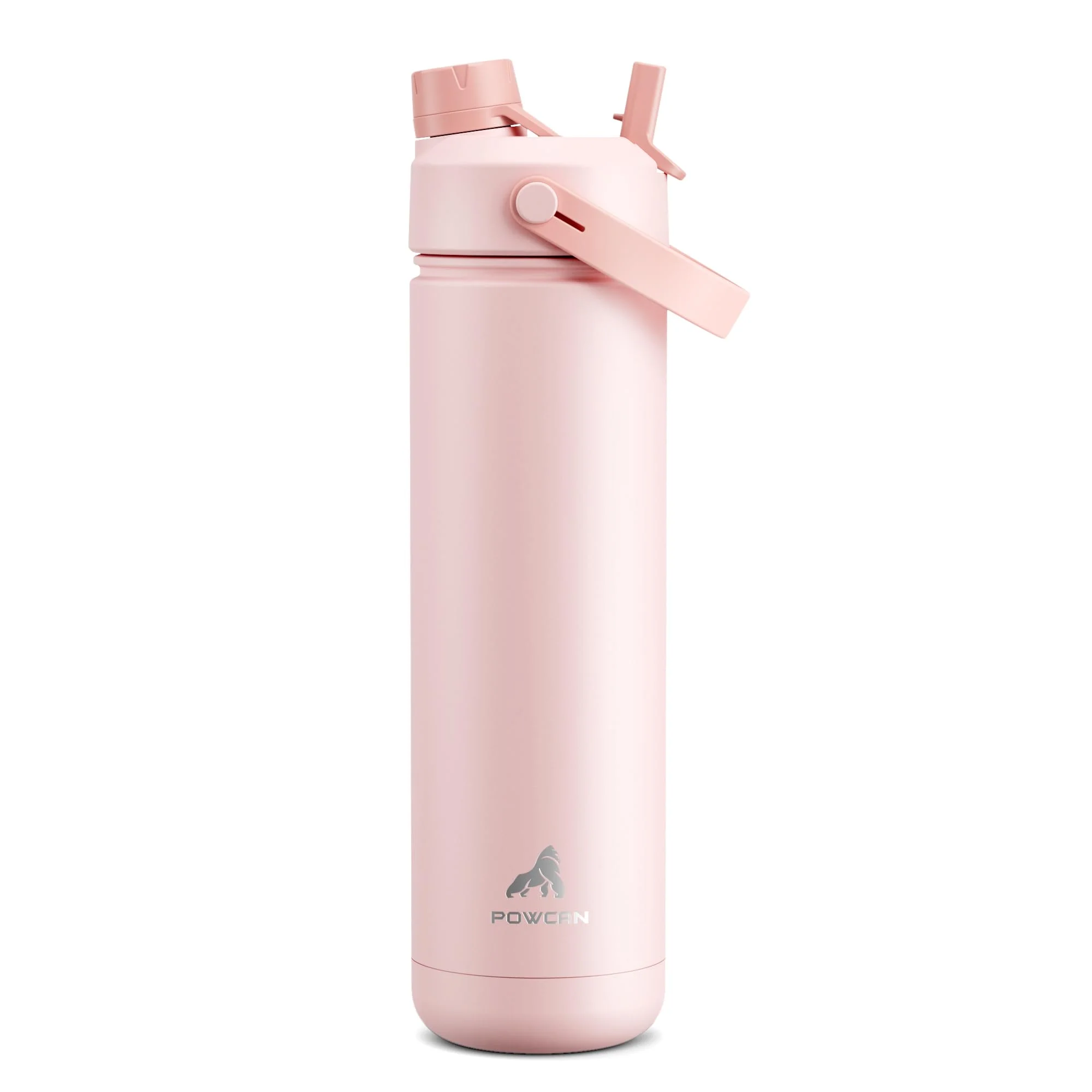
An insulated water bottle with a straw is easier to use one-handed while resting, feeding, or recovering in bed.
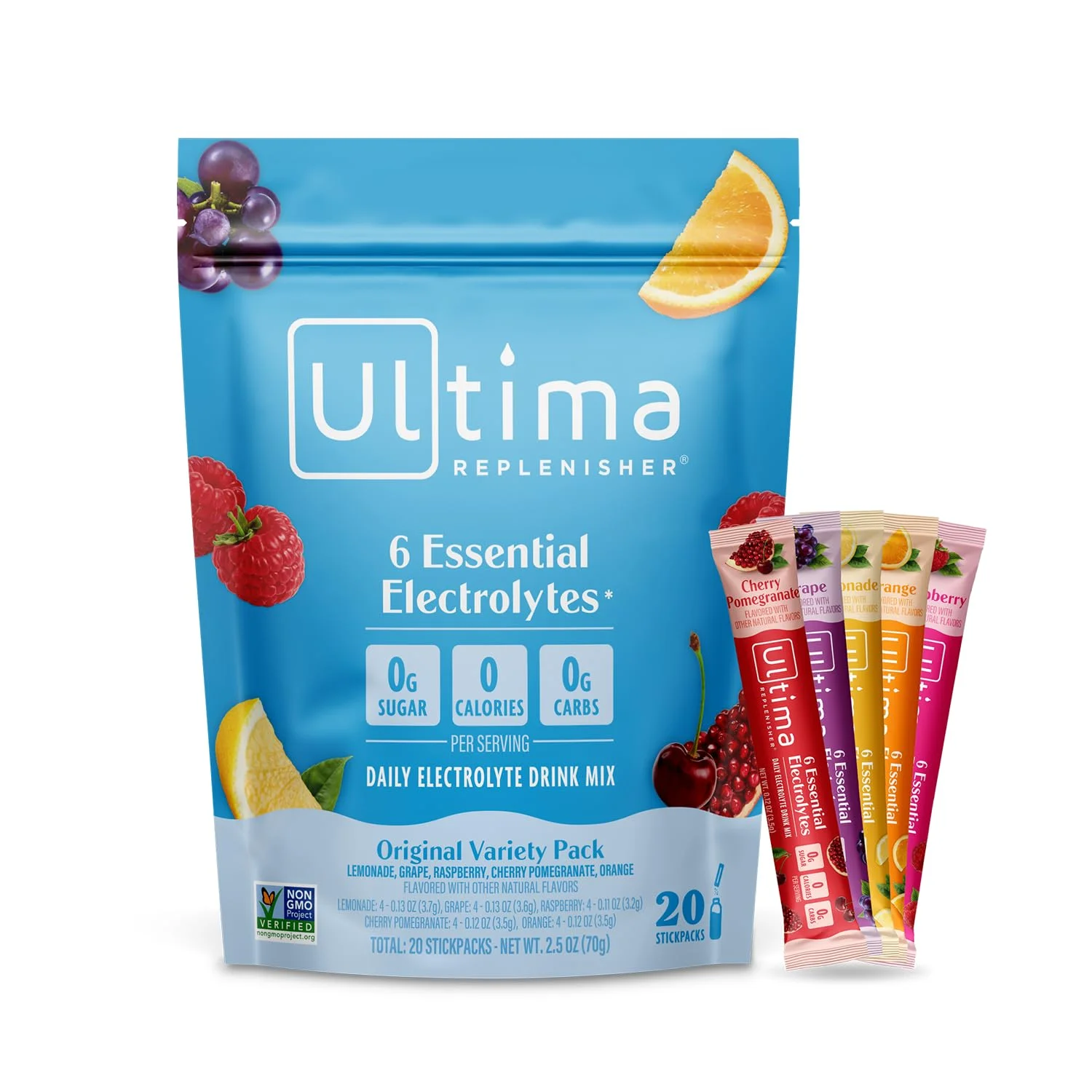
Electrolyte drink mix offers a portable hydration option, but ingredients and use should fit personal needs and hospital or clinician guidance.
Quick Answer: What Snacks Should Go in the Bag?
Pack a small mix of filling, bland, and easy foods: granola or protein bars, crackers, trail mix if your hospital allows nuts, dried fruit, applesauce pouches, gum or mints, and a drink bottle with a straw. For Hospital bag snacks, I would pack more for the partner than for the person in labor, because hospital food rules during labor vary and your care team may limit what you can eat or drink.
Before you rely on anything, check your hospital or birth center policy. Some parents can eat lightly during early labor, while others may be told to stick with clear liquids or nothing by mouth depending on the situation. For general labor preparation context, ACOG’s labor guidance is a helpful outside reference, but your clinician and hospital instructions are the ones to follow.
My Simple Snack Formula
The easiest Hospital bag snacks formula is three categories: something filling, something bland, and something refreshing. Filling means a bar or pouch that can get your partner through a long wait. Bland means crackers, pretzels, or applesauce when stronger flavors sound awful. Refreshing means water, ice chips if offered, gum, mints, or an approved drink option.
I would avoid anything greasy, crumbly in a dramatic way, strongly scented, or likely to melt. A hospital room is not the place for loud wrappers and onion breath. You also do not want food dust near newborn clothes or toiletries. If the snack cannot survive being packed for a few weeks near the door, it probably does not belong in the main bag. For the bigger packing picture, keep Hospital bag snacks as one tidy part of the full Hospital Bag Checklist.
This is where organization helps. If your main bag is divided with Hospital bag packing cubes, use a separate food pouch rather than putting snacks inside clothing cubes. Clear categories make the bag easier for a tired support person to use.
The Three Products I Would Pack
1. Protein or Granola Snack Bars
Protein or granola snack bars give partners a shelf-stable option during long waits; follow hospital rules about eating during labor.
Bars are the backbone of Hospital bag snacks because they are shelf-stable, compact, and easy to hand to a partner who forgot to eat. I like bars better than loose trail mix for the main bag because they are cleaner and easier to count. Pack a few flavors, but keep them familiar. Labor day is not the time to discover that a new protein bar tastes like sweetened cardboard.
Use bars mostly for the support person, recovery time, or waiting stretches when your care team says eating is fine. If you are the birthing parent, ask before eating during active labor. The right snack at the wrong time is still not worth ignoring medical instructions.
2. Insulated Water Bottle With Straw
An insulated water bottle with a straw is easier to use one-handed while resting, feeding, or recovering in bed.
A straw bottle is not technically a snack, but it belongs in the same packing zone. A bottle with a straw is easier to sip from when you are reclined, holding a baby, or too tired to unscrew a cap every time. For Hospital bag snacks, hydration is part of the system because dry hospital air and long waits make everyone feel worse.
Choose something that fits in a side pocket or can stand upright near the bed. Avoid oversized bottles that become one more heavy thing to haul through the parking garage. If your hospital provides cups and ice, great. Your own straw bottle just makes sipping simpler.
3. Electrolyte Drink Mix
Electrolyte drink mix offers a portable hydration option, but ingredients and use should fit personal needs and hospital or clinician guidance.
Electrolyte drink mix can be useful for a partner, a long hospital wait, or postpartum recovery if it fits your personal needs. I would not treat it like a medical necessity, and I would not use it during labor without checking the rules. Some hospitals are strict about what you can drink, especially if anesthesia or surgery might become part of the plan.
For Hospital bag snacks, I like single-serve packets because they pack flat and do not spill. Read the label, be mindful of sweeteners, caffeine, sodium, and any health conditions, and follow clinician guidance if you have diabetes, high blood pressure, nausea, fluid restrictions, or a high-risk pregnancy.
What I Would Pack for the Partner
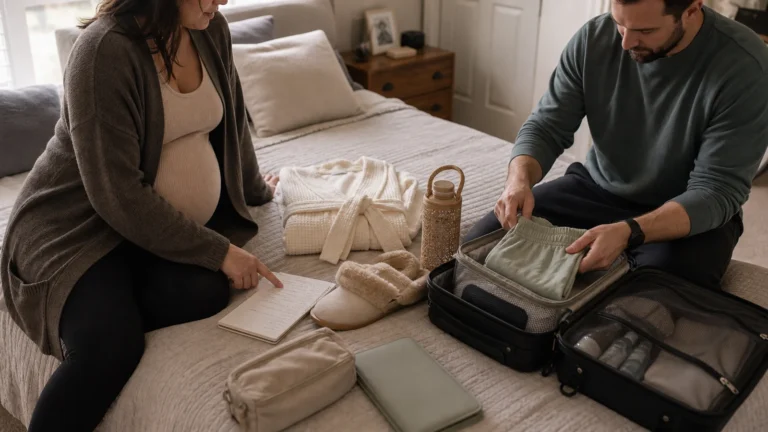
The partner snack pouch is where I would be most practical. Pack two or three bars, crackers or pretzels, gum, mints, and maybe dried fruit. Add a water bottle and a small trash bag or zip pouch for wrappers. Your support person may not want to leave the room for cafeteria food, especially if labor is moving or you need help communicating with staff.
Good Hospital bag snacks for partners are quiet, clean, and filling enough to prevent a crash. They should not smell like a deli counter. They should not require utensils. They should not make your partner stand there chewing loudly while you are doing the hardest work in the room. This is affectionate advice, but it is still advice.
If the partner also has a phone, charger, wallet, and hoodie to manage, use the Best bag for hospital bag pregnancy guide to decide whether a separate backpack or tote makes more sense than stuffing everything into the birth parent’s bag.
Snacks for Recovery and the First Night
After birth, the snack rules may feel different. You may be hungry, shaky, uninterested in food, or suddenly very interested in food at an inconvenient hour. A few gentle options can help until a meal arrives. I would pack crackers, a bar, applesauce, and a drink option, then let the hospital meal or family food handle anything bigger.
This is also when toiletries and snacks should stay apart. The Hospital bag toiletries pouch should not smell like peanut butter or mint gum. Separate pouches are a small thing, but small things matter when you are recovering and learning a newborn at the same time.
For Hospital bag snacks, think of recovery food as backup, not a complete meal plan. You are packing for gaps: after triage, during a long wait, before the cafeteria opens, or when your partner needs something fast. Keep it simple and kind to your future tired self.
What I Would Skip
I would skip anything messy, sticky, refrigerated, or strongly scented. I would also skip huge snack hauls. You do not need a pantry in the hospital room. Too many choices create more clutter, and clutter makes it harder to find the things that matter.
Also be careful with supplements, herbal drinks, caffeine-heavy options, and electrolyte products that do not fit your health situation. If you have medical concerns, ask your clinician before packing specialty drinks or anything you plan to rely on. Hospital bag snacks should support the day, not complicate it.
Before you close the food pouch, check the full Hospital Bag Checklist one more time and make sure snacks have a clear place. If the pouch is bulging, edit. If it fits easily and the food still sounds edible, you are in good shape.
FAQ
Can I eat snacks during labor?
Maybe, but it depends on your hospital policy, birth situation, and medical guidance. Ask your care team before eating or drinking during active labor, especially if anesthesia, induction, or surgery is possible.
What snacks are best for a hospital bag?
Choose shelf-stable, low-mess foods such as bars, crackers, pretzels, applesauce pouches, dried fruit, gum, and mints. Pack familiar foods that do not have strong smells.
Should I pack snacks for my partner?
Yes. Partner snacks are often more useful than labor snacks because support people may skip meals, avoid leaving the room, or need quick energy during long waits.
Are electrolyte drinks okay for the hospital?
Sometimes, but check your hospital rules and personal medical guidance. Read labels carefully, especially if you have diabetes, blood pressure concerns, fluid restrictions, nausea, or a high-risk pregnancy.
My final take: Hospital bag snacks should be boring, tidy, and useful. Pack a few bars, a few bland options, gum or mints, and a good bottle. Follow hospital rules for labor, feed the support person before they fade, and keep food in its own pouch.
Use the Hospital Bag Checklist as your final pass, then stop adding food. A small snack kit that stays clean and findable is better than a giant bag of maybes.
Shop snack picks