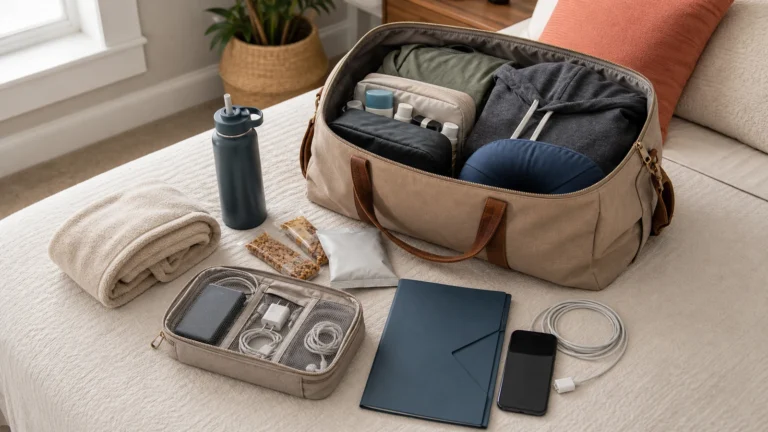
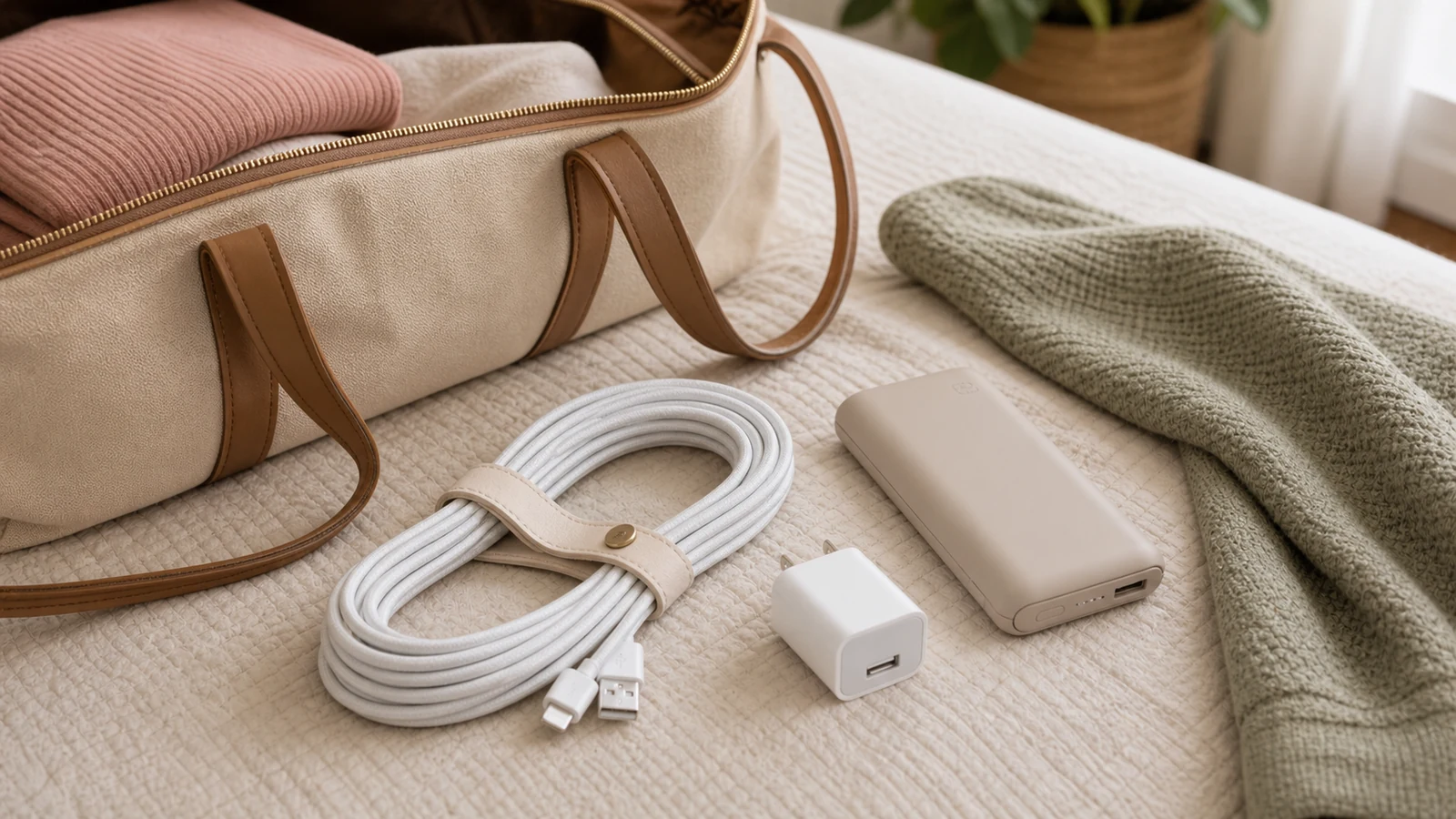
Hospital Bag Phone Charger: Why a 10-Foot Cable Belongs on Your List
A Hospital bag phone charger is easy to forget and deeply annoying to need when the nearest outlet is behind the hospital bed. After three babies, I would pack a 10-foot cable, the correct wall adapter, and a charged power bank. Label everything before labor. Your phone may handle family updates, photos, music, insurance information, feeding notes, and the ride home, so dependable power is a small preparation with an outsized payoff.
Put the charging kit in one easy-to-find pouch within your full Hospital Bag Checklist. Do not scatter the cord, adapter, and battery across different pockets. A long cable solves the outlet-distance problem, while a power bank keeps the phone usable during triage, transfers, crowded rooms, or moments when plugging into the wall is inconvenient.
Disclosure: BabyEthos is reader-supported. As an Amazon Associate, we earn from qualifying purchases. This does not change what you pay.
QUICK SHOP
Quick Phone Power Picks
A long charging cable reaches inconvenient outlets, while a charged portable power bank provides flexible backup power away from the wall.
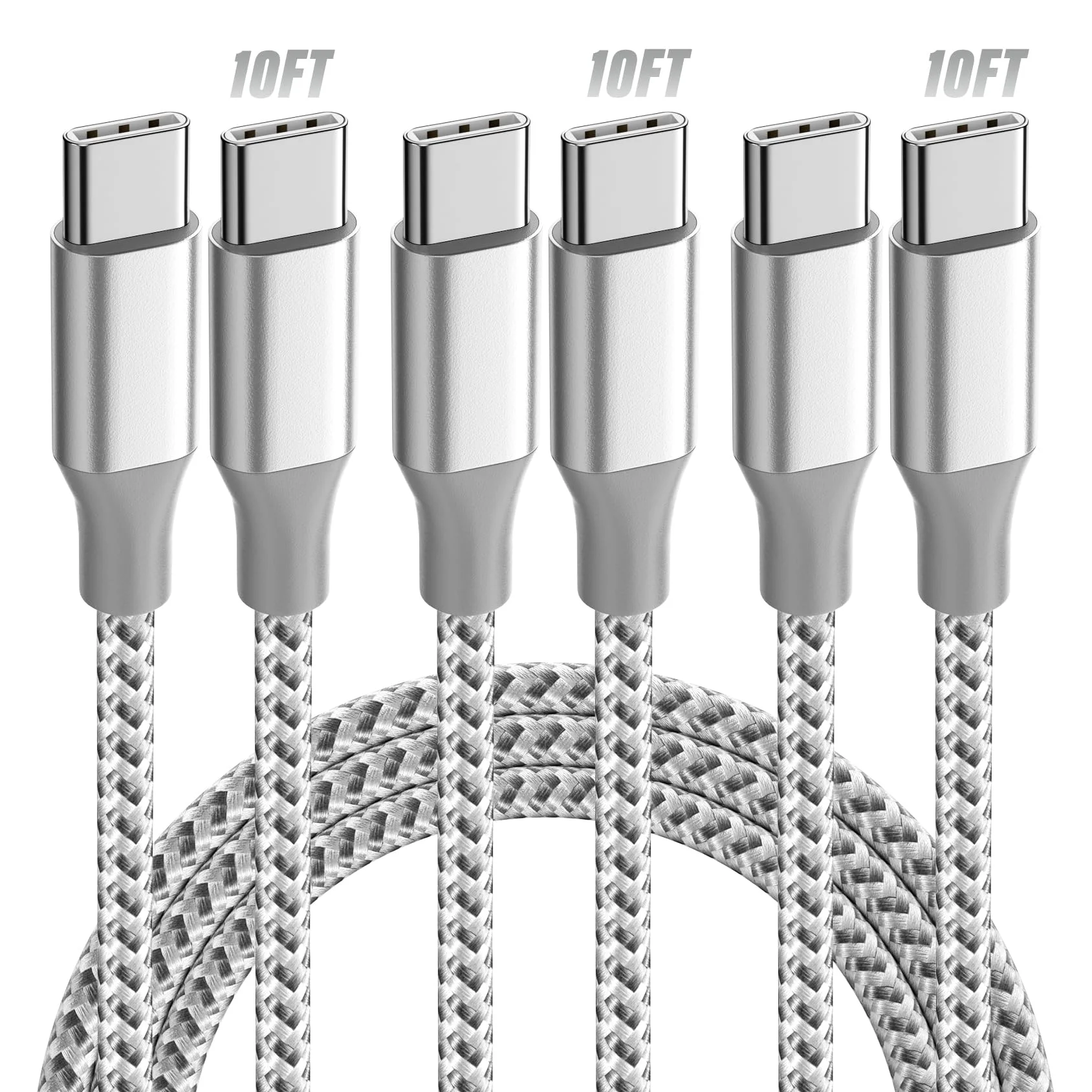
A 10-foot phone charger cable reaches outlets behind hospital beds and keeps phones available for calls, photos, and family updates.
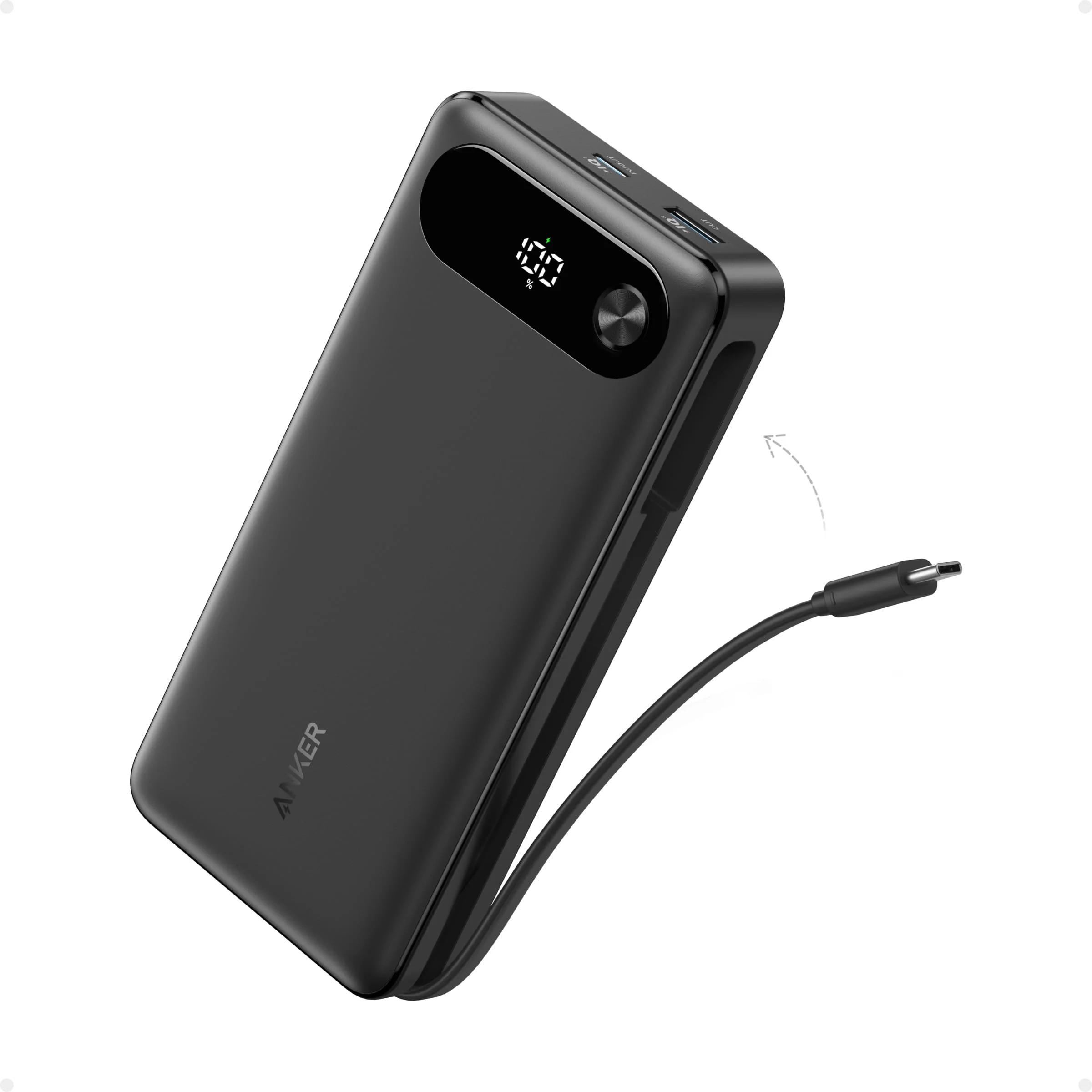
A portable power bank keeps phones charged during triage, room changes, or long stretches when a wall outlet is inconvenient.
Quick Answer: What Should You Pack?
For a Hospital bag phone charger, pack one tested 10-foot cable, a compatible wall adapter, and one fully charged power bank. If you and your support person use different connectors, bring the correct cable for each device or a clearly labeled multi-device solution. Test every combination at home rather than trusting a new cord on admission day.
The ideal Hospital bag phone charger kit is long enough to reach but organized enough not to cross the walking path. Use a cable tie, keep excess length coiled, and ask staff where cords may safely run. Hospital equipment, call-button cords, rolling tables, and bassinets already make the space busy.
Why a 10-Foot Cable Is Worth Packing
A Hospital bag phone charger needs extra reach because hospital outlets are rarely placed for someone scrolling in bed. They may sit behind furniture, low on a wall, or across the head of the bed. A standard short cable can leave your phone charging on the floor or out of reach when you need to contact family, adjust music, or photograph a sleepy newborn.
A long Hospital bag phone charger lets the device reach your bedside table without stretching the connection. Ten feet is usually generous enough for awkward layouts, but length is only helpful when managed safely. Route it along a wall or furniture edge with staff approval rather than across the room.
Do not forget the wall adapter. Many phones now ship without one, and a cable alone cannot use a standard outlet. Check the adapter’s port type, your phone connector, and whether your cable supports charging rather than data only. Pack the adapter and cable together in a small pouch.
Keep electronics separate from your Hospital bag documents. Insurance cards and printed forms should not share a pocket with tangled cords, batteries, or a water bottle. A simple tech pouch makes the charging kit easier for a tired partner to find.
Two Useful Charging Products
1. 10-Foot Phone Charger Cable
A 10-foot phone charger cable reaches outlets behind hospital beds and keeps phones available for calls, photos, and family updates.
This 10-foot cable addresses the most common hospital-room charging frustration: distance. Before packing it, connect it to the exact adapter and phone you will bring. Confirm that charging starts reliably, the connector is not loose, and the cable has no cracks, exposed wiring, sharp bends, or unusual heat.
For a Hospital bag phone charger, label the cable near both ends with your family name or a colored tag. Plain charging cords look alike, and hospital rooms contain plenty of equipment. A label reduces the chance that your cable is forgotten or confused with someone else’s.
Coil the excess length with a reusable cable tie. Never loop it around bed rails, medical lines, or equipment. Keep it away from sinks and drink cups, and unplug it before moving rooms. If staff says the placement interferes with care, relocate it immediately.
2. Portable Power Bank
A portable power bank keeps phones charged during triage, room changes, or long stretches when a wall outlet is inconvenient.
A portable power bank is useful during triage, while moving between rooms, or when the wall outlet is already occupied with approved equipment. Charge it fully at home and pack the short cable needed to connect it to your phone. Also include the correct cable or adapter to recharge the battery itself.
A power bank makes the Hospital bag phone charger system more flexible, but treat lithium-ion batteries carefully. Use a reputable, undamaged product and follow the manufacturer’s instructions. Stop using it if it swells, leaks, smells unusual, becomes excessively hot, or has been physically damaged.
Do not place a charging battery under pillows, blankets, mattresses, or clothing where heat can build. Keep it dry, visible, and on a stable surface. Do not leave it in a hot car while the hospital bag waits for labor.
Build a Tiny Charging Kit
My Hospital bag phone charger kit would contain the long cable, wall adapter, charged power bank, short power-bank cable, and one cable tie. If your partner needs separate power, add only what their device requires. A multi-port wall adapter can reduce clutter, but use one that is compatible with your devices and hospital policy.
Test the complete Hospital bag phone charger kit a few weeks before the due date. Plug the long cord into the wall adapter, charge the phone, use the power bank, and recharge the power bank. This catches the classic problem where every individual piece looks right but the ports do not match.
Place the pouch near the top of the bag, ideally beside items your partner manages. Your support person is likely to handle outlet hunting, family messages, photos, and cord organization while you recover. Clear labels save both of you from a surprisingly irritating scavenger hunt.
Keep the phone accessible without placing it in the bassinet or on the baby’s sleep surface. If you are wearing loose recovery clothing from the Nursing pajamas hospital bag guide, use a pocket only while awake and moving carefully; remove hard objects before skin-to-skin contact or sleep.
How to Manage Power During the Stay
Start admission with the phone well charged so the Hospital bag phone charger begins as backup rather than rescue. Turn on low-power mode, lower screen brightness, and download music, podcasts, or important documents before leaving home. Hospital cellular service and Wi-Fi can be inconsistent, so offline copies reduce battery drain and frustration.
A practical Hospital bag phone charger plan assigns one person to watch the battery level and pack every component before discharge. My preferred rule is that the partner plugs in the phone when it reaches about half charge rather than waiting for the final few percent during a busy moment.
Store essential contacts, your hospital address, pediatrician information, pharmacy details, and the route home in the phone, but keep critical paper copies where appropriate. Your Hospital bag birth plan should remain available even if the phone battery dies or the device is locked away during care.
Before discharge, perform a tech sweep: wall outlet, bedside table, floor, chair, window ledge, bathroom counter, and every bag pocket. Unplug the adapter first, coil the cable, confirm the power bank is present, then pack the phone last. Long cords are especially easy to leave behind furniture.
Charging Safety in a Hospital Room
Ask staff where the Hospital bag phone charger can safely connect near the bed. Never unplug hospital equipment. Keep your charging cable away from IV tubing, oxygen equipment, monitors, wheels, doorways, and walking paths. If you cannot place it without creating clutter, use the power bank until a safer setup is available.
The U.S. Consumer Product Safety Commission provides general battery safety information, including attention to compatible charging and damaged batteries. Follow the product manufacturer and hospital rules, and use only intact equipment. A cheap, frayed cord is not worth the risk.
Inspect the Hospital bag phone charger before every birth or hospital stay. Replace cords with exposed conductors, bent connectors, melted areas, or intermittent charging. Do not force a connector, use an adapter that feels loose, or continue charging if a device becomes unusually hot.
Include the charging pouch in the final Hospital Bag Checklist review. Verify the wall adapter is physically inside, not still plugged in beside your bed at home. That tiny omission can turn a carefully packed long cable into decorative string.
What I Would Skip
I would skip a pile of mystery cables, an untested bargain adapter, a cracked cord kept “just in case,” and an old swollen battery. I would also avoid bringing a large power strip unless your hospital explicitly approves it. More outlets do not automatically mean safer charging.
Do not overbuild the Hospital bag phone charger kit. One reliable long cable and one charged backup battery are enough for most families. If you carry multiple cameras, tablets, watches, and headphones, decide which devices truly matter during a short stay and leave the rest at home.
Keep liquids in a different section of the bag. A leaking water bottle, toiletry, or nipple cream can damage connectors and batteries. Electronics deserve a dry pouch that closes securely but remains easy to identify within the full Hospital Bag Checklist.
FAQ
How long should a hospital phone charger cable be?
A 10-foot cable is a practical choice because hospital outlets may be behind furniture or far from the bed. Manage extra length so it does not cross a walking path.
Should I bring a power bank to the hospital?
Yes, a charged power bank is useful during triage, room transfers, or when a safe wall outlet is unavailable. Use an intact product and follow its charging instructions.
Do I need to pack a wall adapter?
Usually, yes. A cable cannot connect to a standard wall outlet without a compatible adapter. Test the adapter, cable, and phone together before packing.
Can I use any hospital outlet?
No. Ask staff before using outlets near medical equipment, and never unplug hospital devices. Follow unit rules and keep cords away from equipment and walking paths.
My final Hospital bag phone charger formula is one tested 10-foot cable, the matching wall adapter, one charged power bank, and a cable tie. Label the pieces, keep them dry, and route cords safely. This is not the most sentimental item in the bag, but it may become one of the most used.
Use the Hospital Bag Checklist for your final sweep, then test the phone one last time. Reliable power means fewer logistics when your attention belongs elsewhere.
Shop charging picks