Hospital Bag Checklist After Your Water Breaks: What to Grab Before You Go
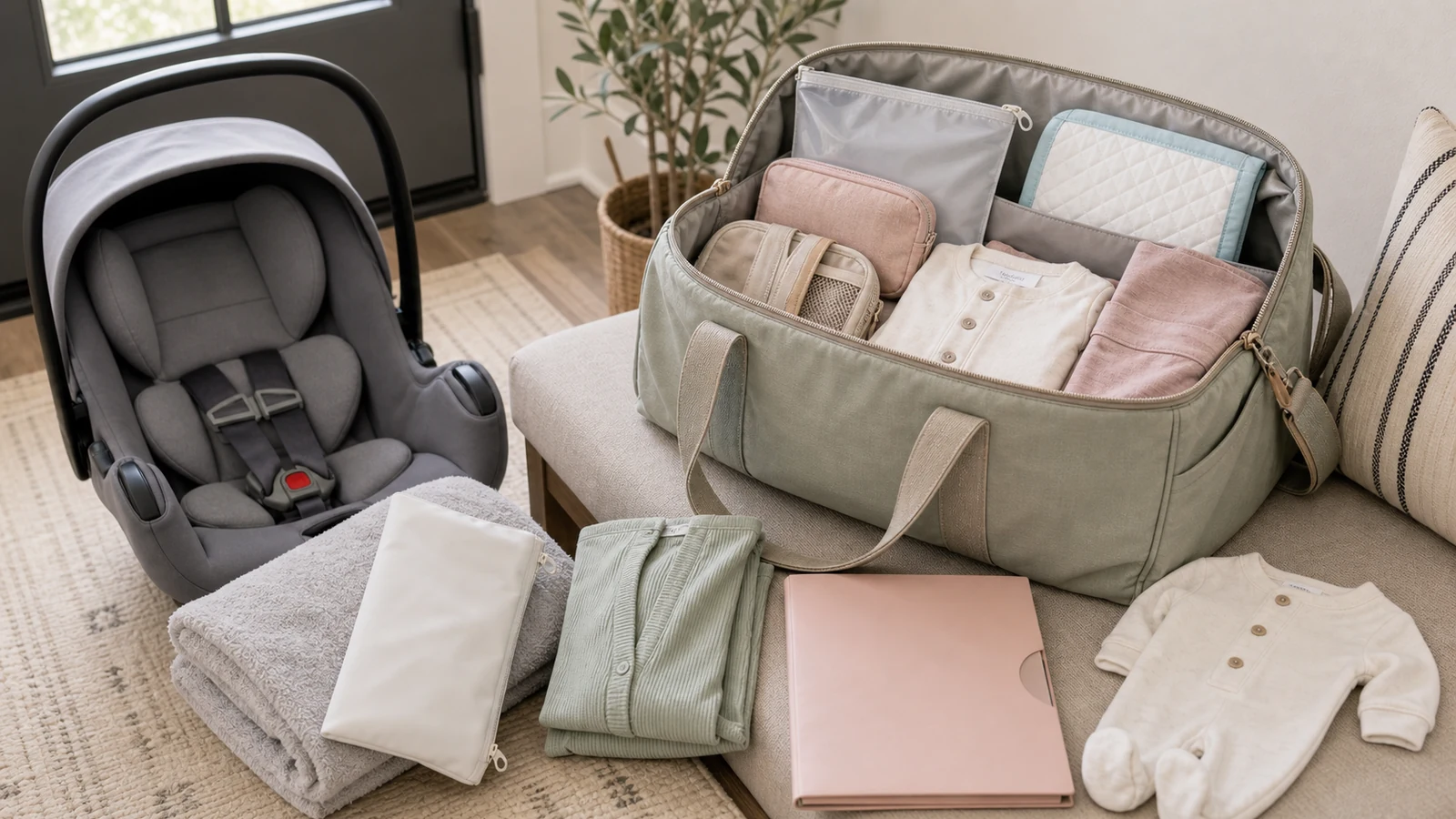
Hospital bag checklist after water breaks should be short, calm, and ready to use under pressure. Grab your main bag, ID and insurance, phone, charger, document folder, something absorbent for the car seat, a wet dry bag, loose clothes for you, baby’s going-home outfit, toiletries, and the already-installed infant car seat. Then follow your hospital’s instructions about when to come in. This is not the moment to repack the whole house.
Use the full Hospital Bag Checklist as the master plan, but after your water breaks, switch into grab-and-go mode. The goal is to protect the car, keep documents together, bring the discharge basics, and avoid standing in the hallway debating tiny extras.
Disclosure: BabyEthos is reader-supported. As an Amazon Associate, we earn from qualifying purchases. This does not change what you pay, and product choices should never replace your hospital’s instructions, your clinician’s advice, or your car seat and vehicle manuals.
QUICK SHOP
Water-Break Grab-and-Go Picks
These assigned picks cover the fast exit: the bag, wet-item control, documents, car protection, parent clothes, baby clothes, toiletries, and the required ride-home seat.
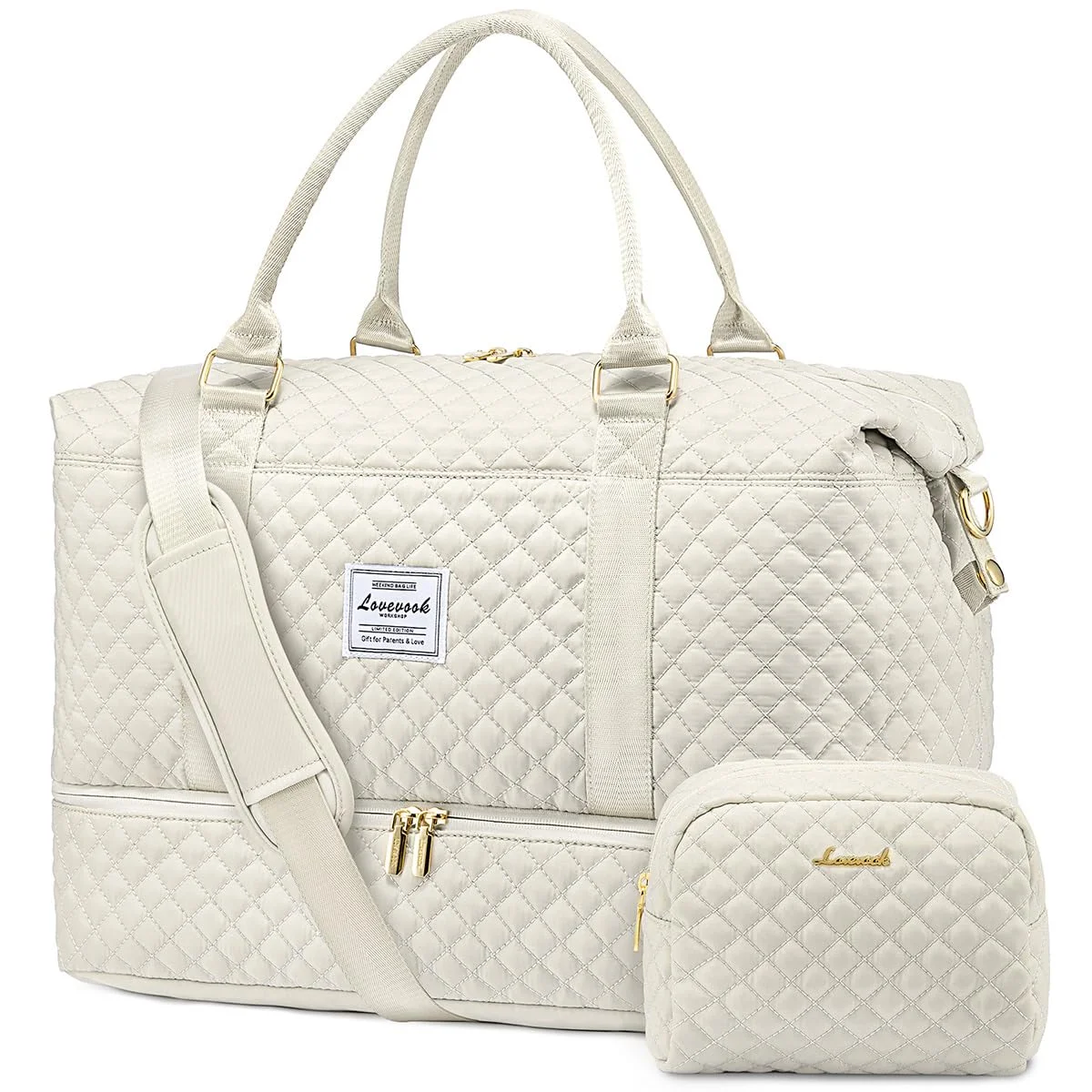
A roomy weekender duffel bag that keeps clothing, toiletries, and small labor essentials together without requiring a full-size suitcase.
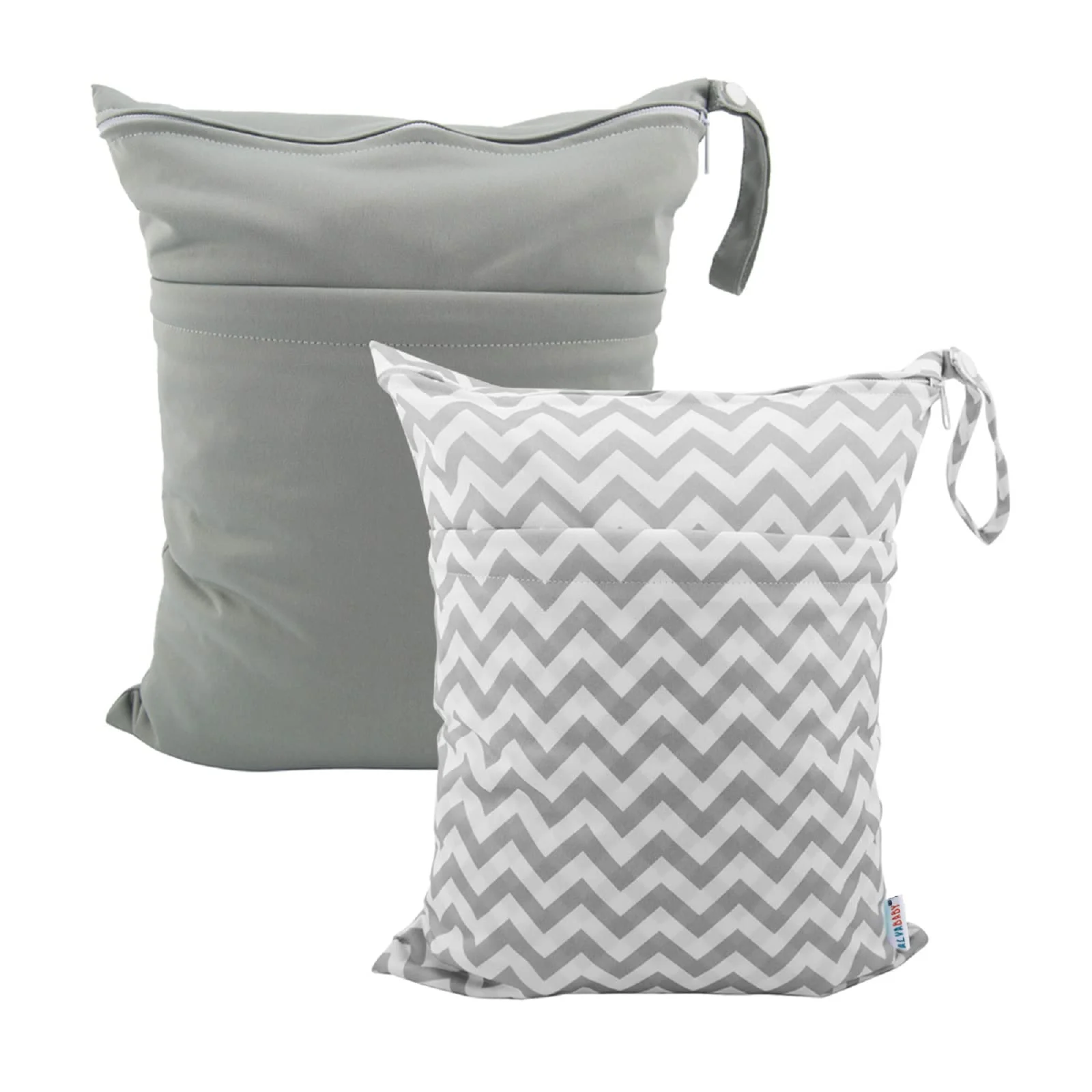
A wet dry bag gives damp clothing, used washcloths, or leak-prone toiletries a separate place for the ride home.
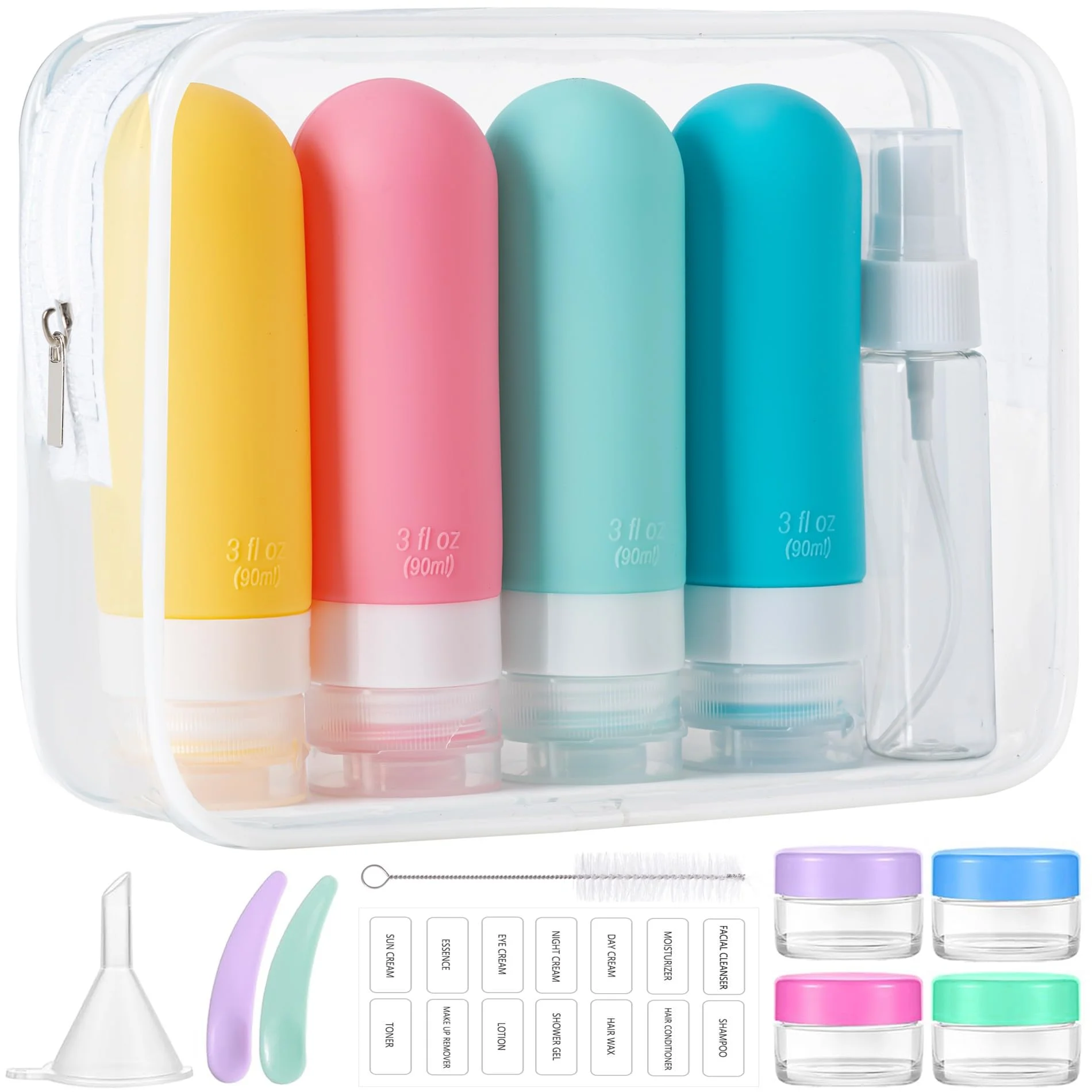
This travel toiletry kit holds shampoo, conditioner, lotion, and other familiar bathroom basics without packing full-size bottles.

A loose going-home outfit avoids pressure around a tender postpartum belly while remaining simple to step into before discharge.
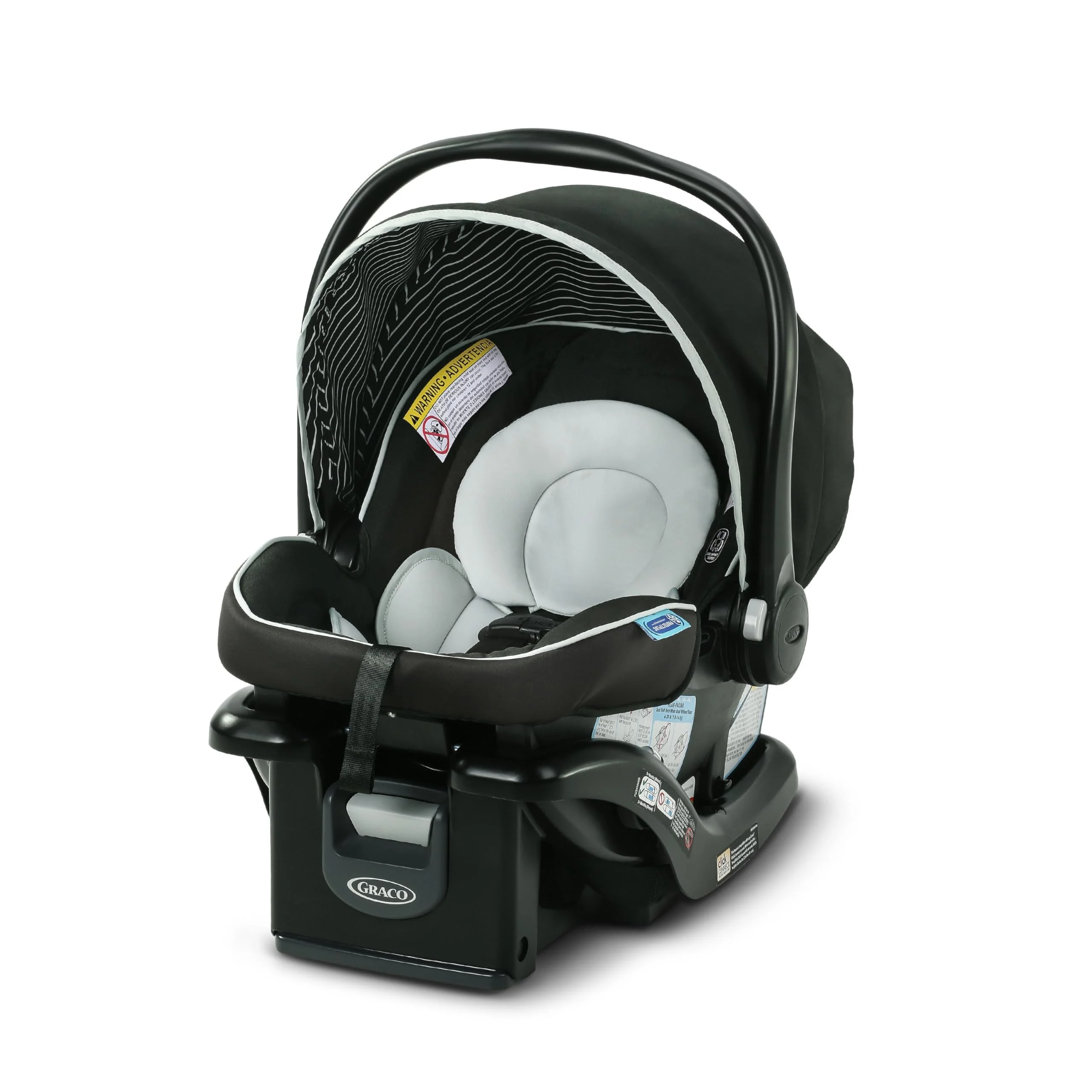
An installed rear-facing infant car seat is required for the trip home; confirm the fit and installation before labor begins.
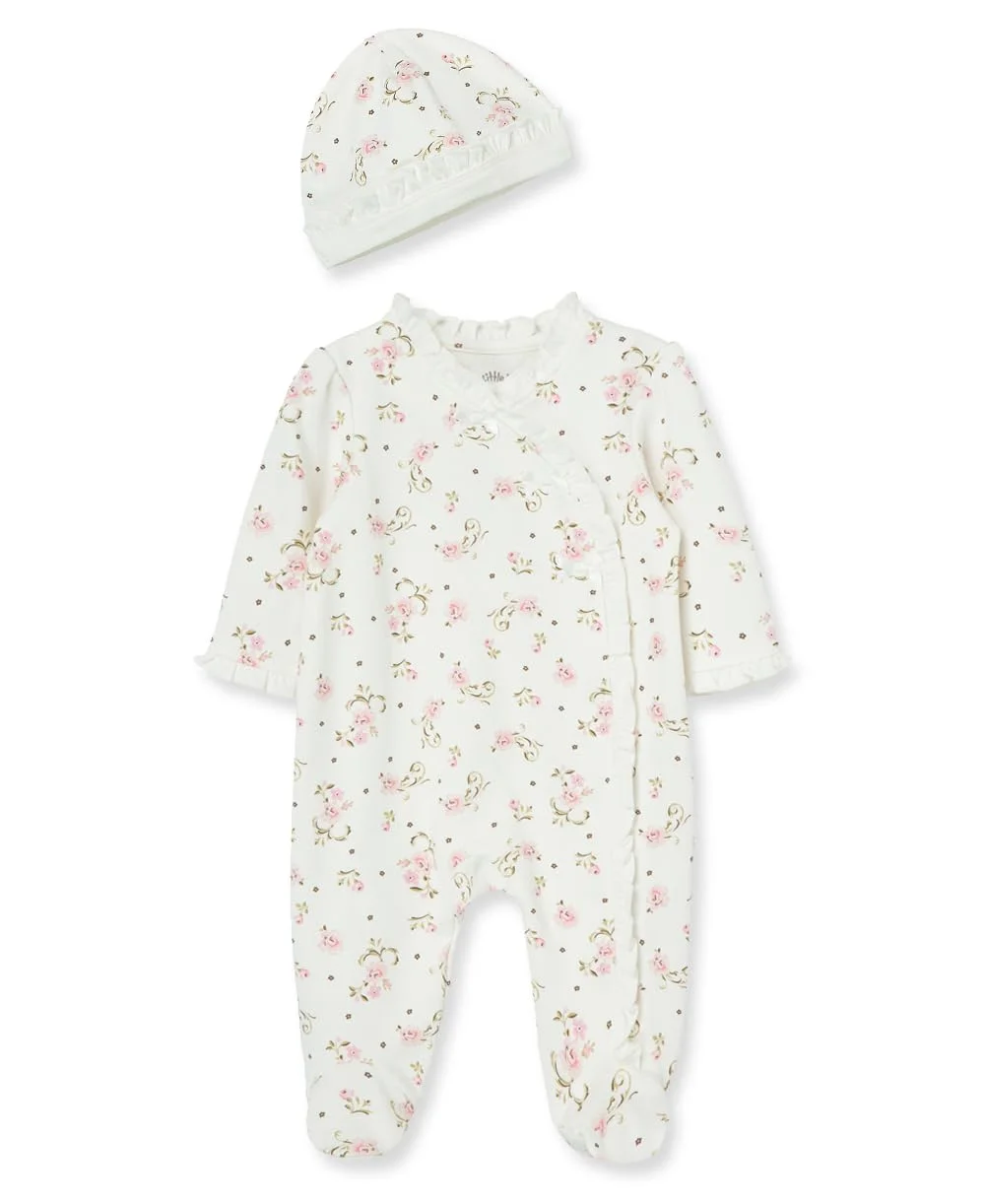
A soft newborn going-home outfit with a footed one-piece and hat keeps discharge dressing simple while fitting beneath the car-seat harness.
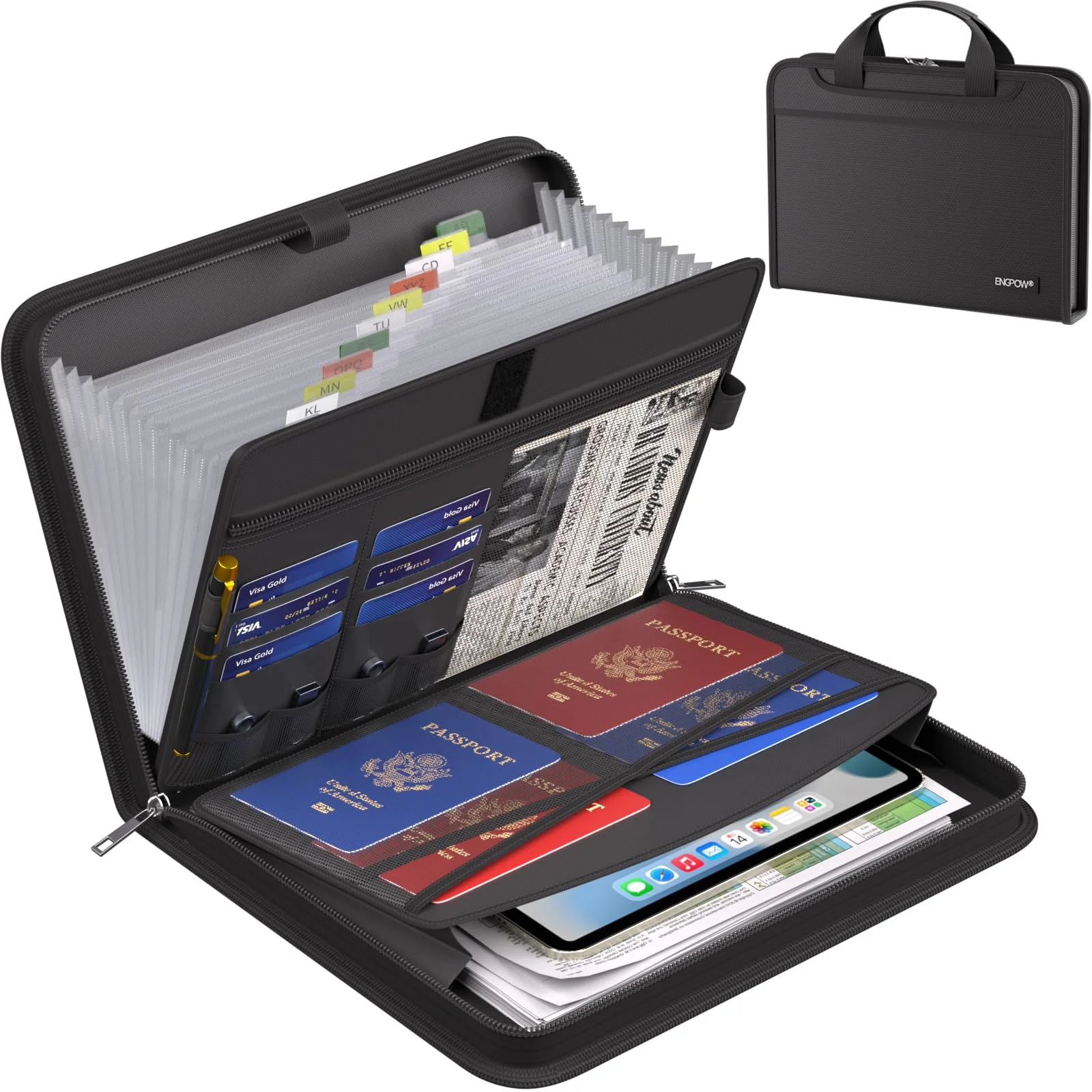
A document organizer folder keeps identification, insurance details, birth preferences, and discharge paperwork together and easy for a partner to find.
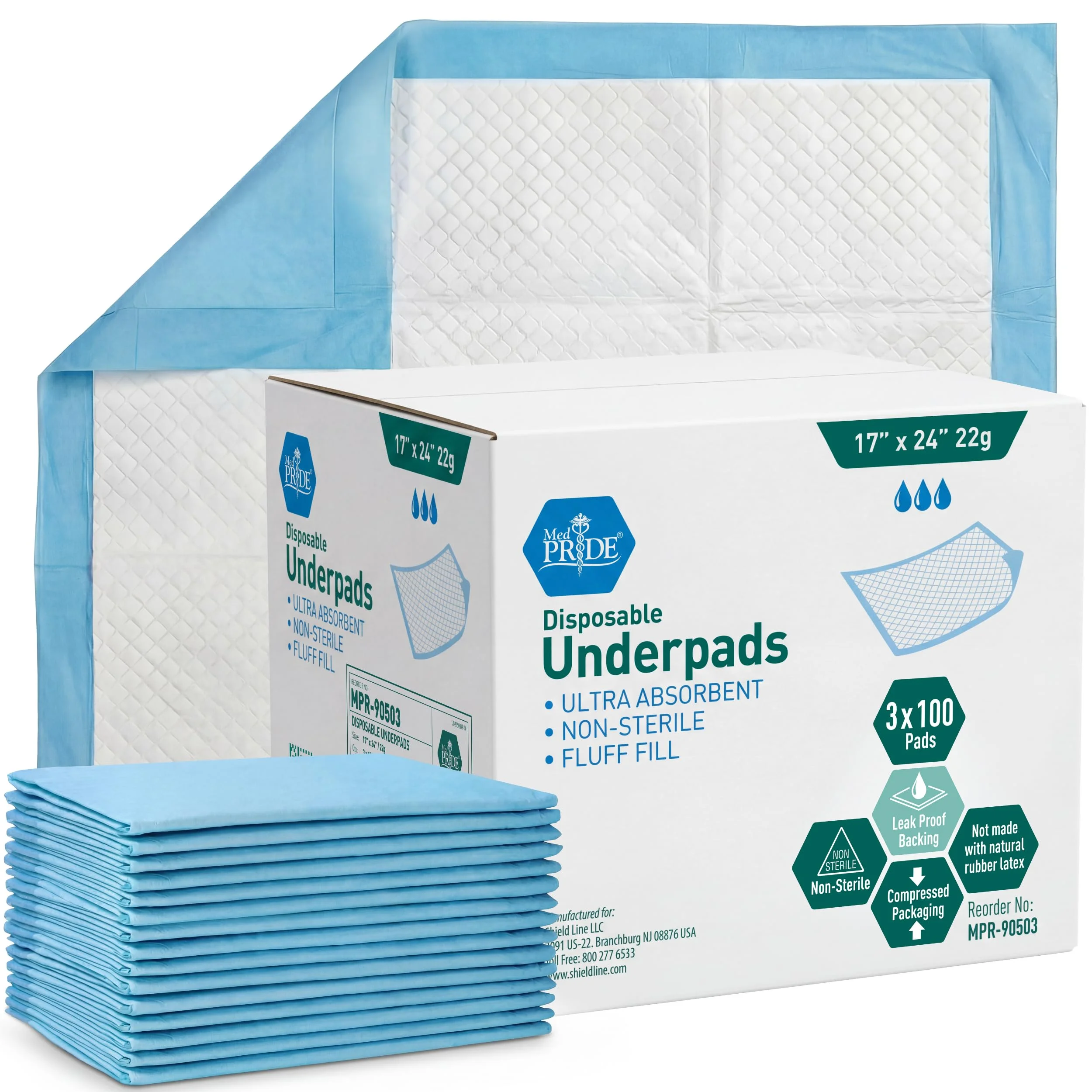
Disposable waterproof underpads protect a vehicle seat or mattress from leaks and provide a clean surface for last-minute clothing changes.
Quick Answer: What to Grab First
Start with the things that affect admission and the ride: documents, phone, charger, shoes, main bag, a towel or waterproof pad for the car, and anything your hospital specifically told you to bring. Mayo Clinic’s guide to water breaking explains that if you are uncertain whether your water broke, you should contact your care team or delivery facility. Your hospital’s advice comes first; the bag comes second.
If you already made a car kit, open our hospital bag items to keep in the car guide later for a deeper reset. In the moment, keep it simple: dry seat, reachable documents, charged phone, comfortable clothes, baby discharge basics, and the seat ready for the ride home.
The Main Bag and Wet-Item Control
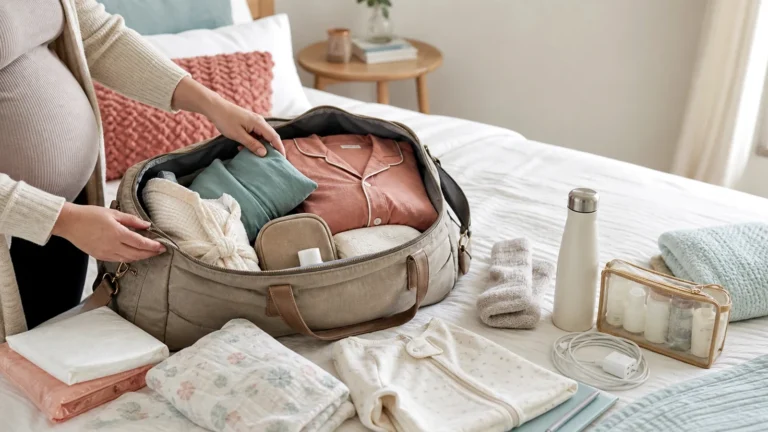
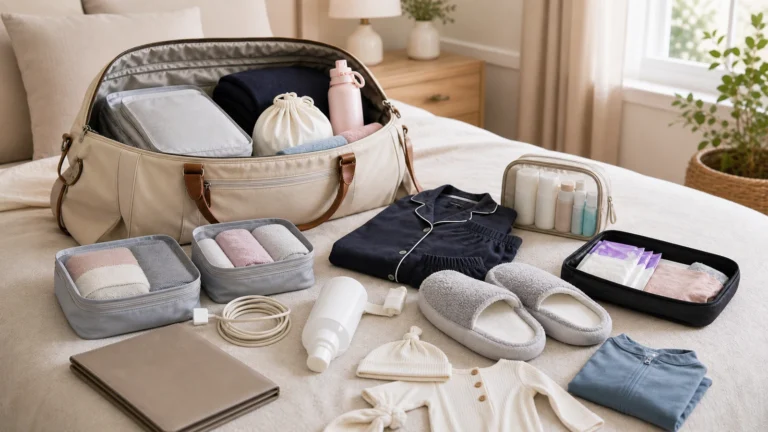
A weekender duffel is useful here because it can sit by the door and move as one unit. Do not open every pocket after your water breaks unless something important is missing. If the bag has been packed with clear zones, you can grab it and go.
A roomy weekender duffel bag that keeps clothing, toiletries, and small labor essentials together without requiring a full-size suitcase.
A wet dry bag is a small item with a big job. Use it for damp clothes, a used towel, wet underwear, a washcloth, or anything you do not want touching clean baby clothes. Keep it near the top of the bag, not tucked under the going-home outfit.
A wet dry bag gives damp clothing, used washcloths, or leak-prone toiletries a separate place for the ride home.
Disposable waterproof underpads are a practical car-seat protection layer for the pregnant parent’s seat on the drive to the hospital. They are not for infant sleep and not for placing under a baby in a car seat. Think of them as a disposable buffer for your vehicle seat if fluid is still leaking.
Disposable waterproof underpads protect a vehicle seat or mattress from leaks and provide a clean surface for last-minute clothing changes.
Documents, Toiletries, and Clothes
Your document organizer should be one of the easiest things to find. Put ID, insurance card, hospital registration notes, birth plan preferences, medication list, pediatrician information, and any provider instructions in one folder. When everyone is moving quickly, one folder beats a stack of loose papers in the side pocket.
A document organizer folder keeps identification, insurance details, birth preferences, and discharge paperwork together and easy for a partner to find.
A travel toiletry kit should already be packed, but this is your moment to grab daily items if they are not inside: glasses, contacts case, toothbrush, hair tie, lip balm, or anything you use every morning. I would not add a full bathroom drawer. Add only the items you would actually miss during admission.
This travel toiletry kit holds shampoo, conditioner, lotion, and other familiar bathroom basics without packing full-size bottles.
A loose going-home outfit for mom is worth keeping clean and easy to find. After your water breaks, you may change clothes before leaving, or you may simply sit on a towel or pad and go. The extra outfit is for discharge or a later change, not something to delay departure over if your hospital wants you in promptly.
A loose going-home outfit avoids pressure around a tender postpartum belly while remaining simple to step into before discharge.
Baby Ride-Home Basics
The infant car seat should be installed or ready according to the car seat manual and your vehicle manual before labor day, not assembled while you are leaking fluid and trying to leave. It is the required ride-home item, not something to pack inside the duffel.
An installed rear-facing infant car seat is required for the trip home; confirm the fit and installation before labor begins.
A newborn going-home outfit can stay in the baby cube. If your hospital bag is already zipped, do not reopen everything just to admire it. Make sure one simple, car-seat-friendly outfit is packed, then leave it alone. Avoid bulky layers under the harness for the ride home.
A soft newborn going-home outfit with a footed one-piece and hat keeps discharge dressing simple while fitting beneath the car-seat harness.
For the full baby, parent, partner, and recovery picture, the parent hospital bag checklist is still the organizing document. After your water breaks, your job is not to perfect the bag; it is to take the prepared pieces and follow your care team’s plan.
What to Leave Behind
Leave behind anything that requires a long search: extra photo props, nursery decor, full-size toiletries, a pile of snacks, unopened postpartum products you are unsure about, or a second suitcase of “maybe” items. You can always have someone bring extras later if your stay is longer than expected.
Do not leave critical items in the car if you need them at triage. Bring documents, phone, charger, wallet, glasses, and any clinician-approved daily medication with you. The Hospital Bag Checklist helps prevent forgotten basics, but your hospital’s call instructions should decide the pace.
FAQ
Should I go to the hospital as soon as my water breaks?
Follow your hospital’s or clinician’s instructions. If you are unsure whether your water broke, fluid changes color or smell, bleeding changes, baby movement worries you, or you feel unsure, call your care team.
What should I sit on in the car?
A towel or disposable waterproof underpad can help protect the pregnant parent’s seat. Do not use loose pads or bulky layers with an infant in a car seat.
Should I shower before leaving?
Ask your care team if you are unsure. If your hospital wants you to come in, do not delay for a full routine. Grab the essentials and follow their instructions.
What if my bag is not fully packed?
Take the must-haves first: documents, phone, charger, wallet, shoes, something absorbent for the ride, basic clothes, and the already-installed car seat. Extras can come later.
A practical Hospital bag checklist after water breaks keeps the focus on safe timing and fast access: call when instructed, protect the car seat for the pregnant parent, grab documents and the main bag, and use the full Hospital Bag Checklist only as a quick final scan.
Shop Water-Break Picks