Hospital Bag Must-Haves: Essentials for Your Labor and Delivery Stay
Disclosure: BabyEthos is reader-supported. As an Amazon Associate, we earn from qualifying purchases. This does not change what you pay.
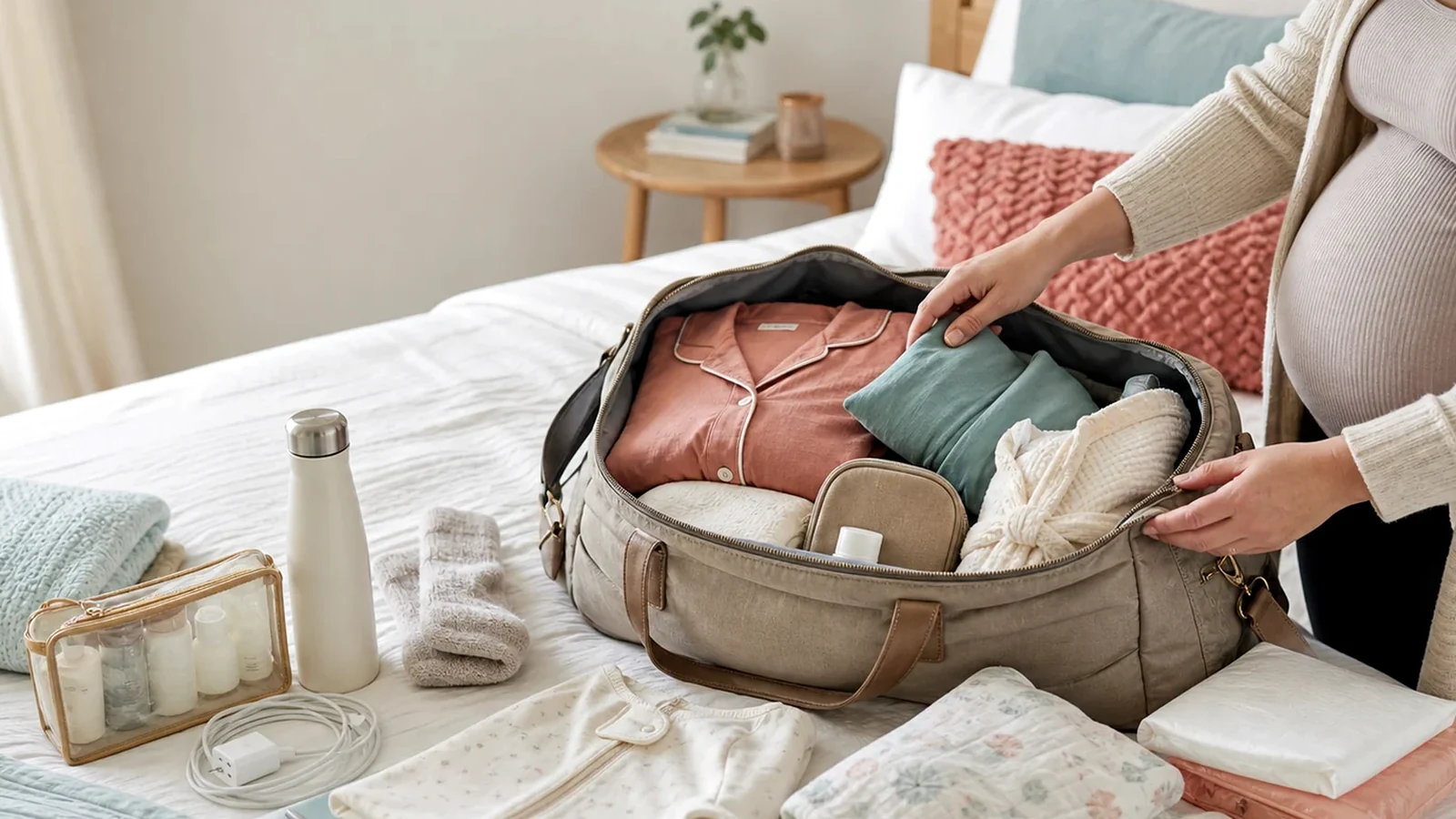
The real Hospital bag must haves are the items you would miss quickly: identification and paperwork, a long phone charger, basic toiletries, comfortable clothing, non-slip footwear, a few preferred recovery supplies, a water bottle, a newborn going-home outfit, and an installed infant car seat. Everything else depends on your hospital, expected stay, birth plan, weather, and personal comfort.
After three births, my definition of “must-have” became much stricter. With our first baby, I packed for every imagined possibility. What we actually used was a small, boring group of practical things. This guide separates true Hospital bag must haves from items that are useful only in certain situations, so you can close the bag without wondering whether you forgot an entire category.
Medical and safety note: Confirm your hospital’s current packing instructions and follow your maternity care team’s guidance for medication, food and drinks, scheduled induction or C-section, pregnancy complications, and possible early labor. If you think labor may be starting, contact your care team instead of delaying care to finish packing. The American College of Obstetricians and Gynecologists provides general labor information, but your clinician should direct your care.
Hospital Bag Must Haves: The Short List
A useful test for Hospital bag must haves is simple: does the item help with admission, labor comfort, postpartum recovery, baby’s discharge, or keeping your support person functional? If it does none of those jobs, it is probably optional.
| Job | Must-have items | Usually optional |
|---|---|---|
| Admission | Photo ID, insurance information, hospital forms, medication list, and requested medical or pediatric information. | Multiple binders or decorative paperwork supplies. |
| Labor comfort | Phone charger, lip balm, glasses, hair tie, non-slip footwear, water bottle, and hospital-approved food or drinks. | Large entertainment collections and strong fragrance. |
| Recovery | One comfortable outfit, basic toiletries, and a few preferred postpartum products after checking hospital supplies. | Your entire home recovery station. |
| Baby’s discharge | Installed infant car seat, simple going-home outfit, backup outfit, and a light blanket for over the harness. | A fully stocked diaper bag or nursery gear. |
The complete Hospital Bag Checklist covers special situations and optional comforts. This page deliberately stays focused on the things most families are likely to reach for.
QUICK SHOP
Hospital Bag Essentials at a Glance
These 12 practical Hospital bag must haves support admission, comfort, recovery, and baby’s trip home. Check what your hospital provides before buying duplicates.
Bag, Toiletries, Clothing, and Footwear
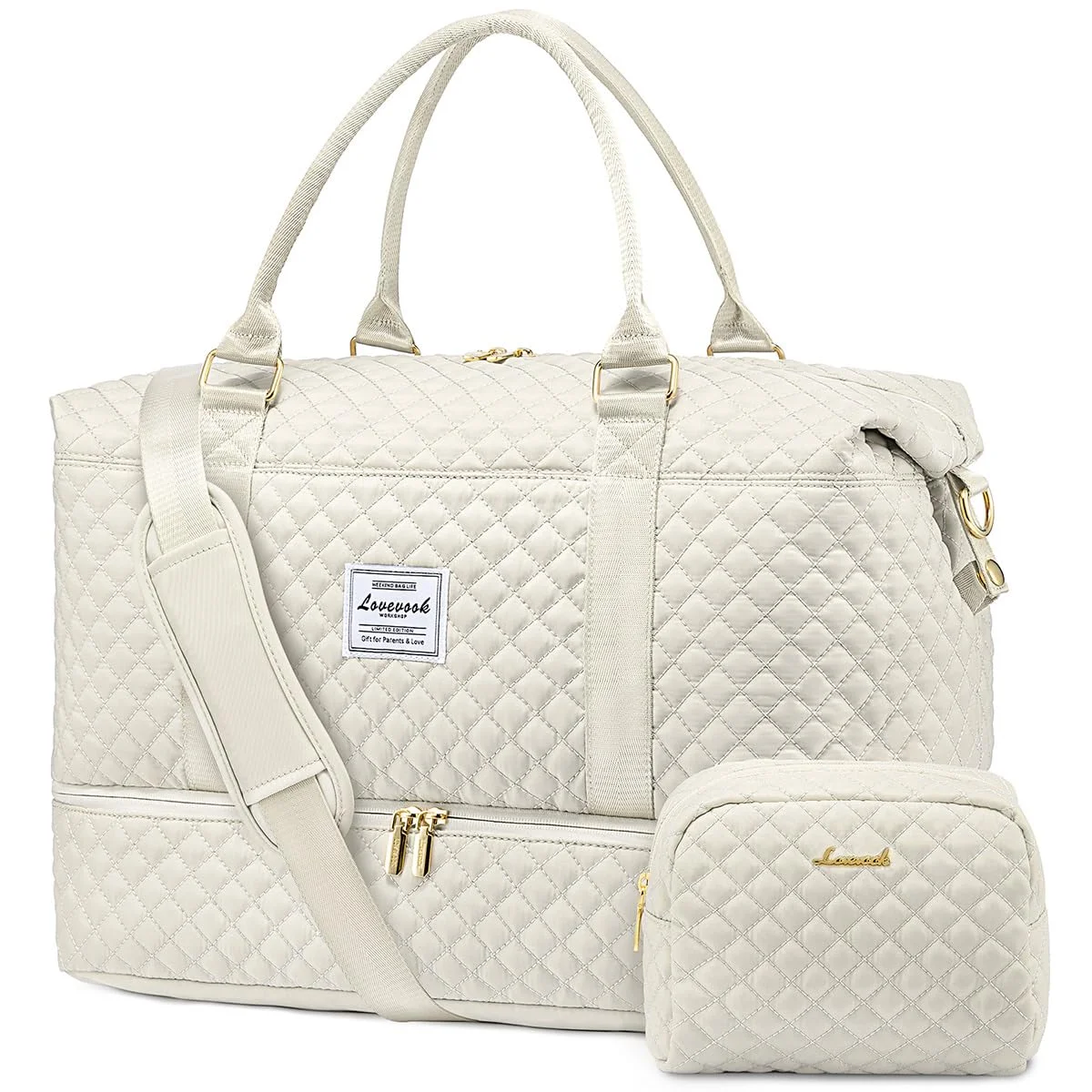
A roomy weekender duffel bag that keeps clothing, toiletries, and small labor essentials together without requiring a full-size suitcase.
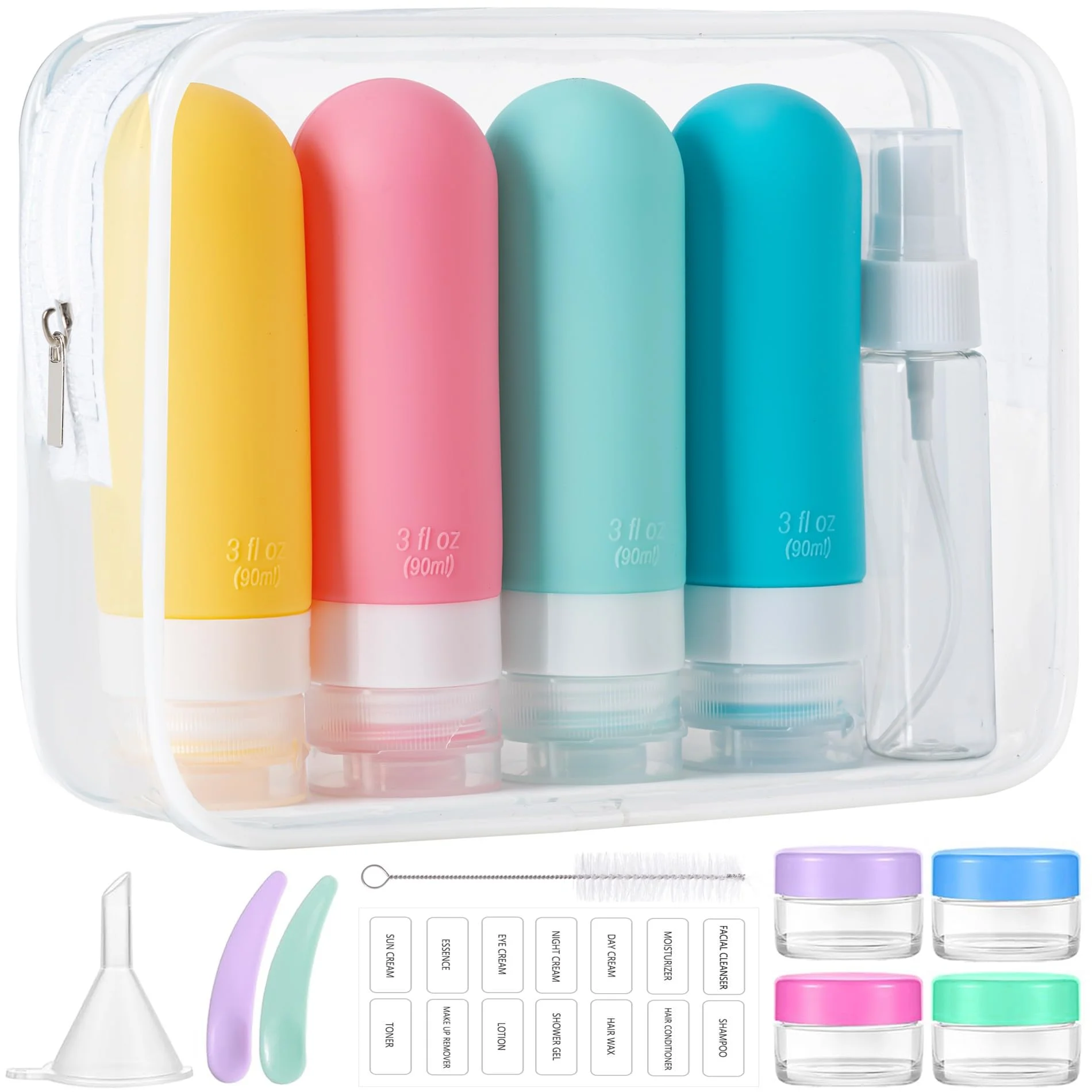
This travel toiletry kit holds shampoo, conditioner, lotion, and other familiar bathroom basics without packing full-size bottles.
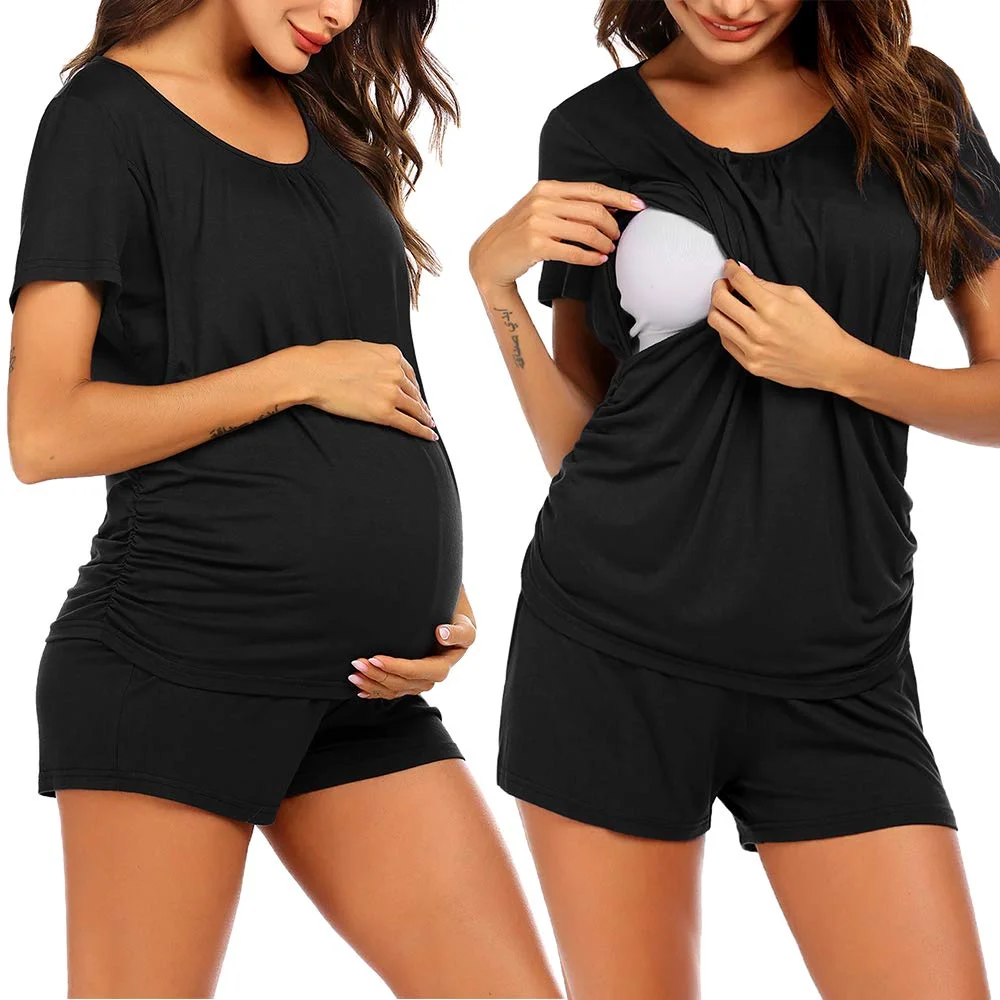
A soft nursing pajama set gives new moms comfortable sleepwear with practical feeding access during recovery and the first night home.
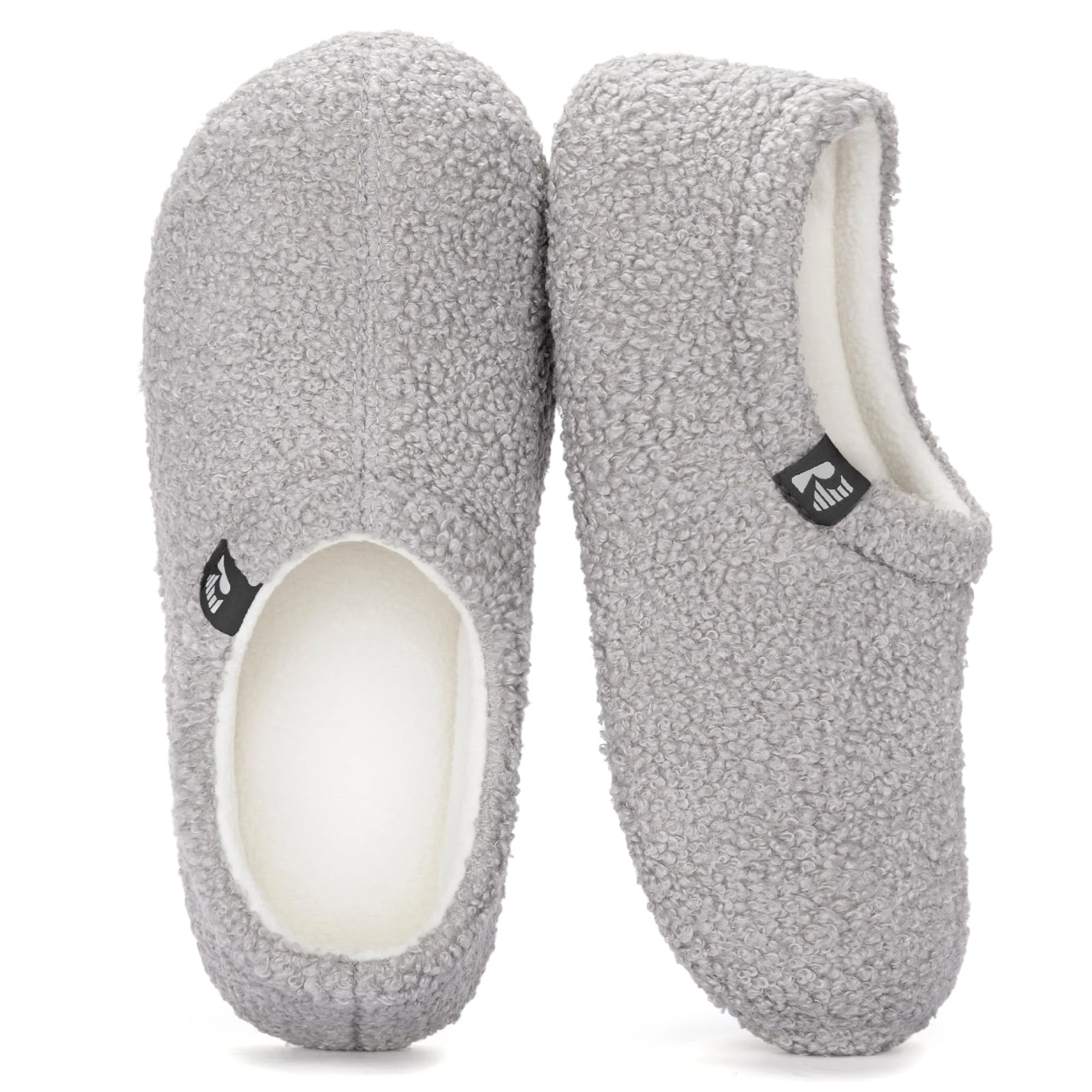
Closed-back non-slip slippers provide warmth and steadier footing for short walks around the recovery room and hospital hallway.
Postpartum Recovery
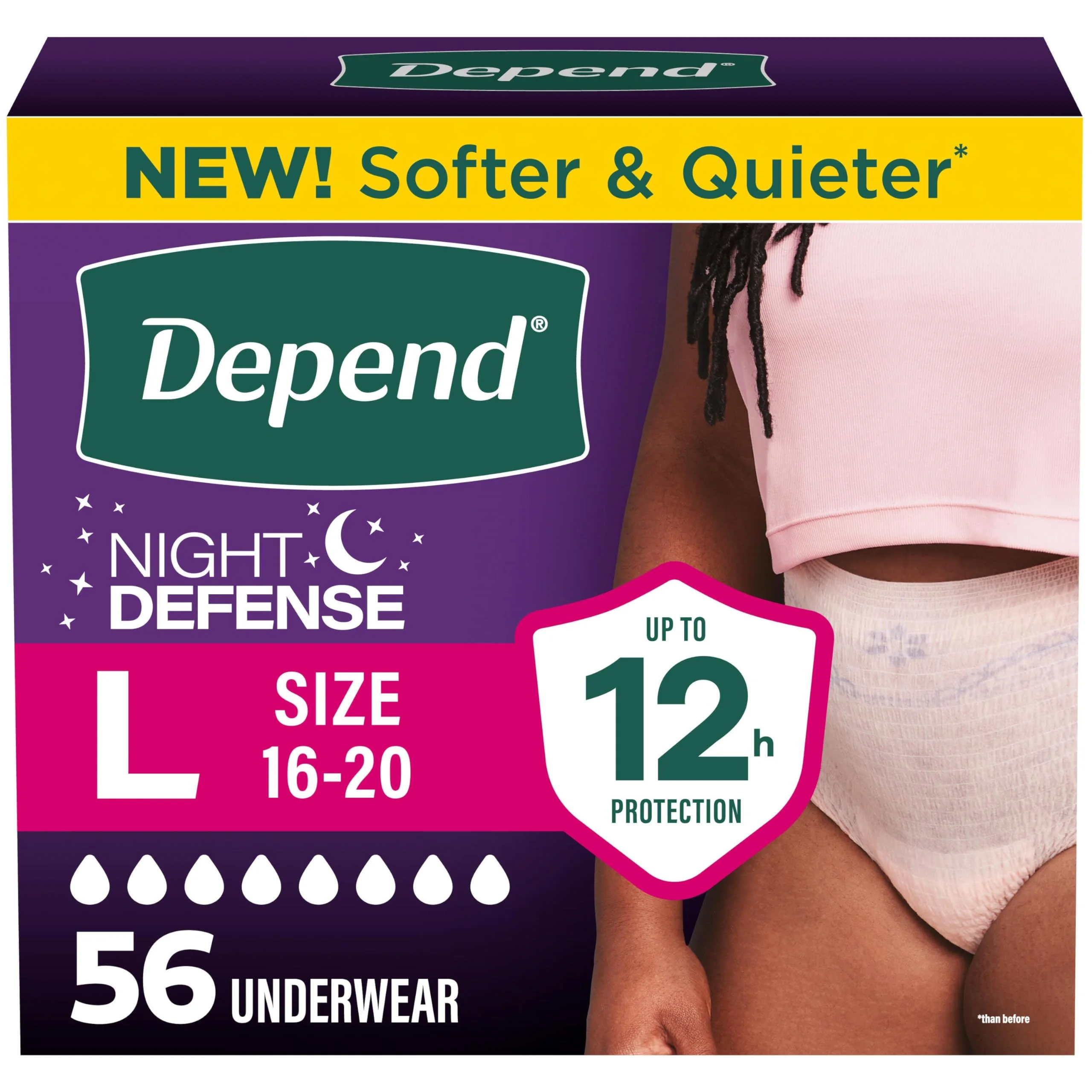
Disposable postpartum underwear provides fuller coverage for heavy early bleeding and can feel more secure than layering pads in regular underwear.
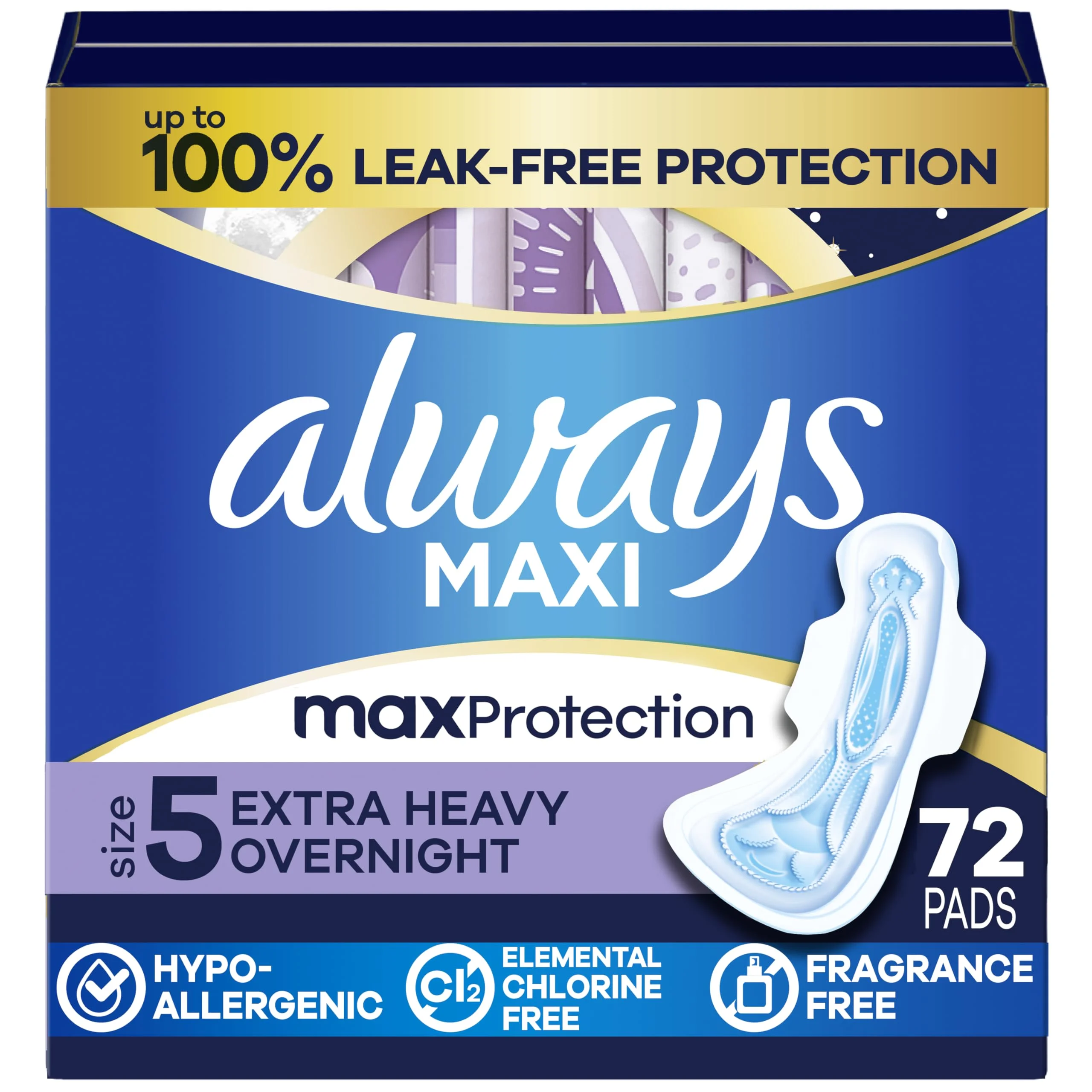
Heavy-flow postpartum pads add an absorbent backup for discharge day and the first days home when hospital supplies run out.
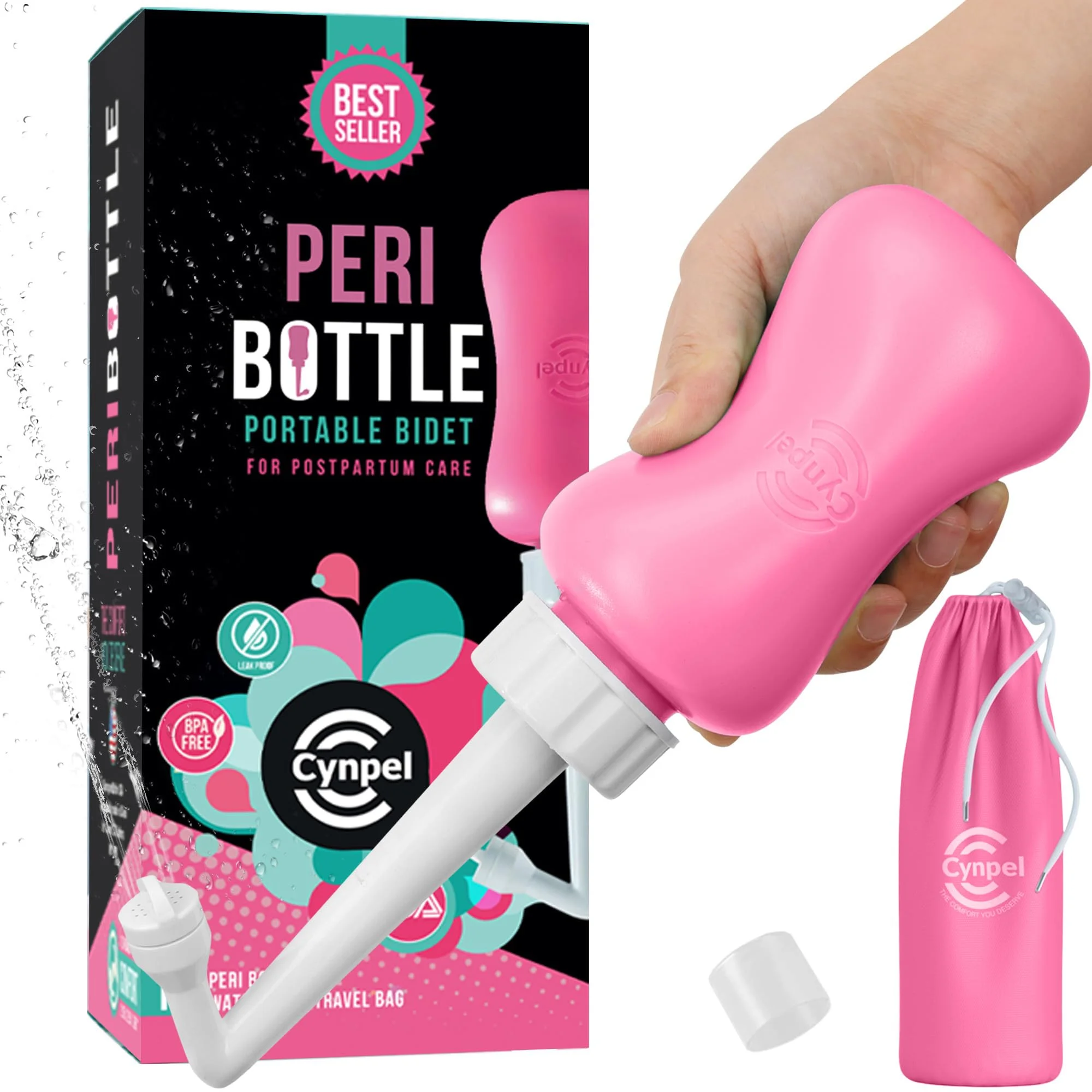
An upside-down peri bottle makes gentle rinsing easier after vaginal delivery, particularly when reaching and bending feel uncomfortable.
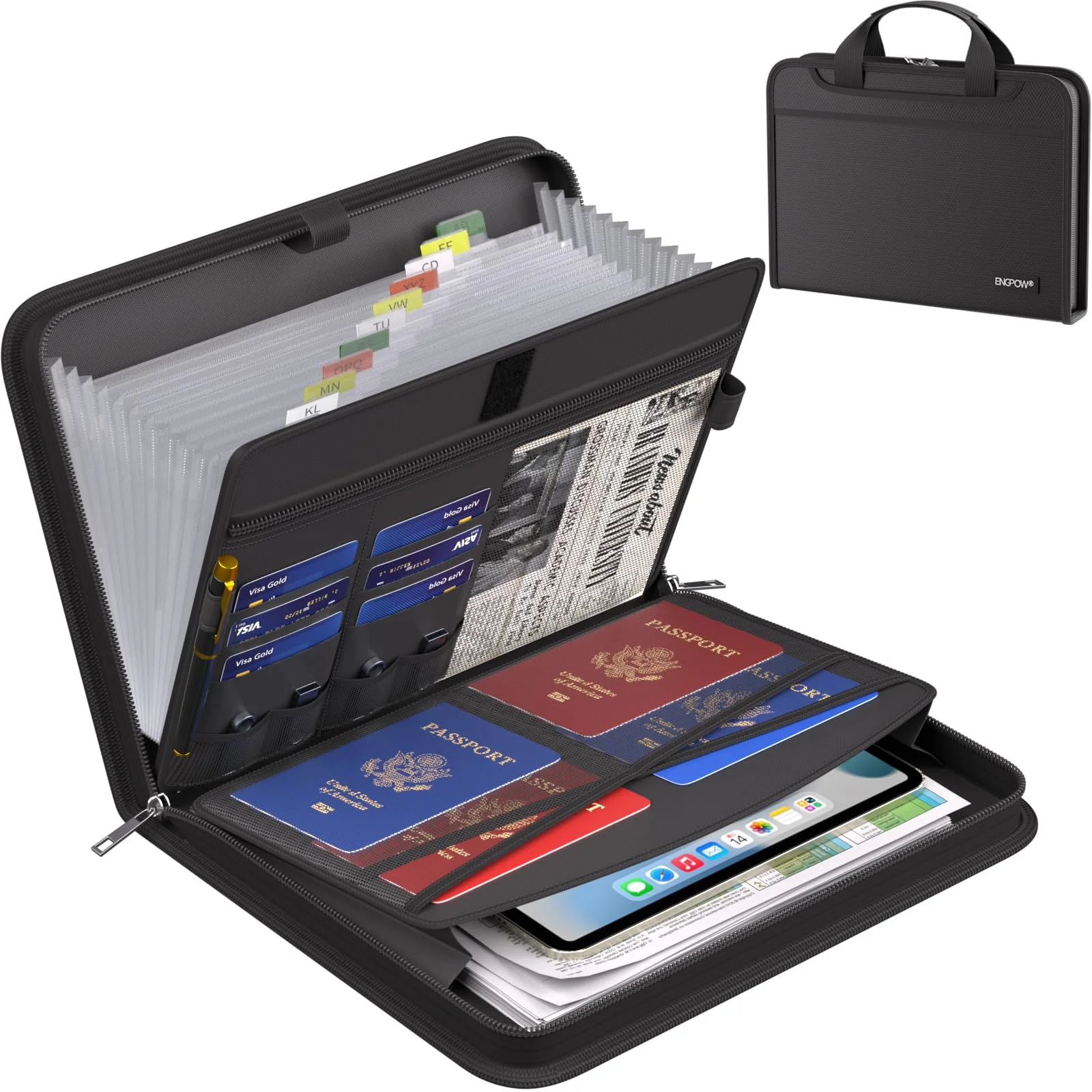
A document organizer folder keeps identification, insurance details, birth preferences, and discharge paperwork together and easy for a partner to find.
Baby, Charging, and Hydration
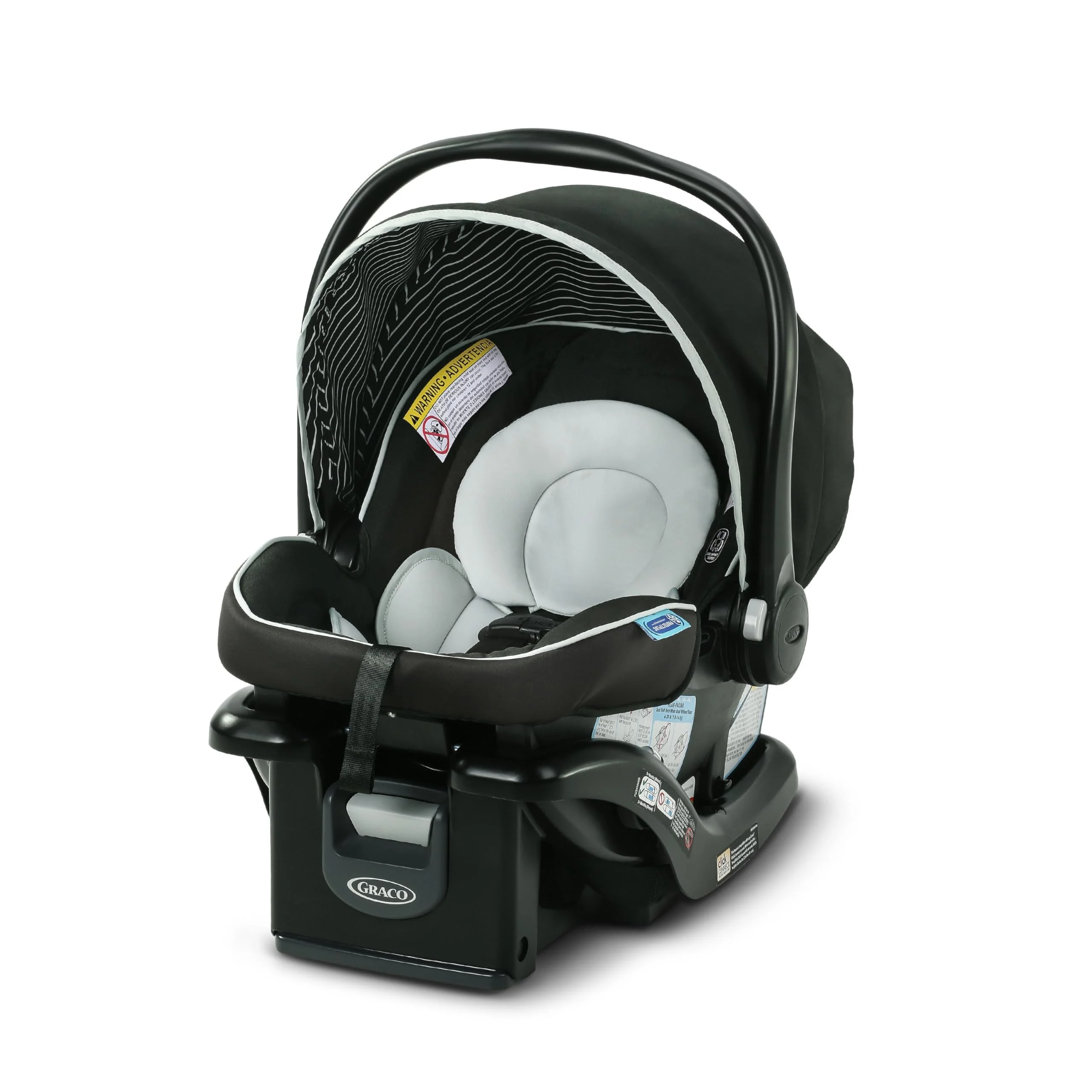
An installed rear-facing infant car seat is required for the trip home; confirm the fit and installation before labor begins.
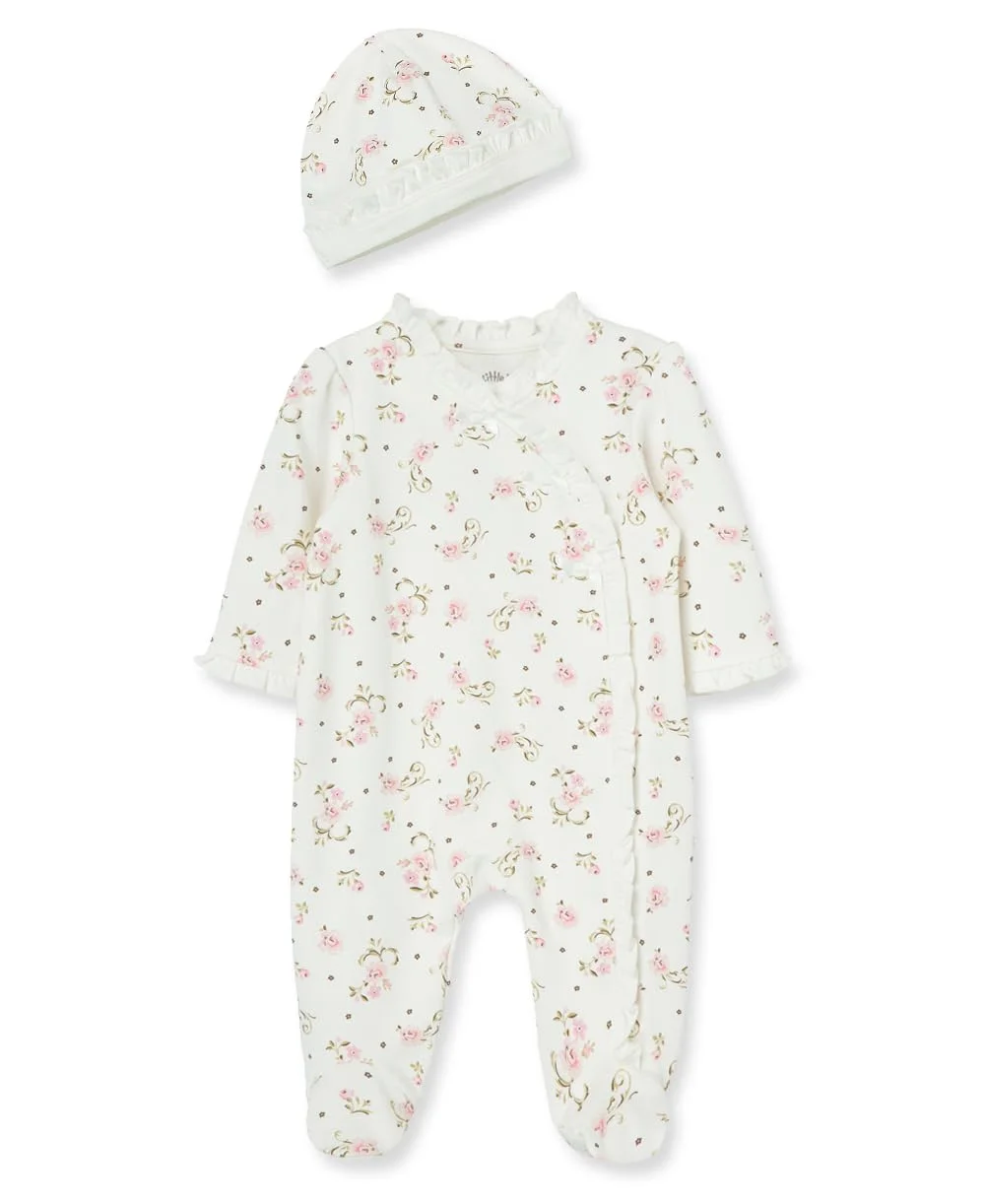
A soft newborn going-home outfit with a footed one-piece and hat keeps discharge dressing simple while fitting beneath the car-seat harness.
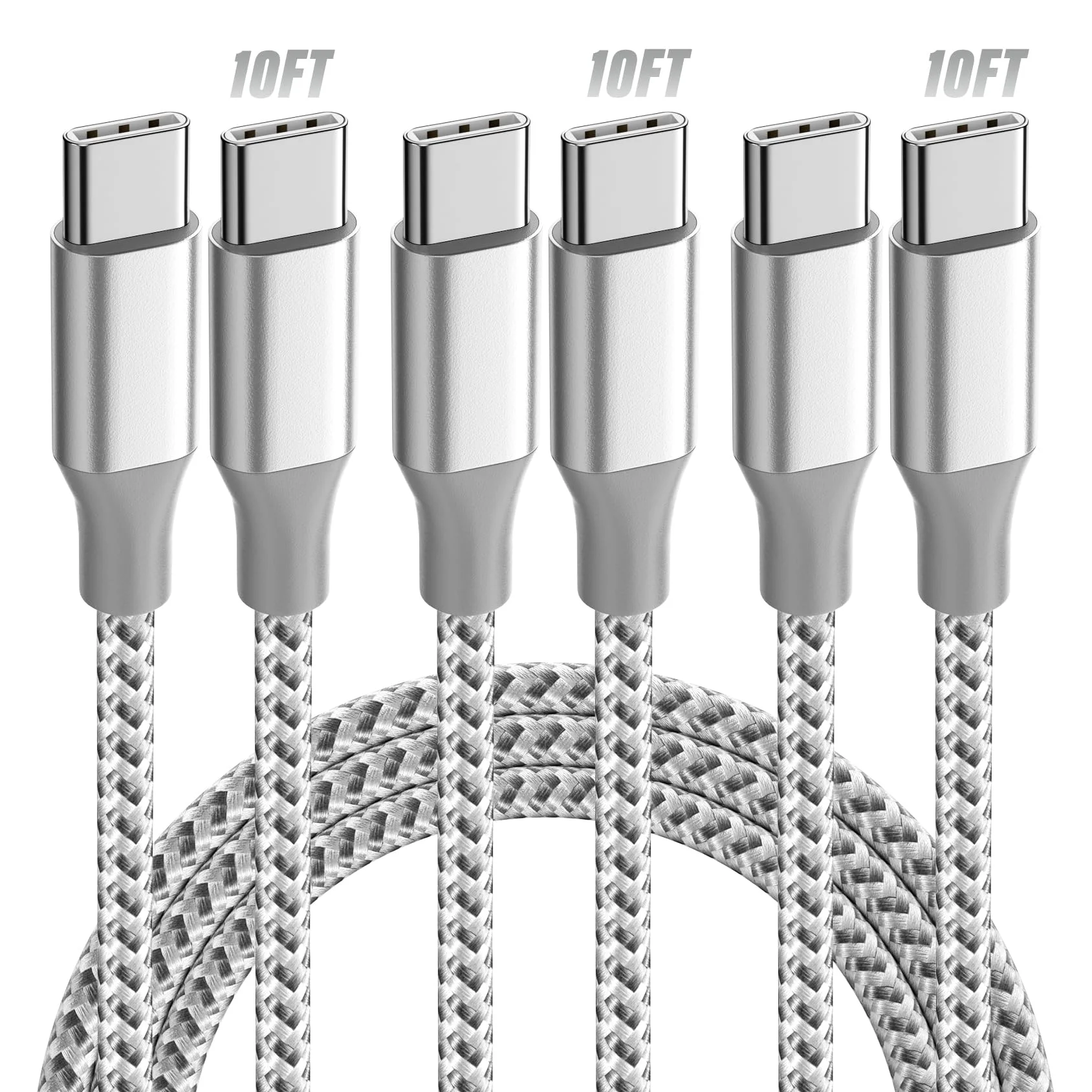
A 10-foot phone charger cable reaches outlets behind hospital beds and keeps phones available for calls, photos, and family updates.
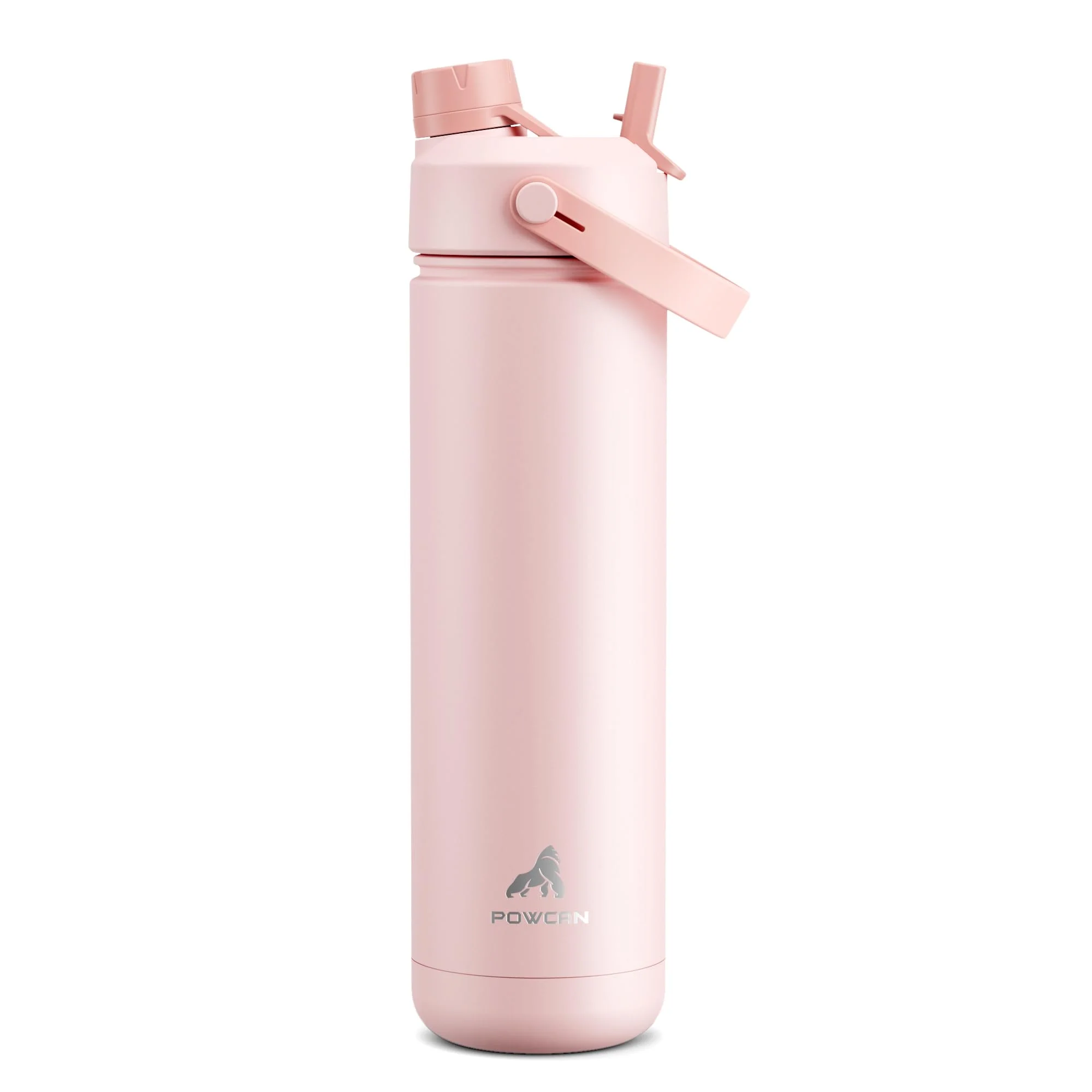
An insulated water bottle with a straw is easier to use one-handed while resting, feeding, or recovering in bed.
Admission Must-Haves: Documents and One Organized Bag
The first Hospital bag must haves are the items required before comfort products matter. Keep your photo ID, insurance information, medication list, hospital forms, birth preferences, and requested pediatrician details in one folder. Place it at the top or in an outside pocket so your support person can reach it immediately.
A document organizer folder keeps identification, insurance details, birth preferences, and discharge paperwork together and easy for a partner to find.
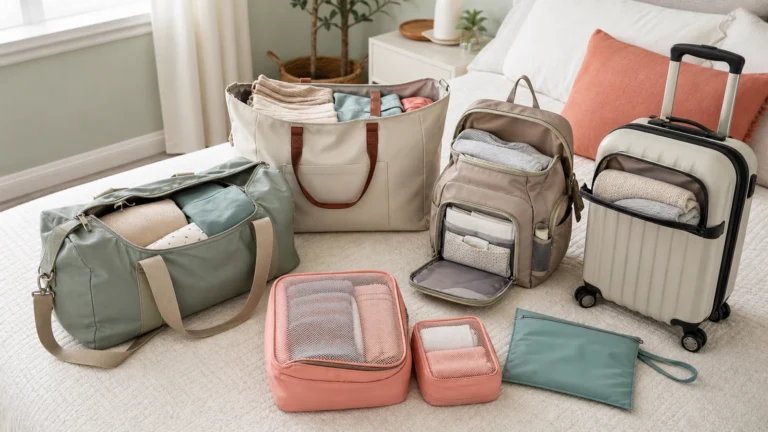
A medium weekender bag is easier to manage than multiple loose totes. Choose a wide opening, comfortable handles, and enough structure to keep pouches visible. If you are unsure how early to prepare it, see When to pack hospital bag. The goal is to finish the reusable supplies early while leaving daily items on a short last-minute note.
A roomy weekender duffel bag that keeps clothing, toiletries, and small labor essentials together without requiring a full-size suitcase.
Comfort Must-Haves You Will Reach for Repeatedly
The best Hospital bag must haves for comfort are ordinary: familiar toiletries, soft clothing, and footwear you can step into safely. A small toiletry kit should hold your toothbrush, toothpaste, deodorant, lip balm, hair ties, glasses supplies, and simple shower products. Pack what you already use rather than testing new fragrance or skin care at the hospital.
This travel toiletry kit holds shampoo, conditioner, lotion, and other familiar bathroom basics without packing full-size bottles.
One soft pajama set is enough for many stays. Front access is convenient for nursing, skin-to-skin care, and routine checks, while a loose waistband is usually kinder during recovery. Non-slip slippers or grip socks make short bathroom and hallway walks easier. These simple Hospital bag must haves should be washable and easy to replace, not clothing you will worry about staining.
A soft nursing pajama set gives new moms comfortable sleepwear with practical feeding access during recovery and the first night home.
Closed-back non-slip slippers provide warmth and steadier footing for short walks around the recovery room and hospital hallway.
For the complete category-by-category packing list, use What to pack in hospital bag. Parents planning a specific support setup can also review Hospital bag for dad, which applies to dads, partners, or another overnight support person.
Recovery Must-Haves: Confirm Before You Duplicate
Postpartum products appear on every list, but they are not automatically personal Hospital bag must haves. Many U.S. hospitals provide pads, mesh underwear, a peri bottle, and basic cold therapy. Call first, then pack a few preferred alternatives rather than an entire package of everything.
Disposable underwear can simplify changes, while heavy-flow pads give you a familiar option. An upside-down peri bottle may be easier to aim than a basic bottle. Treat these Hospital bag must haves as comfort tools, not medical treatment. Follow hospital instructions and contact your care team about concerning bleeding, pain, swelling, fever, or other symptoms.
Disposable postpartum underwear provides fuller coverage for heavy early bleeding and can feel more secure than layering pads in regular underwear.
Heavy-flow postpartum pads add an absorbent backup for discharge day and the first days home when hospital supplies run out.
An upside-down peri bottle makes gentle rinsing easier after vaginal delivery, particularly when reaching and bending feel uncomfortable.
A realistic list should also explain what can stay home. Our What not to pack in hospital bag guide removes duplicate clothing, bulky gear, valuables, and products that create more work than comfort. The main Hospital Bag Checklist can then help you add only the special-situation items that actually apply.
Baby’s True Must-Haves Are for the Trip Home
Baby’s Hospital bag must haves are surprisingly short: an installed infant car seat, one simple going-home outfit, one backup outfit, and a light blanket if the weather requires it. Confirm whether your hospital asks families to bring diapers, wipes, or feeding supplies; many provide these during the stay.
Install the car seat according to its instructions and your vehicle manual. Choose clothing that allows the harness to lie flat and snug. Never place a bulky coat, blanket, insert, or extra padding under the harness; place a light blanket over the buckled harness instead.
An installed rear-facing infant car seat is required for the trip home; confirm the fit and installation before labor begins.
A soft newborn going-home outfit with a footed one-piece and hat keeps discharge dressing simple while fitting beneath the car-seat harness.
Hospital items and home newborn supplies are different lists. The Newborn Essentials guide covers the first weeks at home, while Newborn essentials vs nice to haves helps prevent registry overbuying. For discharge quantities, see Newborn diapers for hospital going home.
The Charger and Water Bottle Are Not Glamorous, but Pack Them
A long charging cable belongs near the top of nearly every Hospital bag must haves list. Hospital outlets may be far from the bed, and your phone handles communication, photos, patient-portal messages, and food orders. Pack the correct wall plug and keep the cable away from walking paths.
A 10-foot phone charger cable reaches outlets behind hospital beds and keeps phones available for calls, photos, and family updates.
A straw water bottle is easier to use while reclining or holding a baby. Bring it empty if required, then refill it after admission. Follow your care team’s instructions about drinking during labor, surgery preparation, and recovery. These small practical choices often matter more than several “just in case” products.
An insulated water bottle with a straw is easier to use one-handed while resting, feeding, or recovering in bed.
If you want the labor-room version of this list, Hospital bag for labor and delivery focuses on the items used before birth rather than after it.
What Is Helpful but Not a Universal Must-Have?
Not every useful product belongs among universal Hospital bag must haves. A labor gown, nursing pillow, portable fan, special snacks, Bluetooth speaker, makeup, extra bedding, and several recovery products may be wonderful for one family and untouched by another. Add them only when they solve a specific need you already understand.
- Ask what the hospital provides. Do not duplicate acceptable supplies simply because another checklist included them.
- Pack one version first. One comfortable outfit, one toiletry pouch, and one charging setup are easier to manage.
- Choose items your support person can identify. Clear locations matter more than perfect organization.
For one final check, compare your Hospital bag must haves with the full Hospital Bag Checklist. Add only the items that match your hospital, health needs, weather, and expected stay.
FAQ
Hospital Bag Must-Haves FAQ
What are the top five hospital bag essentials?
Start with documents, a phone charger, comfortable clothing, basic toiletries, and the baby’s safe going-home setup. Recovery supplies and partner basics follow after you confirm hospital provisions.
How many outfits should I bring?
One recovery outfit, one loose going-home outfit, and one backup are enough for many stays. Adjust for weather, a planned longer admission, and your care team’s guidance.
Does the hospital provide postpartum supplies?
Many hospitals provide pads, mesh underwear, a peri bottle, cold packs, and newborn basics, but brands and quantities vary. Confirm directly before deciding what to buy.
What should stay on my last-minute list?
List phones, wallets, keys, glasses, daily medication, refrigerated food, and toiletries you still use every morning. Keep the note visible on top of the packed bag.
The Must-Have Bag I Would Pack Again
My final Hospital bag must haves fit into one manageable bag: paperwork on top, familiar toiletries and clothes in one section, a small recovery pouch, baby discharge items together, and the charger and bottle within reach. The bag works because every item has a job and my support person knows where it is.
Review the Hospital Bag Checklist once with your support person, add daily essentials to a written note, and stop packing. The best bag is not the fullest. It is the one that quietly supports admission, comfort, recovery, and the trip home.
Shop Hospital Bag Essentials