Hospital Bag Toiletries: Travel-Size Essentials Moms Actually Use
Hospital bag toiletries are the tiny things that can make a hospital stay feel a little more human: a toothbrush, lip balm, deodorant, hair ties, glasses care, and shower basics that do not take over the whole bag. After three babies, I have learned that the best toiletry kit is not the biggest one. It is the one your support person can hand you without digging through pajamas, baby clothes, and snack wrappers.
If you are packing from the full Hospital Bag Checklist, treat toiletries as their own small category instead of loose extras. Labor, postpartum recovery, and those first hazy newborn hours are easier when your basics live in one pouch. Good Hospital bag toiletries should help you freshen up, protect dry lips and skin, and feel a little like yourself without turning your birth bag into a bathroom cabinet.
Disclosure: BabyEthos is reader-supported. As an Amazon Associate, we earn from qualifying purchases. This does not change what you pay.
QUICK SHOP
Quick Toiletry Picks
These four picks cover the practical Hospital bag toiletries setup I would pack: a compact toiletry kit, a wet dry bag, an upside-down peri bottle, and nipple cream for early feeding comfort if you plan to breastfeed.
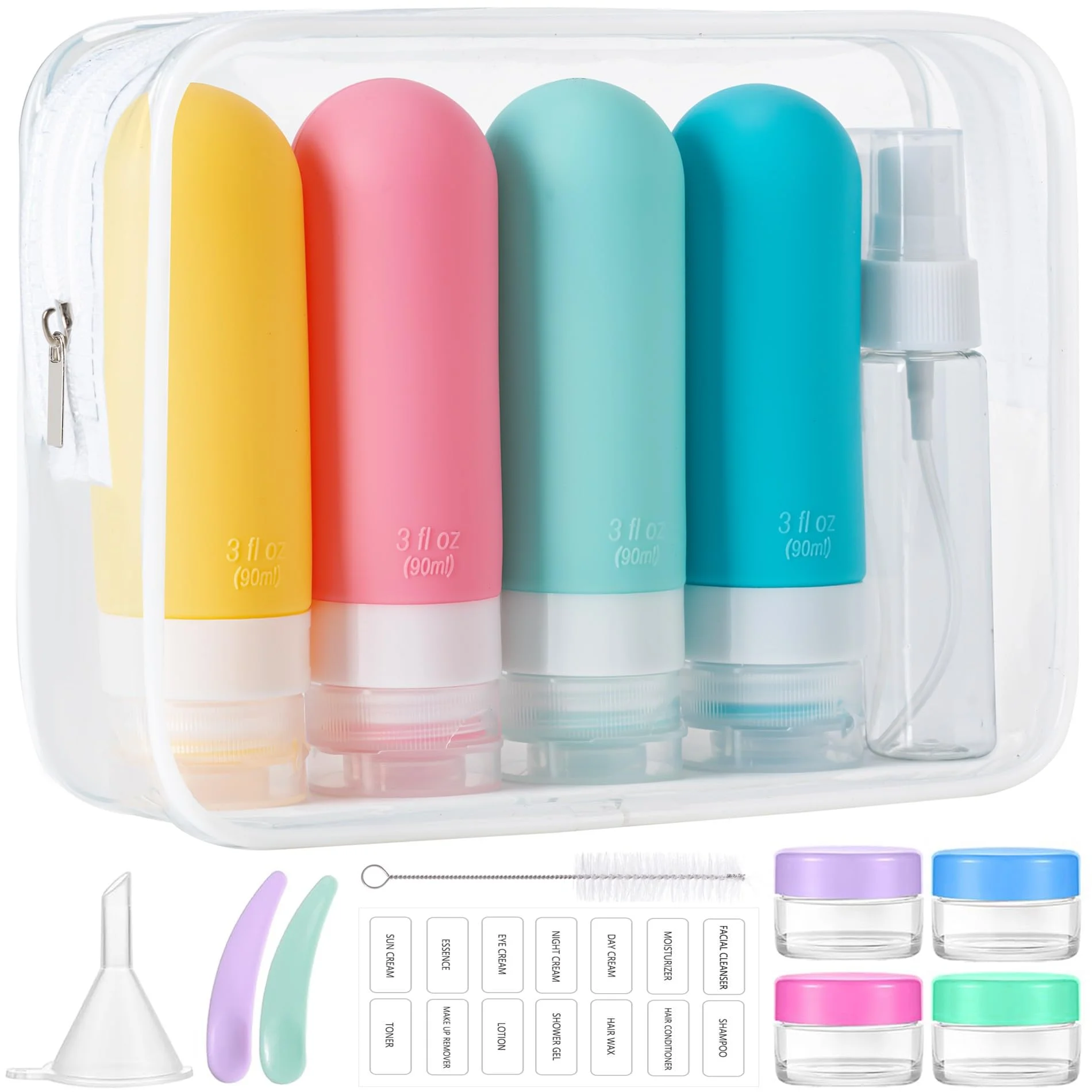
This travel toiletry kit holds shampoo, conditioner, lotion, and other familiar bathroom basics without packing full-size bottles.
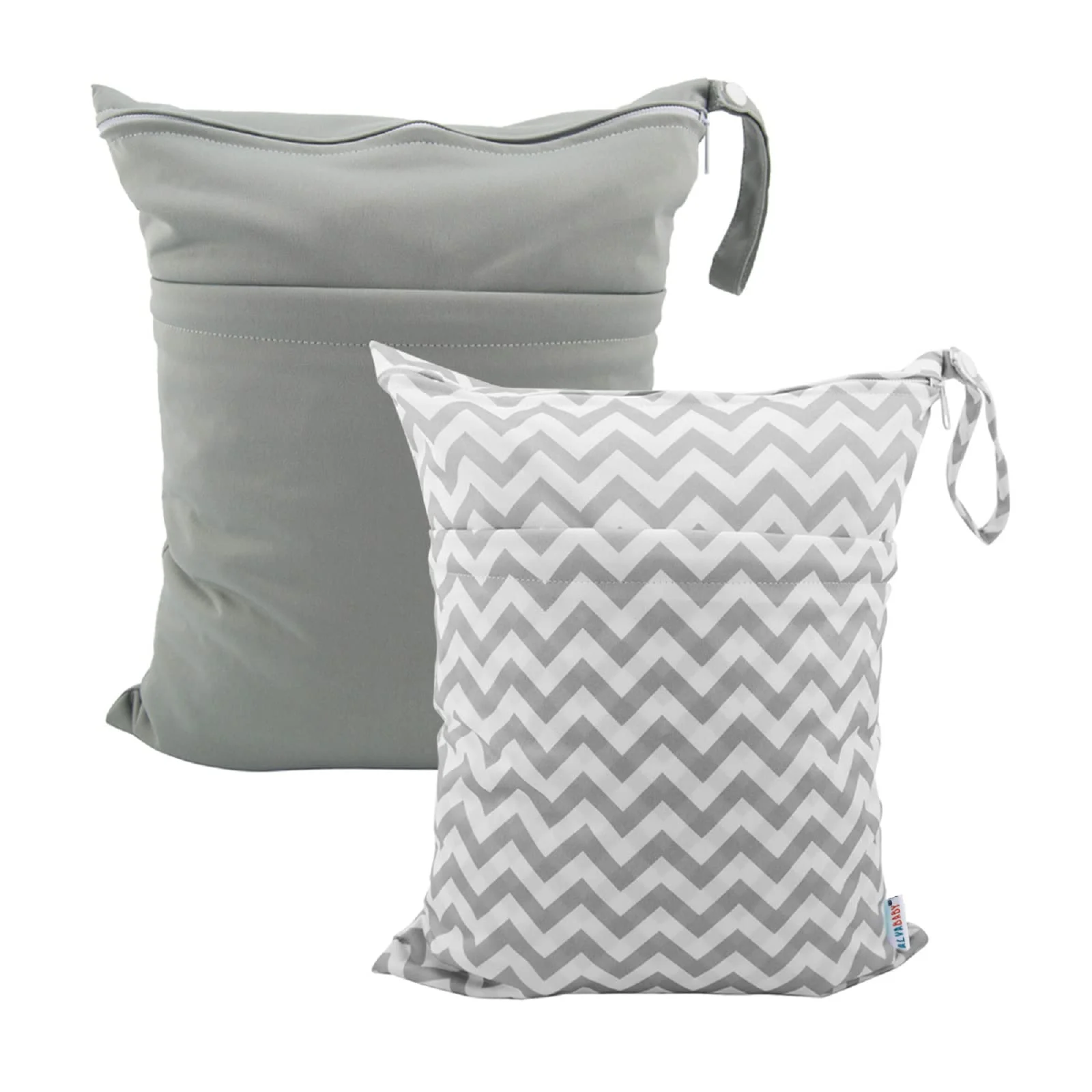
A wet dry bag gives damp clothing, used washcloths, or leak-prone toiletries a separate place for the ride home.
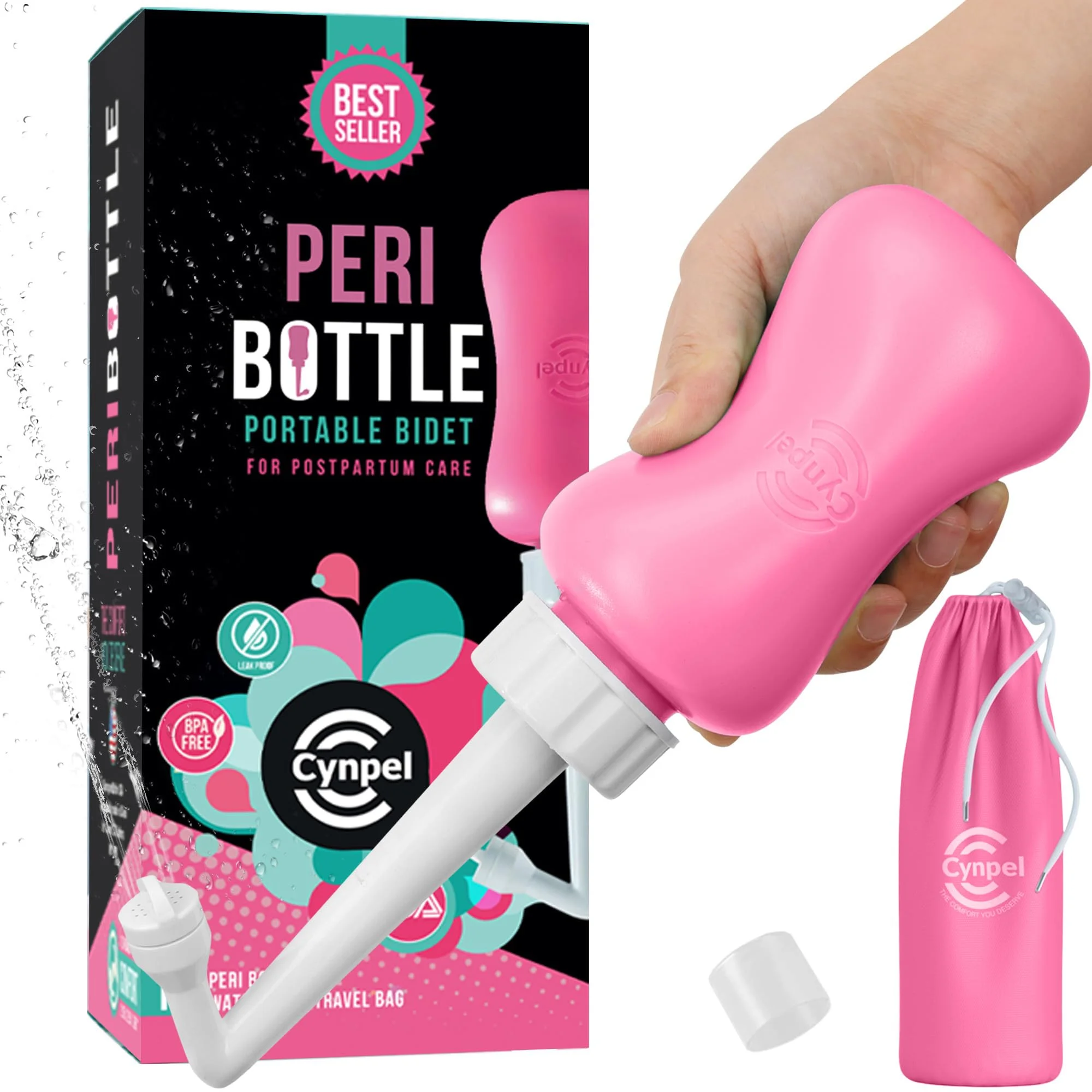
An upside-down peri bottle makes gentle rinsing easier after vaginal delivery, particularly when reaching and bending feel uncomfortable.
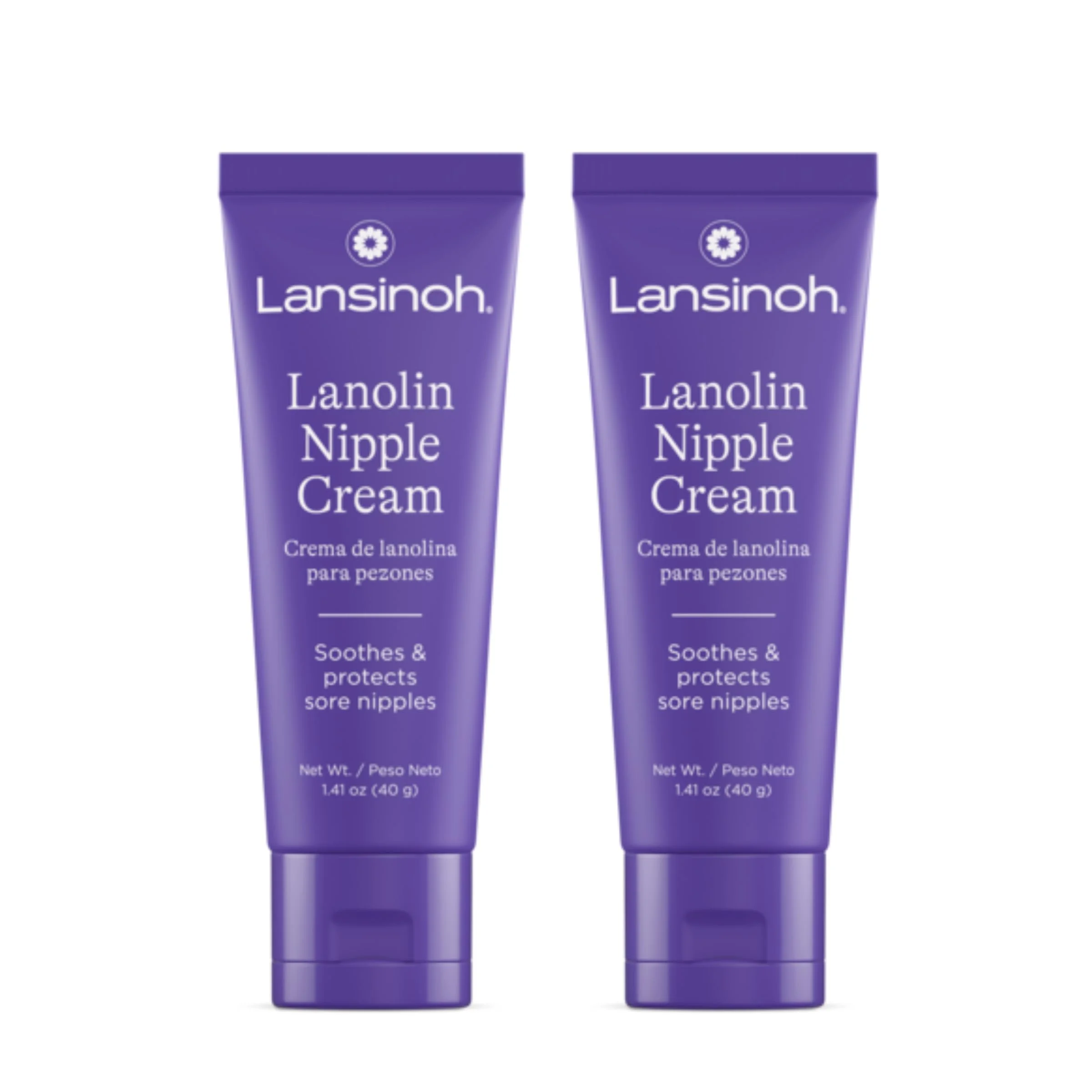
Nipple cream is a compact nursing-bag addition for soothing dry or tender skin between feeds; use it as directed on the label.
Quick Answer: What Toiletries Should You Pack?
The short list is toothbrush, toothpaste, deodorant, lip balm, hair ties, glasses or contacts supplies, face wipes, shower basics, a small towel or washcloth if your hospital suggests it, and any daily skin-care item you truly use. Add postpartum-specific items only if they make sense for your birth plan and hospital instructions. The best Hospital bag toiletries are small, familiar, and easy to reach.
I would not pack every “nice to have.” Hospital bathrooms are small, counters are limited, and you may not feel like doing a full routine. A tiny kit that gets you through teeth, face, hair, shower, and lips is better than a beautiful bag full of products you never open. If your hospital provides postpartum supplies, do not duplicate everything unless you strongly prefer your own version.
For broader birth preparation context, I like keeping ACOG’s labor guidance in mind while deciding when the bag should be packed and ready. Your own clinician and hospital instructions matter most for medical and postpartum care details.
My Minimal Hospital Toiletry List
Here is the Hospital bag toiletries list I would pack now, with the benefit of having overpacked before. Put the basics in one zip pouch: toothbrush, toothpaste, deodorant, lip balm, face wipes, hair ties or clips, travel shampoo, travel conditioner, body wash, a comb or brush, glasses case, contact case and solution if you wear contacts, and any medication or daily item your clinician has told you to keep with you.
Then add a few “hospital reality” pieces. A long labor or dry hospital air can make lip balm feel essential. Hair ties disappear exactly when you need them. Face wipes are useful when standing in the bathroom sounds like too much. A wet dry bag gives damp or messy items somewhere to go. That is the difference between toiletries as a pile and Hospital bag toiletries as an actual system, especially when you compare it against the bigger Hospital Bag Checklist.
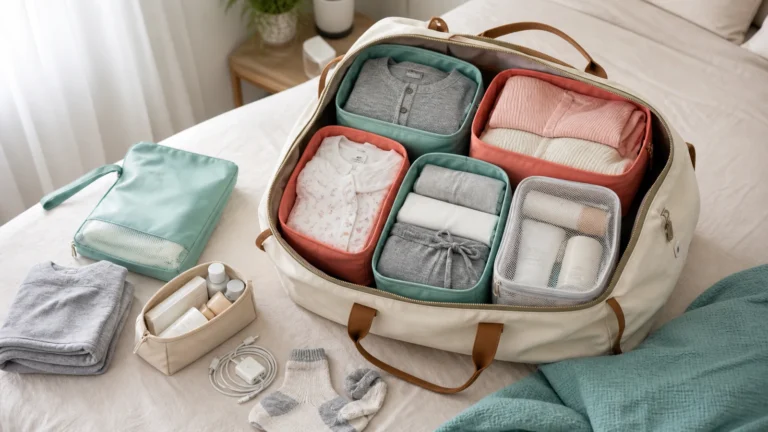
If you use the Hospital bag packing cubes method, keep toiletries separate from clothing. Cubes are great for pajamas and baby outfits, but liquids and damp washcloths deserve their own pouch. Future-you will be grateful when clean clothes still smell like clean clothes.
The Four Products I Would Consider
1. Travel Toiletry Kit
This travel toiletry kit holds shampoo, conditioner, lotion, and other familiar bathroom basics without packing full-size bottles.
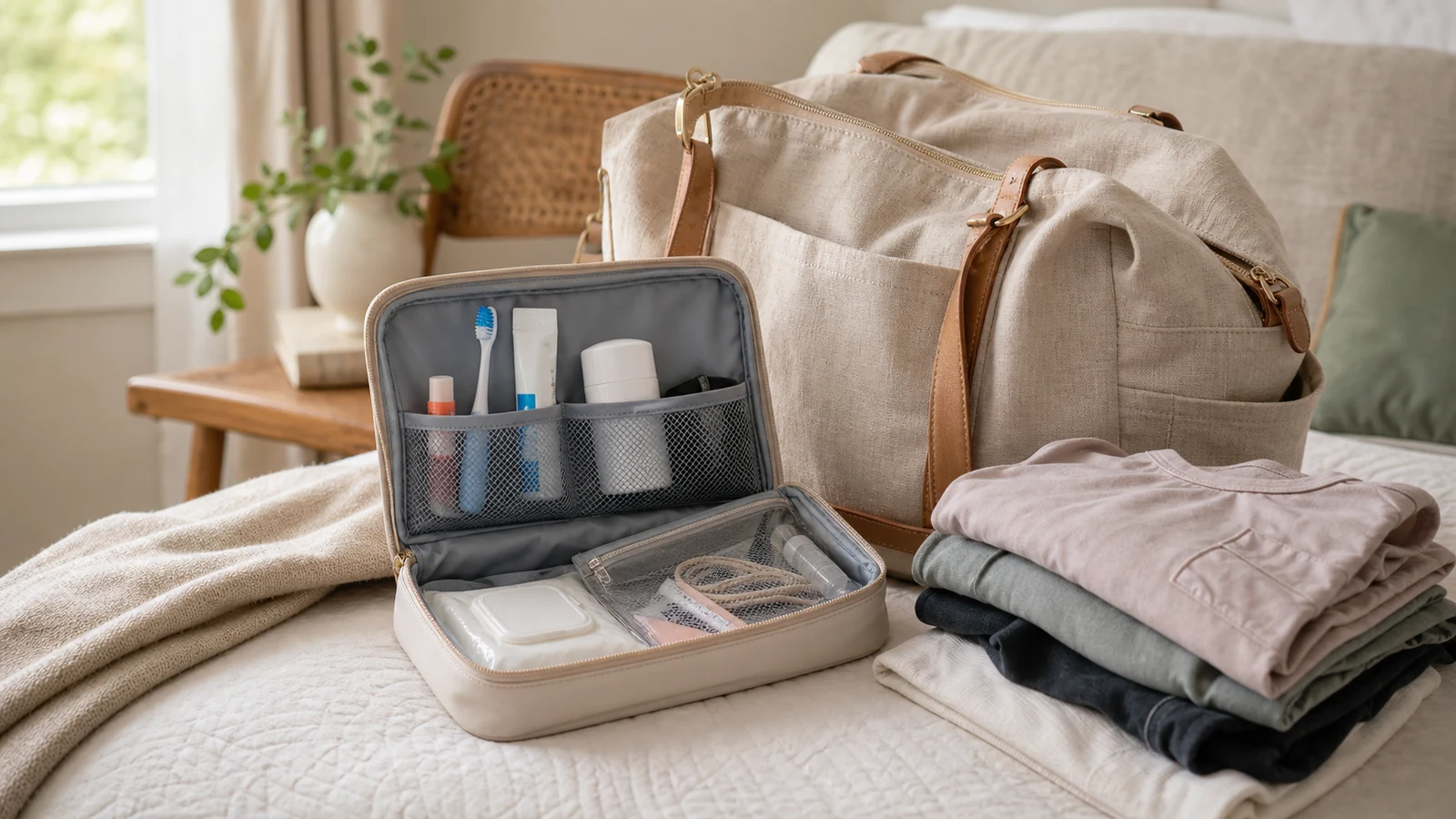
A travel toiletry kit is the anchor. Look for one that opens wide, has a hook or handle if you like hanging it, and gives you a few separate pockets without becoming a maze. For Hospital bag toiletries, I prefer compact organization over giant capacity. You want the kit to fit in a tote, duffel, or backpack without swallowing the bag.
Pack it as if someone else will use it on your behalf. Toothbrush and toothpaste together. Hair ties in one tiny spot. Lip balm where it cannot roll away. Shower items in a leak-resistant section. If your support person can grab the whole kit and say, “This is the bathroom bag,” you have done enough.
2. Wet Dry Bag
A wet dry bag gives damp clothing, used washcloths, or leak-prone toiletries a separate place for the ride home.
A wet dry bag is not a toiletry in the classic sense, but it belongs beside the toiletry kit. It can hold a damp washcloth, worn socks, shower items, a leaking travel bottle, or a baby outfit that needs to stay away from clean clothes. That makes it one of the quiet heroes of Hospital bag toiletries organization.
I like a wet dry bag because hospital packing is not just about the way in. It is also about the way home, when the bag has paperwork, gifts, laundry, and mystery dampness. One contained bag keeps the rest of your system from becoming one big pile.
3. Upside-Down Peri Bottle
An upside-down peri bottle makes gentle rinsing easier after vaginal delivery, particularly when reaching and bending feel uncomfortable.
An upside-down peri bottle is a postpartum comfort item, not a vanity item. Many hospitals provide a basic peri bottle, so this is not always required. Some parents simply prefer the angled style because it can be easier to use after birth. If you pack one, keep it clean, follow the product instructions, and ask your nurse or clinician about postpartum care guidance before using anything in a way you are unsure about.
I would place it in the same general zone as Hospital bag toiletries, but not loose against clothes. Put it in its own sleeve or wet dry bag. Postpartum recovery items should be easy to find and easy to keep separate, especially when you are packing up for discharge.
4. Nipple Cream
Nipple cream is a compact nursing-bag addition for soothing dry or tender skin between feeds; use it as directed on the label.
If you plan to breastfeed, a small tube of nipple cream can be worth packing. Early feeding can feel tender, and having your own familiar cream nearby may be comforting. Check the label, follow the instructions, and ask your lactation consultant, nurse, or clinician if you have concerns about ingredients, latch pain, or whether the cream needs to be removed before feeding.
This is one of those Hospital bag toiletries that depends on your plan. Formula-feeding families may skip it completely. Combo-feeding or breastfeeding families may appreciate having it in the toiletry pouch rather than buried with baby clothes. No moral drama, just practical packing.
What I Would Skip or Downsize
I would skip full-size shampoo bottles, heavy makeup bags, multiple lotions, perfume, extra hair tools, and anything you do not use on a normal tired day. Birth is not the moment to test a new skin-care routine. Your skin may be sensitive, your schedule may be strange, and your bathroom space may be limited.
For Hospital bag toiletries, travel-size is your friend. If a product matters to you, decant a little or buy a small version. If you are not sure you will use it, leave it at home or put it in a backup bag your support person can bring later. The main hospital bag should serve the first real needs, not every possible scenario.
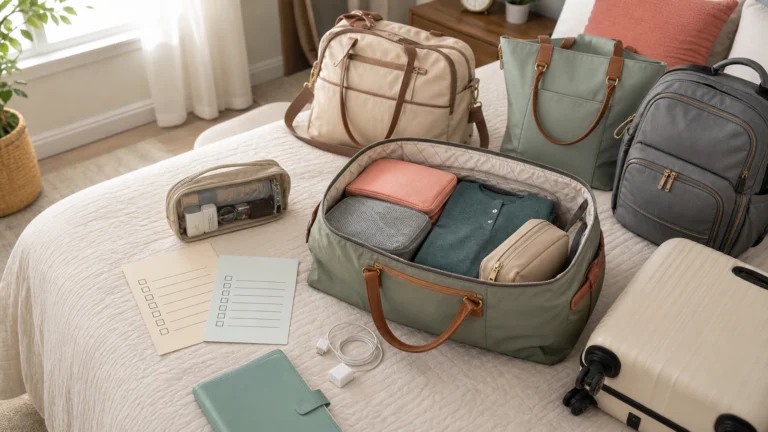
Your main bag shape matters too. If your toiletry kit is bulky, pair it with a bag that opens wide. The Best bag for hospital bag pregnancy guide can help if you are still choosing between a duffel, tote, backpack, or rolling carry-on. Toiletries are much less annoying when the bag itself is easy to open.
How to Pack Toiletries So Someone Else Can Find Them
Do a two-minute walkthrough before the bag goes by the door. Show your support person where the toiletry kit is, where the wet dry bag is, and which pouch has urgent items like lip balm, hair ties, glasses, or contacts. I would also put a few tiny essentials in an outside pocket: lip balm, hair tie, and maybe face wipes. Those are the Hospital bag toiletries you may want before anyone is ready to unpack.
If snacks are in the same bag, keep them away from liquids and postpartum items. The Hospital bag snacks guide is useful for building a separate food pouch so nothing smells like mint toothpaste. Clear categories sound boring, but they are what make a hospital bag work at 3 a.m.
Before you zip the bag, return to the Hospital Bag Checklist and ask whether your toiletry pouch covers teeth, face, hair, shower, lips, glasses or contacts, and postpartum comfort. If yes, stop. A finished bag is better than a perfect imaginary one.
FAQ
Do hospitals provide toiletries after birth?
Some hospitals provide basics, but you should not assume they will have your preferred toothbrush, deodorant, lip balm, glasses supplies, or shower items. Check your hospital packing list and bring the personal basics you know you will want.
Should I bring full-size toiletries to the hospital?
Usually no. Travel-size toiletries are easier to pack, carry, and use in a small bathroom. Bring full-size only if there is a specific product you need and cannot transfer safely into a smaller container.
Where should postpartum items go in the bag?
Keep postpartum comfort items near toiletries but separated from clean clothes. A wet dry bag or clearly labeled pouch works well for peri-care items, laundry, or anything damp.
Do I need nipple cream in my hospital bag?
Only if it fits your feeding plan. If you plan to breastfeed, a small tube may be useful. If you have latch pain, damaged skin, or ingredient questions, ask a lactation consultant, nurse, or clinician.
My final take: Hospital bag toiletries should be boring in the best way. Pack the things that help you brush your teeth, wash up, tie your hair back, protect your lips, manage glasses or contacts, and keep postpartum items contained. Then stop. A small, findable Hospital bag toiletries kit beats an overstuffed pouch every time.
Use the Hospital Bag Checklist as your final pass, then keep your toiletries in one obvious place. That little bit of order can make the hospital room feel less chaotic when the real day arrives.
Shop toiletry picks