How to Pack Your Hospital Bag: A No-Stress System for Labor Day
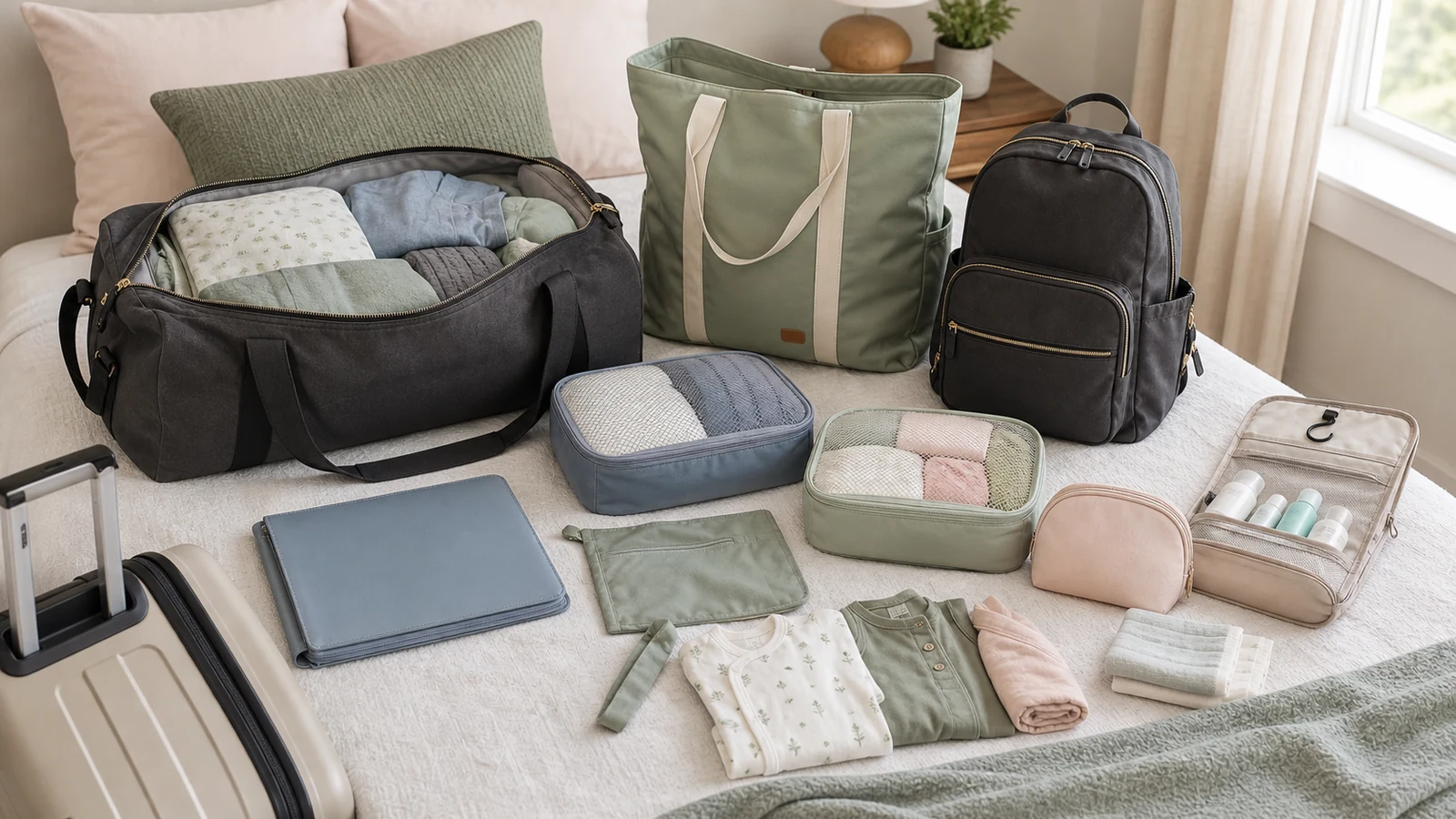
If you are wondering How to pack hospital bag without turning your bedroom into a baby-store aisle, think in zones instead of random items. I would pack one main bag, one top-access pouch, one document folder, one baby/discharge section, and one wet-dry section. The goal is not to bring less just to be impressive. The goal is to make the right thing easy to find when contractions, check-in questions, nurses, and family texts are all happening at once.
Start with the parent Hospital Bag Checklist so you know what belongs in the bag, then use this system to decide where each item should live. How to pack hospital bag well is really about access, handoffs, and fewer little piles.
Disclosure: BabyEthos is reader-supported. As an Amazon Associate, we earn from qualifying purchases. This does not change what you pay, and product choices should never replace your hospital’s instructions, product size charts, or your clinician’s guidance.
QUICK SHOP
Hospital Bag Packing System Picks
These assigned picks help turn a long list into a usable packing system: a main bag, backup tote, diaper backpack, rolling option, cubes, wet-dry storage, toiletries, and documents.
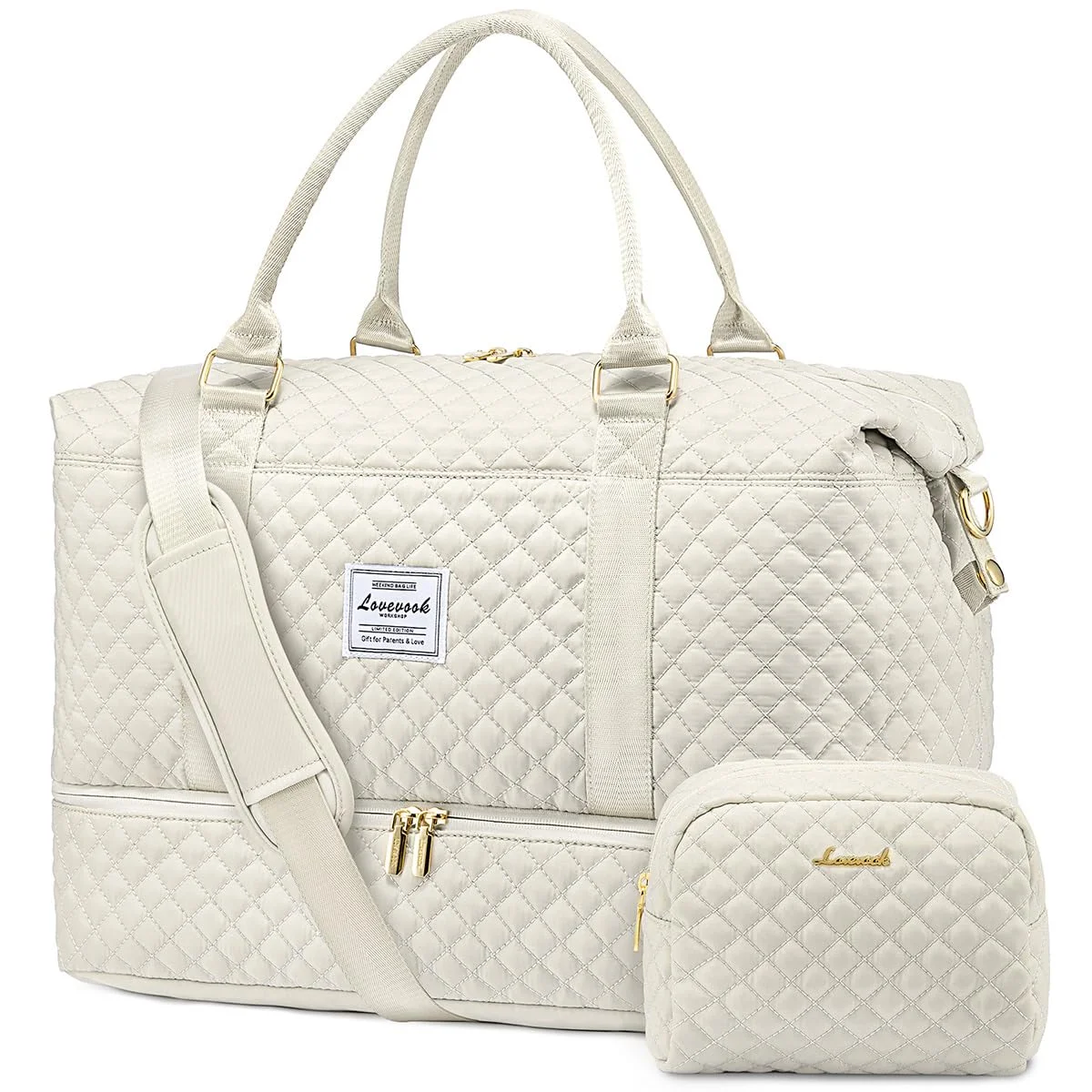
A roomy weekender duffel bag that keeps clothing, toiletries, and small labor essentials together without requiring a full-size suitcase.
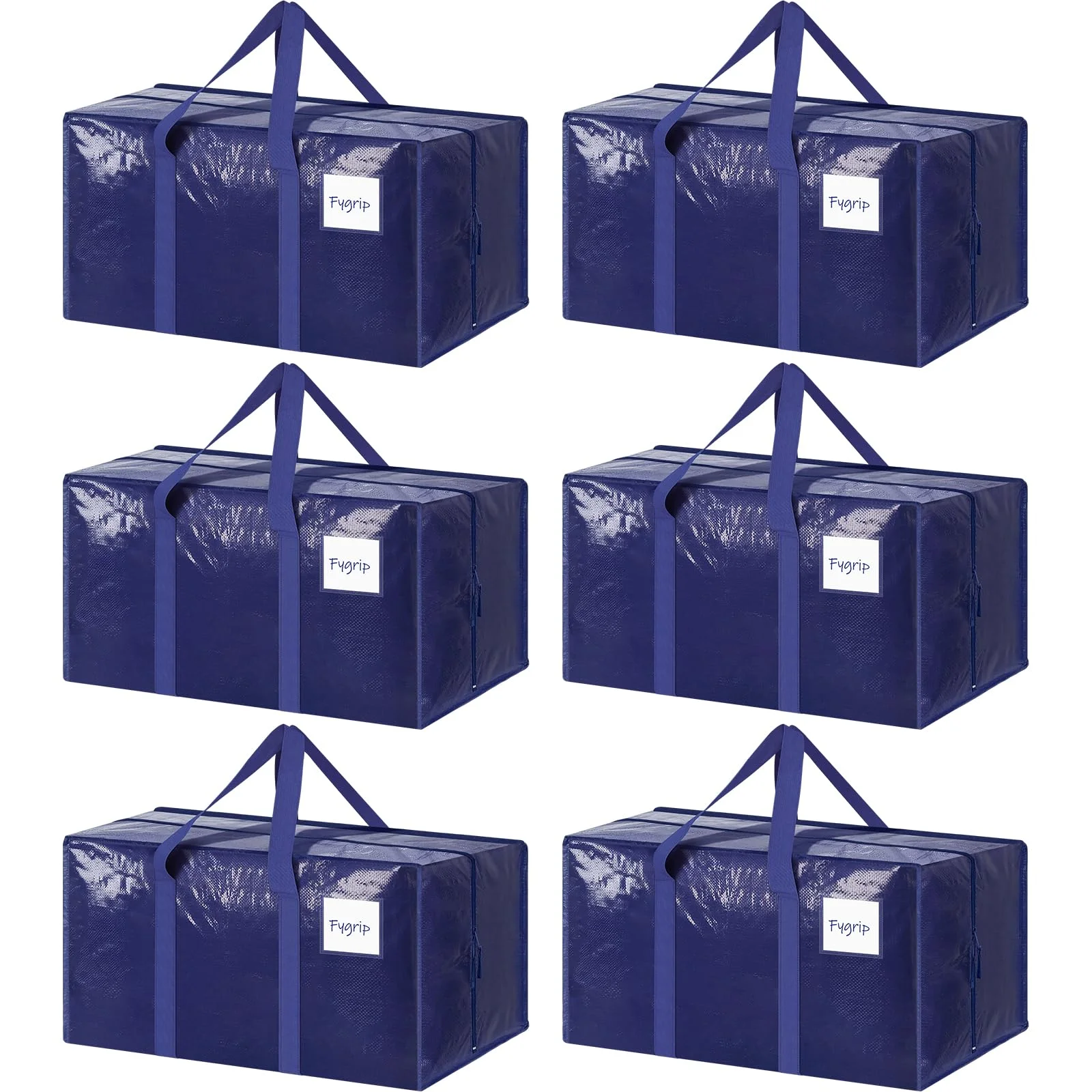
These large tote bags offer flexible storage when parents prefer separate bags for clothing, recovery supplies, and partner items.
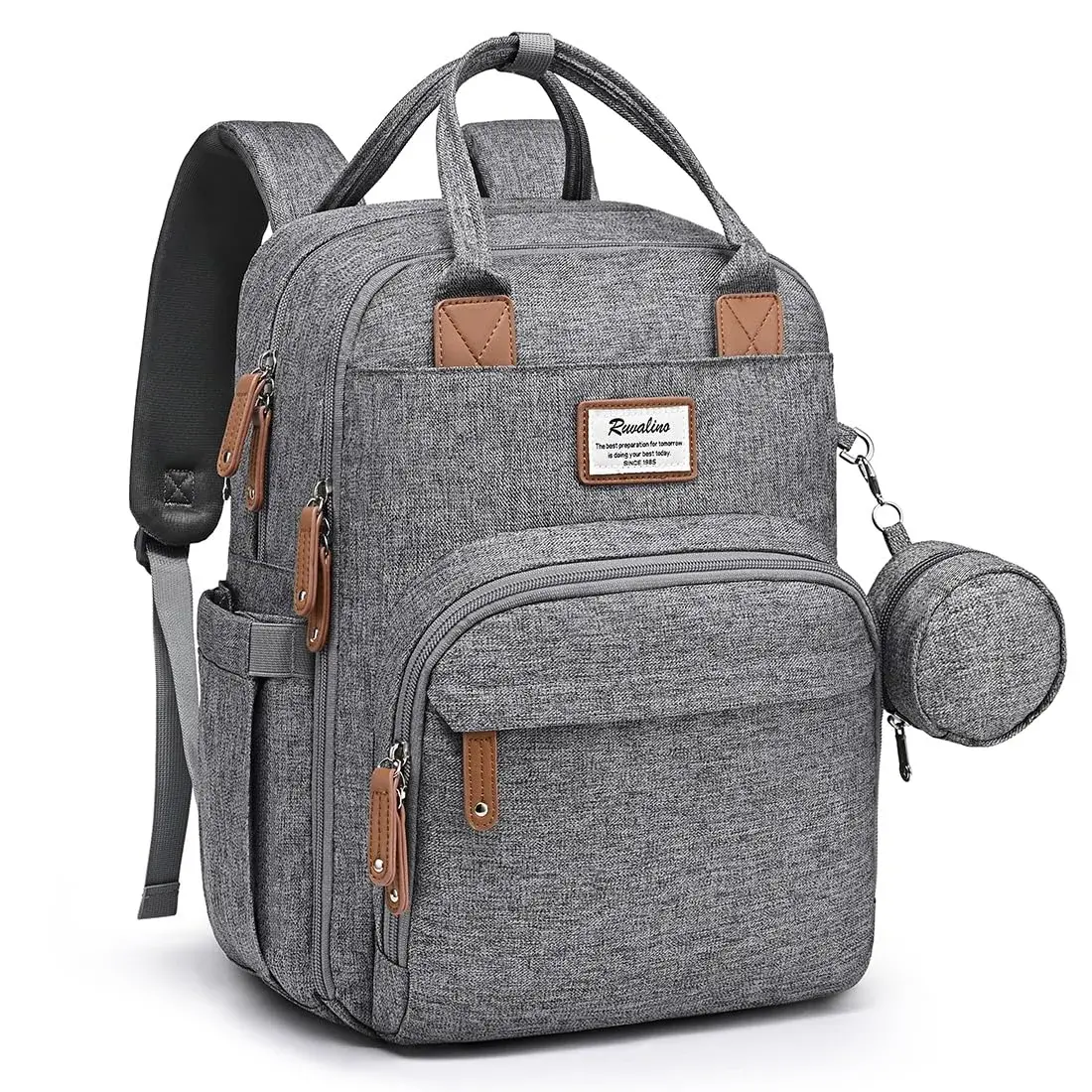
A hands-free diaper bag backpack with organized pockets for baby basics, chargers, paperwork, and the trip home.
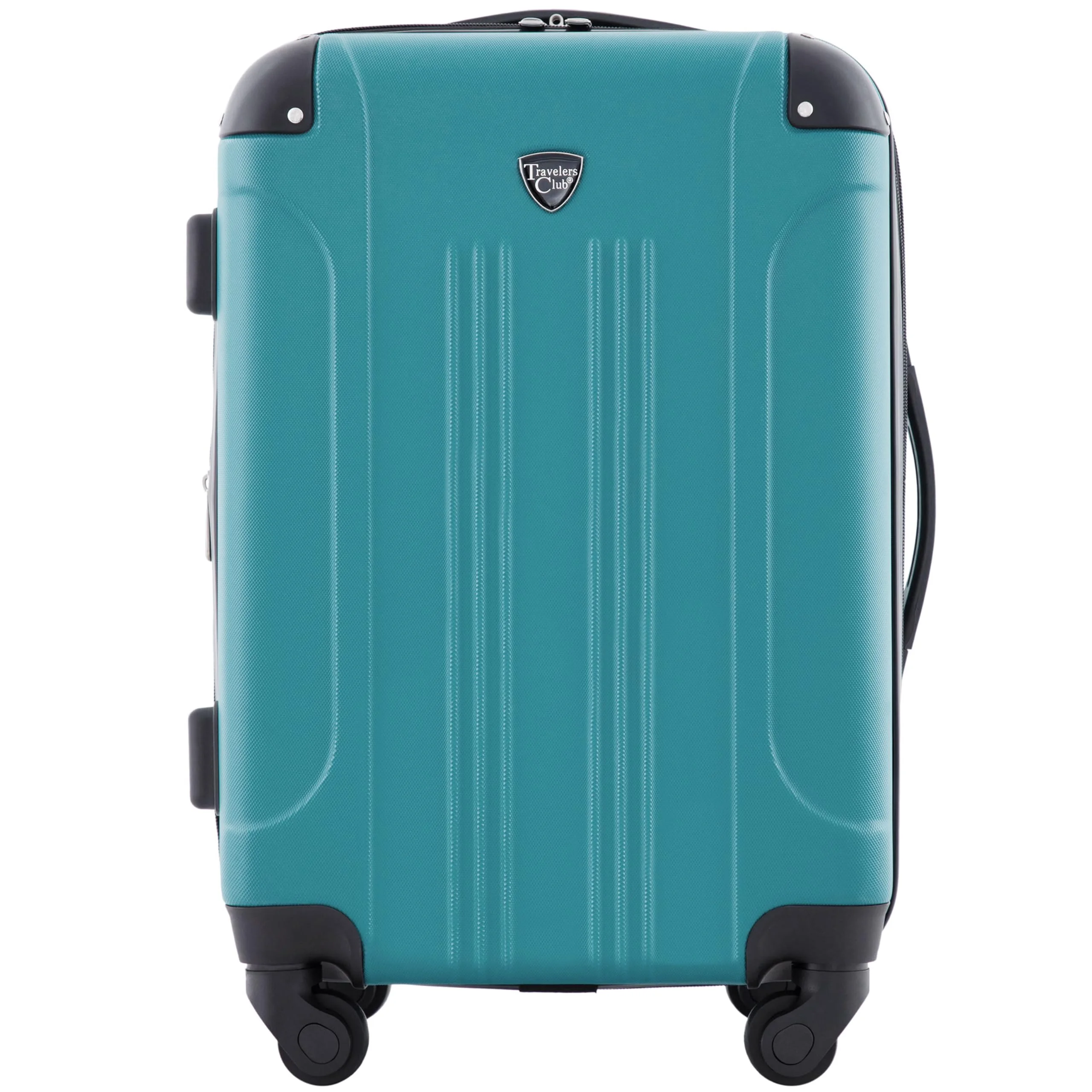
A carry-on rolling suitcase makes heavier hospital supplies easier to move, especially for a planned or potentially longer stay.
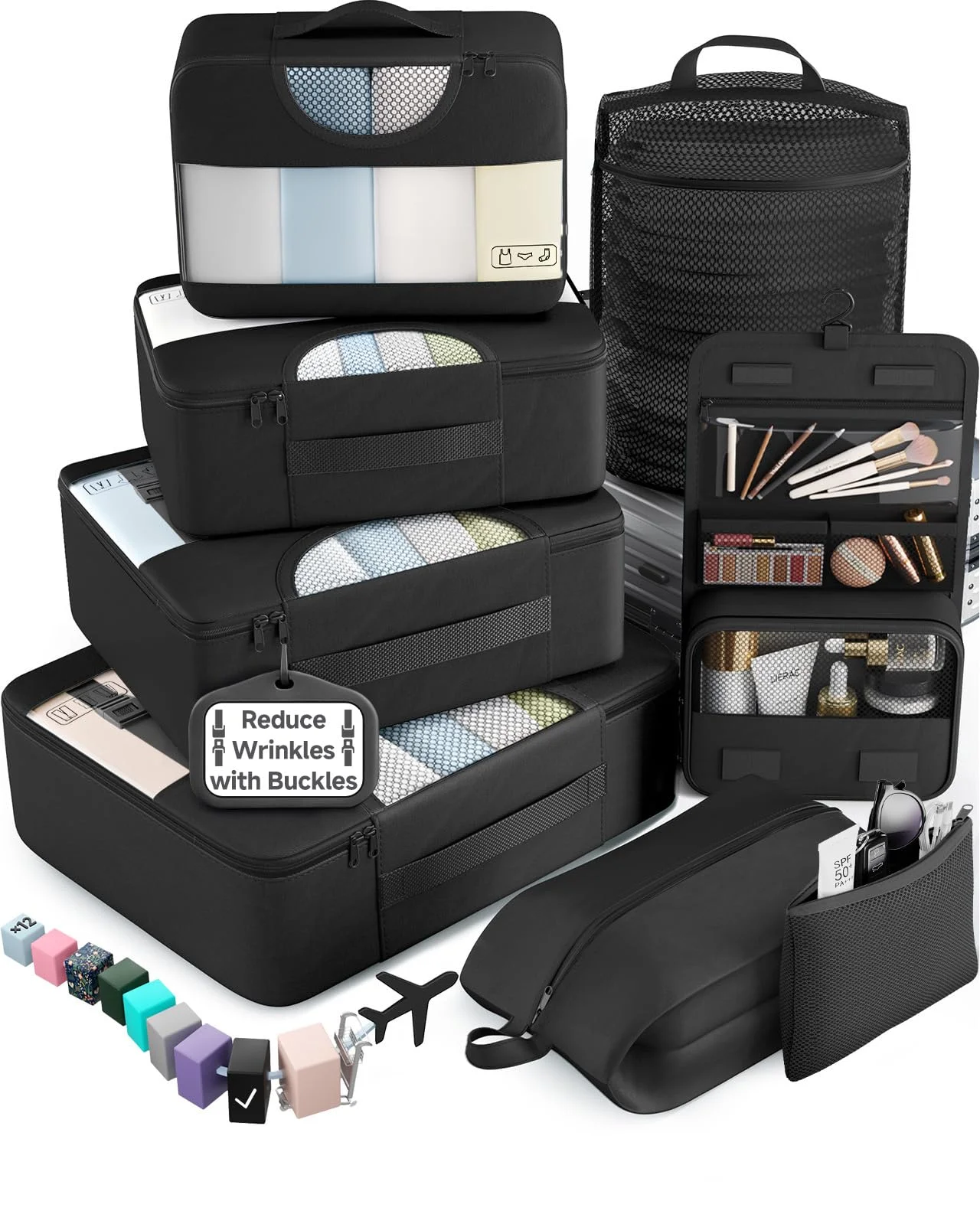
Packing cubes separate mom, baby, and partner essentials so the right pouch is easy to find in a crowded hospital room.
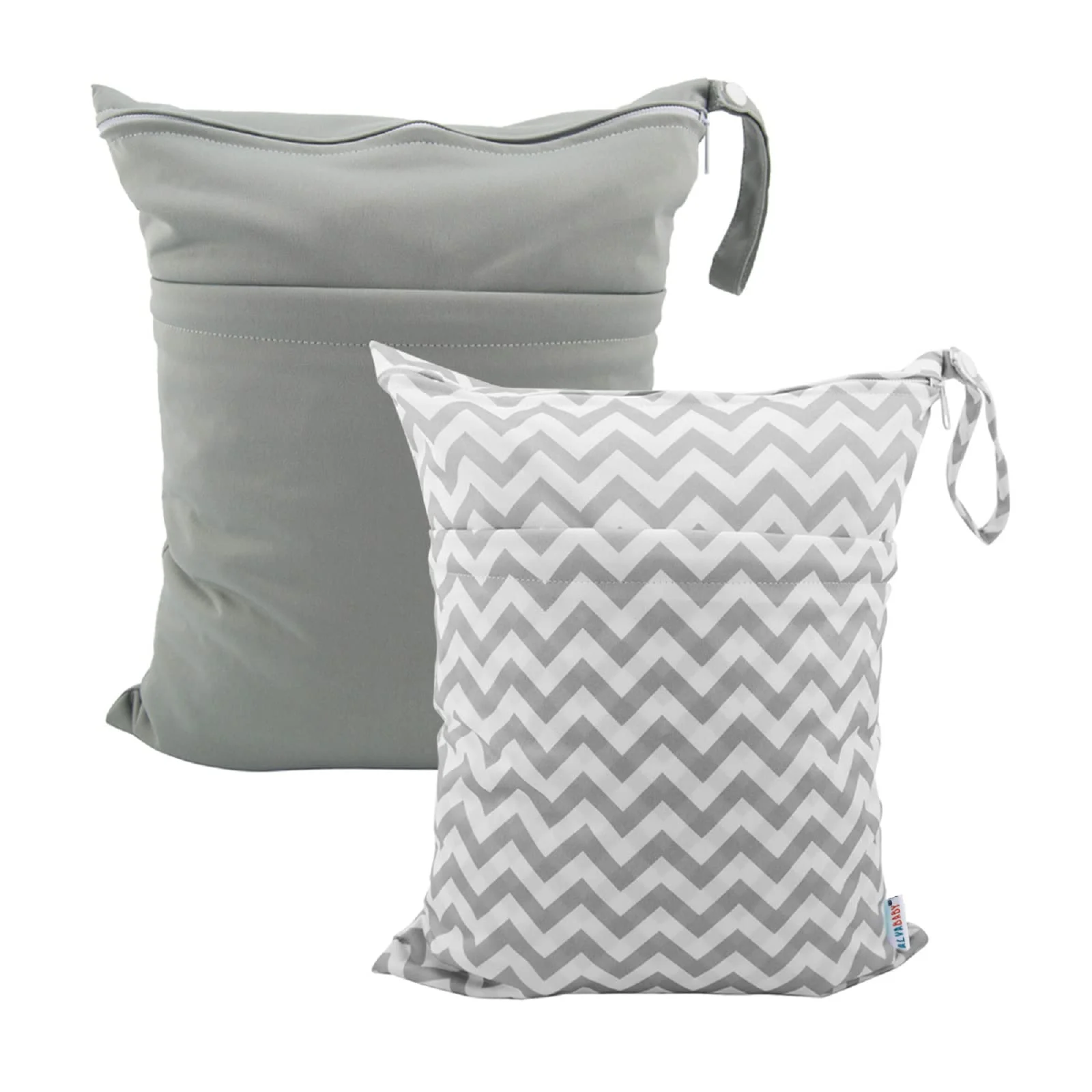
A wet dry bag gives damp clothing, used washcloths, or leak-prone toiletries a separate place for the ride home.
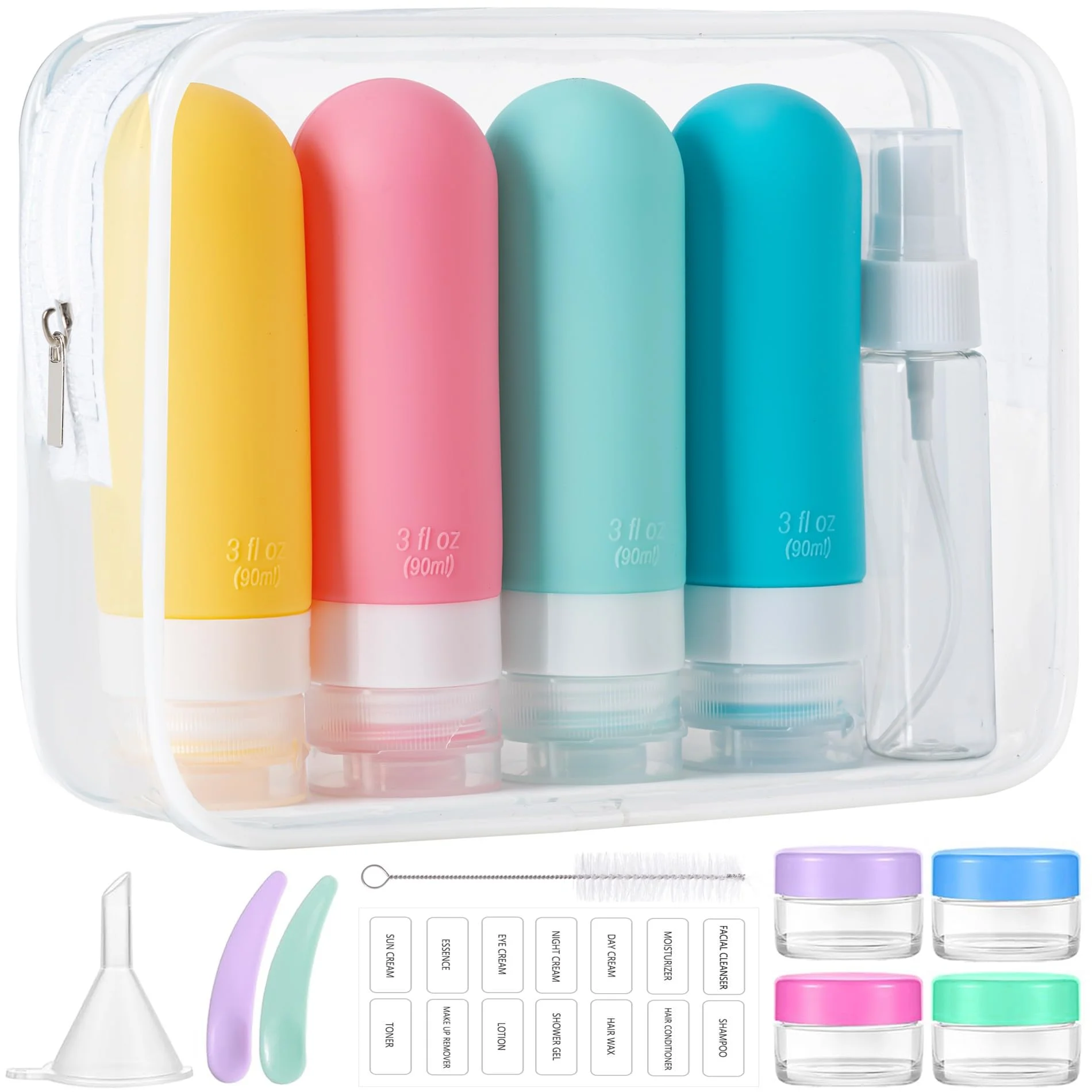
This travel toiletry kit holds shampoo, conditioner, lotion, and other familiar bathroom basics without packing full-size bottles.
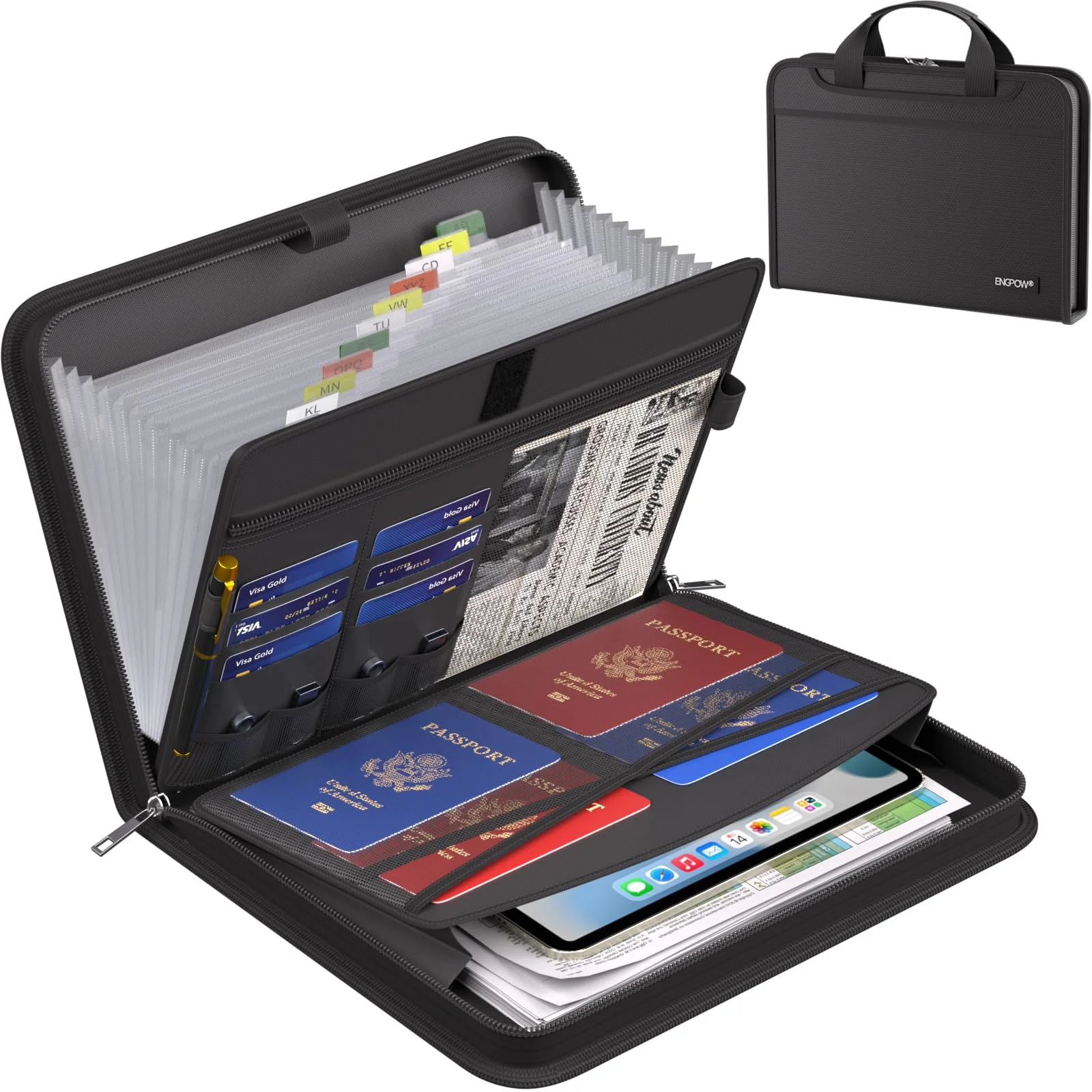
A document organizer folder keeps identification, insurance details, birth preferences, and discharge paperwork together and easy for a partner to find.
Quick Answer: The No-Stress Packing Order
How to pack hospital bag the easy way: choose the bag first, put documents in a folder, divide mom and baby items into packing cubes, keep toiletries upright, reserve a wet-dry bag for laundry or damp items, place first-hour items on top, and keep last-minute items on a note by the door. Then compare your sections against the full hospital bag checklist so the system does not miss the basics.
If packing cubes are the piece you want to dial in, our hospital bag packing cubes guide goes deeper on cube labels, sections, and what to put together.
Pick One Main Bag and One Helper Bag
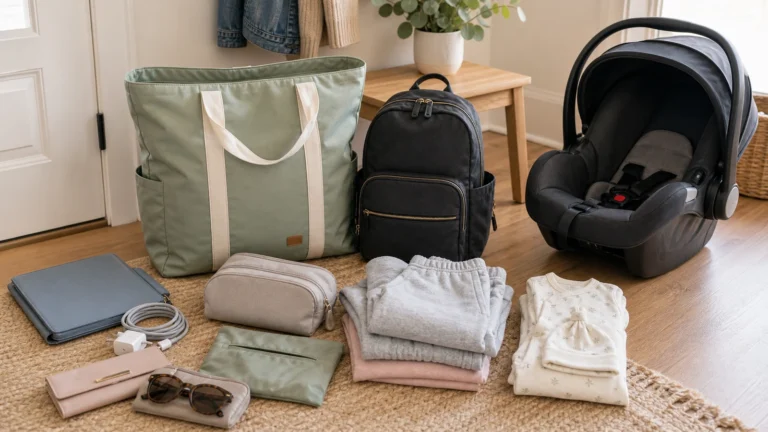
A weekender duffel bag is the simplest main bag for many families because it opens wide and fits clothes, toiletries, postpartum items, and a few baby basics without feeling like a suitcase for a vacation. I like a soft bag when the car is packed tightly or the hospital room is small.
A roomy weekender duffel bag that keeps clothing, toiletries, and small labor essentials together without requiring a full-size suitcase.
A large tote bag works better as the helper bag than the mystery overflow bag. Put snacks for your partner, a hoodie, discharge paperwork, and last-minute items there. How to pack hospital bag without chaos often comes down to giving overflow a job before it becomes a pile.
These large tote bags offer flexible storage when parents prefer separate bags for clothing, recovery supplies, and partner items.
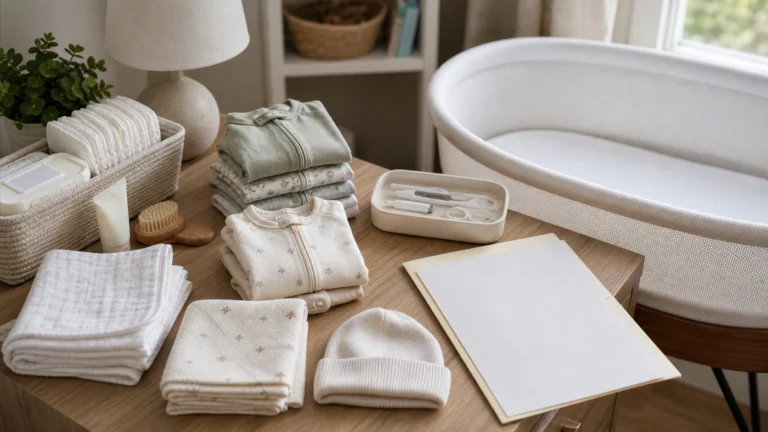
A diaper bag backpack can become the baby-and-discharge bag. Keep the going-home outfit, receiving blanket for over the car seat harness if needed, diapers, wipes, and a small burp cloth together. It should not replace the car seat or your hospital’s discharge instructions.
A hands-free diaper bag backpack with organized pockets for baby basics, chargers, paperwork, and the trip home.
A carry-on rolling suitcase is helpful if you have a longer walk from parking, a planned C-section, twins, or a partner who will also carry the car seat. Wheels make a hospital exit feel less like a juggling act.
A carry-on rolling suitcase makes heavier hospital supplies easier to move, especially for a planned or potentially longer stay.
Build Zones Inside the Bag
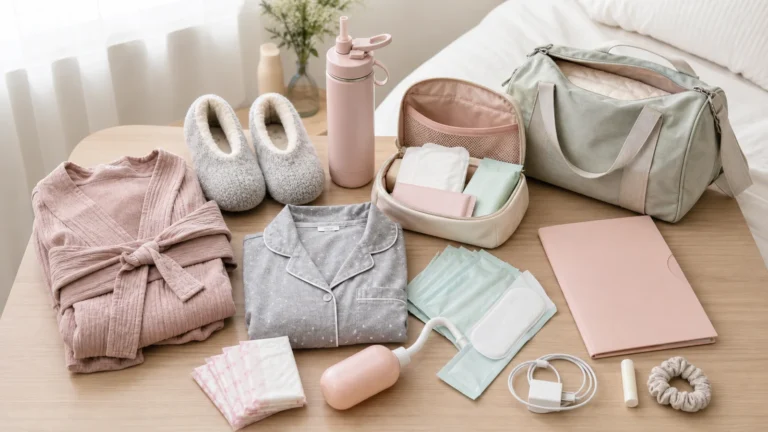
Packing cubes are the backbone of this system. Use one for mom clothes, one for postpartum basics, one for baby discharge, and one for partner or support-person items. How to pack hospital bag efficiently is not about fancy folding. It is about letting someone else find the exact cube you mean.
Packing cubes separate mom, baby, and partner essentials so the right pouch is easy to find in a crowded hospital room.
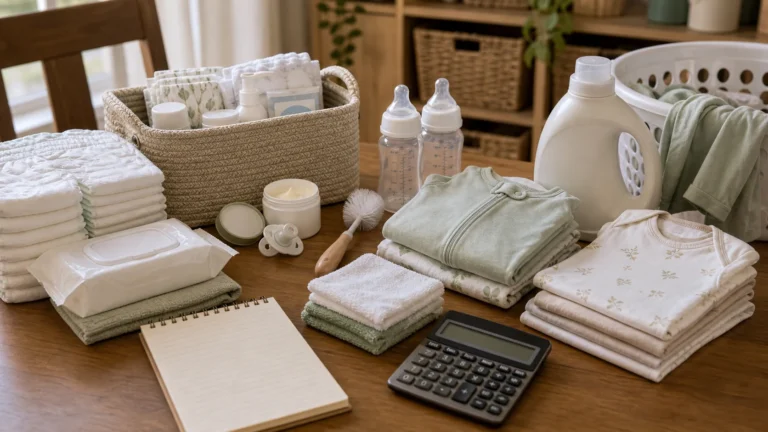
A wet dry bag gives you a place for laundry, a damp washcloth, baby clothes that got messy, or anything you do not want touching clean pajamas. I would pack it empty near the side of the bag so it is ready when you need it.
A wet dry bag gives damp clothing, used washcloths, or leak-prone toiletries a separate place for the ride home.
A travel toiletry kit should stand apart from baby and postpartum items. Keep toothbrushes, hair ties, deodorant, lip balm, glasses care, face wipes, and shower basics together. When you are tired, the fewer pockets you search, the kinder the bag feels.
This travel toiletry kit holds shampoo, conditioner, lotion, and other familiar bathroom basics without packing full-size bottles.
When parents ask me How to pack hospital bag so it still makes sense at midnight, I always come back to this idea: every small kit needs one clear job.
Put Documents Where Adults Can Find Them
A document organizer folder should sit in the first layer, not buried under clothes. Use it for your photo ID, insurance card, hospital registration papers, pediatrician information, birth preferences, medication list if your clinician asks for one, and any forms your hospital told you to bring. How to pack hospital bag calmly means your support person can grab paperwork while you answer questions or breathe through a contraction.
A document organizer folder keeps identification, insurance details, birth preferences, and discharge paperwork together and easy for a partner to find.
I also like a small “first hour” pouch right on top: phone charger, lip balm, hair tie, glasses, wallet, and a printed note with anything you still need to ask at check-in. This is the pouch you want before anyone starts unpacking the larger bag.
That small pouch is my answer to How to pack hospital bag when labor does not follow a tidy schedule and everyone is moving fast.
Pack in Rounds, Not One Long Sprint
Round one is the early pack: bag, documents, cubes, toiletries, baby discharge items, postpartum basics, and a going-home outfit. Round two is the comfort pass: slippers, robe, charger, snacks for the support person, and anything your hospital specifically recommends. Round three is last minute: phone, wallet, glasses, daily medication if your clinician says to bring it, and fresh water bottle.
MedlinePlus has a practical overview of what to bring to labor and delivery, including paperwork, comfort items, and baby clothes. Use that kind of hospital-facing list as a safety check, then let your own hospital’s instructions win when they are more specific.
Before you zip anything, review the parent Hospital Bag Checklist one more time. How to pack hospital bag with less stress is easier when the big list is already checked and the bag has a map.
FAQ
Should I pack one bag or several?
Use one main bag plus one small helper bag if needed. Too many bags can make the room harder to manage, but one giant unorganized bag can be just as frustrating.
What should go on top?
Put documents, phone charger, lip balm, glasses, hair ties, and first-hour comfort items on top. Anything you may need during check-in should be easy to grab.
Do I need packing cubes?
You do not need them, but they make handoffs easier. A support person can find the mom clothes cube or baby discharge cube without unpacking everything.
When should I add last-minute items?
Keep a note on the bag handle with phone, wallet, glasses, charger, daily basics, and anything your clinician told you to bring the day you leave.
My best How to pack hospital bag advice is to make the bag readable. When every section has a purpose, the hospital room feels less cluttered and your support person can help without constant guessing.
Finish by opening the full Hospital Bag Checklist and checking each category against your zones. That last pass catches the forgotten basics while the packing system keeps everything findable.
Shop Packing Picks