Hospital Bag for High-Risk Pregnancy: What to Pack When Plans Can Change Fast
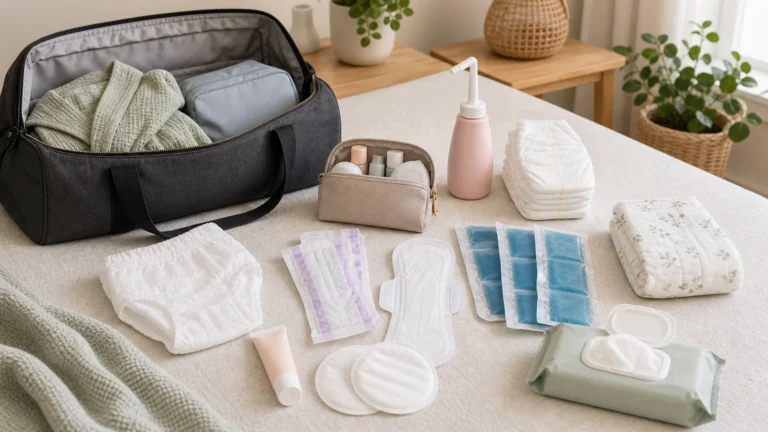
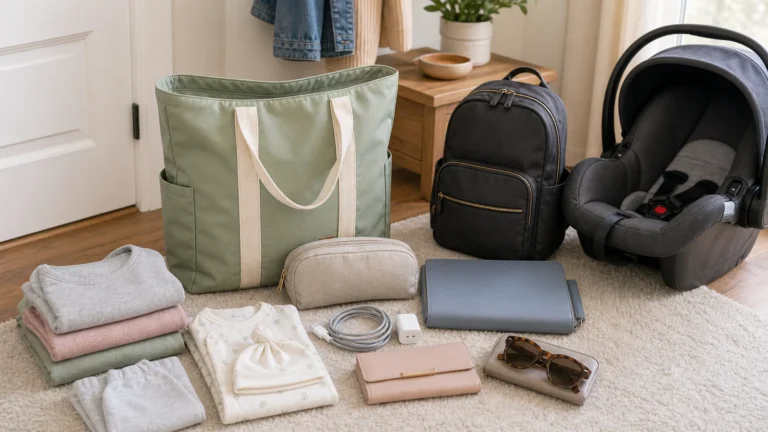
A Hospital bag for high risk pregnancy should be packed earlier than a standard due-date bag, because plans can move quickly when your care team wants extra monitoring, an earlier delivery, or a different route than you expected. I would not pack it like a fear bag. I would pack it like a calm command center: documents on top, chargers ready, toiletries contained, partner comfort handled, and enough organization that someone else can find what you need.
Start with the full Hospital Bag Checklist, then adjust for the reality of high-risk care. A Hospital bag for high risk pregnancy is not a medical plan, and it should never replace instructions from your OB, midwife, maternal-fetal medicine specialist, hospital, or birth center. It is simply the practical bag I would want packed before the day gets loud.
Disclosure: BabyEthos is reader-supported. As an Amazon Associate, we earn from qualifying purchases. This does not change what you pay, and product choices should never replace your hospital’s instructions or your clinician’s guidance.
QUICK SHOP
High-Risk Pregnancy Hospital Bag Picks
These assigned picks focus on early packing, paperwork, small comforts, phone power, toiletries, and a partner setup that can handle longer hospital days.
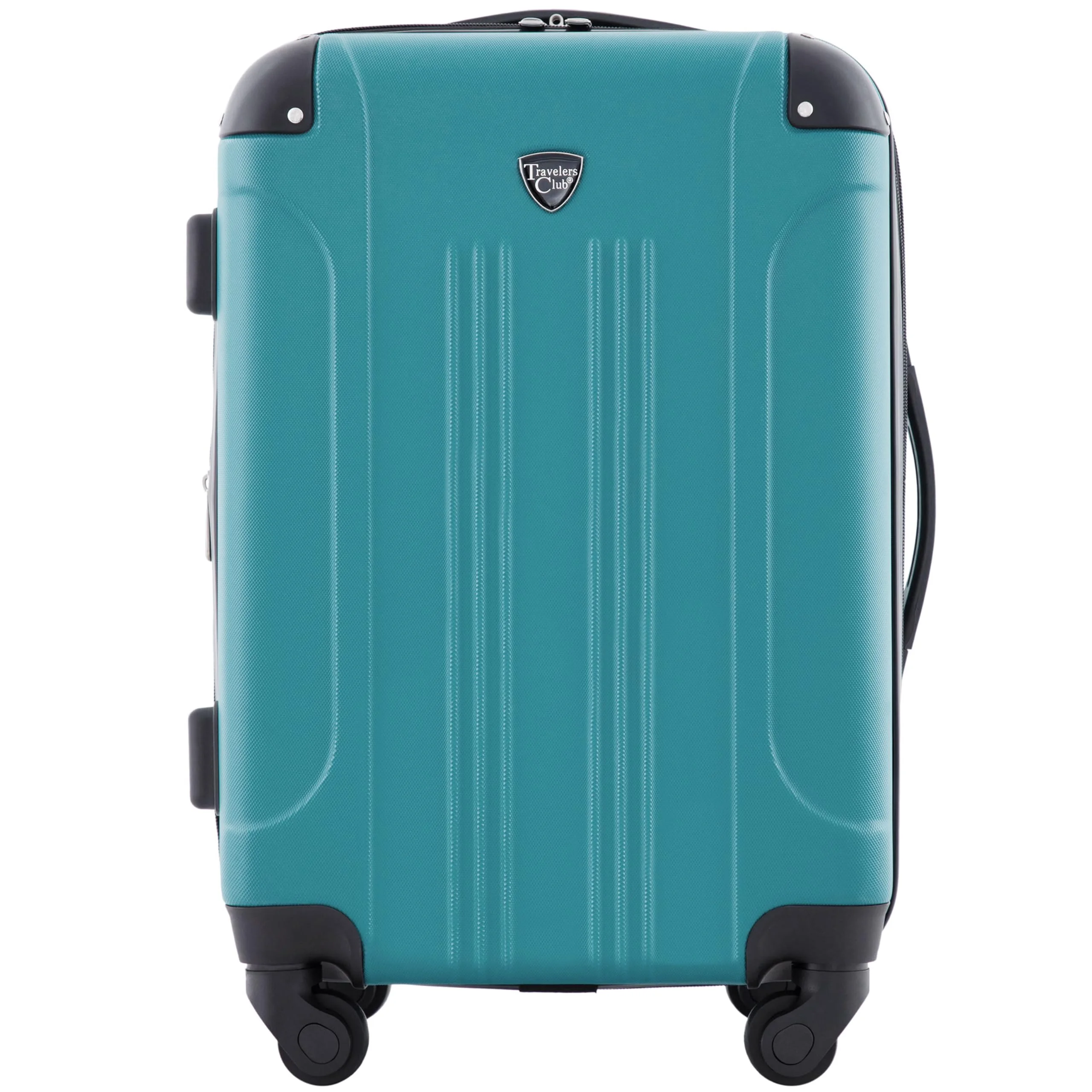
A carry-on rolling suitcase makes heavier hospital supplies easier to move, especially for a planned or potentially longer stay.
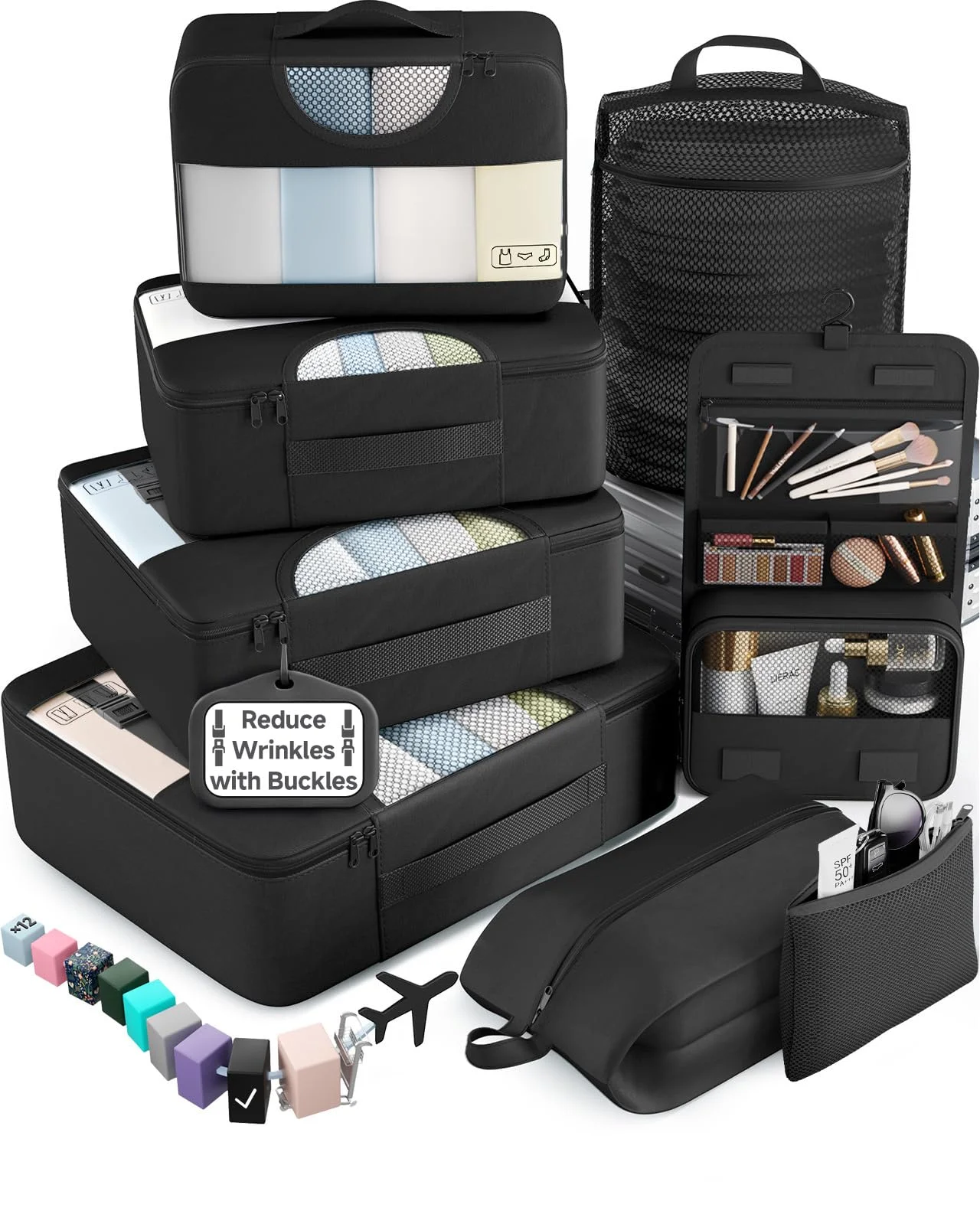
Packing cubes separate mom, baby, and partner essentials so the right pouch is easy to find in a crowded hospital room.
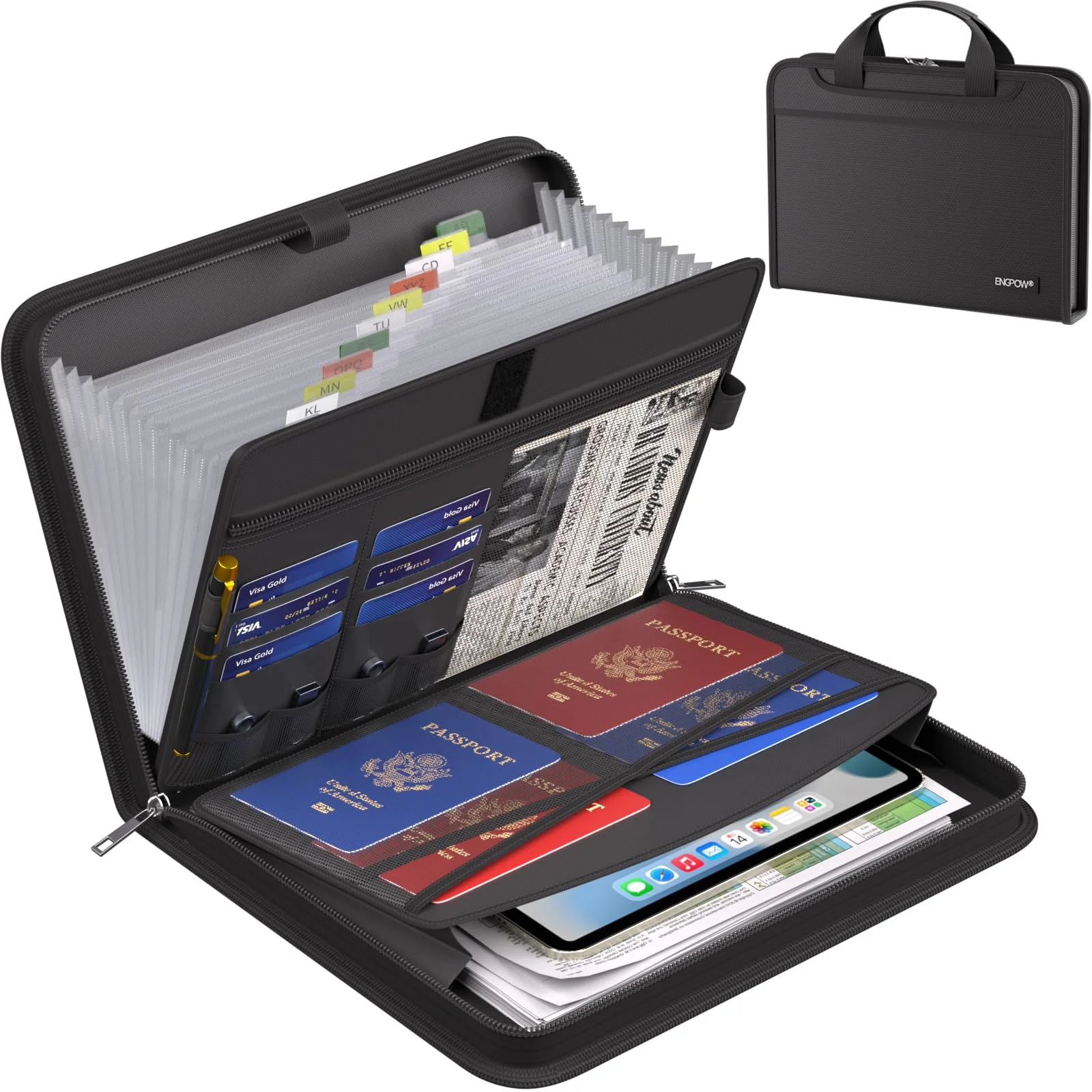
A document organizer folder keeps identification, insurance details, birth preferences, and discharge paperwork together and easy for a partner to find.
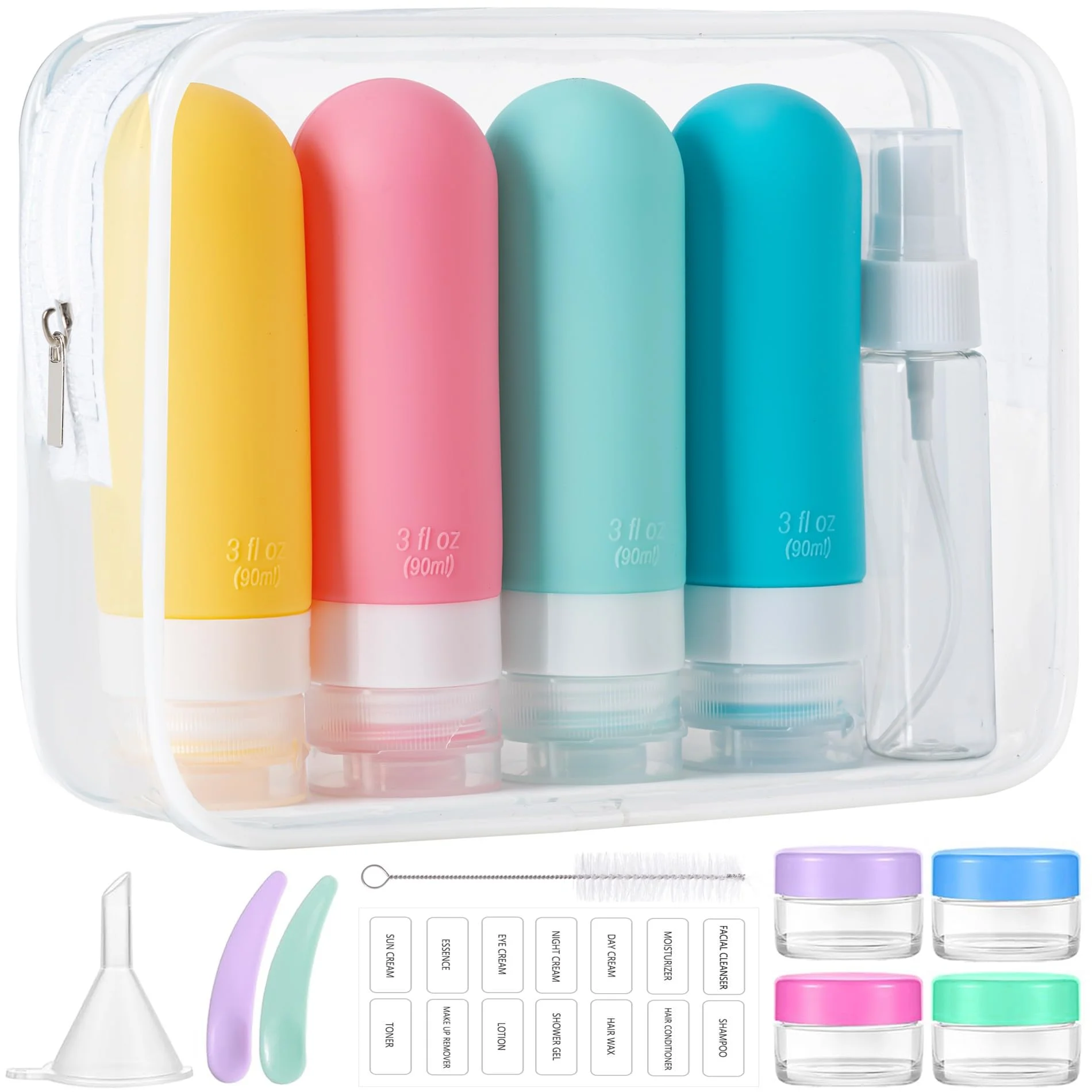
This travel toiletry kit holds shampoo, conditioner, lotion, and other familiar bathroom basics without packing full-size bottles.
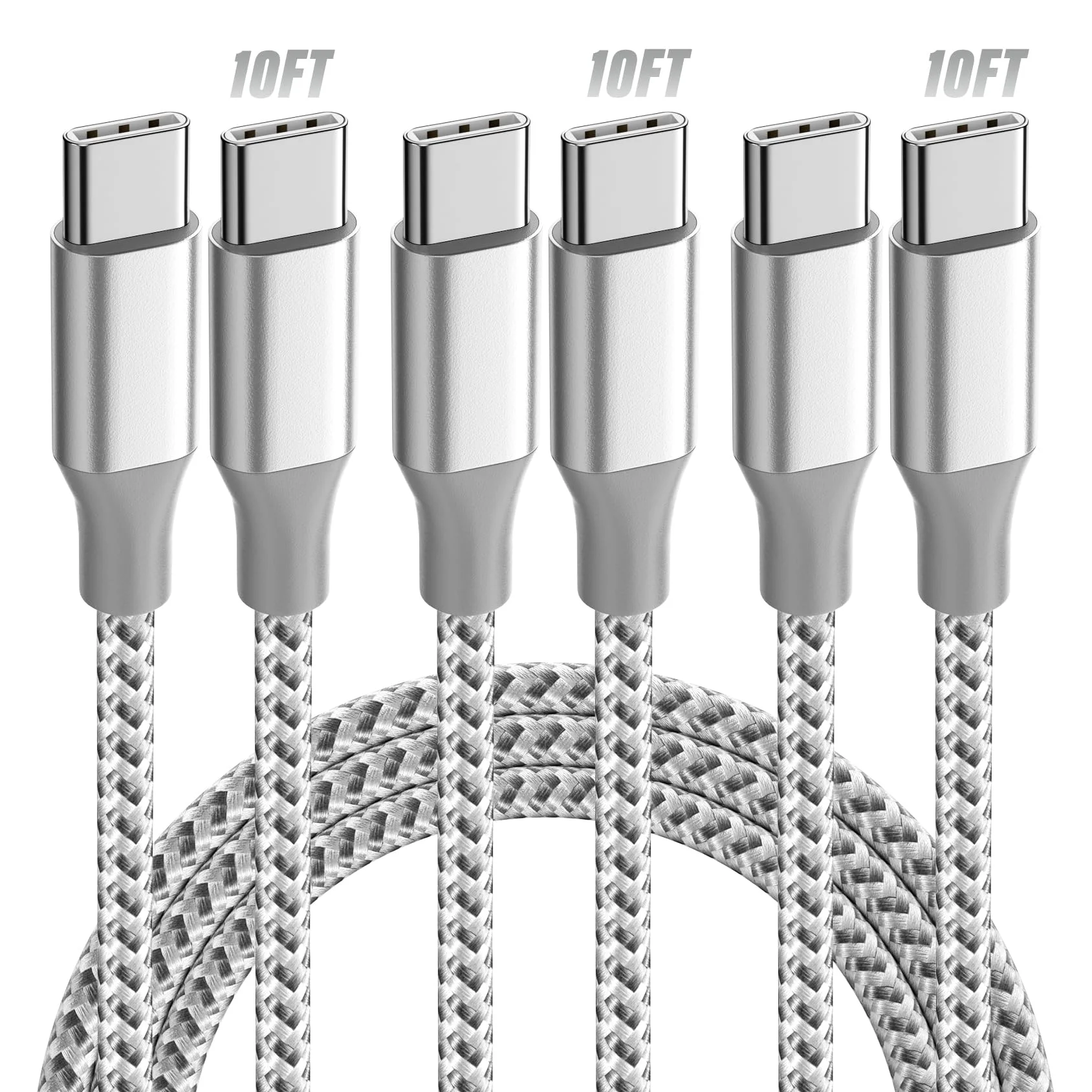
A 10-foot phone charger cable reaches outlets behind hospital beds and keeps phones available for calls, photos, and family updates.
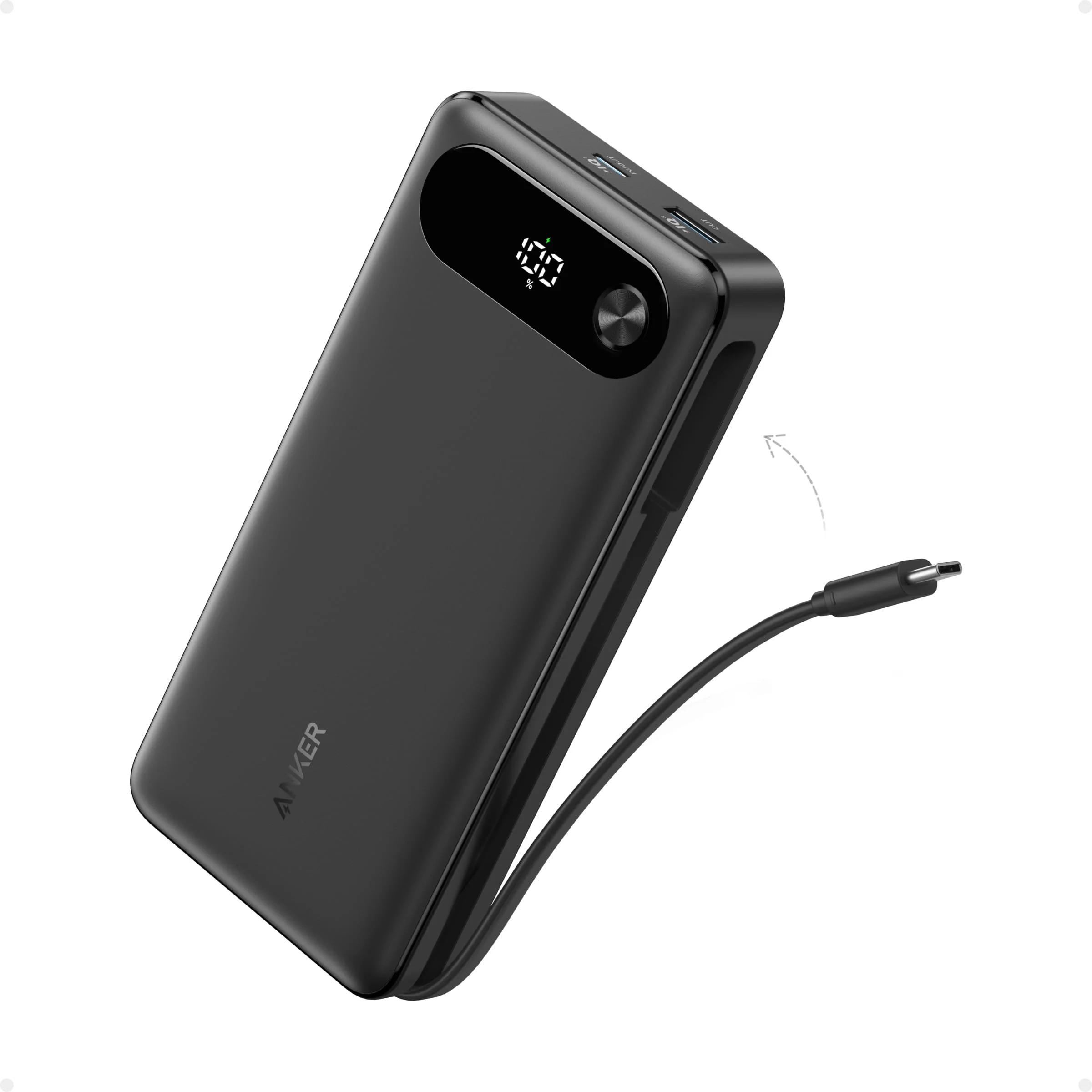
A portable power bank keeps phones charged during triage, room changes, or long stretches when a wall outlet is inconvenient.
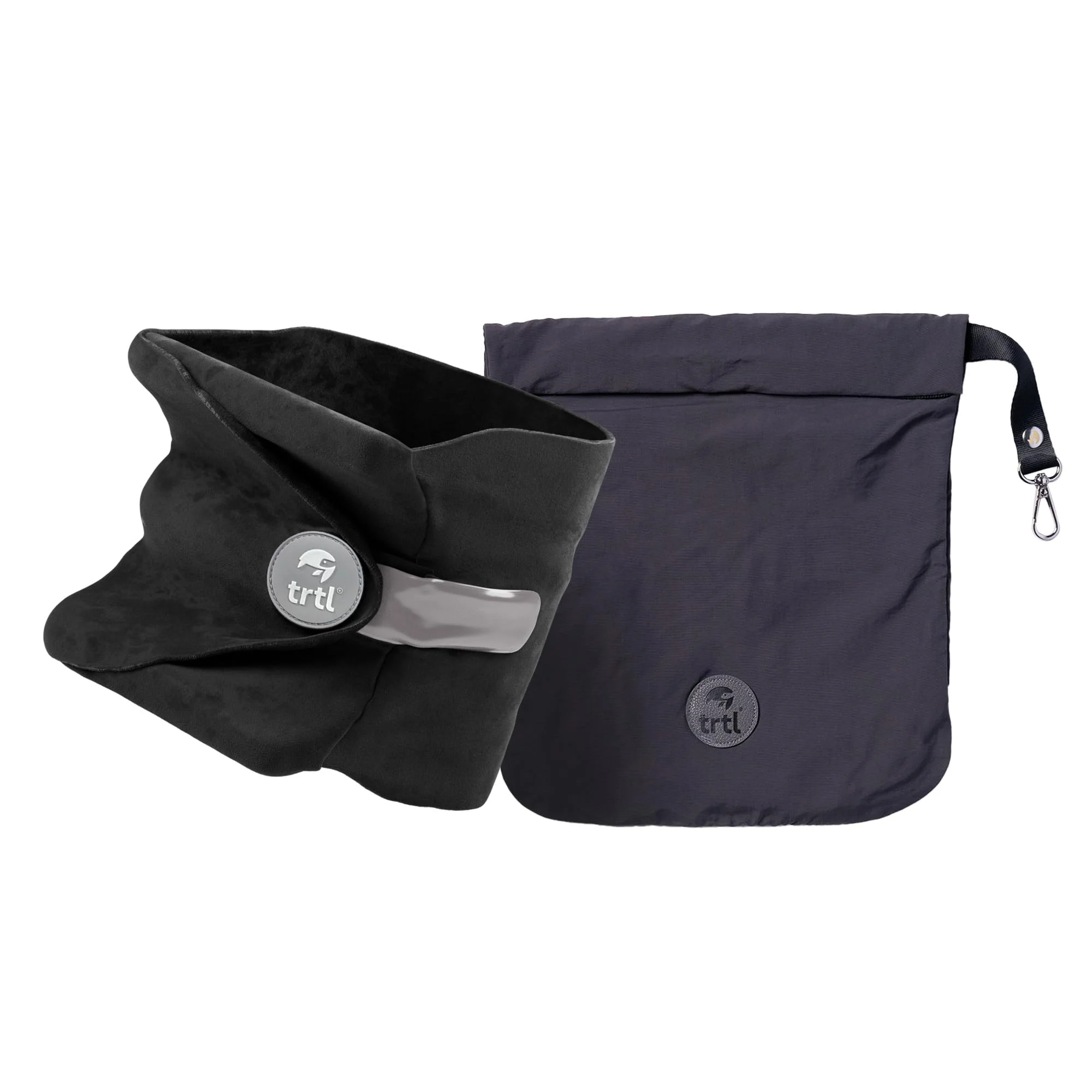
A compact partner travel pillow offers neck support during overnight chair naps and packs smaller than a standard bed pillow.
Quick Answer: What Should You Pack First?
The first layer of a Hospital bag for high risk pregnancy should be paperwork, phone power, toiletries, easy layers, and a bag system that your partner can manage without asking you where everything is. Add the usual mom and baby basics from the main hospital bag checklist, but prioritize anything that helps you respond to a same-day call from the clinic or hospital.
If your team has already mentioned induction as one possible path, also compare this with our hospital bag checklist for induction. The high-risk version is broader: it is built for shifting plans, extra monitoring, and the possibility that you may need to leave sooner than expected.
Pack Earlier Than You Think You Need To
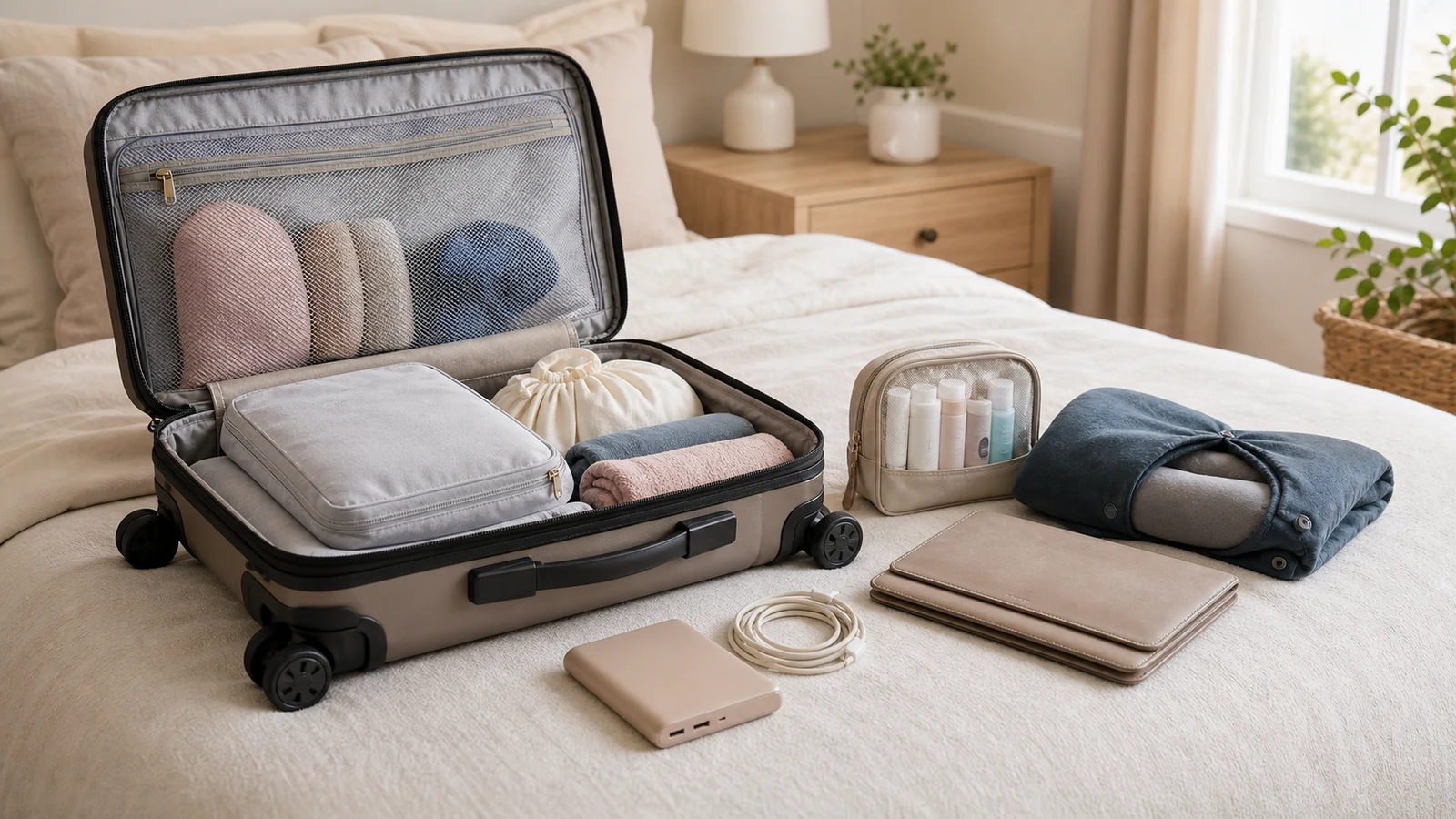
For a Hospital bag for high risk pregnancy, I would choose a small rolling suitcase instead of a floppy overstuffed bag. It is easier to keep upright near the door, easier for a partner to move through parking and elevators, and easier to leave partially packed for several weeks. You do not need to fill every inch. Empty space is useful when the hospital sends you home with paperwork, supplies, or extra baby items.
A carry-on rolling suitcase makes heavier hospital supplies easier to move, especially for a planned or potentially longer stay.
Packing cubes matter more when plans can change. Use one cube for your clothes, one for partner basics, one for baby discharge items, and one for “grab first” items. If you are sent in for monitoring and then admitted, this keeps the bag from turning into a pile of loose decisions.
Packing cubes separate mom, baby, and partner essentials so the right pouch is easy to find in a crowded hospital room.
A Hospital bag for high risk pregnancy should also have a document organizer that stays on top. Include your ID, insurance card, medication list, allergy information, prenatal records your hospital asked you to bring, pediatrician details, and any written hospital instructions. If you have multiple specialists, add names and phone numbers in one place.
A document organizer folder keeps identification, insurance details, birth preferences, and discharge paperwork together and easy for a partner to find.
Make the Waiting Parts More Human
High-risk care can involve more waiting than a standard labor-day plan: triage, monitoring, repeat blood pressure checks, lab work, ultrasound timing, or conversations about next steps. A travel toiletry kit sounds boring until you are on hour six and badly want a toothbrush, lip balm, hair tie, deodorant, and face wipe.
This travel toiletry kit holds shampoo, conditioner, lotion, and other familiar bathroom basics without packing full-size bottles.
Keep toiletries unscented and simple. Do not pack supplements, medical devices, creams, or comfort tools that your hospital has not cleared. The job of a Hospital bag for high risk pregnancy is to support the care plan, not compete with it.
I would also add one partner comfort item. A compact travel pillow or small blanket can help the support person stay rested enough to be useful, especially if monitoring turns into an overnight stay. The partner should pack light, but not so light that they become another person you have to manage.
A compact partner travel pillow offers neck support during overnight chair naps and packs smaller than a standard bed pillow.
Keep Phone Power Boring and Reliable
A long charger cable is a non-negotiable comfort item in my book. You may need your phone for patient portal messages, childcare updates, family texts, music, photos, rides, and the small mental breaks that make a long hospital day feel survivable. Hospital outlets are almost never where your pillow is.
A 10-foot phone charger cable reaches outlets behind hospital beds and keeps phones available for calls, photos, and family updates.
A portable power bank is not a substitute for a wall charger, but it is useful if you are moved between triage, monitoring, labor, surgery prep, postpartum, or the NICU waiting area. Charge it when you refresh the bag. A Hospital bag for high risk pregnancy should be ready on an ordinary Tuesday, not only after you have warning.
A portable power bank keeps phones charged during triage, room changes, or long stretches when a wall outlet is inconvenient.
What I Would Keep Flexible
Do not overpack baby clothes, postpartum supplies, or food just because the pregnancy is high risk. Ask your hospital what they provide and what they prefer you bring. If you may need a C-section, induction, extra monitoring, or a longer admission, the best bag is still organized and modest. The overflow can stay in the car or at home with a clear list for someone to bring later.
For a Hospital bag for high risk pregnancy, I like a two-zone system: one bag that comes inside immediately, and one optional restock bag that waits. The inside bag gets documents, phone power, toiletries, one outfit, partner basics, and baby discharge items. The restock bag can hold extra pajamas, snacks if allowed, backup clothes, and weather-specific items.
Safety Notes for High-Risk Pregnancy Packing
ACOG’s overview of what to expect with a high-risk pregnancy emphasizes that extra visits, testing, or monitoring may be part of care. Your own team knows why your pregnancy is being watched more closely, so follow their instructions about when to call, where to go, what to eat or drink before arrival, and which records or medications to bring.
Before you close the bag, do one pass through the parent Hospital Bag Checklist and then remove anything that adds clutter without helping care or comfort. A Hospital bag for high risk pregnancy should lower the number of decisions you make at the door.
FAQ
When should I pack a high-risk pregnancy hospital bag?
Ask your clinician for timing, but many high-risk parents feel better packing earlier in the third trimester or as soon as their care team says delivery plans could change. Keep the essentials near the door.
Should I bring medical records?
Bring whatever your hospital or clinician asks you to bring. At minimum, keep ID, insurance information, medication and allergy details, specialist contact information, and written hospital instructions together.
Do I need a bigger bag?
Not always. A small rolling suitcase with packing cubes is often better than a huge bag. Use a separate restock bag for extra clothes or longer-stay items.
Can I pack snacks and drinks?
Ask your hospital. Eating and drinking rules can depend on your care plan, medication, monitoring, anesthesia possibility, and reason for admission.
My final Hospital bag for high risk pregnancy advice is to pack for clarity first. If your partner can grab documents, charger, power bank, toiletries, and comfort items without unpacking everything, you have done the hard part before the day asks more from you.
Then use the main Hospital Bag Checklist for a final mom, baby, partner, and discharge check. Keep the bag simple, early, and ready to move.
Shop High-Risk Bag Picks